How to Get Around Andorra
I’m back with another article to help you plan your travels around Andorra. When organizing a trip, it’s easy to focus on activities, scenery, and accommodations while giving much less thought to transportation. Yet even though Andorra is a small country, getting around is something you do need to consider. Before I left, I assumed traveling between places would be easy and that everything I wanted to see would be close by.
Once I arrived, I quickly realized it wasn’t quite that simple. These are still mountain roads, with all that entails: winding routes, elevation changes, and sometimes snow or black ice. So a little planning is essential. Since I live in Toulouse, I drove my own car. The journey took only 2 hours and 40 minutes each way. During my five-day stay, I could travel wherever I wanted, follow my itinerary, and still leave room for breaks and spontaneous stops. Although I visited in late March, there was no snow at all on the roads—only along the sides—which definitely made the trip easier. That said, a car isn’t always essential; it really depends on what you have planned.
In this article, I’ll walk you through how to get around Andorra and all the options available. Hopefully, it will help you plan your trip as smoothly as possible. Let’s be honest: organizing a vacation always takes time, so I’m happy if I can save you some. And to help with the rest of your planning, we’ve also put together a complete guide to the best things to see and do in Andorra.
How to Get Around Andorra: Transportation Options
Renting a Car in Andorra (the Best Option)
Unsurprisingly, if I had to give you just one piece of advice about getting around Andorra, it would be to rent a car or bring your own. That’s what I did, and it made a huge difference. I could plan each day at my own pace, combine several places or activities without worrying about the time, and pull over whenever a viewpoint caught my eye. The scenery along the roads is beautiful too—I often found myself wanting to stop.
I was able to reach every place on my list, from the Grau Roig ski resort outside Andorra la Vella to the Envalira Pass. I loved the latter so much that it became one of my favorite places from the trip. My point is that some beautiful spots lie well away from the main routes, and in those cases, a car is essential.
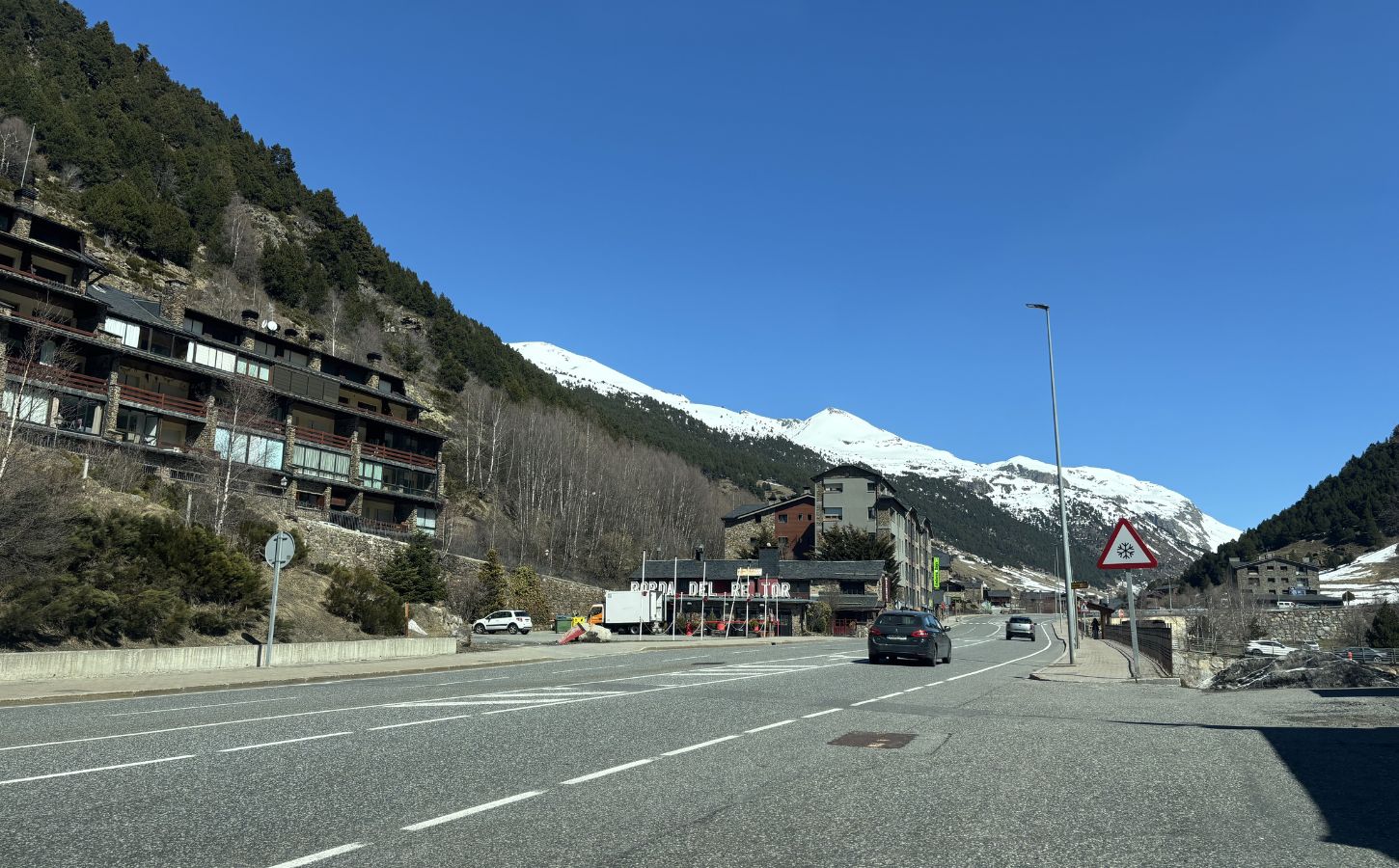
If you’re planning to drive, there’s no need to worry: driving in Andorra is generally straightforward. Still, there are a few things worth knowing. I’d recommend a reasonably powerful, midsize car. You don’t need a 4×4, but I would avoid choosing something as small as a Fiat 500. Anything in between should be perfectly suitable.
Snow equipment is especially important if you’re visiting in winter, late fall, or early spring. From November 1 to May 15, vehicles must either have winter or M+S tires or carry snow chains or similar equipment ready for use when roads are snowy or icy. You may be fined if you are not properly equipped, and you’ll feel much safer when conditions deteriorate. I never had to use mine, but I still brought chains just in case. In the mountains, the weather can change quickly. A week before my departure, snow was forecast for part of my stay, but fortunately, the forecast changed considerably by the time I arrived.
If you’re renting a car, compare prices well in advance and check whether the necessary winter equipment is included. That way, you can set off with peace of mind. I usually use the car rental comparison site Discover Cars because it makes comparing offers much easier. I’ve used it several times and have never been disappointed.
In short, if you want maximum freedom and hope to make the most of your trip, traveling by car remains the best way to get around Andorra.

Getting Around Andorra by Bus
If you’re traveling from farther away or simply don’t want to rent a car, there is another option: the bus. Although I planned to drive, I still researched the network before leaving because I wasn’t sure what the weather would be like and wanted a backup plan. I didn’t end up needing it, but I saw plenty of buses during my stay. The network is fairly extensive along the main routes, especially between Andorra la Vella and Pas de la Casa.
You can generally travel from one town or resort to another, with frequent services and affordable fares. Current single tickets cost €1.90 in Zone 1, €3.45 in Zone 2, and €4.80 in Zone 3. I’d recommend the bus if you’re staying in a town, focusing on one particular area, and keeping your itinerary relatively simple. It works well for a trip built around a few activities, a day of skiing, and some shopping.
Things become more complicated when you want to venture off the beaten path. I’m thinking mainly of trailheads, high-altitude lakes, and certain viewpoints. In those cases, the bus simply won’t take you all the way, and you’ll also need to work around the timetable. That isn’t necessarily a major drawback, but it does require more planning, such as setting off earlier.
Overall, the bus is a practical and budget-friendly option. Depending on your plans, however, it isn’t the best way to explore every corner of Andorra.
Getting Around on Foot (in Certain Areas)
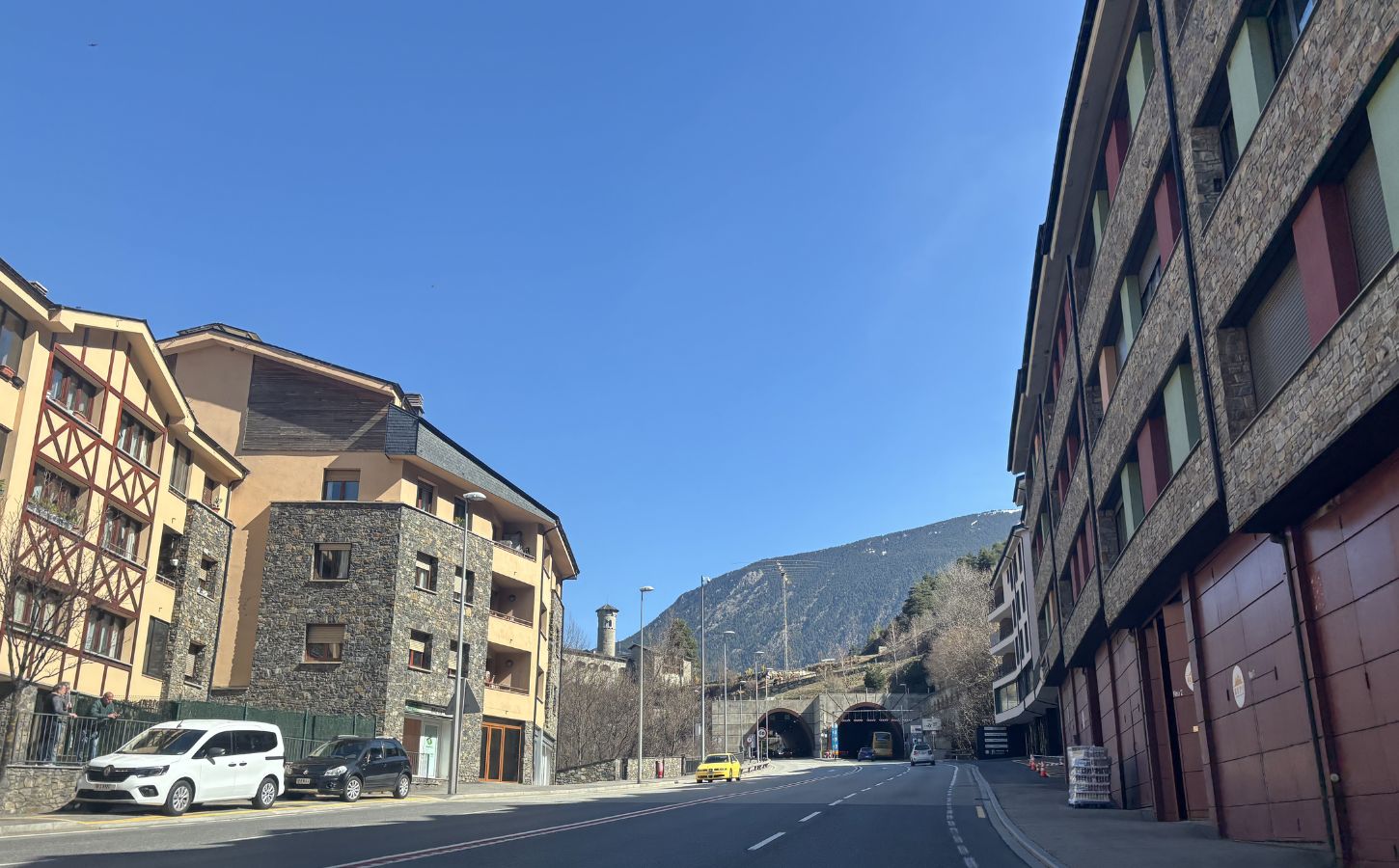
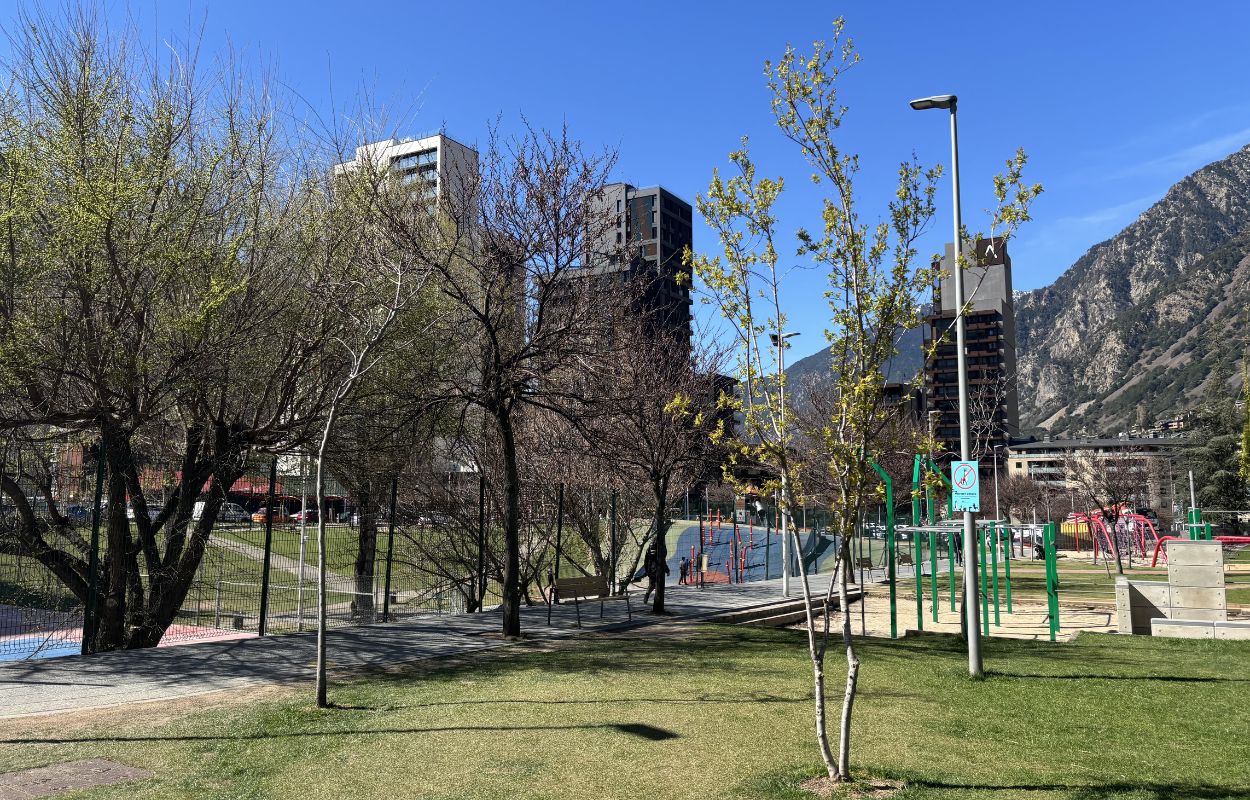
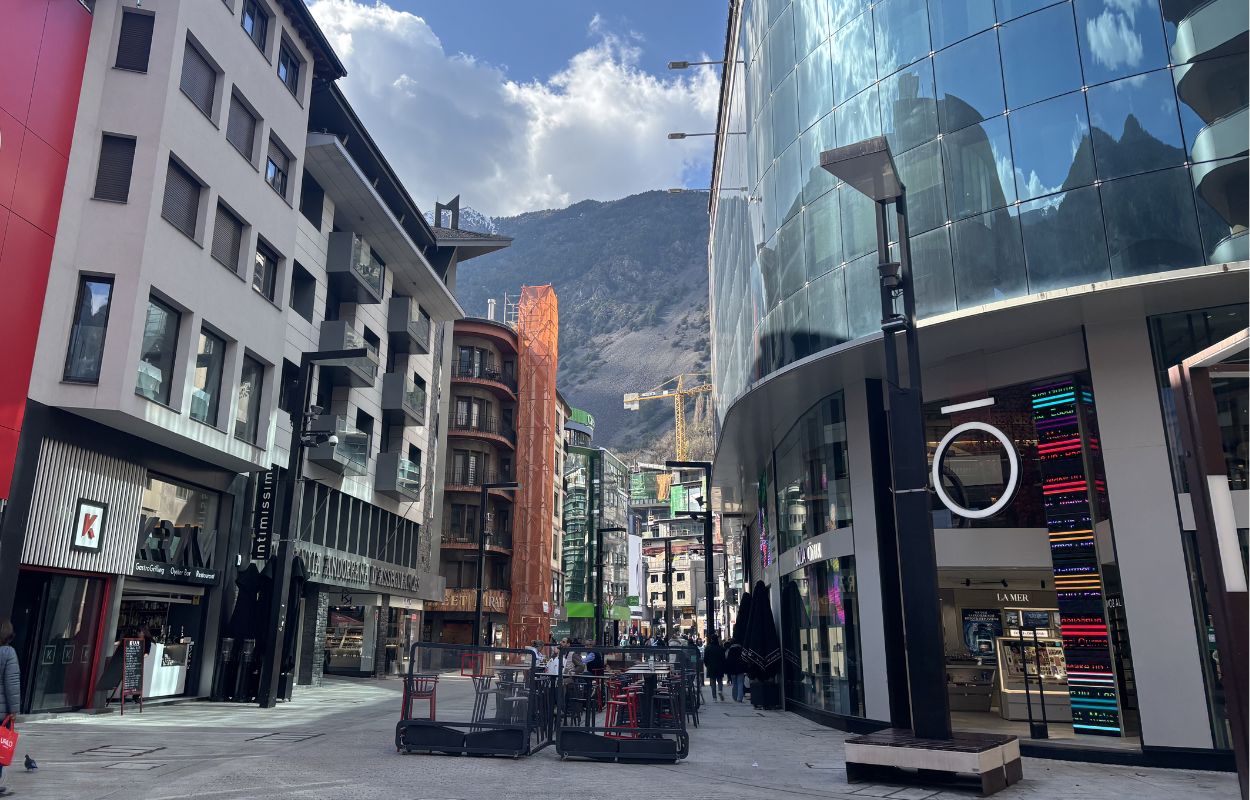
Walking is another simple option, although it only works in certain areas. I’m mainly thinking of towns such as Andorra la Vella. I stayed there and walked everywhere within the city, which gave me time to stroll, browse a few stores, explore the historic center, and visit Central Park. The capital is compact, so you really don’t need a car to get around it. I genuinely fell in love with the city—it has plenty of charm and a great atmosphere.
You can also explore resorts such as Pas de la Casa on foot. Everything there is centered around the main avenue, with stores, restaurants, and even the ski slopes all within easy reach. We’ve dedicated an entire article to things to do in Pas de la Casa. Believe me, there’s much more to the town than a day of shopping.
For more remote places at higher elevations, walking alone won’t be enough. The roads aren’t suitable for pedestrians, and the distances are simply too long. In those situations, walking works best alongside a car. I also quickly noticed how many hiking trails there are to explore. Personally, I enjoyed alternating between the two: walking around town and driving everywhere else. So yes, walking is a good option—but mainly as a complement to another form of transportation.
Taxis and Ride-Hailing in Andorra
If you’d rather not drive or take the bus, taxis are another possibility. I mainly saw them in towns, especially Andorra la Vella, and around the ski resorts. They’re convenient for occasional short trips and can spare you from driving every now and then.
Andorra’s on-demand transportation options have evolved recently. Uber now lets users request local taxi rides in Andorra la Vella, while the official Taxi Andorra app offers taxi booking across the country. Bolt does not currently operate there. In practice, you’ll still be using licensed local taxis, and fares can add up quickly over longer distances.
I wouldn’t recommend relying exclusively on taxis throughout your stay. The cost and availability can become limiting, particularly if you plan to move around frequently.
Hitchhiking and Carpooling (Alternative Options)
Admittedly, this probably isn’t the first option that comes to mind, but hitchhiking and carpooling do exist in Andorra. Platforms such as BlaBlaCar are often used to find rides, although they are more useful for traveling to and from the country than for getting around within it. You’ll mainly find journeys connecting Andorra with France or Spain. Rides within the country are less common, but they may still come in handy.
Hitchhiking is possible too, although it isn’t especially common. I think I saw only one person trying it during my entire stay. It may help in a pinch, but you certainly can’t rely on it every day. Think of it as a backup option rather than the basis of your transportation plan.
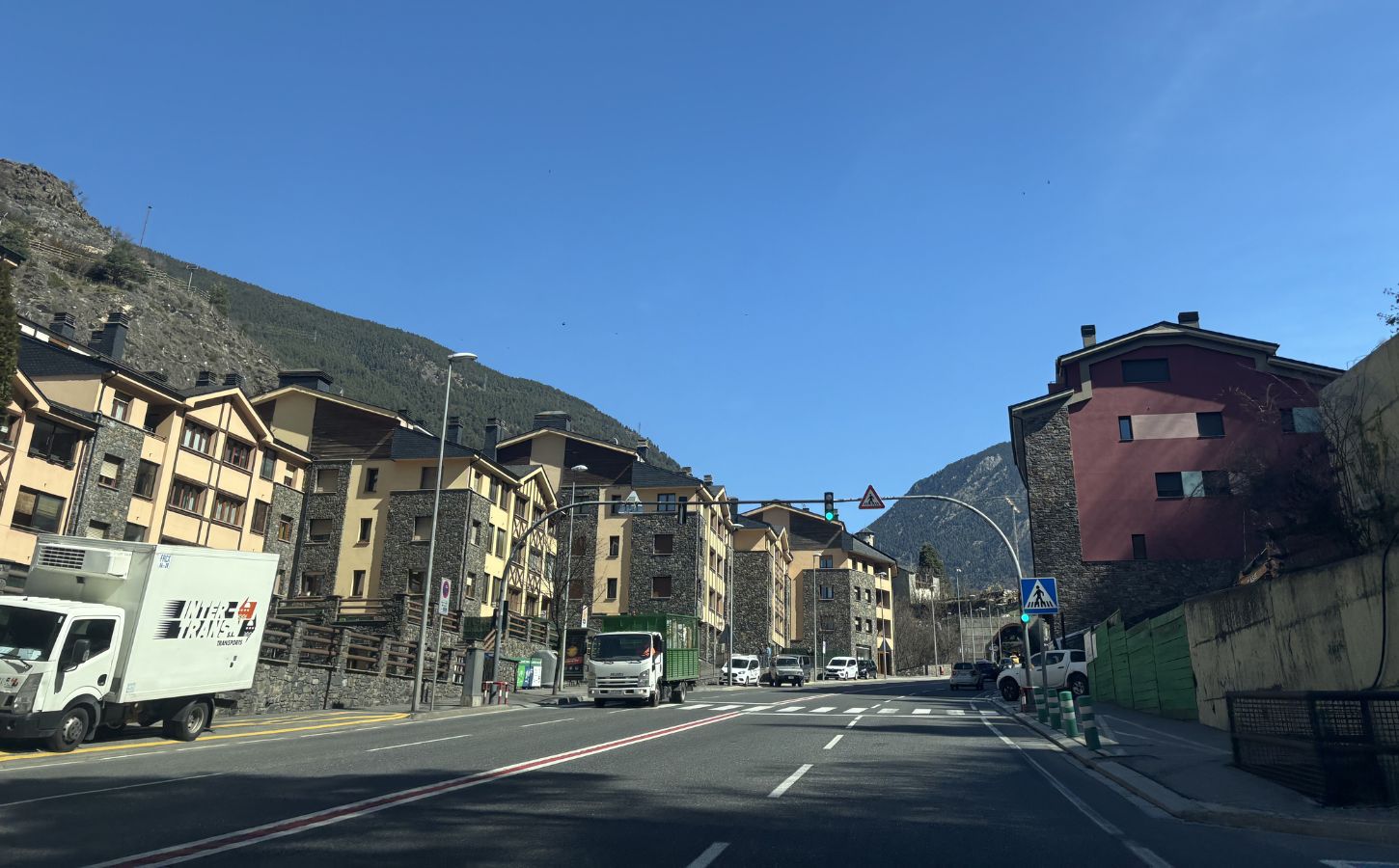
Can You Visit Andorra Without a Car?
I’ve already shared some of my thoughts, but this question deserves a clear answer. It comes up often, and understandably so. Put simply, yes, you can visit Andorra without a car, but you need to be aware of a few limitations.
As mentioned above, Andorra’s bus network is fairly efficient. You can easily reach the capital, travel to certain ski resorts, and move between the main areas. For a straightforward trip, that may be all you need.
Exploring the country in greater depth is more difficult, however. Some natural sites aren’t served by bus, and many trailheads are isolated, although a few can be reached on foot from Andorra la Vella. Without a car, you may also spend more time waiting for buses and constantly adapting your schedule by allowing extra time or starting your day earlier.
I’m glad I brought my car. It allowed me to see much more and, above all, enjoy the trip without worrying about schedules. I could stop whenever I liked, change my plans at the last minute, and discover places I might never otherwise have considered.
In short, a car is hard to beat if you want to explore Andorra thoroughly. But if you prefer a slower trip centered on one area, you can absolutely manage without one.
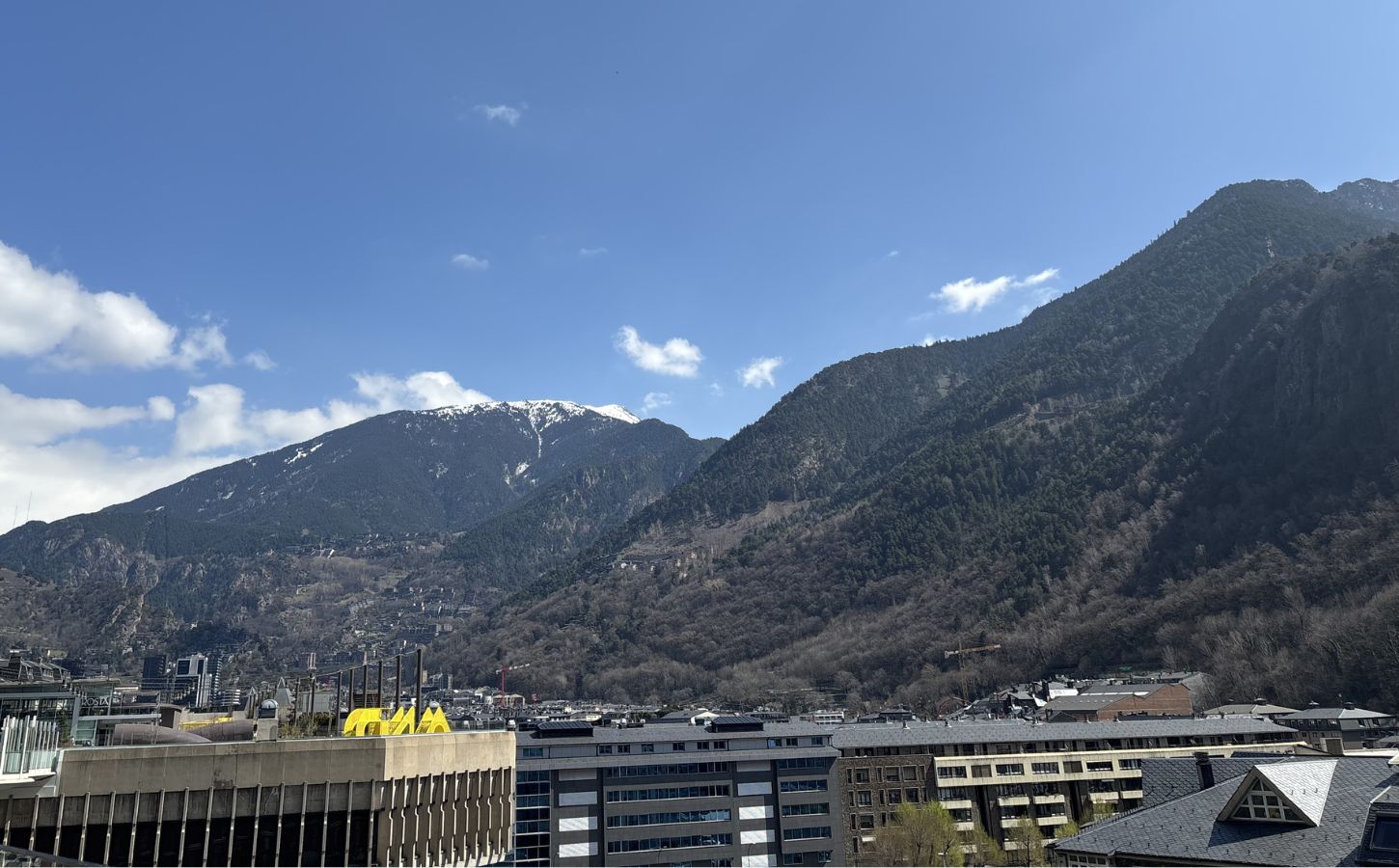
Practical Tips for Getting Around Andorra
You know the routine: we always try to share as much practical information as possible to make planning your vacation easier.
How to Get to Andorra from France
Before you can think about getting around Andorra, you first need to get there. Driving is the easiest option, particularly if, like me, you live in southern France. If you’re coming from farther away, you can take a train or flight to Toulouse, rent a car there, and continue to Andorra.
Allow roughly 2.5 to 3 hours to drive from Toulouse to Andorra. The route is straightforward, following the highway before continuing along mountain roads through Ariège. I found the drive easy, even in winter, although I was lucky with the weather. Keep in mind that the journey takes you through mountainous terrain, including the Puymorens Pass and the climb toward Pas de la Casa, where winter equipment may be necessary.
How to Get to Andorra from Spain
Reaching Andorra from Spain is just as straightforward. From Barcelona, allow approximately 2.5 to 3 hours by car. The drive is pleasant, and the scenery becomes more beautiful as you approach the mountains.
As on the French side, you’ll be traveling on mountain roads, but they are well maintained. The route is also less winding, although you should still drive carefully. If you’re not traveling by car, direct buses connect Barcelona with Andorra la Vella. As a side note, the road from France was closed for a month and a half during the winter of my visit because of a rockslide. Fortunately, it reopened before my trip; otherwise, I had already begun looking into traveling through Spain instead.
All in all, arriving from Spain is just as convenient as coming from France, with easy road access and alternatives for travelers without a car.
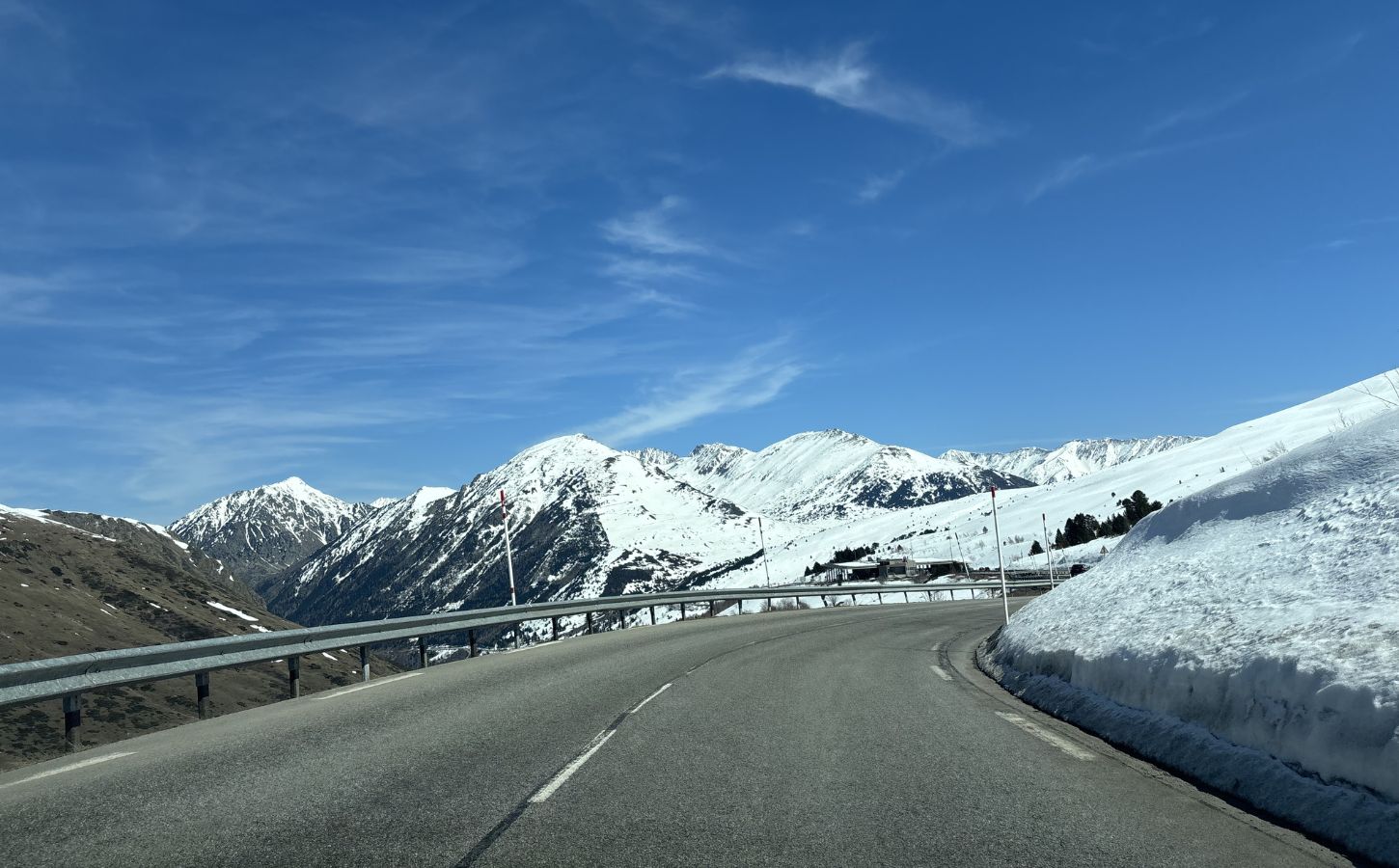
Tips for Driving in Andorra
Driving in Andorra was a pleasant surprise. It’s generally easy, and other drivers seemed fairly relaxed. Of course, this is mountain terrain, so expect winding roads, elevation changes, and narrower stretches in more isolated areas. It isn’t particularly difficult, but it does require a little more concentration, especially if you’re accustomed to city driving.
I also noticed how quickly the weather can change. You might set off in bright sunshine and encounter very different conditions later in the day, especially in winter. With the possibility of cold, wind, or snow, planning ahead matters. I’d even say it’s one of the keys to enjoying the trip. Although I never faced difficult conditions, I checked the forecast every single morning before setting out, which gave me extra peace of mind.
One thing I hadn’t fully considered before leaving was parking. In Andorra la Vella, the parking facilities I used were all paid. I always found a space quickly, which was convenient, but it did add to my budget. During my stay, I paid around €18 to €25 per day, with covered garages sometimes costing more. Parking was much cheaper in other towns, but those were the prices I encountered in the capital.
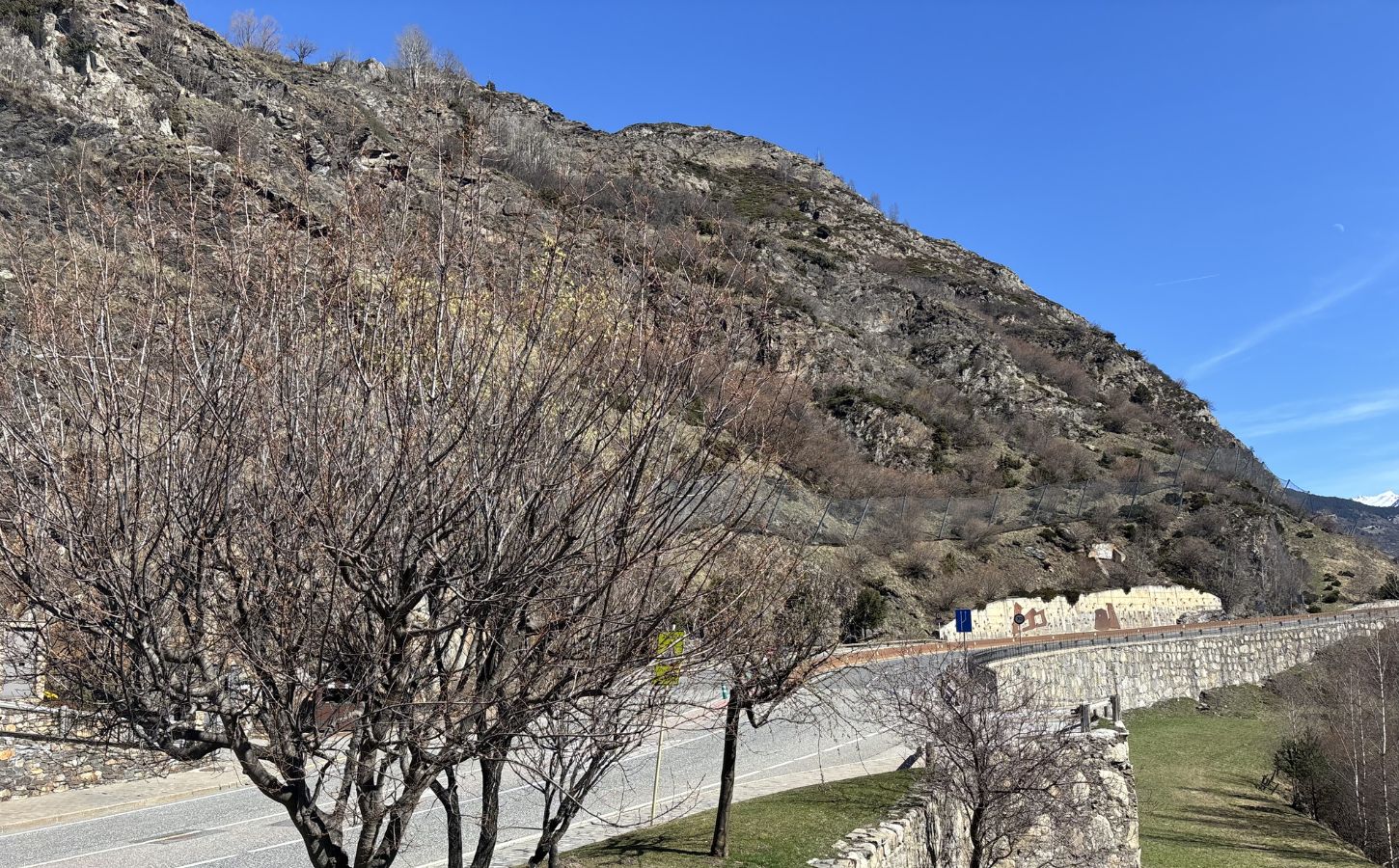
Are There Trains in Andorra?
Unfortunately, Andorra has no railway network. If you prefer traveling by train, you can go as far as L’Hospitalet-près-l’Andorre on the French side or Lleida on the Spanish side. From there, you’ll still need to continue by bus or car to reach Andorra itself. The train can therefore form part of the journey, but you’ll need to plan your connections carefully.
You now know the main ways to get around Andorra. I hope this article has answered your questions and made it easier to plan your trip. Although the country is small, don’t underestimate travel times. Doing so can leave you feeling as though you’re wasting precious vacation time.
One final practical point: if you haven’t chosen your travel dates yet, take a look at our guide to the best times to go to Andorra.
See you soon for more tips about Andorra,

Written by Laura CALLES
Thanks to Mélanie and Sylvain, I had the chance to stay in Andorra, a small country in the heart of the Pyrenees, in order to share with you the best things to see and do there. In any case, it’s a destination full of surprises and well worth the visit!
Despite our vigilance, an error may have crept into this article. If you spot one, please don't hesitate to let us know so that we can correct it immediately and keep our information up to date!