


What to Do in Andorra: The Best Activities and Must-See Places
As you know, I spent a few days exploring Andorra thanks to Sylvain and Melanie. Drawing on that firsthand experience, I put together this comprehensive guide to the best things to do in the country. I had actually visited once before, but only for a day—the classic round trip from Toulouse for a little shopping in Pas de la Case. At the time, I thought it was pleasant enough, but nothing more. In reality, I had seen only a tiny fraction of what Andorra has to offer.
Andorra is a small destination, and its main attractions are never very far apart—which is precisely part of its appeal. Whether you stay for a few days or a full week, you can see a surprising number of places. The country is also relatively close, tucked into the heart of the Pyrenees between France and Spain. With mountains, hiking trails, ski resorts, outdoor adventures, and plenty of opportunities to relax, there is no shortage of things to do. I spent 5 days there, and the time flew by. Even so, I never felt pressured by an overloaded itinerary. I could enjoy each day while leaving room for the unexpected and lingering longer in the places I liked most.
My goal with this guide is to share the best things to do in Andorra. I have brought together the must-see attractions along with my personal favorites to help you plan your stay.
What to Do and See in Andorra
1. Visit Andorra la Vella
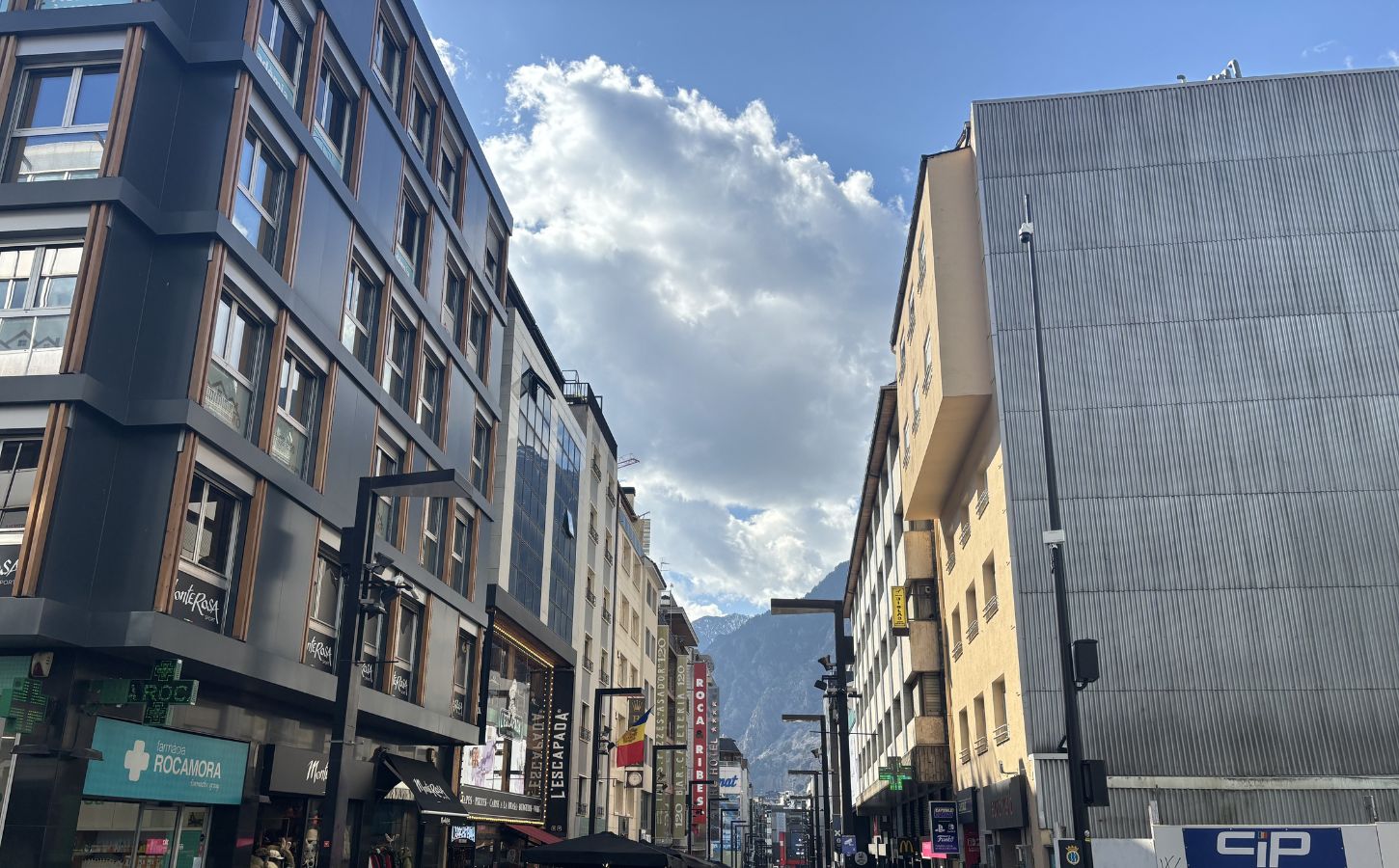
Let me say this right away: if you come to Andorra, you should absolutely visit Andorra la Vella. It is often the natural starting point for a trip, and it served as my home base throughout my stay. As soon as I arrived, I knew I was going to like the city. I had pictured a tiny town tucked away in the mountains, since it is often described as Europe’s smallest capital. It may once have felt that way, but the city has changed considerably over the years.
The historic center is compact, with cobblestone lanes, stone buildings, Sant Esteve Church, and Casa de la Vall, the country’s former parliament building. I loved wandering through this part of the capital and found it genuinely charming. Beyond the old town, the city is clearly expanding, with newer buildings and broad shopping avenues. The stores sell just about everything, including clothing, perfume, electronics, alcohol, and cigarettes. One major advantage is that it feels less crowded than Pas de la Case. You will mostly see locals and a handful of tourists, so the shops tend to be pleasantly quiet.
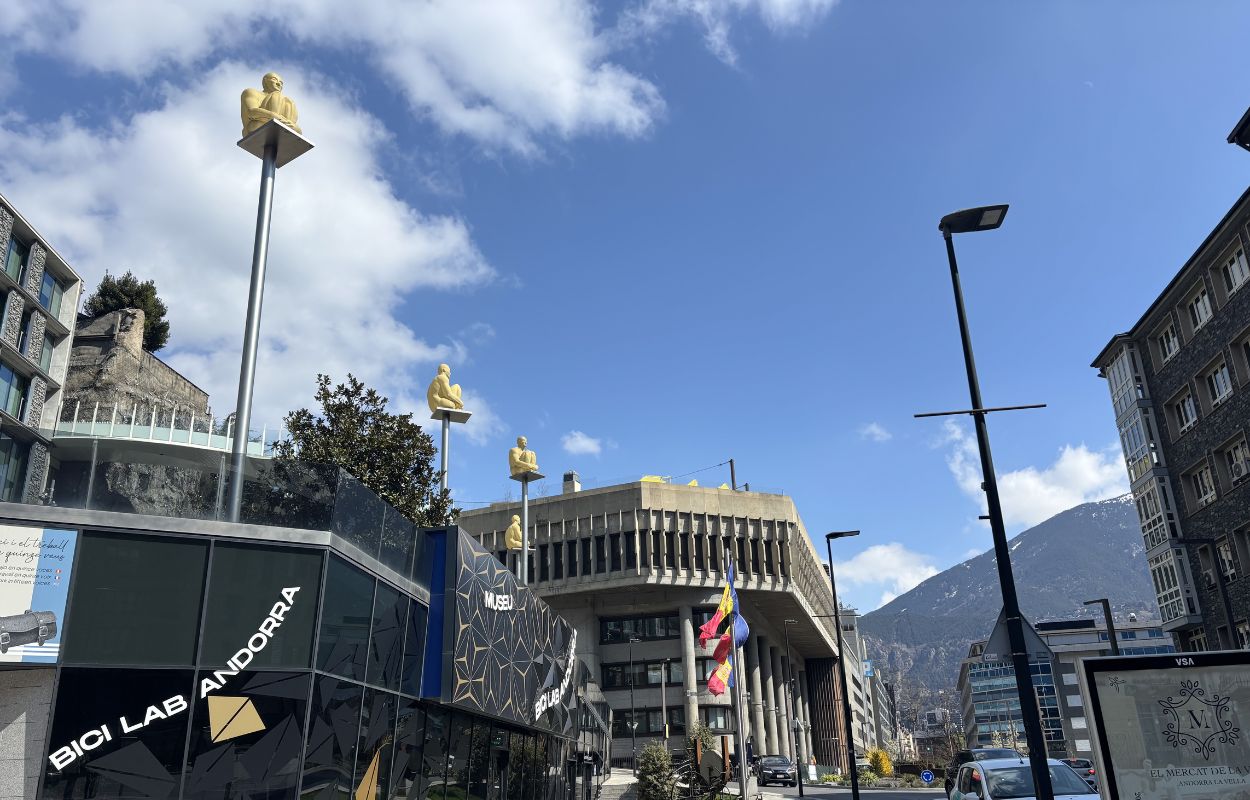
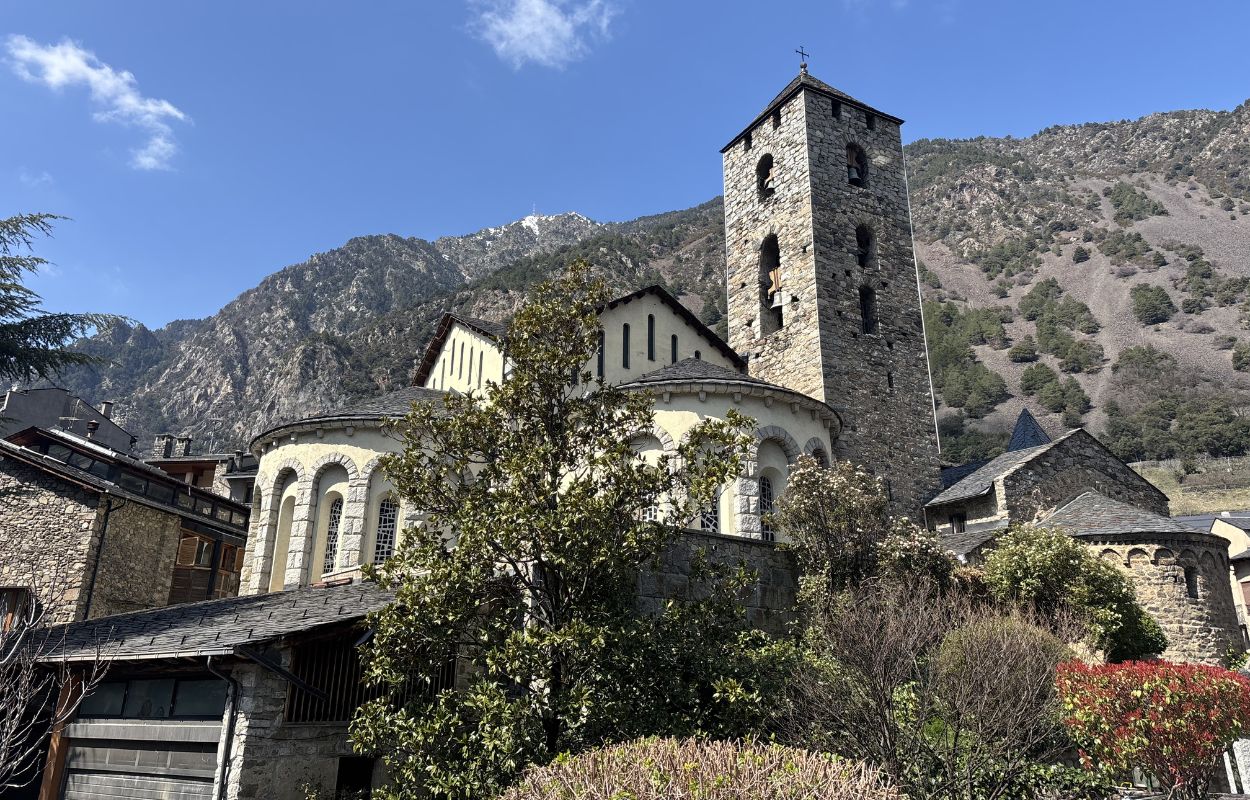
I genuinely fell for the city. It manages to feel both peaceful and lively, which was exactly the balance I enjoyed. As I mentioned, I stayed there throughout my trip, and it makes an ideal base for exploring Andorra because almost everything is within easy reach. I even dedicated an entire page to Andorra la Vella.
2. Go hiking in the mountains
If there is one thing you should do in Andorra, it is spend time in the mountains. I visited in winter, and because some areas were snow-free, I decided to try a hike. Unfortunately, the trail was eventually closed because of a rockfall risk, so I obviously did not continue. I was a little disappointed, but summer is probably the better season for hiking and should help you avoid that kind of situation. The experience certainly made me want to return in summer and tackle several trails.
There are hikes for every level. Even though I did not manage a proper hike beyond snowshoeing at a ski resort, I quickly realized just how completely the mountains surround you. Wherever you are, there always seems to be a trail, a viewpoint, or a natural setting waiting to be explored.
I recommend trying one of the hikes to Andorra’s famous high-altitude lakes, such as Tristaina or Juclar. The country is also home to numerous valleys, including the UNESCO-listed Madriu Valley, along with pine forests and seemingly endless mountain scenery. The landscapes impressed me throughout my stay.
3. Discover the mountain lakes
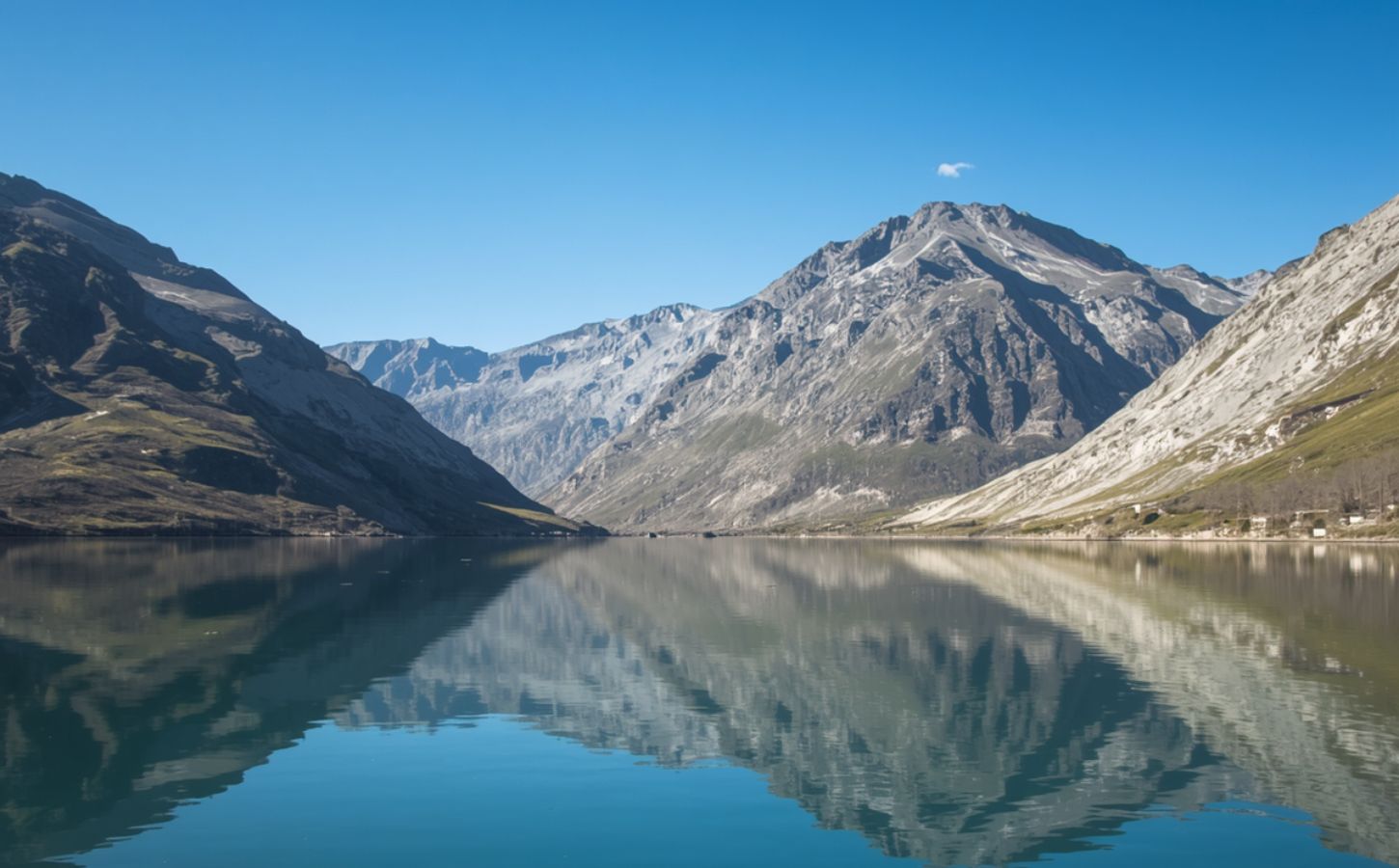
As I just mentioned, Andorra’s high-altitude lakes are well worth discovering. Although the snow kept me from reaching them, I did make it to several higher-elevation areas—and that only made me more determined to return in summer.
The Tristaina Lakes are among the best known: a cluster of mountain lakes surrounded by peaks. A quick look at the photos will probably be enough to make you want to go. Another popular option is the Juclar Lakes. They feel a little wilder and require more effort to reach, but the setting looks every bit as beautiful. These are the kinds of landscapes that make the hike feel worthwhile. If you visit in summer, I recommend adding at least one lake hike to your itinerary. They are among Andorra’s true natural highlights.
4. Relax at the Caldea spa
So far, I have mostly focused on outdoor activities—and Andorra is certainly made for them—but there is more to the country than that. I also recommend setting aside time to relax at the Caldea spa, one of Andorra’s best-known attractions. After a day outdoors, especially in winter, soaking in warm water while surrounded by snowy scenery feels wonderful. Caldea has both indoor and outdoor pools, with large windows overlooking the Andorra la Vella valley.
You will also find hot tubs and treatments such as massages. Several admission options are available, including standard entry, morning entry, which is often cheaper, entry combined with a treatment, and evening admission. With so many choices, it should be easy to find one that suits you. Caldea feels like a peaceful bubble where you can step away from a busy schedule. I recommend making room for it: the experience is completely different from the other activities and gives you a chance to slow down between more active days.
5. Admire the viewpoint at Roc del Quer
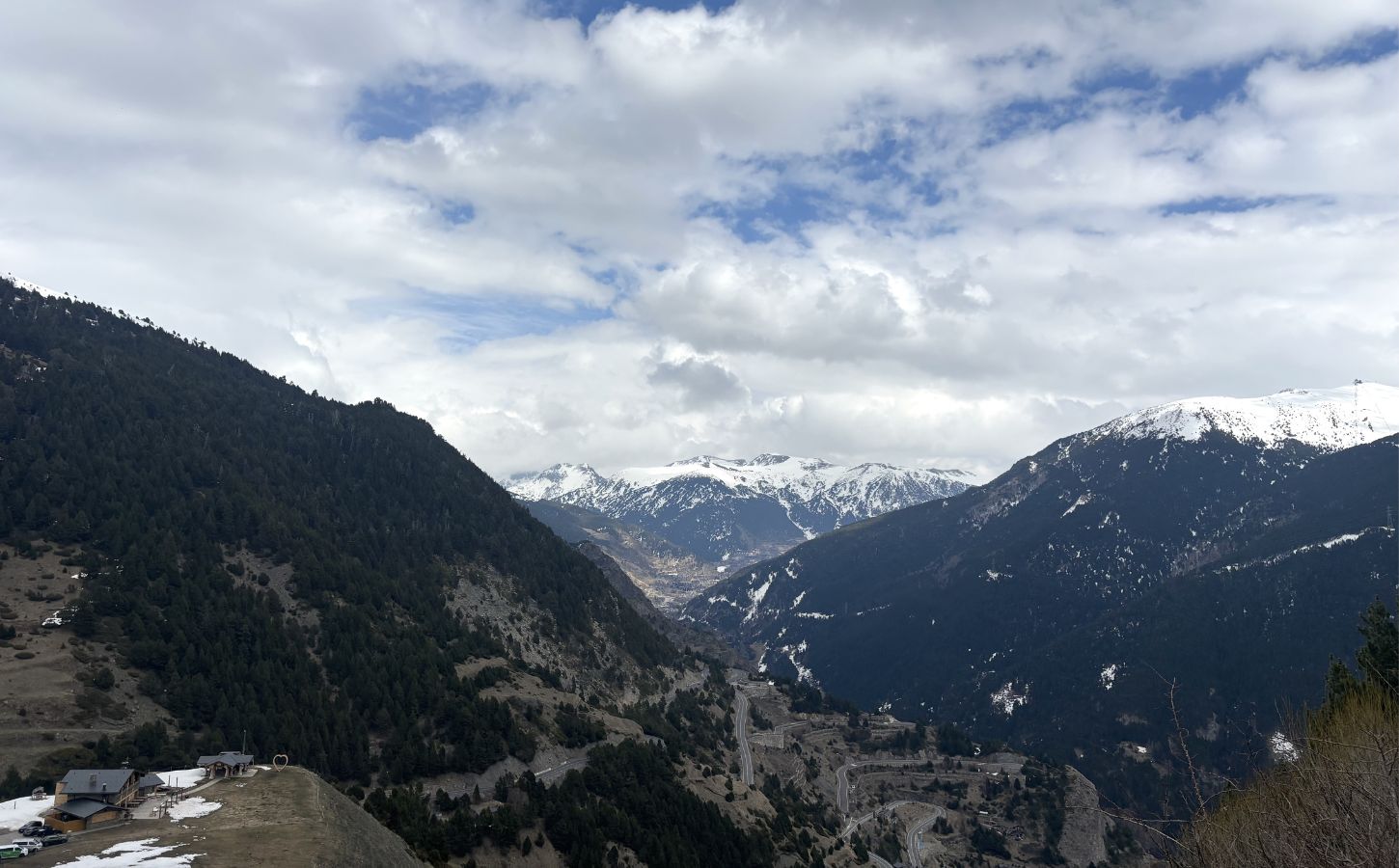
Now for one of my favorite places in Andorra: Roc del Quer. It is probably the country’s best-known viewpoint, famous for its platform extending out over the valley and offering sweeping views of the surrounding mountains. I have to admit that I am afraid of heights, so I did not exactly relax on the platform, haha. Admission cost €6 when I visited. That said, you can stop before the platform and still enjoy an excellent view.
You do not need to walk far to reach it. Parking is available nearby, followed by a walk of no more than 5–10 minutes, so it is easy to work into a day of sightseeing. The only drawback during my visit was the cloudy weather, which was a shame—but that is part of traveling. One more practical note: the road climbs steeply and includes plenty of bends. The scenery along the way is beautiful, though, and I often wanted to stop. Fortunately, there are small pull-offs where you can do just that. I definitely recommend going; it is worth the detour.
6. Explore the Madriu Valley (UNESCO)
I mentioned it briefly earlier, but the Madriu Valley is undoubtedly one of Andorra’s must-see places. Unfortunately, the snow kept me from visiting, but it is high on my list for next time—preferably in summer. Its UNESCO World Heritage status is certainly well deserved.
The Madriu is a remarkably well-preserved glacial valley with a very different atmosphere from Andorra’s more tourist-oriented areas. If you enjoy walking, you will find plenty to explore: hiking trails, mountain huts, and rivers, all framed by the surrounding peaks. It is the kind of place where you can disconnect and enjoy some genuine peace and quiet while discovering a more authentic side of Andorra. I would set aside a full day so you can explore the valley without rushing.
7. Go duty-free shopping
Now for something more traditional: duty-free shopping. Many French visitors come to Andorra specifically for this and never venture beyond Pas de la Case. When I stopped there, I heard far more French than anywhere else in the country, and the sudden number of French license plates was striking.
I was once one of those visitors myself, since my first trip to Andorra was a single-day shopping excursion. Shopping is far from the only reason to come, in my view, but it remains one of the country’s main draws.
Andorra la Vella and Pas de la Case are packed with stores selling clothing, perfume, electronics, alcohol, cigarettes, and more. Some items may be considerably cheaper, with price differences of up to 70%, but it is still worth comparing several stores before buying. Even if shopping is not part of your original plan, browsing can be enjoyable—you may come across something that catches your eye. One important reminder: make sure you respect the permitted customs allowances, as checks can take place at the border. Beyond that, enjoy looking around.
8. Discover the most beautiful villages (Ordino, Pal…)
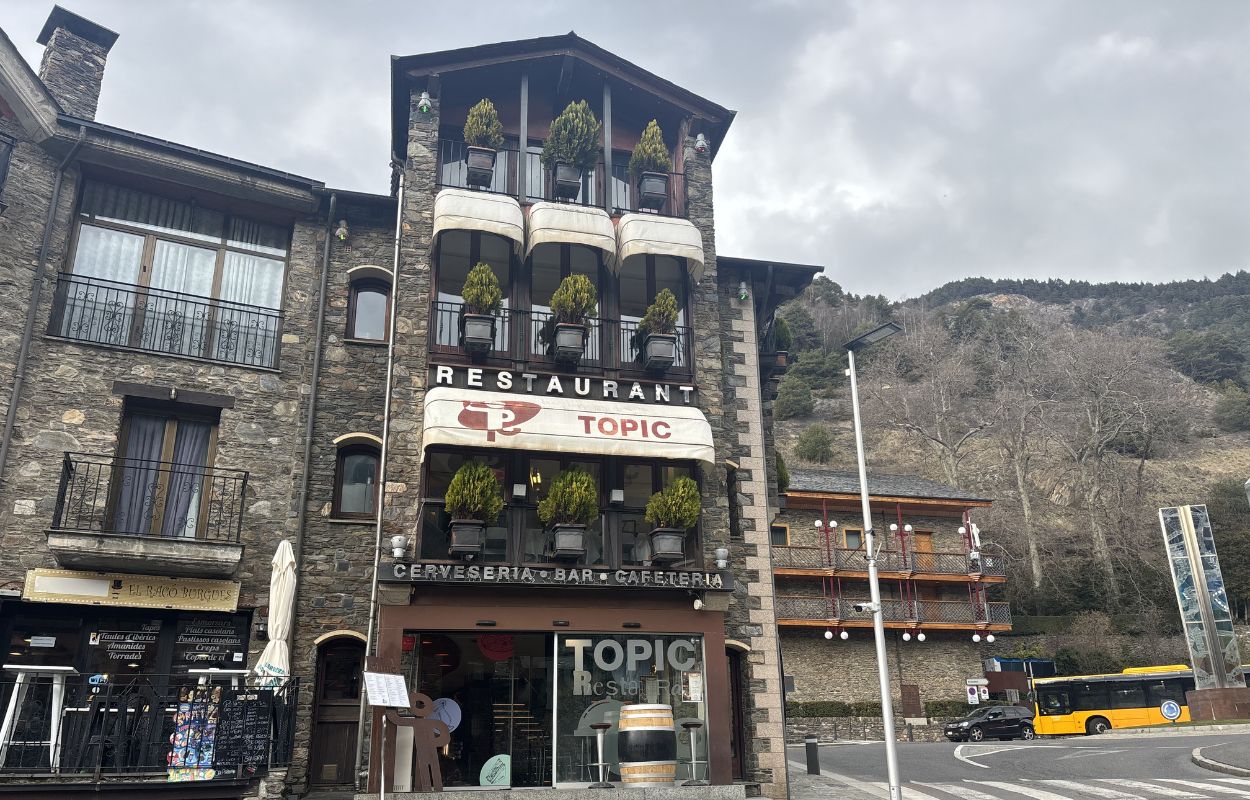
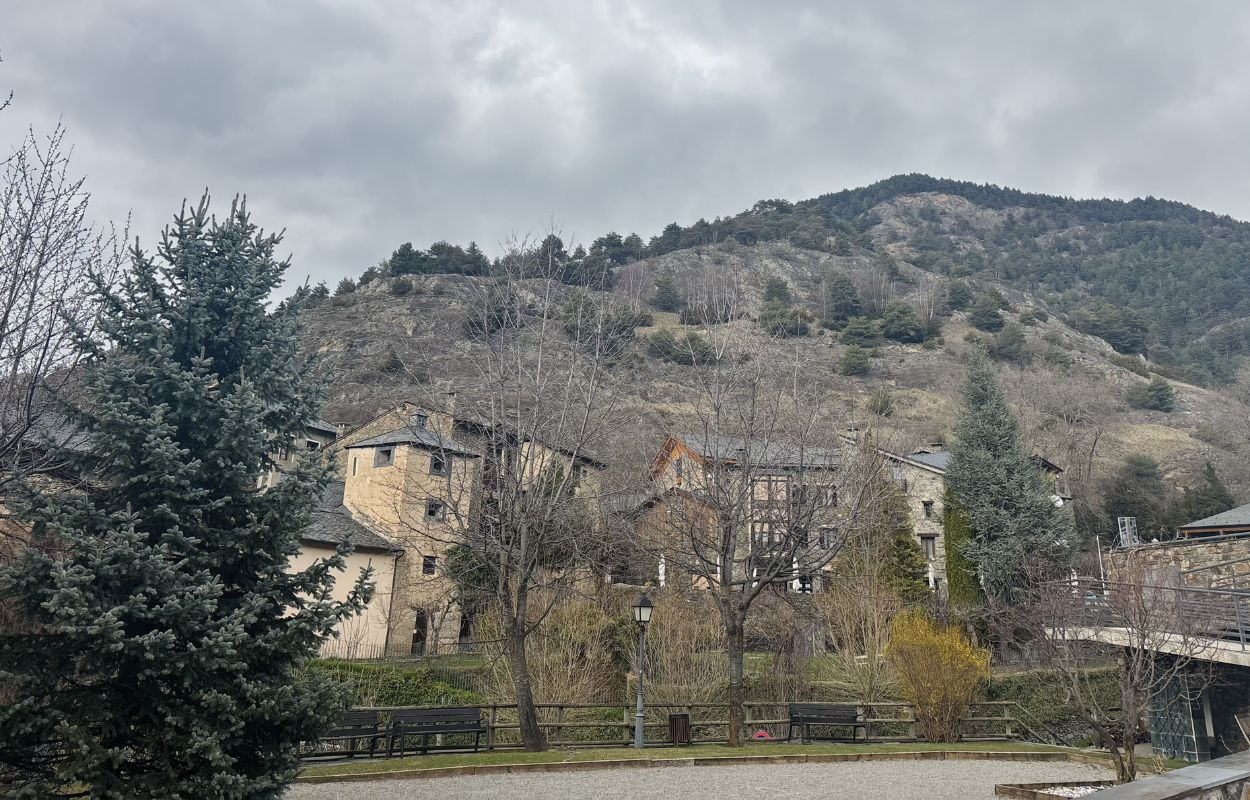
Beyond the ski resorts and the capital, make time to explore Andorra’s small villages. This is where the country’s character and local way of life feel most tangible. I visited Ordino, which is often considered one of Andorra’s most beautiful villages, and I can only agree.
Expect stone mountain houses, narrow lanes, and a wonderfully peaceful atmosphere—the very details that give mountain villages their charm. Pal is another lovely place to visit. It sits a little higher and is equally worth the detour. Both villages are compact and easy to explore, which makes them ideal additions to an itinerary without making the day feel overloaded. They reveal yet another side of Andorra.
9. Try an outdoor activity
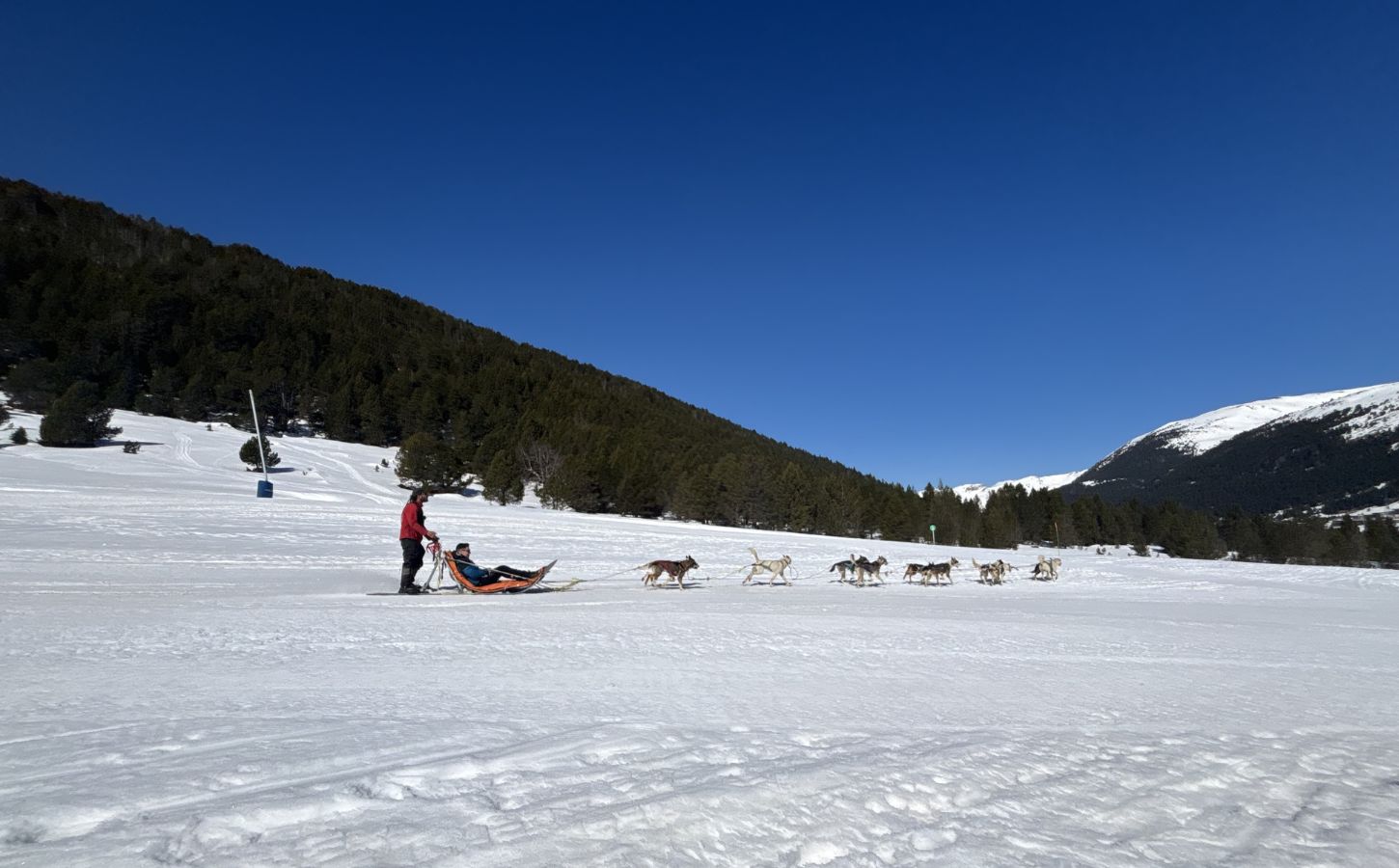
I spent most of my trip outdoors, and I think that is the best way to experience Andorra. The range of activities changes with the seasons. In summer, for example, you can go mountain biking, tackle a via ferrata, or try the summer toboggan. These options make a fun change from more traditional sightseeing—although, given my fear of heights, I would probably skip the via ferrata, haha.
In winter, I was lucky enough to try snowmobiling, dog sledding, and snowshoeing. I loved all three. Each offered a completely different atmosphere, and they became some of my favorite memories from the trip. There are activities for every ability level, whether or not you consider yourself athletic, making them suitable for trips with family or friends.
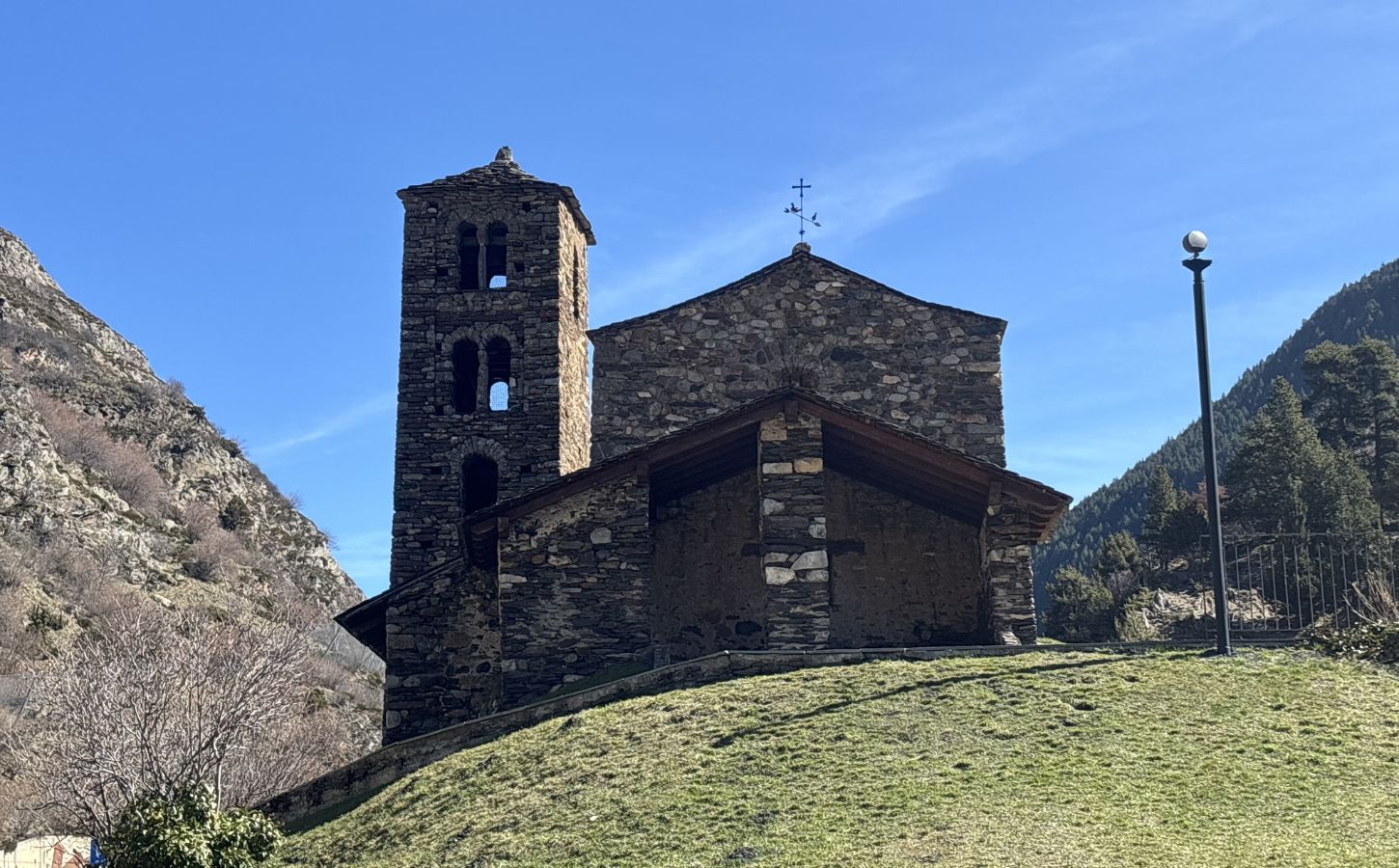
10. Visit a Romanesque church (Sant Joan de Caselles)
Let’s finish with something different: Andorra’s Romanesque churches, which offer a glimpse into the country’s cultural heritage. One of the best known is Sant Joan de Caselles.
I stopped at Sant Joan de Caselles on my way out of Andorra because it stands right beside the road near Canillo. It is extremely easy to add to your itinerary.
It is a small, simple stone church, but its age and character are immediately apparent. The architecture is typical of the Romanesque style found throughout the Pyrenees. During my visit, the entrances were closed, so I could not go inside. The exterior setting alone is beautiful, with mountains rising all around it, and I highly recommend stopping to take a look.
Traveling in Andorra: A Practical Guide
As usual, I have included a section with practical tips and advice to help you organize your trip.
How to get to Andorra?
Getting to Andorra is fairly straightforward. The small country lies in the Pyrenees between France and Spain, but one detail may surprise you: Andorra has neither an airport nor a train station. In practical terms, you will need to drive or combine several forms of transportation.
Since I live in Toulouse, I drove, which was easily the simplest option for me. The trip took about 2 hours and 40 minutes, and the drive became especially enjoyable as I approached the mountains. I would definitely recommend this option if you are traveling from southern France.
If you are coming from farther away, you can fly into Toulouse or Barcelona and complete the journey by car or bus. Regular bus services connect both cities with Andorra la Vella. You can also travel by train to a nearby station, such as L’Hospitalet-près-l’Andorre on the French side or Lleida on the Spanish side, then continue by bus or taxi.
Overall, Andorra is fairly easy to reach; you simply need to plan for a final leg that cannot be completed by train or plane. Once you account for that, organizing the journey becomes much easier.

When Is the Best Time to Visit Andorra?
Choosing when to visit is one of the most important decisions you will make. There is no single best time to go, because the ideal season depends entirely on what you want to do. For snow, skiing, and other winter activities, January through March is usually the best period. Conditions are generally right for enjoying the ski resorts as well as snowshoeing, sledding, and snowmobiling. I cover all these activities in our complete guide to Andorra in winter.
If hiking and nature are your priorities, June through September is a better choice. Most trails are open, the lakes have thawed, and temperatures are ideal for walking. Spring and fall can also bring beautiful days, although the weather is more unpredictable. On the plus side, these shoulder seasons are quieter and attract fewer visitors.
I visited in late March and enjoyed sunshine every day, with snow still lingering at higher elevations and far fewer people than I expected. I was lucky to have consistently good weather, and prices were more affordable than they tend to be in January or February. Ultimately, your travel dates should reflect the experiences you want most. For more detail, take a look at our complete guide on the topic.
How to Get Around Andorra
Transportation may not be the first thing you think about, but it is worth planning carefully. Distances are not especially long, yet mountain roads can make travel times longer than you might expect.
Having my own car made everything much easier. I could travel at my own pace, pull over whenever I spotted a beautiful viewpoint, and adjust my plans as I went. In my view, it is the best option if you want to make the most of your stay.
That said, Andorra also has a bus network connecting the main towns and resorts. It may be perfectly sufficient if you stay in one area and keep your itinerary fairly simple. The best choice really depends on your travel style.
For a closer look at all the available options, see my guide to getting around in Andorra.
What Mistakes Should You Avoid in Andorra?
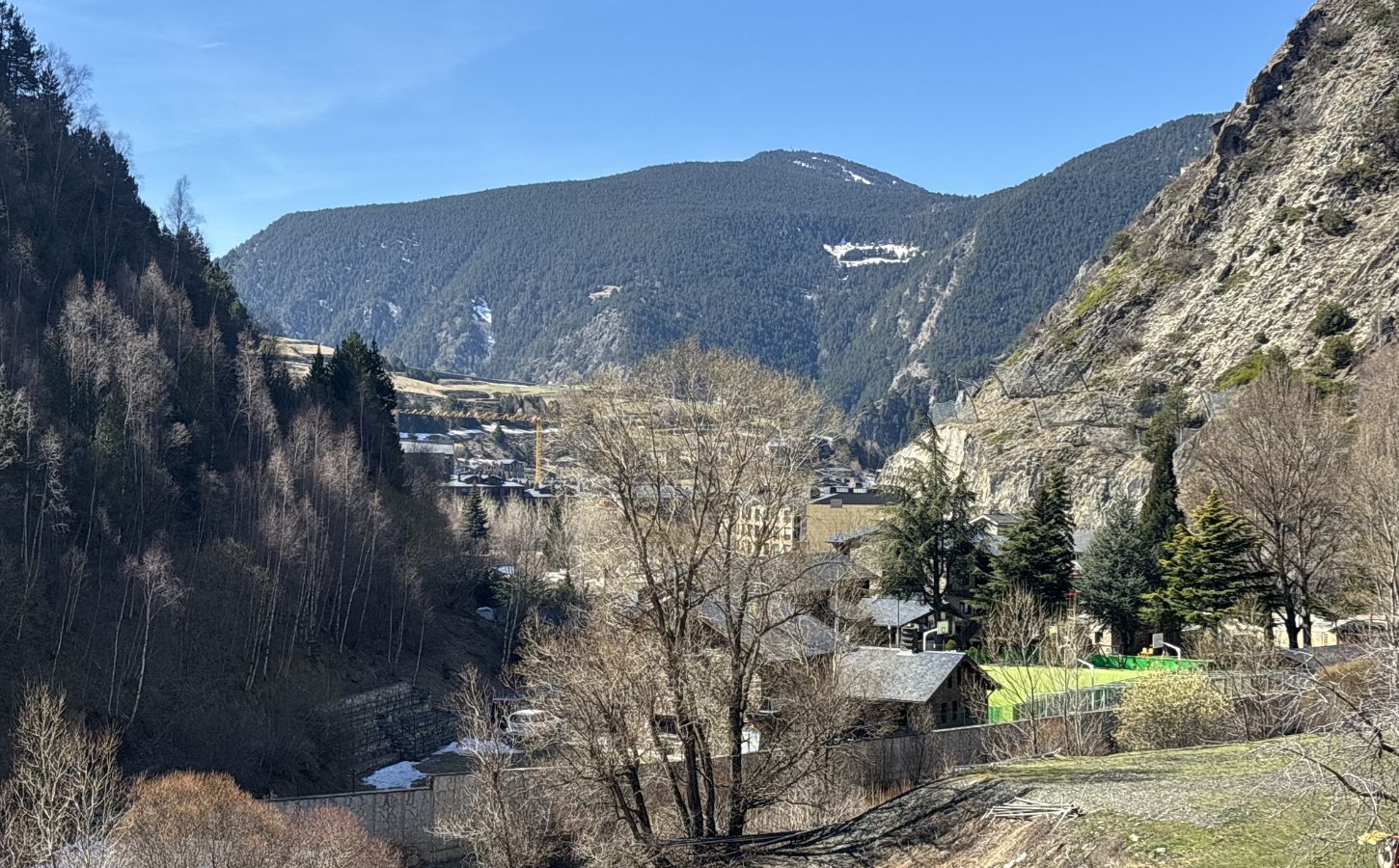
Before you leave, here are a few common mistakes worth avoiding. The first is assuming that Andorra is only about shopping. I thought much the same before returning for a longer stay, but the reality is very different. Duty-free shopping may be appealing, yet it would be a shame to overlook the mountains, outdoor activities, and landscapes I have described throughout this article.
The second mistake is underestimating travel times. Everything looks close on the map—and in one sense, it is—but you are still driving through the mountains. Winding roads, elevation, and changing weather can all make journeys longer than expected. Avoid packing too much into your itinerary, and leave yourself a little extra time.
The most important thing is to arrive without too many preconceptions. Andorra is far more surprising than it may first appear; you simply need to plan your stay thoughtfully.
Where to Eat in Andorra
To be honest, I did not have especially high expectations for the food in Andorra, but once again, the country surprised me. The cuisine leans toward simple, hearty mountain dishes, with plenty of grilled meat and cheese. You will also find escudella, a traditional soup that is much more filling than it sounds. It is especially satisfying after an active day or during the winter.
Beyond local specialties, many restaurants draw inspiration from Spanish and French cuisine. Overall, there is a good range of options, especially in Andorra la Vella. I ate there most often and could choose something different each day depending on what I was in the mood for. A few places in the capital that I particularly enjoyed were Restaurant L’Orri, Autèntic Llatí, and Sapori d’Italia. Prices are broadly comparable to those in France—sometimes slightly lower, but not by much. With so much variety, you should have no trouble finding somewhere appealing.
Where to Stay in Andorra
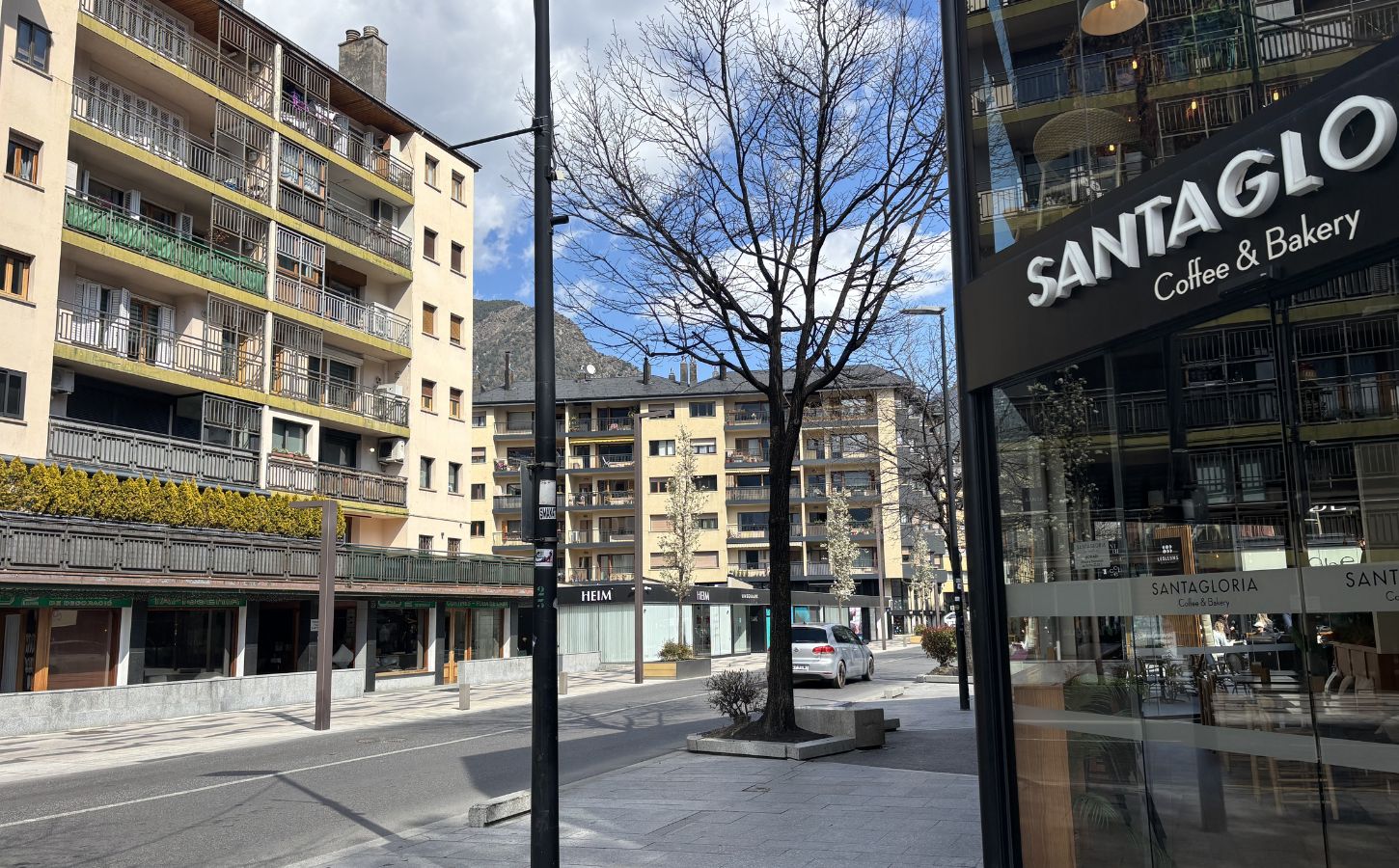
Andorra offers accommodations for every taste and budget. I recommend staying in Andorra la Vella or nearby Escaldes-Engordany, as both locations put you within easy reach of the main attractions. That is what I did, and it helped keep my driving times short. Even the farthest place I visited was only about 40 minutes away. To save you some research, here are a few properties worth considering:
High-end budget
Andorra Park Hotel: one of the capital’s leading choices for a luxurious stay. It is certainly not inexpensive, but the setting is beautiful, the service is upscale, and the mountain views are impressive.
Mid-range budget
Acta Arthotel: a strong balance of price and comfort, with modern rooms in the heart of the capital. Reviews consistently praise the staff and the quality of the facilities. What more could you ask for?
Budget
Hotel Sant Eloi: a conveniently located hotel near the Spanish border and a few miles from Andorra la Vella, offering good value for money. Its rooms are spacious and comfortable, and practical amenities include parking, a restaurant, and a bar.
For more accommodation ideas, take a look at our dedicated guide to where to stay in Andorra.
That brings this guide to Andorra’s must-see places to a close. I hope it has helped you plan your stay in this mountain destination. One thing is certain: you are unlikely to get bored. With Andorra so close to France, it would be a shame to overlook it. Even a weekend is enough to switch off and enjoy a change of scenery—and if you have more time, all the better.
On that note, we also wrote an article about things to see in 3 or 5 days in Andorra. It includes several ready-made itinerary ideas designed for different travel styles. You can follow them exactly, use them as inspiration, or simply pick and choose the ideas that appeal to you.
See you soon for more adventures in Andorra,

Written by Laura CALLES
Thanks to Mélanie and Sylvain, I had the chance to stay in Andorra, a small country in the heart of the Pyrenees, in order to share with you the best things to see and do there. In any case, it’s a destination full of surprises and well worth the visit!
Despite our vigilance, an error may have crept into this article. If you spot one, please don't hesitate to let us know so that we can correct it immediately and keep our information up to date!