


Andorra is often associated with duty-free shopping, but the country has far more to offer. Tucked between France and Spain in the heart of the Pyrenees, this small landlocked principality combines mountain valleys, snowy peaks, ski areas, and summer hiking trails. It is the kind of destination where switching off from everyday life comes naturally. If you are planning a trip to Andorra, this guide brings together the essential information you need to organize your stay.
Traveling to Andorra: A Complete Practical Guide
Our Andorra Travel Articles
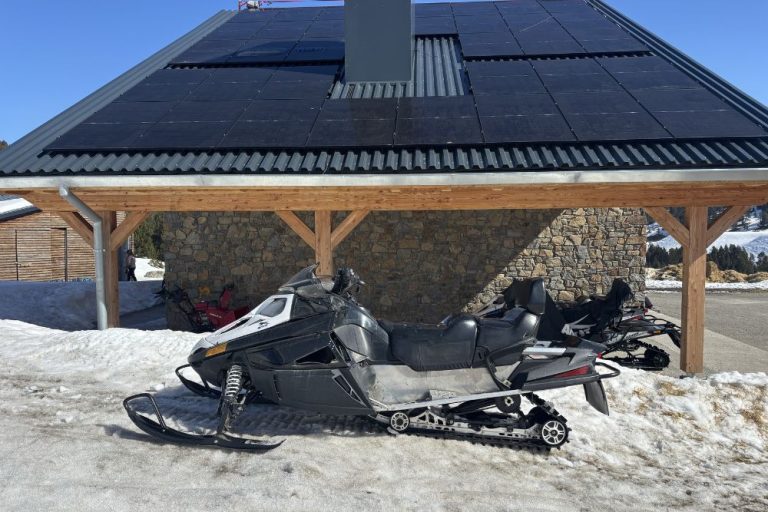
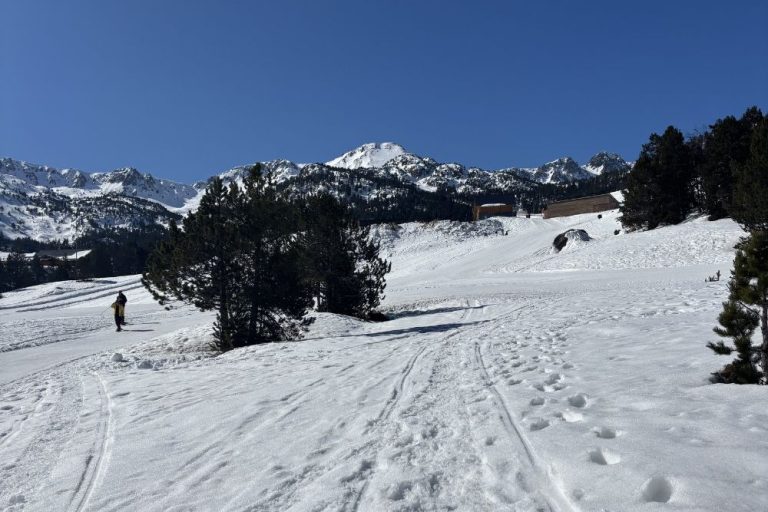
10 Must-See Highlights in Andorra
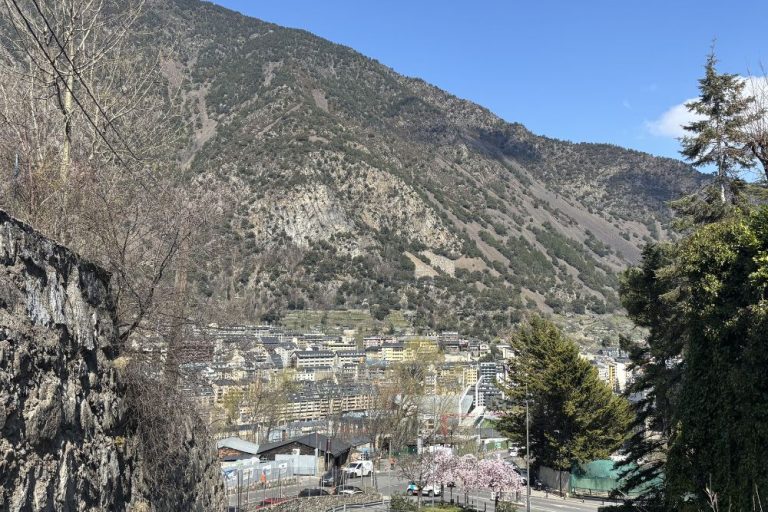
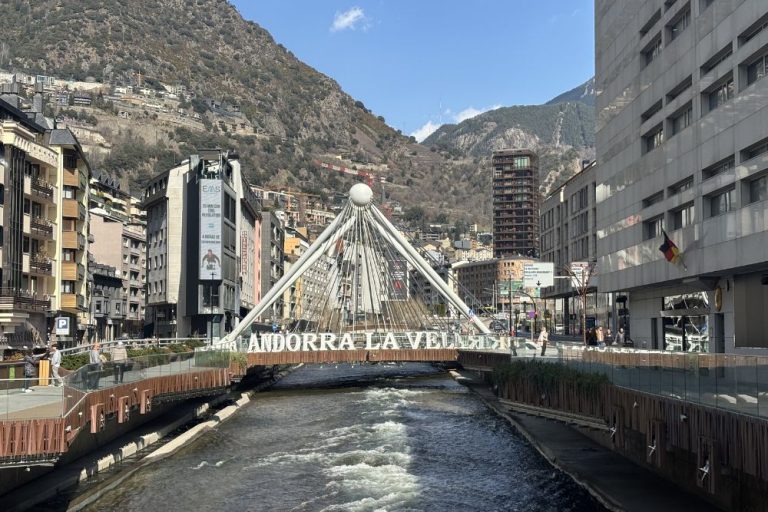
- Explore Andorra la Vella: the capital combines restaurants, shopping streets, historic buildings, and a relaxed mountain atmosphere. Despite its compact size, it feels lively and offers plenty to do.
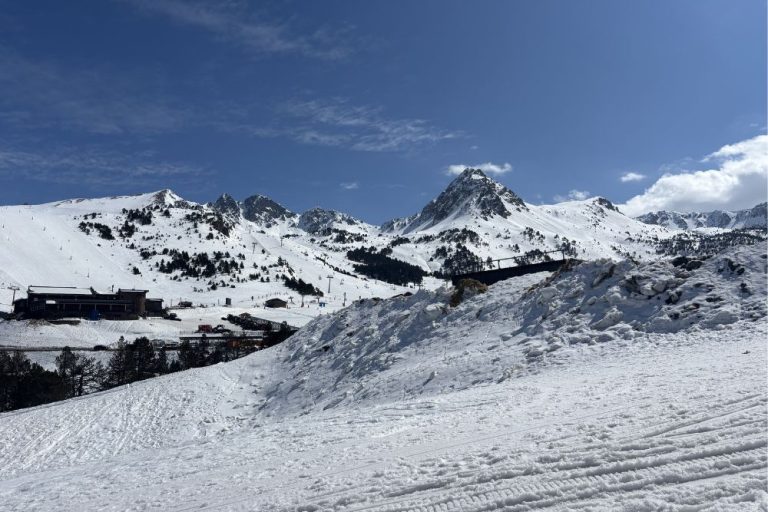
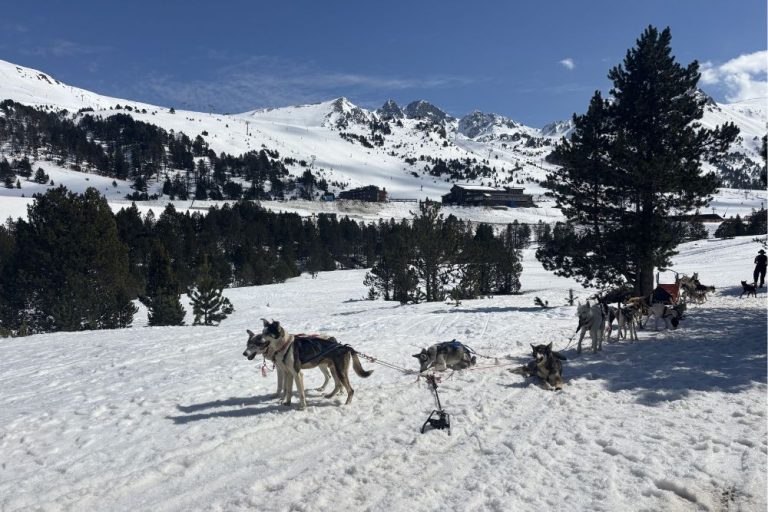
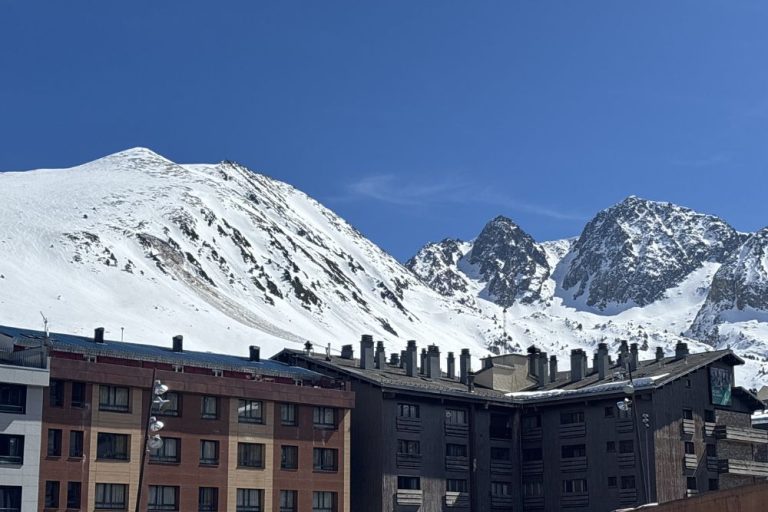
- Ski at Grandvalira: this is the largest ski area in the Pyrenees, with terrain for beginners, intermediate skiers, and experienced riders.
- Discover the Madriu-Perafita-Claror Valley: this UNESCO-listed cultural landscape is one of Andorra’s most important natural areas and a rewarding destination for hikers.
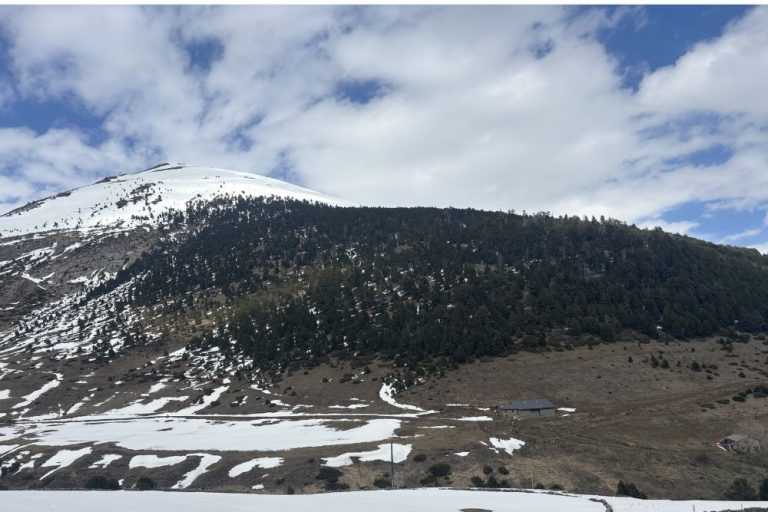
- Hike to the mountain lakes: Andorra has numerous high-altitude lakes, including Estany de Juclà and the Estanys de Tristaina. Summer and early fall generally offer the most reliable access.
- Take in the views from Mirador Roc del Quer: this famous viewpoint overlooks the valley from a platform projecting over the mountainside.
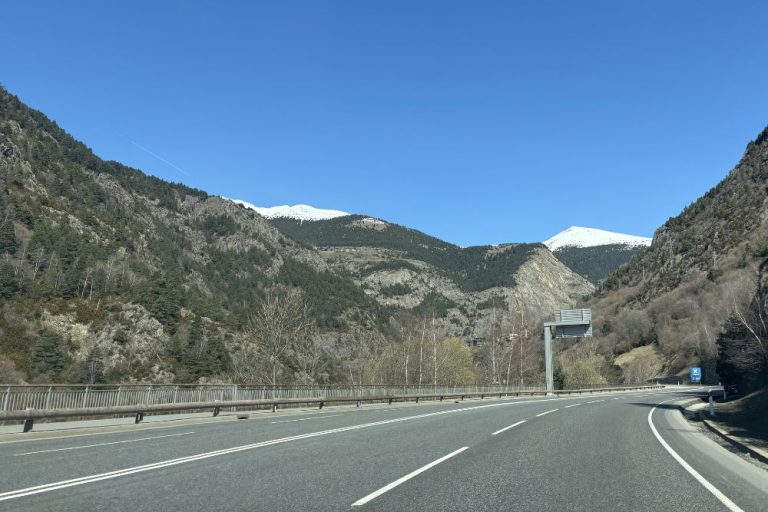
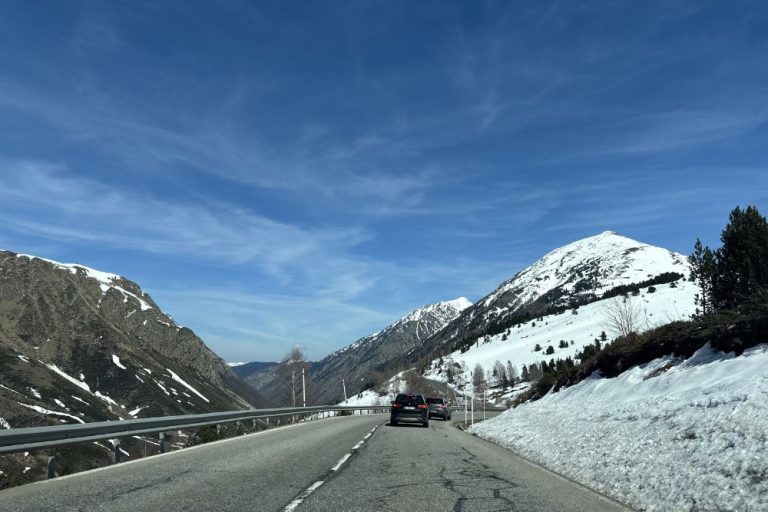
- Drive through the mountain passes: Port d’Envalira rises to roughly 2,408 meters and is the highest road pass in the Pyrenees. The views are impressive, but the winding road requires concentration.
- Relax at Caldea: the thermal spa in Escaldes-Engordany is ideal after hiking, skiing, or a day of sightseeing.
- Shop in Andorra: lower indirect taxes can make some products less expensive than in neighboring countries. Avinguda Meritxell is the main shopping street in Andorra la Vella.
- Visit Ordino: stone houses, mountain views, and a peaceful historic center make this one of the country’s most attractive villages.
- Ride the Tobotronc: located at Naturland, this 5.3 km attraction holds the Guinness World Record for the longest mountain coaster.
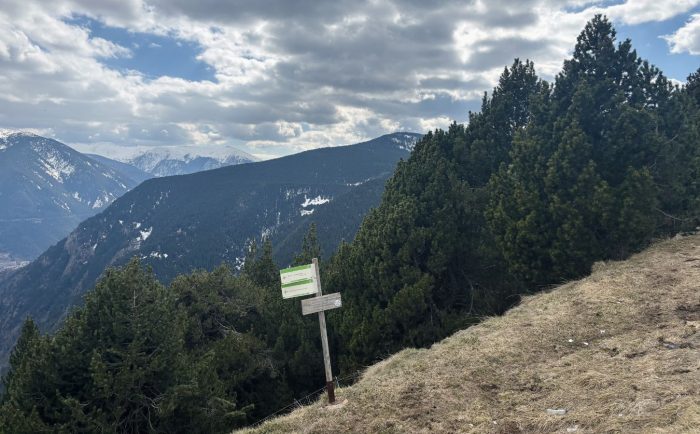
Andorra: Practical Information
Languages spoken
Catalan is Andorra’s official language and is used in government, education, and public signage. Spanish is also widely spoken in everyday life, while French is common in many tourist areas, particularly near the French border. English is increasingly available in hotels, attractions, and ski resorts, although it should not be assumed everywhere.
Entry requirements
EU citizens can enter Andorra with a valid national identity card or passport and do not need an Andorran visa. Andorra is not part of the European Union or the Schengen Area, however, and all visitors enter through France or Spain.
Travelers who require a Schengen visa must make sure it allows the necessary entry or re-entry through France or Spain. Requirements depend on nationality and residence status, so check official guidance before departure and carry valid travel documents even when border controls appear light.
Getting to Andorra and getting around
Getting to Andorra
Andorra has no commercial airport or railway station, but it is straightforward to reach by road. From Toulouse, the drive generally takes around 2.5 to 3 hours in normal conditions. Barcelona is another common gateway.
Travelers who prefer not to drive have several options:
- Train and bus: travel to a nearby station such as L’Hospitalet-près-l’Andorre or Latour-de-Carol, then continue by bus or taxi.
- Direct coach: services operate from cities including Toulouse and Barcelona, with schedules varying by season and operator.
Visitors arriving from Belgium, Switzerland, or Quebec commonly fly to Toulouse or Barcelona and continue by coach or rental car. In winter, always confirm road conditions and vehicle-equipment requirements before setting off.
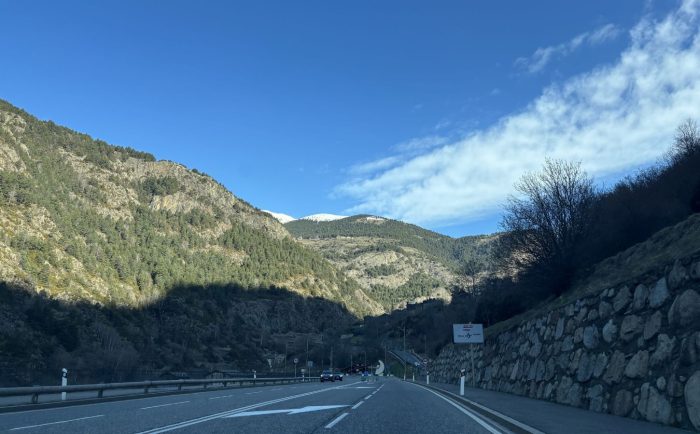
Getting around in Andorra
Andorra is compact, but mountain roads make journey times longer than distances may suggest.
- Car: the most flexible option for reaching trailheads, villages, and ski areas.
- Bus: regular public services connect the principal towns and many resort areas.
- Taxi: useful for selected journeys, although costs can rise quickly over longer distances.
Allow extra time for winding roads, winter conditions, and traffic during busy ski weekends.
Time difference
Andorra uses Central European Time and follows the same daylight-saving schedule as France, Belgium, and Switzerland.
The time difference with Quebec is usually six hours, but it temporarily becomes five hours during the short periods when Europe and North America change their clocks on different dates.
Best season to go
Andorra can be visited year-round, but the experience changes significantly with the seasons:
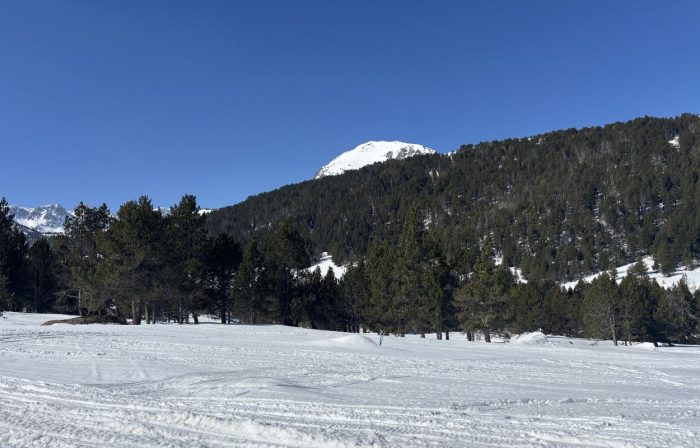
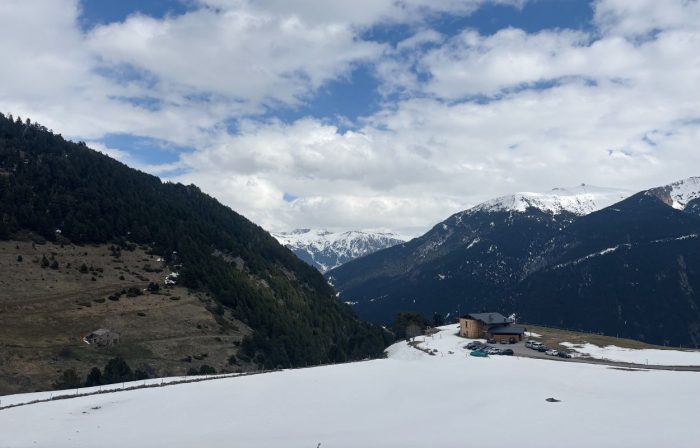
- Spring, from April to June: the valleys turn green as lower-level snow melts, while some high-altitude trails may remain inaccessible. It is a quiet period for lower walks and sightseeing.
- Summer, from July to September: generally the best season for hiking and reaching mountain lakes. Daytime temperatures in the valleys are often mild, but mountain weather can still change quickly.
- Fall, from October to November: forests take on autumn colors and visitor numbers drop, although some attractions and accommodations reduce their hours between seasons.
- Winter, from December to March: the busiest season for skiing and snow activities. Prices and availability vary sharply around weekends and school vacations, so early booking is advisable. Late-season conditions can offer fewer crowds, but snow and road conditions are never guaranteed.
Vaccines
There are no routine destination-specific vaccination requirements for most visitors to Andorra. Travelers should keep their standard vaccinations up to date and consult official health guidance if they have particular medical needs or are arriving from a country subject to international health controls.
Travel expenses
In Andorra, when it comes to budget, everything depends on the season when you go. But compared with other mountain destinations, it’s not necessarily the most expensive. Prices rise a lot in winter during ski season. Without exaggerating, prices sometimes double or triple. Of course, it also depends on your travel style. To give you an idea:
Accommodations (per night)
- Hostel / basic hotel: €30–€80
- 3-star hotel or B&B: €70–€150
- 4-star or 5-star hotel: €120–€300 and up
- Airbnb: generally around €60–€150
These are still estimated price ranges that increase quite a bit during winter and school vacation periods.
Meals
- Snack / quick meal: €8–€15
- Main dish at a restaurant: €15–€25
- Full meal: €20–€45
Price-wise, it’s more similar to France than Spain. But I can tell you that the food is good and the portions are generous.
Transportation
- Bus (one-way ticket): €2–€4
- Car rental: €40–€80/day
- Gas: often cheaper than in France
Activities
- Spa (entry to Caldea): €40–€80
- One-day ski pass at Grandvalira: €60–€90
- Hikes / lakes: free (a big advantage!)
- Guided outdoor activities: €40–€120
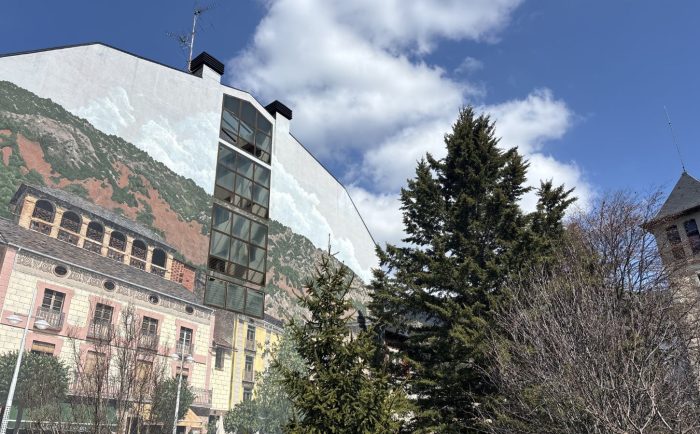
Parking in central Andorra la Vella is largely paid, and hotel parking often costs extra. Rates vary by location and length of stay, so check the current tariff rather than relying on a fixed daily estimate.
Andorra is not entirely duty-free. Most goods and services are subject to the country’s general indirect tax, IGI, whose standard rate is 4.5%. Some products may still be cheaper than in France or Spain, but prices vary by store and category. Tap water is generally safe to drink.
Overall, summer can be relatively affordable, while winter accommodation and activity costs rise sharply during peak ski periods.
Average budget for traveling in Andorra
To give you a better idea, I prepared budget estimates based on how long you stay there. These are still estimated amounts that may vary depending on the way you travel, your comfort level, and above all the season:
- 5 days in Andorra: €400 to €900 (per person)
- 1 week: €600 to €1,200 (per person)
- 10 days: €900 to €1,800 (per person)
- 3 weeks: €1,200 to €2,500 (per person)
Internet and phone service
Andorra is outside the European Union’s regulated roaming area, so EU roaming allowances do not automatically apply. Charges can be very high, depending on your provider. Check your plan before arrival and consider an eSIM, local SIM, or Wi-Fi-based setup if Andorra is excluded.
Coverage is generally good in towns and major resort areas, although reception can vary in remote valleys. Electrical sockets use the same common European plug types as France and Spain.
Driving
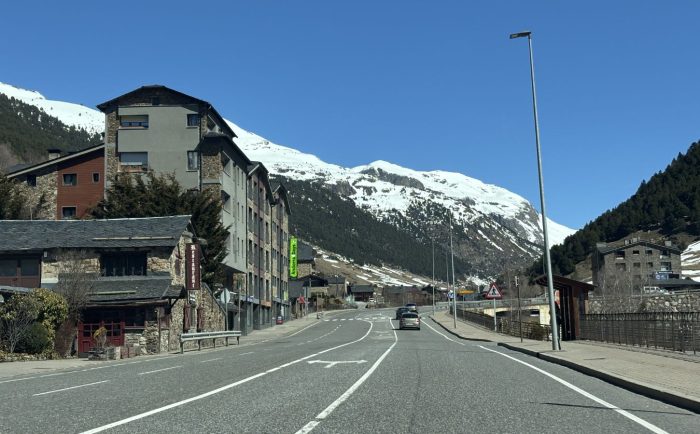
Andorra’s main roads are generally well maintained, but mountain driving involves frequent bends, steep gradients, and rapidly changing weather. Drivers unfamiliar with mountain roads should take their time and avoid underestimating travel durations.
Winter equipment or approved winter tires are required as a precaution from early November to mid-May. Exact rules depend on the vehicle and equipment type, and conditions may trigger additional restrictions. Check the official mobility and weather services before traveling. I carried the required equipment even though the roads were clear during my visit.
Safety
Andorra generally has a low level of violent crime and feels calm, but ordinary precautions still apply. Keep valuables secure in shopping districts, busy resort areas, and parked vehicles.
The most significant risks for many visitors come from the mountain environment:
- carry suitable hiking equipment
- check weather and trail conditions
- take winter hazards such as snow, ice, and avalanche exposure seriously
Emergency planning matters even on short outings.
Wildlife / Flora
Beyond the towns, Andorra offers varied Pyrenean landscapes and abundant wildlife. Marmots are often seen in warmer months, while chamois and deer may appear in quieter mountain areas. Birdlife and butterflies are also common.
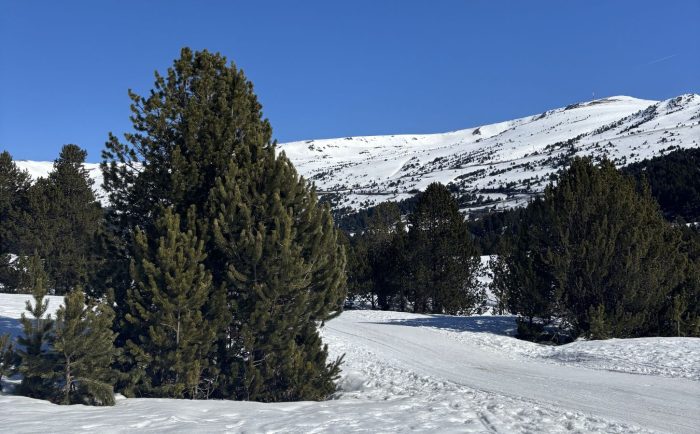
Vegetation changes rapidly with altitude. Lower and mid-elevation forests include pine, fir, and beech, while higher slopes become increasingly rocky and open, with alpine meadows and mountain lakes.
Culinary specialties
Andorran cuisine reflects Catalan and Pyrenean traditions, with hearty dishes suited to the mountain climate.
Local specialties include:
- Escudella: a substantial soup or stew made with meat, vegetables, and sometimes pasta.
- Trinxat: potatoes and cabbage, often prepared with pork or bacon.
- Grilled meats: beef, lamb, and pork feature prominently on many menus.
- Cured meats: commonly served as a starter or sharing plate.
- Cheese-based dishes: including fondue, raclette, and other mountain-style meals.
For dessert, crema catalana is widely available. Spanish and French influences are also visible in tapas bars, bakeries, and restaurant menus throughout the country.
Religion
Roman Catholicism has a strong historical presence in Andorra, reflected in the many Romanesque churches found throughout the country. Sant Joan de Caselles is one of the best-known examples of this architectural heritage.
Religious practice is not necessarily prominent in everyday tourist life, but village festivals, cultural celebrations, and traditional events remain important parts of the local calendar. Andorra is also home to a diverse international population.