


Where to stay in the Canary Islands?
Last updated on 13 July 2026
Planning a trip and wondering where to stay in the Canary Islands? Between Tenerife, Lanzarote, Fuerteventura, Gran Canaria, La Palma, La Gomera, and even El Hierro, choosing is not always easy. In our eyes, the archipelago has that little extra something: each island has its own identity, landscapes, and atmosphere. And all of that with a mild climate almost all year round!
For now, we’ve mostly focused on two islands we know very well: Tenerife and Lanzarote. Tenerife is the most well-rounded island for combining beaches, villages, hikes, and the famous Mount Teide. Lanzarote, on the other hand, really stands apart, with volcanic landscapes, white villages, wild coves, and a truly unique atmosphere. The goal here is to help you choose the area, or island, that makes you most excited to go.
Where to stay in the Canary Islands: our island guides
Our island guides to help you choose
The Canary Islands are just as great for a beach-and-relaxation trip as they are for nature-focused stays with volcanoes, hikes, and villages. To help you get a clearer picture, we’ve gathered here the most comprehensive guides available so far.
Where to stay in Tenerife
The most complete and diverse island: Mount Teide, beaches, forests, villages, and great bases for exploring without wasting time.
Where to stay in Lanzarote
Volcanic landscapes, white villages, and coves: a unique island, perfect for a real change of scenery.
Where to stay in La Gomera
Where to stay in El Hierro
Where to stay in La Palma
Where to stay in Fuerteventura
Map of recommended hotels in the Canary Islands
As a first step in your research, we suggest spotting the accommodations we particularly recommend in the Canary Islands at a glance. You can also zoom in on each island and compare options depending on the type of stay you have in mind. We update this map regularly too!
Types of accommodation in the Canary Islands
In the Canary Islands, you’ll find a wide range of accommodation options. However, there are still big differences from one island to another, and even between areas: seaside resorts, small towns, and more natural or remote spots. Here, we share the most common types of accommodation, along with our tips before booking.
Apartments and rentals (studios, “apartamentos”)
You’ll find quite a lot of them, especially in tourist areas and seaside resorts. It’s a practical option, with a private kitchen so you can cook your own meals and save on restaurant costs. It also gives you more independence and good value for money. Honestly, these are solid options for stays of a week or more. We simply recommend checking the location carefully: some areas are very spread out, and a car can be almost essential.
Hotels and boutique hotels
You’ll find everything from simple hotels to high-end properties, as well as charming addresses and small boutique hotels in villages or quieter areas. It’s ideal if you want a good level of comfort without necessarily staying in a large complex, while still enjoying a unique setting typical of the Canary Islands. You might really love it! It’s the kind of place you don’t really want to leave.
Resorts and large seaside complexes
They’re mostly found on certain coasts, especially in the south of Tenerife and in the south and east of Lanzarote. It’s very convenient if you want everything on-site, such as a pool, restaurants, bars, and entertainment, but the experience can feel less authentic. Another thing to know: prices rise very quickly in high season.
Rural houses
This is a great option for a more local vibe, especially if you love villages, volcanic landscapes, and hiking. They’re often set in quieter surroundings, sometimes even a bit isolated. In those cases, renting a car is almost essential.
Hostels, guesthouses, and budget stays
Depending on the islands and towns, you’ll find more affordable options such as small guesthouses, youth hostels, and simple but functional accommodations with everything you need. It’s perfect if you move around a lot and want to keep your lodging budget under control.
Unusual accommodation (volcanoes, nature, ecolodges)
They’re rarer, but there are truly unique addresses focused on nature. It’s a great way to create a real space to switch off and make memories you’ll keep for a long time. In our eyes, these are options to prioritize if you’re looking for peace and a real break.
Where to stay in the Canary Islands depending on your type of trip
The Canary Islands can be visited in different ways. For example, you can explore just one island or combine several islands in the same trip. Before booking, it’s especially important to ask yourself one question: are you looking for beaches and relaxation, or volcanic landscapes, hiking, and nature?
“Beaches and relaxation” trip
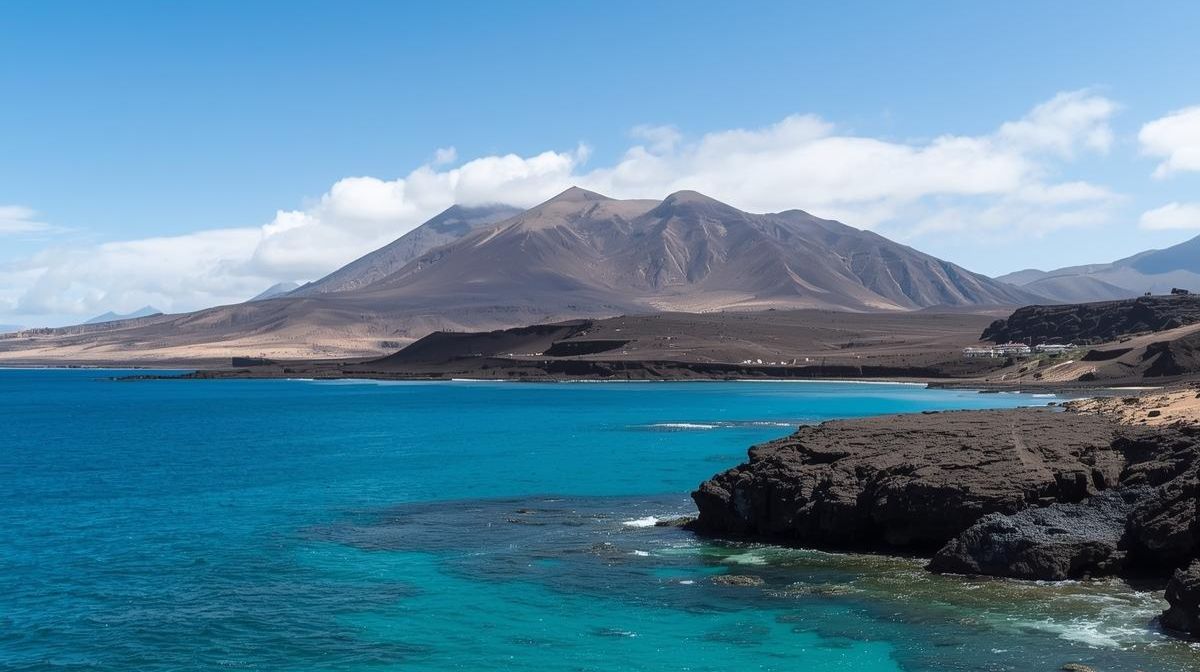
For a stay strongly focused on the beach, we recommend aiming for well-developed coastal areas with everything you need close by: beaches, restaurants, bars, and water activities. The south of Tenerife, with Costa Adeje, Los Cristianos, and Las Américas, is ideal for that. In Lanzarote, you’ll want to head toward Playa Blanca, Costa Teguise, Puerto del Carmen, etc. This is also where you’ll find the widest range of accommodation.
Nature, volcanoes, and hiking trip
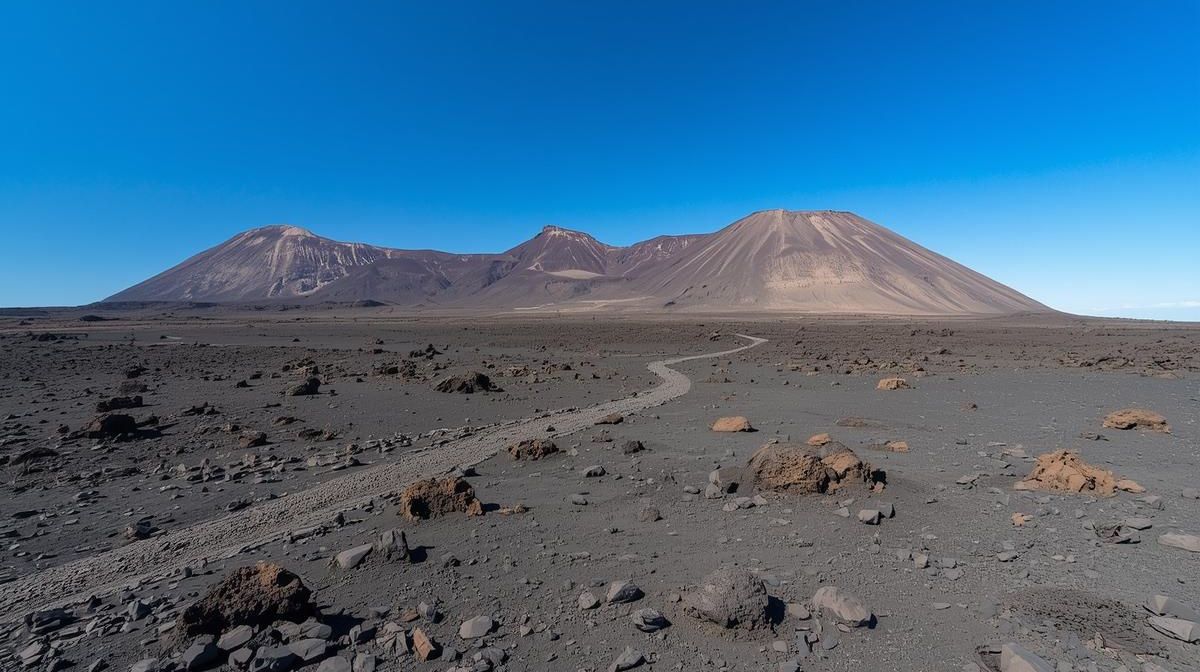
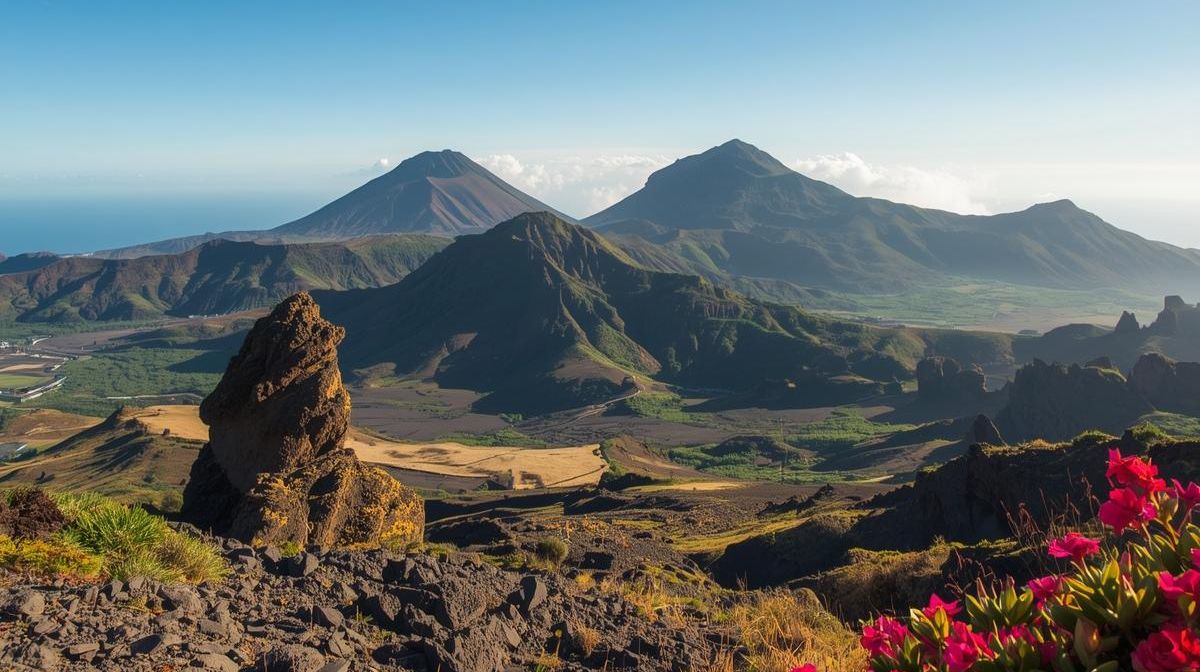
If your main goal is hiking and exploring volcanic landscapes, choose a more central or more local base. In Tenerife, being well located allows you to explore Mount Teide and its lunar landscapes, Anaga Rural Park, or Teno. In Lanzarote, the island’s interior and certain villages are perfect for exploring the famous Timanfaya Park, wild beaches, including those in the south in Los Ajaches Natural Park, and less touristy but more rugged spots.
The main areas to stay in the Canary Islands
To guide you as well as possible in your research, we’re presenting the most practical areas depending on the vibe you’re looking for. Since the archipelago is quite large, the idea is mainly to choose a place that matches your wishes and activities.
South Tenerife (Costa Adeje, Los Cristianos, Playa de las Américas)
This is one of the most convenient areas for your stay. On the agenda: plenty of hotels, beaches, restaurants, and activities. It’s perfect if you want sunshine, comfort, and simple logistics, especially with family. Unsurprisingly, it’s often the most touristy and sought-after area. For a truly luxurious experience, you’ll find plenty of great options. Playa de las Américas is great for party-goers, while Los Cristianos offers a calmer and beautiful setting.
North Tenerife (Puerto de la Cruz and surroundings)
Greener and more authentic, with a more local vibe. It’s a great choice if you want to combine sightseeing, nature, swimming, and pleasant towns while avoiding the “seaside resort” feel. The climate stays mild but cooler, which feels great. Plus, the atmosphere is calmer than in the south, and you’ll be able to fully enjoy Tenerife’s typical scenery.
Central area / Teide (for easy day trips)
For a very nature-focused stay, we recommend choosing a well-located base to quickly reach the most beautiful volcanic landscapes. Keep in mind: here, you’ll mostly find rural accommodations and a quiet atmosphere. A car is therefore essential.
Lanzarote — south coast (Playa Blanca)
Playa Blanca is a very convenient base between beaches, walks, excursions, and easy access to several must-see spots. It’s just perfect if you want a comfortable beach stay while still exploring the island a bit. You’ll feel like you’re in a chic, well-designed cocoon, with wilder, protected areas just a few minutes away by car.
Lanzarote — center / east (Arrecife, Costa Teguise, Puerto del Carmen)
These are well-located areas for getting around, with a wide range of accommodations. We’re thinking in particular of Costa Teguise and Puerto del Carmen, which are very convenient for a first stay, with activities and beaches nearby.
Villages and inland Lanzarote (a quieter vibe)
If you want a more village-like, authentic atmosphere and quick access to volcanic landscapes, there are several villages that could interest you. Personally, we truly fell in love with El Golfo, a fishing village with a lovely beach and a nice atmosphere. You feel good there right away. In the same authentic spirit, there are also Tías, Yaiza, Haría, etc. It’s ideal for a peaceful trip, but you need to accept less nightlife in the evening and plan to rent a car.
Where to stay in the Canary Islands depending on your travel style
Let’s be honest: your accommodation will directly shape the feel of your trip. Some areas are perfect for beaches and relaxation, others for hikes, volcanoes, and a slower pace.
First time in the Canary Islands
For a first trip, the simplest option is to choose a well-rounded island that’s easy to get around. Tenerife is perfect for that: you can combine beaches, nature, and varied excursions without too many transfers. Lanzarote is amazing if you’re looking for a real change of scenery and a smaller island to explore. In our eyes, these two islands are very different, but both work extremely well for a first trip to the Canary Islands. Let us know how it goes!
Beach, pool, and relaxation
If you mainly want to unwind, choose well-developed coastal areas, with accessible beaches and plenty of hotels. We’ve already mentioned it a bit: the south of Tenerife and some resort areas in Lanzarote are the most convenient for this. A little extra tip: choose well-located accommodation to limit daily driving time.
Hiking and nature
For hiking and scenery, we recommend more central accommodation or a base in the greener north in Tenerife and/or in a quieter village in Lanzarote. You’ll save time on drives and enjoy a more local atmosphere. You’ll simply spend your days exploring spectacular landscapes one after another.
Family trip
With family, you usually don’t want to overcomplicate things. You’re mainly looking for convenience so you can travel with peace of mind. In that sense, choose a spot with beaches, restaurants, and activities nearby. The seaside areas in the south of Tenerife and the most practical resort areas in Lanzarote are often the most comfortable. Look closely at options with a kitchen or family suites to feel more at ease and enjoy a certain amount of freedom and independence.
Budget trip and longer stays
To keep your accommodation budget down, we recommend looking at apartments and vacation rentals, which are often the best value, especially if you cook a little. Avoid ultra-touristy areas in high season, book early, and also consider neighborhoods set slightly back from the seafront. The longer you stay in one place, the more you’ll reduce transport-related expenses.
FAQ - Where to stay in the Canary Islands
Which island should you choose for a first trip to the Canary Islands?
If it’s your first time, Tenerife is often the easiest choice: the island is very diverse and you can do a lot without changing accommodation every two days. For our part, we truly fell in love with this island: from one area to another, you sometimes feel like you’re changing atmosphere completely.
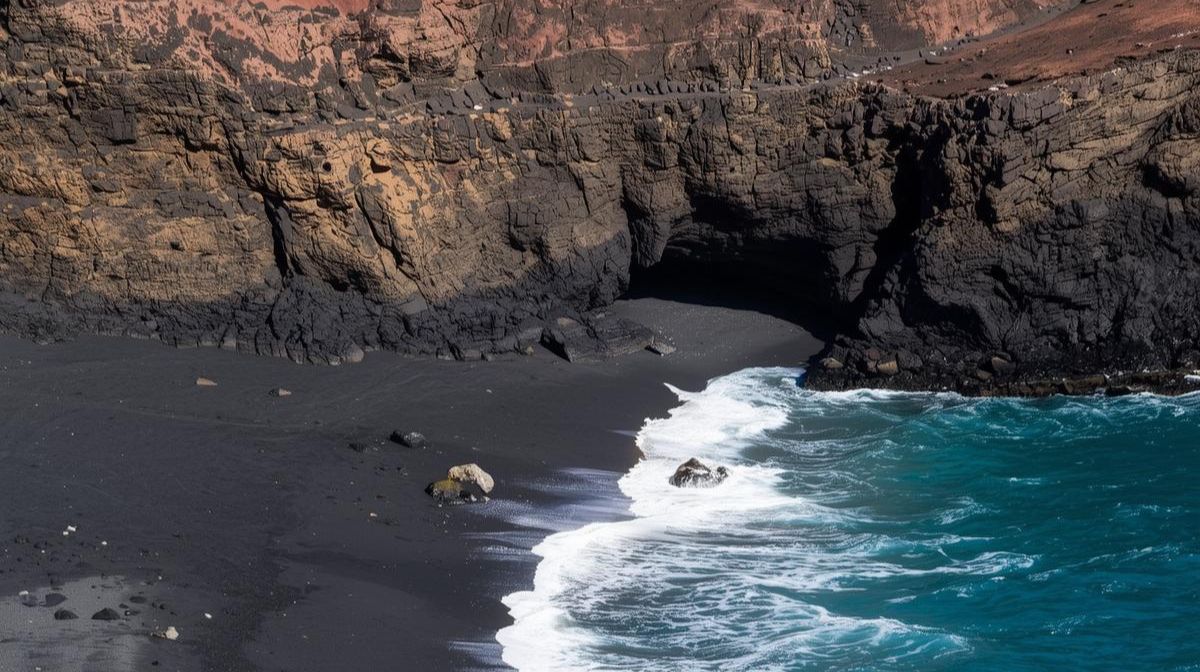
Lanzarote is ideal if you’re looking for a big volcanic change of scenery and a more compact island to explore. It’s shaped by its volcanic past, with truly unique landscapes you should see at least once in your life.
Tenerife or Lanzarote: which island is the best fit?
Tenerife is perfect if you want to mix beaches, villages, hikes, and excursions (Teide, Anaga, Teno…). Lanzarote is more “mineral” and dramatic, with a volcanic atmosphere and striking spots within short distances.
If you’re looking for variety: Tenerife. If you want a very exotic trip: Lanzarote.
Where to stay in the Canary Islands to enjoy the beaches?
For a beach-and-relaxation stay with simple logistics, aim for coastal areas: the south of Tenerife and its seaside resorts, and, in Lanzarote, well-equipped areas such as Playa Blanca, Costa Teguise, or Puerto del Carmen.
Do you need to rent a car in the Canary Islands?
It’s not mandatory if you stay in one resort area and move around very little. However, to explore easily and freely (hikes, volcanoes, wilder beaches, villages), a car is a real plus — and even almost essential if you want to get around without constraints.
Where to stay in the Canary Islands without breaking the bank?
Vacation rentals and apartments are often the best option, especially if you cook. To reduce the budget, book as early as possible and avoid the most sought-after areas in high season. Looking a little back from the seafront helps too.
How many nights should you plan per island?
To enjoy the trip without rushing everywhere, we recommend planning at least 5 to 7 nights if you’re doing a single island. If you combine 2 islands, keep several nights on each one to limit transfers and really enjoy each place.
Even if you like moving around, avoid changing places too often: it quickly wastes time and money once you’re there.
What is the average budget for accommodation in the Canary Islands?
The budget depends on the island, the area, and the season. Seaside resorts and school-holiday periods can quickly push prices up.
To keep good value for money: book in advance, compare several areas, and prioritize apartments if you’re staying longer.