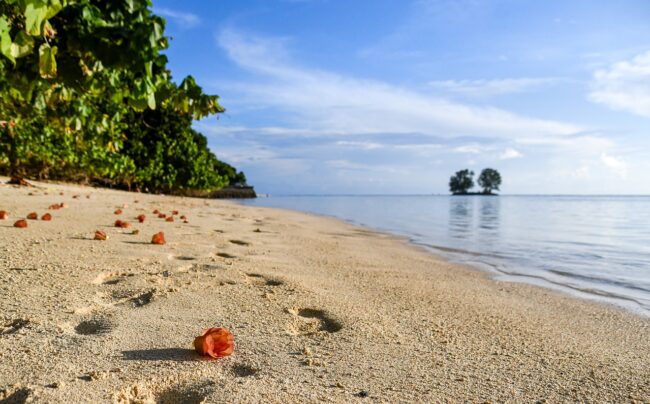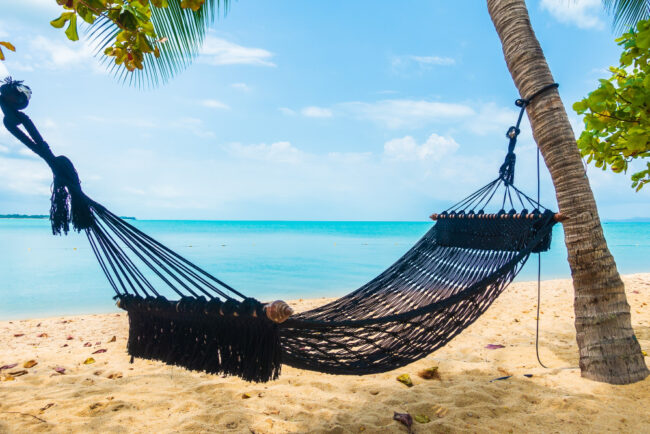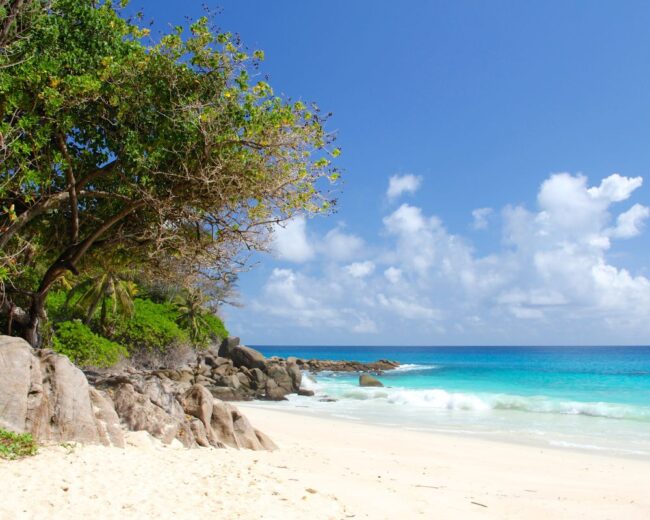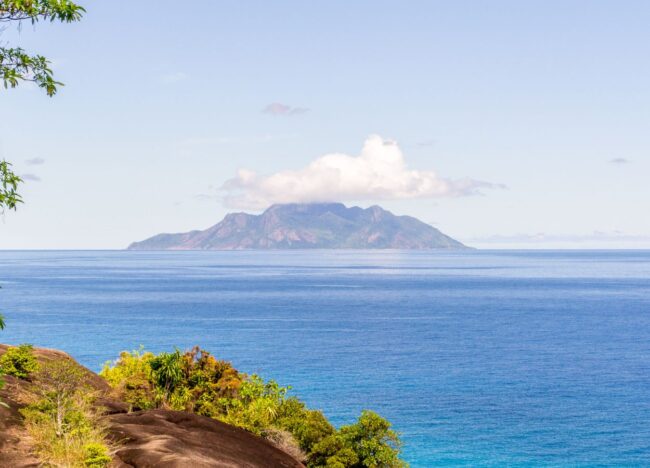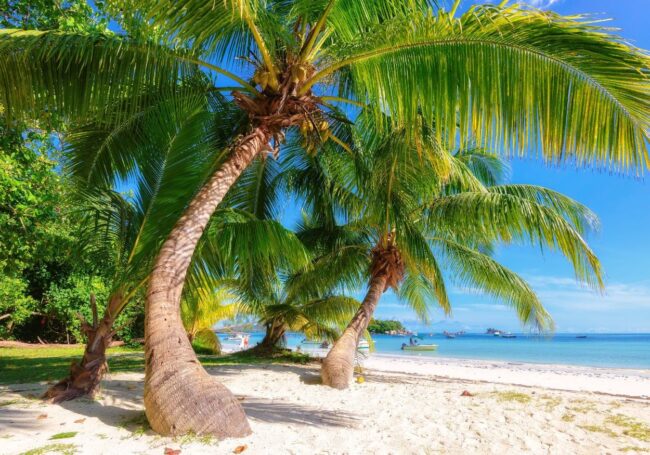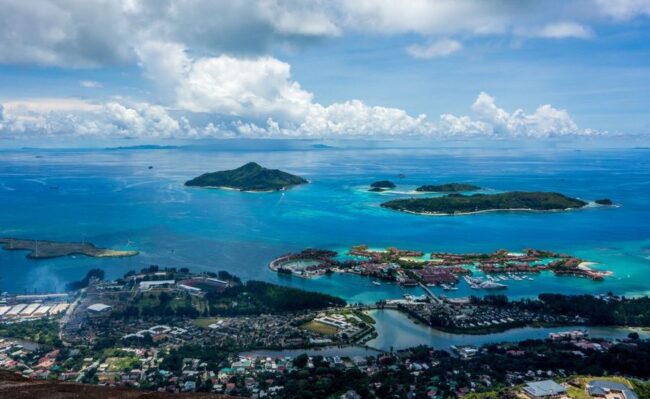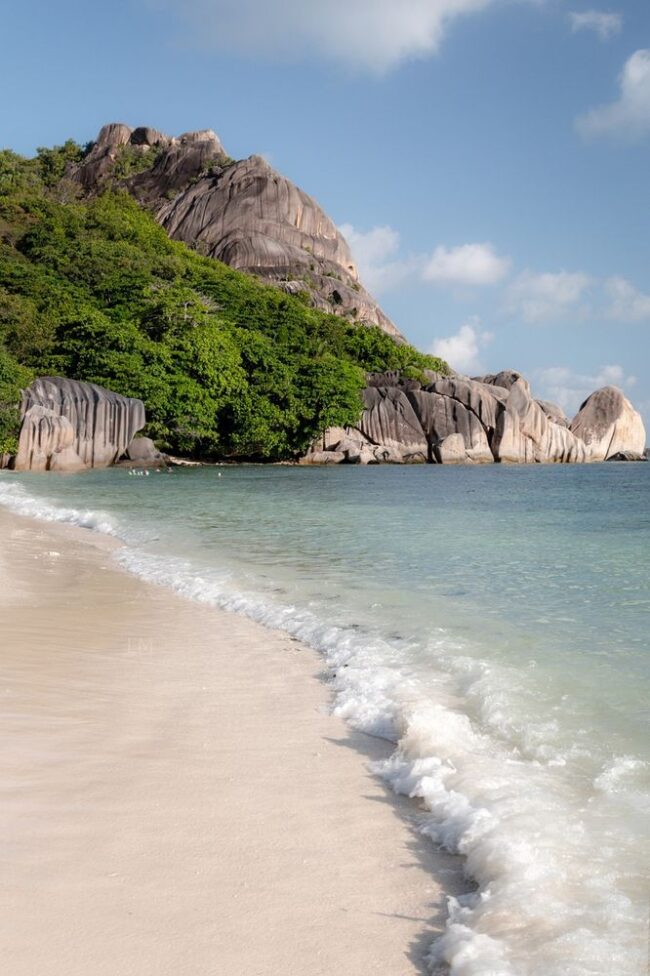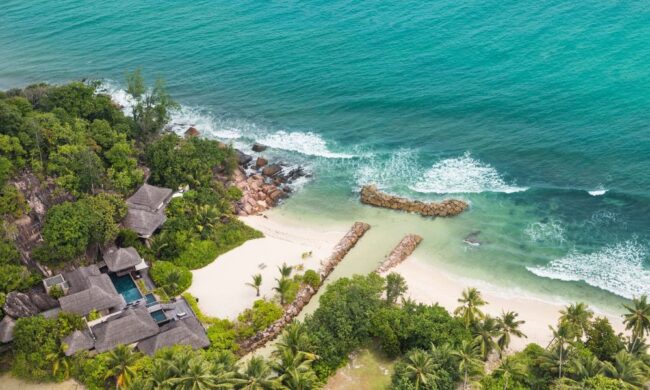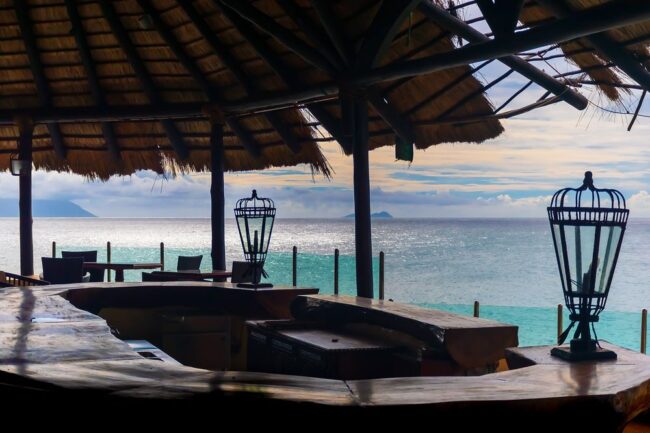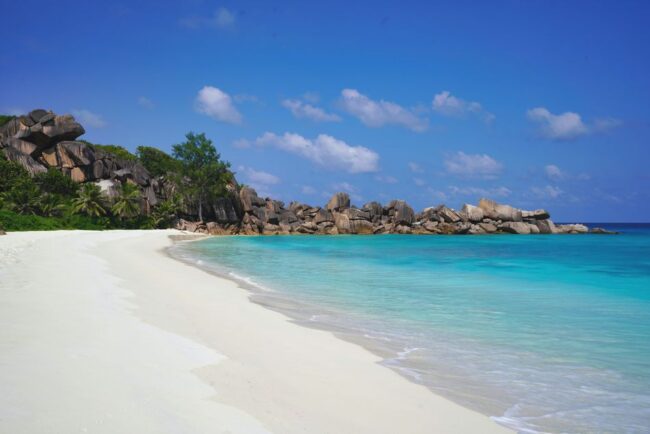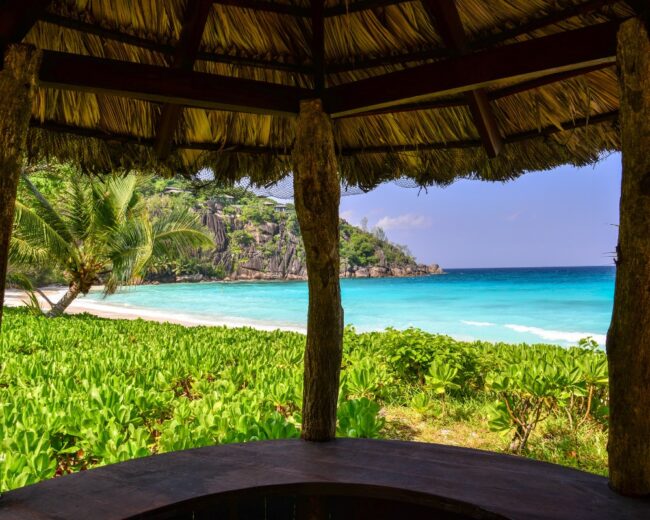
Seychelles is a destination that makes many people dream, right? In everyone’s mind: turquoise water, granite blocks, turtles and sunshine holidays! Go and discover this beautiful archipelago!

Seychelles is a destination that makes many people dream, right? In everyone’s mind: turquoise water, granite blocks, turtles and sunshine holidays! Go and discover this beautiful archipelago!

Here’s a quick guide to the things you must see and do if you’re lucky enough to visit this paradise archipelago.
I hope I’ve given you some ideas to plan your next trip to this dream destination.
Seychellois Creole is the most widely spoken language in the archipelago. There are a number of derivatives of Creole: “fine” Creole (the closest to French), “gros” Creole (the most widely spoken) and “grand bois” Creole (used more in rural areas). However, English and French are also languages in the Seychelles. English, spoken by 60% of the local population, is used in all government departments, tourism and commerce.
French is spoken by 30% of Seychellois. It is used in the written press and for poster campaigns. Rest assured, as a traveler, you will still be able to understand Creole. You will find words similar to French and English. By the end of your stay, you may even be able to speak a few words of Creole, who knows?
You’ll need your passport to travel to the Seychelles. On the Seychelles government website, you will also need to apply for an electronic travel permit, just here. The application fee is €10 and you’ll need the following documents:
Please note that the application must be made within one month of your departure for Seychelles. Once you are in the country, your tourist visa will be issued simply on presentation of your travel permit.
There is only one international airport in the Seychelles, on the island of Mahé, in Victoria. Flights from Paris start at €700 return, depending on the season. Of course, in the high season, prices can rise very quickly to around €1,800 return (i.e. more than double) for a flight time of around 14 hours.
If you are flying from Belgium, you will need to stop in either Germany or Ethiopia. You can find flights from €860 return. You may find it more convenient to take the 1? hour Brussels-Paris train and fly directly from Paris. This is just an idea that could save you some money and avoid stopovers.
From Switzerland, you can fly to the Seychelles from Geneva airport, with a stopover in Germany or Dubai. From Quebec, you will have to fly via Toronto and Ethiopia for a total flight time of about 24 hours.
International airlines that fly to the Seychelles and which you may have flown with before: Lufthansa, Condor, Emirates, Turkish Airlines, Qatar Airways and Ethiopian Airlines.
To get from island to island, you can:
Contrary to what you might think, the time difference between France and the Seychelles is not very significant. Here is the time difference, taking into account the time change during the year:
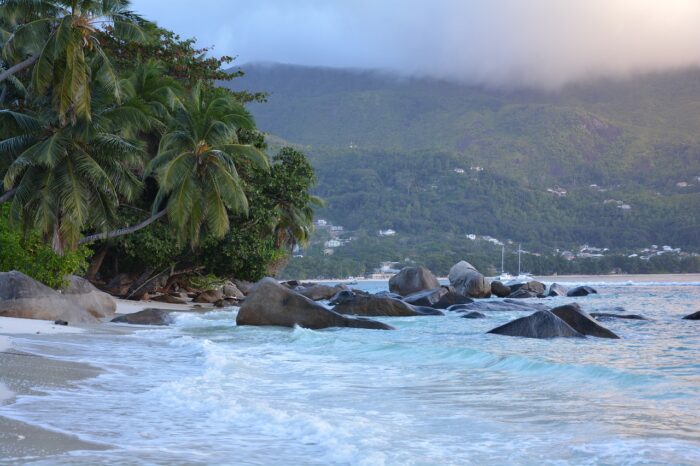
As you may have guessed, the climate in the Seychelles archipelago is tropical. With this type of climate, there are often 2 very distinct seasons: the rainy season (December to March) and the dry season (May to October). If you’re wondering when is the best time to visit the Seychelles, I’d like to point out that the Seychelles’ proximity to the equator means that temperatures are stable all year round (from 26°C to 32°C). What’s more, the Seychelles are not in a cyclone zone, so you can go on holiday all year round.
In my opinion, the best time to visit the Seychelles is during the transitional period between the two seasons, from April to November. This is when the temperatures are at their hottest, making it ideal for holidaymakers who want to enjoy the white sandy beaches, coconut palms and especially diving.
The dry season is more ideal for travellers who enjoy hiking, surfing and windsurfing, as the days remain warm (26°C to 29°C), sunny and the trade winds (a light, pleasant breeze) blow continuously. During the rainy season, as the name suggests, there are many intense showers. They are very short and the sun comes out again quite quickly. If you are looking for a beautiful tropical destination during the winter, you can go to the Seychelles without any worries.
As you can see, the best time to visit the Seychelles depends on what you want to do and your budget (but that’s another topic).
Rest assured, no vaccinations are required on arrival in the Seychelles, except for yellow fever in very specific cases: if you have recently travelled to a country where yellow fever is present but vaccination is not compulsory. This is particularly the case in Kenya and Tanzania. Vaccinations against diphtheria, tetanus, whooping cough and hepatitis A and B are also recommended.
The local currency in this archipelago is the Seychelles Rupee (SCR). To give you an idea of its value, at the time of writing €1 = 14.41 SCR. The cost of living in the Seychelles is higher than in France. For a holiday in the Seychelles, you need to be aware that it represents a budget. To give you a better idea:
Accommodation
There are several types of accommodation to choose from, depending on your budget. You can treat yourself to a few nights in a luxury hotel in a heavenly setting overlooking a private sandy beach and opt for more affordable accommodation for the rest of your stay.
Activities on offer
There’s plenty more to do in the Seychelles: 4×4 tours, guided visits, surfing, hiking, cruises, scuba diving and more. You’ll never get bored! I’ve talked more about paid activities, but of course you can opt for free activities that are just as enjoyable: swimming in the clear waters, sunbathing and relaxing on a beautiful sandy beach and much more!
A word of advice: depending on the season you are visiting Seychelles, remember to book your activities well in advance to ensure that you can enjoy them. I highly recommend using the Manawa website to book your activities. I’ve been on several excursions with them and they’ve always gone really well – I’ve got some great memories!
Getting around
First of all, you’ll arrive on the beautiful island of Mahé in the Seychelles, the only island with an international airport. There are several options for getting around the islands:
Where to eat
Here we are, food, an important element during your trip to the Seychelles. In my opinion, food really depends on what you want to eat during your trip. Personally, I like to go to local restaurants, which often offer cheaper dishes and allow you to discover new flavours. To save some money, you can cook in your accommodation or prepare snacks to eat on the way, for example if you’re going on a day trip. To give you an idea of the cost of eating out in Seychelles:
I hope I’ve given you a good idea of the cost of living in the Seychelles and what you can expect to spend during your stay, which may help you prepare your holiday budget.
I’ll try to give you an idea of the average budget for a trip to the Seychelles. Of course, the budget for a trip really depends on the type of holiday you’re looking for (luxury, budget, roots) or perhaps a mixture of the three?
Here are some fairly broad ranges, but they can give you a good idea of how much you can expect to spend (including airfares):
I’d rather tell you up front that it’s going to be hard to find a package in the Seychelles. It’s better to keep in touch with friends and family via the internet (WhatsApp or Messenger). You’ll also have easy access to the internet while you’re in Seychelles, in hotels, guesthouses, beach resorts, restaurants, etc. Alternatively, you can find out about roaming charges from your mobile operator in advance (be careful as the bill can go up quite quickly ahah). You can also buy a local SIM card (Airtel or Cable & Wireless).
Overall, you don’t need to worry about safety when travelling to Seychelles. As with many destinations, you just need to be aware of pickpockets and purse snatchers, especially in the tourist areas.
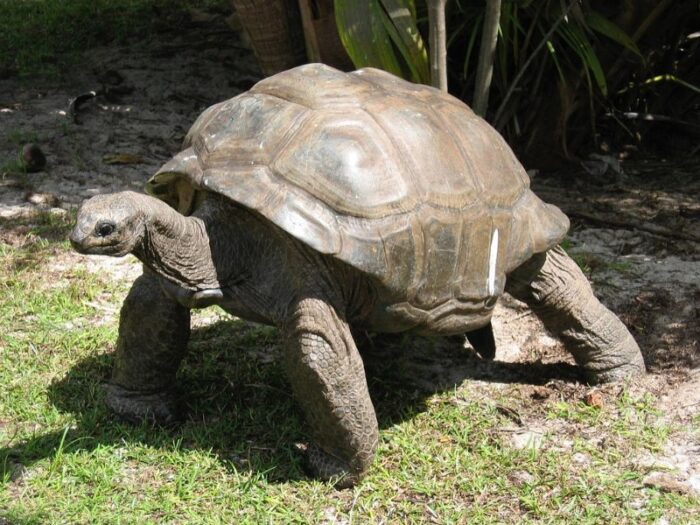
The Seychelles are famous for their dream beaches and turquoise waters, but also for their rich and unique wildlife. Start with the giant tortoises, which are truly impressive. The best way to see them is in their natural habitat during your stay. This paradise archipelago is also home to more than 200 species of birds, including the Seychelles Blackbird, the Red-bellied Parrot, the Gannet and the Paille-en-queue that can be spotted in the Seychelles rainforests.
And that’s not all! Giant fruit bats are an integral part of the Seychelles islands and play an important role in the local ecosystem, although I can understand why you might be a little apprehensive at the thought of meeting them, haha.
As for marine life, divers will not be disappointed! The crystal clear waters of the Seychelles are home to sharks, manta rays, sea turtles and hawksbill turtles. The Seychelles are also home to many tropical plants, including wild vanilla, coconuts, hibiscus and tea. Not forgetting the famous coco de mer, a palm tree with 20 kg of seeds, nicknamed the coco “fesses” because of its unusual shape!
You can enjoy many typical Seychellois dishes, which are tasty and often spicy, like:
For the curious, you can also try bat meat.
I couldn’t tell you about the local culinary specialities without mentioning the Seychellois desserts, which are mainly made with tropical fruits:
There’s something for everyone! You’ll be spoilt for choice when it comes to pampering your taste buds. I don’t know about you, but writing these words has made me hungry and eager to try these dishes.
At the time of writing, the most widespread religion is Catholicism (80%). There are also Anglicans (8%), Hindus (2%) and Muslims (1.5%).