Exploring Grand Canyon National Park
Last update: 06/13/2026
Our blog continues to grow thanks to you, our readers. This post may contain affiliate links, which means we can earn a small commission if you make a purchase through them, at no extra cost to you. This helps us to continue to bring you more and support our work!
Hello again! Once more, I’m handing the keyboard over to our guest Laura so she can continue sharing her journey through the American West.
This time, I’m taking you to America’s most popular national park: the Grand Canyon. A UNESCO World Heritage Site since 1979, the Grand Canyon is the most visited national park in the United States. Around six million people visit it every year. The Grand Canyon truly is one of Arizona’s greatest natural wonders.
I have to admit that discovering Grand Canyon National Park was one of the experiences I was most looking forward to while planning my road trip to the United States. Although, looking back, I preferred Bryce Canyon, I can assure you that the Grand Canyon did not disappoint—the scenery was truly unique and impressive. One thing is certain: if you are taking a road trip through the American West, the Grand Canyon is a must-see. And that is not all, because the western United States is also home to several other remarkable national parks, including Zion Park, Monument Valley, Antelope Park and the aforementioned Bryce Canyon.
The aim of this article is to help you explore Grand Canyon National Park. I’ll look back on my time there and share the best viewpoints, the best hikes, and all the practical information you need.
Grand Canyon essentials
First, here is a little background on the Grand Canyon’s history, along with some practical information about exactly where it is.
How was the Grand Canyon formed?
Often described as one of the geological wonders of the United States, the Grand Canyon formed at least 70 million years ago. The process began with tectonic movements across the Colorado Plateau. Various materials, including lava and sediment, then accumulated along the Colorado River. The erosion of these materials gradually shaped the Grand Canyon as we know it today, creating layers of rock in different colors—purple, green, and orange—as well as vast desert landscapes. The result is an extraordinary landscape.
Where is the Grand Canyon?
The Grand Canyon is located in the northeast of Arizona and its south entrance is 450 km from the city of Las Vegas. One small tip: if you’re coming from Las Vegas, you can drive part of the way on the legendary Route 66! It is also worth remembering just how vast the Grand Canyon is: its mountain ranges, multicolored rocks, and winding trails extend for 445 km—the same distance as the drive from Las Vegas. All of these vast areas are, of course, protected.
What to do at the Grand Canyon
To help you understand the park from the outset, I’ll begin by explaining its different areas and sections.
The different rims of the Grand Canyon
South Rim
The South Rim, as its name suggests, is the southern rim of the Grand Canyon. It has the most developed trail network and attracts the largest number of visitors. It is easy to reach and offers some of the best views in the entire park.
North Rim
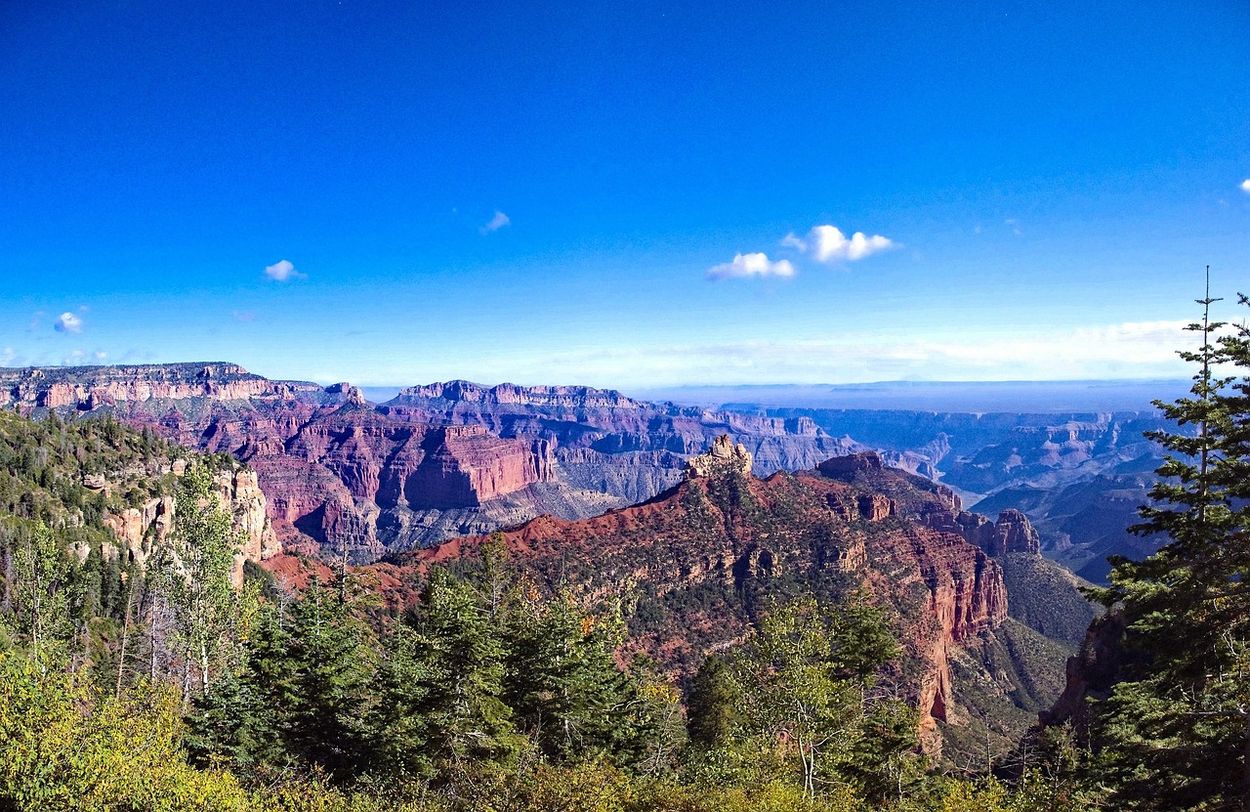
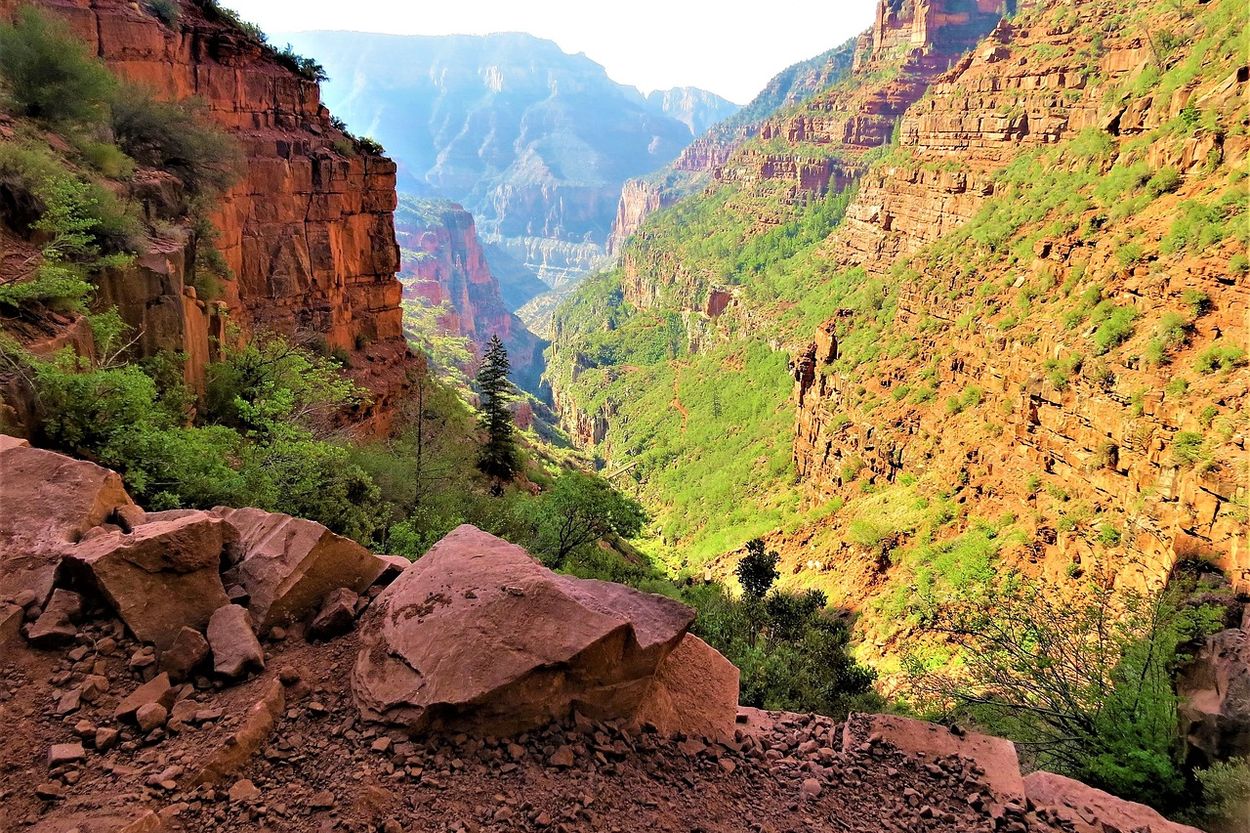
The North Rim is the Grand Canyon’s second main rim and the wilder of the two. Its main advantages are the smaller crowds and the more untouched natural setting. As you can imagine, there is one drawback: it’s not easy to get to and some of the trails can be rugged. I haven’t had the chance to go there, but from everything I have heard, it is every bit as worthwhile as the South Rim. I’d also like to point out that the scenery from the North Rim is much greener and more wooded than from the South Rim, because its higher elevation gives it a cooler climate.
Grand Canyon West
As I said before, there are only two rims of the Grand Canyon, but you will often hear people refer to the West Rim. This simply refers to the western part of the National Park, which belongs to the Hualapai Indians.
Now that we have covered the different rims, let’s move on to the Grand Canyon’s best viewpoints!
Grand Canyon viewpoints
Hopi Point
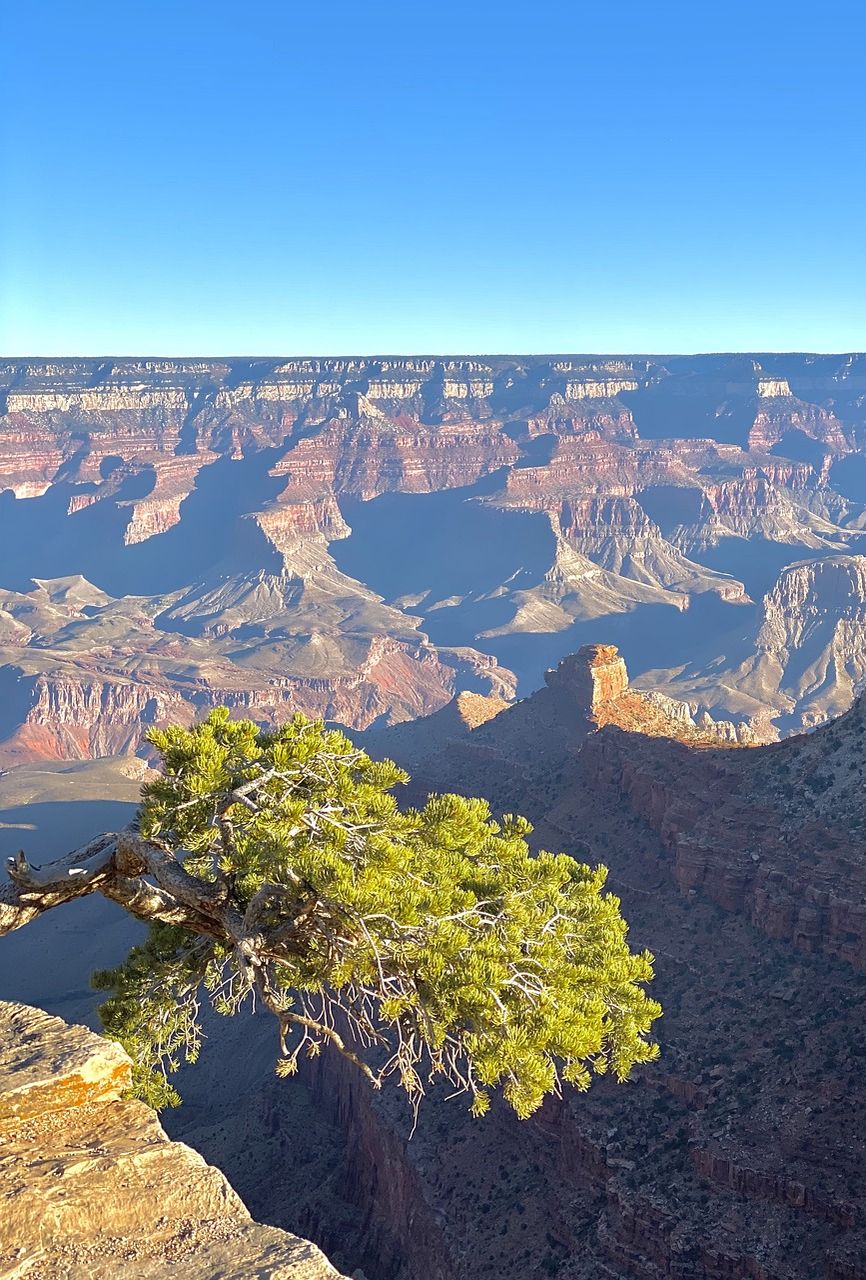
I had to begin with this one because it is my favorite. The panoramic view of this part of the Grand Canyon is simply magnificent. For me, it is one of the best places to watch either the sunrise or the sunset. At these times of day, the colors of the rocks are especially striking. The landscape takes on a beautiful range of warm tones. It’s only a 15-minute walk from the Grand Canyon Visitor Center, so I highly recommend it!
Desert View Watchtower
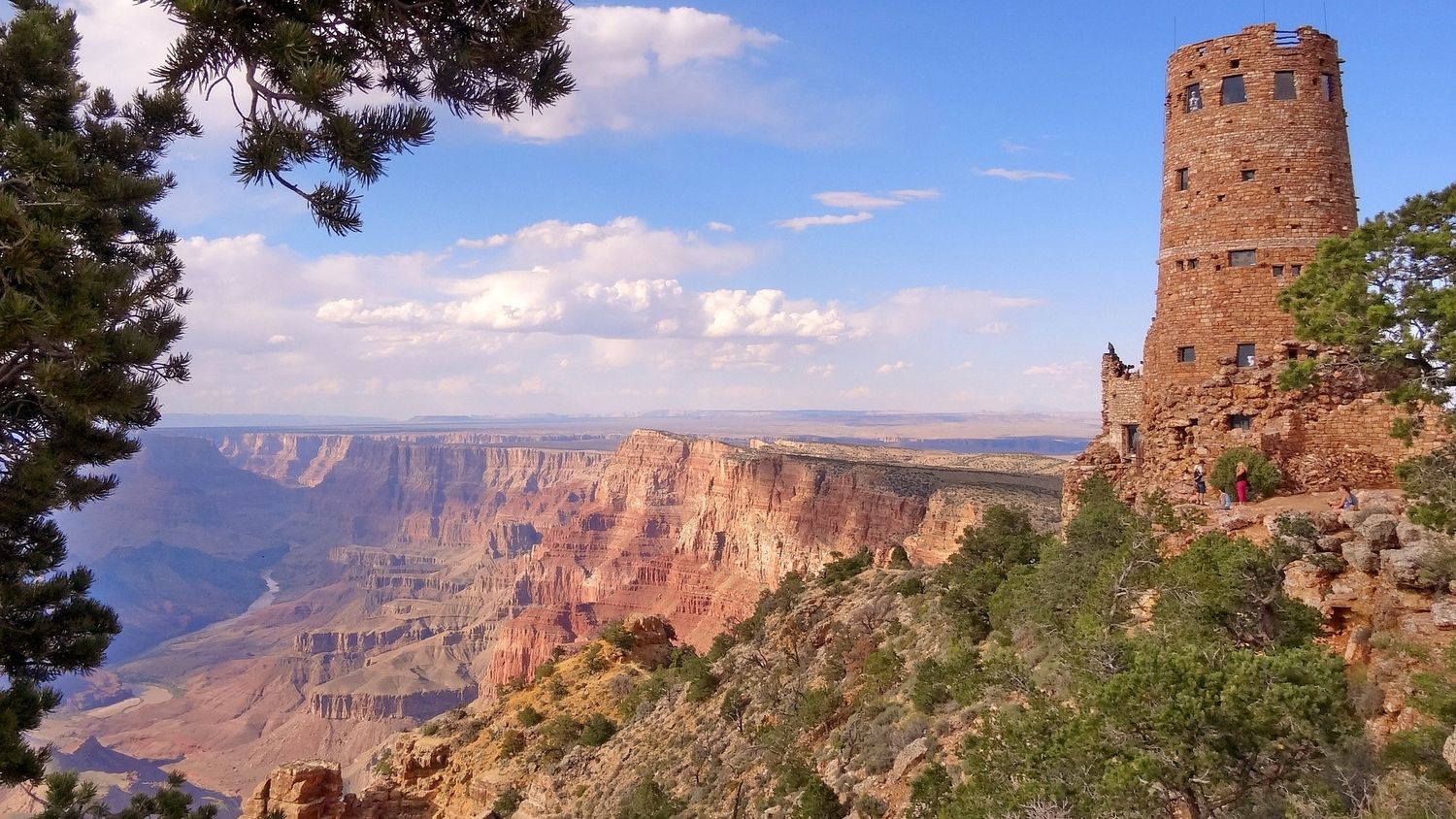
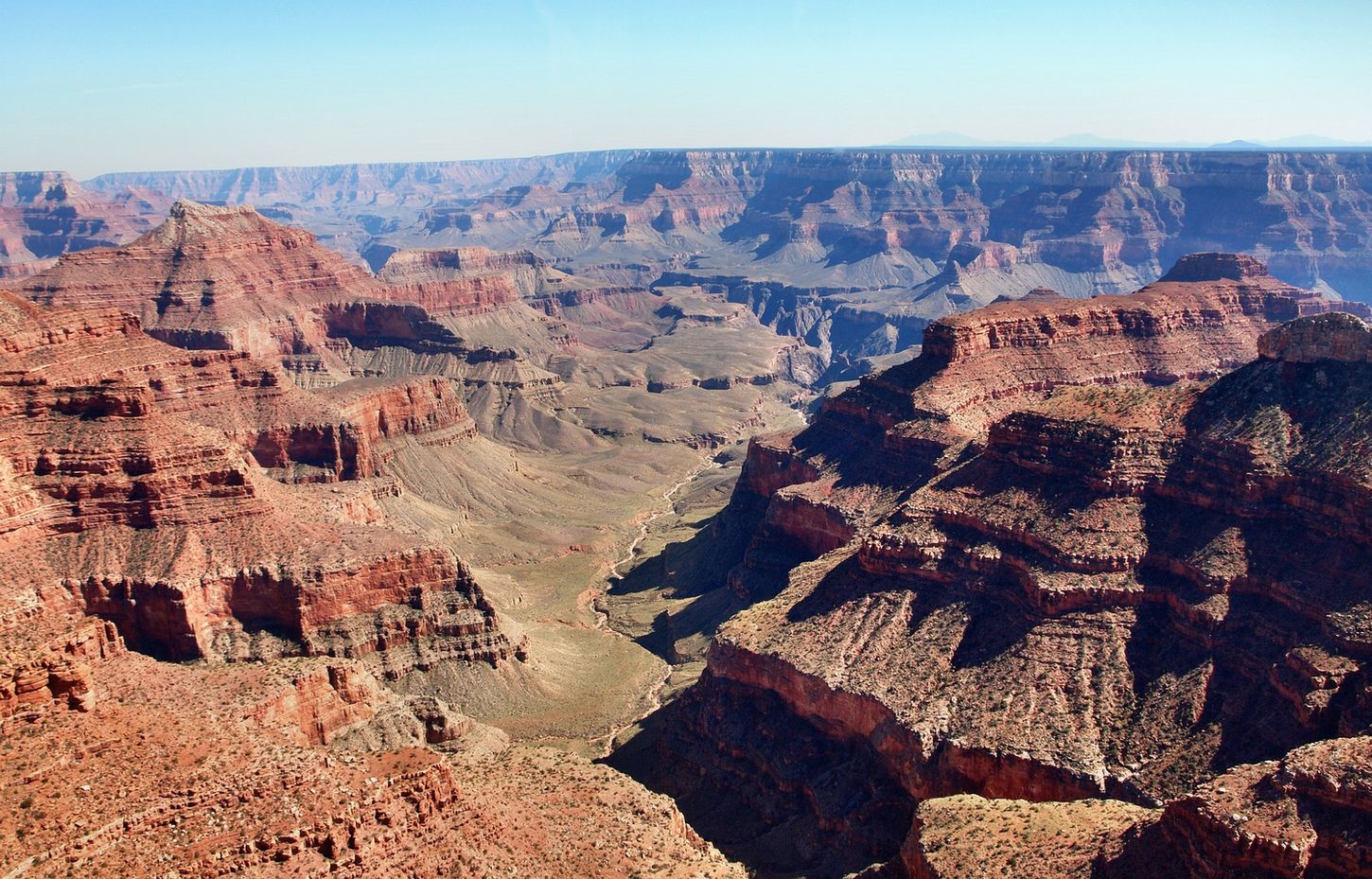
As the name suggests, the Desert View Watchtower offers one of the most panoramic views in the entire Grand Canyon. You can see all the trails, red rocks, cliffs and peaks, rising one behind another! It is well worth visiting if you have the time.
Mohave Point
Mohave Point is, in my opinion, one of the finest overlooks in the Grand Canyon. What makes it unique is that you can see the Colorado River deep within this magnificent canyon. This point is a bit further away than the previous one, but I can assure you it is well worth the extra distance!
Grandview Point
Grand View Point is one of the most famous spots in the Grand Canyon. When I arrived, I finally understood just how vast the national park really is. The panoramic view is remarkable.
Lipan Point
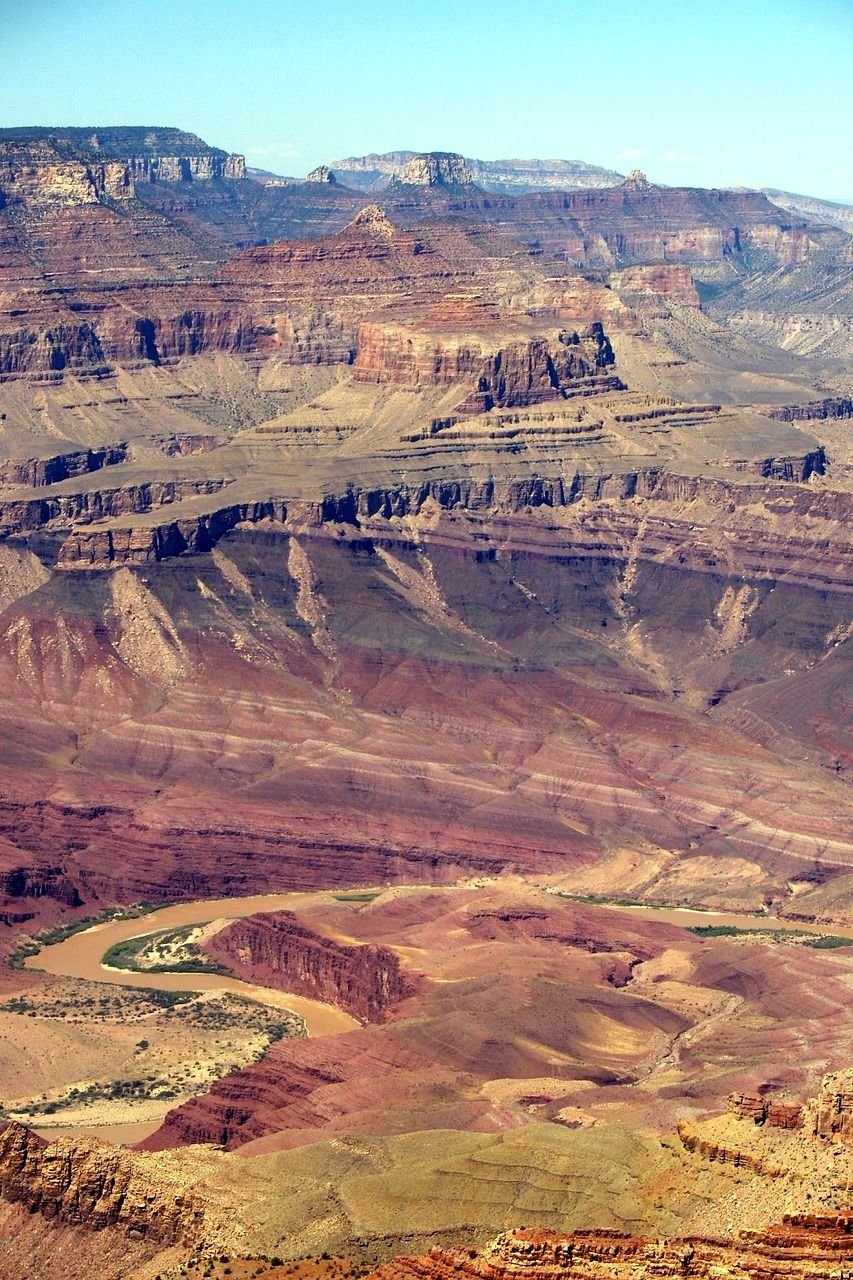
The scenery at Lipan Point is particularly impressive. From the viewpoint, you can take in sweeping views of the cliffs, the Colorado River and the entire southern Colorado Plateau.
In my opinion, these first five overlooks are the most beautiful spots in the Grand Canyon. They’re all on the South Rim (so there is no excuse not to visit them, haha), so although reaching some of them does involve a little walking. If you’re in the Grand Canyon for more than a day and have the time, there are many other equally beautiful viewpoints worth exploring.
Mather Point
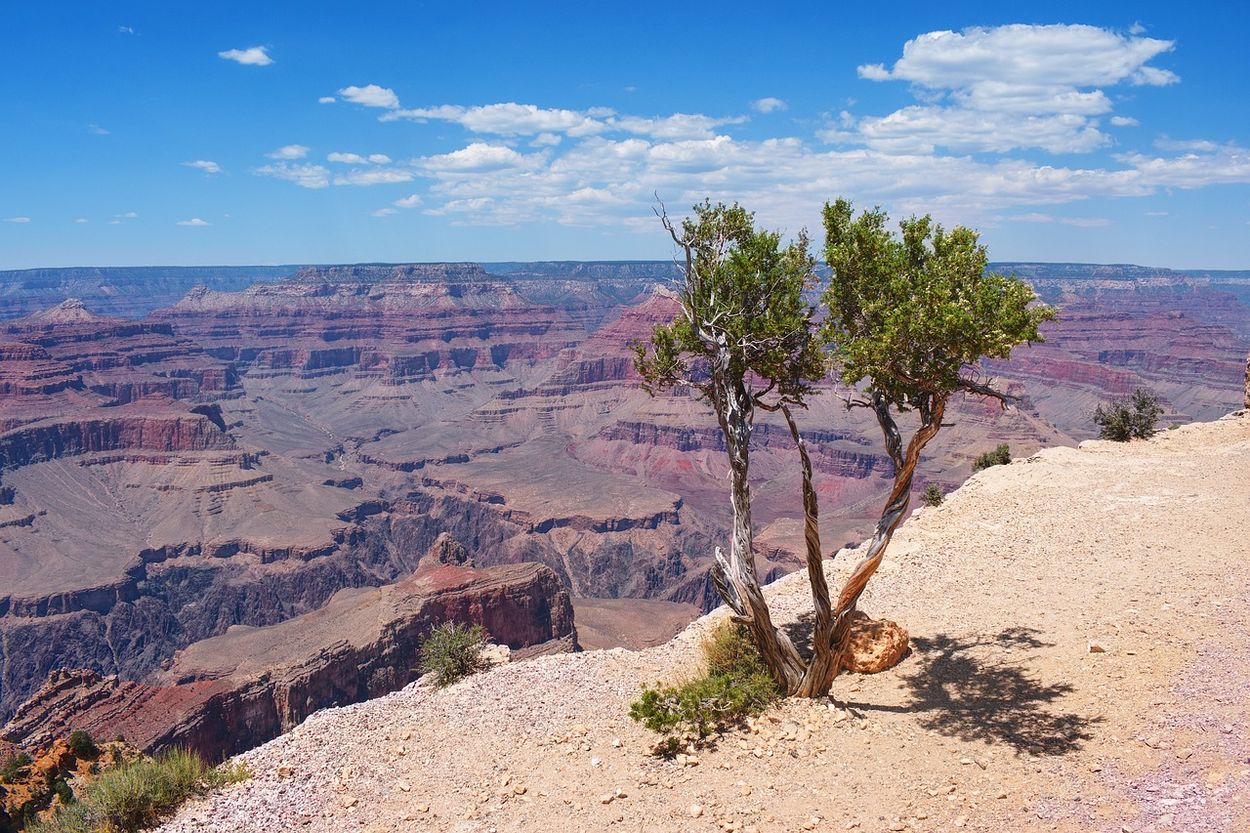
Mather Point is the most popular viewpoint in the entire national park. You may be wondering why I haven’t mentioned it before. The reason is simple: in my opinion, although it is the best known, I do not think it is the most spectacular. But it’s still very beautiful. Its popularity is largely due to its proximity to the Visitor Center. In fact, it’s the first viewpoint after the entrance and the Visitor Center. The first view is immediately impressive, even though it is only the beginning.
Yaki Point
Situated at 2,213 m above sea level, Yaki Point is one of the highest and most dramatic viewpoints in the Canyon. It offers breathtaking views of the mountain ranges and in particular of Wotan’s Throne and the Temple of Vishnu (two well-known peaks in the Grand Canyon that rise to over 2,300 m). It’s a truly impressive sight and one of the highlights of the national park!
Powell Point
In just a few words, I would say that this spot is every bit as beautiful as some of the park’s better-known viewpoints. It’s not very far from Hopi Point, but the advantage is that it’s less crowded! It is a great place to escape the crowds and watch the sunset.
Navajo Point
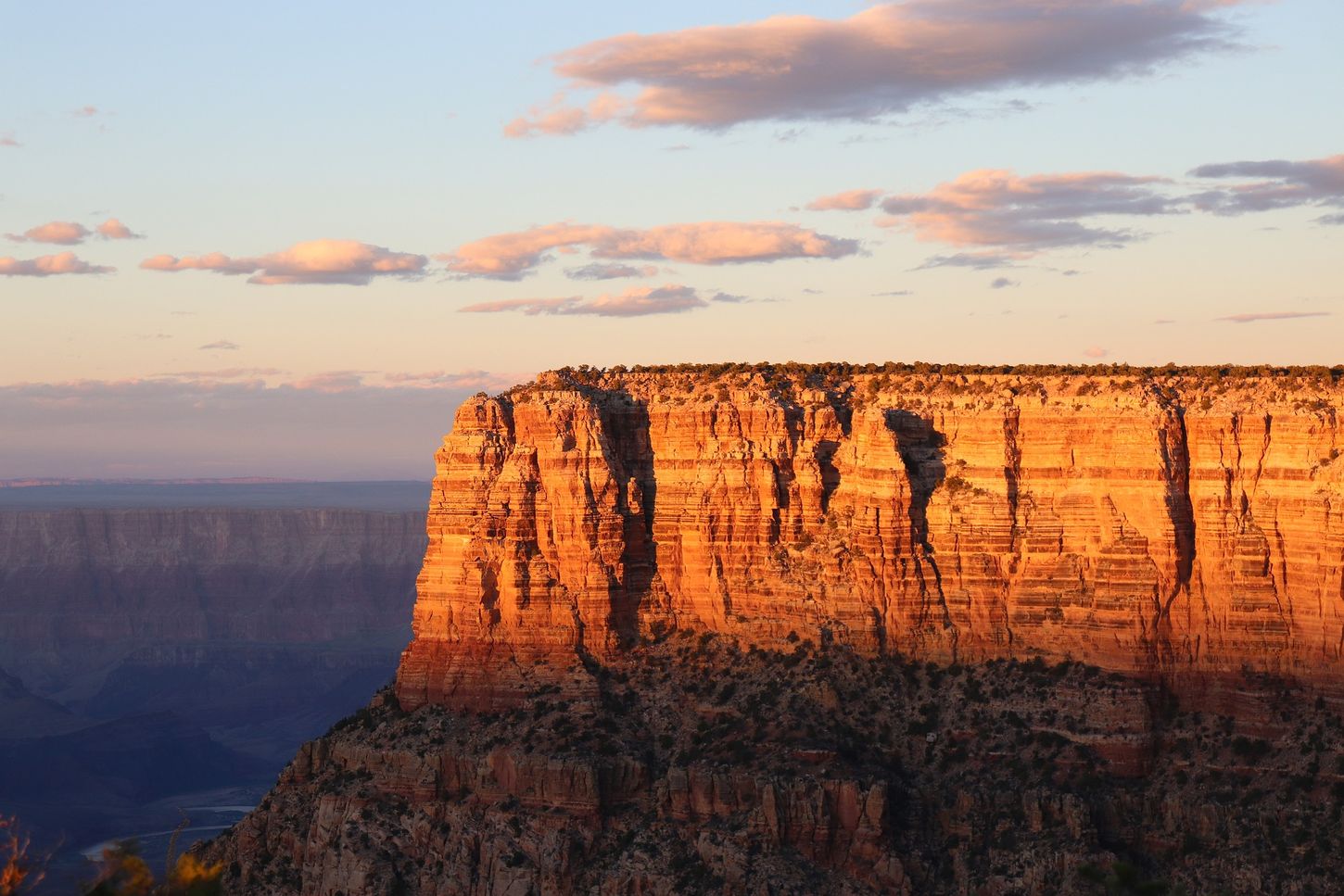
Navajo Point is simply the highest overlook in the Grand Canyon. It offers vast, open views stretching as far as the eye can see. It’s not far from Desert View Watcher. You can even see rafts meandering down the Colorado River far below in this western setting.
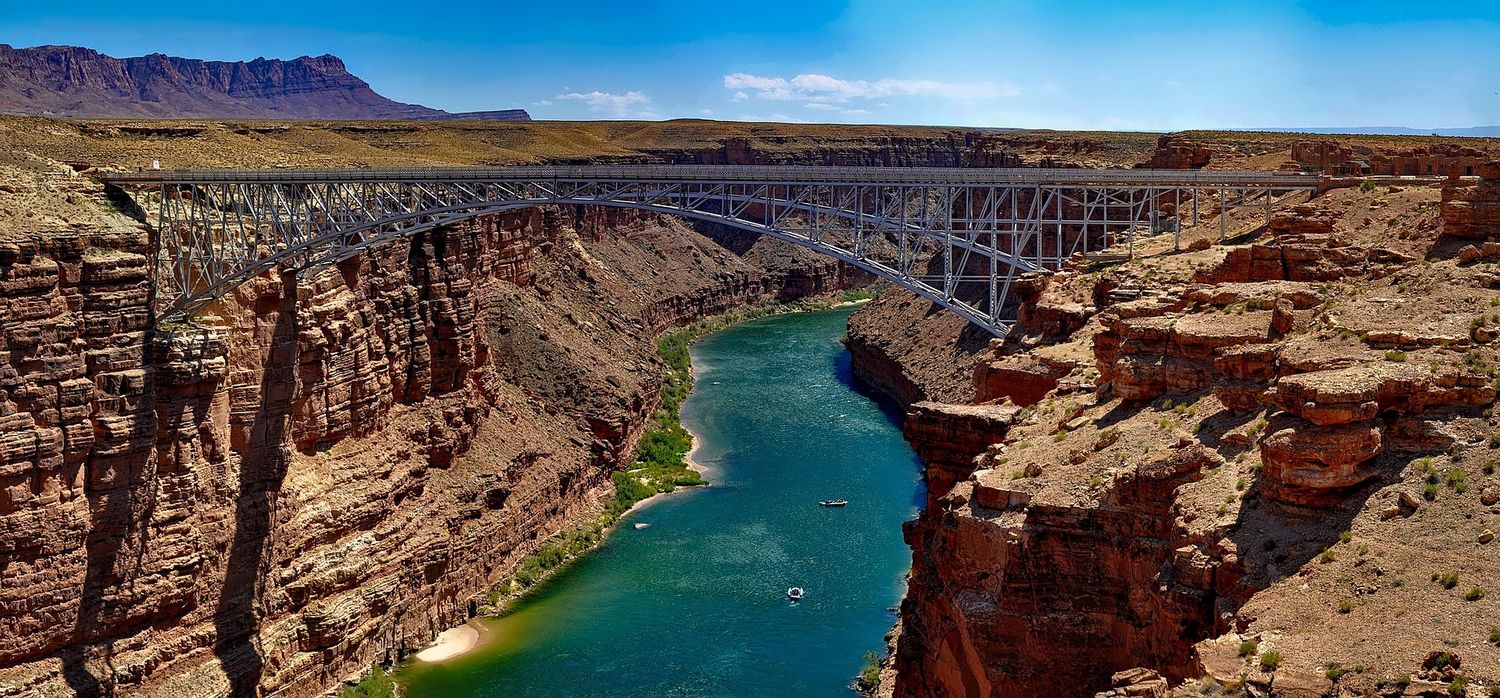
Historic Navajo Bridge
This bridge is both unusual and impressive. It forms an arch over 140 meters high and overlooks the emerald-hued Colorado River (Marble Canyon section). It is a very popular stop, but I can assure you that it is well worth stopping at! The views are truly breathtaking. For the record, I’m afraid of heights, but the view is so impressive that I was able to put my fear aside for a few minutes.
That covers my selection of the best overlooks in the Grand Canyon. You may have guessed it, but the Grand Canyon is filled with many other viewpoints where you can admire its vast scenery. If you have time, I recommend Maricopa Point, Guano Point, the Abyss, Pima Point, Ooh Aah Point and Skeleton Point.
The best hikes in the Grand Canyon
Now I’d like to take you on a tour of the best hikes in the Grand Canyon. There are so many that you will have plenty to choose from. Rather than beginning with the most intimidating options, let’s work our way up from the easiest hikes.
Trail of Time
- Time: 1.5–2 hours
- Distance: 4.5 km
This trail offers views of magnificent desert and red-rock landscapes. More importantly, it tells the geological story of the Grand Canyon over billions of years. To give you an idea, as you follow the trail, interpretive displays explain the Grand Canyon’s geological history and feature small rock samples. I thought it was really well done and very interesting! It is also an easy, accessible hike.
Cape Royal Trail
- Time: 1 hour
- Distance: 1.6 km
Next comes another beautiful but easy hike. Along the way, you can see wildflowers up close, the colorful cliffs and even spot a few wild squirrels. The advantage of this hike is that it is not usually too crowded, so you can take your time and enjoy the incredible views!
Bright Angel Trail
- Time: 9 to 12 hours
- Distance: 19.6 km
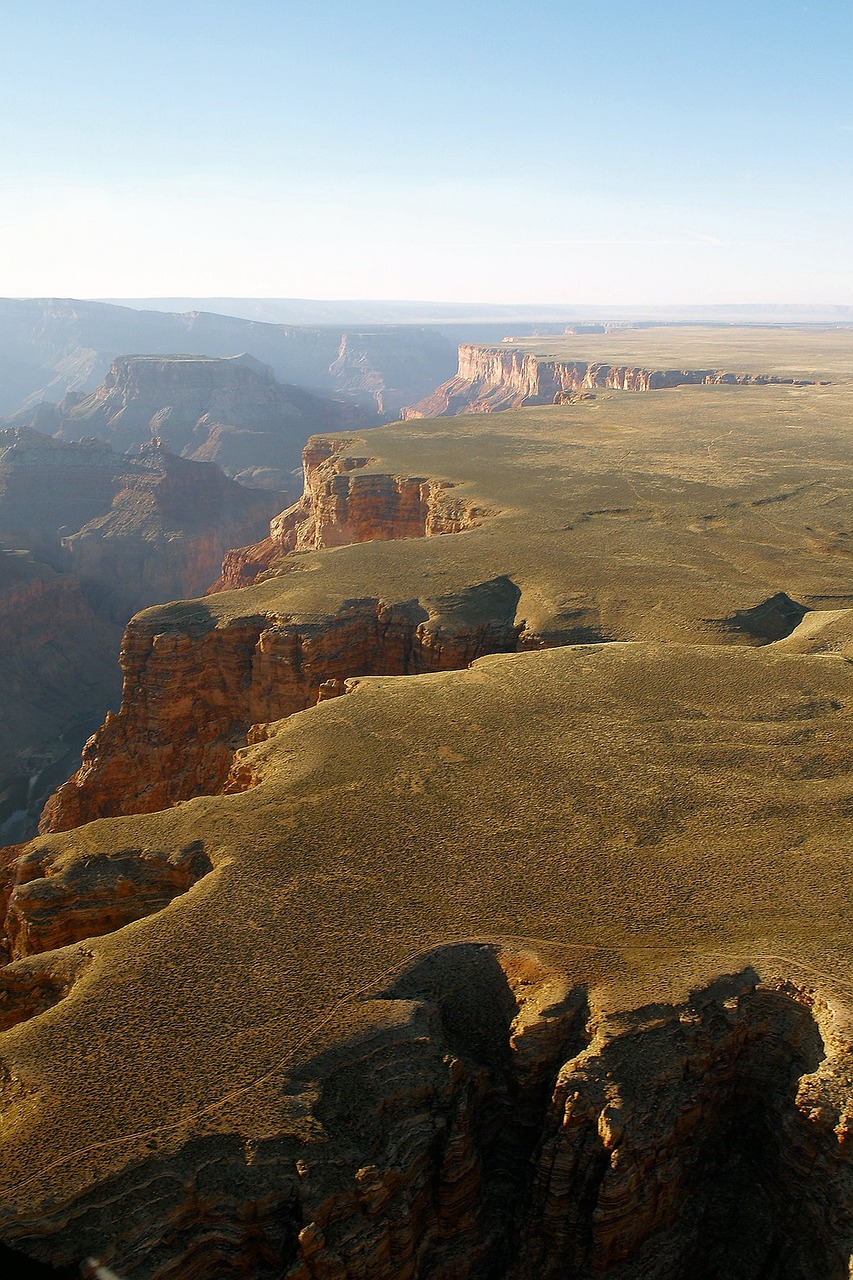
This brings us to a difficult hike that can be completed over two days. There are rest stops and drinking water along the route (you’ll really need it in the summer, trust me). This very popular trail is beautiful and takes you deep into the Grand Canyon to admire the rocks, the desert, but also to follow in the footsteps of the region’s earliest civilizations. The Wild West setting makes the experience especially immersive.
Tanner Trail
Time: 12 hours
Distance: 23 km
This trail is a real adventure. It is best suited to experienced hikers because the route is undeveloped. The terrain is very rocky and the only water source is the Colorado River. The chances of seeing wildlife (coyotes, birds, elk) increase as you get closer to the river. It is a genuine wilderness adventure in a remarkable desert setting.
South Kaibab Trail
- Time: 10 hours or more
- Miles: 10.5 km (descent to canyon bottom only)
This is easily one of the best hikes in the Grand Canyon. The beginning of the hike can feel a little vertiginous, but once you settle into the trail you can reach a welcoming ranch further down at the bottom of the canyon. You can also hike back up the Bright Angel Trail for a change of scenery!
That covers the best hikes in the Grand Canyon, with options covering different difficulty levels, durations, and distances. There are many others, including Rim Trail, West Rim Trail, Hermist Rest, Tonto Trail, Grand View Trail and North Kaibab Trail.
Grand Canyon National Park: practical information
How to get to the Grand Canyon
To get to the Grand Canyon from France, you can fly from Paris to Las Vegas. You can then rent a car for the drive to the Grand Canyon. Depending on the season, prices range from €700 to €1,200. Use Skyscanner flight search tool to search for cheap flights.
From Quebec, you can find flights from Montreal to Las Vegas. Prices are generally between €300 and €400.
Once you arrive, you will probably need to rent a car or campervan. This gives you the freedom to travel independently and explore at your own pace. We often recommend that you compare prices on the Discover Cars website (for cars) and the Motorhome Republic website (for campervans and motorhomes).
How to get around the Grand Canyon
When you arrive at the national park, you must park in the parking lots immediately after the visitor center. Private vehicles are restricted in some areas to reduce traffic. But don’t worry, there are four free shuttle routes that run every 10 minutes or so. And if you’re feeling brave, try walking to some of the best viewpoints!
Grand Canyon entrance fees
It costs $35 per vehicle (including up to four people) to enter the Grand Canyon. One small tip: you can also buy the America the Beautiful Pass for $80 (valid for one year), which includes entry to all U.S. national parks (including the Grand Canyon, of course). It is particularly useful if you are traveling around the United States.
When is the best time to visit the Grand Canyon?
Spring: the climate is mild and temperatures are very pleasant (between 12°C and 28°C). There is very little rain and the days are sunny. In addition, there are very few tourists at this time of year. Spring is definitely the best time to enjoy the Grand Canyon, hike in quieter conditions and take advantage of the best lodging deals.
In the summer, temperatures are very high (from 28°C to 40°C at the bottom of the canyon). It’s also the busiest time of year in the national park. I visited the Grand Canyon at this time of year and would advise you to go early in the morning or late in the afternoon. It gets very hot and there are few, if any, shady spots. As I write this, I’m almost wondering why I chose this time of year to visit the Grand Canyon (let’s just say I was younger then!).
Autumn brings springlike temperatures (between 15°C and 25°C). Autumn is also a great time to visit and hike the Grand Canyon. However, from November you can expect cooler temperatures and even snow!
Winter offers a very different way to experience the Grand Canyon. The snow can make the landscape feel especially magical. Rocks and snow-covered peaks stretch as far as the eye can see. Just be aware that some hikes are not accessible due to snow, especially on the North Rim where temperatures are cooler (between -1°C and 6°C)!
Where to stay near the Grand Canyon?
If you want to make the most of your stay in the national park, I recommend choosing accommodations nearby—in Tusayan or in Grand Canyon Village. You’ll be right next to the park—perfect for hitting the trails early in the morning or late in the afternoon and, above all, for watching sunrises and sunsets. The only drawback is that Grand Canyon Village and Tusayan get very busy in high season.
If you’re after a solid mid-range (three-star) hotel with good comfort and good amenities, try the Grand Canyon Plaza Hotel. I spent two nights there and can confirm that its indoor spa felt amazing after a full day hiking around the canyon.
Prefer something something more upscale? The Holiday Inn Resort The Squire and The Grand Hotel at the Grand Canyon both offer high-quality amenities for a more luxurious stay.
Of course, if you’d rather have a more immersive experience and spend the night inside Grand Canyon National Park, that’s possible! On the South Rim you can choose the Mather Campground or the Trailer Village RV Park. Both are open all year and well equipped. I spent two nights at the former and loved it – I even spotted an elk grazing calmly near my tent, which was pretty impressive! Strict food-storage rules are in place so wildlife isn’t attracted to the campground.
On the North Rim you can camp at De-Motte Campground, which is very well laid out. The only downside: it’s open only from mid‑May to mid‑October.
A quick note for the more adventurous: multi-day hikers will find small, designated campsites along the trails.
Since then we’ve put together a full guide to help you decide where to stay in the Grand Canyon.
Other activities to do in and around the Grand Canyon
4×4 tours and safaris
To explore the Grand Canyon and its surroundings, you can take a guided 4×4 tour. This is a scenic experience and you can watch the cliffs change color as the sun goes down. This type of excursion costs around €130 per person and lasts two and a half hours.
Helicopter tours of the Grand Canyon
If you want to experience a classic American adventure and see the Grand Canyon from the air, you can fly over it in a helicopter. Agencies generally offer a 45-minute flight over the South Rim (Zuni Corridor, Imperial Point) and the Colorado River for between €120 and €300 per person. One piece of advice: check availability and book well in advance!
If you’re looking for other things to do in or around the park, check out the GetYourGuide website, which has a great list of things to do!
Skywalk Grand Canyon
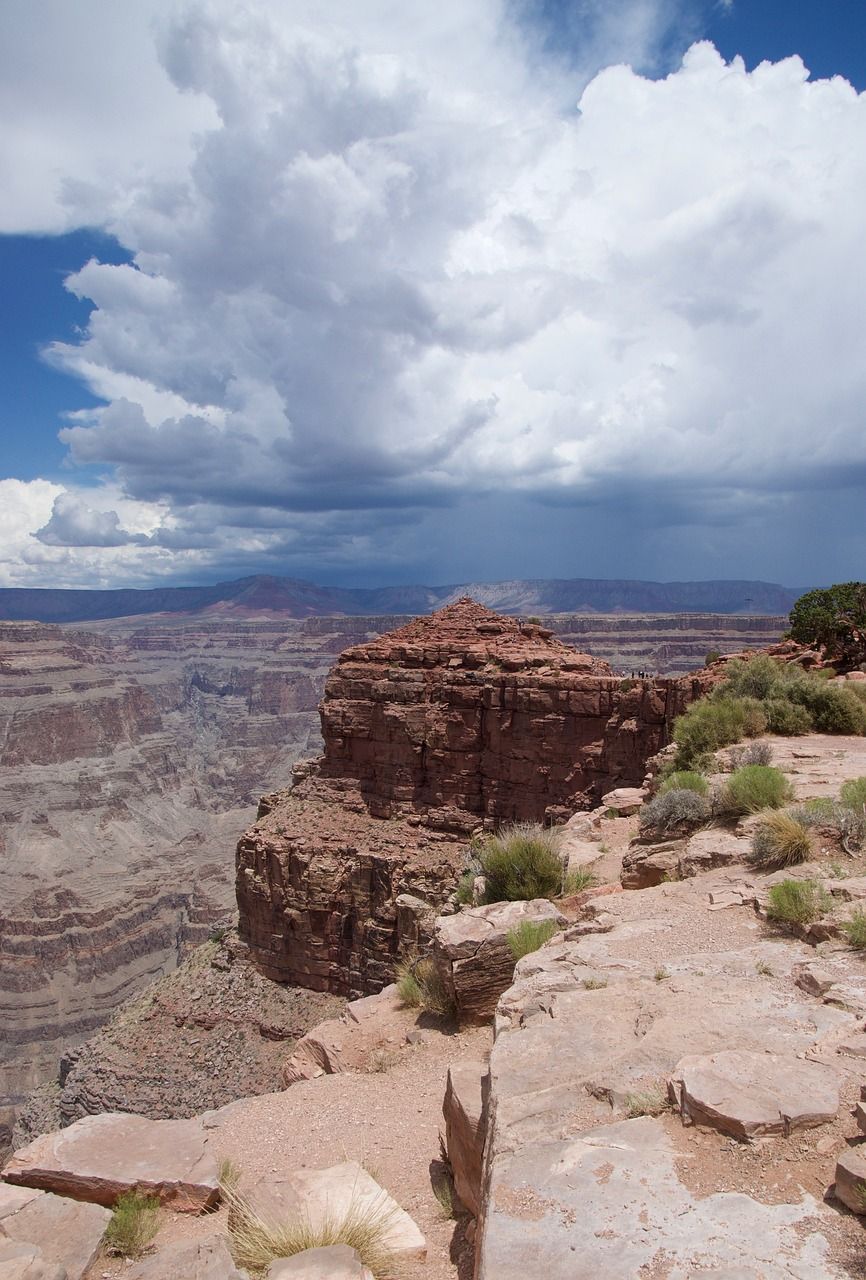
The Skywalk is a huge attraction on the west side of the Grand Canyon (the part run by the Indians, who are increasingly developing tourism there). It is a glass-bottomed bridge suspended high above the cliffs. The structure is impressive, and so is the view, haha. One small tip: there is also a small Indian village a little further down the cliffs, which is well worth a visit.
Yavapai Observation Station
This is a small museum with a great view of the Grand Canyon. You can learn more about the history of the Grand Canyon and the park in general from the friendly rangers who are always ready to answer your questions, so feel free to ask them!
Antelope Canyon
We now leave the Grand Canyon and head for Antelope Canyon. This is another of the wonders of Arizona. The shapes and colors of the rocks are both surprising and sublime! During the visit, you can walk between the narrow rock walls and enjoy this natural spectacle.
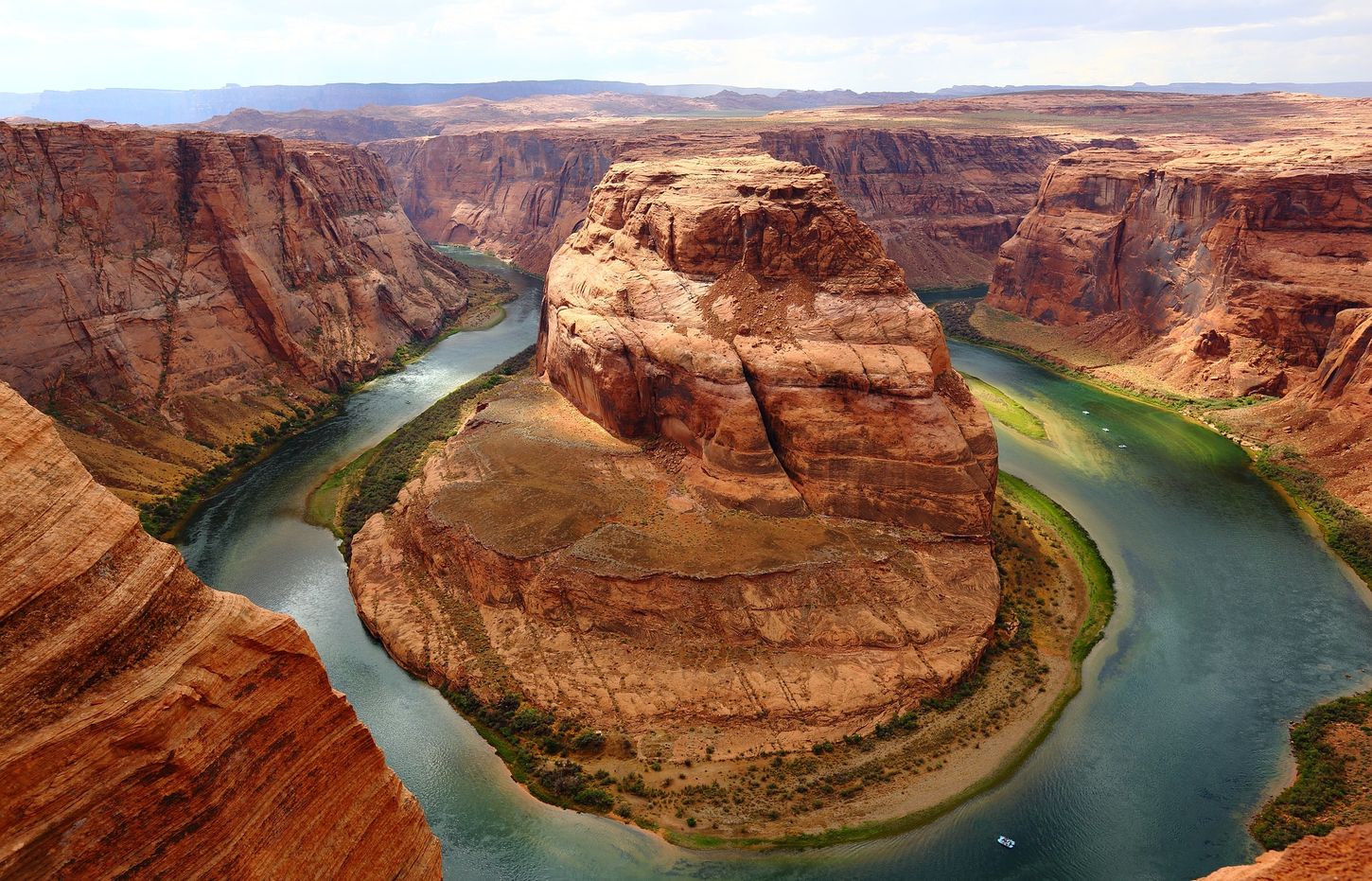
Horseshoe Bend
You may have heard of this rock formation, but it is much more than a single rock: it forms an impressive landscape. Horseshoe Bend is a horseshoe-shaped rock (as the name suggests) surrounded by the Colorado River. The most impressive thing about it is the contrast between the ochre rocks and the green and blue reflections of the river.
As you can probably tell, I loved my time at the Grand Canyon and can only encourage you to go! I hope I’ve inspired you not only to go, but also to explore the depths of the Grand Canyon, its best overlooks and its surroundings.
For your trip to the United States, and if you’re particularly keen to discover the American national parks, I recommend you read the articles on Yellowstone and Grand Teton National Parks, which Sylvain and Mélanie say are well worth a visit!
If you’ve already been to the Grand Canyon, feel free to share your experience in the comments, I am sure it will help other readers!

Written by Laura CALLES
I had the chance to visit the USA twice. I simply adored the country, especially the American west! I have lots of lovely memories and wonderful discoveries!
Despite our care, a mistake may have slipped into this article. If you find any, please don't hesitate to let us know so we can correct it as soon as possible and keep our information up-to-date!
See you soon!