What to Do in Montreal: A Complete Guide
Last update: 06/18/2026
Our blog continues to grow thanks to you, our readers. This post may contain affiliate links, which means we can earn a small commission if you make a purchase through them, at no extra cost to you. This helps us to continue to bring you more and support our work!
Sylvain has already shared his experiences in North America, specifically Canada, during his stay in Banff National Park. Today, it’s my turn to show you around Quebec’s largest city and share my recommendations for what to do in Montreal!
After living in Montreal for five years (yes, I survived five winters!), I put together this guide to give you a broad overview of the must-see attractions and activities when you visit Montreal. It isn’t an exhaustive list, but it covers the main attractions in each neighborhood from my perspective. I hope you enjoy reading it and feel inspired to come and visit!
If you’re in the area, a whale watching trip to Tadoussac is well worth considering. It can be a truly memorable experience!
Exploring Montreal’s Neighborhoods on Foot
To help you make the most of your visit to Montreal, I’ve organized the main activities by neighborhood. Most neighborhoods are easy to reach by metro and then explore on foot.
Old Port (Le Vieux-Port)
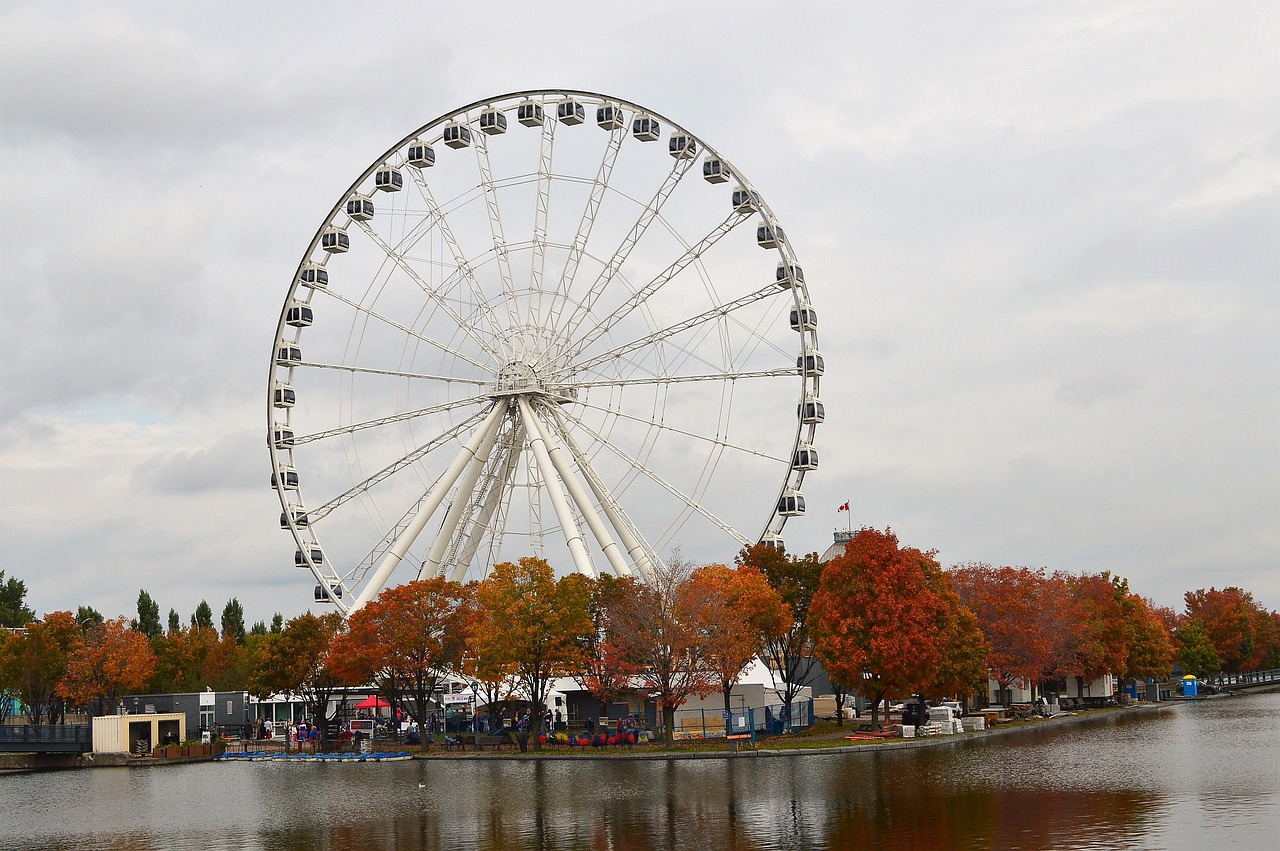
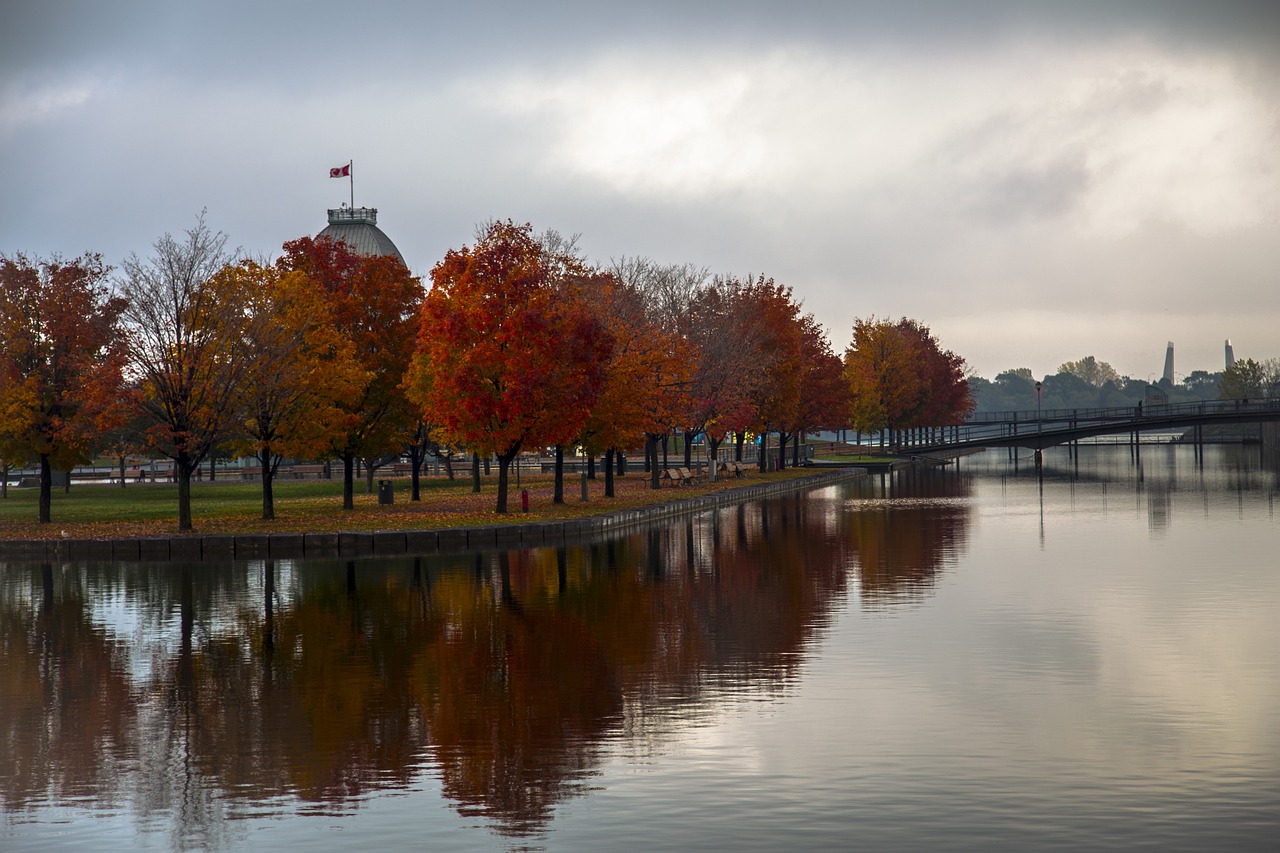
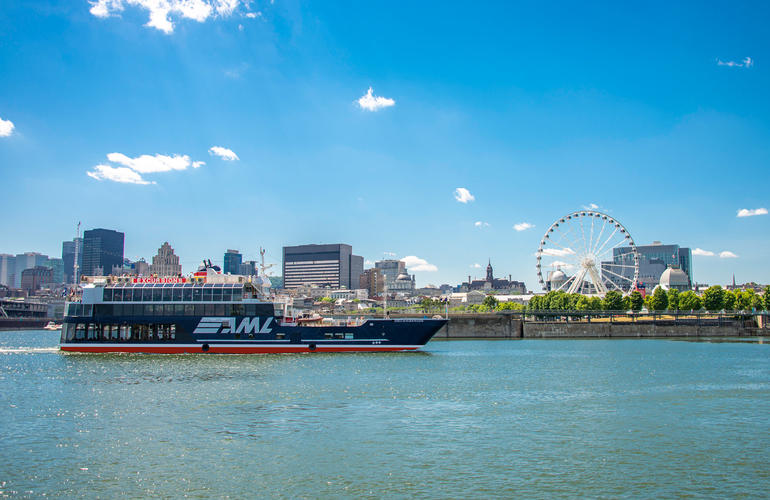
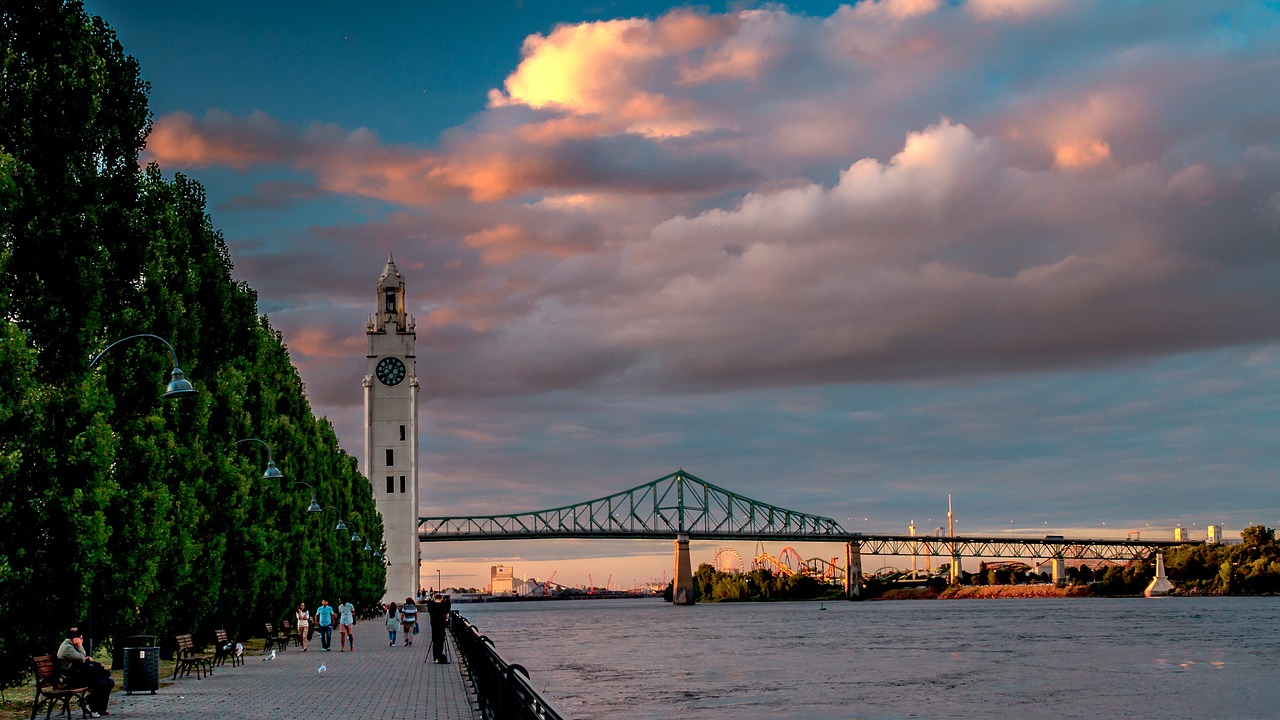
Start your Montreal adventure in the Old Port. If you’re not in the area, hop on the metro and get off at Champ-de-Mars. From there, walk towards the St. Lawrence River where the Old Port awaits. You’ll discover a Ferris wheel offering panoramic views of the city center, converted shipping containers housing unique shops, and even a cable car. Stroll along the Quai de l’Horloge and enjoy the view of the river and Jacques Cartier Bridge from the Clock Tower. In summer, you can even relax on the beach beneath colorful umbrellas.
For a different perspective, you can explore the river by taking a cruise or trying the high-speed “Saute-Moutons” boat ride. Several cruises operate on the St. Lawrence River:
- Enjoy a cruise aboard the Cavalier Maxim,
- Experience a brunch cruise,
- Enjoy a five-course dinner cruise!
Head west to the Bassin des Coursiers, a historic area where ships once entered the Lachine Canal through the locks. The Montréal Science Centre offers interactive exhibits for the whole family, while Bota Bota, a former ferry converted into a floating spa, is a relaxing place to unwind with views of the city. It’s a pretty unusual setting.
Finally, continue south from the Old Port. Along the way, you’ll discover the Port of Montreal Tower at the Grand Quay, which opened in May 2023. The 65-meter tower offers panoramic views of the city and river, along with a glass viewing area that may test your nerves. Don’t miss the guided tour of Habitat 67, a collection of buildings constructed in the 1960s for the 1967 World’s Fair. It’s well worth seeing and makes a striking photo subject. Also, keep an eye out for the iconic neon sign of the FIVE ROSES flour mill, which adorns many souvenirs. If you prefer, you can take a guided bike tour of the entire Old Port area.
Old Montreal
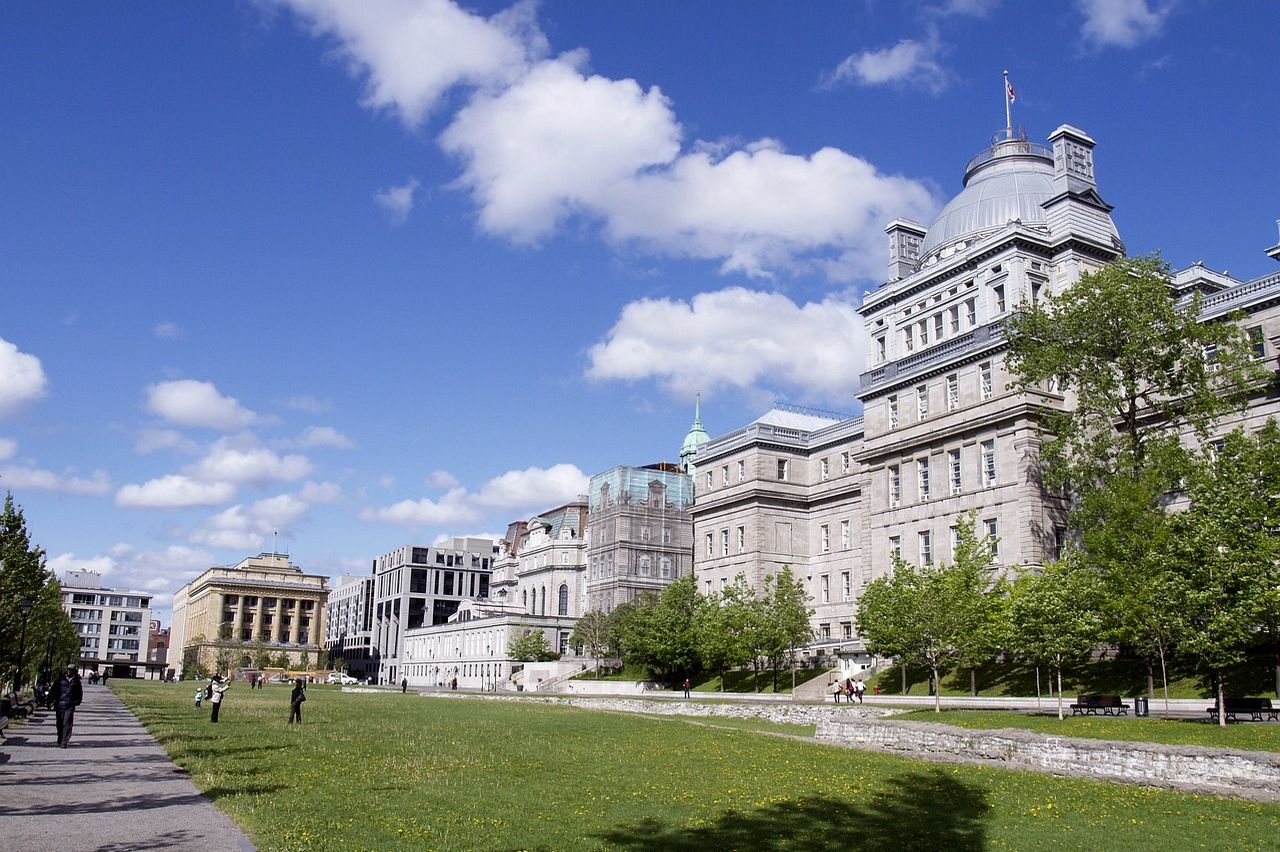
Old Montreal is one of the city’s essential neighborhoods. When you step out of the Champ-de-Mars subway station, you’ll find yourself in the heart of Old Montreal. Pause at Champ-de-Mars, take a look at City Hall, and wander around Place Jacques-Cartier. The square is named after French navigator Jacques Cartier, one of the first Europeans to travel up the St. Lawrence River to the area. Stop for a meal at one of the many restaurants or simply wander through the old town’s cobblestone streets. Don’t miss the Bonsecours Market with its art and souvenir shops, and make sure to visit Château Ramezay and its museum. If you want to learn more, consider joining a guided walking tour of Old Montreal.
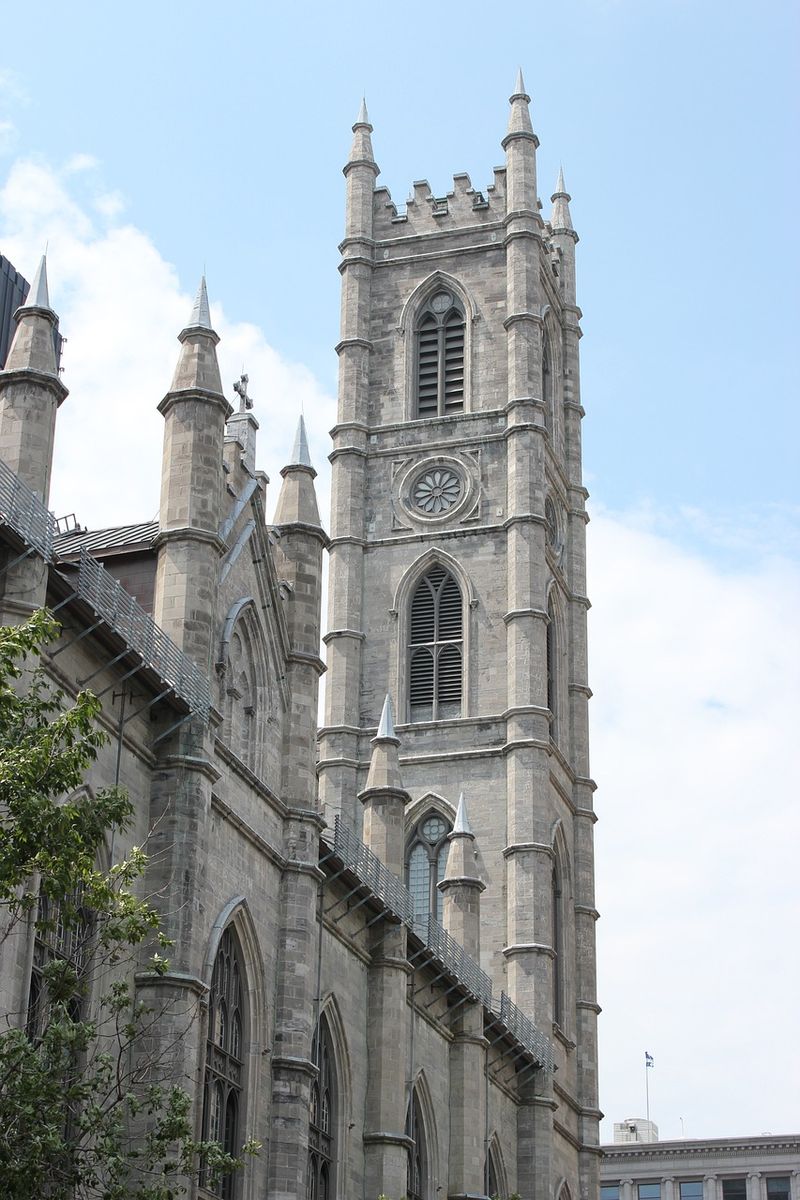
As you continue heading west, I recommend making a stop at the Pointe-à-Callières Museum, dedicated to Montreal’s history and archaeology. Another must-see is the Notre Dame de Montréal Basilica, an icon of Old Montreal and an important part of Quebec’s heritage. For photography lovers, the Montreal World Trade Centre, located on the edge of Old Montreal, offers stunning interior architecture perfect for capturing great photos. Finally, for something a little different, try the ghost tour of Montreal to uncover its secrets.


Plateau Mont Royal
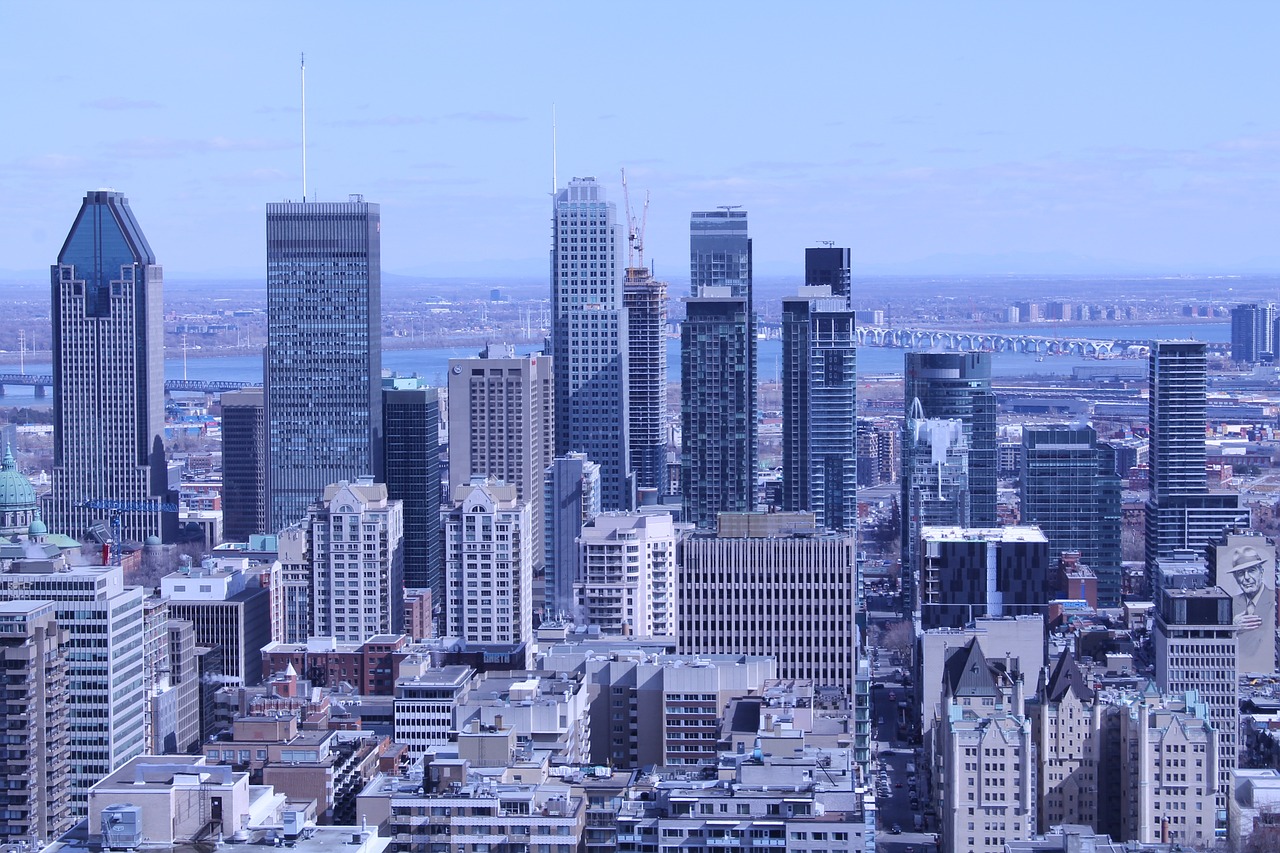
Often described as the city’s “French” neighborhood, the Plateau is still my favorite. Get off at Mont-Royal station and you’ll find yourself right in the middle of this lively neighborhood. It’s filled with charm, thanks to its colorful architecture, local boutiques, vintage shops, and cozy cafés that are ideal for brunch. But before you start exploring, head to Mount Royal. You can walk up if you’re feeling energetic or take bus 11 for an easier journey. Mount Royal is one of Montreal’s most iconic landmarks, often referred to as the “mountain.” It serves as the city’s green oasis, offering a variety of hiking trails, great viewpoints over downtown and its skyscrapers, an illuminated cross at night, and Beaver Lake.
In winter, Mount Royal offers several outdoor activities, including:
Every Sunday in summer, you can join a lively gathering of drummers and dancers around the monument dedicated to Sir George-Étienne Cartier. It’s a lively open-air gathering, whether you join in or simply stop to watch. The Plateau is also home to several parks, such as Parc Laurier, Parc Lafontaine, and Parc Jeanne Mance, where locals flock to relax as soon as the sun shines. These parks are buzzing with games, barbecues, music, and picnics on weekends, giving the area an unmistakably lively atmosphere.

Little Italy and Its Distinctive Atmosphere
This neighborhood has a distinctive atmosphere and a long history as the heart of Montreal’s Italian community. There’s a relaxed sense of “la dolce vita” here. Little Italy, accessible from Beaubien or Jean-Talon subway stations, is renowned for its food scene, featuring vintage cafes, Italian markets, pizzerias, and traditional bakeries. I highly recommend a visit to the bustling Jean-Talon market, where you can find stalls selling flowers, fruits, vegetables, local produce, and hot meals throughout the year. As you can imagine, this area allows you to savor delightful flavors, wander around, and engage in conversations with locals who often gather outside, leaning against the café facades. It’s all about embracing the joys of life!
Downtown
With its high-rise buildings and busy streets, downtown can feel a little like New York. It’s easily accessible via the Peel or McGill subway stations and has a lively, fast-paced atmosphere. While all the major companies have a presence here, you can also indulge in window shopping along Rue Sainte-Catherine and explore some of Montreal’s renowned museums, including the Montreal Museum of Fine Arts, McCord Museum, and Barbie Expo. Another downtown landmark is The Ring, unveiled in 2022. Amidst the modern landscape, you’ll also encounter a captivating blend of historic structures such as Windsor Station, McGill University (affectionately known as the “Little Harvard”), and several historic churches that reflect Montreal’s past. For a dynamic experience, the Palais des Congrès, with its vibrant façade, and the Quartier des spectacles take center stage throughout both winter and summer. Here, you’ll find festivals, exhibitions, conferences, and galas.
If you’re a fan of shopping, don’t miss the chance to explore the sprawling ‘underground city.’ Head below street level and explore its numerous shopping centers like Complexe Desjardins, Eaton Centre, Cours Mont Royal, Place Ville Marie, Place Montréal Trust, Promenades Cathédrales, and Windsor Station. And when hunger strikes, be sure to visit the diverse food courts, including the popular Time-Out. Wear comfortable shoes: the network stretches for more than 32 kilometers and covers roughly 3.6 square kilometers. Montreal’s “underground city” is especially useful—and worth exploring—during bad weather.

Mile End
Mile End is often considered one of Montreal’s trendiest neighborhoods. It has a multicultural, artsy, and slightly hipster vibe. A walk along Boulevard Saint-Laurent will take you from bagel shops like Saint-Viateur and Fairmount Bagel to Greek restaurants, from cozy brunch cafes to elegant dining establishments and cocktail bars, from independent boutiques selling records and books to thrift shops stocked with vintage clothing. It’s a youthful area where video game studios and art galleries have also made their home. The neighborhood stays lively from morning to night.
Rosemont (Including La Petite-Patrie and Nouveau-Rosemont)
Rosemont connects several neighborhoods, including Little Italy and Mile End, and deserves a mention because there is so much to see and do. My favorite area is around Rue d’Iberville and Beaubien. I appreciate this area because it has a similar atmosphere to the Plateau. You can visit the picturesque Beaubien cinema, Molson Park, and numerous charming shops and restaurants where you can take a break. However, if you venture east from Rosemont, you’ll also discover the Olympic Park with its stadium, sports facilities, and tower, Stade Saputo, home to CF Montréal, the Botanical Gardens, the expansive Maisonneuve Park, and the Montreal Biodome. In the summer, the area hosts numerous festivals and events. One of my personal favorites is the monthly gathering of food trucks. By now, you may have realized that food matters a lot to me!

Chinatown
Surrounded by large paifangs on all four corners and easily accessible from the Places d’Armes metro station, Montreal’s Chinatown was established in the early 1890s. A walk through the neighborhood brings an immediate change of scenery, with shop fronts adorned with Chinese characters. The heart of the neighborhood is the pedestrian area on Rue de la Gauchetière and Place Sun Yat Sen, where most events such as street fairs and festivals take place. Visitors also flock here to satisfy their appetites at the numerous affordable restaurants, pastry shops, and boutiques. Even dishes that may be unfamiliar to European visitors are often reasonably priced.
The Gay Village
Centered on Rue Sainte-Catherine (Papineau or Beaudry metro stations), the “Gay Village” truly comes alive in the evenings. If you’re in the mood to party, this is the place to be. You’ll discover a wide range of entertainment options, including nightclubs, karaoke bars, strip clubs, unique boutiques, cabarets (including the renowned Cabaret Mado), the Olympia Theatre, and an wide choice of restaurants. During the summer, you can also indulge in the seasonal riverside beach, Le Village au pied du courant, which offers a fantastic view of the Jacques Cartier Bridge at night. Don’t miss the Montreal Fireworks Festival, known as “Grands Feux Loto-Québec,” the world’s largest and most prestigious pyrotechnics competition. It’s well worth experiencing.
Verdun
In 2020, Time Out ranked Verdun 11th among the world’s coolest neighborhoods. The ranking considered local culture, food, entertainment, and community spirit—and Verdun certainly has plenty to offer, particularly during the summer months when people embrace the outdoors. Take a leisurely stroll along the car-free Rue Wellington, enjoy a meal at the numerous restaurants, indulge in some window-shopping, and enjoy walking or biking along the scenic St. Lawrence River. You can also bask in the sun at Verdun Beach, try your hand at kayaking or surfing, or watch surfers ride the standing wave of the St. Lawrence rapids.
The Lachine Canal and Griffintown
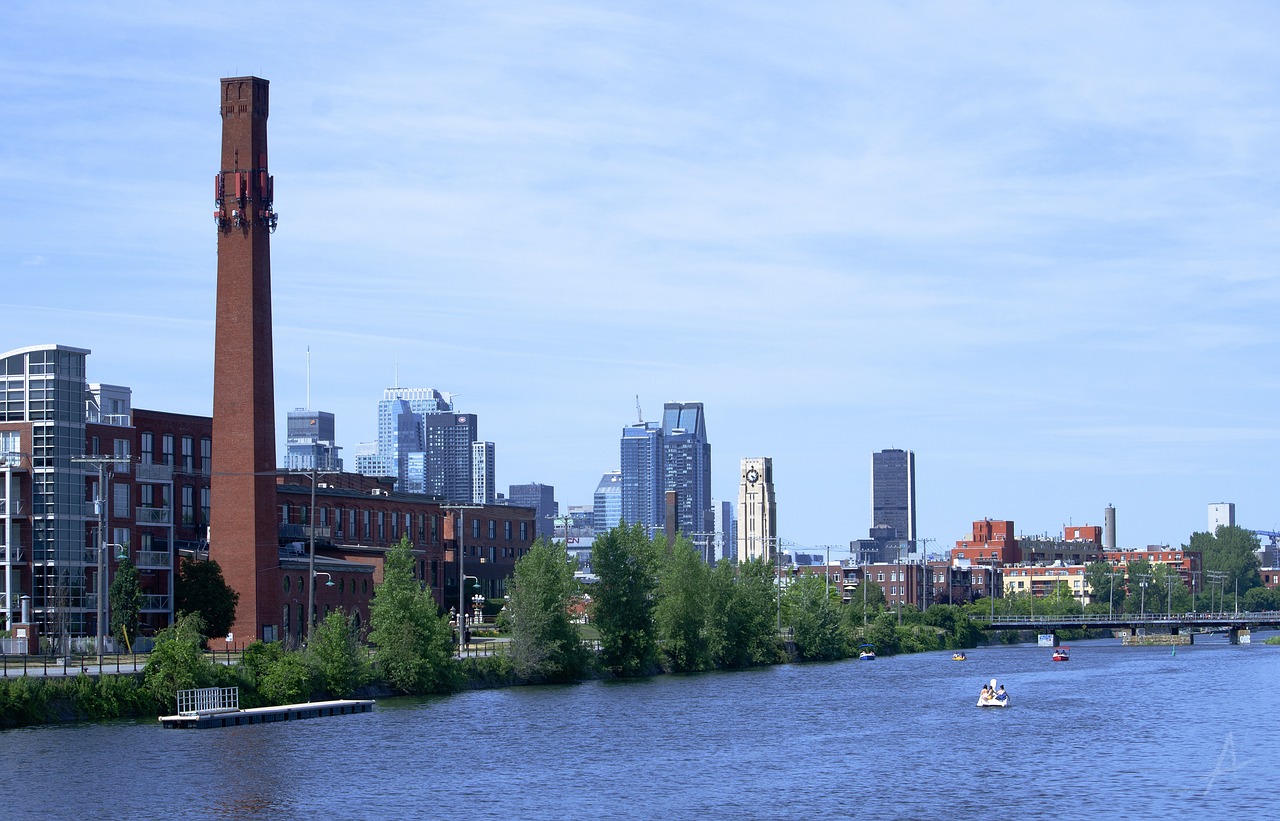
Griffintown is a neighborhood in southwest Montreal, bordered by the Lachine Canal. This area has undergone significant changes and reflects the city’s industrial history. The architecture here combines converted red brick warehouses with modern buildings. One of the main highlights of Griffintown is its beautiful waterfront location. You can take a leisurely stroll or bike ride along the 13.5-kilometer cycle path that stretches between the Old Port and Lac Saint-Louis. To beat the heat, you can also cool off on the waterway and try out activities such as kayaking, pedal boating in a swan-shaped boat, paddleboarding, or dragon boating. Make the most of your evening by enjoying a 5 à 7 in the lush city park and enjoying the various waterfront activities. If you’re feeling hungry, you can visit Atwater Market, a charming art deco public market that has been open since 1933. For those seeking adventure, consider climbing the old grain elevators in the neighborhood.
Outremont and Westmount
These two neighborhoods have strong English-speaking communities, each with its own distinct character. Outremont is home to a large Hasidic Jewish community, and Westmount is one of the city’s most affluent neighborhoods. If you have time, it’s worth strolling around these areas as they offer a unique atmosphere. You’ll encounter impressive mansions owned by celebrities and charming British-style red-brick homes. You can also explore designer boutiques, beautiful parks like Outremont and Saint-Viateur, and the historic Outremont Theatre, which hosts a diverse program of performing arts and cinema.
Côte des Neiges
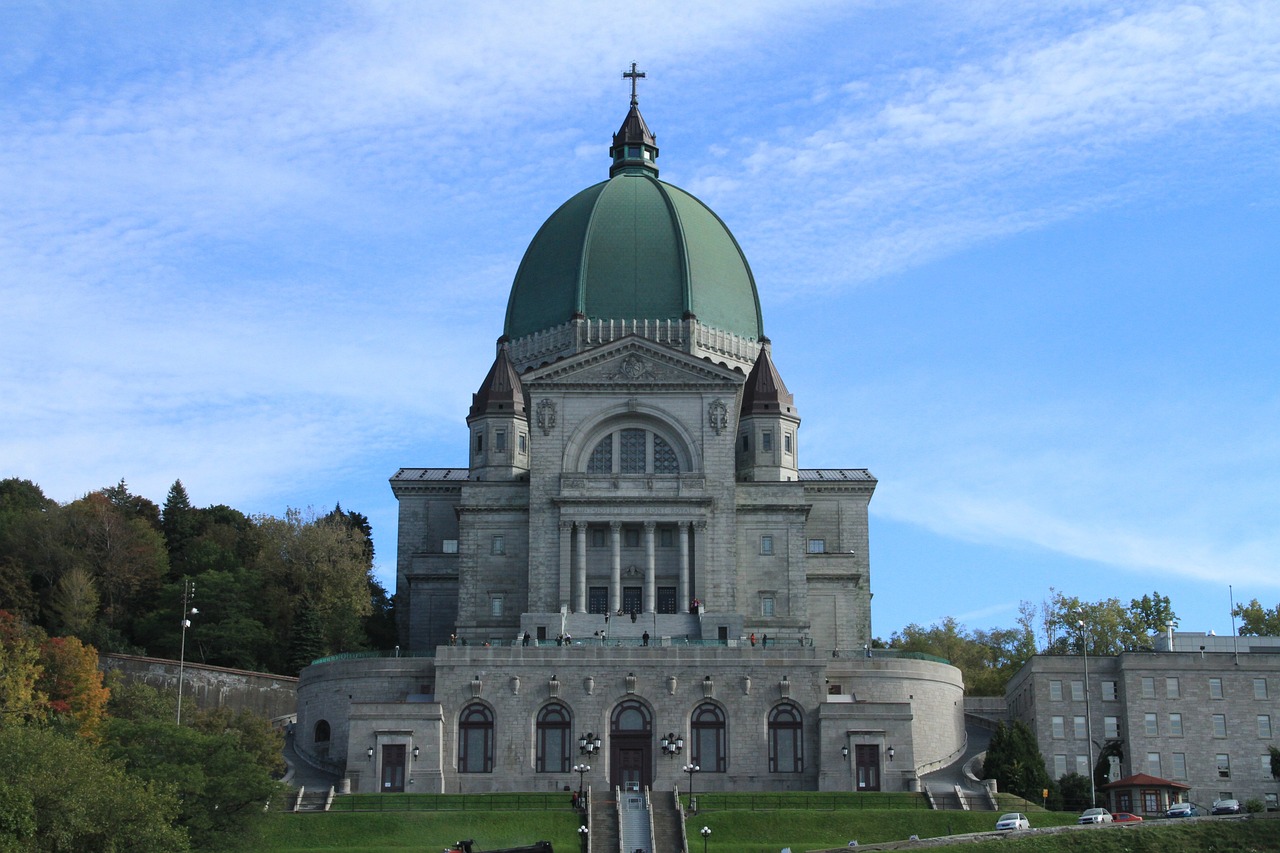
Although it is not often highlighted in tourist guides, Côte des Neiges is home to some noteworthy attractions that I believe are worth a visit. These include the Université de Montréal and the Saint Joseph’s Oratory (near Côte-des-Neiges metro station). The latter is a world-renowned Catholic pilgrimage site, featuring a magnificent basilica that offers a panoramic view of Montreal, making it an ideal spot to watch the sunset. On a different note, you can also explore the unique Holocaust Museum. It is an important Canadian institution open to the public, and presents the history and life of Jewish communities before, during, and after the Holocaust.
If you’re feeling hungry, make sure to stop by the Gibeau Orange Julep. This iconic orange-shaped restaurant is famous and highly Instagrammable. They serve hot dogs, creamy orange drinks, and fries (although I’m not personally a fan of orange soda, it holds a special place in the hearts of Quebecers). Additionally, the area offers a wide range of trendy cafes and ethnic restaurants to cater to various tastes.
Sainte-Hélène Island
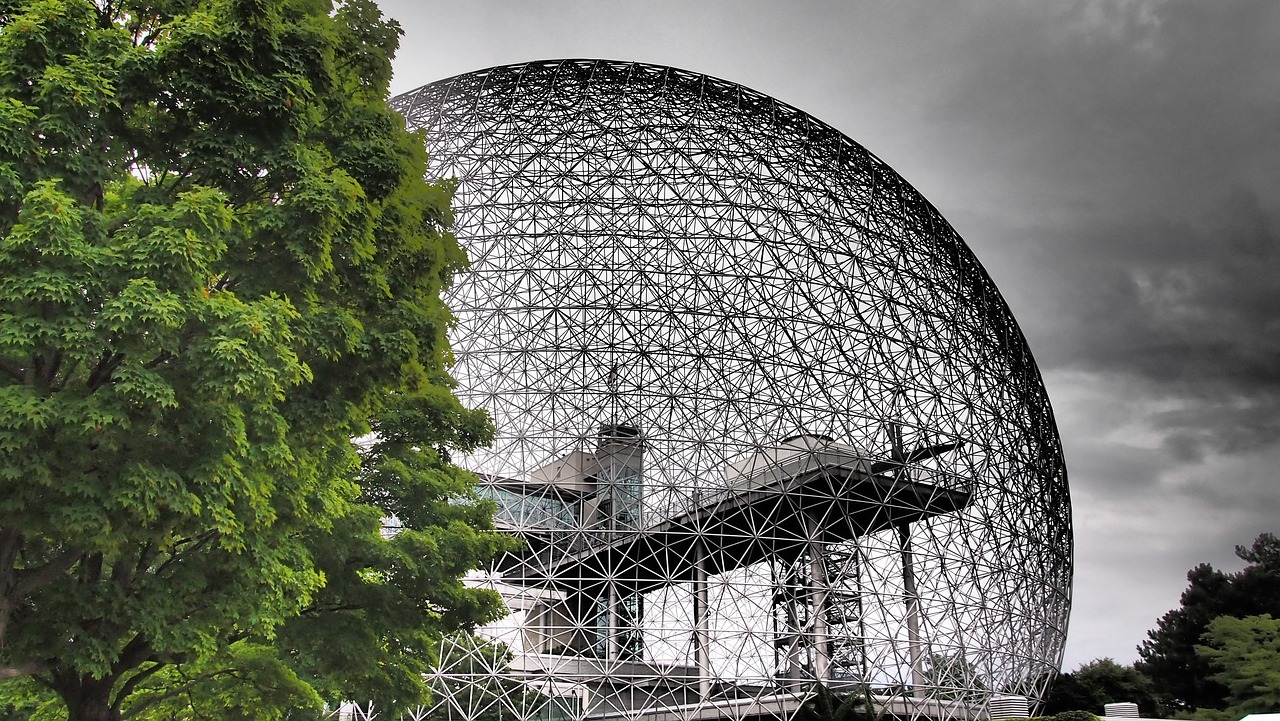
As you may have guessed, this “neighborhood” is not actually on the Island of Montreal, but it’s easily accessible by metro (Jean-Drapeau station). In my opinion, it’s a fantastic place to visit. The island is home to La Ronde, a Six Flags amusement park with thrilling rides, Parc Jean-Drapeau, which offers one of the best views of the Montreal skyline, and public artworks such as Alexander Calder’s sculpture Man. Additionally, you’ll find the Biosphère, an environmental museum with an incredible structure built for Expo 67, and the Lévis Tower, which provides a 360-degree observation deck.
The park also features a variety of walking and cycling trails. During the summer, the Piknik Électronik festival brings together well-known electronic music DJs. You can relax at Jean-Doré beach, go kayaking or canoeing in the Olympic basin, or take a stroll or bike ride around the Gilles Villeneuve F1 circuit. For those feeling lucky, the Casino de Montréal offers roulette and slot machines (and the setting alone makes it worth a look).
Wherever you stay, these neighborhoods are generally easy to reach by metro or bus, and most are best explored on foot.
That wraps up my tour of Montreal’s neighborhoods. You can also discover different parts of the city on a guided tour. Here are a few ideas:
What Should You See in Montreal If You’re Short on Time?
If you have just a few days (around two or three) to explore Montreal, here’s a short list of must-see attractions:
- Mount Royal Park: Visit the Mount Royal Cross and the Belvedere for a panoramic view of downtown.
- St. Joseph’s Oratory on Mount Royal: Enjoy an unobstructed view of Montreal from this location.
- Parc Jean-Drapeau: Experience the Montreal skyline, the Biosphère, and the Gilles Villeneuve circuit.
- Olympic Stadium: Discover the observation tower and the botanical garden.
- Jean-Talon Market: A must-visit for food enthusiasts.
- Old Port: Explore the Quai de l’Horloge and its observation tower, the Bonsecours market, the Pointe-à-Callières Museum, Place Jacques
- Cartier, the Ferris wheel, Notre-Dame de Montréal Basilica, Château Ramezay, and its museum.
- Sunset spots: Enjoy breathtaking sunsets at the the former Ville Marie Observatory or have dinner at the Enfants terribles restaurant. Alternatively, you can also visit the Olympic Park observation tower, Jarry Park, St. Joseph’s Oratory, or the Port of Montreal observation tower.
Of course, Montreal offers numerous other attractions, but we’ll save those for another time! If you’re in the neighbourhood, I invite you to discover the Charlevoix region!
Things to Do in Montreal
Things to Do in Montreal on a Rainy Day
- Go shopping in Quebec’s largest underground network, spanning 32 kilometers of tunnels, which houses various shopping centers and food courts.
- Visit the Science Centre in the Old Port, especially when traveling with children.
- Explore museums, such as the Fine Arts Museum located in the city center, the Pointe-à-Callière Museum in the Old Port, and the Holocaust Museum.
- Indulge in a spa experience at Bota Bota in the Old Port, or try the Strom Spa and the Scandinave Spa.
- Experience the world’s largest Barbie exhibition, situated in the Cours Mont-Royal.
- Enjoy a movie at different cinemas: Beaubien Cinema for Quebec films with its charming vintage storefront, Scotia Cinema in downtown Montreal for English-language films, and Cinéplex in the Latin Quarter for French-language films.
- Delight in the local cuisine, with an wide choice of restaurants representing diverse cultures throughout the city. There is something for almost every taste. When it comes to poutine, opinions differ, but I personally recommend visiting La Banquise. While some may consider it touristy, it’s where I’ve had the best poutine (everyone has their own preferences).
What Paid Activities Can You Do in Montreal?
Here are a few paid activities to consider in the city:
- Explore the Old Port: Enjoy a scenic cruise on the St. Lawrence River (I suggest three options: this one, this one, and this one), experience a thrilling speedboat ride called ‘saute moutons,’ or try zip-lining. You can also visit the Montréal Science Centre.
- Take a guided tour: Discover the city with a guided tour, either by bus or scooter. Both are convenient ways to explore Montreal.
- Take a guided tour: Discover the city with a guided tour, either by bus or scooter. Both are convenient ways to explore Montreal.
- Visit the Montreal Museum of Fine Arts: Immerse yourself in the artistic treasures at this renowned museum.
- Experience an immersive OASIS exhibition: Head to the Palais des congrès or the PHI Centre for an interactive and engaging exhibition.
- Explore the Montreal Biodome and enjoy the view from the Olympic Park Tower: Get up close with various ecosystems and marvel at the cityscape from the tower.
- Attend a concert at the Bell Centre: Catch a live music performance in this popular venue.
- Watch a Montreal football game at Saputo Stadium: Cheer on your favorite team in a thrilling football match.
- Attend a Montreal Alouettes football game: Immerse yourself in the excitement of Canadian football with a game featuring the Montreal Alouettes.
- Experience a Montreal Canadiens hockey game: Witness the fast-paced action of ice hockey by attending a Montreal Canadiens game.
- Enjoy an improv or stand-up comedy show: Visit a bar or the Le Bordel comédie club for a night of laughter and entertainment.
- Relax in a speakeasy or jazz club: Unwind and savor the atmosphere with a drink at one of Montreal’s hidden speakeasies or vibrant jazz clubs.
These are only a few of the many things you can do in Montreal.
Check out our full guide to the best dog sledding spots in Quebec if you’re visiting Montreal in the winter!

A Few Places to Eat in Montreal
Here are a few places worth trying while exploring different neighborhoods in Montreal. Keep in mind that this list is not exhaustive, and there might be a future article covering this topic. For a quick and affordable meal, consider:
- Saint Viateur Bagel or La Panthère Verte (vegan/vegetarian option) in the Plateau Mont-Royal.
- Drogheria Fine in Mile End, where you can enjoy simple, satisfying gnocchi for a low price.
- Schwartz’s Deli on Saint-Laurent, renowned for their smoked meat sandwiches, which are a must-try in Montreal.
- La Banquise or Patati Patata on the Plateau, famous for their poutine, a must-try local dish.
- Treat yourself to a beavertail in the Old Port. It’s a sugary delight that’s a classic sweet treat.
- Take a break at the trendy food court in the city center, located at the Eaton Centre.
Do you have any other recommendations? Let me know in the comments!
What to Do Near Montreal
I’ll continue writing about Montreal and the surrounding area in future articles. However, if you have some time to explore the nearby regions within an hour’s drive of Montreal, I recommend:
- Boucherville Islands National Park: A peaceful sanctuary composed of multiple islands in the heart of the St. Lawrence River. Enjoy scenic hiking and biking trails, as well as kayaking and canoeing. During winter, experience fat biking or snowshoeing on the Îles-de-Boucherville.
- OKA National Park: During summer, unwind and cool off at the beach and lake. In winter, explore the cross-country skiing and snowshoeing trails.
- Mirabel Outlets: Just a 45-minute drive away, discover more than 80 renowned brand name and designer boutiques in one convenient location, offering outlet prices. Shop to your heart’s content without breaking the bank.
- Cap Saint-Jacques Nature Park: Situated on the West Island, this is Montreal’s largest park. Take leisurely walks, bike rides, swim, or even camp here while enjoying the invigorating fresh air.
- René-Lévesque Park: Apart from its cycling and hiking trails, this park provides a breathtaking panoramic view of the St. Lawrence River, making it an ideal spot to witness stunning sunsets.
Visiting Montreal: Practical Tips
Here’s everything you need to know when visiting Montreal.
If you would like to learn more, I have also written an article about the best time to visit Montreal.
General Information
- Languages: French and English.
- Time Difference: Montreal is usually six hours behind Paris, although the difference can briefly be five hours when daylight-saving dates do not align. For example, if it’s 3 PM in Paris, it will be 9 AM in Montreal.
- Flight Duration from Paris: A direct flight from Paris to Montreal takes approximately 7 hours and 45 minutes.
- Currency: The currency used in Montreal is the Canadian dollar. Exchange rates change daily, so check the current rate before your trip.
- Taxes and Gratuities: In Quebec, prices do not include taxes. Whether you’re shopping at a grocery store or dining at a restaurant, the final bill will be different (which can be surprising for Europeans). In addition to the final bill at a restaurant, it is customary to leave a tip. In Canada, a tip of around 15% to 20% of the pre-tax bill is customary.
- Telephone Network: Some French mobile plans include roaming in Canada, but coverage and conditions vary by provider, so check your plan before departure.
- Safety: Montreal is a very safe city. Like any other large city, it has its ups and downs, but in the five years I’ve been here, I’ve always felt safe. As in any large city, stay aware of your surroundings and take the usual precautions.
How can I reach Montreal?
How you get to Montreal will naturally depend on where you are traveling from. If you’re flying in, you’ll arrive at Montreal’s Pierre Elliott Trudeau International Airport, where you can find flights from Paris.
Transportation options: Once you’re at the airport, you have a few choices. You can opt for a taxi or an Uber (with fares to downtown varying by traffic, time, and service), or you can take the convenient shuttle service called the 747. The shuttle will directly transport you to either Berri Uqam (downtown) or Lionel-Groulx (further west) metro stations. The special 747 fare is CAD $11.25 as of June 2026 and includes 24 hours of travel in Zone A, and you’ll find the STM service terminals conveniently located inside the airport, just outside the arrivals area.
Administrative requirements: As with any trip, ensure that your passport is valid and apply for a Electronic Travel Authorization (eTA) a few days before your departure.
Where should you stay in Montreal?
To keep things simple, here are a few accommodations located near the Old Port / Old Montreal, which will make it easier to plan your visit to the city. But this is just a small selection. Obviously, Montreal offers a very wide range of accommodation options in terms of style and price (hostel, hotel, Airbnb). So feel free to do your own research. A few ideas:
- Auberge Saint‑Paul : a youth hostel in the Old Port offering private and shared rooms at affordable prices. It also has an outdoor terrace and a shared kitchen.
- Hôtel Bonaparte : a boutique hotel with elegant, comfortable rooms in Montreal’s Old Port. Prices are reasonable for the quality of accommodation offered.
- Le Petit Hôtel : a charming European‑style hotel located in Old Montreal, close to the Old Port. The rooms are elegant and comfortable, and breakfast is included.
- Auberge du Vieux‑Port : a 19th‑century warehouse converted into an inn, set directly on Montreal’s Old Port. This historic inn offers spacious, comfortable rooms, plus an on‑site bar and restaurant.
- Hôtel Nelligan : a luxury boutique hotel in Old Montreal offering elegant, comfortable rooms, along with an on‑site bar and restaurant.
Of course, since I know Montreal like the back of my hand (well, almost, haha), I’ve written a much more comprehensive guide on where to stay in Montreal, explaining which neighbourhood to choose (and why) and sharing my best addresses (for every budget).
Mélanie and her family also took advantage of their trip to Quebec to try the Hyatt Place Montreal – Downtown, a hotel they enjoyed for a week right in the heart of the city.
We’ve also put together a guide to the best hotels to stay in Montreal if you’d like to treat yourself during the holidays!
Getting Around Montreal
- By Car: Parking in the downtown area is metered, and finding parking in other areas can be challenging. Fortunately, there are numerous taxis and Uber services available in Montreal to transport you wherever you need to go. For those seeking independence, there’s Communauto, a car-sharing service. Sign up and install the app before your arrival in Montreal. You can easily compare prices and rent a car through DiscoverCars.
- By Public Transport: The STM operates the bus and metro network that covers the entire city of Montreal. To plan your route, use Google Maps or the Transit app and enter your desired destination. A single Zone A fare costs CAD $3.75 as of June 2026, with fares generally revised each July. You can purchase a rechargeable OPUS card (cost: $6 CAD) to avail of one-day, three-day, or ten-ride passes. Visit one of the ticket offices at subway stations to obtain your OPUS card.
- On Foot: Exploring any neighborhood on foot is a breeze. However, make sure to wear your most comfortable shoes as you’ll be walking an average of 15 to 20 km per day.
- By Bike: Montreal is a fantastic city for cycling enthusiasts. With its extensive network of 1,083 km of bike lanes, navigating the streets, parks, and waterfront is a breeze. BIXI, the City of Montreal’s self-service bike system, provides bike rentals with stations located throughout the city. Using the mobile app, you can easily locate stations, check the availability of electric or regular bikes, and unlock them when needed. In my opinion, it’s the ideal way to explore Montreal during the summer.
We’ve reached the end of this comprehensive guide to Montreal—well done if you made it all the way through! As evident from this article, I have truly fallen in love with Montreal. It is a beautiful, culturally rich city. I hope this guide has made you want to come and explore it for yourself. It’s important to note that while this guide is filled with information, it does not cover everything. Despite living here for five years, I still have many unexplored gems awaiting me. If you have any interest in other topics related to Montreal or Quebec, please feel free to let me know in the comments. I plan to write more about Montreal and its surroundings with Sylvain. If you have any ideas for articles written by a local (or someone nearly local), I would love to hear from you in the comments!
Meanwhile, if you’d like to uncover more about Canada, I invite you to visit Gros Morne National Park on the island of Newfoundland. Sylvain and his family had the opportunity to explore this region for a month last year. I’m confident it will inspire you with ideas for future trips.
See you next time!

Despite our care, a mistake may have slipped into this article. If you find any, please don't hesitate to let us know so we can correct it as soon as possible and keep our information up-to-date!