Our scuba diving experience in Malta
Last update: 06/22/2026
Our blog continues to grow thanks to you, our readers. This post may contain affiliate links, which means we can earn a small commission if you make a purchase through them, at no extra cost to you. This helps us to continue to bring you more and support our work!
I’m back with another water-based activity to try in Malta. In this article, I’m sharing everything you need to know about diving in Malta, based on my own experience, along with a few practical tips! As always, we booked this activity through Manawa, a partner we’ve worked with for years. If you’ve been following us for a while, you probably know we book all our activities on the Manawa website. Everything has always gone smoothly, and we highly recommend it if you’d like to plan your activities ahead of your stay in Malta—or anywhere else in the world!
Back to the diving itself—this was my first time. I had a few concerns beforehand, especially about what it would feel like to breathe underwater for several minutes at a maximum depth of 6 meters. At the same time, I was excited to learn the basics, spot different species, and discover the underwater world. With Malta’s crystal-clear turquoise waters, it felt like the perfect opportunity. I did my first dive with Corsair Diving Malta, a center based in St. Paul’s Bay in the northeast of the island. I hadn’t noticed when I booked, but it was only a few minutes by car from my hotel in Malta—lucky me!
A quick word about Corsair Diving Malta: it’s a family-run dive center with excellent reviews. If you’re thinking about trying scuba diving in Malta, this is a great place to do it. And if you’d like to know more about what to do and see in Malta, check out our dedicated article.

Our scuba diving experience in Malta
Arriving at the dive site
When we arrived at the dive center, Tim, our instructor, gave us a warm welcome. We were a little early, which gave us time to fill out the paperwork so the center could check that there were no medical contraindications. Don’t worry—it only takes a few minutes. Tim then gave us a briefing covering the basics of diving (hand signals to communicate underwater, what to do if there’s water in the mask, the vest, the buttons to ascend and descend, decompression stops), as well as the equipment we’d be using, including the scuba tank and buoyancy control device. By the way, the thumbs-up sign in diving doesn’t mean “everything’s okay,” but rather that you want to go up. It’s easy to mix the two up out of habit, but Tim told us he can usually tell from your expression whether it was a mistake, haha.
One thing I almost forgot: the activity is conducted in English, but Tim also uses illustrations to help you visualize everything. And if you don’t understand something, don’t hesitate to ask him. The language barrier really isn’t an issue. At the end of the briefing, we also took a short quiz to make sure we had understood everything.
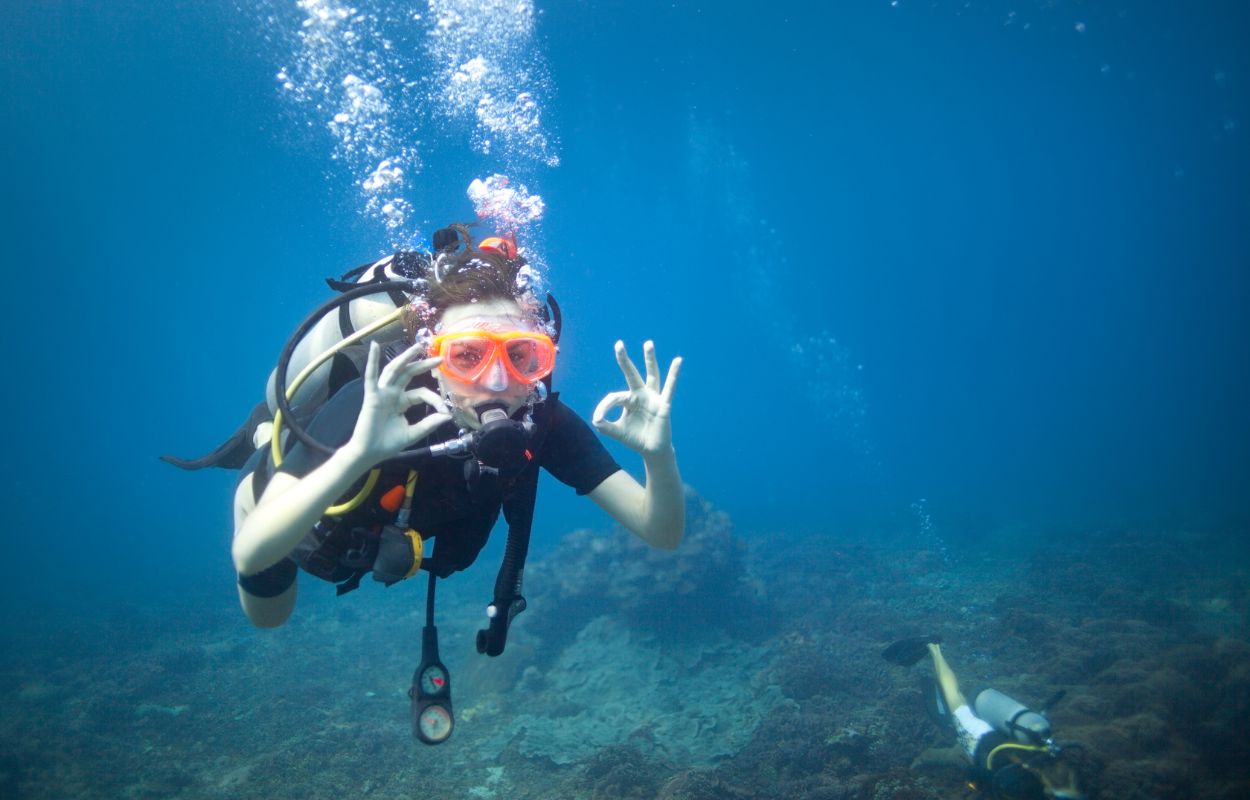
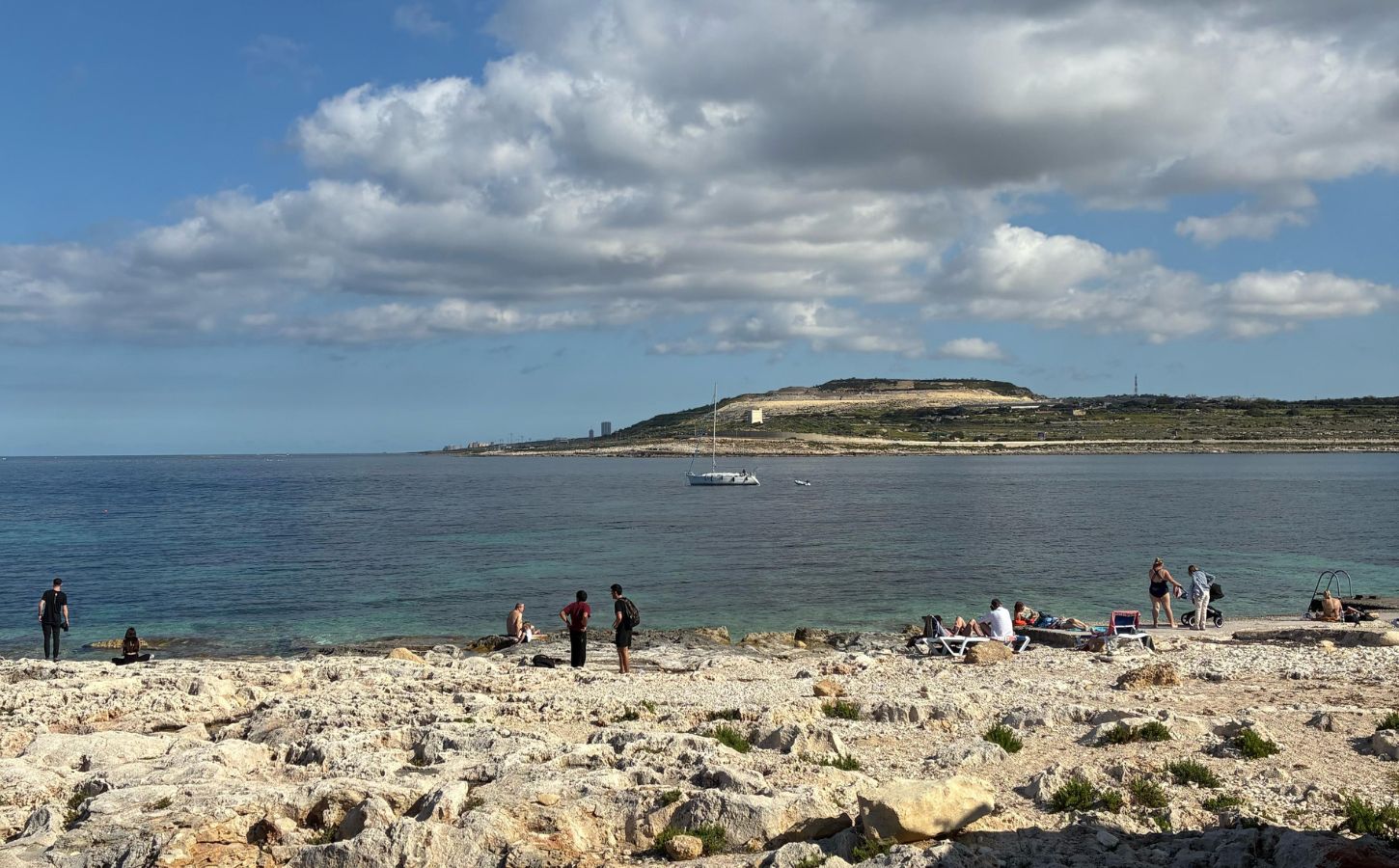
Next came the equipment: wetsuits (yes, we wore two because the water was pretty cold—17 degrees) and diving boots. If you’ve never worn one before, you may feel a little squeezed inside the suit—or suits—but that snug fit is what helps keep the water out. Once we were ready, we headed off with Tim, who took us to Qawra Point Beach. Once there, we finished gearing up. The equipment is heavy—28 kilos on your back—but you barely feel it once you’re in the water. The beach is nice and peaceful; there were a few people enjoying the area, but no one swimming. Given the water temperature, we weren’t surprised, haha. Naturally, all that gear attracted a few curious looks, but we barely noticed—the moment we had been waiting for was getting close. By the way, if you want to know everything about Malta’s beaches, we’ve written a complete guide!
Once we were in the water with our fins and masks on, we ran through a few simple exercises at the surface, starting with breathing through the regulator. It felt strange at first, and we naturally started breathing too quickly. But underwater, everything is so calm that you can hear each breath, which helps you slow down, breathe more deeply, and settle into the experience. As we gradually descended, we explored and looked around until we almost forgot it was our first dive. We surfaced occasionally and had no trouble using the buttons to ascend or descend.
The only small issue I had at the beginning was a slight imbalance with my weight belt (it’s a belt with lead weights to help you sink). It wasn’t a serious problem, but it made me sway slightly from side to side and feel a little unstable, haha. I signaled to Tim, who adjusted the weights, and it was much better!
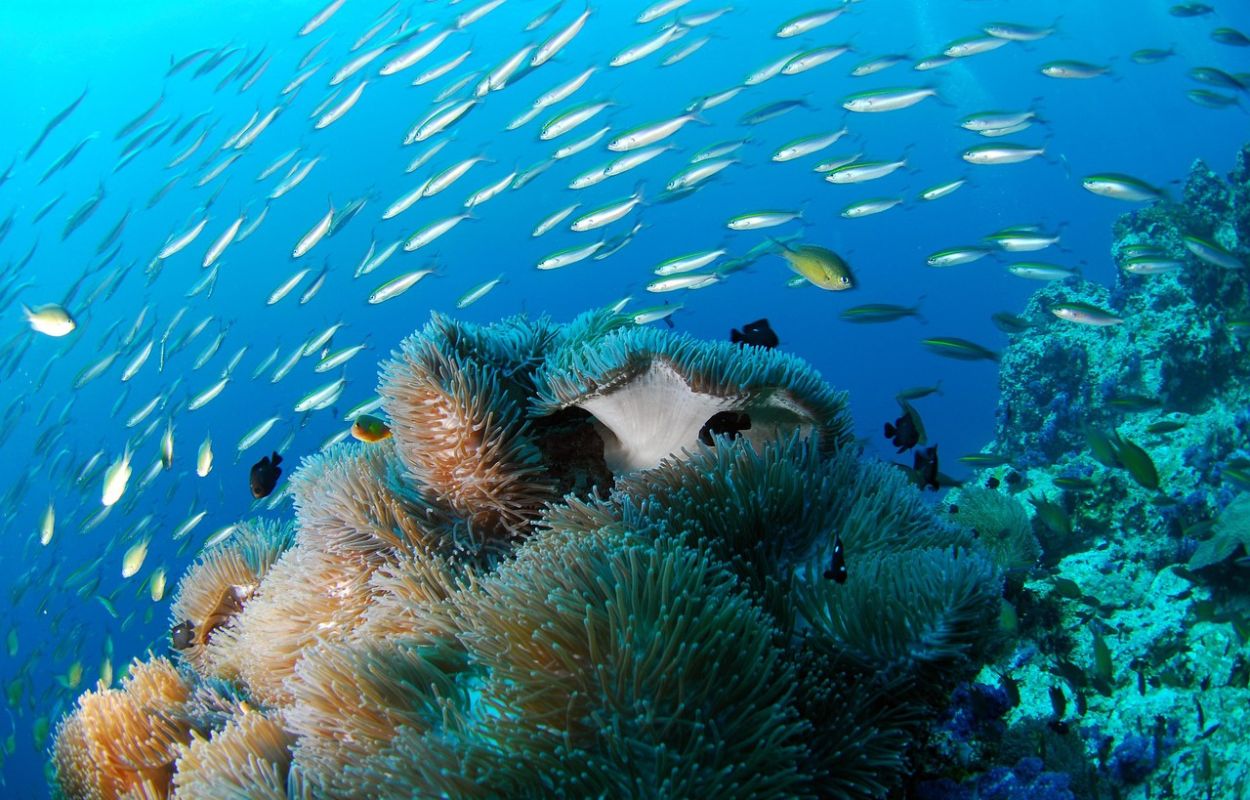
We saw quite a few colorful fish, a clownfish that looked like Nemo, and even two small starfish. It was really cool to see all that! Unfortunately, we didn’t spot any rays, but Tim confirmed there are some in Malta. Who knows? You might get lucky and see one! Shark encounters are extremely rare in Malta, which was definitely reassuring, haha.
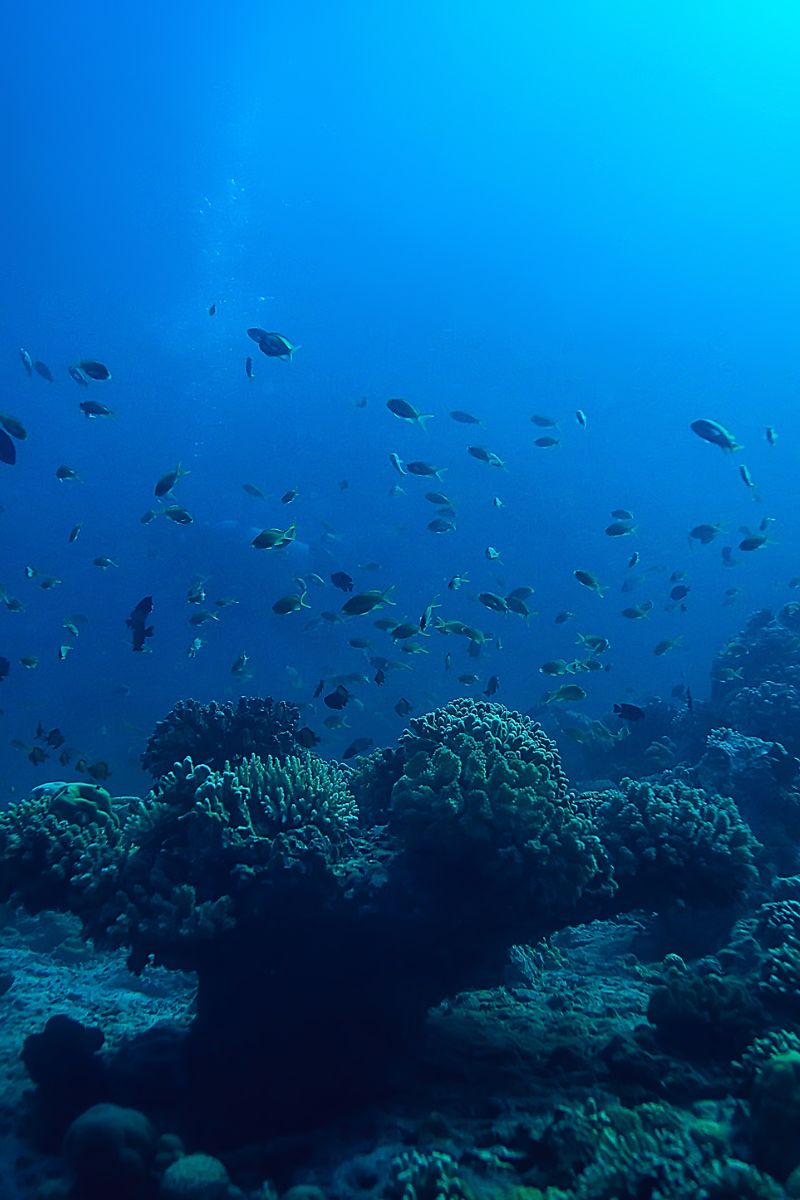
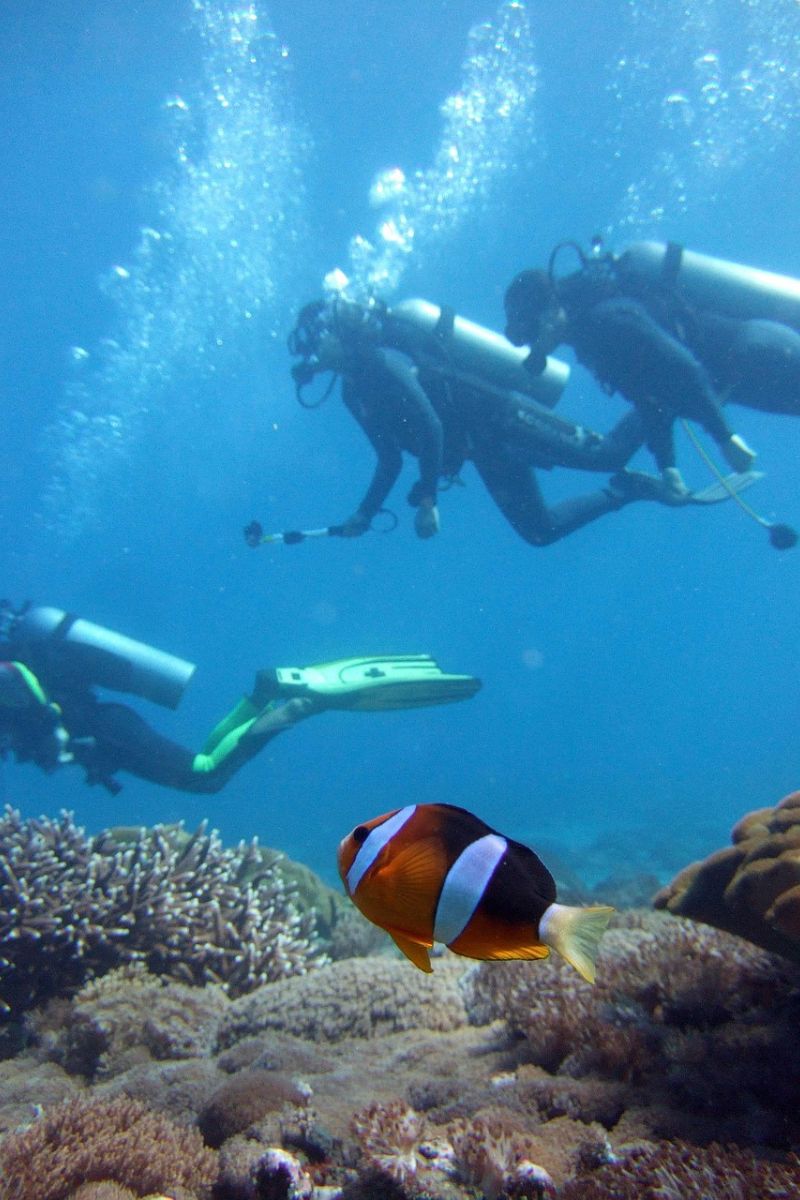

The fish were hiding among the small underwater plants—sometimes they’d dart out at the last second, which was a bit surprising, haha. The seafloor was a mix of sand, algae, green aquatic plants, and rocks (that’s where the starfish were, among small aquatic flowers). By the way, those flowers were beige-pinkish, just like the starfish. Without Tim, we probably would’ve missed them. Once you’re breathing comfortably and know how to deal with a little water in your mask or regulator, you hardly know where to look—you want to take in everything (though we still followed Tim, haha).
Small channels wind between the rocks, and visibility is excellent. You can see the light from the surface and the water is clear, though some areas are just a bit darker. But don’t worry—it’s nowhere near pitch black, haha.
Since Tim could tell we were comfortable in the water, he started showing us even more fish! For example, there were also small gray fish, much harder to spot than the colorful ones. One more thing: the deeper you go, the more pressure you feel in your ears. It feels a lot like takeoff and landing on a plane. That should give you a good idea! We took our time equalizing the pressure by pinching our noses and blowing gently. It was a great way to put the basics into practice. What stayed with me most was the feeling of being inside a quiet, mesmerizing bubble—you completely switch off and lose track of time.
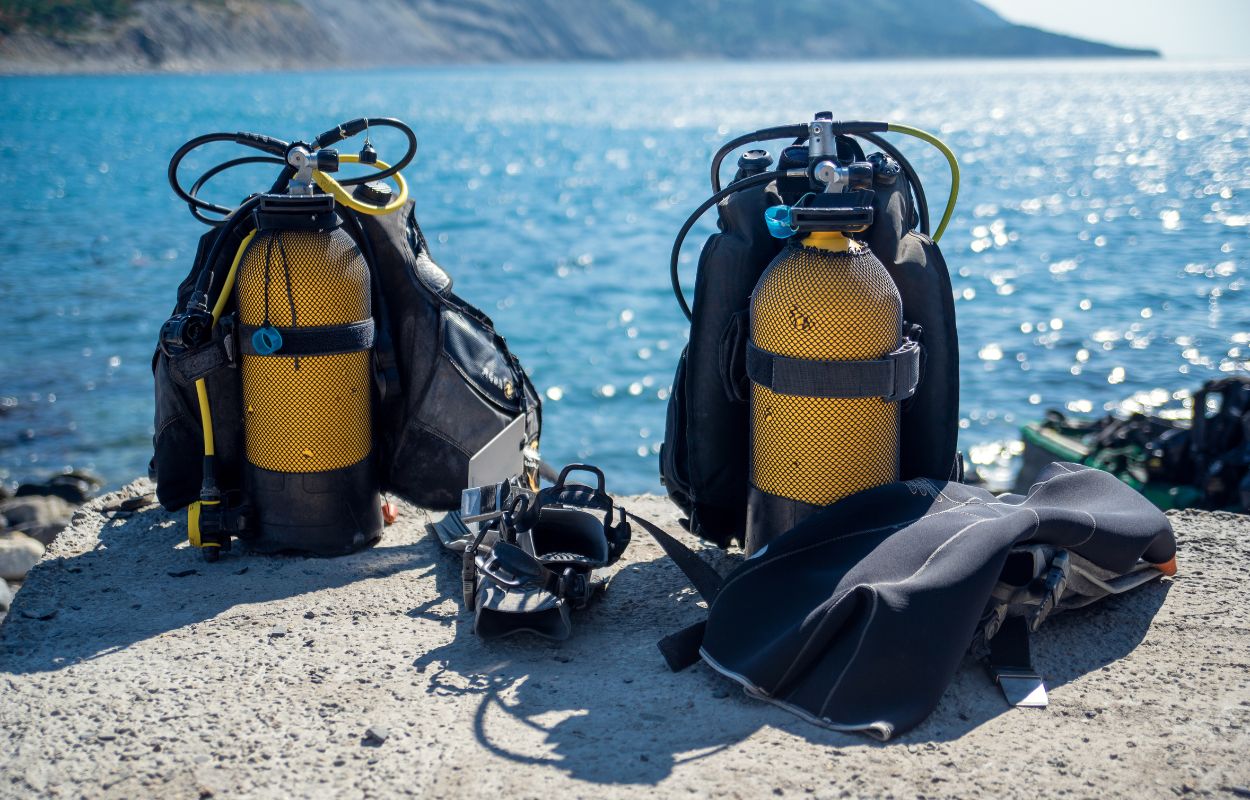
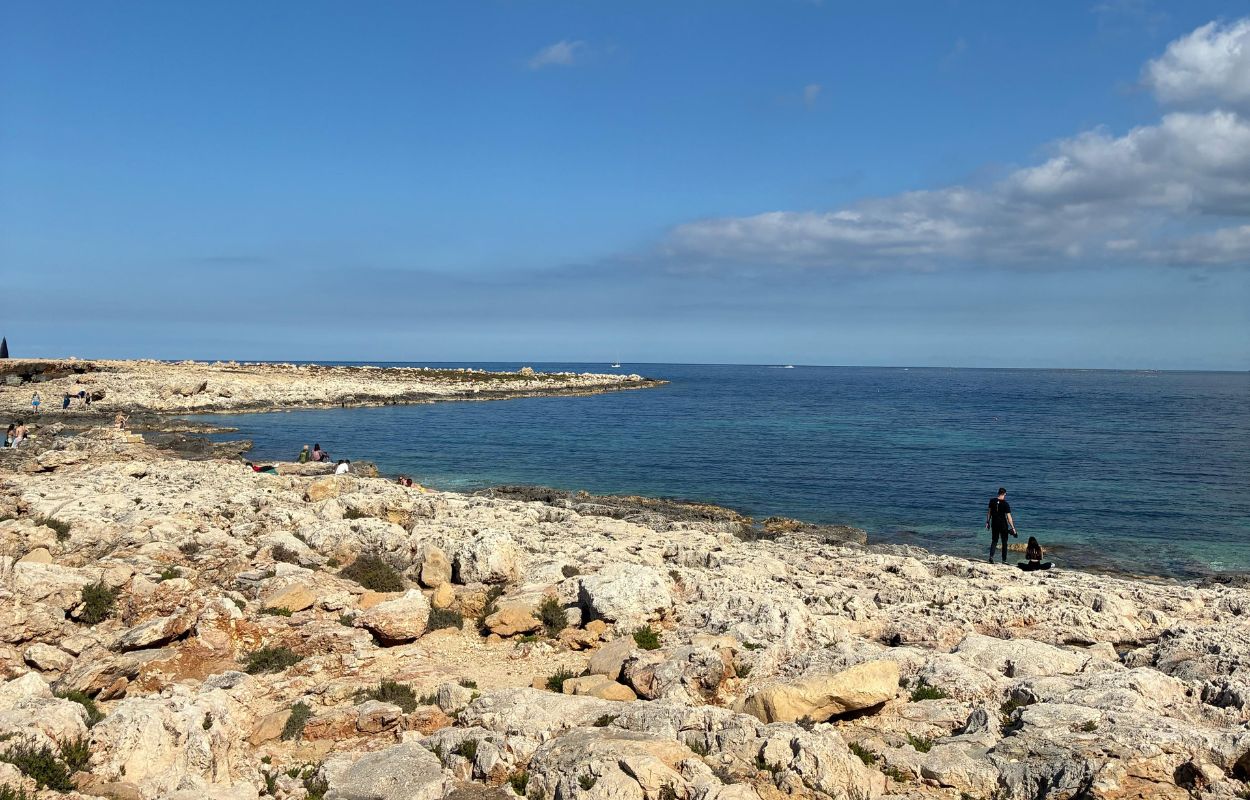
To give you a clearer idea of the depth, we descended to the planned 6 meters and knelt on the sandy bottom. Honestly, before going, we thought 6 meters sounded like a lot. Once we were down there, though, it felt far less intimidating than expected. The dive was originally scheduled to last 30 minutes, as stated in the activity description. In the end, we did almost double that! We completely lost track of time; everything felt natural, and we had so much fun. And above all, big thanks to Tim for giving us extra time! His passion for diving was obvious, and we got along with him really well. He said we looked very comfortable in the water and enjoyed the session with us. That’s always nice to hear!
All good things come to an end, and we finished the session delighted with everything we had seen and experienced. Then we removed all our gear—and let me tell you, that felt amazing, haha. Tim drove us back to the dive center. He’d even offered to drop us off at our hotel, but since we had our car, we didn’t need it. Still, it was super thoughtful of him—it wasn’t even part of the activity!
Our thoughts on the diving session in Malta
As you can probably tell, we loved this activity. Honestly, if you want to try diving or get certified, Corsair Diving Malta is a great choice. I had already read plenty of positive reviews, and our own experience lived up to them. Everything went smoothly with our instructor, Tim.
There were only two of us, so the instructor could really pay attention and listen to us. He told us he never takes more than five people per dive, so he can take care of everyone properly. So if you’re nervous, rest assured that you’ll receive plenty of attention and support. In total, the activity lasted three hours. If you’re interested, it’s also possible to do it over a full day, with a 30-minute dive in the morning and another in the afternoon. That’s a good option if you feel ready for a longer experience. In any case, I can tell you that after this session, we just wanted to dive again (well, we were also super hungry, haha)! Who knows—maybe we’ll become experienced divers one day!
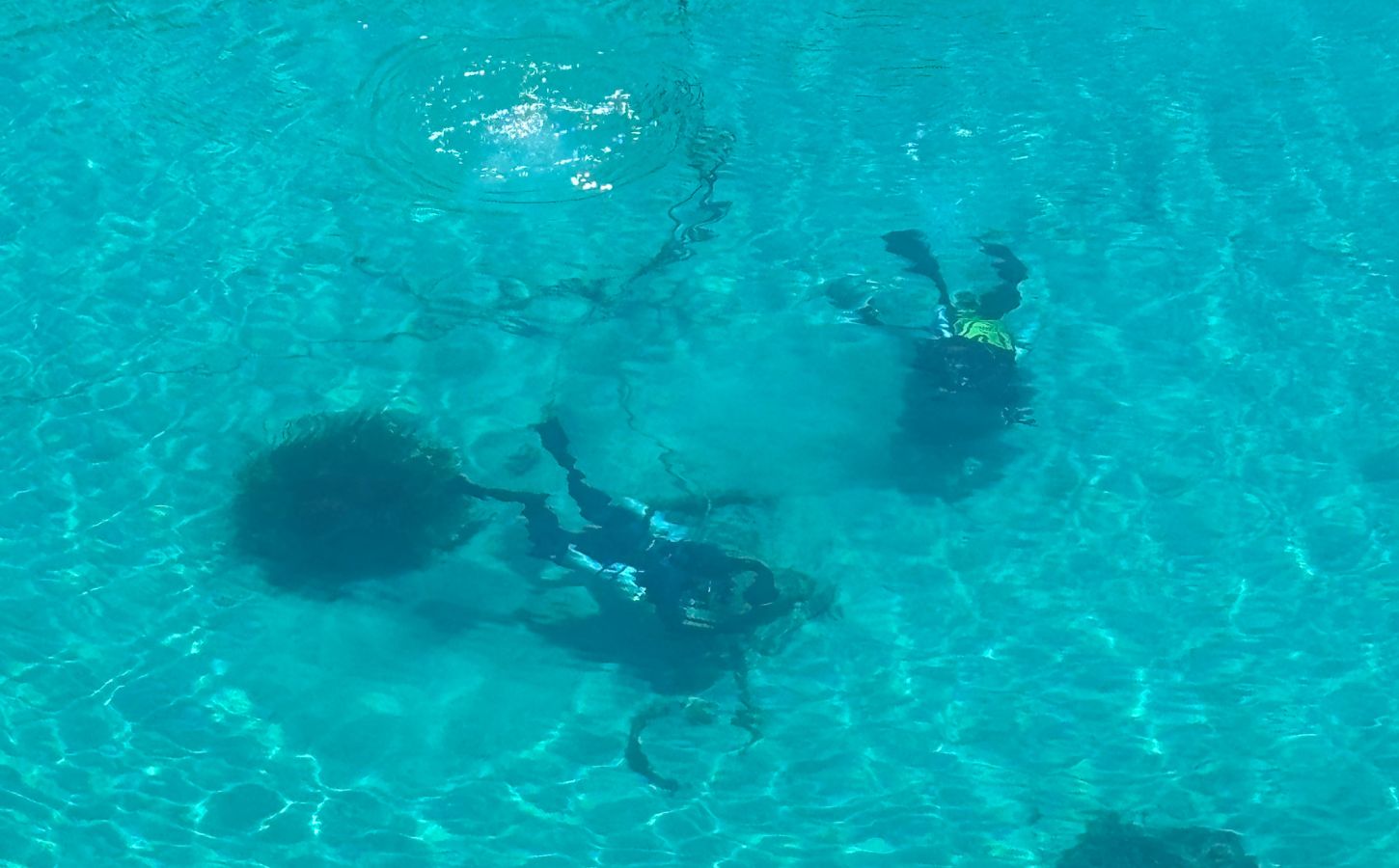
A little more about Corsair Diving Malta: as I mentioned earlier, it’s a small, family-run center with a genuine passion for diving. Plus, its location is perfect: on St. Paul’s Bay, in the northeast of the island. Its location also puts it close to many of the island’s main dive sites. The vibe here is friendly, welcoming, and personal. Whether you’re a beginner or an experienced diver, the team makes it easy to feel at home.
The center is also a PADI 5 Star IDC Resort*, reflecting its professional training standards. They offer PADI courses from beginner level to instructor training. The equipment is high quality, and the facilities are well set up too. But honestly, what really makes the difference is the welcoming attitude and care from the passionate instructors, who guide small groups (max. 5 people) in complete safety. Personally, I’ll always remember my first dive—it was such a great shared moment!
Scuba diving in Malta: practical information
Now that I’ve shared our scuba diving experience in Malta, here’s a practical section with all my tips.
Where to go scuba diving in Malta: the best sites
Planning to dive in Malta? You’re in the right place. Here are some of the best dive sites across the archipelago:
In Malta, the main island:
- Cirkewwa (at the very north of the island, facing Comino and Gozo): this is one of Malta’s best-known scuba diving sites. The water is full of marine life! If you enjoy wreck diving, the P29 wreck, a former military boat, is nearby.
- Qawra Point Beach: this is where I went diving! The depth here ranges from 5 to 30 meters, so there’s something for every level. Marine life is rich here, with groupers, moray eels, and more! I probably didn’t go deep enough to see all of that myself.
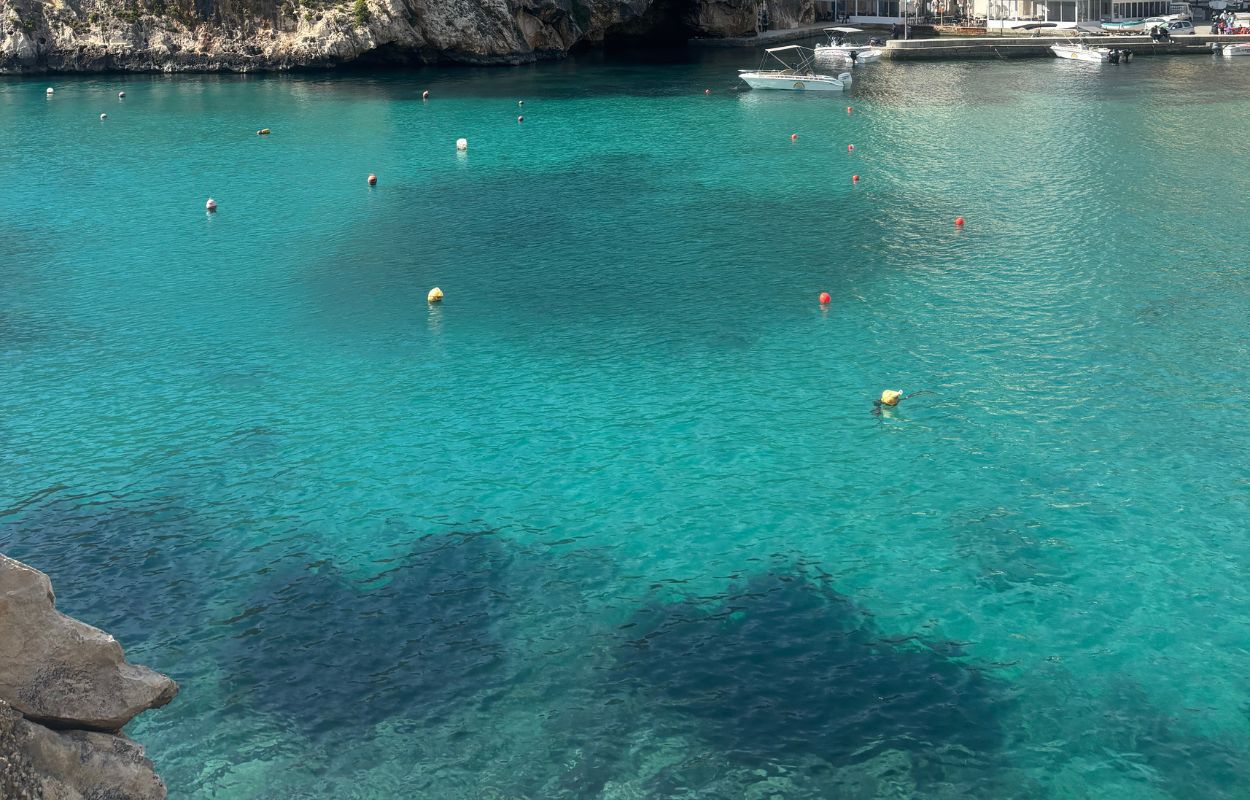
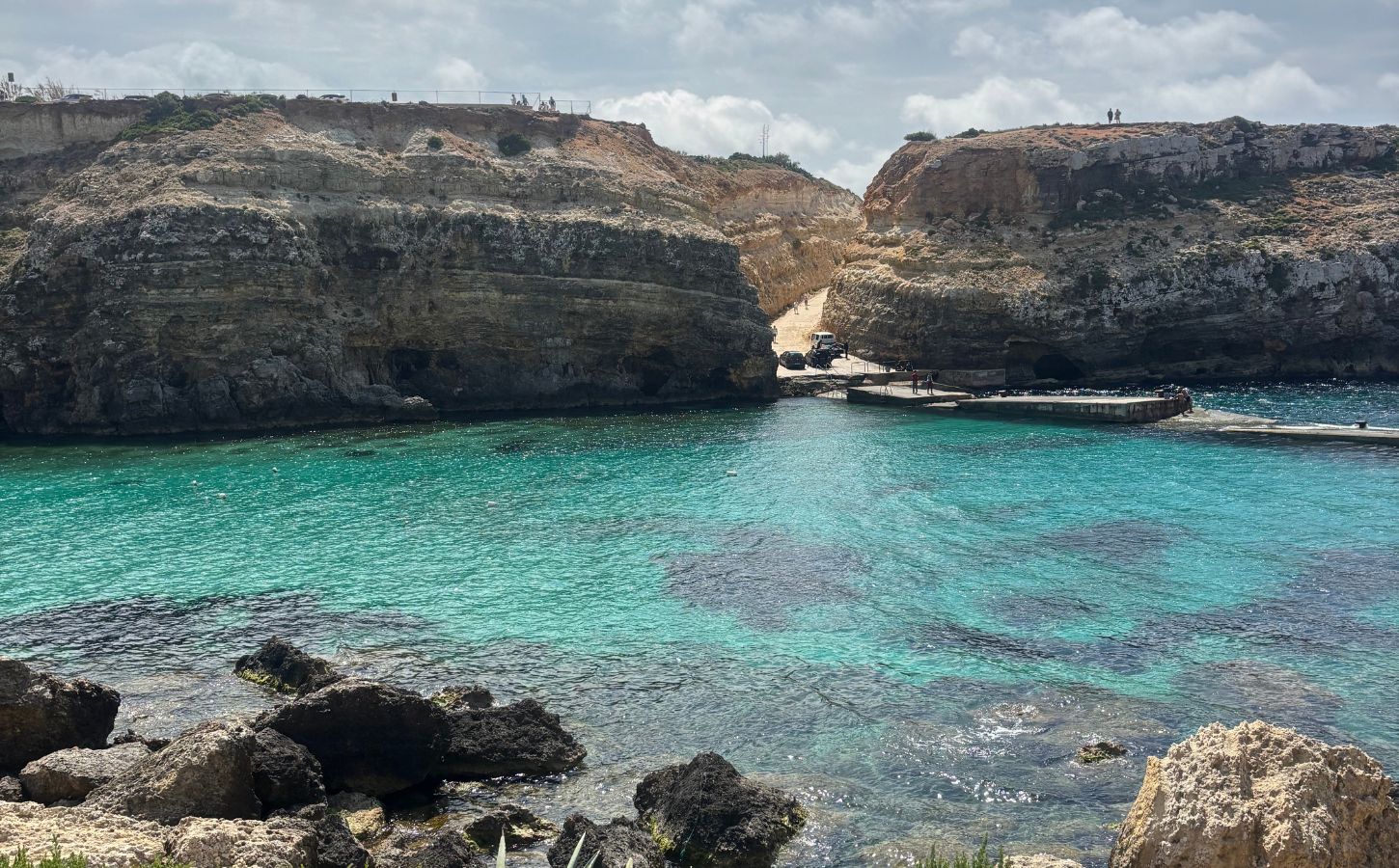
- Anchor Bay (near the famous Popeye Village): you’ve probably seen pictures of this bay with Popeye Village. The water is beautiful here, both above and below the surface. There’s plenty of life underwater too.
In Gozo, the sister island:
- Blue Hole: this is one of Gozo’s most popular dive sites. You even pass under a huge natural arch. Underwater, you’ll see beautiful light effects and a super calm atmosphere. It certainly looks like the kind of dive you would remember.
- Inland Sea: right next to the Blue Hole, this is another site worth exploring. In the water, you enter a small lagoon connected to the Mediterranean by an 80-meter tunnel. The tunnel depth starts at 6 meters and goes down to 26! Inside, you’ll pass by rocks teeming with marine life. And along the way, you’ll see some truly unique light effects. For experienced divers, it promises an atmospheric and memorable dive.
- Cathedral Cave: as the name suggests, you enter a cave. Don’t worry, the cave ceiling is high. You can surface inside and find yourself in a calm, peaceful air pocket beneath the high ceiling.
In Comino, the island between Malta and Gozo:
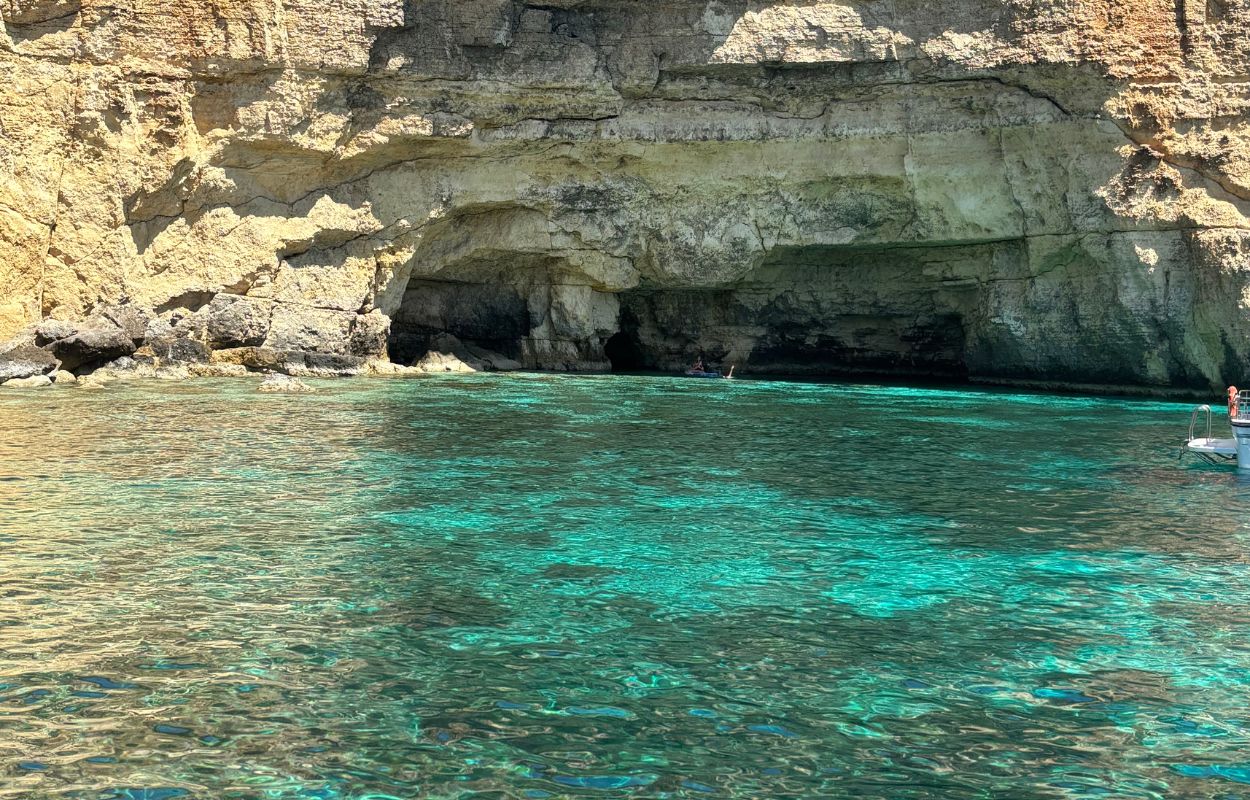
- Santa Marija Caves: if you want a fairly easy and relaxing dive with lots of small areas to explore, this is the spot. It’s not very deep and the water is super clear. This was actually my last stop during my boat tour to the Blue Lagoon. I’ll admit, after swimming in the Blue Lagoon with water at 17–18°C, I was freezing, so I didn’t swim at Santa Marija. But if it had been warmer, I would have! The area is also known for its schools of fish and turquoise water.
- Crystal Lagoon: this was the first stop on my boat tour. I really liked it! It’s less famous than the Blue Lagoon, so there are fewer people. The water is clear and crystalline, surrounded by cliffs! The seabed is well worth exploring too.
- Blue Lagoon: as you might guess, I left the Blue Lagoon for last for a reason! It’s the most famous spot, but mostly for swimming or snorkeling! The water is turquoise and you can see clearly underwater. I did a little snorkeling myself, simply putting on a mask and snorkel to see what was beneath my feet. For scuba diving, since it’s a very busy spot, it’s a bit more complicated. There are also a lot of boats. If you want to dive here, go off-season and early in the morning to give it a shot!
Malta certainly has no shortage of dive sites. And if you’re more into wreck diving, here are a few places to keep in mind: HMS Maori in Valletta (a British WWII destroyer), Um El Faroud near the Blue Grotto, and MV Karwela.
The best dive centers in Malta
Now that we’ve covered the best dive sites, let’s look at some of the best dive centers in Malta. First off, even though I already mentioned it, I highly recommend Corsair Diving Malta. I tried it myself and had an excellent experience. They organize dives around Malta, Gozo, and Comino.
As you might expect, Malta has plenty of dive centers. Here are a few to consider so you can dive on each island:
- Dive Vision Malta: this dive center is located inside the Riviera Spa Hotel in Marfa Bay, right next to Cirkewwa. Its location is ideal since it’s close to the best dive spots around Malta, Gozo, and Comino. The team gets great reviews and they speak several languages, including French!
- French Touch Diving: as the name suggests, this is a fully French-speaking club based in St. Paul’s Bay. Very convenient if you’re not comfortable with English! You can dive on all three islands. If you want to dive in French and stay stress-free, this is a great choice!
- OK Diving Malta: this is a Spanish-run club, also based in St. Paul’s Bay since 2012! The team offers PADI and SSI training for all levels, in small groups, with a friendly vibe. Bonus: they’ve got great facilities like a heated pool, restaurant, showers, and even a gym. In other words, it offers a very complete setup.
- Blue Waters Dive Cove Diving Centre: this is a PADI center with a great reputation, based in Gozo. It’s been around for over 20 years! The club focuses on personalized dives in a safe and relaxing environment. They also offer courses and dives for both beginners and experienced divers.
When is the best time to go diving in Malta?
You can dive in Malta year-round, but the best time depends on what you’re looking for. Malta has a Mediterranean climate all year round, but in winter, the water is very cold—around 15°C. If you’re sensitive to the cold, you might want to skip it, haha. It’s still totally doable—you just need to gear up properly. I went in early April and the water was 17 to 18°C. With two wetsuits, it was manageable, but just a heads-up haha.
For warmer water, aim for May through October. Visibility is generally excellent, although access to individual sites always depends on sea and weather conditions.
If you want peace and quiet, definitely avoid the summer school holidays. I’d recommend going in May–June or September–October instead. Plus, the weather is just right—neither too hot nor too cold. Just a quick note on winter: it’s a good time for technical training.
In short, there are plenty of options—it all comes down to your preferences.
For more info on the best time to visit Malta, I recommend reading our article on the topic—you’ll find all the detailed tips there!
How much does scuba diving cost in Malta?
Scuba diving in Malta is relatively affordable, especially by Mediterranean standards. Generally speaking, expect to pay between €35 and €50 for a dive with an instructor. Of course, it depends on the location, duration, gear, and dive center.
If you want to do multiple sessions, packages are really worth it: 4, 6, or 10 dives. That really lowers the cost per dive in Malta. Introductory dives generally cost between €50 and €80. In my case, since I booked for two, it came to €100 total.
As for certifications like the Open Water, prices start around €300. Also, if you’re diving with family or friends, many clubs offer discounts! Overall, diving in Malta can offer good value for money.
How long does a diving session last in Malta?
To give you an idea, a dive session in Malta lasts between 2.5 and 4 hours, depending on the distance from the club to the dive site. The dive itself usually lasts between 40 and 60 minutes. It depends on what was planned, air consumption, depth, and the group level.
The total time includes the briefing, equipment setup, travel (by car or boat), and a debrief afterwards. If you’re doing two dives in one day, it’ll usually be one in the morning and one in the afternoon. In general, the centers are well organized, and the whole process runs smoothly.
That brings me to the end of this article about scuba diving in Malta! If you’ve never tried it, I hope I’ve inspired you to give it a go. And if you’re already experienced, maybe my story reminded you of your first dive. As for me, I’ll definitely do it again!
Now you’ve got all the details about scuba diving in Malta.
If you’re interested in other activities around here, I recommend quad biking in Gozo—I loved it! Or even snorkeling! There’s so much to do, and Malta’s Mediterranean climate makes it easy to enjoy the outdoors.
See you soon for more adventures in Malta.

Written by Laura CALLES
Thanks to Mélanie and Sylvain, I had the chance to explore the beautiful Maltese archipelago and share all the beauty of its islands with you. A little piece of paradise not to be missed!
Thanks to you, our readers, our blog can continue to grow. This page may contain affiliate links, which means we may earn a commission if you make a purchase through them, at no extra cost to you. This helps us keep offering you more and support our work!
Despite our vigilance, an error may have slipped into this article. If you spot one, please let us know so we can correct it and keep our information up to date!