When to Go to Malta: Climate, Seasons, and the Best Times to Visit
Last update: 06/22/2026
Our blog continues to grow thanks to you, our readers. This post may contain affiliate links, which means we can earn a small commission if you make a purchase through them, at no extra cost to you. This helps us to continue to bring you more and support our work!
When is the best time to go to Malta? To be honest, that’s exactly what I asked myself before visiting this beautiful archipelago for the first time. Since Malta lies just south of Sicily and I knew the summer heat could be intense, spring seemed like a good choice—especially with so many beaches, villages, cliffs, and historical sites to explore. I knew I would be moving around a lot, so I wanted mild temperatures and fewer crowds.
After all, Malta attracts plenty of visitors in summer, especially those coming for the nightlife. Malta has a Mediterranean climate, which makes it a year-round destination. It is only a two- or three-hour flight from France, depending on your departure city, so it is an appealing option when you want sunshine and beaches without traveling too far or spending a fortune.
Malta can also be a fairly affordable trip, both for flights and activities once you arrive. Since I spent 13 days in the archipelago, I also wrote a complete guide to everything to see and do in Malta.
My goal here is to help you choose the right dates for your trip, which is not always easy—I know from experience. I’ll walk you through the best times to visit Malta based on the weather, visitor numbers, and the type of trip you have in mind. As I mentioned, I went in spring, at the beginning of April. It was a peaceful time to visit, with pleasant average temperatures, even though the water was still a little cool.
Malta’s Climate and Weather: What to Expect
I don’t know about you, but I always check the seasons and climate before planning a trip. Malta has a Mediterranean climate, which is usually a safe bet. This is not a tropical climate divided into distinct dry and rainy seasons—and there are no tropical cyclones to plan around.
Malta’s Mediterranean Climate
As I mentioned, Malta enjoys sunshine for much of the year, with more than 300 sunny days annually. That is an impressive amount of sun. Rain is relatively uncommon and is concentrated mainly in fall and winter. If you enjoy blue skies, warm weather, swimming, and taking it easy, Malta has plenty to offer.
As in other Mediterranean destinations, summers are dry and very hot. Temperatures often exceed 35 °C. If you’re on the coast, you’ll at least have the sea breeze to make the heat more bearable. But in Valletta, for example, it can be scorching! It may be surrounded by water, but it is still a built-up city.

In winter, you can expect mild temperatures. Daytime temperatures rarely fall below 12 °C, although nights are naturally cooler. Its mild climate is one of the reasons Malta attracts so many travelers. Although fall and winter can bring rain, showers are often brief rather than lasting all day.
Average Temperatures in Malta by Month
To help you picture Malta’s climate throughout the year, here is a summary table of average temperatures by month. It should make it easier to identify the time of year that best suits you. As you can see, temperatures remain mild throughout the year.
| Destination | Jan. | Feb. | Mar. | Apr. | May | Jun. | Jul. | Aug. | Sep. | Oct. | Nov. | Dec. |
|---|---|---|---|---|---|---|---|---|---|---|---|---|
 Malta
Malta
|
16° | 16° | 17° | 18° | 20° | 25° | 32° | 32° | 28° | 24° | 21° | 17° |
| Jan. - Jun. | Temp. | Jul. - Dec. | Temp. |
|---|---|---|---|
| Jan. | 16° | Jul. | 32° |
| Feb. | 16° | Aug. | 32° |
| Mar. | 17° | Sep. | 28° |
| Apr. | 18° | Oct. | 24° |
| May | 20° | Nov. | 21° |
| Jun. | 25° | Dec. | 17° |
Which Season Should You Choose for a Trip to Malta?
Malta in Spring (March, April, and May): The Best Balance
I’ll be honest: in my opinion, spring is the best time to discover Malta. That is a personal preference, of course, but I visited in April and found the timing ideal. Temperatures ranged from around 18 to 24 °C, and I spent a lot of time on the move—walking through towns, hiking along the cliffs, and taking boat trips with swimming stops. In short, I was able to make the most of the trip.
Because I was staying on the coast in St. Paul’s Bay, the evenings were cool and breezy, but never unpleasant. I did not swim every day, but I still made the most of the sea. Anyone sensitive to the cold may feel differently about 17 °C water, but I found it manageable: once you keep moving, it becomes much more comfortable. There were also very few tourists, so sandy beaches, historical sites, and natural cliffside spots all felt pleasantly uncrowded, with no major traffic jams. Except if you’re in Valletta around 5 p.m., but that’s normal—it’s commuter traffic, not tourists. At that time of year, restaurant reservations were rarely necessary; there was usually space and little to no wait.
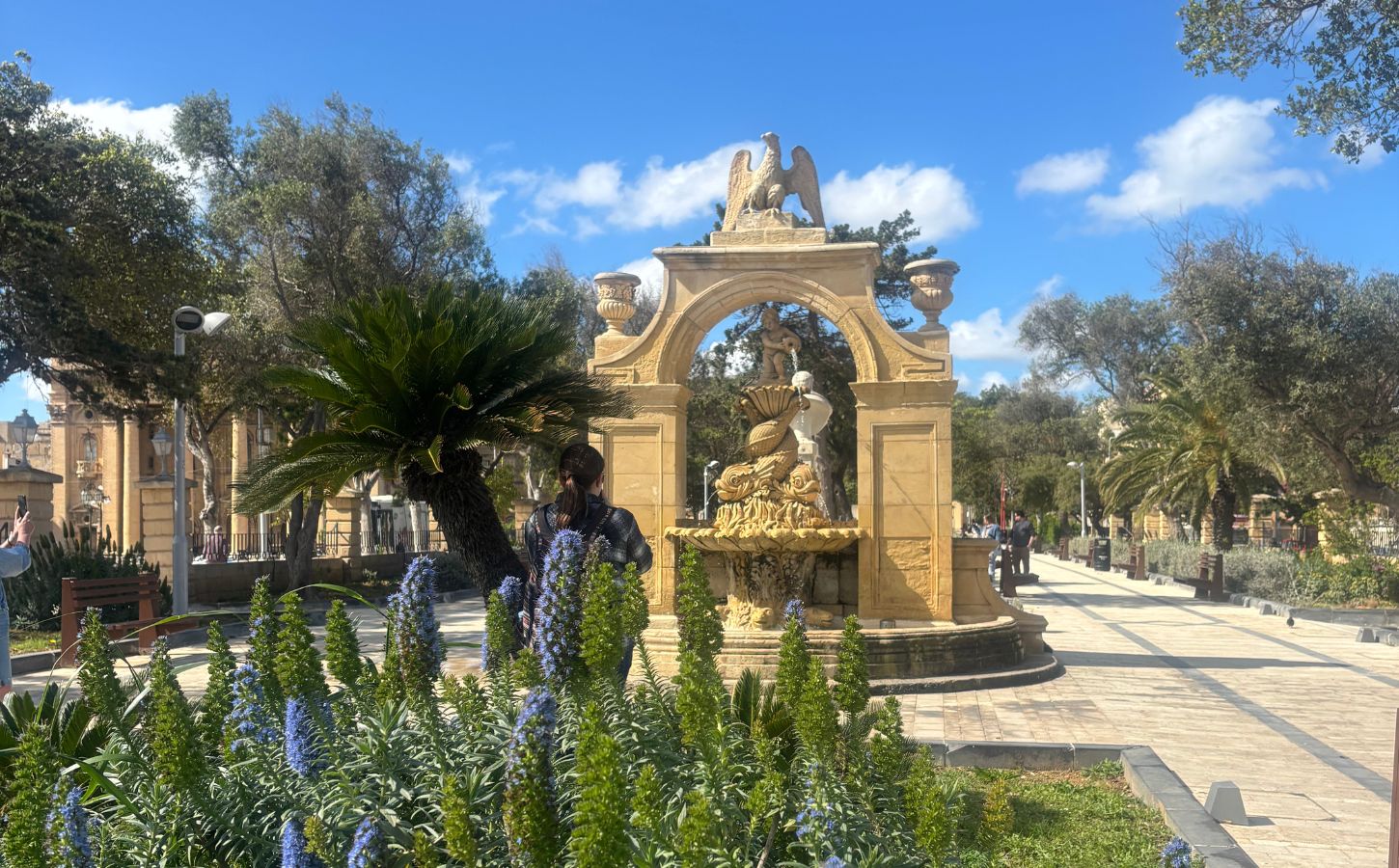
Another thing to keep in mind is that sunset times differ from those in France. When I visited, the sun set at around 7:30 p.m., compared with roughly 8:15 p.m. in France. The clear weather also gave us some beautiful sunset light. Although Malta’s landscapes are naturally dry and rugged, spring still brought more greenery than summer, along with plenty of wildflowers. I loved seeing that touch of green among the stone landscapes.
As mentioned, the sea remains cool in spring, at around 17 °C. My advice is not to overthink it: get in and keep moving. It feels chilly at first, but it becomes much more comfortable after a few minutes.
And if you go snorkeling or diving in Malta (our complete guide), the operator will usually provide a wetsuit, which helps retain body heat and makes the experience far more comfortable. When I went diving in Malta, they actually gave me two wetsuits. It was snug enough to limit the water getting in, but I stayed perfectly comfortable.
For boat excursions, I took one that combined Comino and Gozo, stopping at the Blue Lagoon and the Crystal Lagoon. There was still plenty of room, even though operators were already running their full excursion schedules. For packing, bring a light jacket for the evenings, favor long pants, and add a few skirts or pairs of shorts for warmer days.
Another spring highlight is the Easter season. Catholic traditions play an important role in Malta, making this a lively period throughout the archipelago. Colorful processions take place in towns and villages across the islands. I was there the two weeks before Easter, and I can tell you you could already feel the atmosphere building around these events.
As you’ve probably gathered, I consider spring the best time to go to Malta if you want pleasant weather without intense heat and a lively atmosphere without the heaviest crowds. I strongly recommend visiting between March and May. And if you want to swim every day without feeling cold, go in May. It is certainly the time of year I would choose again without hesitation.
Malta in Summer (June, July, and August): For Beach and Sun Lovers
If you are dreaming of a sun-filled vacation with turquoise water, summer in Malta may be exactly what you are looking for. To give you an idea, as early as June, temperatures easily exceed 30 °C every day. Rain is very uncommon during the summer months. You may find yourself spending a large part of each day in the water. Between sandy beaches, wild coves, and boat trips, you’ll have plenty to do!
On the other hand, you need to be prepared for the heat. In July and August, during the school vacation period, it can feel overwhelming, especially inland and in built-up areas. Traditional Maltese limestone buildings can help interiors stay cooler. Fun fact: in the hotel, I turned on the heating at night (even in early April, haha) because I found the room cool while it was warm outside.
Of course, the water is ideal, around 26 °C. It can feel almost like swimming in a vast turquoise pool. It is also an ideal time to grab a mask, fins, and snorkel.
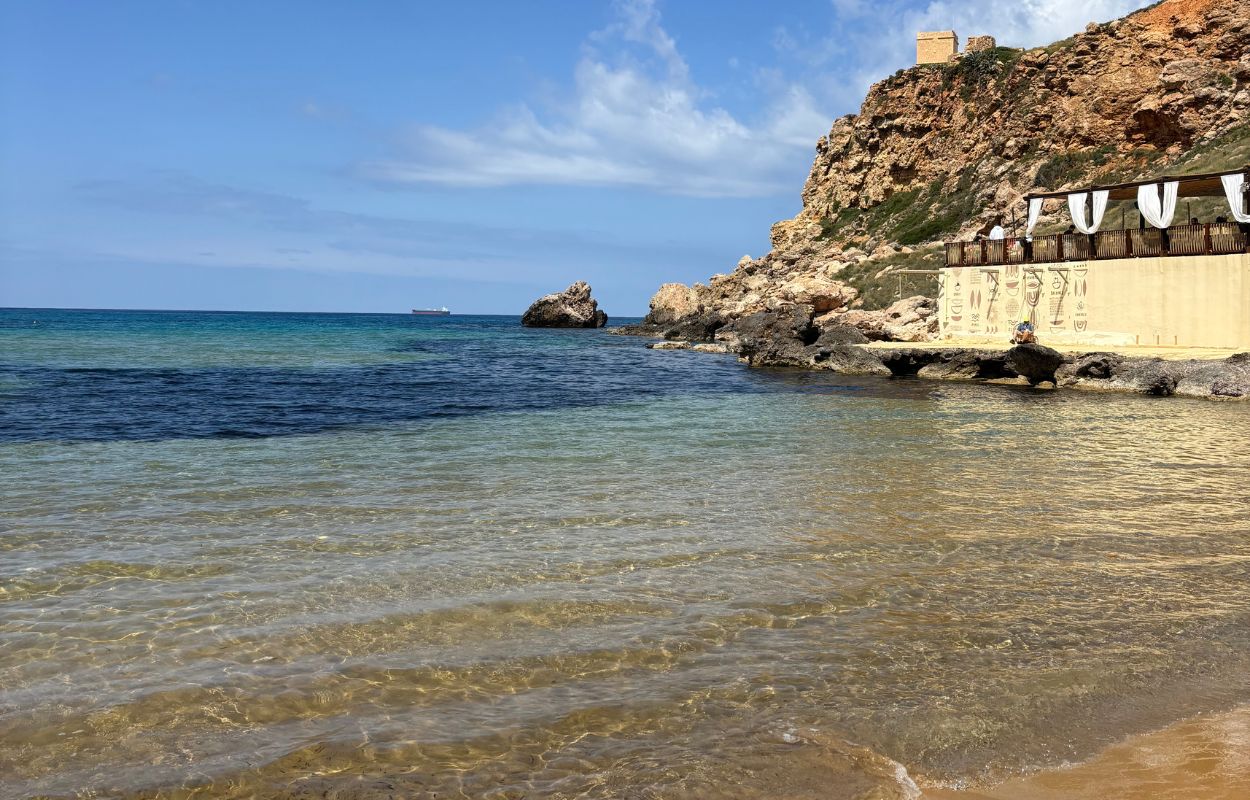
Malta attracts large numbers of visitors in summer, which is the peak tourist season. Between festivals, bars and nightclubs in St. Julian’s and Paceville, there are plenty of lively evenings. There are also the famous festas in Maltese villages. At this time of year, the islands are at their liveliest. That energy comes with larger crowds at major attractions and more limited availability for accommodations, ferries, and activities. Remember to book ahead if you travel during peak summer.
If you want a sunny seaside vacation and genuinely enjoy hot weather, summer may suit you perfectly. Several friends of mine visited in summer and loved the trip, although they still found the heat challenging. If you choose this period, it will be an opportunity to enjoy the island’s buzz with festivals and parties, if the crowds don’t bother you!
Malta in Fall (September, October, and November): The Best Season?
Fall is the favorite season of many travelers and, in some ways, feels similar to spring. In September, it’s still sunny and warm (but already less stifling than in high season, July–August). The islands begin to quiet down again, and the atmosphere becomes more relaxed.
The sandy beaches are still beautiful but less crowded, and the sea can remain around 25 °C. You’ll have even more space to swim, snorkel, or even dive (for those who want to try).
October is still a good month to visit: temperatures drop but generally remain pleasant, at around 24–26 °C. It’s great if you want to do plenty of outdoor activities, not necessarily water-based. On the downside, there may be some showers, especially if you go late in the month. These showers are often brief rather than prolonged. Even so, I recommend packing a rain jacket.
By November, the weather becomes more changeable. Even then, daytime temperatures can remain mild, at around 20–22 °C. In the evening, it’s much cooler and more humid. Honestly, if you want to travel off-season and take your time exploring Malta, November can be ideal. Personally, I think fall—especially September and October—offers a good balance of mild weather, warm water, and fewer visitors. If you want to explore Malta’s highlights at a more relaxed pace, fall is an excellent option.
Malta in Winter (December, January, and February): For a Quiet, Cultural Stay
Winter can be a good time to experience a different side of Malta, with peaceful walks and cultural visits away from the crowds. Compared to other European countries, winter is still very mild, around 12–18 °C during the day, and sometimes even warmer in the sun. Swimming will be less appealing for most visitors, although a few hardy people still take the plunge in December.
This is the season to enjoy the quieter side of the islands. In winter, Malta takes on a different character, with greener landscapes after the seasonal rain. If you dislike hot weather, you may enjoy exploring Valletta, Mdina and its famously quiet, colorful streets, or more traditional villages in a distinctly local atmosphere. You can hike at any time of day and visit historic monuments such as the Ġgantija megalithic temples and the Citadel of Gozo: you may have some sites almost to yourself, creating a completely different atmosphere. I find that you appreciate places more when you almost have them to yourself.

That said, in terms of entertainment, in winter Malta is very quiet. Christmas is still widely celebrated, with lights, elaborate nativity scenes, and seasonal markets. But for a lively party vacation, winter is not the strongest choice.
For cultural attractions such as museums, cathedrals, and exhibitions, winter can also bring lower prices, which is a welcome bonus. I think visiting Malta in winter is a good choice if you mainly like visiting cities, cultural monuments, and taking your time without crowds.
Personally, I still find it a bit of a shame to miss the Blue Lagoon or the Crystal Lagoon (two magnificent lagoons), because it’s not the same in winter. But you can always come back at another time of year. It is simply a different, quieter way to experience Malta.
The Best Time to Visit Malta for Different Types of Trips
When to Go to Malta for Beaches and Swimming
If your ideal Malta vacation involves lounging on the beach and swimming in turquoise water, I recommend visiting between June and September. It’s clearly the ideal time to fully enjoy the Maltese archipelago! You may end up spending at least part of every day in the water. From June, temperatures rise without being stifling, and the sea warms up: it’s perfect for swimming. In July and August, you’re clearly in the heart of summer: the water is warm, between 25 and 27 °C, the beaches are lively, festivals are in full swing, and the skies are usually blue—it truly feels like summer vacation.
For experienced divers and anyone hoping to try scuba diving in Malta, summer is also a best time for scuba diving: visibility is excellent, the water is calm, the sun is out, and the underwater light can be beautiful.
Even in September, diving remains a very good option. You can dive in many beautiful spots depending on your level, like the Blue Hole in Gozo, which is especially well known among divers.
As I mentioned, I did my first dive in Malta in April. I was equipped with two wetsuits, so the water temperature was not a problem, especially since it was sunny that day: there was plenty of light, good visibility, and the water was calm, near St. Paul’s Bay, for reference. I have no regrets about that experience.
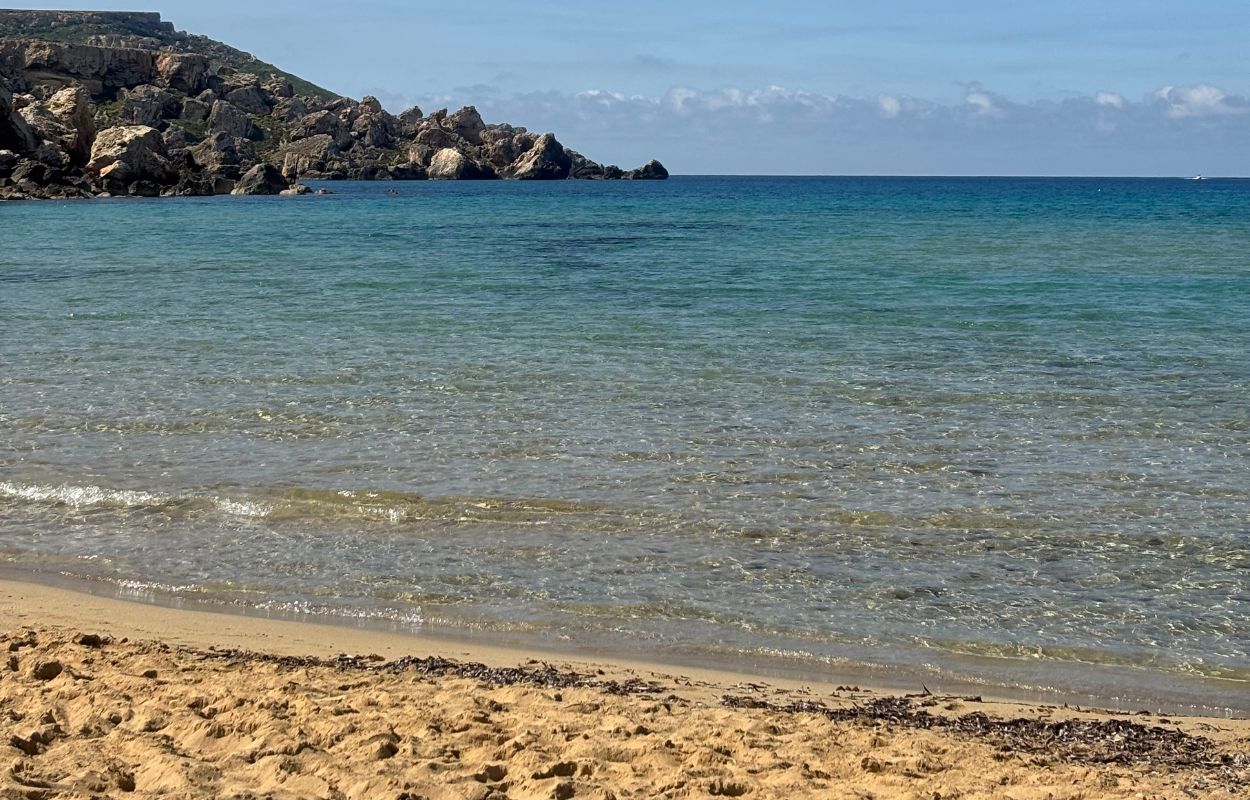

That said, diving or snorkeling in September is also an excellent alternative: there are fewer people, fewer boats, and weather conditions are often excellent for exploring underwater without worrying about rainy days, which are extremely rare at that time.
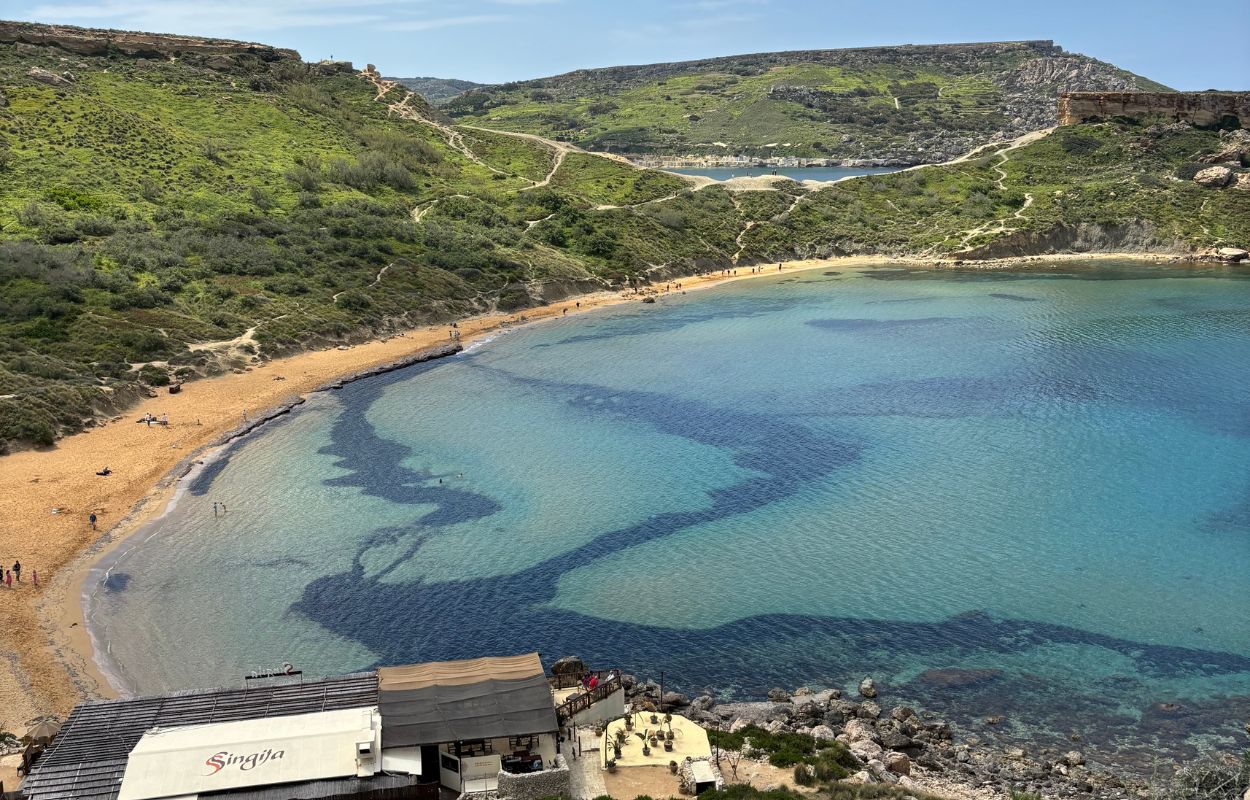
If you want a vacation built around beaches, sunshine, warm weather, and water activities, I recommend summer—or possibly September. You’ll see, there are plenty of beaches and coves (Golden Bay, Anchor Bay, Ghajn Tuffieha) with clear waters where you can swim and make the most of Malta’s coastline.
When to Visit Malta to Avoid the Crowds
By this point, you have probably gathered that I prefer the quieter times of year. More specifically, I like periods that offer a good balance between pleasant weather and manageable visitor numbers. If that balance is what you’re looking for, I clearly recommend spring and autumn. In my opinion, these are the best seasons for exploring Malta at a relaxed pace.
Visitor numbers are generally lower in March and April, as well as October and November. You can still enjoy everything Malta has to offer: the charm of its towns and villages, hiking on coastal cliffs (though not exactly treks, haha), swimming, and more! I would even say these quieter periods make it easier to appreciate the islands—but that is only my personal view.
What Is the Cheapest Time to Go to Malta?
Malta is already a relatively affordable destination, but if you want to take advantage of the best deals, definitely target the period between January and March. Since Malta is much quieter at that time of year, flights and accommodations are often cheaper. You may sometimes find accommodations at a fraction of peak-summer prices, which can make winter excellent value.
If you want to experience the islands differently without overspending, winter is often the best time. Of course, as I said just above, it’s still winter: it’s cooler, landscapes are greener, and there aren’t many people. Plus, most tourist places remain open all year round.
Tours and activities may also offer more attractive rates at that time of year. If you want to travel affordably between January and March, you may find good deals even with relatively little notice. To go further and give you a better idea of the budget to plan for your trip to Malta, regardless of the period, I wrote a detailed article sharing all my practical advice.
When to Go to Malta for Festivals and Events
It should come as no surprise that summer is the season to choose if you are visiting Malta for nightlife or traditional events. From June through September, the archipelago comes alive with concerts, local festas, and festivals. For a more traditional experience, many villages hold their own festa, complete with colorful processions, markets, and a distinctly local atmosphere.
Major summer events include Isle of MTV Malta, a free open-air concert usually held in July, the Malta Jazz Festival in Valletta, and the Glitch Festival for electronic music fans. Lineups often include both English- and French-speaking artists, so check the latest programs before choosing your dates, especially if you hope to see a particular performer.
Events also take place in February, most notably the popular Malta Carnival, including celebrations on Gozo. But if you want Malta at its liveliest, with large crowds and plenty of nightlife, plan your trip between June and September. Be sure to check the current event calendar before booking so you can plan around the festivals and concerts that interest you most.
—
That brings this guide on when to go to Malta to a close. I hope it helps you plan your trip around the climate, the seasons, and the type of experience you want. Keep in mind that Malta can be visited year-round thanks to its generally mild Mediterranean climate. That’s also why Malta attracts so many travelers! Writing this makes me want to return—ideally in spring or fall, for sunny days and fewer visitors.
To help you continue planning your stay, I also recommend reading our articles on travel itineraries in Malta and on how to get around in Malta. They should save you time, and let’s face it: planning is not always the most enjoyable part of a trip.
See you soon for more articles about the Maltese archipelago!

Written by Laura CALLES
Thanks to Mélanie and Sylvain, I had the chance to explore the beautiful Maltese archipelago and share all the beauty of its islands with you. A little piece of paradise not to be missed!
Thanks to you, our readers, our blog can continue to grow. This page may contain affiliate links, which means we may earn a commission if you make a purchase through them, at no extra cost to you. This helps us keep offering you more and support our work!
Despite our vigilance, an error may have slipped into this article. If you spot one, please let us know so we can correct it and keep our information up to date!