The Best Towns and Villages to Explore in Malta
Last update: 06/22/2026
Our blog continues to grow thanks to you, our readers. This post may contain affiliate links, which means we can earn a small commission if you make a purchase through them, at no extra cost to you. This helps us to continue to bring you more and support our work!
I’m back with a guide to the best towns and villages to visit in Malta! When Malta comes to mind, we tend to picture idyllic beaches, secluded coves, and crystal-clear turquoise waters, like those at the Blue Lagoon and the Crystal Lagoon. And we’re not wrong—but there’s so much more to do in Malta! The island is also home to picturesque towns and villages that are well worth exploring. There really is something for everyone!
I loved every side of Malta, from historic towns such as Mdina and Valletta to coastal villages like Marsaxlokk and seaside resorts such as St. Julian’s and Sliema. Each place has its own distinct atmosphere, interesting sights, historic monuments, and quieter, unspoiled corners. Believe me, Valletta is far from the only place worth visiting. In fact, as charming as the Maltese capital is, I personally preferred the Three Cities—especially Vittoriosa and Cospicua—as well as Mdina. It just goes to show that even on a relatively small island, you can discover a surprising variety of settings and atmospheres.
This article will help you discover some of Malta’s most beautiful towns and villages—a journey every bit as rewarding as exploring the island’s natural landscapes. Ready to get started?
Must-Visit Historic Towns in Malta
If you love honey-colored stone, picturesque alleyways, and history, Malta has plenty to offer! As I mentioned, Malta’s towns and villages are well worth exploring beyond the sandy beaches. To begin, here are three historic towns you shouldn’t miss during your stay.
Valletta, Malta’s Capital
Let me say this right away: you can’t visit Malta without exploring its famous capital, Valletta. Its historic center is a UNESCO World Heritage Site. It was my first stop on the first day of my trip. As soon as you enter the fortified city, you’re drawn into the local atmosphere, with colorful balconies and honey-colored facades all around. You can feel the city’s history too: its old buildings have been carefully restored in keeping with their original character. The city has a distinctly Baroque feel.
At the end of some narrow streets, you’ll catch glimpses of the Mediterranean and Valletta’s port, the Grand Harbour. For the best view of the sea, head to the Upper Barrakka Gardens, which overlook the port and the Three Cities. The view is magnificent. Simply put, walking around Valletta means soaking up culture, heritage, and Baroque art beneath the Mediterranean sun. Other island capitals had disappointed me in the past, but Valletta really is a beautiful city.

I recommend taking the time to explore this European capital on foot. There are quite a few hills, though, so keep that in mind if you’re visiting in summer. I went in April, when the weather was lovely, but my legs still felt the climb! Among Valletta’s must-see sights are St. John’s Co-Cathedral (lines are often long, and adult admission is €15, so I recommend arriving early in the morning), the Grand Masters’ Palace, the Manoel Theater, and more. For further details, we’ve written a complete guide to what to do in Valletta.
The Three Cities—Vittoriosa, Senglea, and Cospicua
After exploring Valletta, I recommend making time to visit the Three Cities. They sit directly across the Grand Harbour from the capital. I visited Valletta and the Three Cities in a single day. It was a packed schedule, but absolutely worth it! For a more relaxed pace, I recommend giving yourself two days to explore them.
If you’re coming from Valletta, I recommend taking the ferry or a luzzu, one of the famous, colorful traditional water taxis, from Grand Harbour to Cospicua. You’ll enjoy great views of Fort St. Elmo, Fort St. Angelo, and the Vittoriosa and Senglea ports. The ride is short but beautiful, and it makes for a memorable arrival! As soon as you step ashore, you’ll notice how different the atmosphere feels from Valletta.
It immediately feels quieter and less touristy. You can start by strolling through the narrow streets of Cospicua, the city that connects the other two. There are very few cars, and some streets are closed to traffic, making this a lovely place to take photos and soak up the local atmosphere.
Then, you can continue on to Vittoriosa, the oldest of the Three Cities. In fact, it predates Valletta, which history lovers will appreciate. There, you’ll find historic monuments such as Fort St. Angelo and the Inquisitors’ Palace. Adult admission currently comes to €16 if you visit both (€10 for Fort St. Angelo and €6 for the Inquisitor’s Palace). I chose to visit the fort, and it was well worth the time. The visit takes a while and offers sweeping views of the capital, Senglea, and the city’s ports. I also found the exhibits well organized and informative. They highlight the importance of Malta and the fort over the centuries, including during the Napoleonic era and the Ottoman invasion.
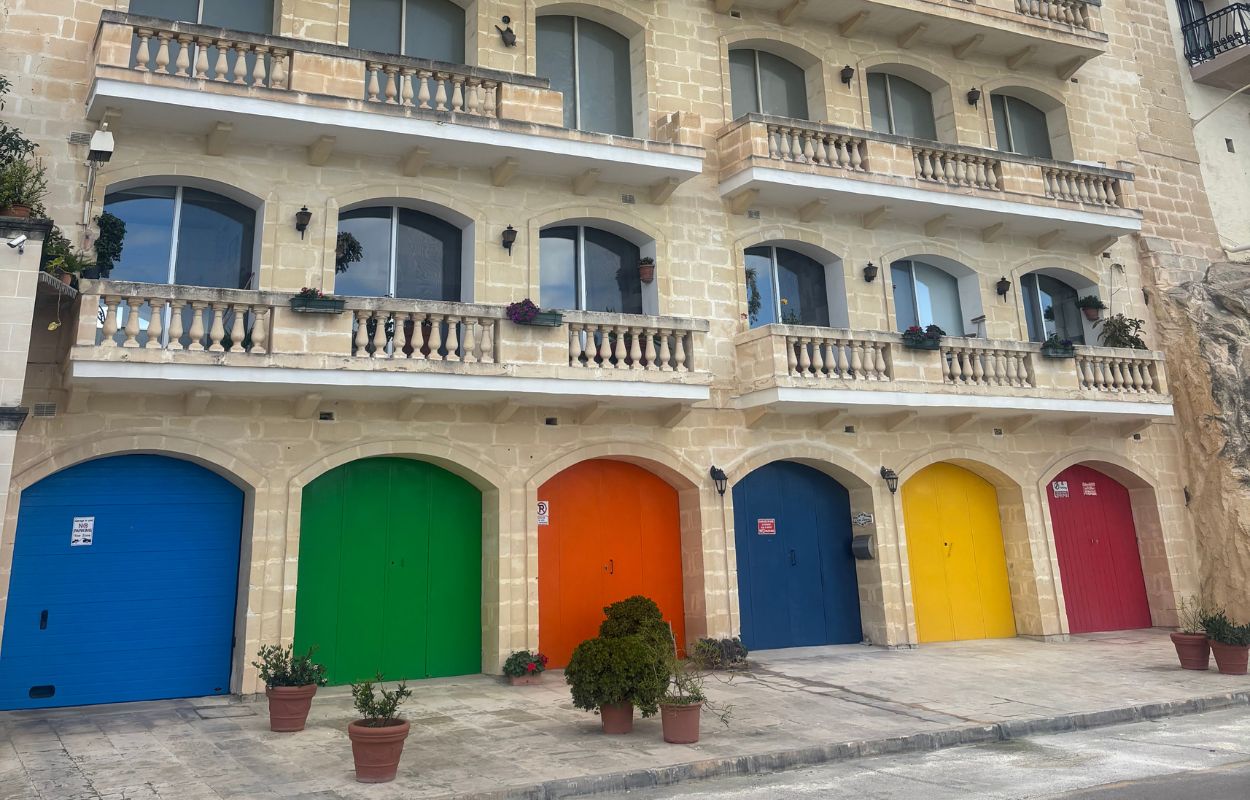
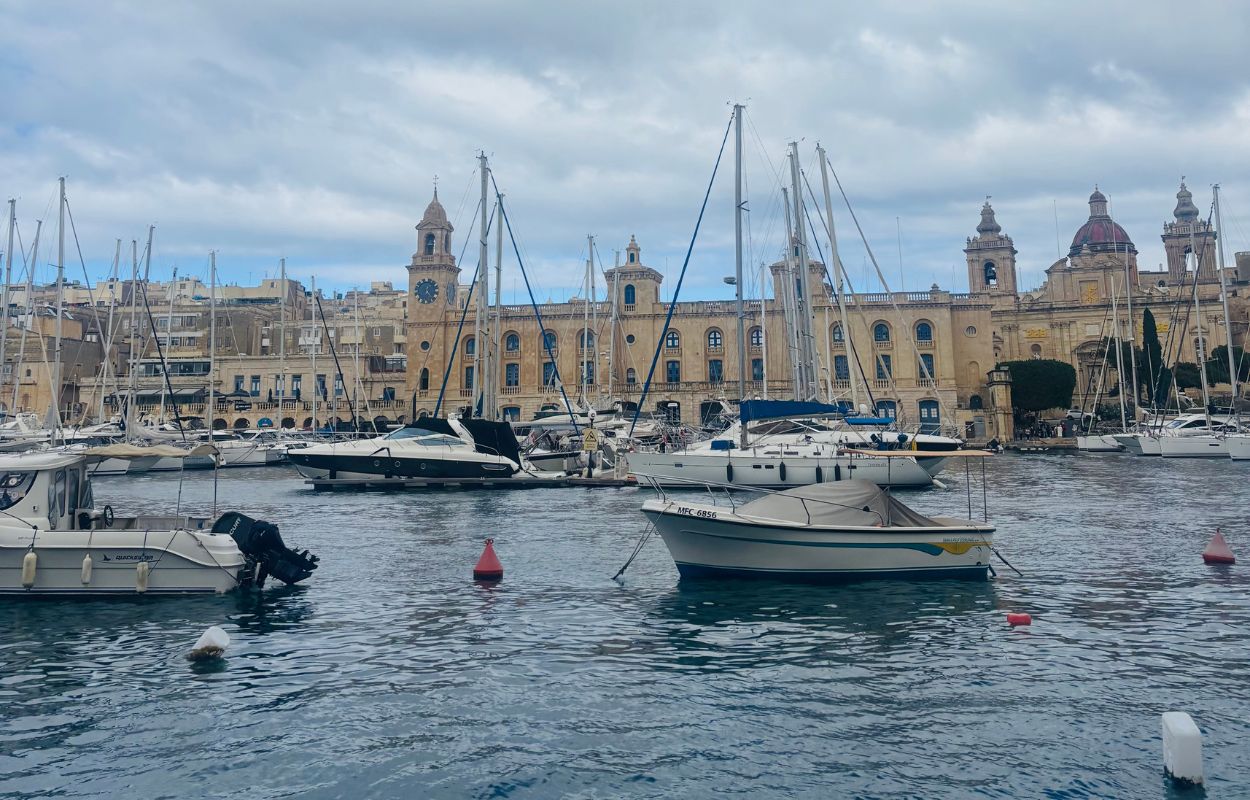
After visiting Vittoriosa (Birgu in Maltese), take some time to enjoy the Birgu Waterfront and its harborfront promenade. You’ll find restaurants and cafés where you can pause and enjoy the view.
Next, head across to Senglea. This time, I recommend visiting the Gardjola Gardens. They may be simple public gardens, but the view makes them well worth a stop. They offer the closest view of Valletta, its fortifications, and Grand Harbour. The narrow streets are characteristically Maltese, although I didn’t enjoy them quite as much as those in the other two cities. In the heart of these streets, closer to the main road, stands the Church of Our Lady of Victory. Its exterior is simple but charming. Unfortunately, I can’t tell you about the interior because it was closed. This is fairly common in Malta: to help preserve religious buildings, many are open only at certain times or during Mass.
Overall, I really liked the Three Cities of Malta, especially Vittoriosa and Cospicua. I completely fell for them. I didn’t like Senglea as much, but the view from its gardens is superb. If you have the time and energy, make sure you explore all three.
Mdina, the Silent City
Now let’s move on to my favorite town in Malta: Mdina. You may have heard of it before. Although it lies in the western part of the island, it’s well worth the trip. Once you’re there, half a day is enough to explore the town. Its fortifications are one of the main attractions. Perched on a hill, Mdina has all the charm of a medieval town and offers magnificent views of the island’s landscape from its ramparts.
For me, though, the town’s atmosphere is what stands out most. It’s the perfect place to lose yourself in its narrow, quiet, cobblestone streets (hence Mdina’s nickname, “Silent City”). Tall walls of honey-colored stone line the streets, adding to the enclosed, timeless feel. The silence gives the town a truly unique atmosphere. The only downside is that some tourists don’t respect the silence or the setting of the fortified city. Signs do ask visitors to keep the noise down. Don’t worry—you can still talk, just quietly. It makes the experience all the more enjoyable. Along the way, blue, red, and green doors and windows add vivid splashes of color.
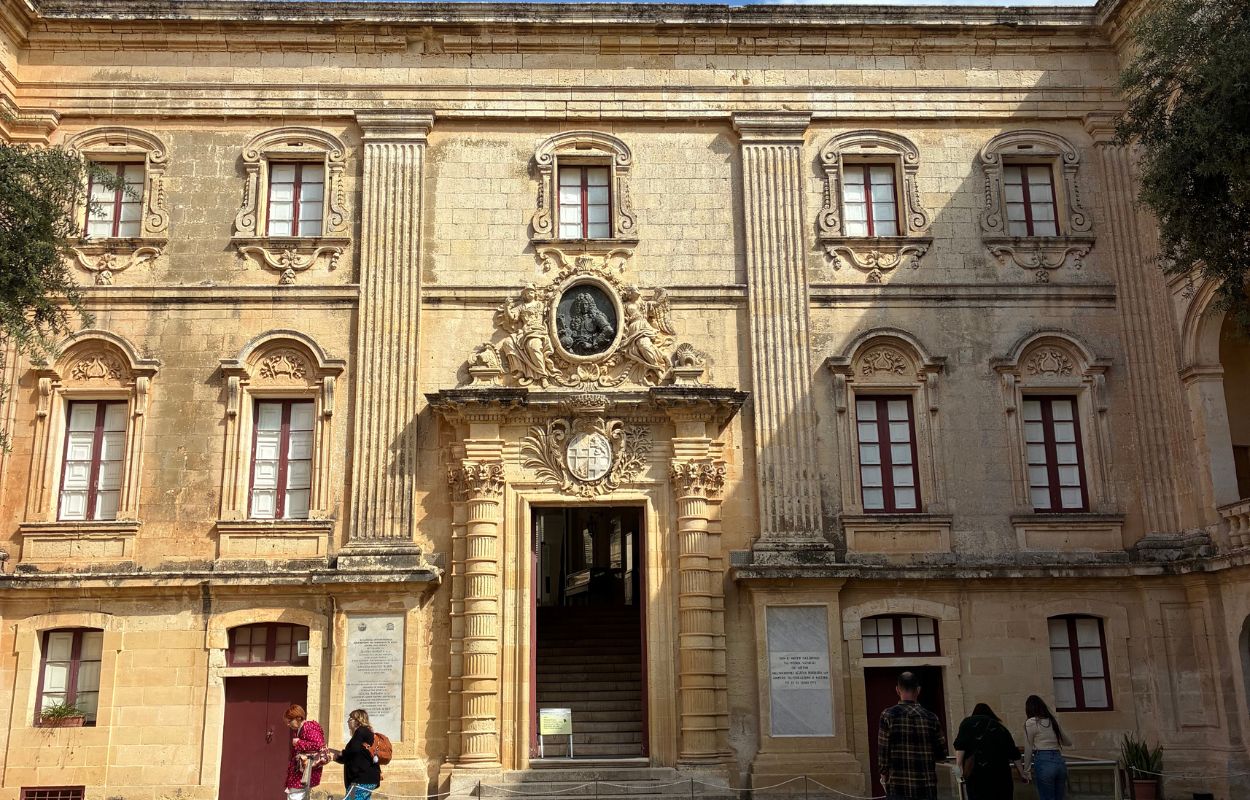
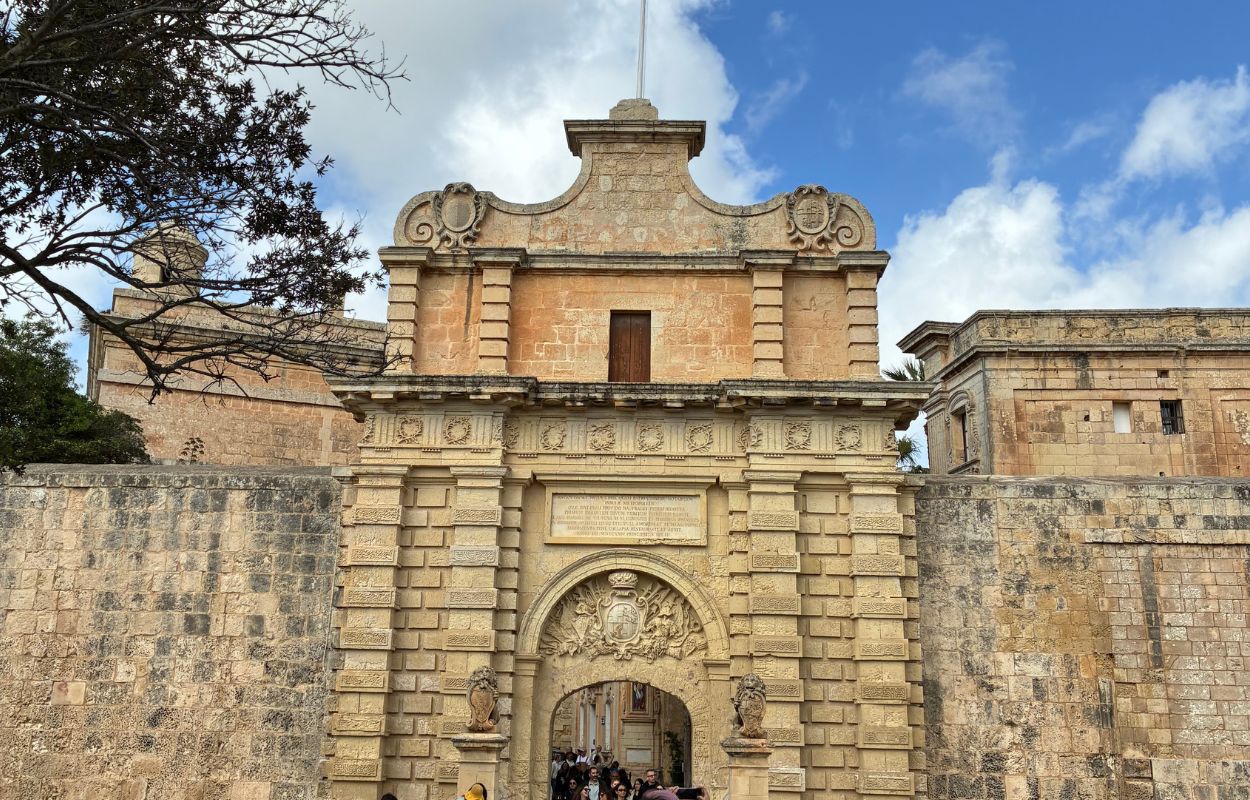
St. Paul’s Cathedral is impressive inside and out. It is Malta’s metropolitan cathedral, while St. John’s in Valletta is a co-cathedral. Adult admission to St. Paul’s Cathedral and the adjoining Mdina Cathedral Museum currently costs €15, the same adult price as St. John’s Co-Cathedral.
If you’re spending the evening in Mdina, there are some great restaurants for dinner. This reveals yet another side of Mdina, with its honey-colored streets glowing after dark. By then, the daytime crowds have usually thinned, making the town even more peaceful. You’ll feel closer to the rhythm of local life.
Outside the fortified area, you’ll find a pleasant town with plenty of authentic Maltese restaurants. This is also where I first tried imqaret (date cakes) and Maltese cannoli. They were delicious. I hope I’ve convinced you to visit—I had a wonderful time there and came away with fond memories. In my opinion, Mdina is definitely one of Malta’s must-see attractions.
Authentic Coastal Villages Not to Miss in Malta
Now for something completely different: Malta’s small coastal villages. To step off the beaten path and experience a quieter, more authentic side of Malta, spend some time in its seaside villages. With fishing boats, sunny café terraces, and an easy local pace of life, they offer a wonderful change of scene. Here are two villages that I consider genuine gems.
Marsaxlokk, the fishing village
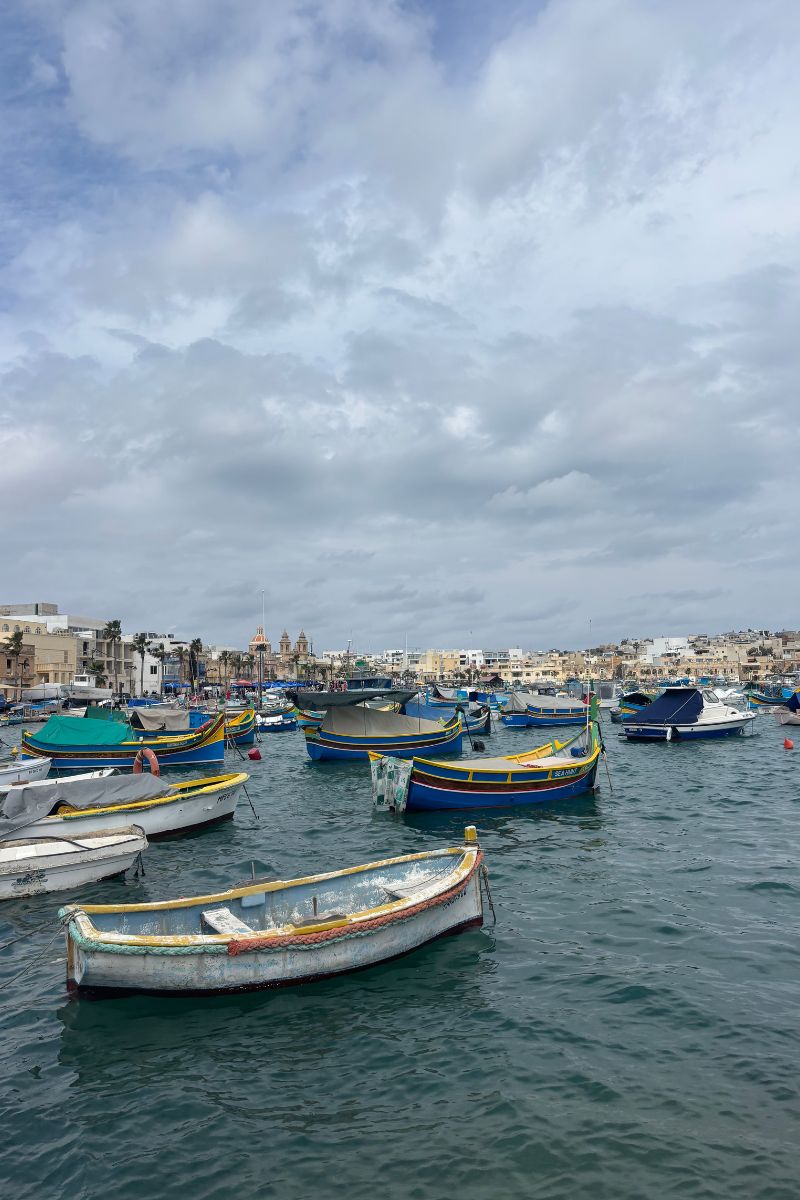
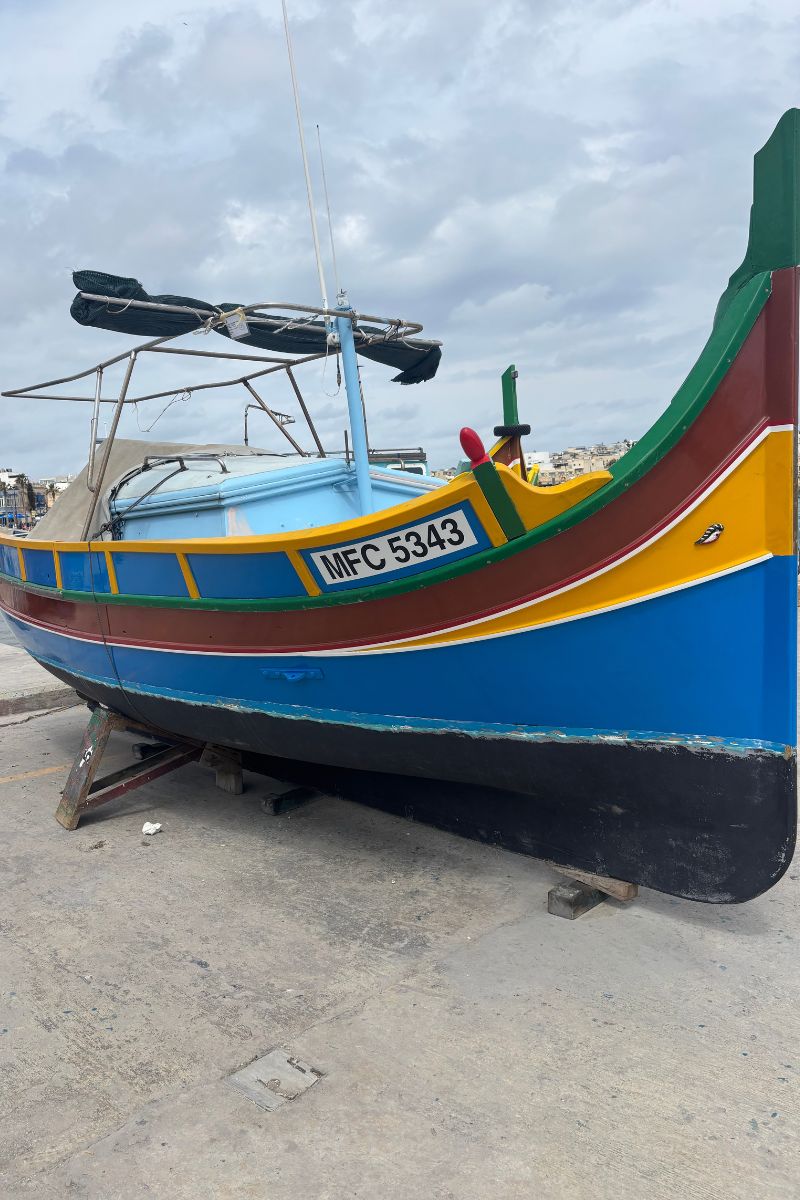
Any list of Malta’s most beautiful villages has to include Marsaxlokk. Set in the southeast of the island, this charming fishing village has a relaxed, rural setting. It is best known for its colorful luzzus, the traditional fishing boats that immediately catch the eye. The harbor is beautiful, and strolling along the waterfront is a pleasure.
You’ll often find stalls selling handicrafts, souvenirs, and more, but to experience the market at its liveliest, visit on Sunday. That’s when locals come to buy fresh fish, seafood, and everyday goods, and the market is in full swing. I visited during the week and still enjoyed the experience. There were a few stalls selling honey, cosmetics, and handmade bags.
I highly recommend staying in the village for lunch. The restaurants serve seafood and fish caught that day. Plenty of restaurants line the harbor, their large terraces set side by side along the waterfront, and many are well reviewed.
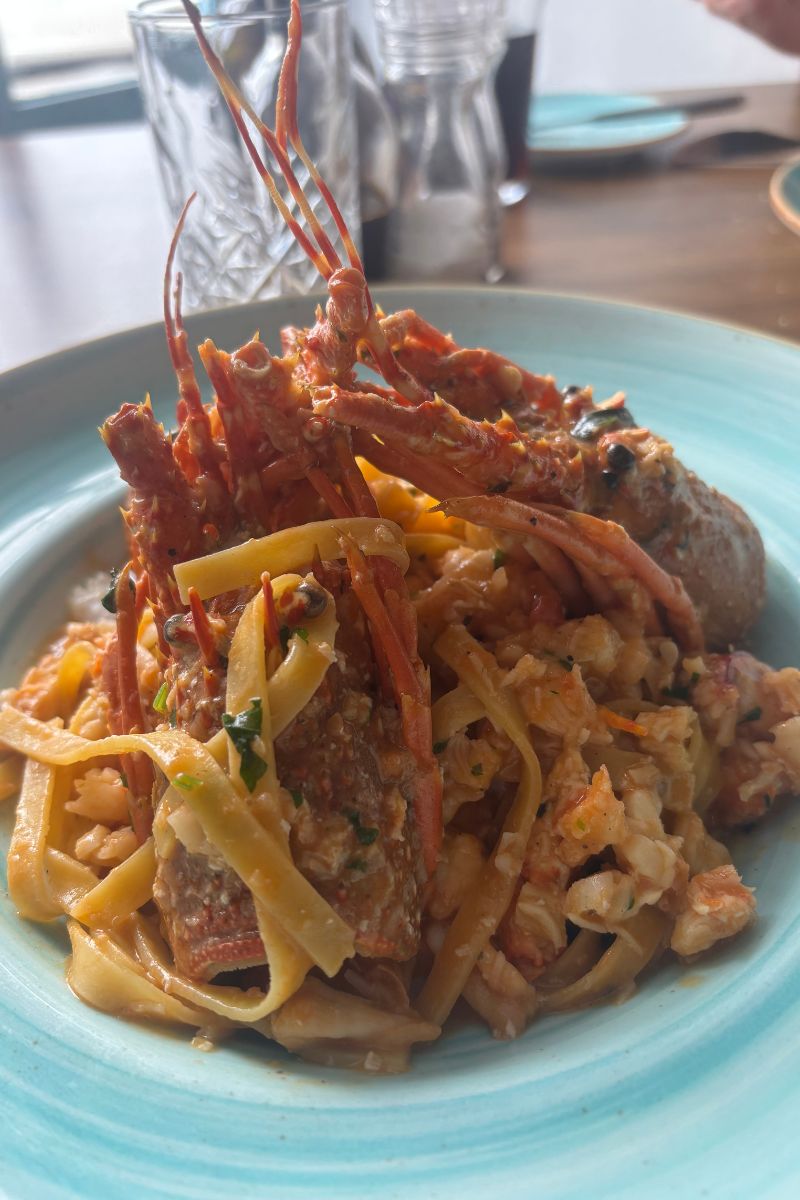
For something a little farther from the busiest stretch, I recommend Harbour by Johann. It sits slightly back from the main harborfront. That’s where I ate, and the food was excellent. We ordered lobster linguine and crab risotto, and both were delicious. The service was also great. We were treated just like everyone else rather than as tourists, which made a real difference. If you want really fresh fish caught the day before, expect to pay between €6 and €8 per 100 grams. Needless to say, the bill can add up quickly. Still, if you’re tempted, I doubt you’ll regret it.
Marsaxlokk is also a great base for exploring the wilder, less developed landscapes of southern Malta. St. Peter’s Pool, for example, is very close to the village. It took me 35 minutes to walk there because of road construction, but it’s only a 10-minute drive. Either way, St. Peter’s Pool is beautiful: a turquoise cove often described as a natural swimming pool. However, I must admit that on the day I went, the sea was too rough to resemble a swimming pool. So, does Marsaxlokk appeal to you?
We’ve also written a full article on most beautiful beaches in Malta.
Mellieħa, between beach and history
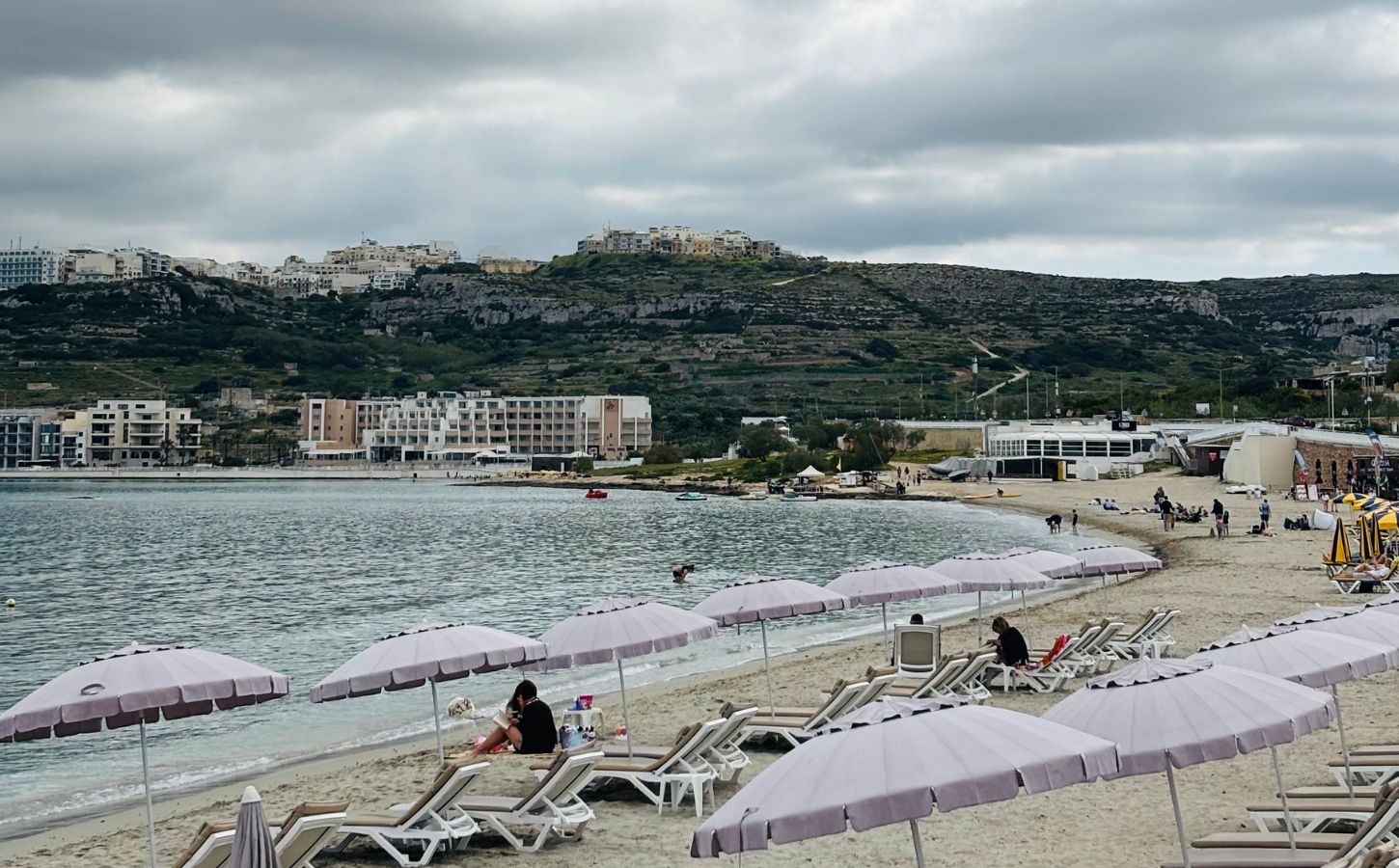
When you think of Mellieħa, its white-sand beach is probably the first thing that comes to mind. It is Malta’s largest and best-known beach. It’s hard to miss because it’s right next to the main coastal road. Look beyond the shoreline, though, and you can climb up to the village of Mellieħa. Perched high above the coast, it overlooks the whole of Mellieħa Bay. There is also a beautiful red-brick church with sweeping views. This blend of traditional village life and seaside resort is exactly what makes Mellieħa unique.
Mellieħa is a lovely place for a family stay or simply a day trip. It offers everything from narrow, winding streets to rows of beach chairs. That said, the beach is undeniably touristy. You can rent deck chairs, and there are restaurants and ice cream parlors. There is also plenty of parking, making access relatively easy. It is also an ideal starting point for exploring the northern part of the island and its unspoiled areas, such as the beaches of Mistra and Paradise Bay, the cliffs of Marfa, and more. As you can see, Mellieħa is well worth a visit.
The Best Seaside Resorts for a Stay in Malta
Now we’re getting closer to the Malta many of us picture before visiting. All the seaside resorts are located on the west coast, the most developed part of the island. Even here, the atmosphere varies from lively and festive to family-friendly or romantic. You can choose whichever setting best suits your trip. This section will help you narrow down the best coastal base for you.
Sliema: Shopping and Nightlife
Sliema is located just opposite Valletta and is very popular with tourists. It’s a lively town with shopping centers, bars, and clubs. It feels a world away from Valletta’s medieval streets. Everything here feels modern and constantly under construction, with cranes often visible on the skyline. Along the waterfront, a long promenade is lined with palm trees, terraces, and rooftop bars.
Forget medieval alleyways here: Sliema is all about modern city life and long walks along the seafront. It’s a great place to spend the day shopping, sip a cocktail on a terrace, and watch the sunset. Many travelers choose to stay in Sliema to be close to St. Julian’s and the nightlife. It is often cheaper than St. Julian’s and keeps you close to the nightlife without quite as much noise at night.
By now, you probably know what to expect from Sliema: shopping, seafront walks, and the option of partying into the evening.
St. Julian’s: At the Heart of the Nightlife
For nightlife, St. Julian’s is the obvious choice. Located just north of Sliema, it’s a popular destination for partygoers and students on language trips. The liveliest neighborhood is Paceville. You may have already heard of it. That’s where all the bars and nightclubs are. Many stay open until the early hours, and the area becomes even livelier in summer.
Concerts and showcases regularly feature international and French-speaking artists. Some travelers even come to Malta just to spend several evenings in Paceville. Away from the party scene, St. Julian’s is also home to Spinola Bay, a pleasant spot for a seaside meal with your partner or friends.
As you can imagine, this is a modern part of Malta where there is always something going on. Even if you come to Malta to experience its authenticity, nothing is stopping you from checking out Paceville if you want to party. It is also well connected, making it easy to travel around the island.
St. Paul’s Bay: A Family-Friendly Base
St. Paul’s Bay deserves a special mention because I had the chance to get to know the area well. That’s where I stayed during my week in Malta, and I couldn’t have chosen a better base. I knew very little about the town when I booked, so arriving there was a wonderful surprise.
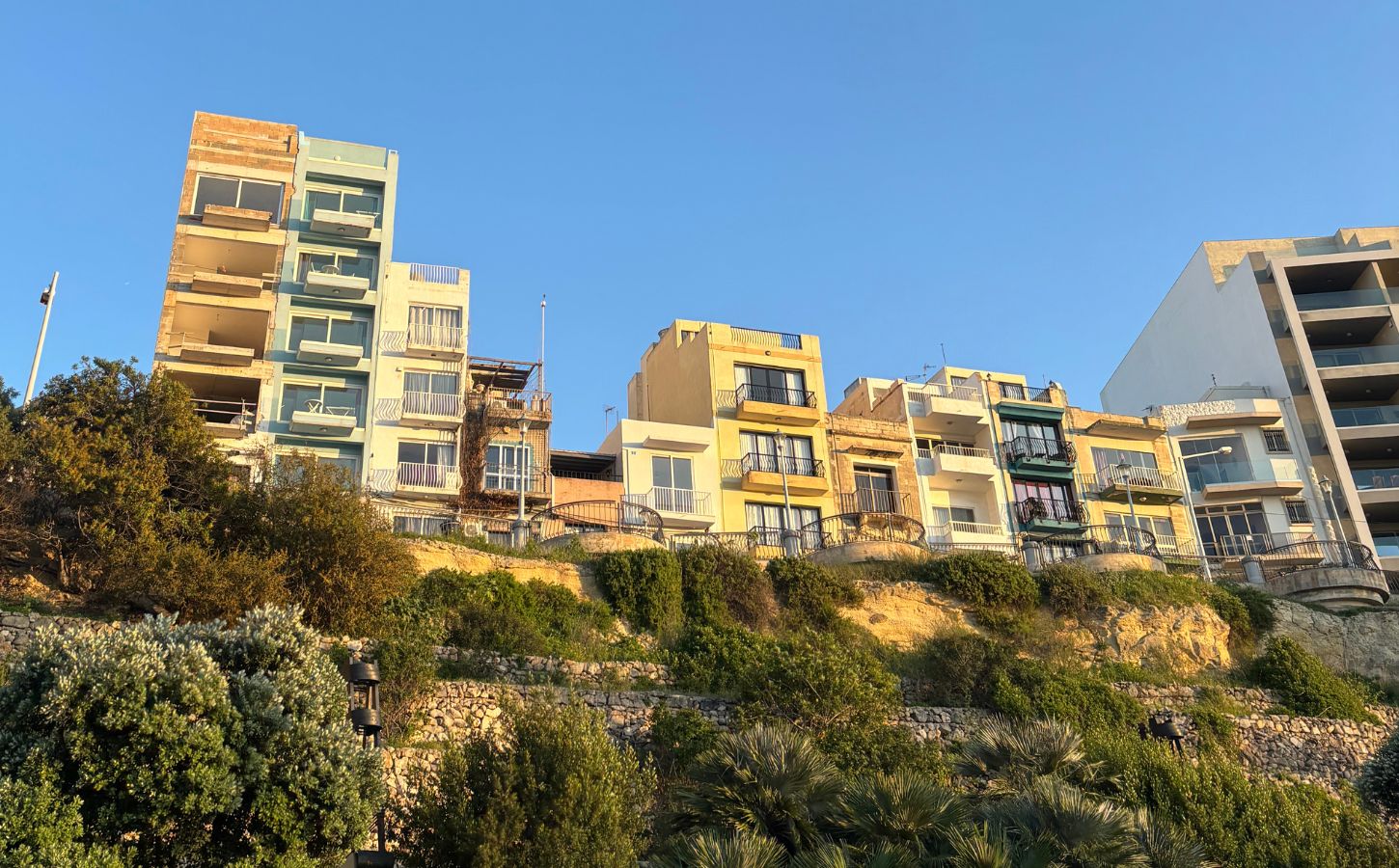
I stayed in Xemxija, a quieter, more residential area than the busier center of St. Paul’s Bay. There are good restaurants and a small cove, but the real highlight is the view across the bay and its turquoise water. The bay is also ideal for a range of water sports, such as scuba diving, snorkeling, jet skiing, paddleboarding, and kayaking. I tried scuba diving in Malta for the first time nearby. Although I was a little nervous at first, it turned out to be a wonderful experience that I highly recommend.
St. Paul’s Bay is a relaxed town with all the essentials and a beautiful seafront promenade. I loved the atmosphere and looked forward to returning each evening after a day of exploring. I was a little sad when it was time to leave. Even if you don’t stay there, it is worth stopping for an activity and a walk along the waterfront.
Traditional Towns to Discover in Malta and Gozo
To wrap up, I suggest exploring two traditional towns: one on Malta’s main island and the other the capital of Gozo. They may be less famous than the places above, but they are just as interesting and well worth discovering for yourself.
Rabat
Right next to Mdina lies another small town that is equally rewarding to explore: Rabat. The atmosphere is calm and welcoming, and it is easy to feel at home. You’ll quickly discover a historic town without the usual tourist crowds. There are also many places to visit, including the Catacombs of Saint Paul, Saint Paul’s Grotto, the Wignacourt Museum, and the Domvs Romana.
There is a good mix of cultural and historical attractions. If that appeals to you, I’m fairly sure you’ll enjoy Rabat. Since it’s a small city, you can see it all in half a day. It pairs perfectly with Mdina for a full day trip.
Once again, the atmosphere is what makes the place stand out, and Rabat is no exception. You can stroll through quiet streets lined with stone houses and colorful balconies. It is beautiful, and there are very few cars. The atmosphere is similar to Mdina’s.
One more tip: stop by Buskett Gardens. This small green oasis is a welcome sight on an island where lush greenery can be hard to find. As I said, a day split between Mdina and Rabat works perfectly.
Victoria, Gozo’s Capital
Once you arrive on Gozo, Malta’s sister island, which is half the size, its capital, Victoria, is hard to miss. Despite being the capital, it feels authentic and peaceful. When you visit, make sure to explore the Citadel. Located at the top of a hill in the middle of Victoria, it offers a 360° panoramic view of the entire island. Because Gozo is compact, you can pick out its villages by the church domes rising in the distance. The Citadel draws plenty of visitors, but the rest of the city retains a more local feel.


The town center is lively, with small cafés, open-air markets, and artisan shops—it feels like the beating heart of Gozo. I really enjoyed the atmosphere. I took the opportunity to have brunch on a terrace directly opposite St. George’s Basilica. The basilica is a reminder of how deeply rooted the Catholic faith is in Victoria, which is home to several beautiful churches.
All in all, I loved Victoria for its welcoming atmosphere, heritage, and lively energy. It is clearly one of the best towns to visit in the Maltese archipelago.
For more information about Malta’s sister island, take a look at our dedicated guide to what to do in Gozo. Believe me, there is plenty to do on this small island: visit the megalithic temples, go snorkeling at Xlendi Bay, swim in the crystal-clear waters, explore the salt pans of Marsalforn and much more.
You should now have a clearer idea of which towns and villages to visit in Malta. As you can see, each one has its own character and leaves a different impression. Whether you prefer historic towns, traditional villages, or seaside resorts, you’ll find somewhere that suits you.
With enough time, I recommend visiting them all. I’ve included all the places that I consider unmissable in Malta. For a shorter trip, choose a few from the list based on what appeals to you most.
If you haven’t booked your flights or chosen your dates yet, read our guide to the best times to visit Malta —unless you’re planning a last-minute getaway.

Written by Laura CALLES
Thanks to Mélanie and Sylvain, I had the chance to explore the beautiful Maltese archipelago and share all the beauty of its islands with you. A little piece of paradise not to be missed!
Thanks to you, our readers, our blog can continue to grow. This page may contain affiliate links, which means we may earn a commission if you make a purchase through them, at no extra cost to you. This helps us keep offering you more and support our work!
Despite our vigilance, an error may have slipped into this article. If you spot one, please let us know so we can correct it and keep our information up to date!