How to Get Around Malta
Last update: 06/22/2026
Our blog continues to grow thanks to you, our readers. This post may contain affiliate links, which means we can earn a small commission if you make a purchase through them, at no extra cost to you. This helps us to continue to bring you more and support our work!
We’re back with another practical guide! This time, we’re covering everything you need to know about getting around Malta. There are several ways to explore Malta’s main island and the wider archipelago, including Comino and Gozo. To give you an idea of Malta’s must-see attractions, here are a few highlights: beautiful beaches, picturesque villages, crystal-clear waters, clifftop hikes with far-reaching views, and a variety of water activities. There is certainly plenty to keep you busy! Although the Maltese archipelago covers just 316 km² and has a well-developed transport network, be prepared to walk if you want to reach some of its more remote spots. Naturally, renting a car makes this much easier.
That is exactly why this article is here: to share practical tips based on your Malta itinerary. The best option will depend on your interests, the length of your stay, and your Malta travel budget.
Planning transportation may not be the most exciting part of a trip, but we’ll make it as straightforward as possible!
Getting Around Malta: Transportation Options
Many travelers spend most of their trip on Malta’s main island. We’ll therefore begin with the main transportation options available there. Malta may be small, but planning ahead will help you avoid missing the places you most want to visit. From buses and rental cars to scooters and bicycles, there are plenty of ways to explore.
Getting Around Malta by Bus
If you’re visiting Malta without a car, the bus is usually the most practical option. It is the island’s main form of public transportation. Many routes connect through Valletta, the capital, although not every service starts there. The network covers the island well, including major towns such as Sliema, St. Julian’s, Mdina, and Mellieħa, along with many popular attractions. Most buses are modern and air-conditioned, which is especially welcome during Malta’s hot summers. If you are staying in Valletta, the central bus terminal is a particularly useful hub.
Another advantage is the price. As of 2026, a standard onboard cash or contactless ticket costs €2 in winter and €2.50 in summer. The ticket is valid for two hours and allows transfers within that period. That is usually enough time for a connection and makes the system convenient to use. For a longer stay, visitor travel cards may offer better value. Check the current Explore and Explore Flex options on the official Malta Public Transport website, as products and prices change periodically. If you plan to use the bus frequently, one of these passes can be worthwhile and saves you from buying individual tickets. One more tip: download the Tallinja app to check routes, timetables, and live bus information. It can also help you plan around busy periods, particularly near Valletta.
The bus is convenient in many ways, but it has drawbacks, especially in July and August. Services can be crowded, particularly on routes to popular tourist destinations. At busy times, a full bus may pass without stopping. A little patience is sometimes necessary, and delays can occur. However, this is mainly the case in the summer. Outside summer, some routes run less frequently, but buses are generally quieter. For isolated destinations, particularly in western and southern Malta, services can be less frequent and the nearest stop may still be some distance away. In those cases, expect to complete part of the journey on foot.
Overall, it is entirely possible to explore Malta using buses alone. For the greatest convenience, consider staying in Valletta, Sliema, or St. Julian’s on the east coast, or farther north in St. Paul’s Bay or Mellieħa. The bus is particularly suitable if you plan to focus on the main attractions and well-traveled areas. In that case, the network should meet most of your needs.

Renting a Car in Malta
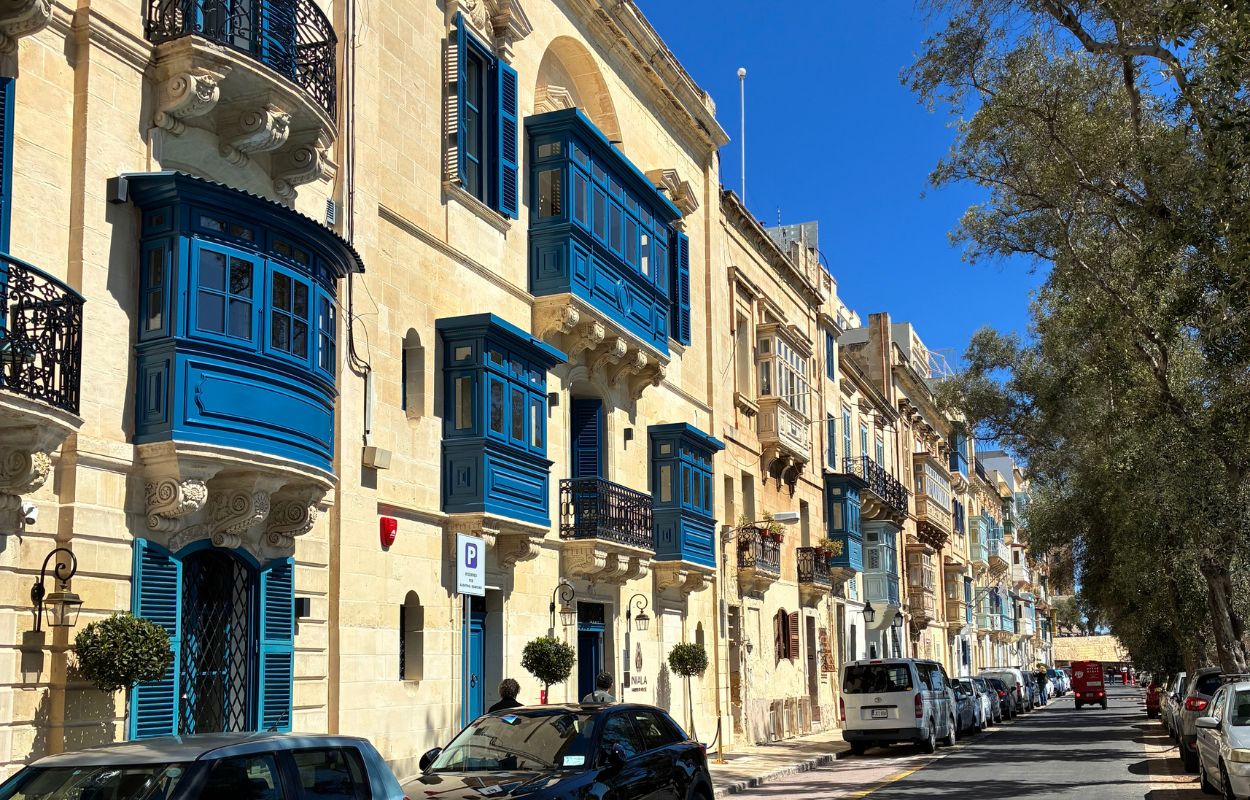
A rental car is one of the best ways to explore Malta at your own pace. I personally used Discover Cars. It is a rental-car comparison site where I found some good deals. I picked up the car at Luqa Airport and dropped it off before my return flight.

If you plan to drive around the main island, I recommend choosing a small car. Many roads and streets are narrow, and local traffic can feel fast-paced. A compact car is easier to maneuver and is more than sufficient for most trips. An automatic can also make things easier if you are not used to driving on the left.
It can feel confusing at first and may take a little time to get used to. I expected roundabouts to be the hardest part, but they turned out to be manageable. The signs are generally clear, and following the flow of traffic helps. For me, the most confusing part was staying in the correct lane on quiet roads. There’s no one to follow, and you naturally want to drive on the right. Fortunately, it becomes more natural quite quickly.
One more tip: always check local signs and road markings before parking. White bays are generally standard parking spaces, yellow markings usually indicate restrictions, and blue bays may be reserved or subject to local conditions.
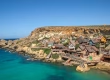
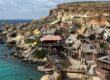
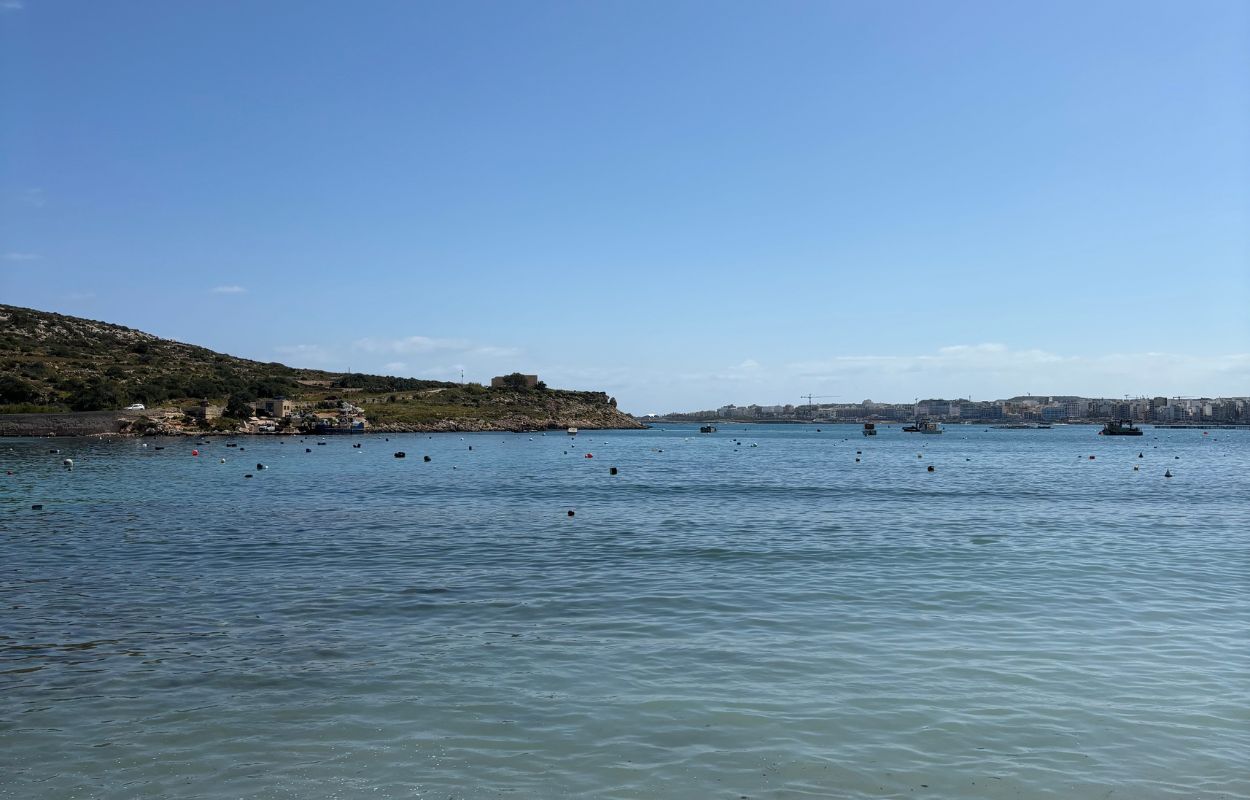
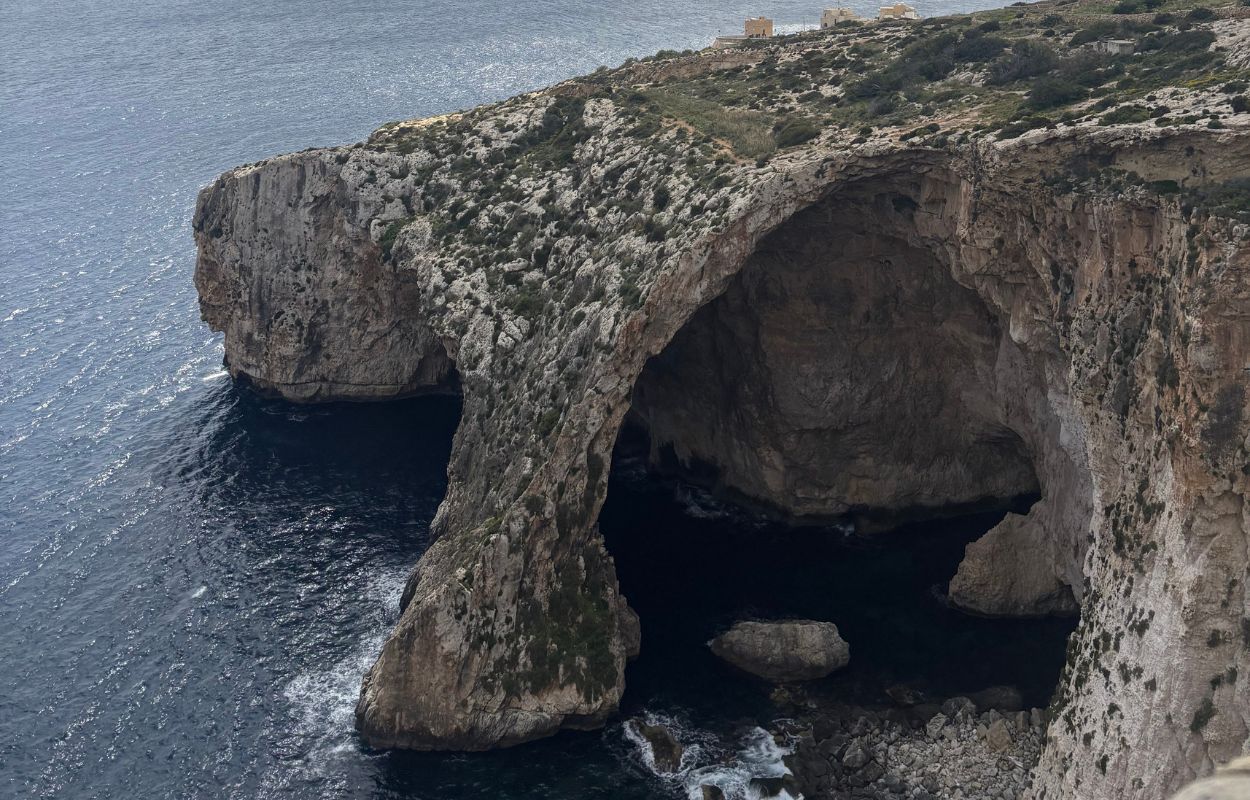
Renting a car also gives you much more flexibility. You can visit more remote places, such as the Dingli Cliffs, Popeye Village, and Mistra Bay.
A rental car is naturally more expensive than taking the bus. Even so, prices can be reasonable compared with many other European destinations. For reference, I paid around €250 for a small car for 12 days. Fuel was also relatively affordable during my trip. Overall, I found the cost reasonable, and renting a car worked very well for me.
Renting a Scooter or Quad Bike
If a car does not appeal to you, a scooter or quad bike can be a more adventurous alternative. It is a fun way to add a little adventure to your trip. Plus, you’ll avoid traffic jams and find parking more easily.
Scooters are better suited to Malta, while quads are better for Gozo. I went on a guided quad bike tour in Gozo, and it was great! Scooters allow you to weave through even the narrowest streets. Quads are more robust and perfect for dirt roads and enjoying the scenery in Gozo, where there is less traffic.
Note that whether you want to rent a scooter or a quad, you will need to show a valid driver’s license. You may be asked for a motorcycle license for some of the more powerful scooters.
Renting a scooter is a little cheaper than renting a small car. Generally, expect to pay between €25 and €45 per day. Even on two wheels, you must drive on the left. Fortunately, it becomes more natural quite quickly.
One more thing: Maltese people have their own way of driving. For example, they rarely use their turn signals, and when they do, they leave them on for a long time. So, it’s best not to rely on them!

Renting a Bicycle
For a more environmentally friendly way to explore Malta, consider cycling. It lets you enjoy the scenery at your own pace while remaining independent.
That said, Malta is not especially bike-friendly in every area. Dedicated bike lanes remain limited, particularly in towns and along many coastal roads.
The streets in town are narrow and not designed for bikes. Personally, I wouldn’t feel comfortable riding there. On the coastal roads, people drive faster, though they rarely exceed 80 km/h since it’s an island. In this case, too, I wouldn’t feel comfortable.
On the other hand, it must be nice to bike along the seafront promenades in Mellieha, Saint Paul’s Bay, and Sliema. I also saw quite a few cyclists in Gozo. It must be said that everything is quieter in Gozo. Although there are still no bike lanes, there are fewer cars, which makes cycling much more feasible and comfortable.
Because of the hills, electric bikes are often the most practical choice, although standard bicycles are also available from some rental companies. Renting a bike is much cheaper than renting a scooter, quad bike, or car. It usually costs around €10 to €15 per day.
I recommend cycling for leisurely rides. However, if you’re tempted to try it, remember to avoid the hottest times of day, especially in the summer, as it can quickly become difficult!

Exploring Malta on Foot
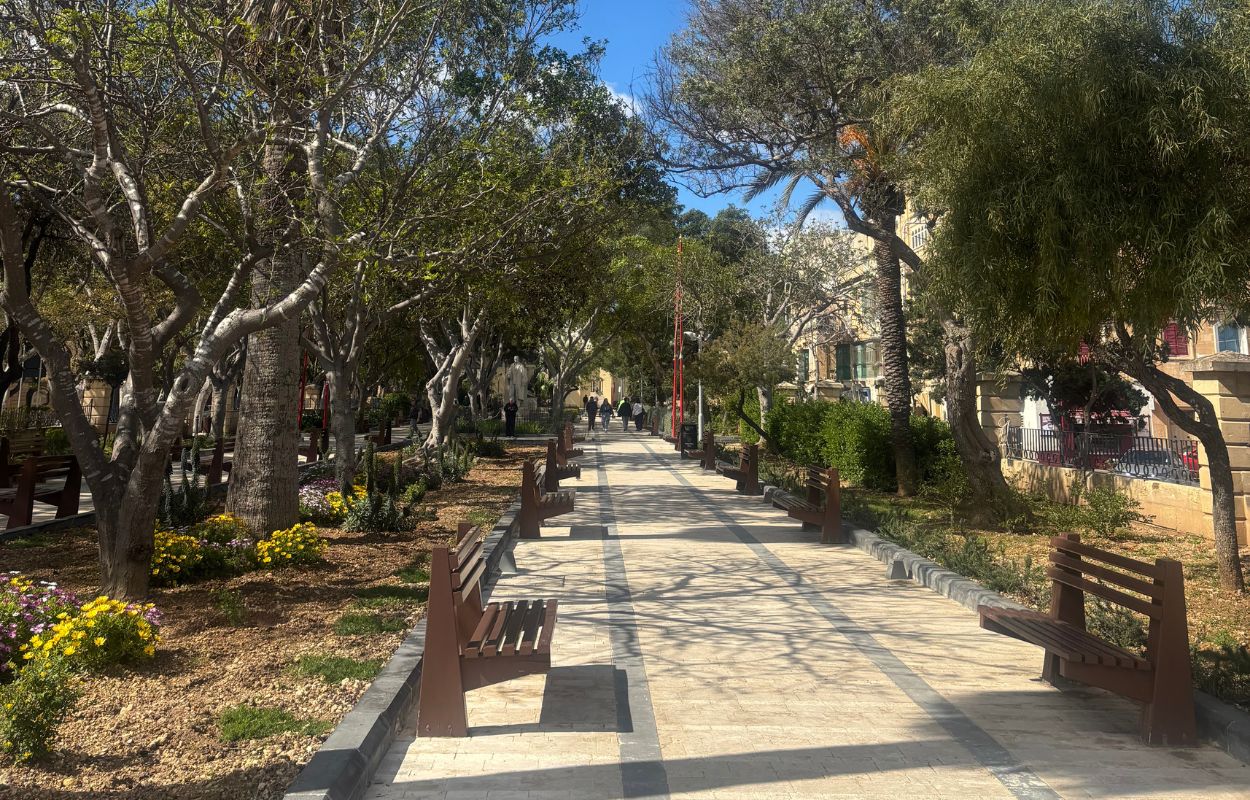
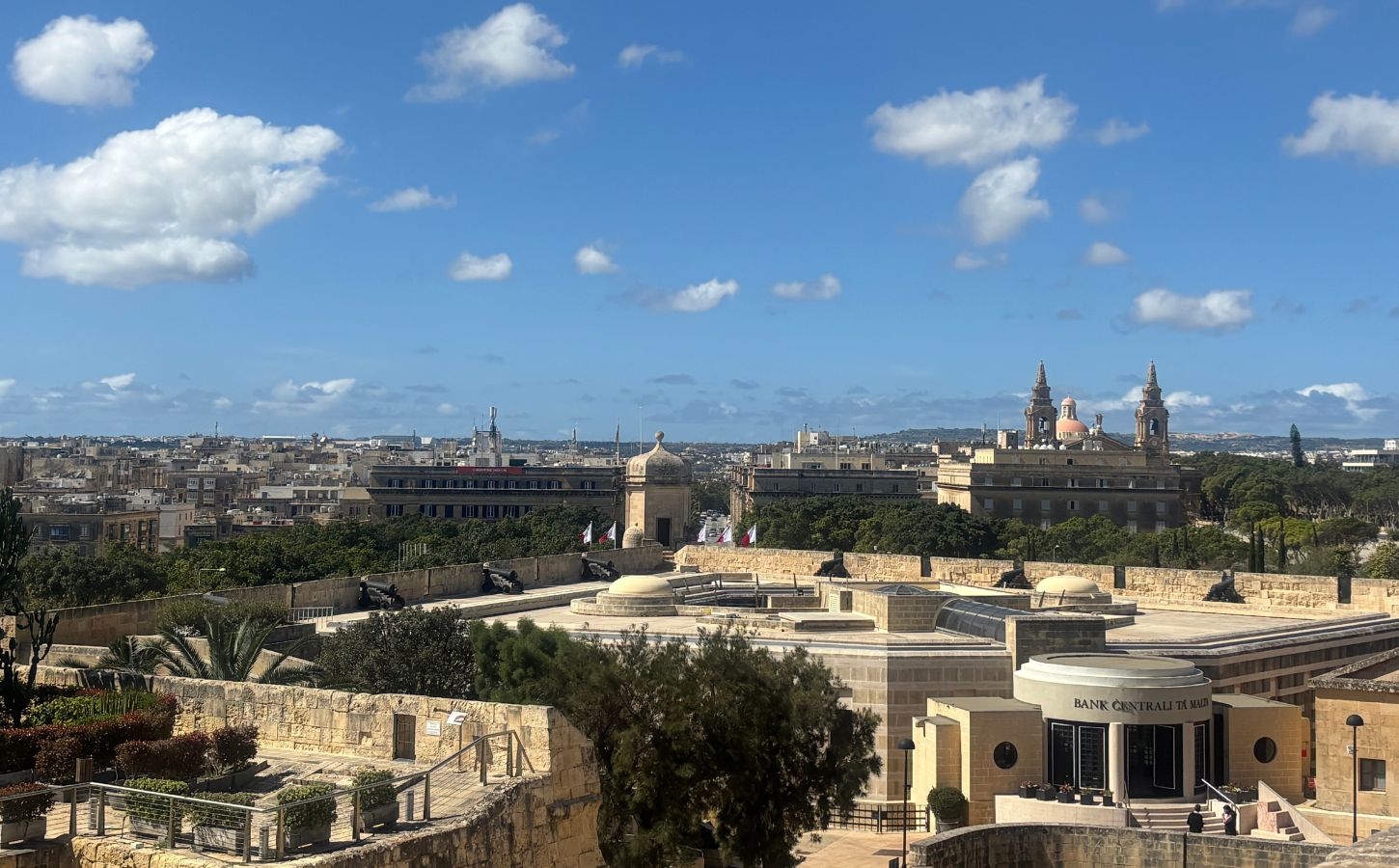
Although Malta is a small island, you cannot explore all of it on foot. However, for some towns, walking is definitely the best way to get around. This is especially true in Valletta, Mdina, and the Three Cities. They are small, the streets are narrow, and you can really soak up the atmosphere of each town. In fact, I love doing this, especially in Mdina. The buildings have high walls, and it’s quiet — hence its name, the Silent City.
Apart from the towns, there are more natural and coastal areas to explore, such as the Dingli Cliffs and the Ghadira Nature Reserve. These areas are ideal for scenic coastal walks. Some routes have few or no sidewalks, so you may need to walk beside the road even where traffic is light. I recommend planning your routes carefully! Personally, there were some places where I had to walk the last part of the journey, and it was really nice. I could take my time and enjoy the atmosphere.
Walking is almost essential for enjoying Malta’s historic towns and more remote areas. I think walking should be seen as a complementary means of transport. For me, it was an addition to the car, but it could also be an addition to the bus, scooter, quad bike, and so on.
Getting Around by Taxi, Bolt, Uber, or eCabs
As in other places, Malta has traditional taxis, which are often more expensive than ride-hailing services. This is why many travellers prefer to use apps such as Bolt, Uber and eCabs. Uber, Bolt, and the local eCabs service all operate in Malta.
Personally, I’ve mostly seen Bolt on the island and even in Gozo. They can easily take you to all the must-see places, even the most isolated ones. In any case, download one of these apps to compare prices for the same route. Bear in mind that prices on these apps vary depending on demand at the time you want to travel.
In my experience, these services were reasonably priced and very useful. Depending on the season and demand, you can use a private hire vehicle for several trips, which is more comfortable than travelling by bus.
In conclusion, if you want to save time and travel comfortably on certain journeys, private hire vehicles are a good way to get around Malta.
Traditional Maltese Harbor Boats
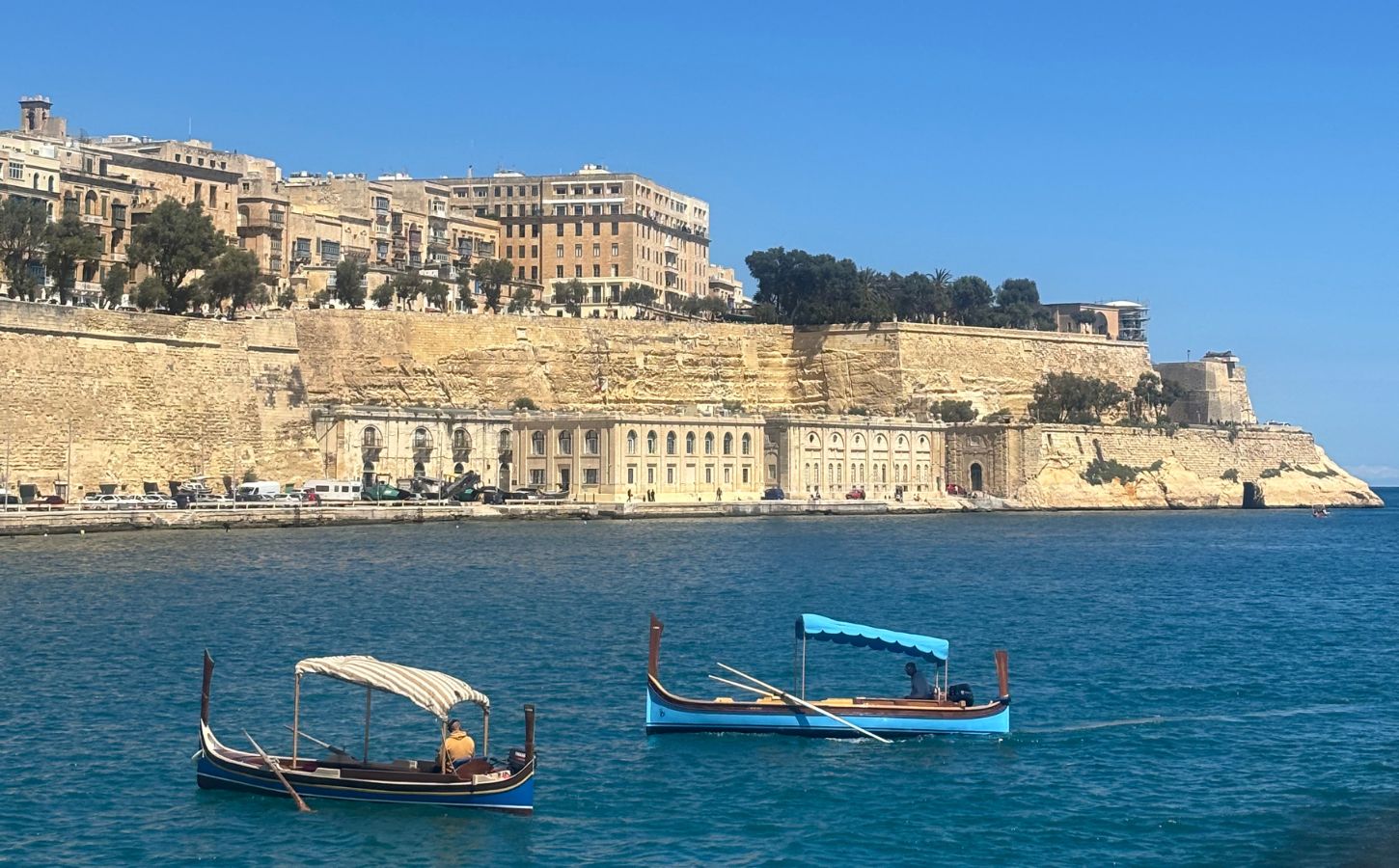
Malta’s traditional harbor boats are as recognizable as its cliffs and historic fortifications. These small, colorful boats operate between Valletta and the Three Cities. Traditionally, luzzu boats were used for fishing, while the smaller dgħajsa is commonly used as a harbor taxi. Today, traditional dgħajjes carry passengers across Grand Harbour or offer short cruises around the capital’s waterfront.
I took the ferry between the capital and the Three Cities. It was quick and easy, and I was able to take some beautiful photos. However, I only saw the traditional gondolas at the last minute and would have loved to take a ride on one. I should also mention that it was windy and the sea was rough on the day I was there. In my opinion, it was quite a bumpy ride!
However, I think it’s an experience that can only be had in Malta! Moreover, these boats are driven by locals who perpetuate the Maltese tradition. Prices vary by operator, so confirm the fare before boarding.
If you want to get off the beaten track and enjoy an authentic experience, I’d recommend going for a luzzu. If you go to Grand Harbour at the end of the day, the colours of the boats will stand out even more against the sunset!
Traveling Between the Islands of the Maltese Archipelago
This section should be of interest to anyone who wants to visit Gozo and Comino, the other two main islands in the archipelago. Although they are separate islands, they are not far apart. As you’ll see, reaching them is generally straightforward and affordable.
How to Get to Gozo
Let’s start with Gozo, Malta’s sister island. To get there, there are several options. Here are the first two:
- By ferry from Ċirkewwa: this is usually the simplest option, especially if you are traveling with a vehicle. To give you an idea, Cirkewwa is at the very north of the island of Malta, just opposite Gozo. The terminal is well signposted and easy to navigate. This ferry accepts passengers and vehicles: cars, motorcycles, bicycles. You’ll have to take this one if you have a vehicle. In terms of timing, the crossing is quite short. The crossing to Mġarr in Gozo takes around 25 minutes. The current standard fare is €4.65 per passenger and €15.70 for a car plus driver. Standard tickets can now be purchased online or at the terminal, although the service does not operate as a reserved-seat system. Boarding is generally first come, first served, so at busy times you may need to wait for the next sailing. Tickets are normally validated at the Mġarr terminal in Gozo, including for passengers who began their journey in Malta. Personally, at the time I didn’t know this, so I wasn’t entirely comfortable on the outbound trip. But once I found out, I was able to enjoy my journey more peacefully, haha.
- By ferry from Valletta: the fast ferry is a convenient option for foot passengers. The capital remains the island’s epicenter, and most travelers stay in or around the city itself. This also means there are fewer people on the other ferry. However, this one only accepts foot passengers. The crossing takes a bit longer: 45 minutes. The standard adult fare is currently €7.50 one way.
So, those are the two main options, but there are others. Here they are:
- On a guided tour: several operators offer pre-arranged trips to Gozo. They take care of everything! Often, they pick you up directly at or near your accommodation. They then take you to Gozo, or even to Comino, for a tour of the island and its highlights. This removes much of the planning, leaving you free to enjoy the day.
- By water taxi: from Valletta and Sliema, especially in summer, you’ll find water taxis that make regular round trips between the two islands. It’s a great option, as it allows you not to depend on ferry schedules and to enjoy a more intimate journey.
For more information, know that we’ve written a comprehensive article on the subject: how to get to Gozo.
How to Get to Comino
As Comino is situated between Gozo and Malta, you can easily get there from both islands.
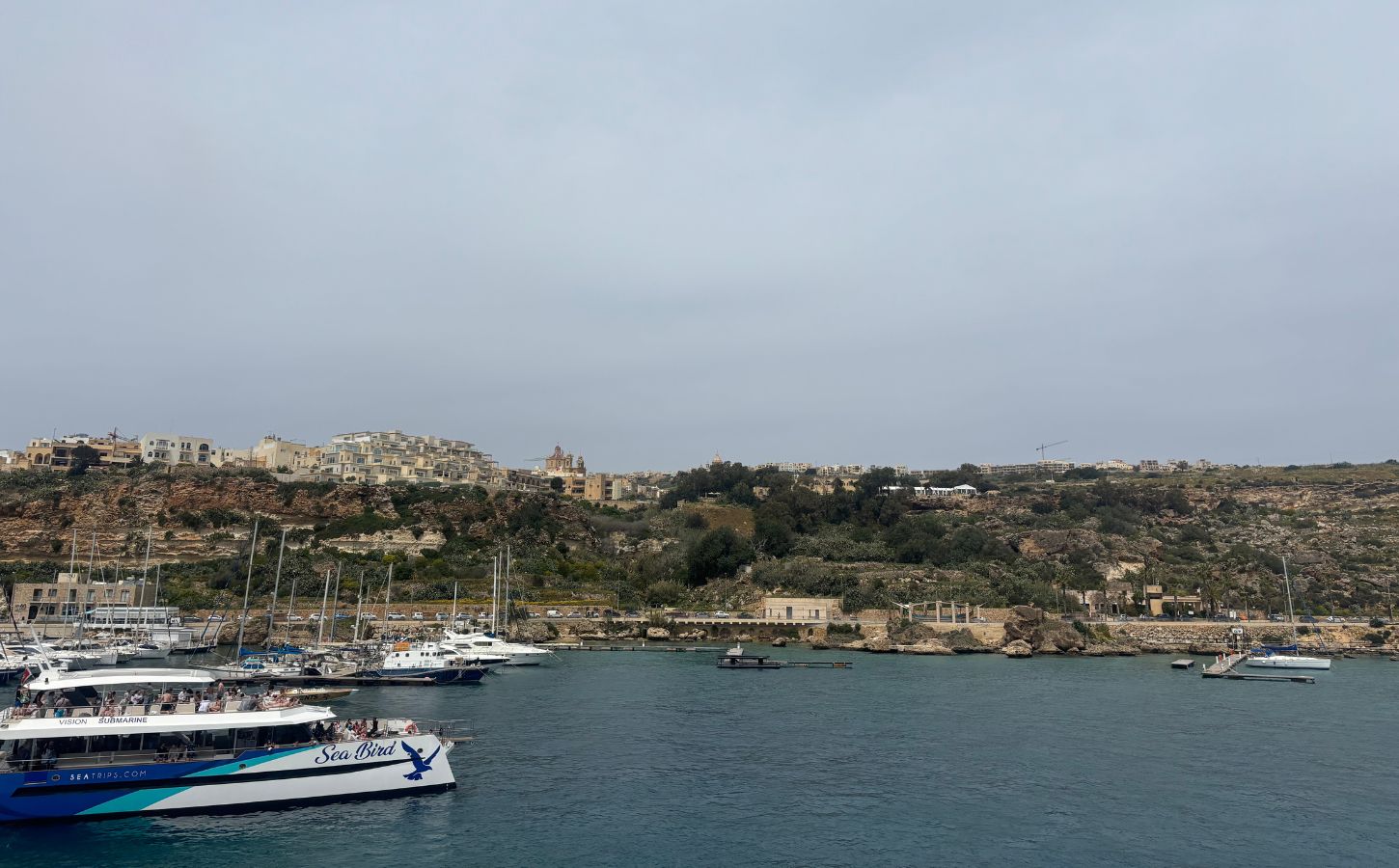
From Malta, by ferry: head north of the island to Ċirkewwa or Marfa Bay. Right next to the large ferry for Gozo, there is a dock on the right for all departures to Comino. These are smaller boats, with frequency varying by season and operator.
For Comino, in addition to excursions, you can explore the island via:
- Ferry from Malta: you can take ferries from the very north of Malta, from Ċirkewwa or Marfa Bay. Departures are generally more frequent in high season, but schedules vary by operator. Once on board, it takes 25 minutes to arrive at Comino, since you are dropped off at the north of the island, at the famous Blue Lagoon. Expect round-trip prices to vary by operator and season.
- Ferry from Gozo: if you’re coming from Gozo to Comino, the crossing is much shorter! It lasts just 15 minutes. There are three operators making the crossing, two of which offer the option to visit the caves as well. Prices vary depending on the operator and whether a cave tour is included. Most services arrive near the Blue Lagoon.
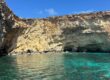
- Boat trip to the Blue Lagoon: this is what I chose to do and I highly recommend it! I did it as a half-day trip, opting for a Comino + Gozo combo. It was a way to combine transportation and exploration, visiting several of Comino’s unmissable spots: Crystal Lagoon, Blue Lagoon, Santa Marija Bay, and more!
You now have a clear overview of how to get around Malta. For a small archipelago, Malta offers a surprisingly wide range of transportation options. The network continues to evolve, particularly on the main island.
The best choice will depend on your Malta itinerary, budget, and travel style.
See you soon for more tips on Malta!

Written by Laura CALLES
Thanks to Mélanie and Sylvain, I had the chance to explore the beautiful Maltese archipelago and share all the beauty of its islands with you. A little piece of paradise not to be missed!
Thanks to you, our readers, our blog can continue to grow. This page may contain affiliate links, which means we may earn a commission if you make a purchase through them, at no extra cost to you. This helps us keep offering you more and support our work!
Despite our vigilance, an error may have slipped into this article. If you spot one, please let us know so we can correct it and keep our information up to date!