How Much Does It Cost to Travel to Malta? Activities, Accommodation, Meals, and Transportation
Last update: 06/22/2026
Our blog continues to grow thanks to you, our readers. This post may contain affiliate links, which means we can earn a small commission if you make a purchase through them, at no extra cost to you. This helps us to continue to bring you more and support our work!
Hello again! I’m back with another article to help you plan your trip to Malta. This time, we’re getting into the practical side of things, since several of you have asked: how much does it cost to travel to Malta? It is an important question when you start planning a Malta vacation. Either way, I can assure you that once you arrive, there is plenty to enjoy: sandy beaches, crystal-clear waters, fortified towns with golden stone buildings, historical and cultural sites, and much more! I recommend checking out our article on things to do in Malta. It covers the main highlights of the Maltese archipelago.
When it comes to budget, everything depends on the type of trip you have in mind. That said, Malta can still be a relatively affordable European destination. That is already a good start! You should also factor in the length of your stay and whether you plan to visit the neighboring islands of Gozo and Comino, which I highly recommend.
Don’t worry—the goal is to make things easier and give you a realistic idea of your Malta travel budget. I’ll share average budget ranges based on the length of your stay. These will not be exact budgets down to the last euro. However, I can give you useful figures for essential costs, such as ferry prices between Malta and Gozo. Keep in mind that prices vary depending on the season. In high season, accommodation can easily cost twice as much as in the low season.
How Much Does a Trip to Malta Cost?
Flight Costs to Malta
I may be repeating myself, but Malta remains one of Europe’s easier destinations to reach. If you book at the right time, you can often get there without spending too much. Flights to Malta can be reasonably priced when booked in advance. There are also direct flights from several major French cities, including Paris, Marseille, Lyon, Nantes, and Toulouse.
Direct flights are also available from Switzerland and Belgium. For such a short route, flying direct is much more comfortable. As a general estimate, a round-trip ticket booked in advance can cost around €40 to €100 in the low season. During summer or school holidays, expect more like €150 to €250, especially if you travel on a Saturday or Sunday. As always, booking early usually gives you a better chance of finding good prices.
Many of these routes are operated by low-cost airlines such as Ryanair, so cabin bags and checked luggage often cost extra. That is part of the low-cost model. easyJet also operates direct flights to Malta International Airport in Luqa.
I recommend comparing airlines and travel dates to find the best fares. For more information on the best times to visit Malta without breaking the bank, check out our dedicated article.
How Much Does Transportation Cost in Malta? Bus, Car, Taxi, and Ferry
Once you arrive in Malta, you have several ways to get around the main island and the wider archipelago. First, you can rent a car if you want full flexibility. That is what I did through the Discover Cars rental comparison site. I entered my dates and criteria, then compared the available options.

By the way, I recommend renting a small car to get around Malta. It is more than enough, and it makes driving easier because some roads are narrow. If possible, choose an automatic car, especially if you are not used to driving on the left. For reference, we paid around €200 for 12 days in a small automatic car. Compared with many other destinations, Malta felt fairly affordable for car rental. A car also lets you reach more places, including some of the more unspoiled spots. You can even take it to Gozo. I found it especially useful on Gozo, where some beautiful places are harder to reach without your own vehicle.
If you do not want to rent a car, the main island has a well-developed bus network. As of 2026, a standard onboard ticket costs €2 in winter and €2.50 in summer. If you plan to take the bus often, look into the current Tallinja visitor passes. They can be cheaper than buying individual tickets for every journey. The pass options and prices have changed over time, so check the official Malta Public Transport website before you travel.
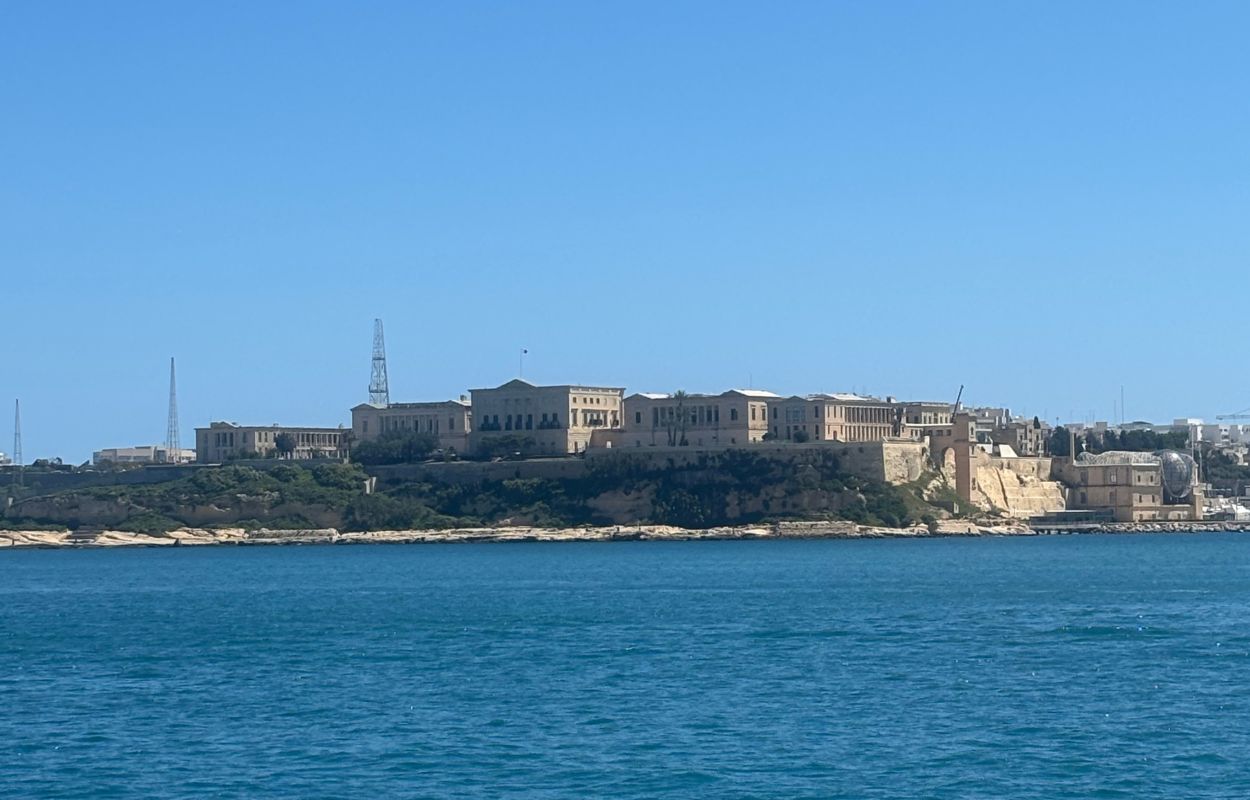
For a more comfortable journey, you can take a taxi or use ride-hailing apps such as Bolt. Bolt is often cheaper than a traditional taxi, although prices vary depending on demand. To visit the other islands in the archipelago, you will need to travel by ferry or boat.
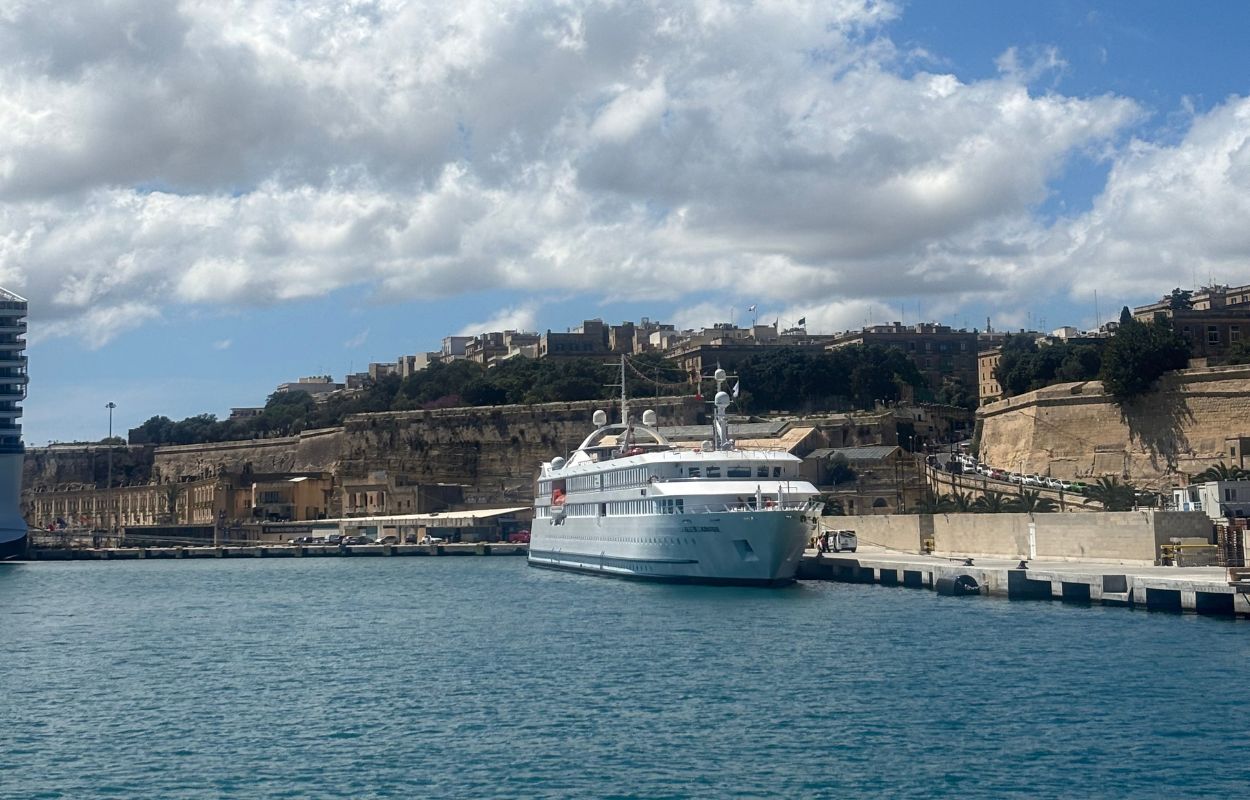
To reach Gozo, there are two main ferry options from Malta. The first departs from Ċirkewwa and allows vehicles on board. The current standard fare is €4.65 for a passenger and €15.70 for a car plus driver. I took this ferry to reach Gozo. It was simple and quick. Another option is the fast ferry from Valletta, which may be more convenient depending on where you are staying. This service is for foot passengers only. The standard adult fare is currently €7.50 one way from Valletta. We have also written a full article with all the information you need about getting to Gozo.
For information on the best times to travel on a budget, read our article on the best time to visit Malta.
Budget for Traveling Around Malta’s Islands
Getting Around Gozo
Now let’s move on to Gozo, Malta’s smaller sister island. It is easy to explore, but having the right transportation still helps. There are several ways to get around Gozo. The most economical option is the bus. The network connects the main villages and tourist spots, including Ramla Bay, Dwejra Bay, and Xlendi Bay. Most routes connect through the capital, Victoria. Bus fares follow the same national fare structure as on Malta’s main island. It is a feasible option, although some routes are not especially frequent, so patience helps.
For more freedom, you can rent a scooter or a car. This is the best way to reach more isolated places such as Mġarr ix-Xini and Wied il-Għasri. As mentioned above, I rented a car at Malta Airport, drove around the main island, took the ferry, and explored Gozo with complete freedom. You can expect to pay between €30 and €50 for a small rental car and slightly less for a scooter. That said, I would not choose a scooter for every route. Some roads are bumpy, poorly paved, or closer to dirt tracks.
For a more adventurous option, you can rent a quad bike. They are very popular on the island, and it is easy to see why. They make it easier to reach places such as San Blas Bay. This small cove has a steep descent that you can either walk down—if you feel up to it—or reach by quad.
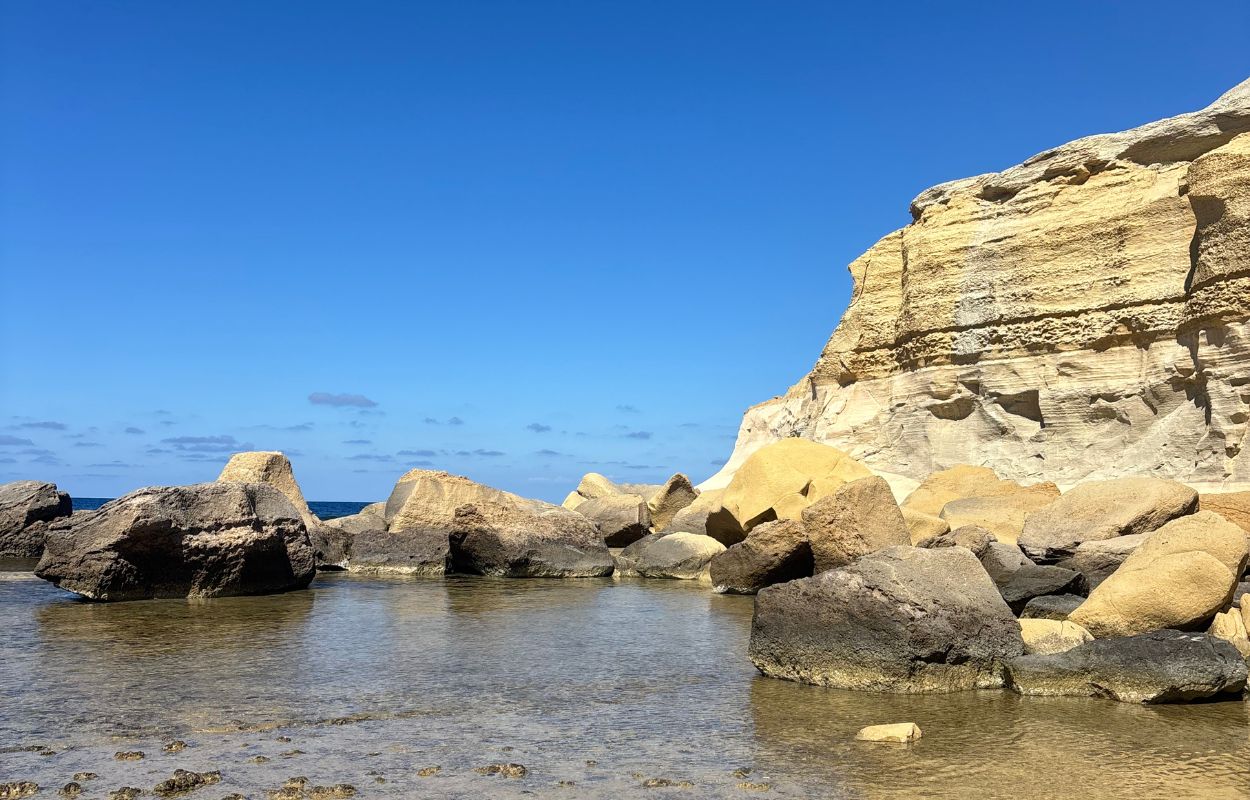
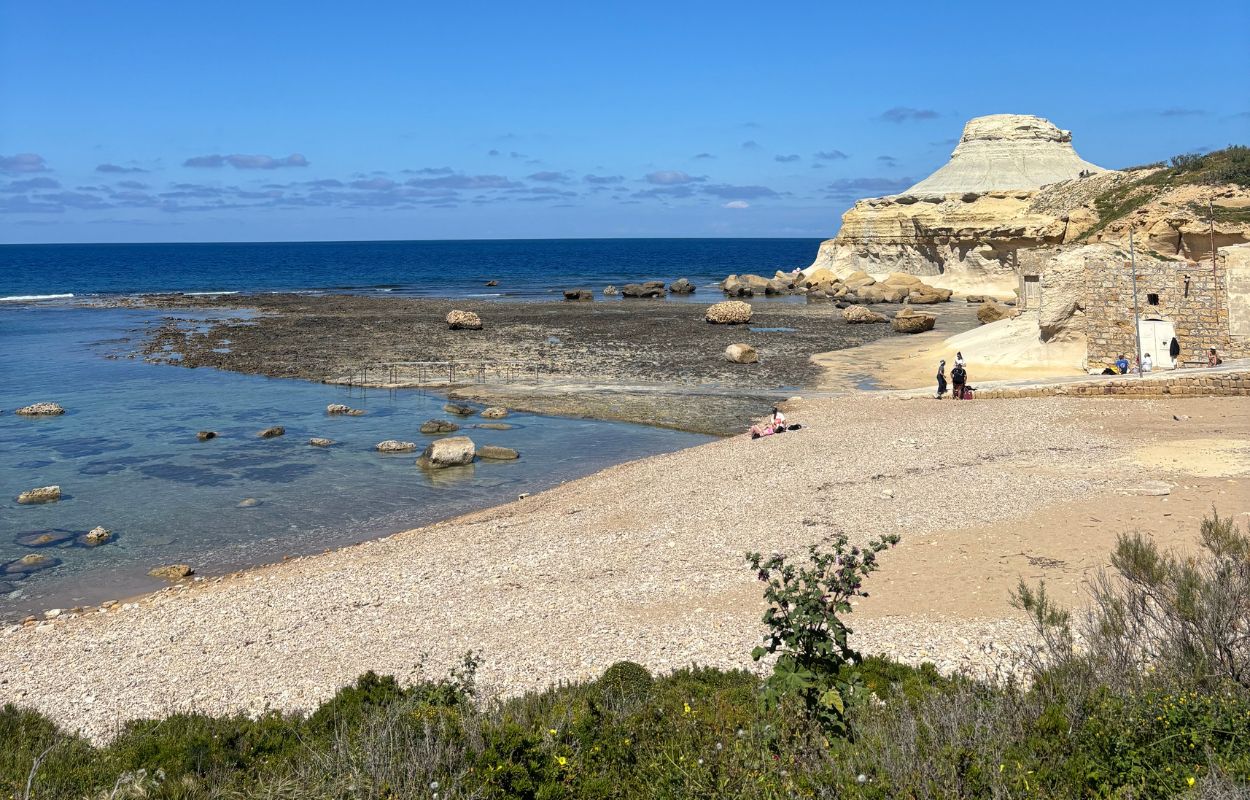
If you prefer to be guided, organized excursions by jeep, quad, or tuk-tuk are a practical way to see Gozo’s highlights. Personally, I tried a guided quad biking tour in Gozo, and I really enjoyed it.
One more thing: even with a rental car, I often parked in the nearest village and walked the final stretch to reach more hidden spots. It gives you time to slow down and appreciate the island from a different perspective.
In short, even though Gozo is small and still fairly wild in places, you have plenty of ways to get around.
Visiting Comino
To reach Comino and its famous Blue Lagoon, you need to travel by sea. Small shuttle boats usually operate between Ċirkewwa or Marfa and Comino. In high season, departures are generally frequent, though schedules vary by operator. A standard adult round-trip fare from Malta is currently advertised at around €15. The crossing is short, usually around 15 to 20 minutes. Most services arrive near the Blue Lagoon.
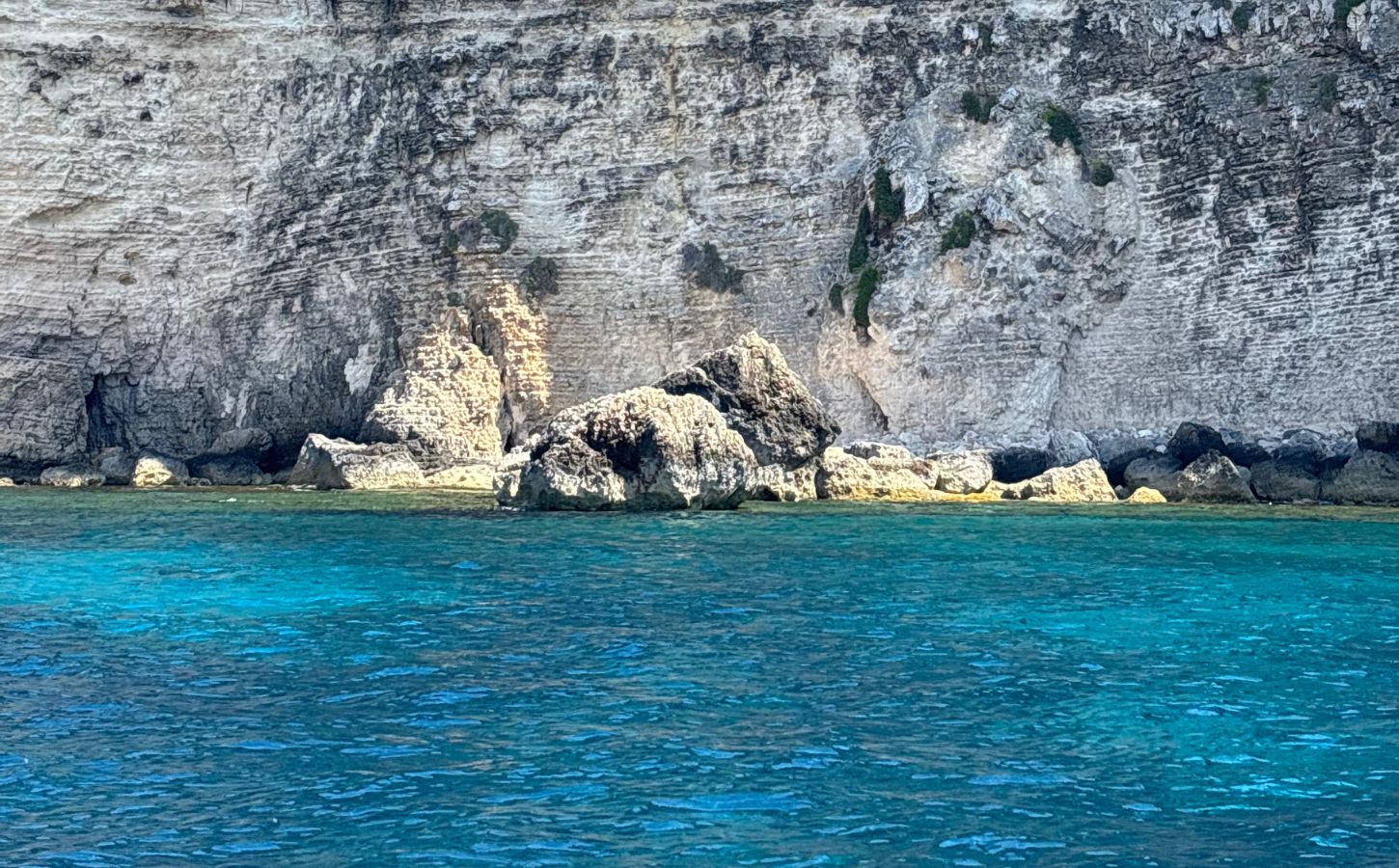
Alternatively, you can choose organized excursions that combine Comino and Gozo on a full-day tour or a half-day tour. I took a cruise around both islands: I really enjoyed it, and came away with memories of the different shades of blue in my mind! As you might expect, this is more expensive: prices often range from around €30 to €70, depending on what is included. The advantage is that you can visit several beautiful spots, with swim stops, snorkeling, and sometimes drinks included.
One last tip: since 2025, visitors who want to step ashore at the Blue Lagoon must hold a valid free time-slot booking unless their authorized ferry or tour ticket already includes access under the official system. In high season, I also recommend going early in the morning to avoid the busiest crowds.
For everything you need to know about getting around Malta, I recommend reading our article on the subject!
Accommodation Budget in Malta
Now that we’ve covered transportation, let’s move on to accommodation, which often takes up a large share of the travel budget. Once again, Malta offers options ranging from budget-friendly stays to more luxurious hotels. Budget travelers can look for hostels or simple hotel rooms, sometimes from around €30 to €40 per night in the low season. Mid-range hotels may start around €50 per night in quieter periods, sometimes with breakfast included. If you want something more upscale, with a pool or spa, prices can easily start around €200 to €250 per night.
Keep in mind that prices vary greatly by season. In summer or during school holidays, they can easily double. It is worth keeping this in mind when choosing your dates. If you can travel in April, May, September, or October, you can often save money while still enjoying pleasant Mediterranean weather.
To find the best accommodation in Malta, I recommend reading our dedicated article.
Activities and Leisure Budget
Malta is a destination where you can easily combine free and paid activities. Many paid activities remain reasonably priced.
Free Activities
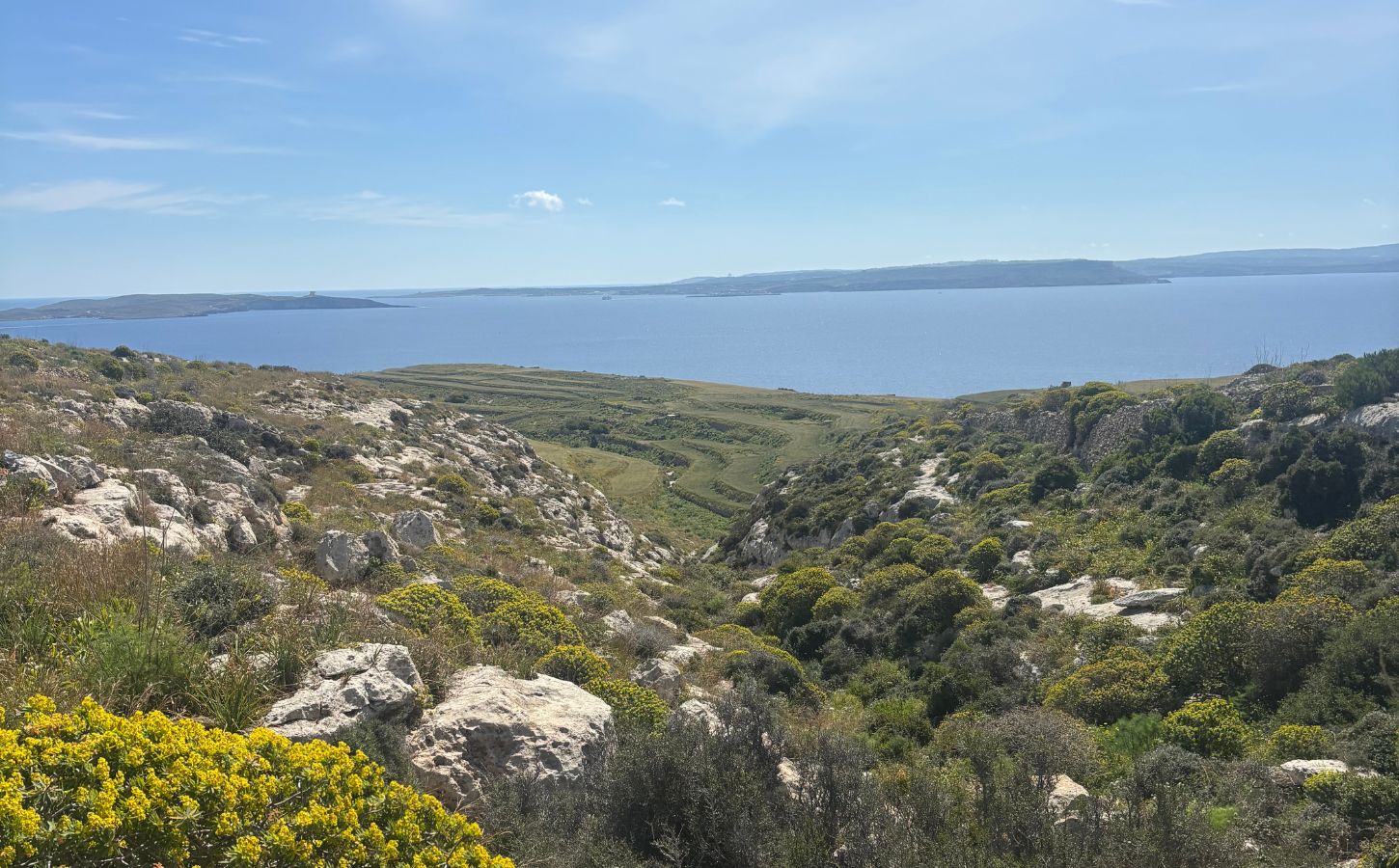
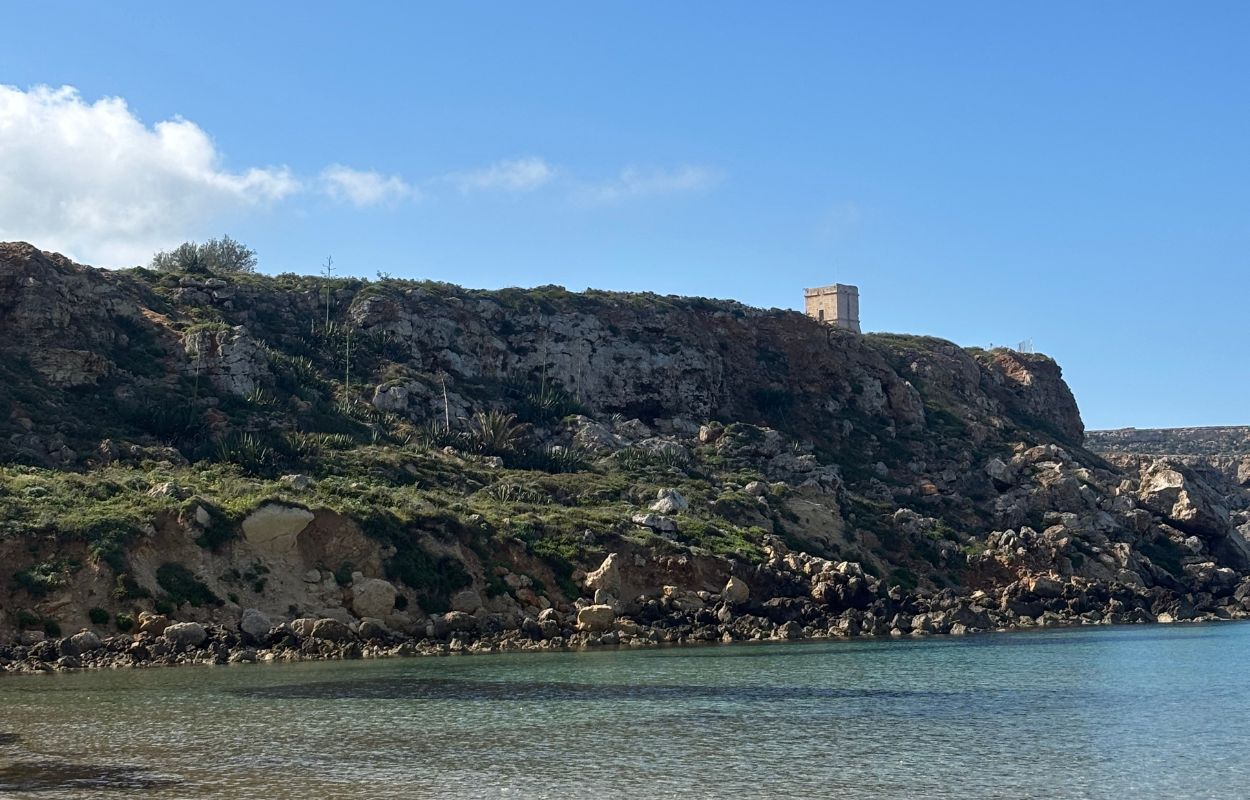
The good news is that Malta offers plenty of things to do without spending a euro. You can stroll through Valletta’s famous narrow streets, wander through Mdina and its fortifications, enjoy panoramic views from the Upper Barrakka Gardens, and visit beaches such as Golden Bay, Mellieħa Bay, Paradise Bay and Anchor Bay. In short, you can enjoy beautiful landscapes, historic sites, and relaxing moments without stretching your budget.

Paid Activities
As mentioned, many paid activities remain accessible. For many cultural visits and museums, such as palaces, forts, and archaeological sites, adult tickets often fall roughly between €10 and €20 depending on the site.
For water activities:
- Boat excursion to the Blue Lagoon: expect between €30 and €70
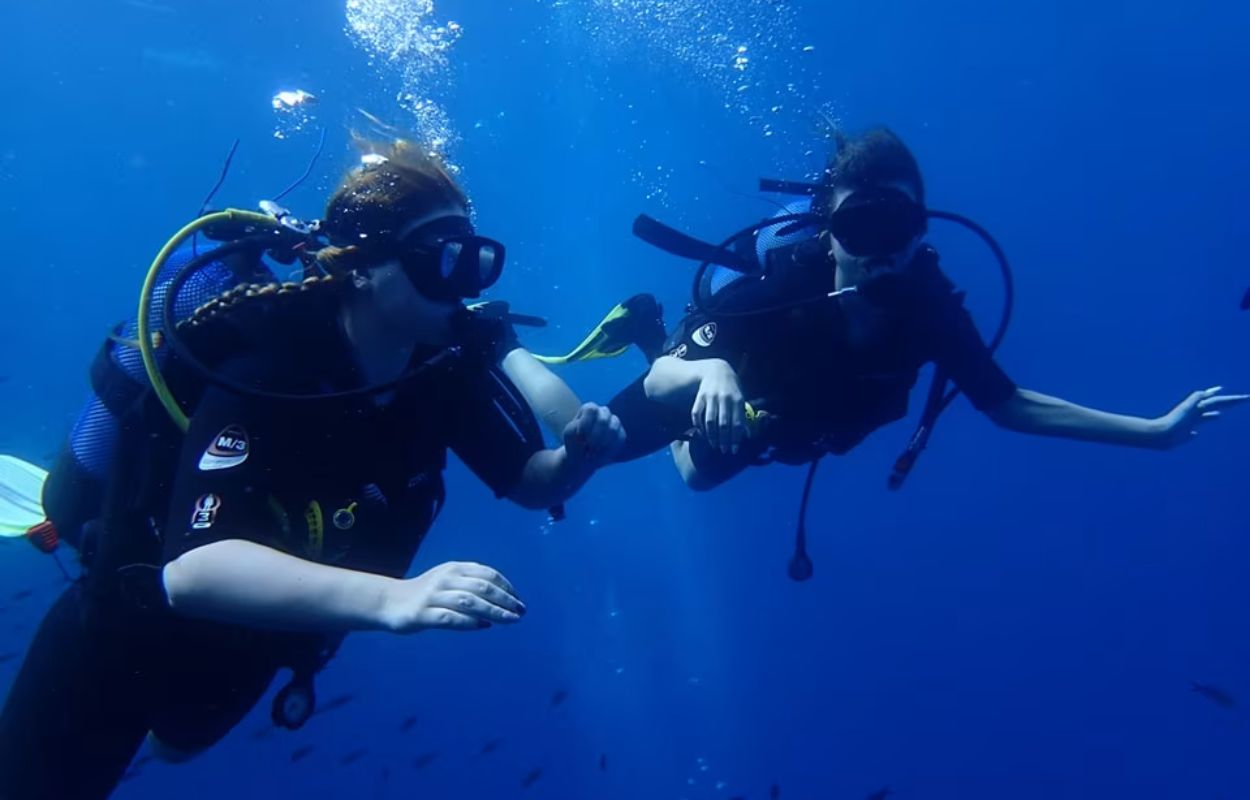
- Introductory scuba dive: from €50; for a full session, around €65
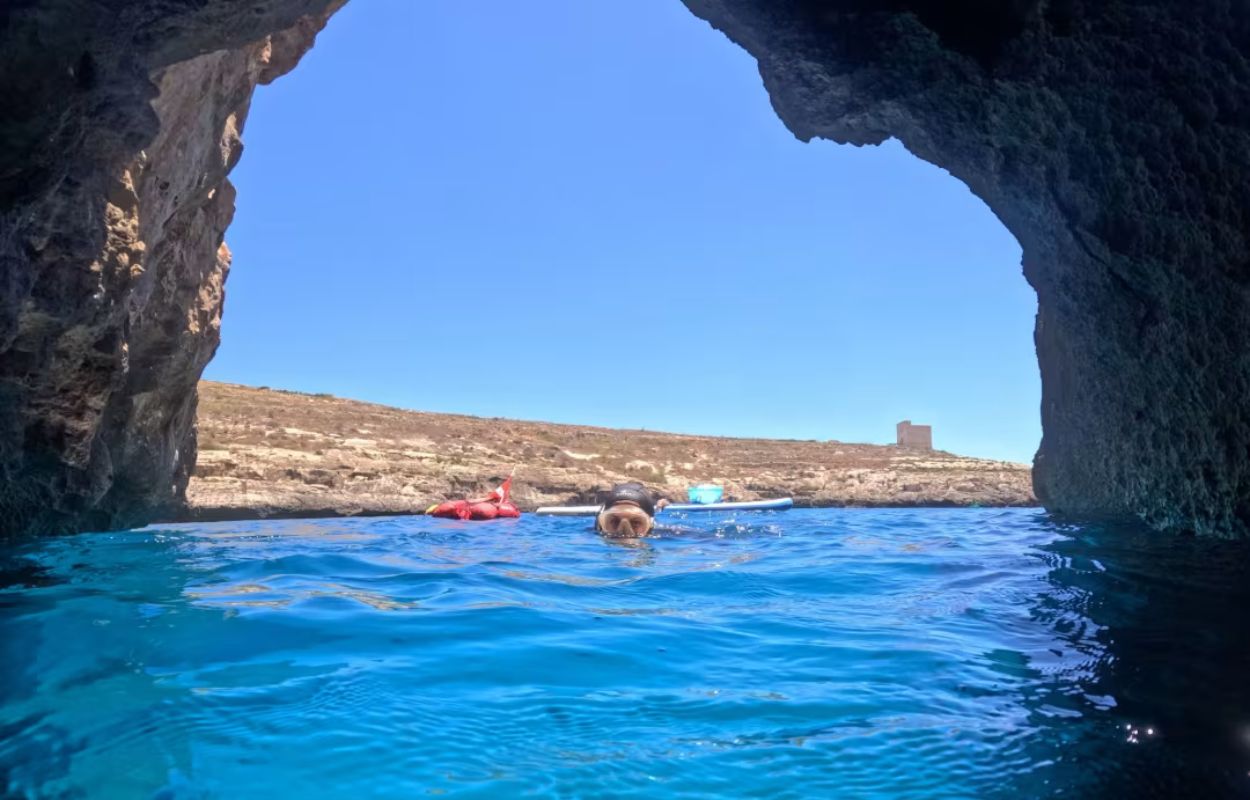
- Guided snorkeling trip: approximately €35 on average
Of course, private outings require a different budget. If you are traveling as a group, though, splitting the cost can make them more reasonable. For example, a private boat trip can cost several hundred euros, depending on the route, duration, boat, and season.
To go on a guided quad tour in Malta or Gozo:
- Single rider: around €100–120
- Rider + passenger: €190
- Two passengers: just over €200
It is one of the pricier outings, but I found the experience worthwhile. I would recommend doing it in Gozo, where the island is smaller, quieter, and better suited to this kind of activity.
Food Budget
Food-wise, Malta has plenty of Italian restaurants, along with Maltese, Indian, Mediterranean, Turkish, and other options. For a quick bite or snack, try pastizzi or ftira, which usually cost only a few euros. It is also a great way to try local specialties.
A main course and a drink in a good casual restaurant will often cost around €15 to €25. Portions can be generous too—I often struggled to finish mine. For a restaurant with a sea view, expect more like €25 to €35 per person, especially if you order fish or seafood. Based on the places I tried, the setting and quality often made it feel worthwhile. For a more upscale restaurant, expect to pay €50 or more per person.
If you plan to grocery shop, you’ll find supermarkets such as Lidl, Greens, and Tower Supermarket. Prices felt broadly similar to France during my trip, with some items cheaper than others. Whether you prefer eating out, cooking, or mixing both, you can adapt your food budget fairly easily.
How Much Should You Budget for a Stay in Malta?
Budget for 3 Days in Malta
For a three-day long weekend, Malta can be quite affordable. Here is a rough idea depending on your travel style:
- Budget travelers: between €300 and €450 (budget accommodation, simple meals like snacks or grocery shopping, few paid activities).
- Mid-range travelers: between €450 and €650 (more comfortable lodging with breakfast included, a few nice restaurants, one or two paid outings).
- Higher budgets: between €700 and €1,000 (luxury hotels, paid and private activities).
It is a lovely destination for a change of scenery over three days without necessarily spending too much.
Budget for 1 Week in Malta
To give you a more concrete idea, here is a rough budget breakdown for a one-week trip to Malta aimed at budget-conscious travelers:
- Round-trip flight (from France): around €80–€200, depending on the season and how early you book
- Car rental (7 days): around €250 in total
- Fuel: expect around €80–€100 for a full week
- Accommodation: you can find affordable lodging around €45–€70 per night, so about €360–€600 for the week
- Food: between restaurants, snacks, and supermarkets, plan about €20–€35 per day
- Island transfers and local transport: €40–€60 for visiting Gozo, Comino, and other spots
- Activities: with a few excursions or visits (e.g., snorkeling, museums, forts), around €100–€150
Total budget for budget-conscious travelers: around €700–€1,000 per person for one week.
For a mid-range budget with more comfortable accommodation and a few extra activities, expect around €1,000 to €1,600. For a more high-end trip with resort hotels, finer dining, and private excursions, the budget can quickly rise to €1,600 to €2,200.
Budget for 10 Days in Malta
Using the one-week budget as a baseline, here are rough estimates for a 10-day stay in Malta:
- Budget travelers: around €1,000–€1,300 on average (affordable accommodations, public transport, a few activities)
- Mid-range travelers: between €1,400 and €1,800 (comfortable lodging with good value, more restaurants, a few excursions)
- Higher budgets: between €2,000 and €2,800 (high-end hotels, varied activities, car rental, etc.)
I spent 12 days in Malta, and I can tell you that 10 days is enough to enjoy Malta, Gozo, and Comino without feeling too rushed.

Budget for 2 Weeks in Malta
For two weeks, here is what the budget can look like per person:
- Budget travelers: between €1,400 and €1,800 (limiting extras, with simple accommodations and a few activities)
- Mid-range travelers: between €1,800 and €2,500 (choosing mid-range lodging, some great restaurant picks, and more activities/excursions)
- Higher budgets: between €2,500 and €3,500 (with high-end hotels, restaurants with stunning settings, and private or guided excursions)
Of course, these are rough estimates, and the season can make a big difference. That is one of the biggest factors to include in your budget. Car rental and paid activities can also shift the total significantly. Still, these ranges should give you a clearer picture.
That brings us to the end of this article on how much to budget for a trip to Malta. Even though these are only ranges and estimates, I hope they give you a clearer idea of what to expect. Above all, remember that the season can have a major impact on your budget.
And most importantly, once you know your dates, I recommend booking early. It is easy to procrastinate or decide at the last minute, but booking ahead can really pay off.
To further help you plan your stay, our article on itineraries in Malta can help you choose the right length of stay.
See you soon for more Malta travel tips!

Written by Laura CALLES
Thanks to Mélanie and Sylvain, I had the chance to explore the beautiful Maltese archipelago and share all the beauty of its islands with you. A little piece of paradise not to be missed!
Thanks to you, our readers, our blog can continue to grow. This page may contain affiliate links, which means we may earn a commission if you make a purchase through them, at no extra cost to you. This helps us keep offering you more and support our work!
Despite our vigilance, an error may have slipped into this article. If you spot one, please let us know so we can correct it and keep our information up to date!