Ibo Island in Mozambique: heaven on earth
Last update: 06/11/2026
Our blog continues to grow thanks to you, our readers. This post may contain affiliate links, which means we can earn a small commission if you make a purchase through them, at no extra cost to you. This helps us to continue to bring you more and support our work!
Do you know Ibo Island in Mozambique, or Ilha do Ibo as it is officially called? No? It is located in the Quirimbas Archipelago! I spent a wonderful week there. What, where is that, the Quirimbas? And Mozambique? This is often the kind of conversation I used to have when talking about my week on this island, which never fails to impress anyone…
I had the opportunity to discover this place while I was living on the island of Mayotte. Around the same time, I also discovered one of Tanzania’s wonders: Serengeti National Park.
Ibo Island in Mozambique: a little bit of background...
At the time, I was living on the island of Mayotte, in the Indian Ocean, and the local airline Ewa Air had the good idea of opening new flight routes to Africa. Back then, two destinations were launched: Mozambique, to the city of Pemba in the northeast of the country, and Kenya, to Nairobi, the capital.
So there we were, with my partner, ready to discover a destination far off the beaten track!
Heading to Ibo Island in Mozambique
So, where exactly is Ibo Island in Mozambique? A little map, as any good geographer would do…

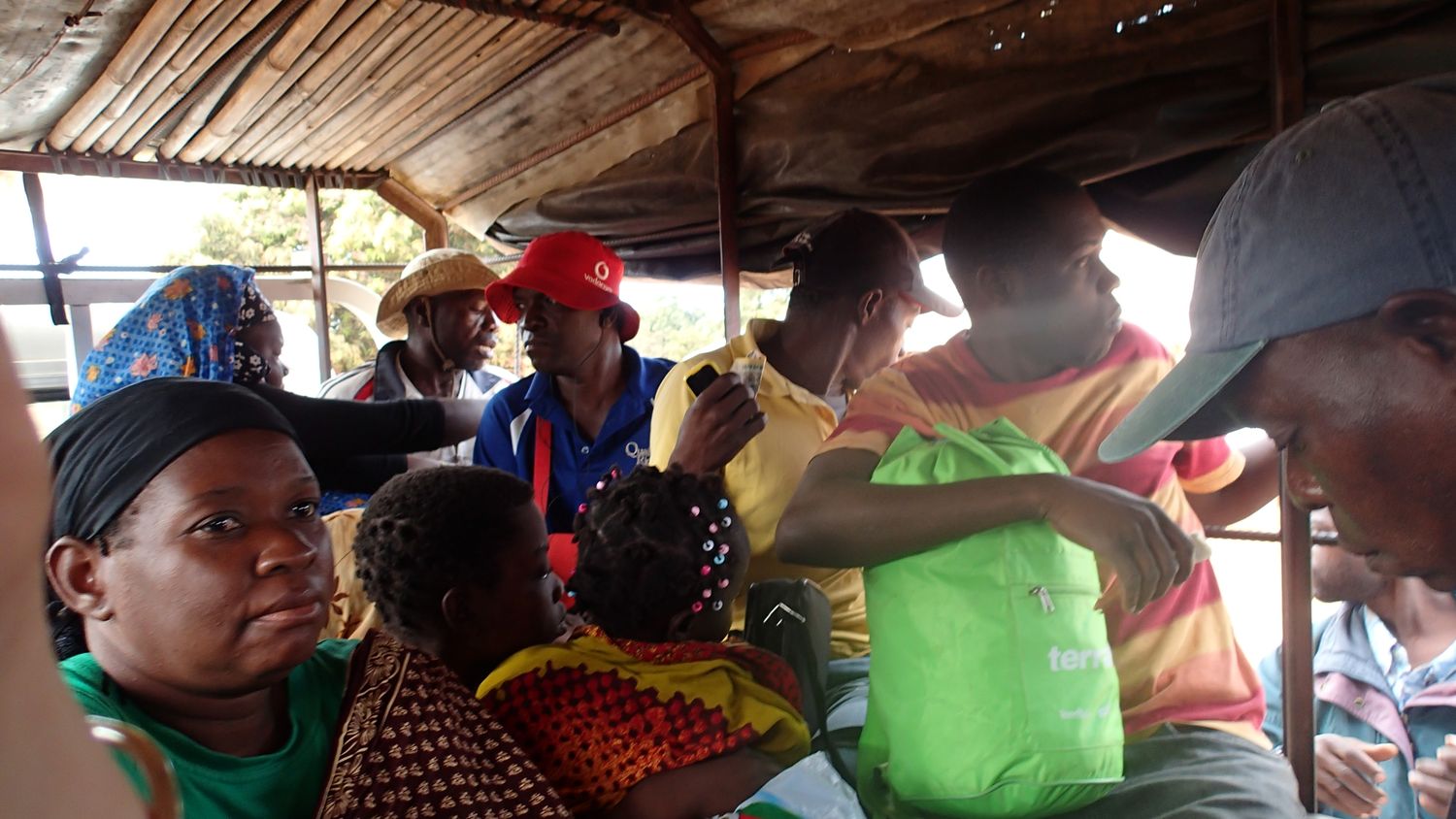
It takes about an hour by plane to reach the city of Pemba, in the northeast of the country. We spent one night in a rather shabby hotel in the city. At first glance, Pemba didn’t seem to have much charm, so the next morning we caught a local bus to get to Ibo Island.
The journey was long, more or less a full day, but we were immediately immersed in African daily life on the road: dusty dirt tracks, the feeling of stopping every 3 km, people everywhere, and we were the only tourists!

A week on Ibo Island, and absolutely no time to get bored!
The historical heritage of Ibo Island
Ibo Island does indeed have an extraordinary history. Without going into too much detail, the island was a trading hub for the Portuguese, Arabs and Indians for more than 500 years. Vasco da Gama is said to have stopped there in 1502!
The first things you notice when arriving on the island are the imposing old colonial buildings from the Portuguese era. It is really worth walking around the island to appreciate all these old buildings.
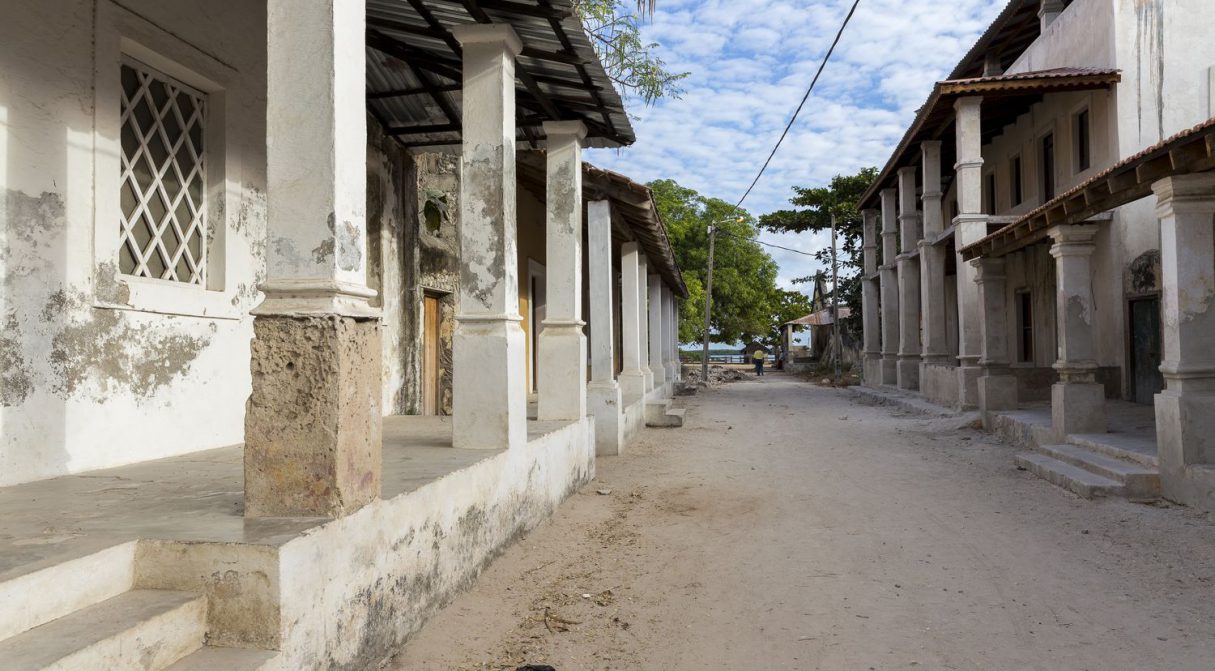
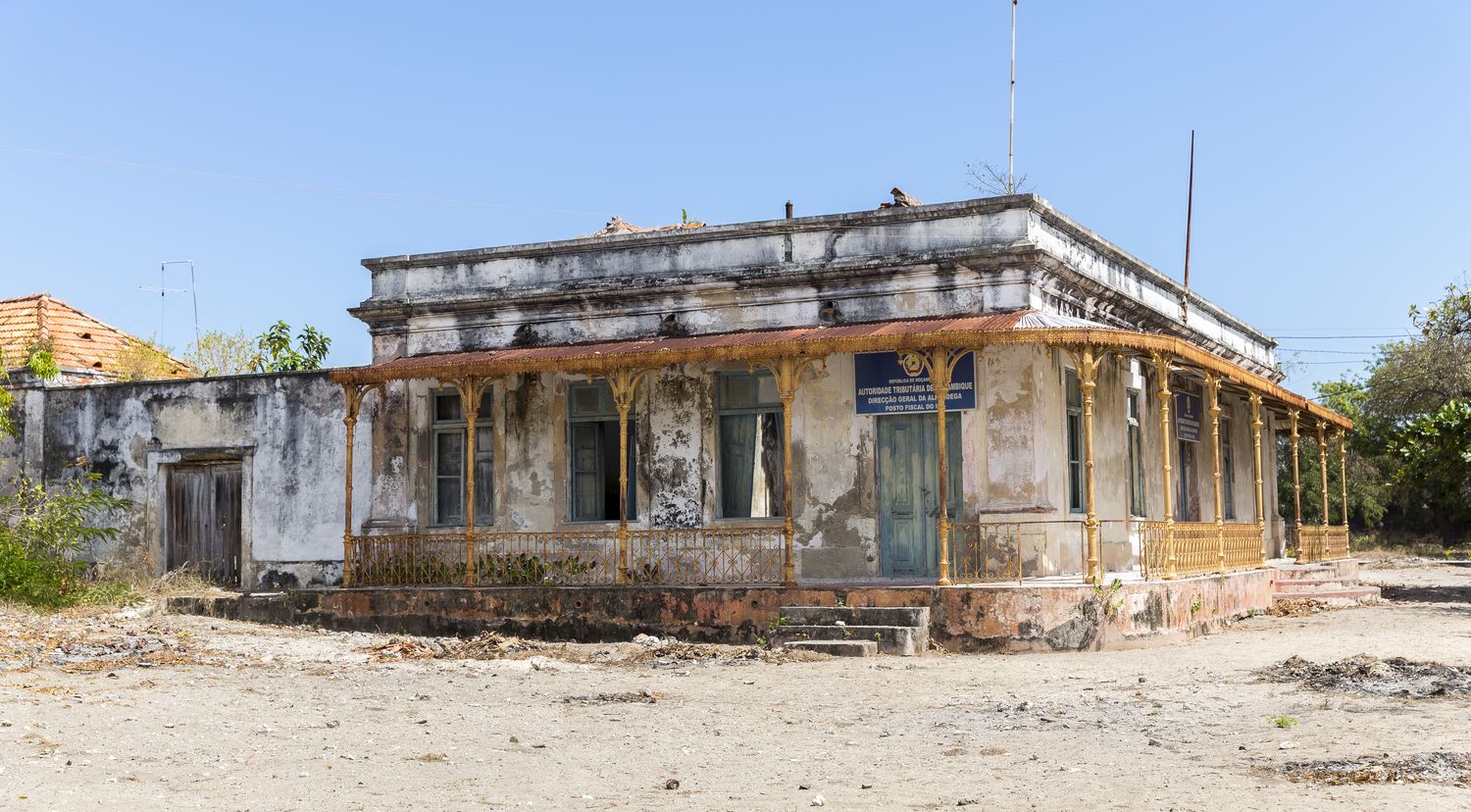
You clearly feel as though time has stopped here. Most of the buildings are almost abandoned, vegetation has taken over, and sand has invaded all the streets of the main village.
A visit to the island’s fort is also quite interesting.
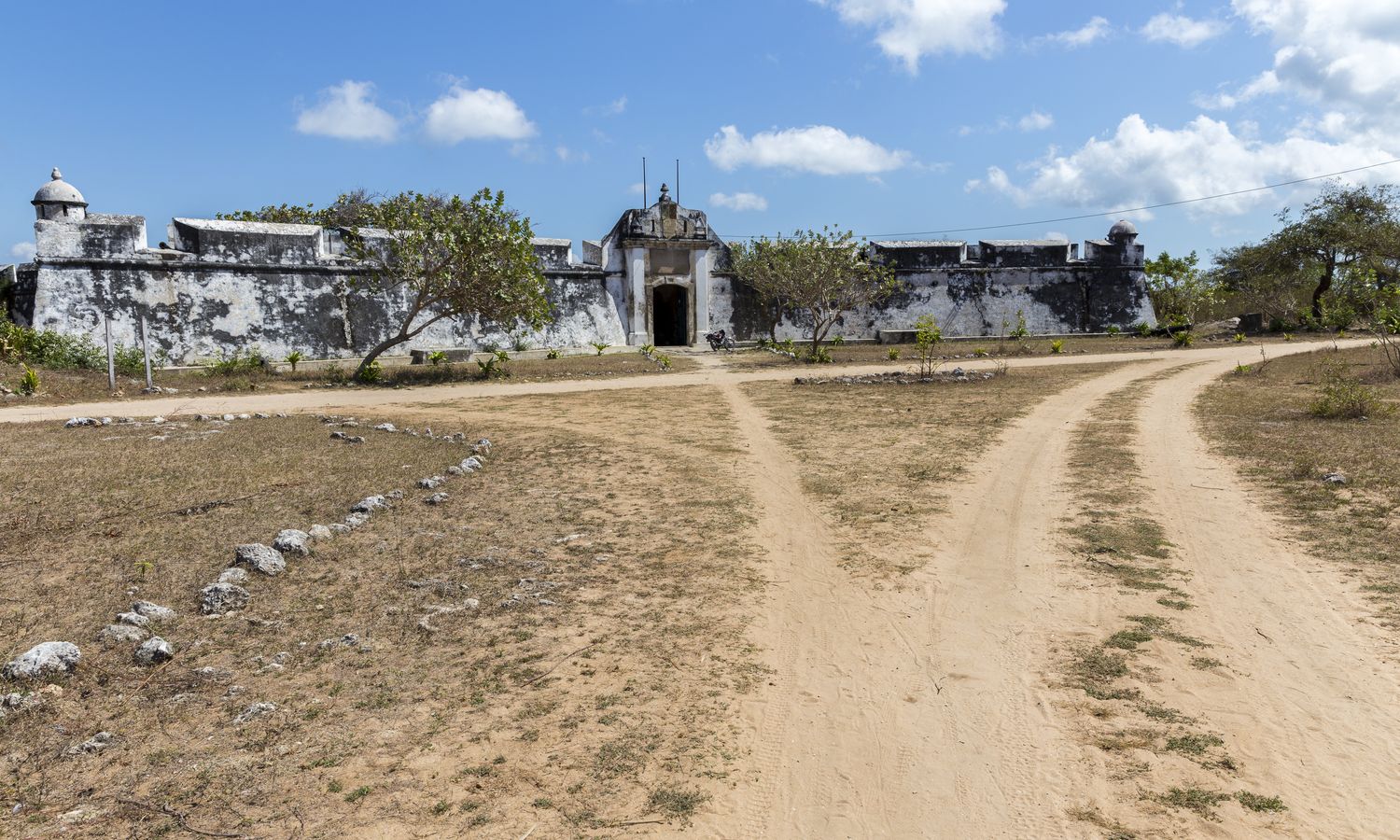
Discovering local life on the island
Beyond the island’s historical side, which is already very interesting to see and discover, you really need to get lost, as I like to say, and go deeper into the island. That is where you discover local life: simple, authentic and quite simply beautiful.
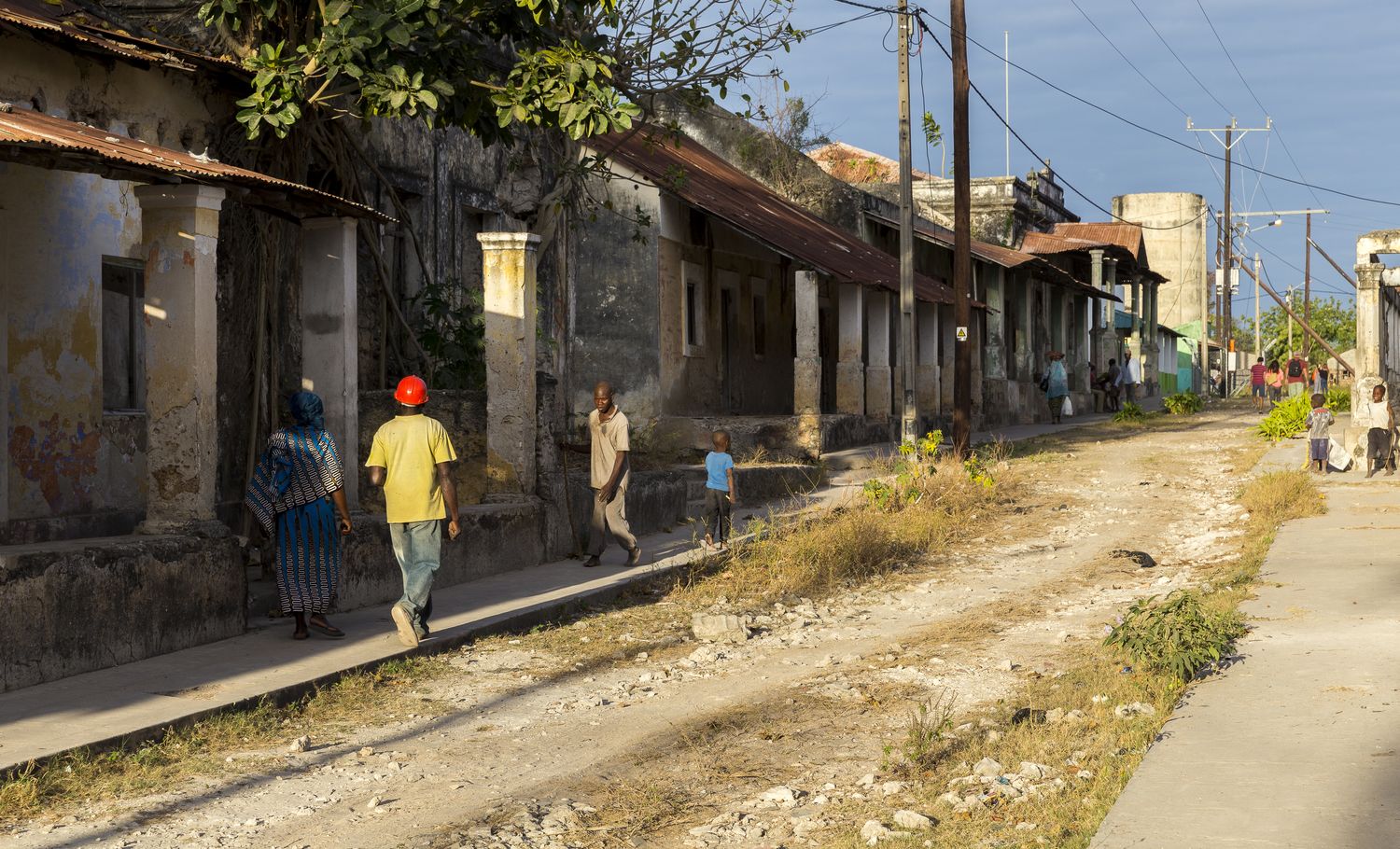
Here, nothing unnecessary: no, or very few, tourists, no loud music, no beach parties. Clearly, if you are looking for peace and quiet, this is your ideal island.
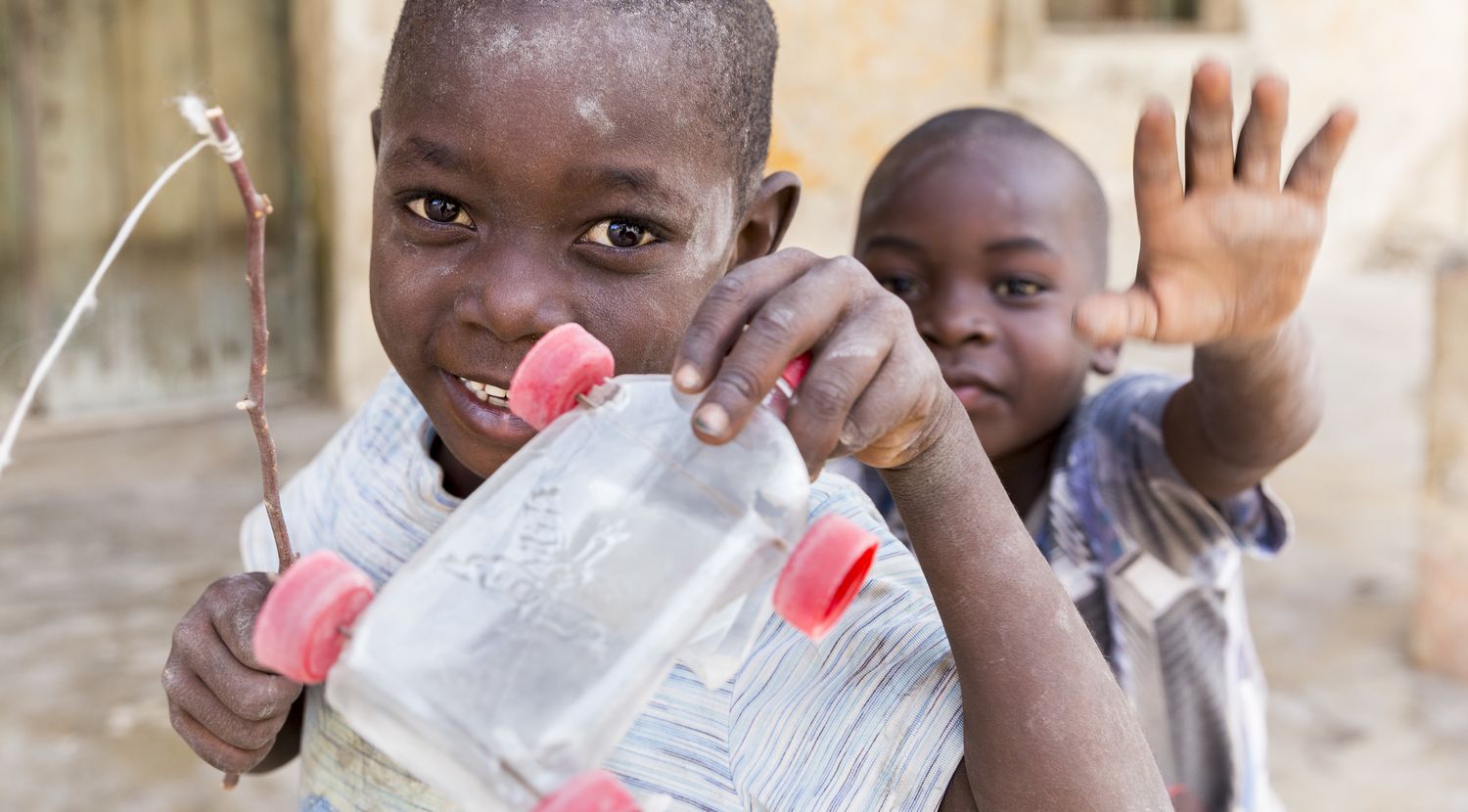
You will meet many local children who are simply happy to see you. We are far from mass tourism here, and the children entertain themselves however they can!
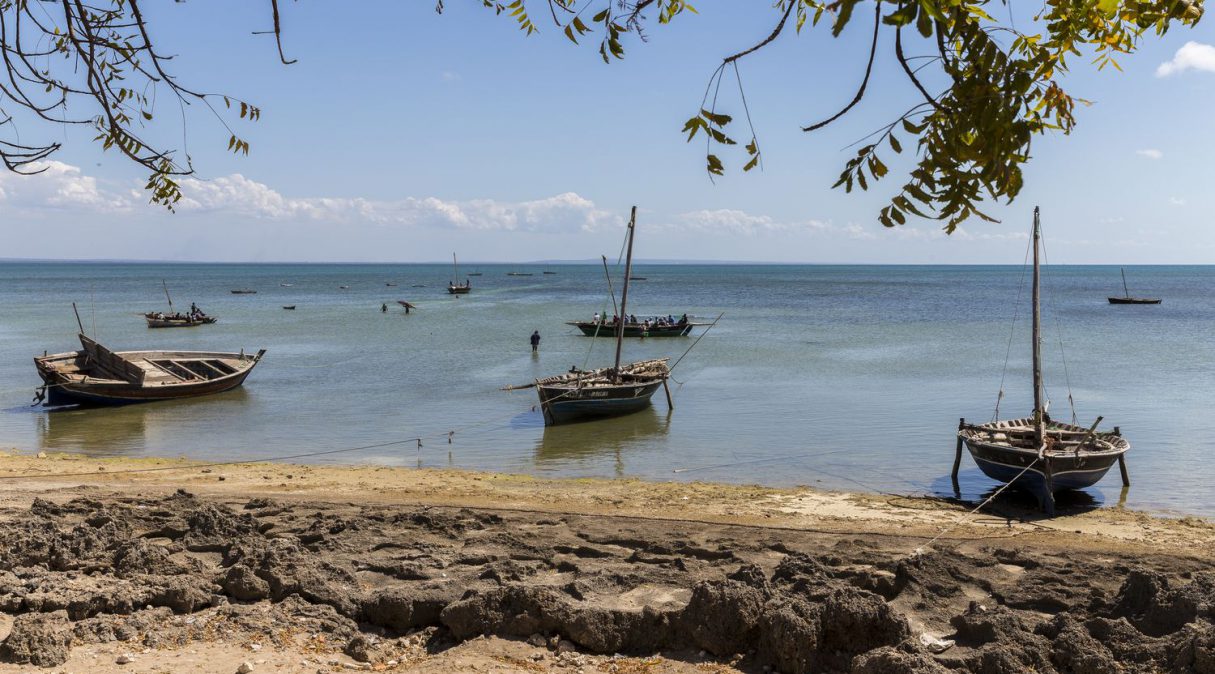
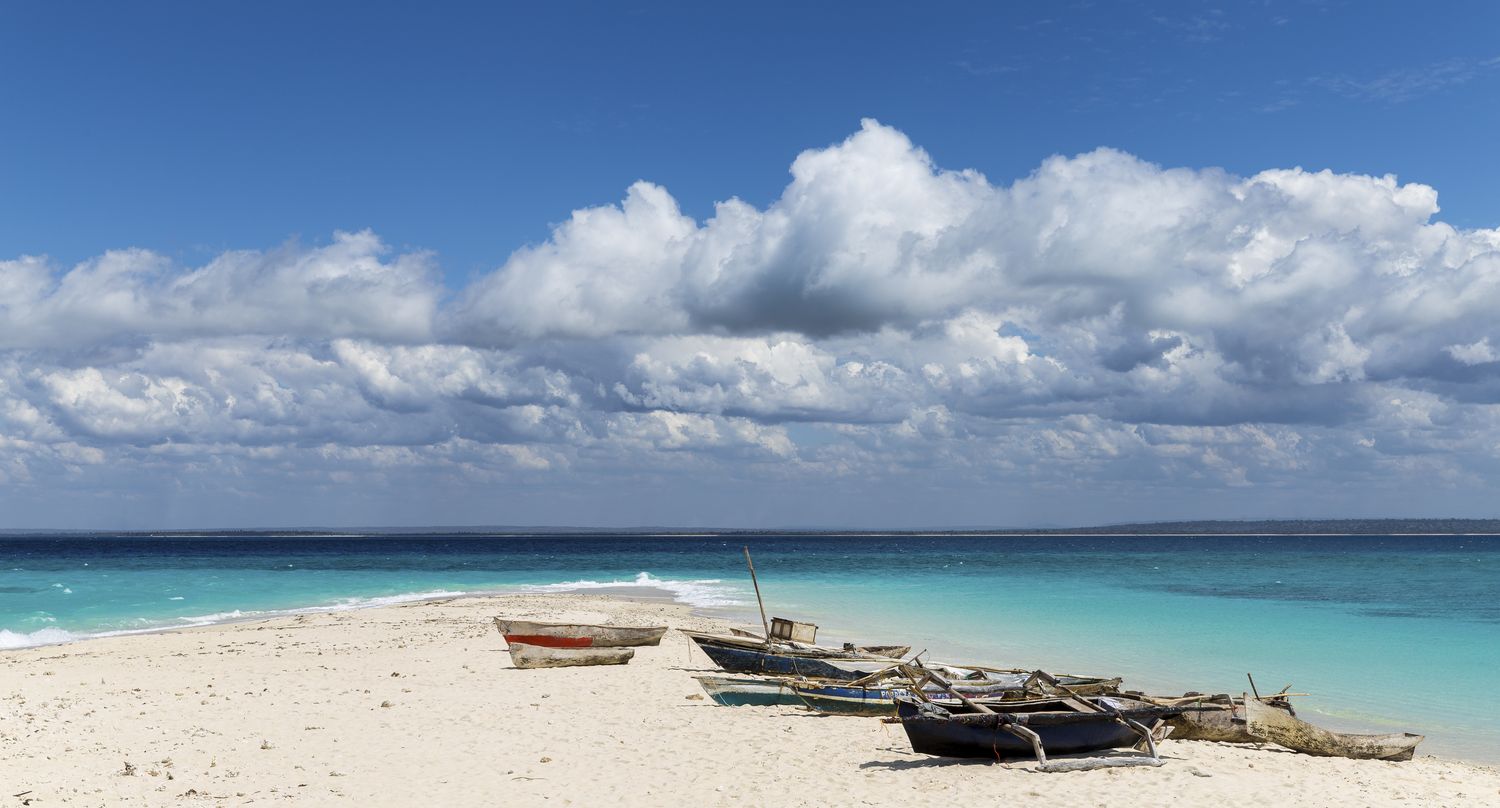
You can also head to the seafront, where you’ll see dhows under construction, these traditional boats so characteristic of the region, either in the water or lying as wrecks.
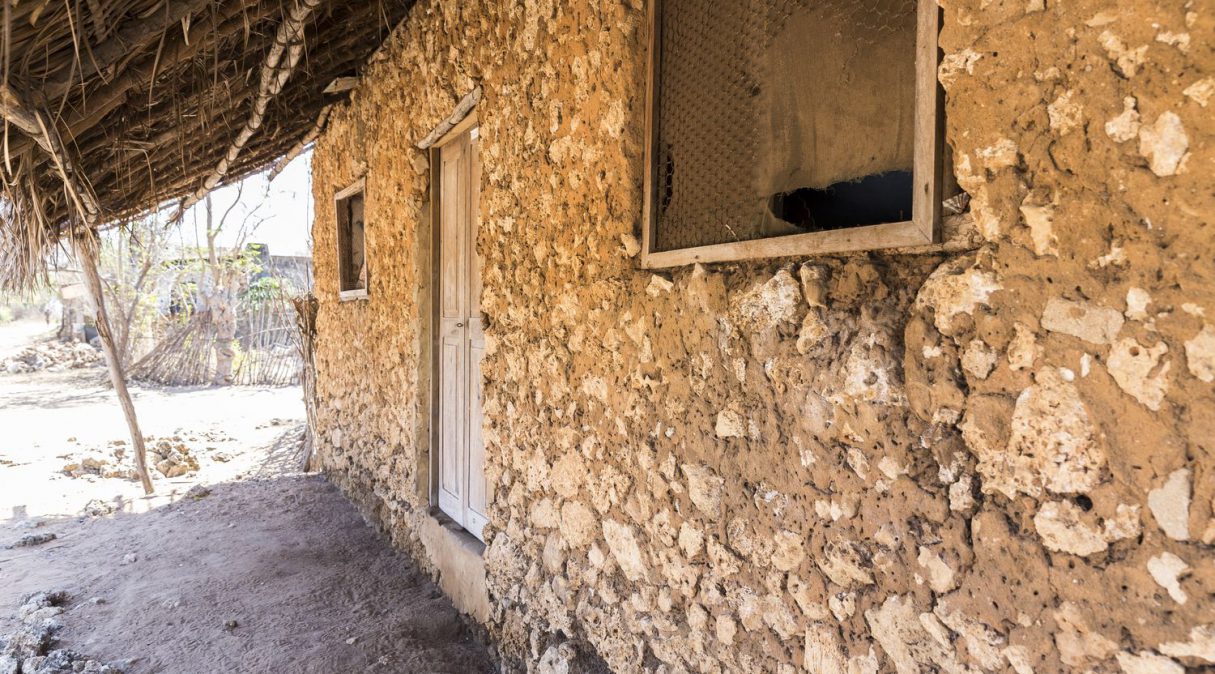
If you don’t already know them, you will also be able to see traditional cob houses, made from a mixture of clay, water and natural fibres, applied over rows of more or less woven wood.
A wonderful island
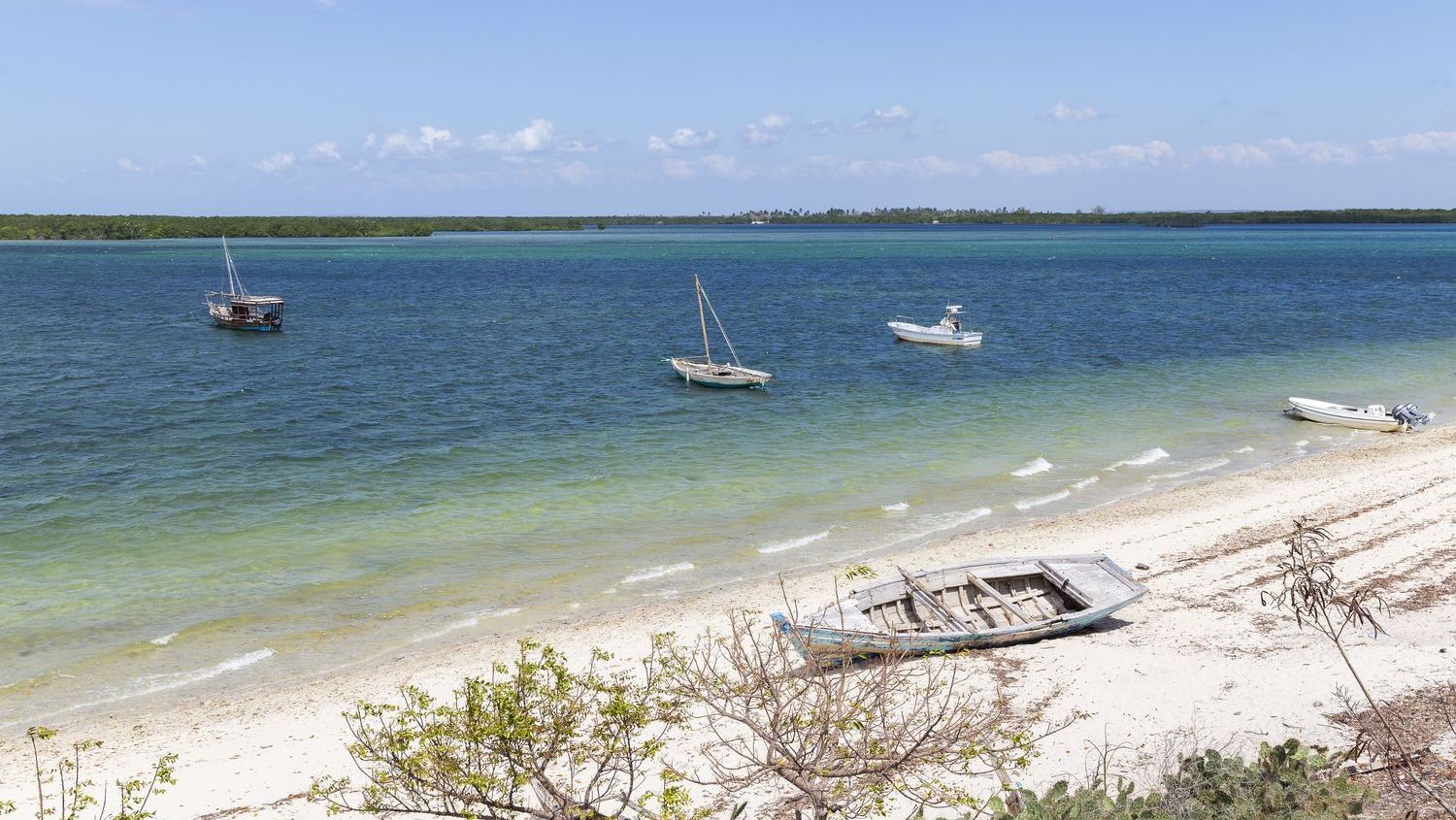
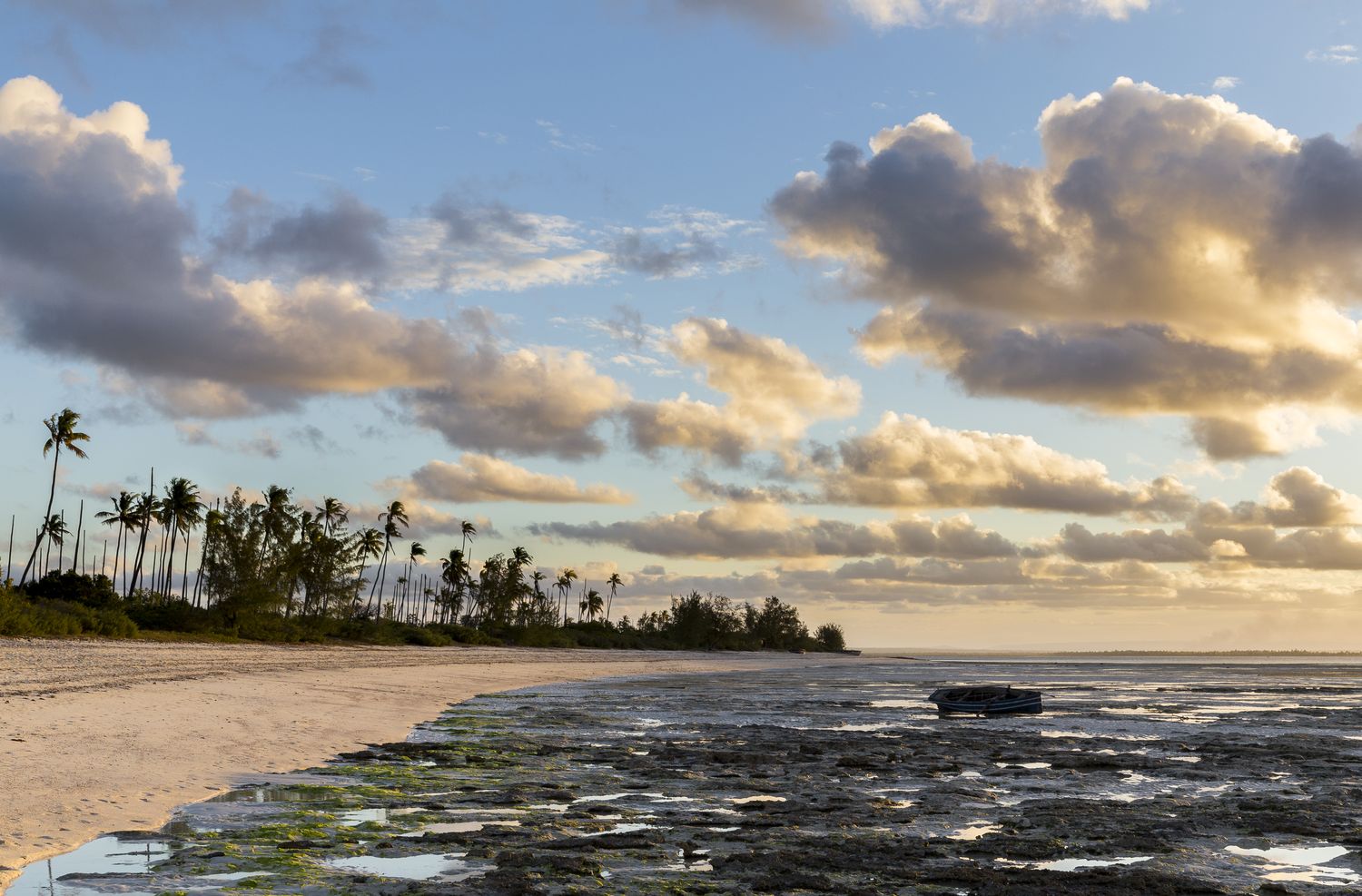
As you walk around the island, you quickly realise how beautiful it is. Ibo does have some sandy beaches, even if, to be honest, the more “postcard-perfect” beaches are found on the islands north of Ibo, which you can see during a dhow trip.
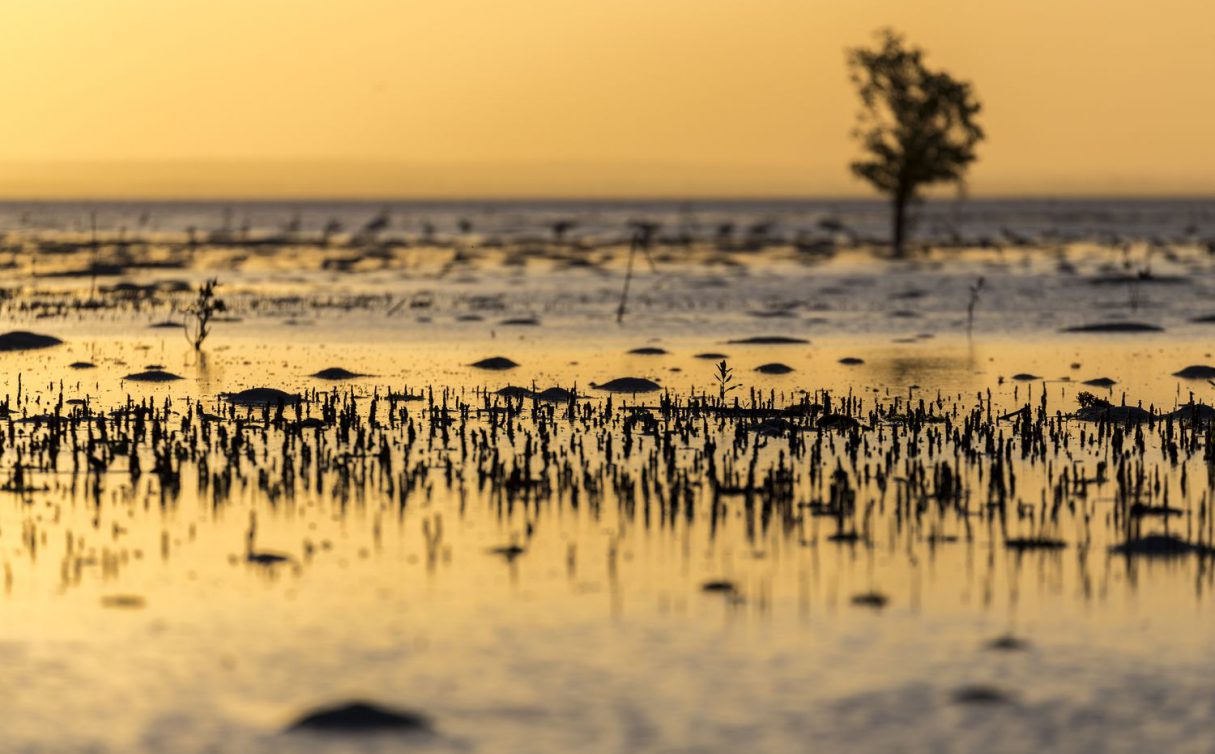
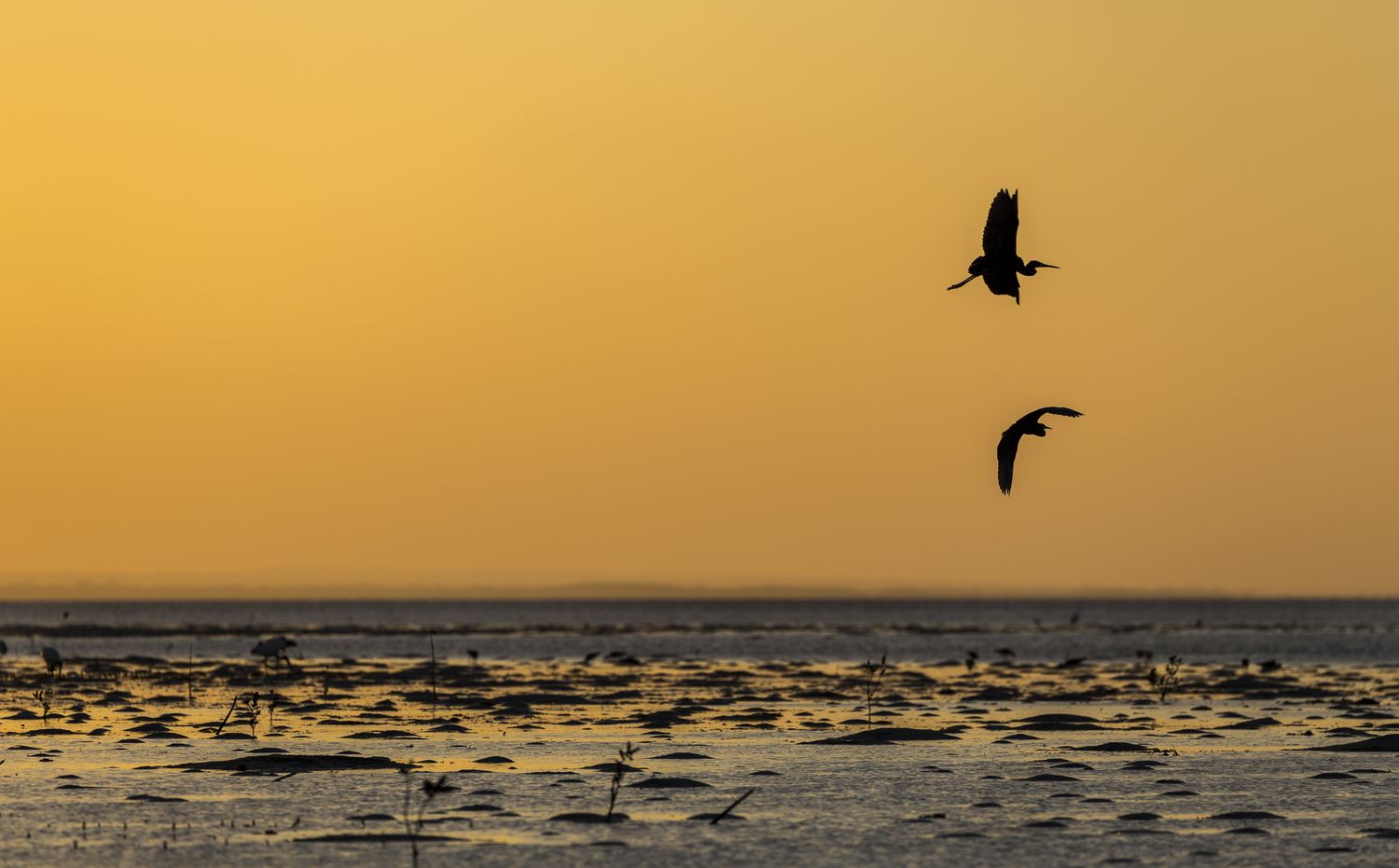
A walk through Ibo’s mangroves at sunset will remain forever engraved in my memory. The exceptional colours of the evening were reflected in the little water left at low tide. Superb. It is also a great opportunity to spot many birds coming to feed at low tide.
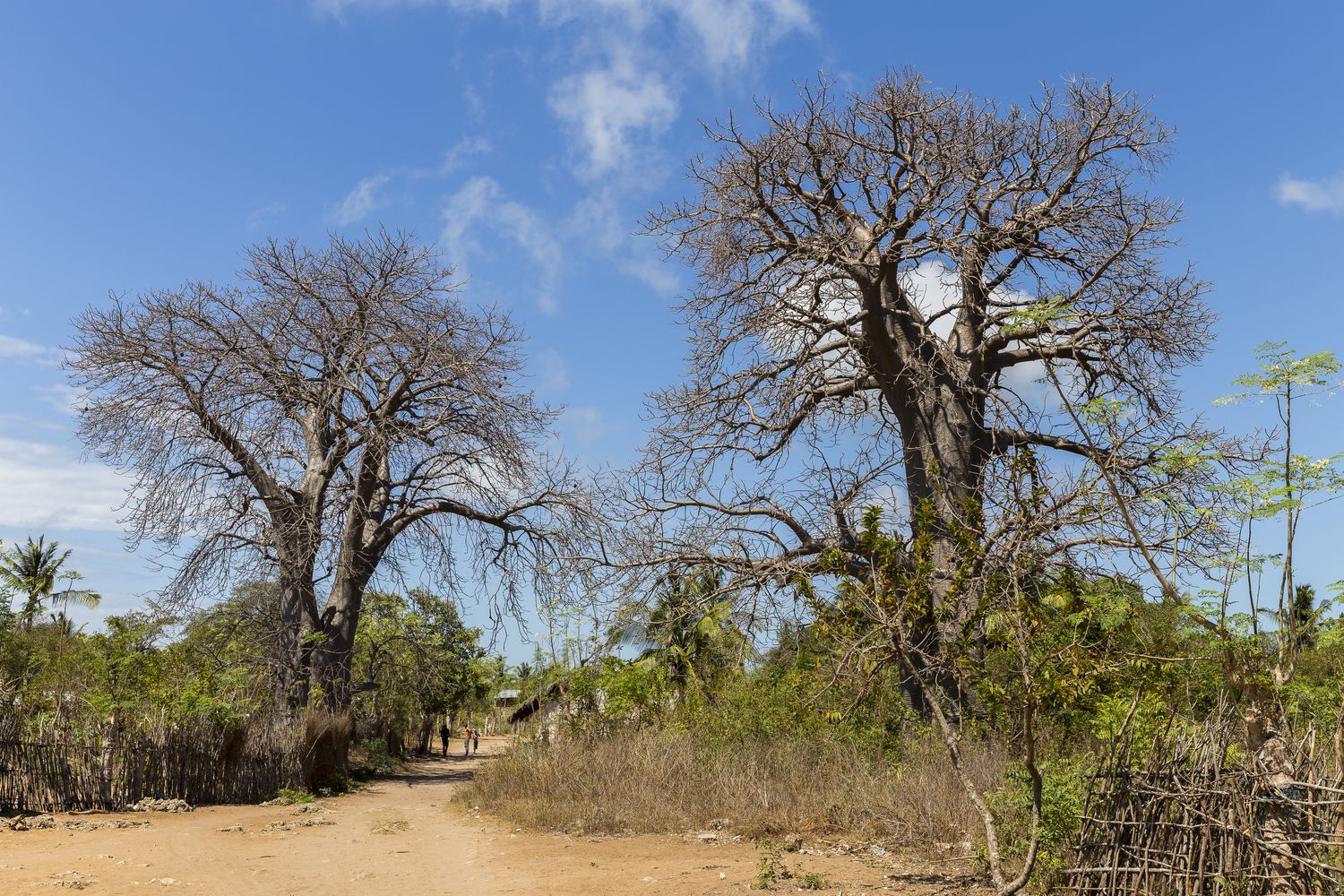
As on the island of Mayotte or in Madagascar, Ibo Island is also home to beautiful baobabs, visible along the roadsides.
Finally, if you are a diver, you’ll be in a magical place here. Living in Mayotte at the time, and considering the dives I had already done there, I had set the bar very high before diving in Ibo. And we were not disappointed at all. Magnificent corals, beautiful coral heads just the way we like them, rich marine life and good visibility. We really enjoyed ourselves!

One thing I didn’t have time to do, which just goes to show that a week is not really that much on the island, is the crossing on foot to Quirimba Island at low tide. It seems to be a great thing to do, and I can easily believe it.
A cruise on a dhow
Yes, I have been talking since the beginning about these famous dhows, the traditional boats of the region. Thanks to the superb guesthouse where we stayed throughout the week, I’ll give you the details below of course, we were able to go on a 2-day dhow cruise, with one night camping on an island.

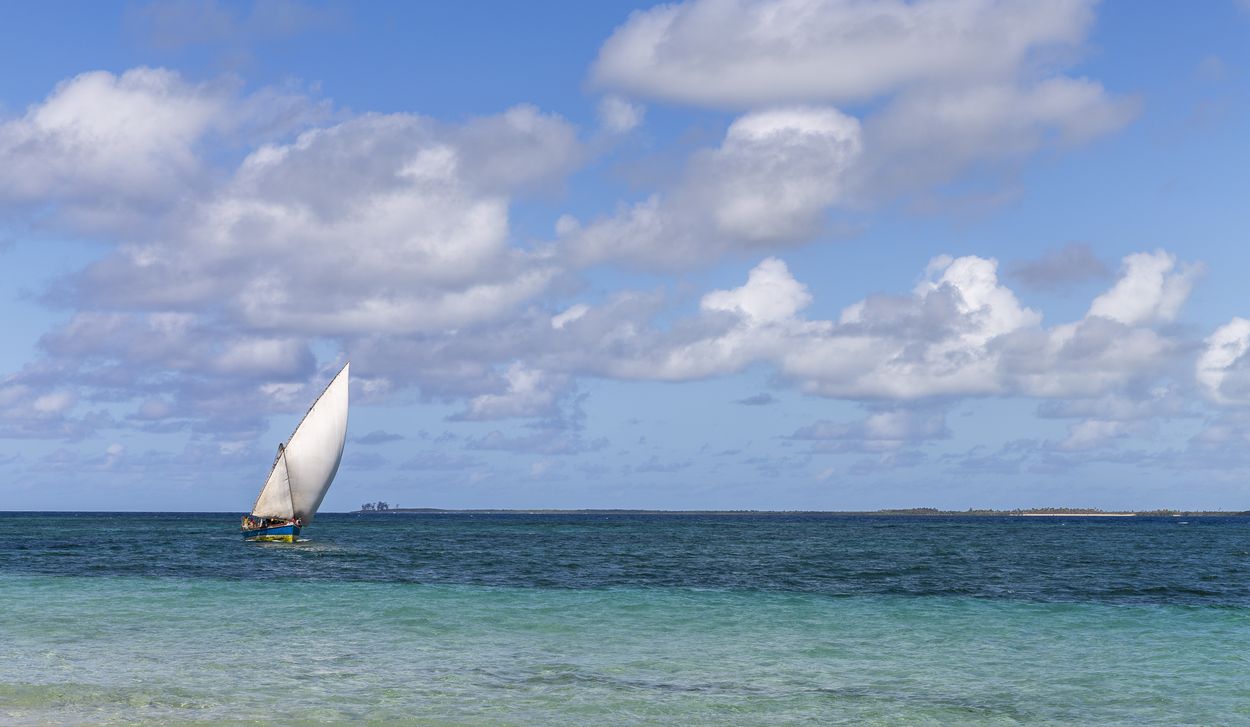
So, don’t expect a luxury catamaran cruise with waitresses bringing you little canapés! No, this is even better: a traditional wooden boat, a handmade sail, and most of the journey carried by the wind.
After a few hours of sailing, we stopped on the “banco de Areia”, a superb sandbank lost in the middle of nowhere. Our table was set up with four poles and a canvas planted in the sand to provide some shade. A simple meal on this piece of sand at the end of the world, with nobody around. Heaven was not far away.
During the journey, we passed some deserted islands north of Ibo. The views were splendid. In the evening, we stopped on our beach, which was perfect for pitching the tent. A great meal, once again prepared by the guesthouse and its crew, and a wonderful evening with the colours of dusk and the beauty of the place. The pictures speak for themselves!
We also had a lovely surprise the following day: while we were swimming at one spot, we came across dolphins, which are resident in the area!
Good tips to remember
Where to sleep?
We stayed at Baobibo guesthouse, which no longer exists. Frankly, we didn’t try anywhere else, but we would have recommended Baobibo with our eyes closed. Everything was perfect: our bungalow overlooking the mangrove, the welcome, the food, the staff and the dhow trip.
If needed, for those looking for a very nice luxury hotel, prices are not the same, or simply for people like us who want to have a drink on its beautiful terrace at sunset, you can go to Ibo Island Lodge. It is worth noting that this is also the hotel where you should inquire if you want to dive in Ibo.
How to get there?
Well, this is where things can get complicated!
Most people will arrive from Pemba.
From Mayotte, it was possible in the past with Ewa Air airlines, which used to fly to Pemba. According to the latest information I had, in July 2017, flights were permanently cancelled.
You will therefore have to get there another way. If you are travelling in Africa in a neighbouring country, or if you are arriving on an international flight, you have several options:
The flights above are around €300/350 return.
After some research, it is possible to travel from Maputo to Pemba by bus. According to the information I have, this journey takes 3 days / 3 nights and costs about 4,000 Mts (€60). For those on a small budget who have time, this is one possible option.
Once in Pemba, you have several options:
- Take a flight from Pemba to Ibo: this is clearly the least economical option, but it is the fastest: about $230 one way. Only one airline offers the trip: CR Aviation, with offices in Maputo and Pemba. Contact them here to schedule flights: info@craviation.co.mz / (+258) 844909734 / www.craviation.co.mz (reservation possible with a credit card)
- Take a local bus from downtown Pemba to the village of Tandanhangue, where you can then take a public boat to reach the island. This is what we chose.
The local bus leaves between 4 and 5 am from Pemba town centre, in front of the Mcel Shop. The two closest guesthouses for catching the bus are “Pensao Lys” and “Pensao Baia”. The journey can last between 4 and 8 hours, depending on the stops and the season, rainy or not. The bus will drop you off in the village of Tandanhangue. Upon arrival, you will then have to wait for the public boat, sometimes for several hours, so bring water! The boat will eventually take you to Ibo.
The bus costs about 300/400 Mts, and the boat about 70 Mts/person.
This is the most economical option for travellers on a budget.
- Finally, the last option is to organise a private transfer with the guesthouse where you are staying. Our guesthouse could arrange this for you without any problem. I imagine the other guesthouses can do it too.
Transfer prices need to be checked with the guesthouse, but should be around 13,000 Mts for 4 people.
Travel guides?
If you have decided to take a travel guide with you, I recommend having a look here.
So, I hope this article has made you want to visit this beautiful island! Personally, I would love to go back there for 1 or 2 weeks, just to relax. So, are you convinced? You won’t be disappointed!
PS: All the pictures in this article were taken with my Canon 6D, as well as with the 24-70 mm L f/2.8 and 70-300 L IS lenses.
Don’t hesitate to leave me comments, suggestions or questions about this destination. I’ll be happy to answer them!
If you are interested in discovering the country, I invite you to read the complete guide about diving in Mozambique.
Sylvain