Our One-Month Costa Rica Itinerary
Last update: 06/12/2026
Our blog continues to grow thanks to you, our readers. This post may contain affiliate links, which means we can earn a small commission if you make a purchase through them, at no extra cost to you. This helps us to continue to bring you more and support our work!
I have to admit that our decision to travel to Costa Rica was almost entirely down to chance. We were looking for a new destination for our summer vacation. Every July or August, we set off as a family for a month to discover somewhere new. Now that both our children are at school, we don’t have much flexibility when it comes to travel dates. It’s unfortunate, but that’s simply the way it is.
After the COVID period and the general rise in the cost of living, including airfares, we were looking for a destination we could visit without completely blowing our budget. We chose Costa Rica because, although it isn’t the cheapest country to travel around, flight prices were still relatively reasonable. It also wasn’t too far away, as we live in Guadeloupe. Since writing this first article, I’ve published more about the trip, so feel free to read about our visit to Mistico Arenal Hanging Bridges Park.
Now that we’ve been home for two months, I’m finally starting my first article about this destination. Here, I’m going to give you an overview of our one-month itinerary through Costa Rica.
As usual, I want to make one thing clear from the outset: we travel as a family. We take our time and enjoy each place rather than rushing from one tourist attraction to the next. People often tell us that we missed this or that activity, or that we should have visited a particular place, but between you and me, it really isn’t the end of the world. We prefer to enjoy the experience properly. So don’t be surprised if our itinerary seems a little slow, haha.
Right, let’s get started. Here is an overview of our Costa Rica itinerary. Actually, I almost forgot something important. These days, when we travel, we usually plan the broad outline of the trip and then adjust things once we are there. We don’t like organizing every detail in advance. It doesn’t suit us, and leaving some room for spontaneity keeps a little of the magic alive. I’m therefore not going to describe every place we visited in detail here, as each region will be covered in more specific articles.
Although we didn’t take part in many paid activities during our stay, I’ll include links to a few appealing options whenever possible. These activities were recommended to us and have excellent reviews.
Exploring Bajos del Toro and Poás Volcano
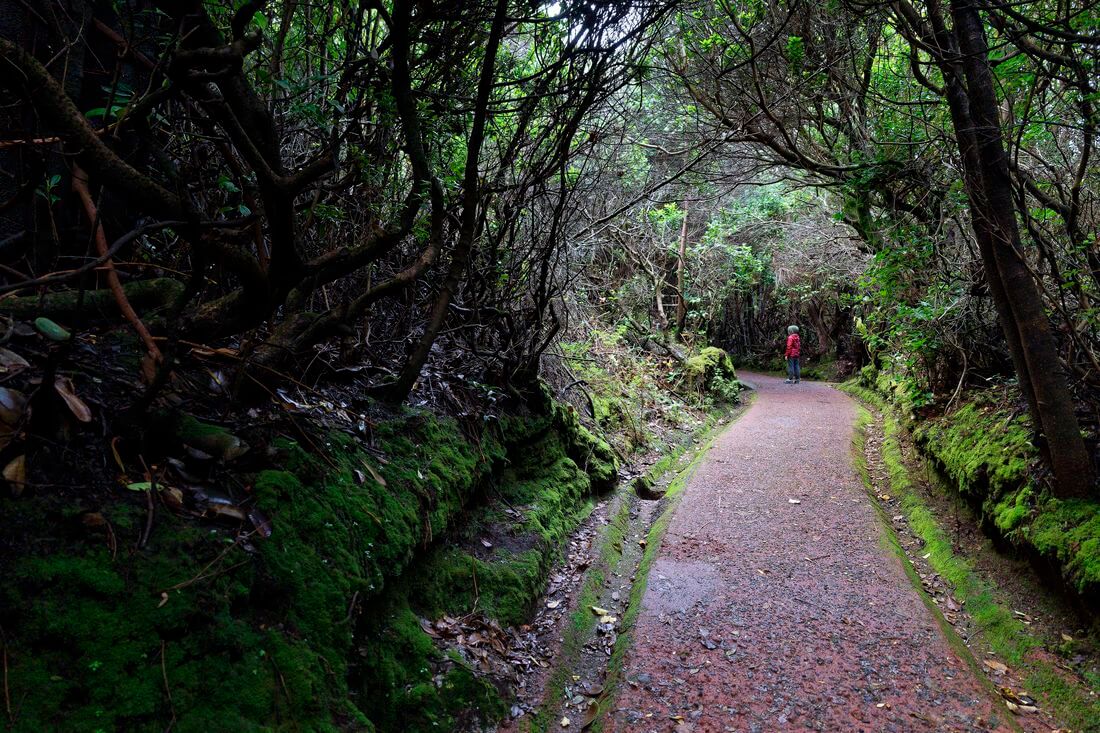
After a smooth journey and a stopover in the Dominican Republic, we picked up our rental car in the late afternoon and drove to our first destination, Bajos del Toro. This small village is around a two-hour drive from San José and lies deep in the mountains at an altitude of more than 1,500 meters. From what we could see, it is clearly not one of Costa Rica’s most touristy destinations, which suited us perfectly. The few photographs we had seen looked beautiful, and the region still appeared to have an authentic feel.
We began discovering Costa Rica’s roads, which turned out to be much better than expected, and headed inland toward the country’s higher elevations. It was our first time setting foot in Central America, and it felt wonderful to discover a new country, a different culture, and another way of life.
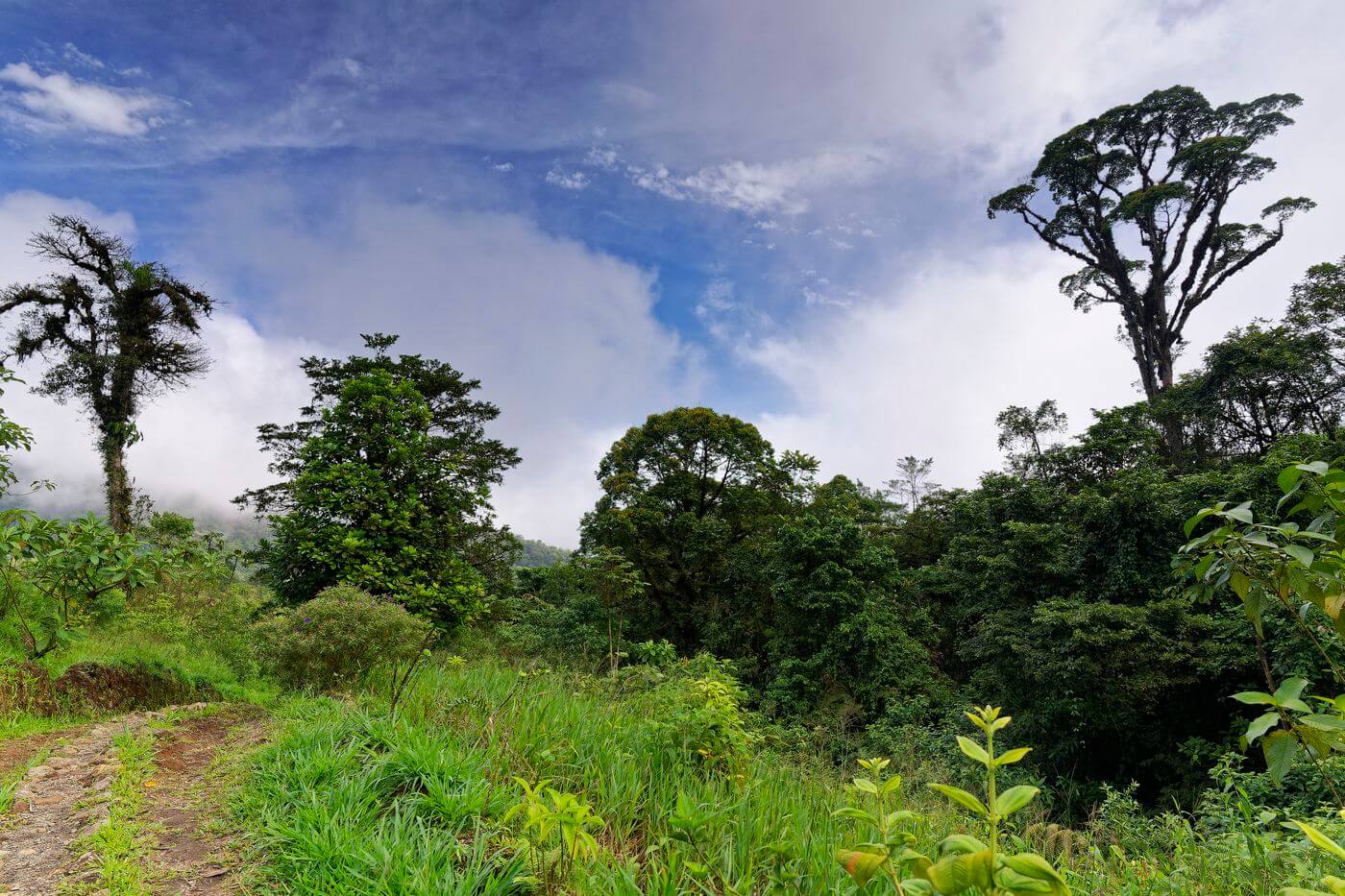
The higher we climbed, the more impressive the road became. The weather was cool, and even under cloudy skies, the route offered beautiful views of the surrounding countryside and volcanoes. The landscape was wonderfully rural, and we were delighted that we had chosen this region as our first stop. It truly felt as though we had escaped the most developed and touristy parts of Costa Rica. We stopped several times to admire the surrounding volcanoes from viewpoints dotted along the small mountain road winding through the heart of the country.
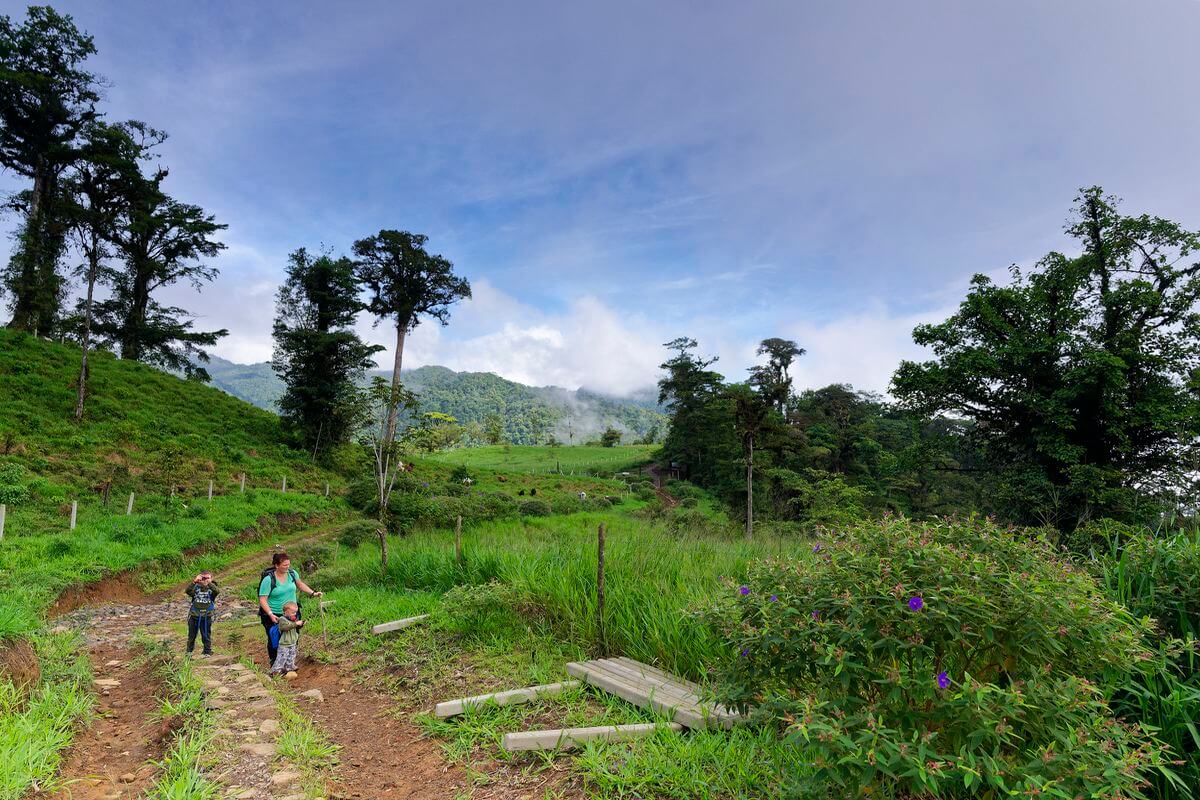
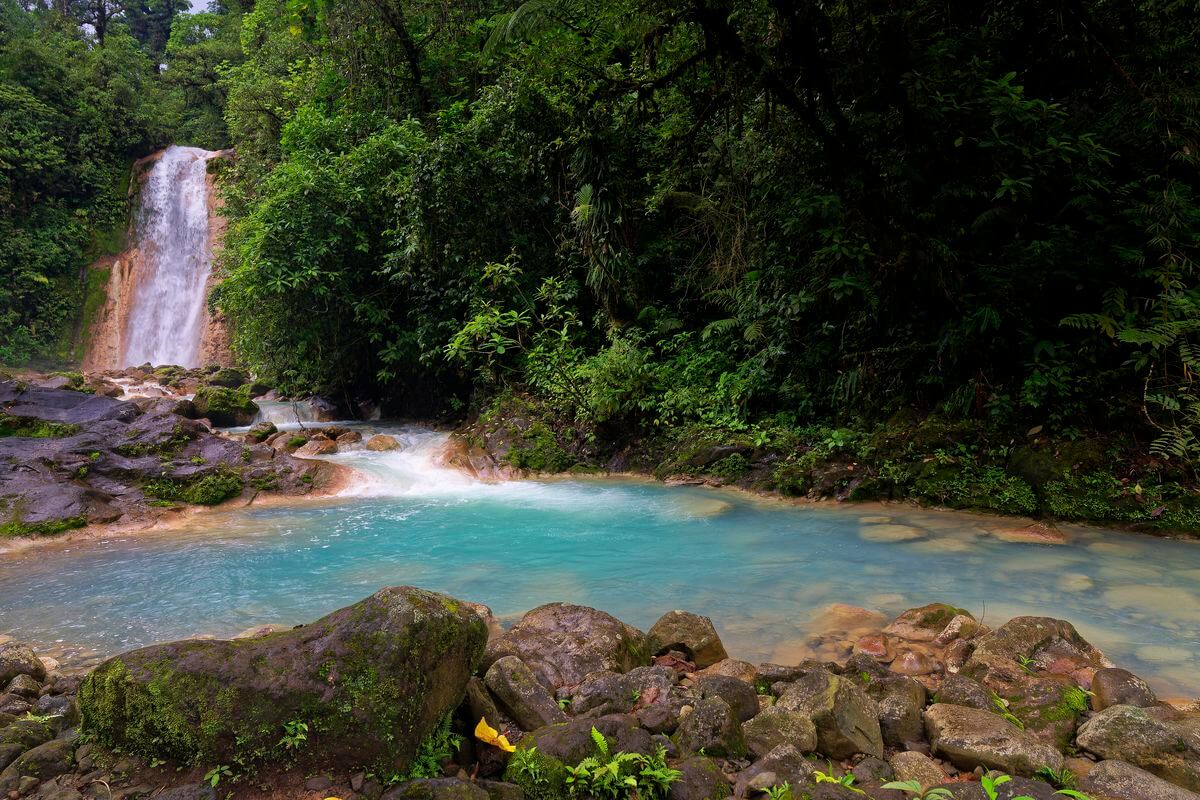
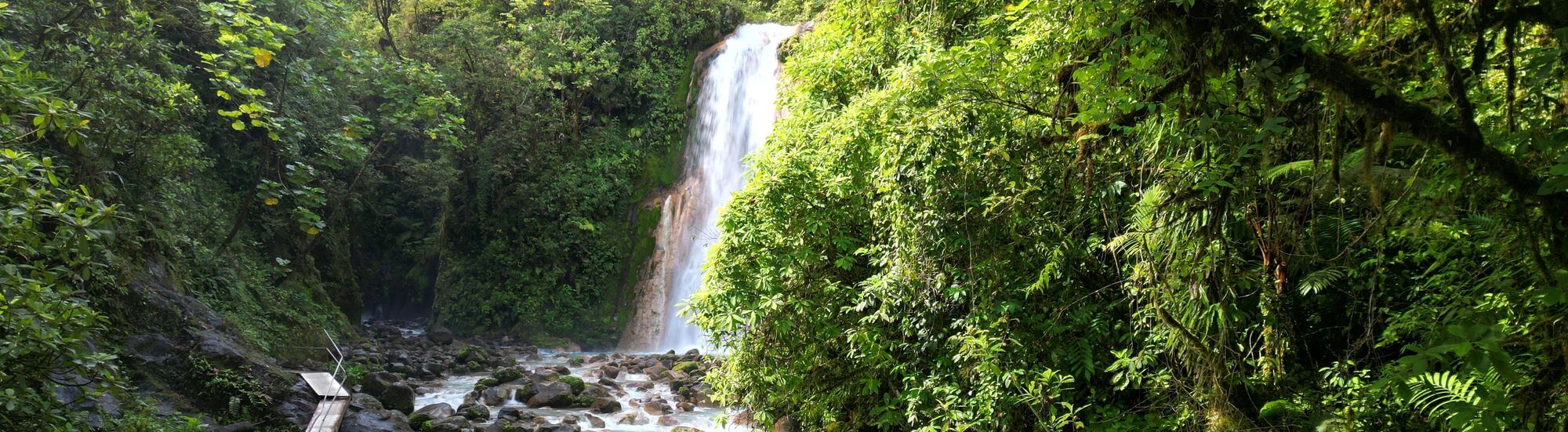
We ended up spending three days here exploring the surrounding natural sites. The weather wasn’t particularly good: it was fairly cold, the horizon was often hidden by fog, and we even had some rain. The day after our arrival, we visited the famous Blue Falls of Costa Rica, known for their beautiful turquoise waterfalls hidden in the rainforest. It was an enjoyable place, easy to explore as a family, and we had a wonderful few hours there.
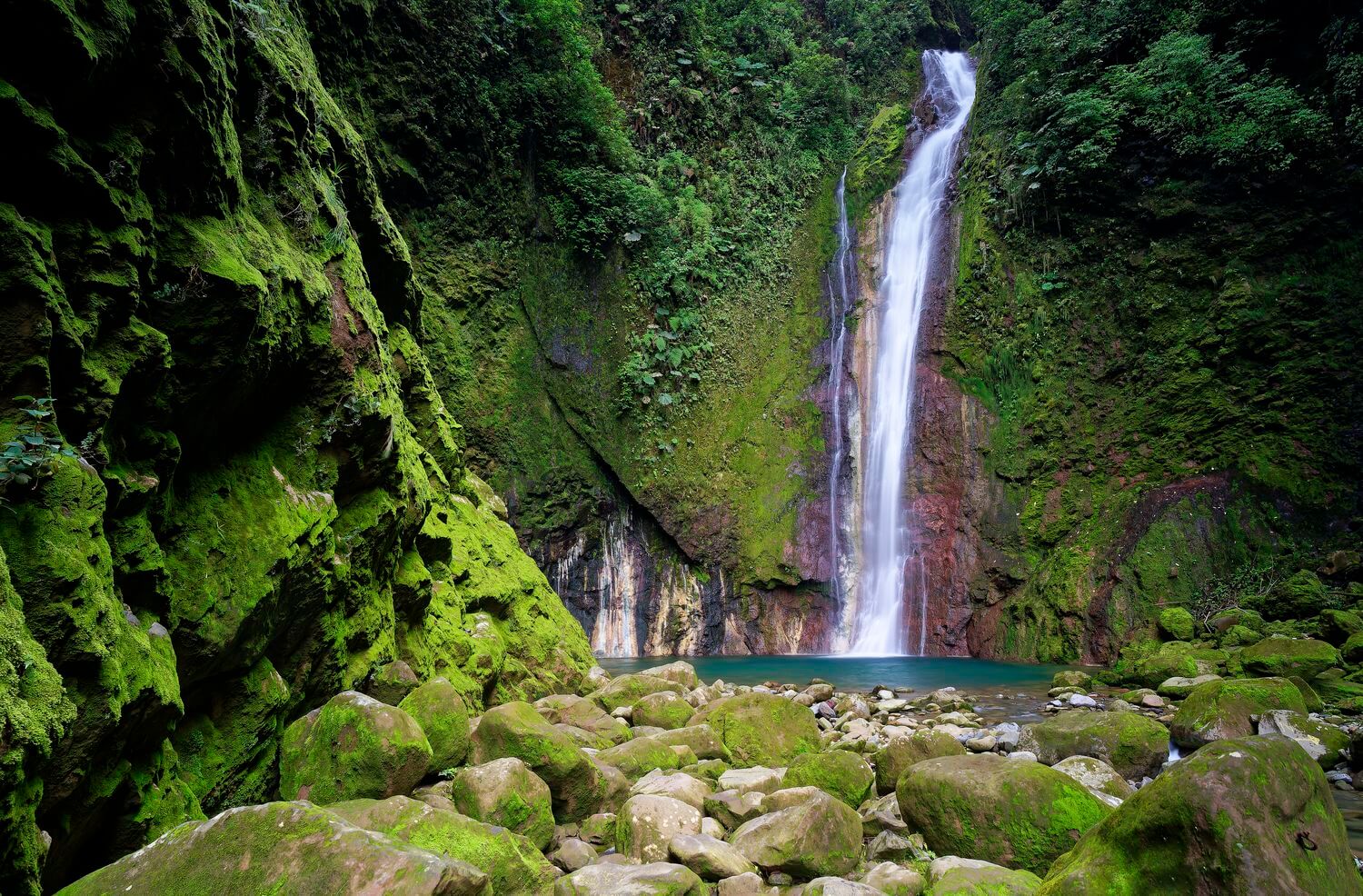
One afternoon, Louis and I also went to see the magnificent Tesoro Escondido Waterfall, which was impressive both for its size and its spectacular surroundings. The weather still wasn’t ideal, but we didn’t care. We were in the heart of Costa Rica with our family, and we were having a fantastic time.
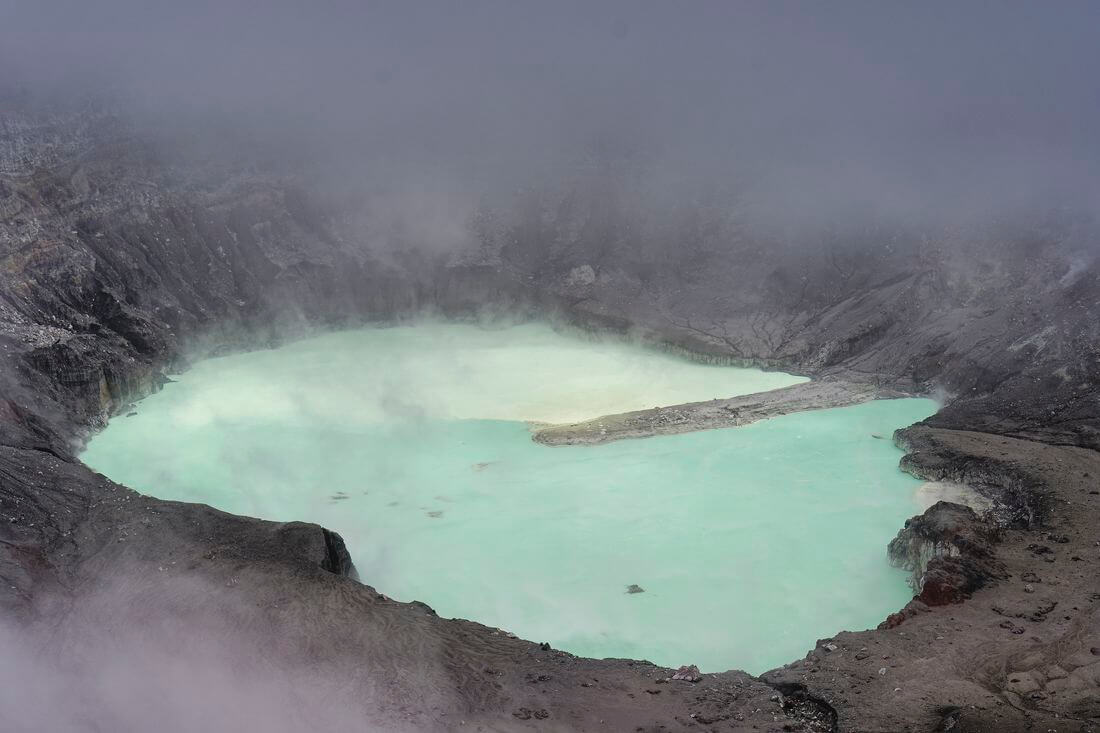
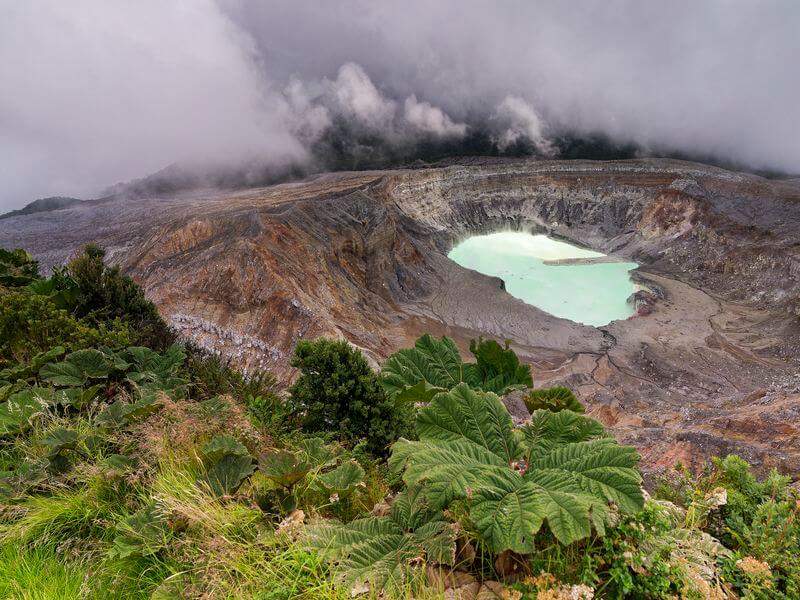
Our final day was undoubtedly the highlight of this part of the trip and perhaps the most beautiful experience we had in Costa Rica. We left our Airbnb in Bajos del Toro at 5 a.m. and headed toward the famous Poás Volcano, one of the best-known volcanoes in the country. It is still active, and visitors can reach a viewpoint overlooking the crater.
When we arrived, the volcano was completely hidden by clouds. However, once the mist began to clear, the view across the enormous crater became truly magical. It had been a long time since I had felt such a powerful sense of wonder in front of a landscape, probably not since we discovered the Ngorongoro Crater during our safari in Tanzania several years earlier. We spent a couple of hours admiring the scenery before continuing to the next stage of our itinerary.
Don’t hesitate to read our complete article about the Bajos del Toro region, a truly beautiful area to explore.
Arenal Volcano and La Fortuna
After a memorable morning at Poás Volcano, we set off for the Arenal region, where we planned to spend the next four days. Unfortunately, Téo became very ill, and none of us were feeling particularly energetic, so this stage of the trip was rather complicated. Nevertheless, we still took advantage of our time in the region to visit a few natural attractions.
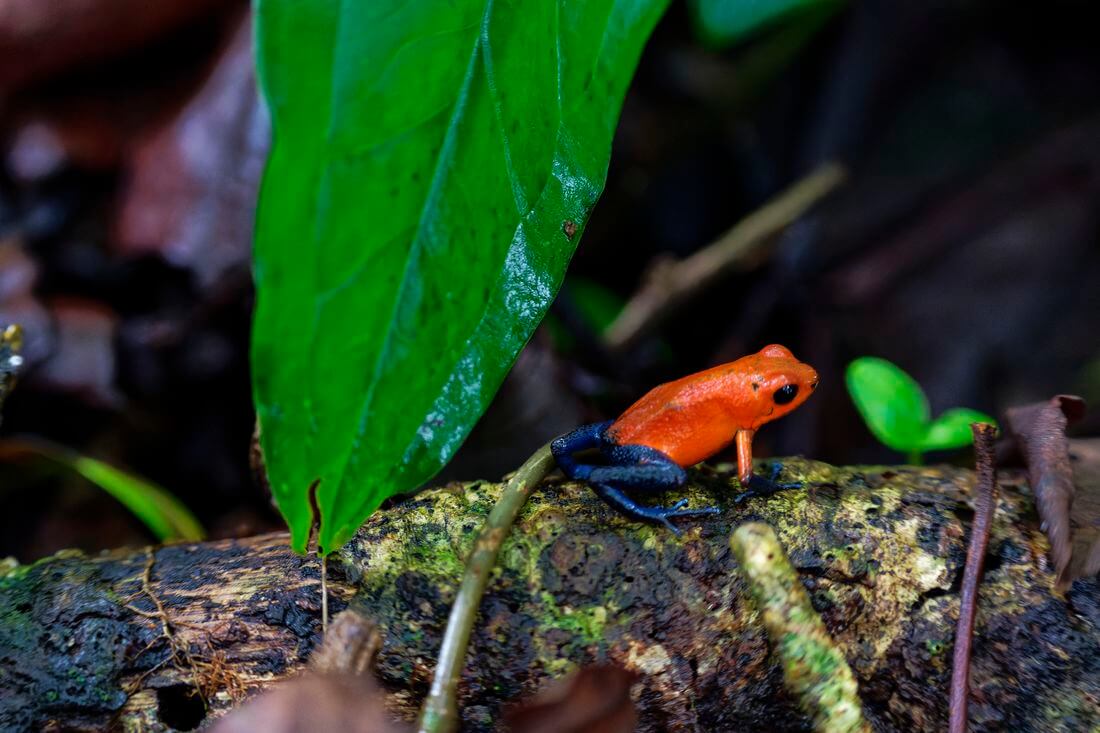
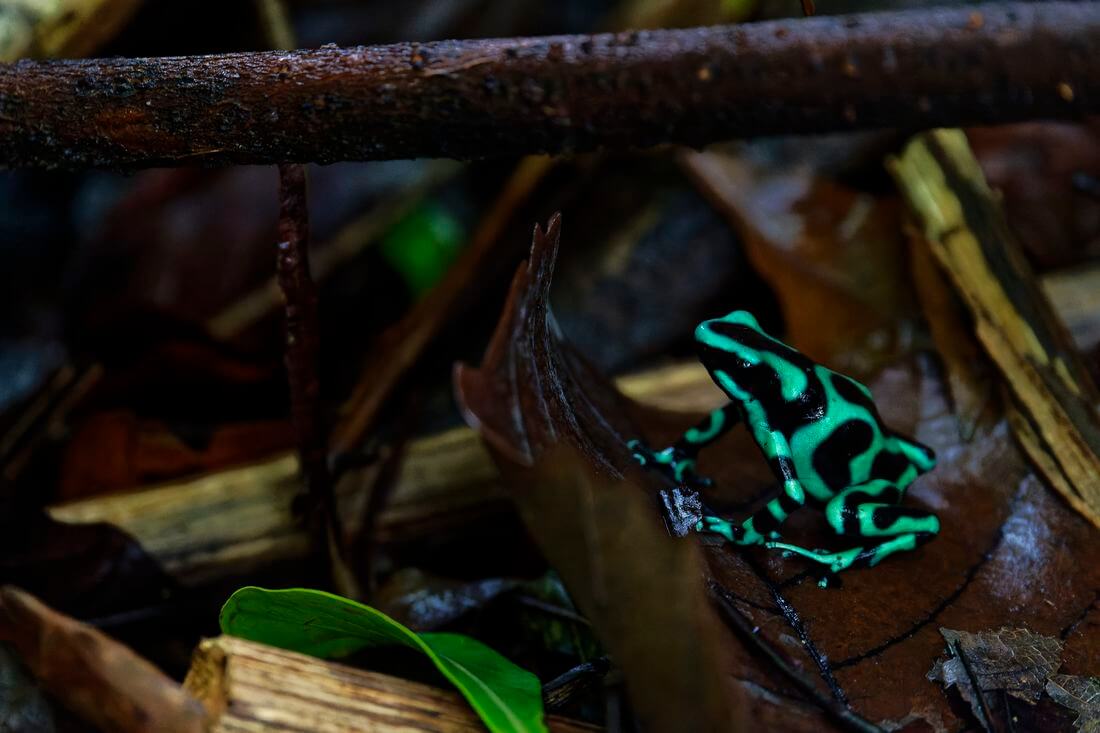
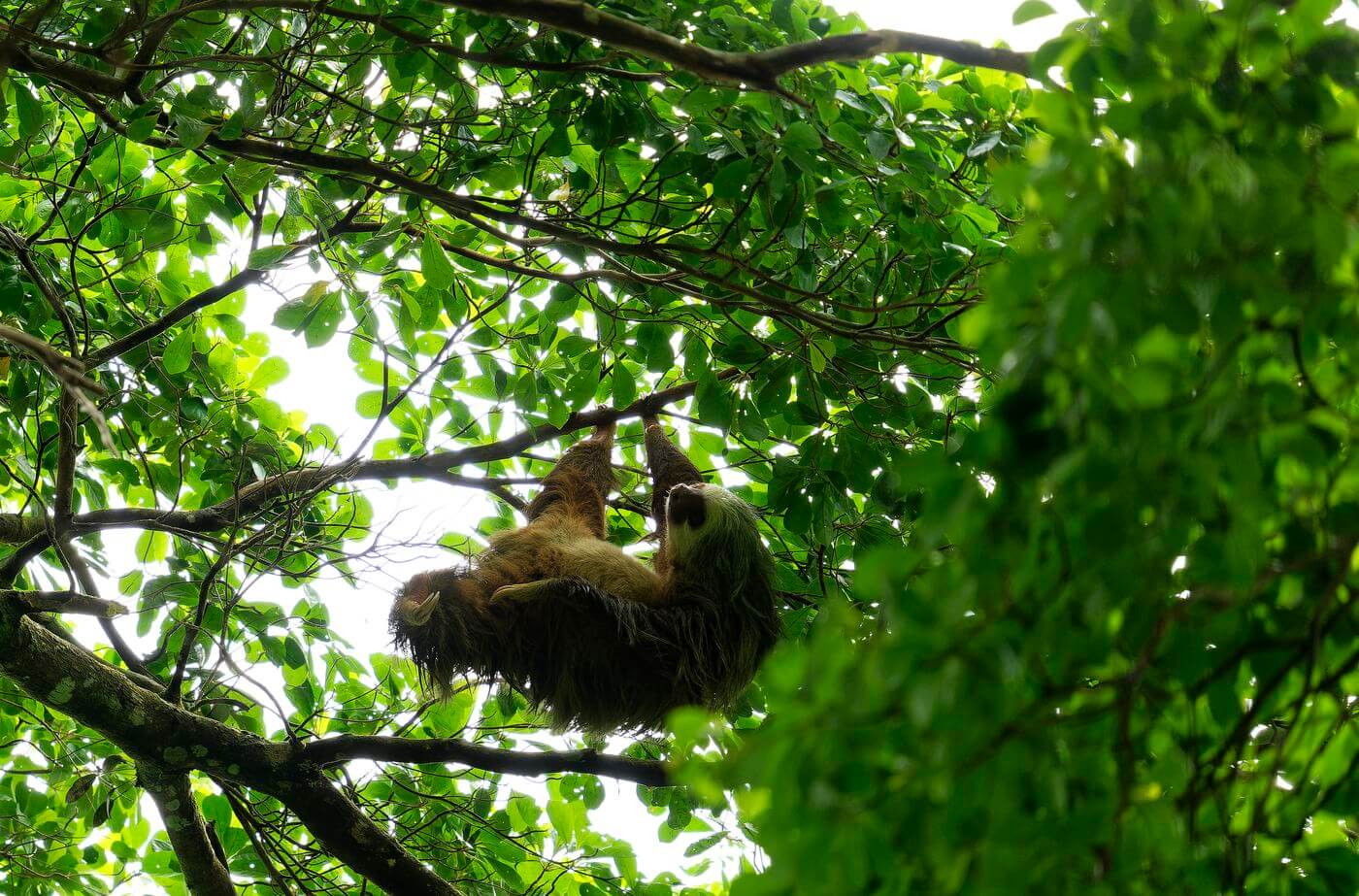
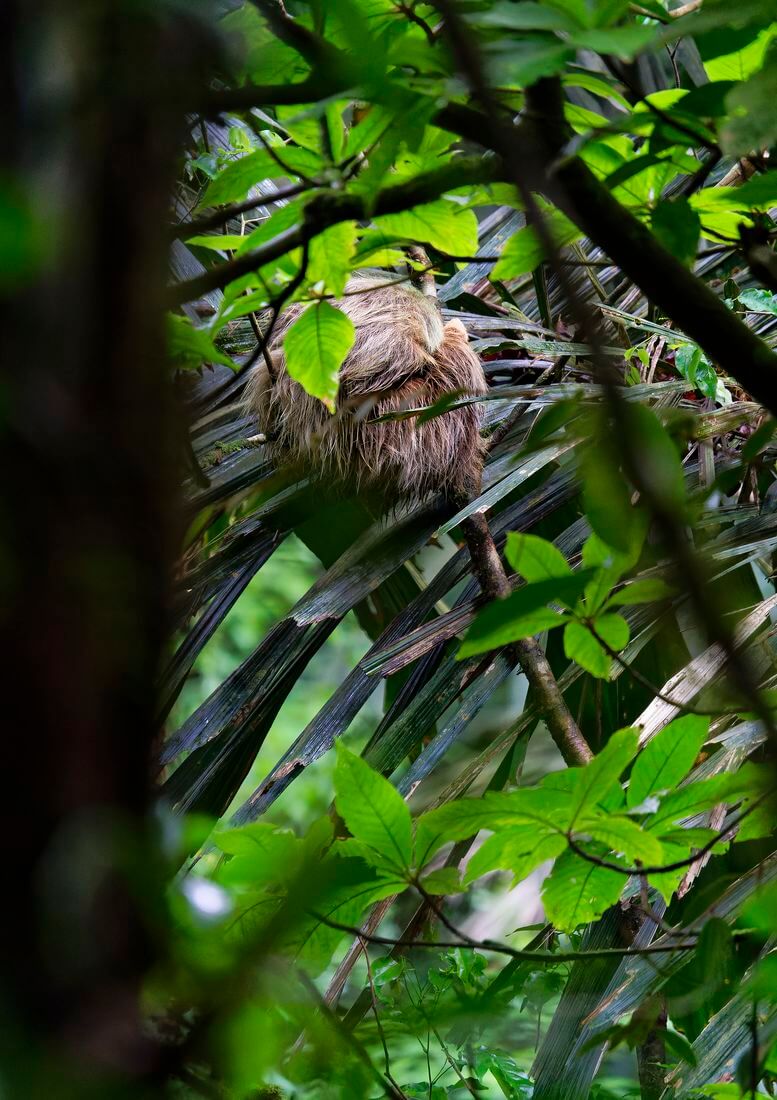
On our first day, we visited a small sanctuary called the Sloth Watching Trail. The area is known for its insects, and visitors can also spot sloths. We were rather skeptical, as it looked like a major tourist trap—which, to be honest, it partly is—but its excellent reviews encouraged us to give it a try. Unfortunately, we didn’t find the experience particularly impressive. We saw a few beautiful frogs and several sloths, but only from a considerable distance. Looking back, I’m not sure I would recommend it.
If you’re planning to spend a few days in the area, take a look at our guide to the best places to stay in La Fortuna.
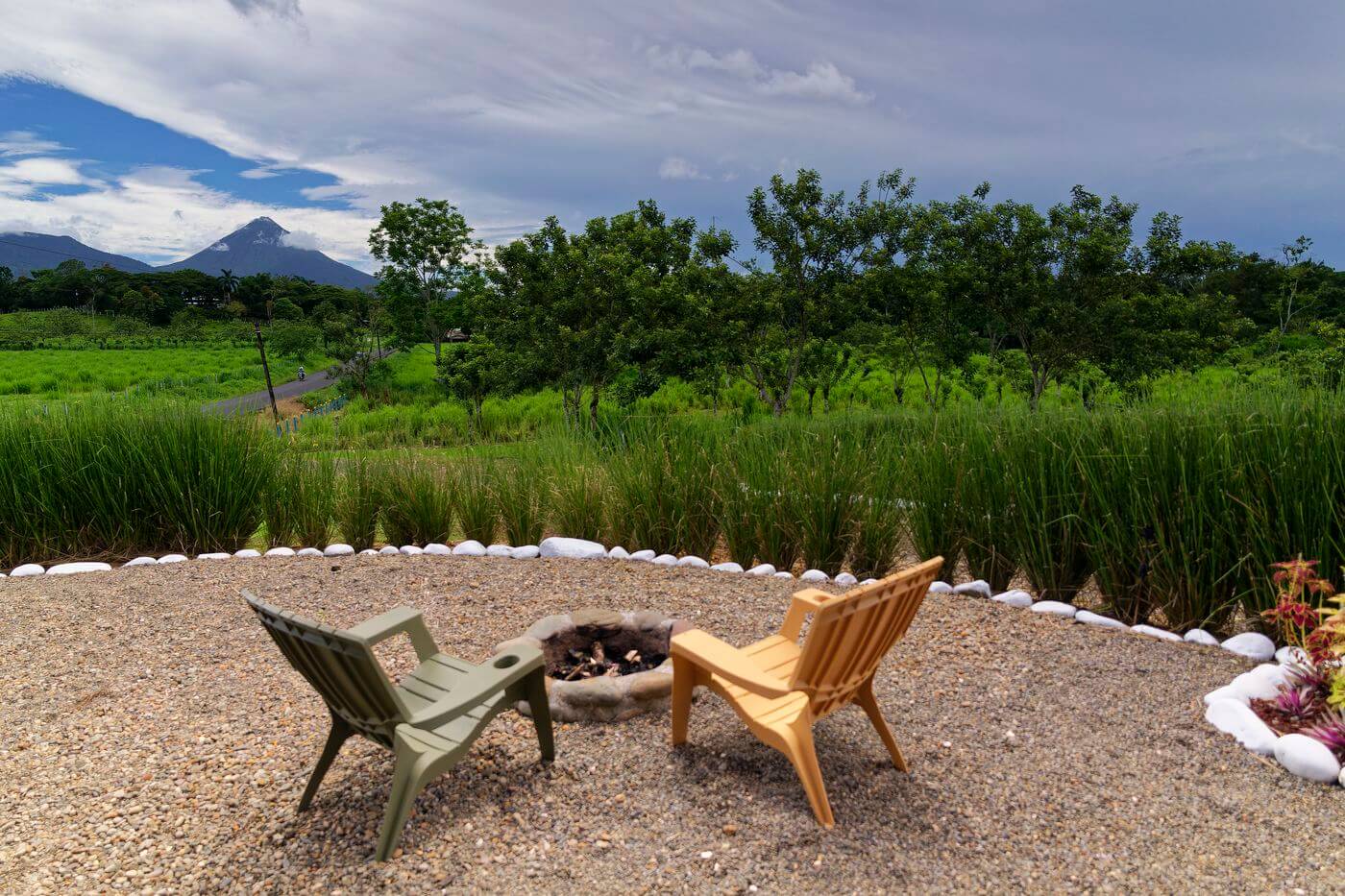
During our stay, we enjoyed a lovely Airbnb overlooking Arenal Volcano, complete with a small hot tub that felt wonderful, haha. However, with Téo being unwell, we decided not to hike around the volcano.
There are plenty of activities available in the region. Here are just a couple of options:
- Mountain biking in Arenal Volcano National Park: a peaceful and enjoyable way to explore the surrounding natural landscapes.
- Canyoning at Gravity Falls: a more adventurous option if you are looking for an exciting outdoor experience.
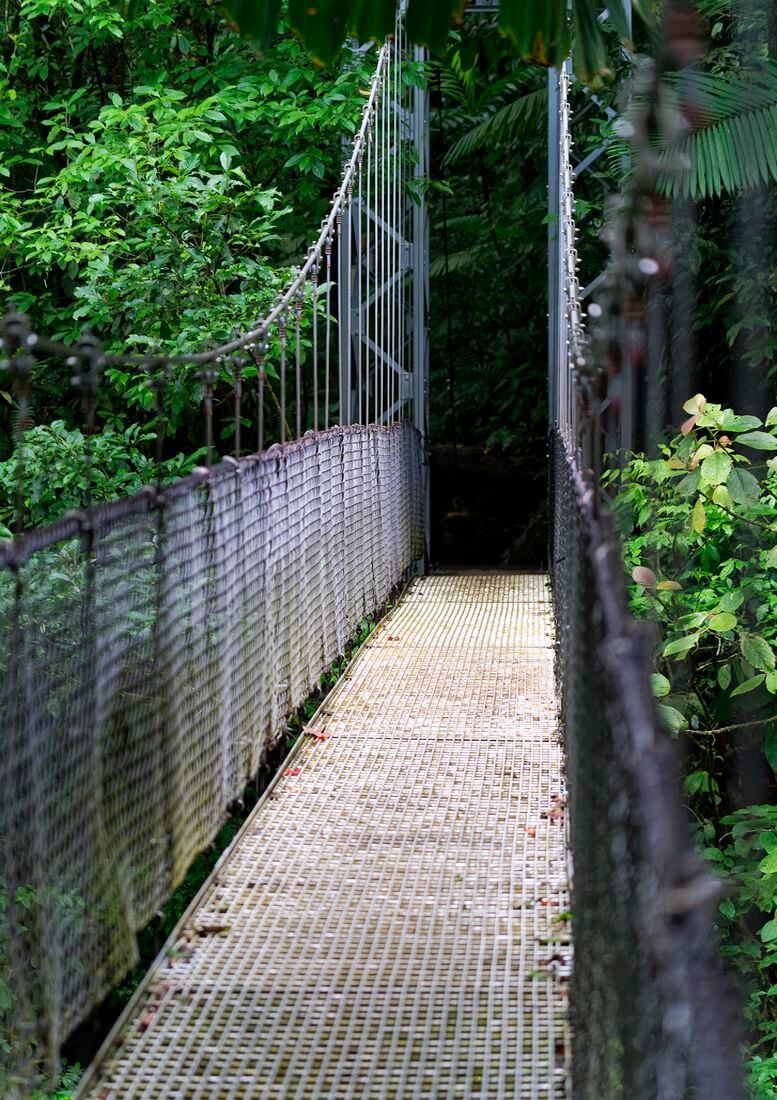
During our time in the area, we also visited a place that had been recommended to us: Mistico Arenal Hanging Bridges Park. It is famous for its suspension bridges crossing the rainforest canopy, and I have to admit that these bridges are what make the walk so memorable.
We set off early in the morning and followed a trail through a beautiful forest similar to the tropical vegetation we are used to seeing in Guadeloupe. The difference, of course, was the opportunity to cross several genuinely impressive suspension bridges. We spotted a few animals and saw some sloths in the distance, which was a lovely experience.
Looking back, I think visiting with a guide would have helped us see more wildlife and avoid missing some of the smaller creatures hidden along the trail. Trying to save money on a guide was probably not our best decision.
The area is also famous for its hot springs. As we were staying at the foot of an active volcano, naturally heated water emerges in many places throughout the region. There are options to suit almost every taste and budget.
We had to choose carefully because there were far too many places to visit, and some were extremely expensive. We eventually decided on a smaller, more local spot called “Termalitas del Arenal.”
Unfortunately, on the day we had planned to go, Louis got his thumb trapped in the car door as we were closing it. We felt terrible, and he was understandably in a lot of pain. We went to the emergency room to make sure nothing was broken, and fortunately, everything was fine.
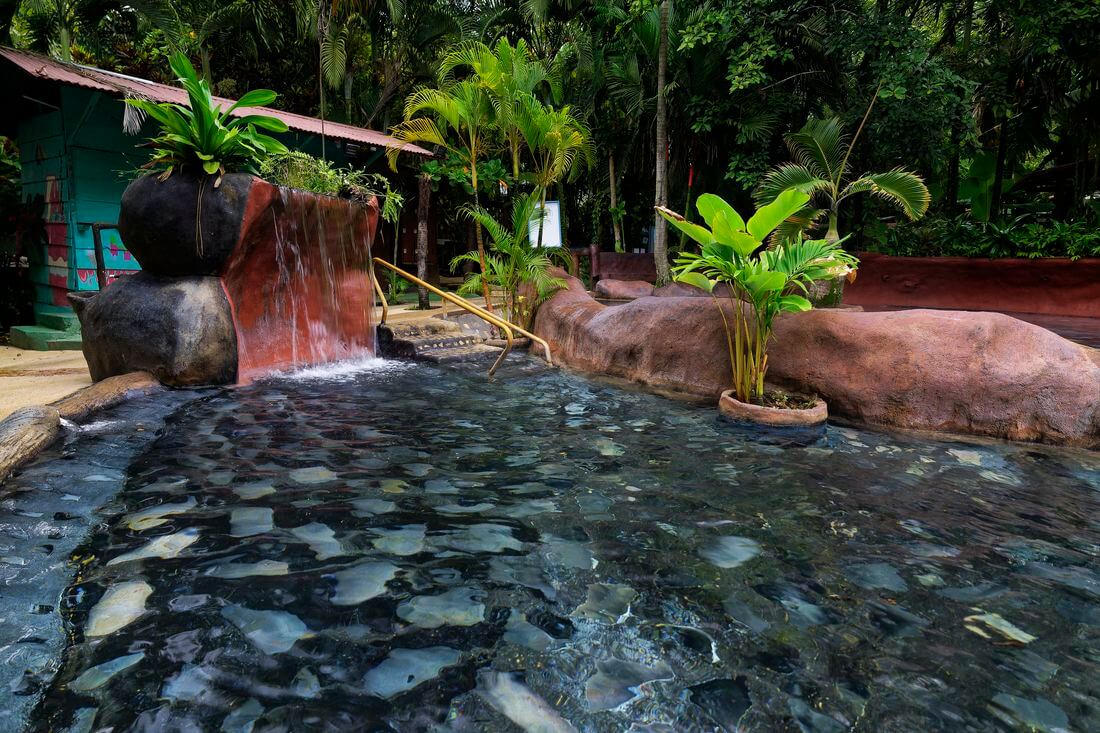
We returned to Termalitas del Arenal the following morning as soon as it opened and spent a few hours enjoying the pools. I’ll tell you more about it in a dedicated article, but it was a lovely, affordable place in pleasant surroundings. We also visited another hot spring afterward because the owner of our Airbnb had given us free tickets, although we found that second location much less interesting.
Tenorio Volcano National Park
After leaving the Arenal region, we headed west toward Tenorio Volcano National Park. Unfortunately, Téo was becoming increasingly unwell, and we still hadn’t managed to treat him properly. We eventually arranged a teleconsultation with a doctor in France, who prescribed antibiotics.
We’ll also tell you about the difficulties we experienced with Chapka Assurance, as we had to pay the emergency room costs ourselves. Between you and me, getting reimbursed for the money we paid in advance proved almost impossible, which was extremely disappointing.
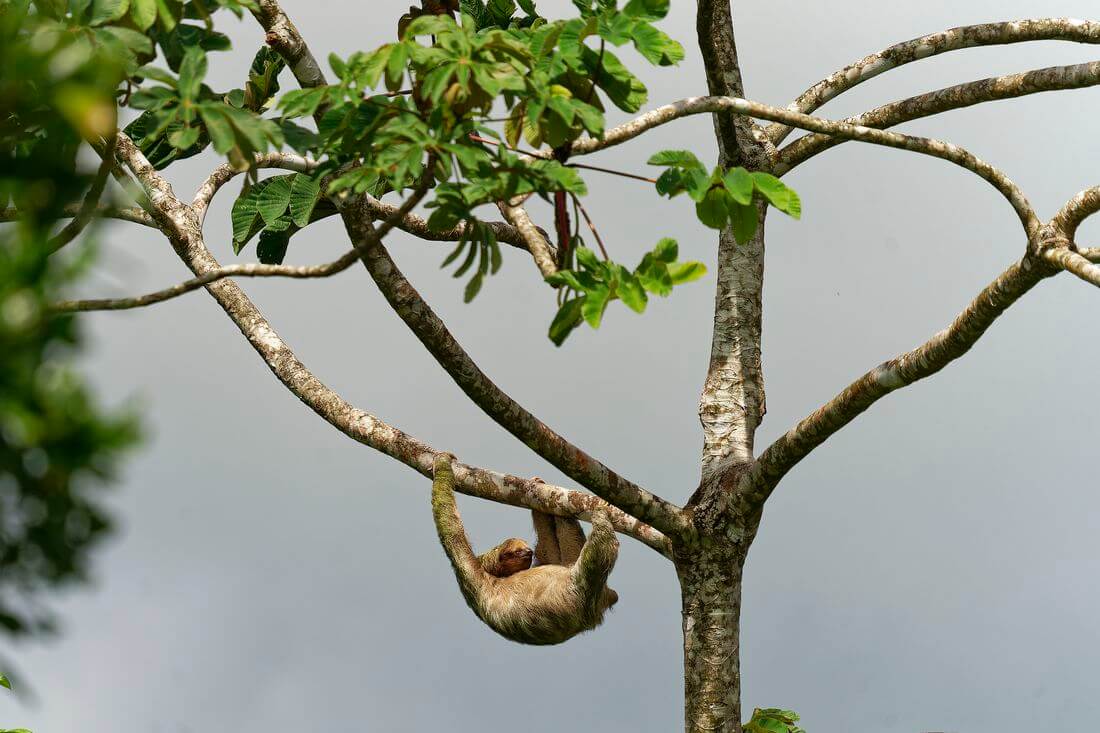
Along the way, we stopped beside the road to watch two sloths moving through a tree. It was a wonderful moment, and we were much closer to them than we had been during our visit to the park in La Fortuna.
When we arrived, we checked into our accommodation in the countryside. The weather was still fairly cool, and we had beautiful panoramic views of the surrounding volcanoes. Mélanie stayed with Téo so he could rest, while Louis and I headed to Tenorio National Park. As soon as we arrived, we realized that the area was extremely touristy, even though it was the low season.
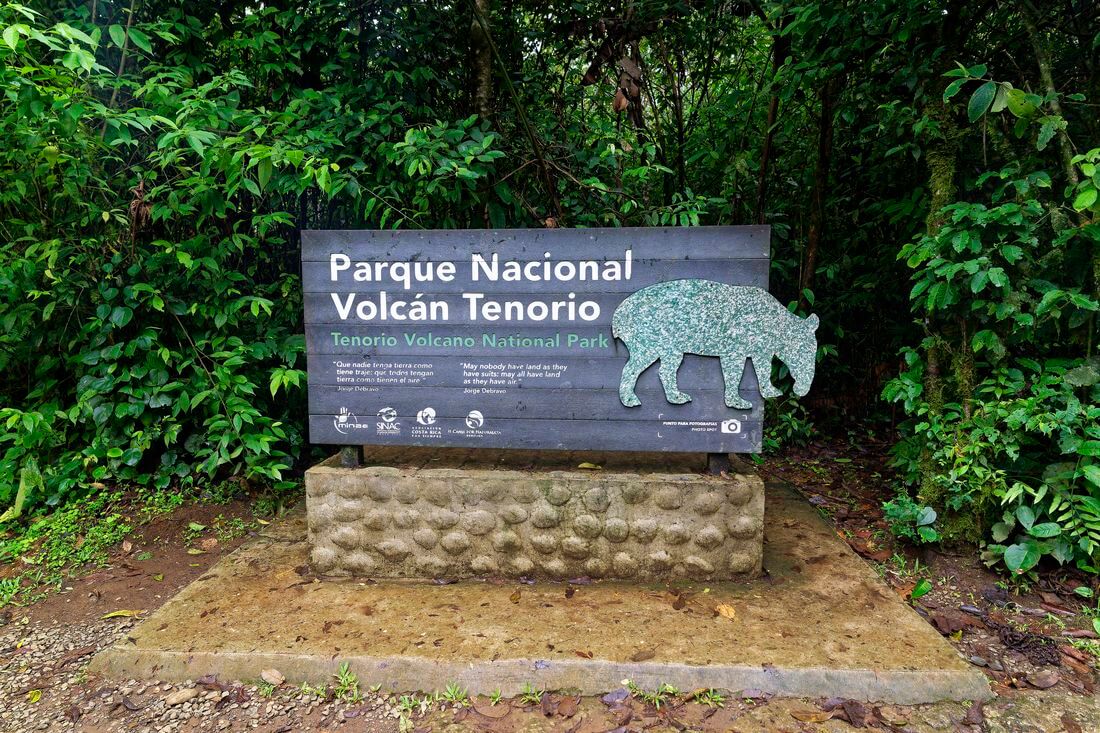
The hike takes around two to three hours and follows a trail through the tropical rainforest. The heat was almost suffocating, but the scenery was beautiful if you could ignore the large groups of tourists passing by.
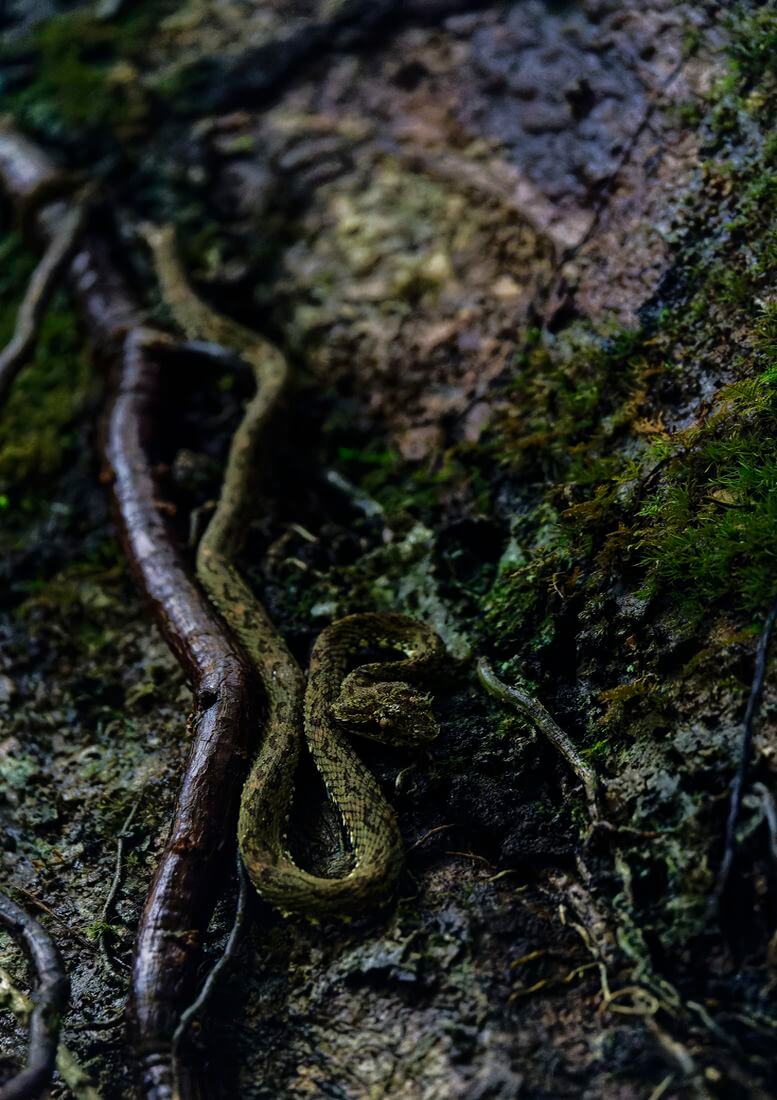
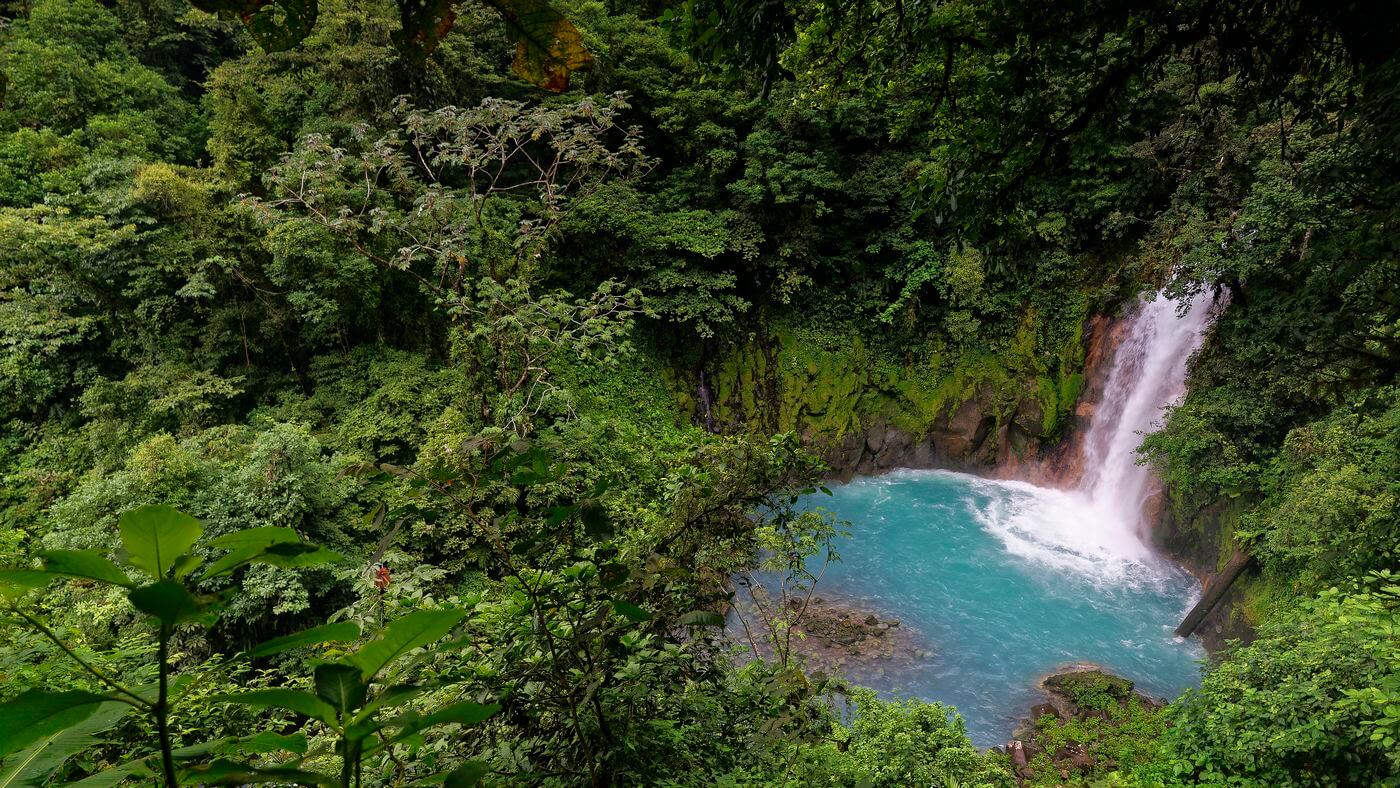
We were lucky enough to see another sloth, a beautiful snake, and, above all, the remarkable turquoise waters of the Río Celeste. The trail eventually leads to a beautiful waterfall. It was a shame to see so many people on such a relatively short hiking route, but we still made the most of the experience.
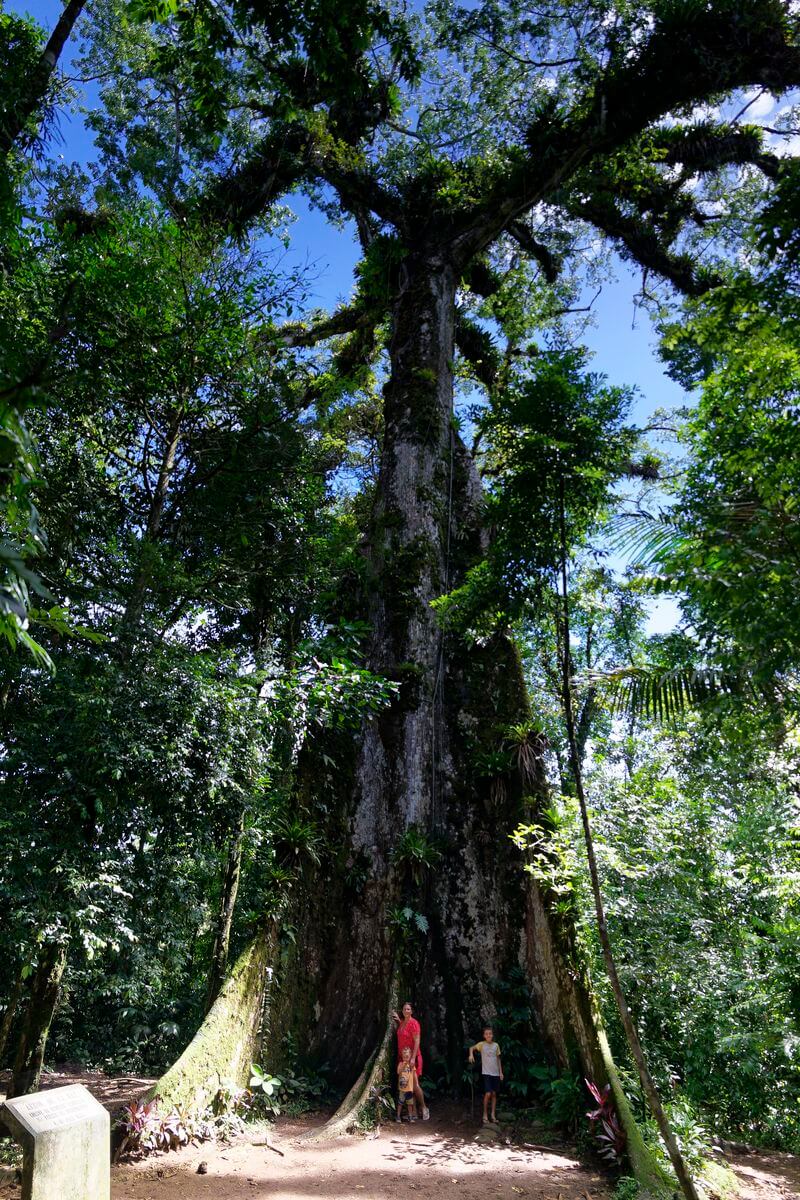
As we left the area the following day, we stopped at the Tree of Peace, or Árbol de la Paz. We had driven past it several times, but this is quite simply the largest tree I have ever seen. The size of its trunk is astonishing.
Rincón de la Vieja
Téo began to feel a little better once he started taking antibiotics. Nevertheless, we decided to slow down and spend four nights at a beautiful hotel surrounded by forest, Borinquen Resort & Spa, in the Rincón de la Vieja region.
Some people may question that decision, but we were also there to enjoy ourselves. More importantly, we desperately needed to rest after several nights of barely sleeping because Téo was ill.
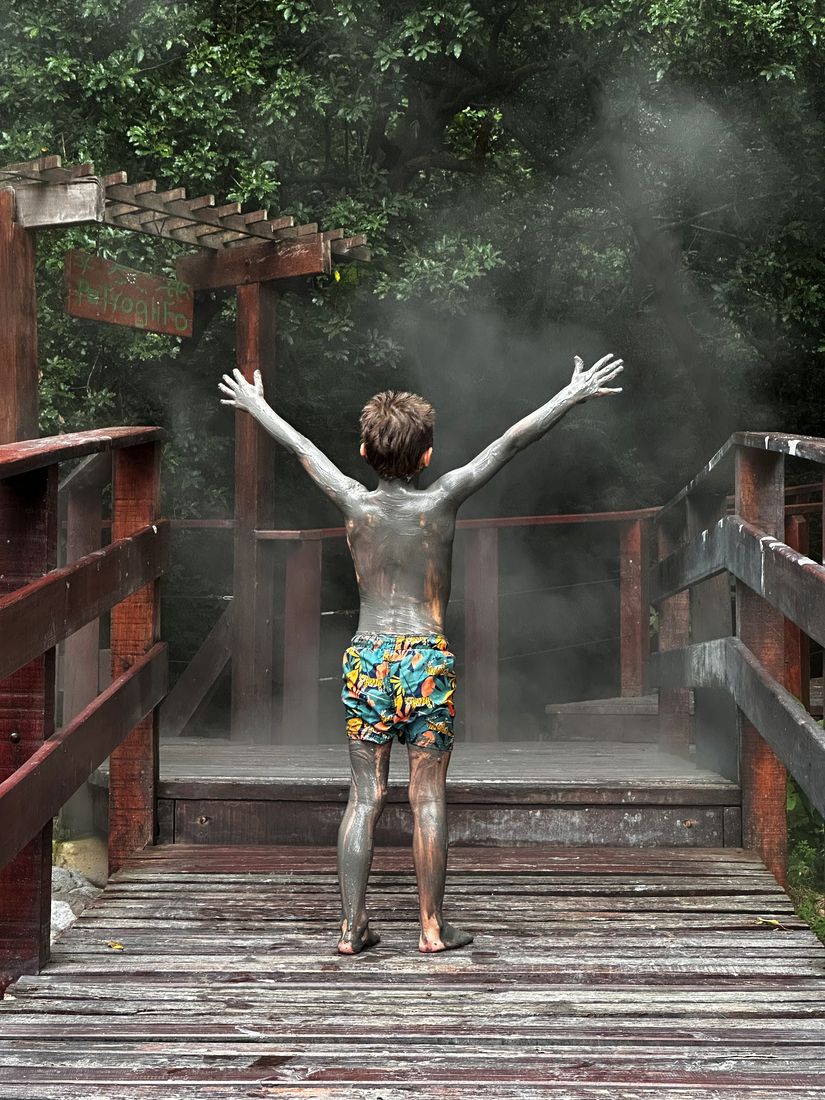
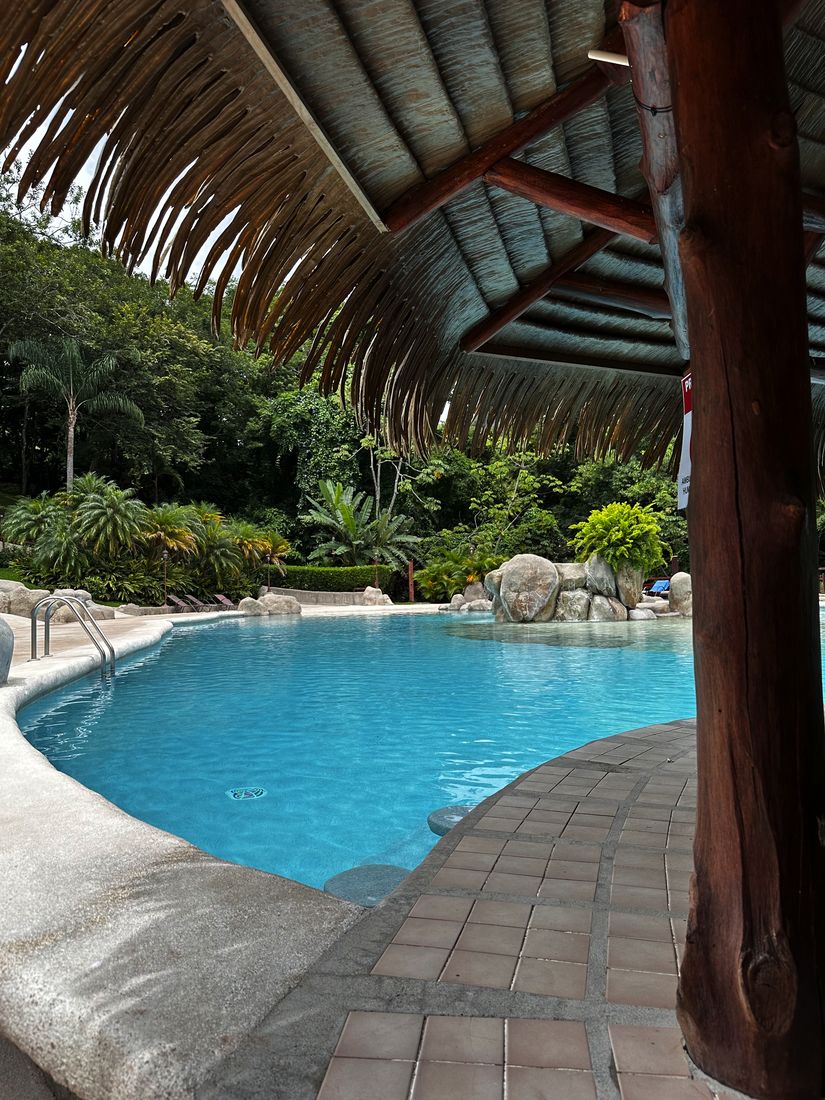
As you can imagine, we didn’t do very much during those four days. We mainly enjoyed the hotel, spent time together as a family, ate at the restaurant, tried the mud baths, and relaxed in the hot springs. The property is designed for peace and relaxation, and it did us a great deal of good.
We plan to write a separate article about our experience there. Hopefully, it will inspire you to discover this beautiful hotel hidden at the end of a very long road—around an hour’s drive, in fact!
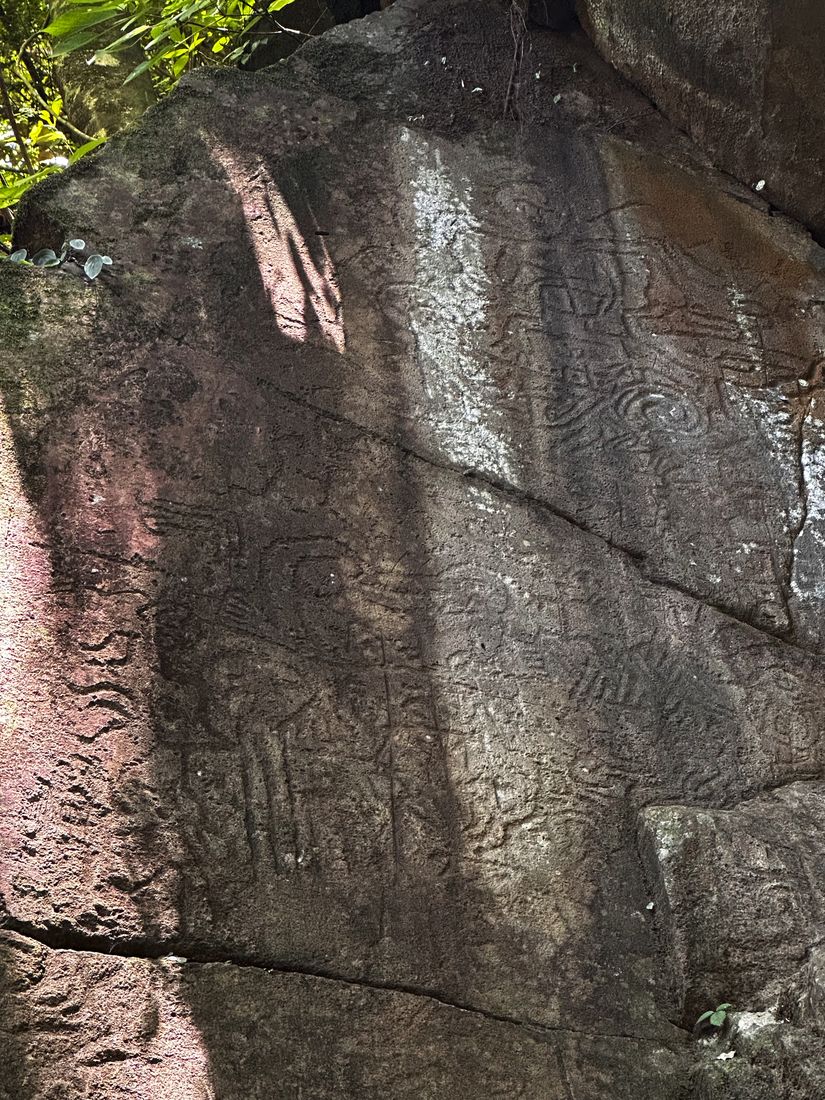
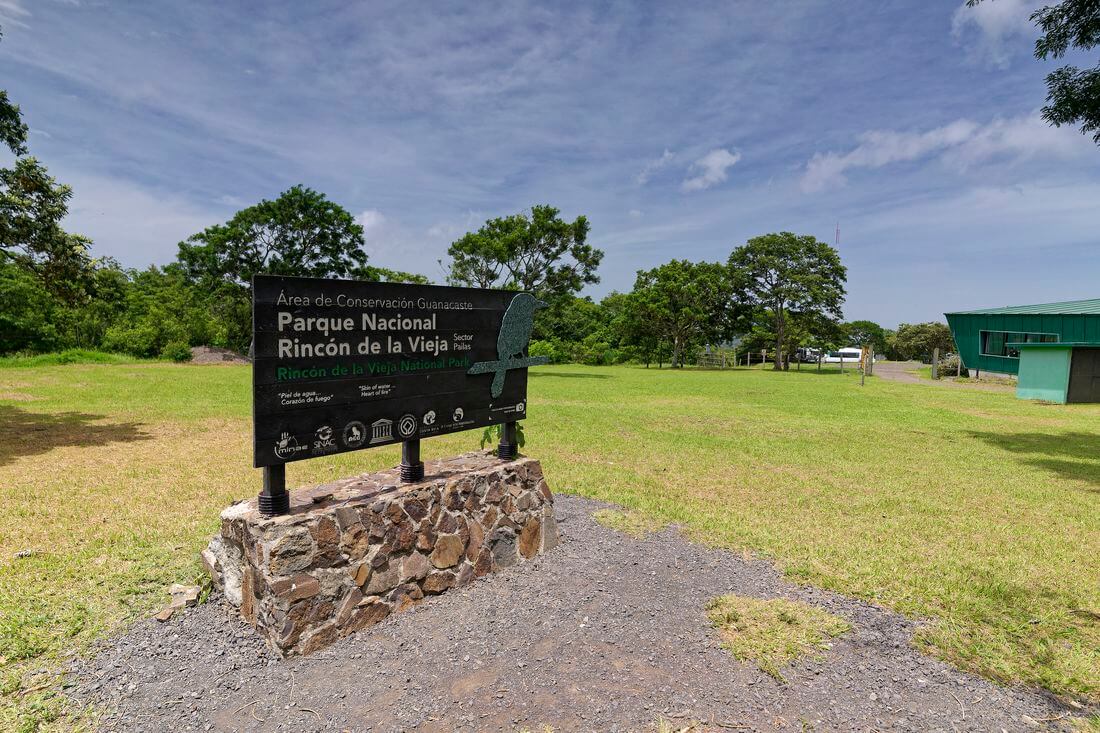
During our stay, we visited Rincón de la Vieja National Park, around an hour’s drive from the hotel along a dusty road. It was a place we had heard a lot about before leaving, but we were slightly disappointed by the experience.
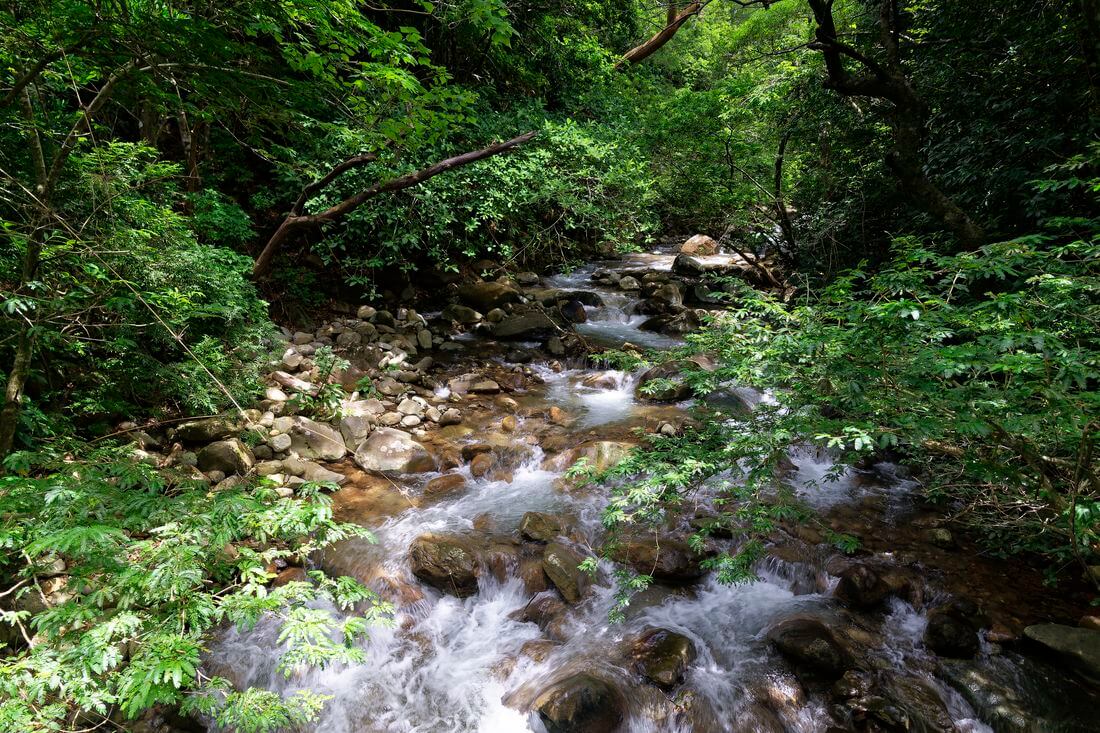
The region is known for its volcanic activity, and we had expected something particularly spectacular. Unfortunately, the two- to three-hour walk mainly involved hiking through a dry forest in intense heat, with occasional areas of bubbling mud rising from the ground.
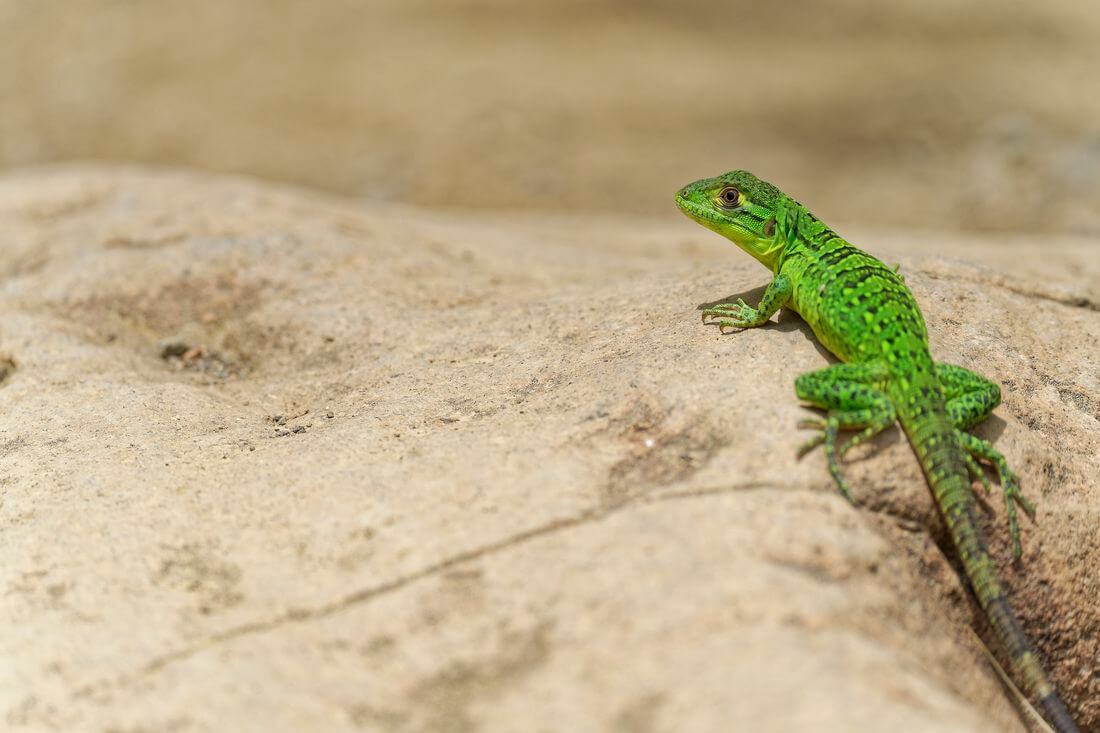
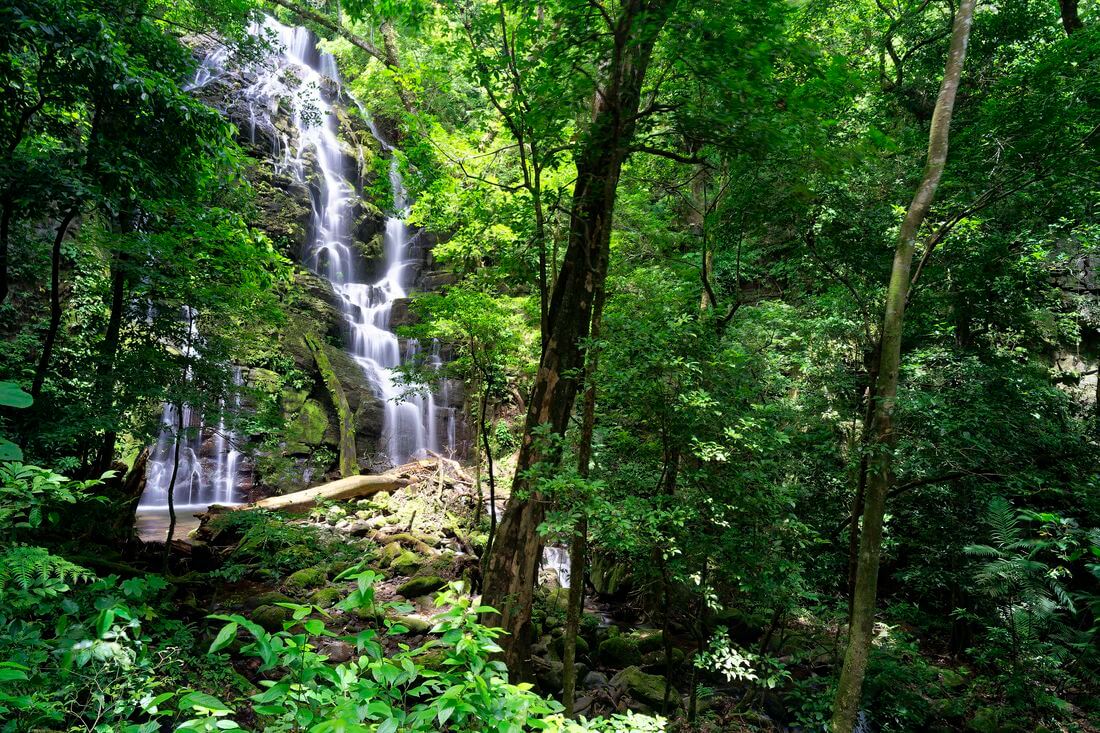
We didn’t see much wildlife apart from a few birds and lizards. What we appreciated most about the park were the trees, whose unusual shapes were genuinely impressive. Toward the end of the trail, we stopped beside a beautiful multi-level waterfall surrounded by rainforest. That was a particularly enjoyable moment.
The Monteverde Region
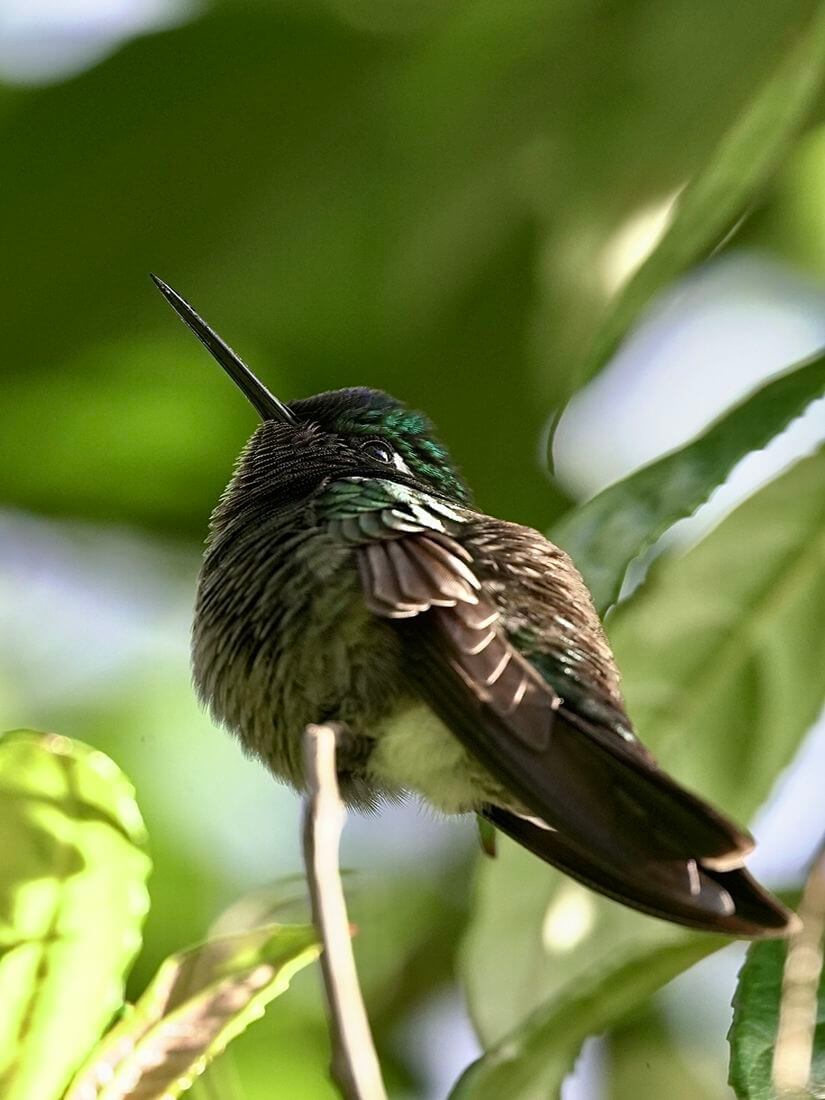
We didn’t travel any farther west in Costa Rica. Instead, we headed southeast toward Monteverde, a region known for its spectacular high-altitude landscapes. We checked into a charming little Airbnb with a small garden filled with hummingbirds, which was wonderful for observing the local birdlife.
During our three days there, we decided to visit the Santa Elena Reserve, which appears to be less famous than the Monteverde Reserve but also less crowded—which is exactly what we prefer.
We followed a dirt road winding up the mountainside toward a beautiful high-altitude forest. It was early in the morning, and although I had no idea what the exact temperature was, it certainly wasn’t warm. We even put on our fleece jackets before starting the walk. At the entrance shop, we bought a couple of neck warmers that would later prove useful for future trips.
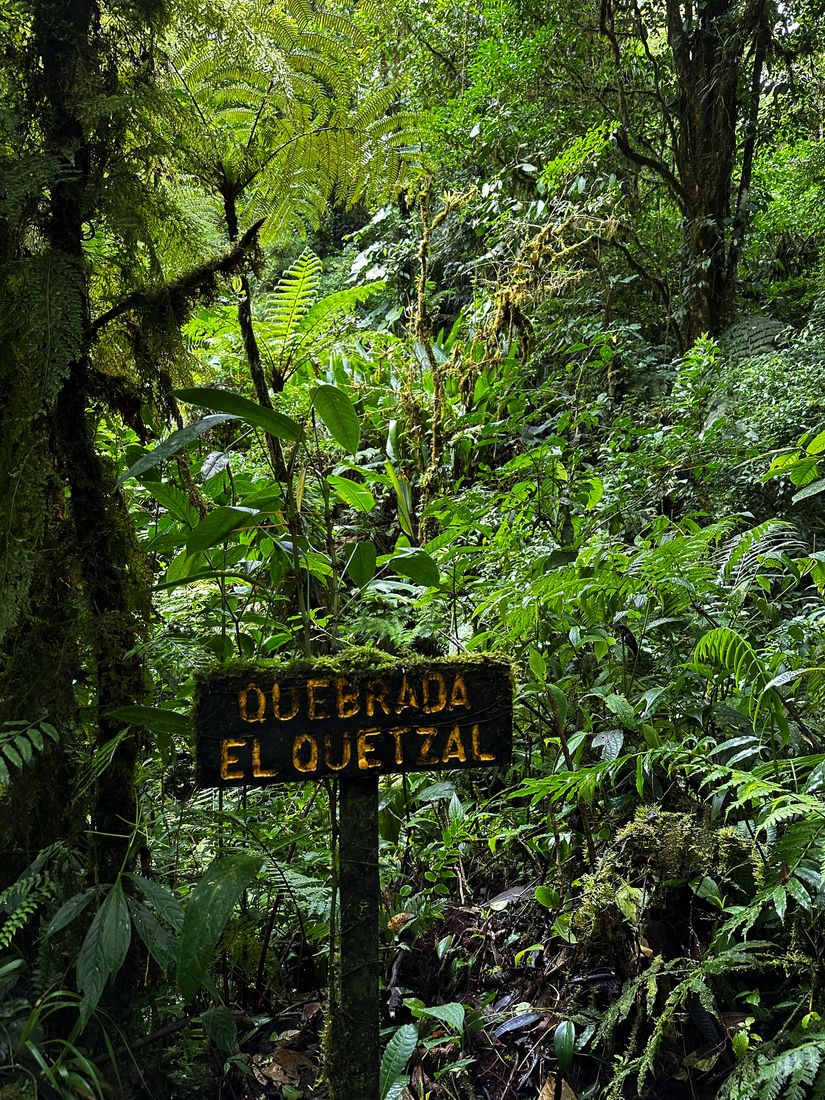
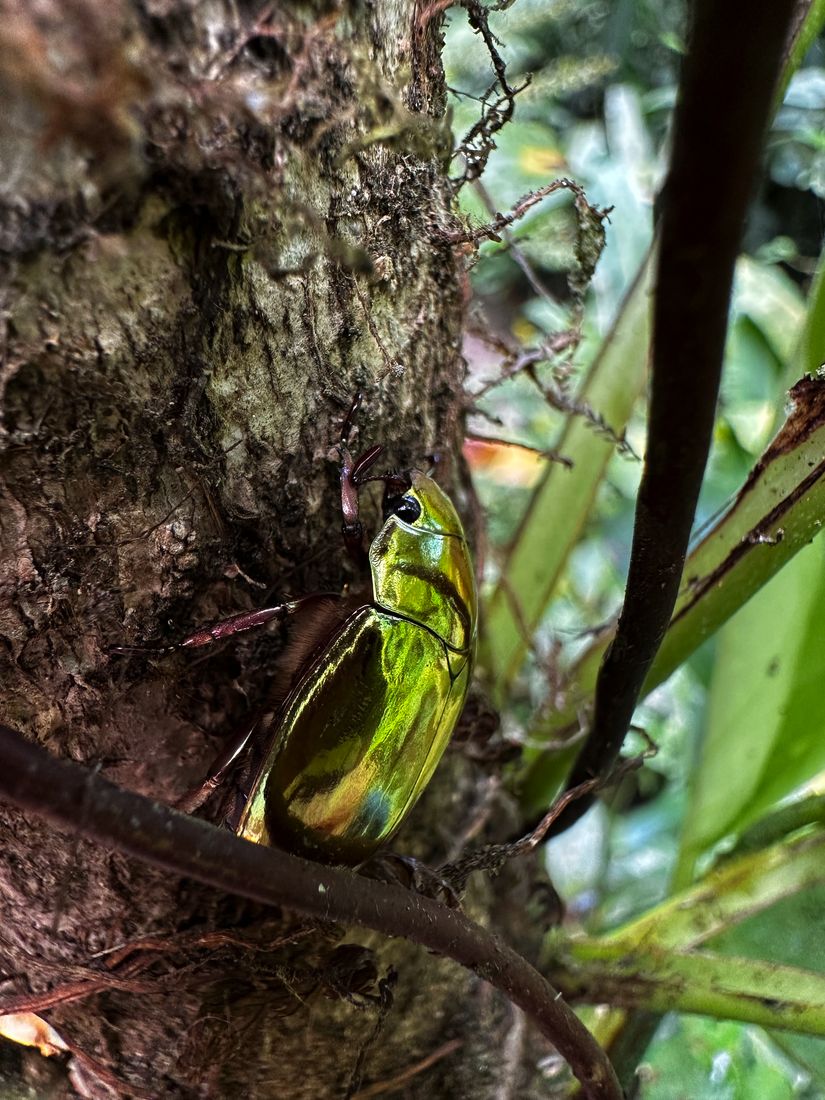
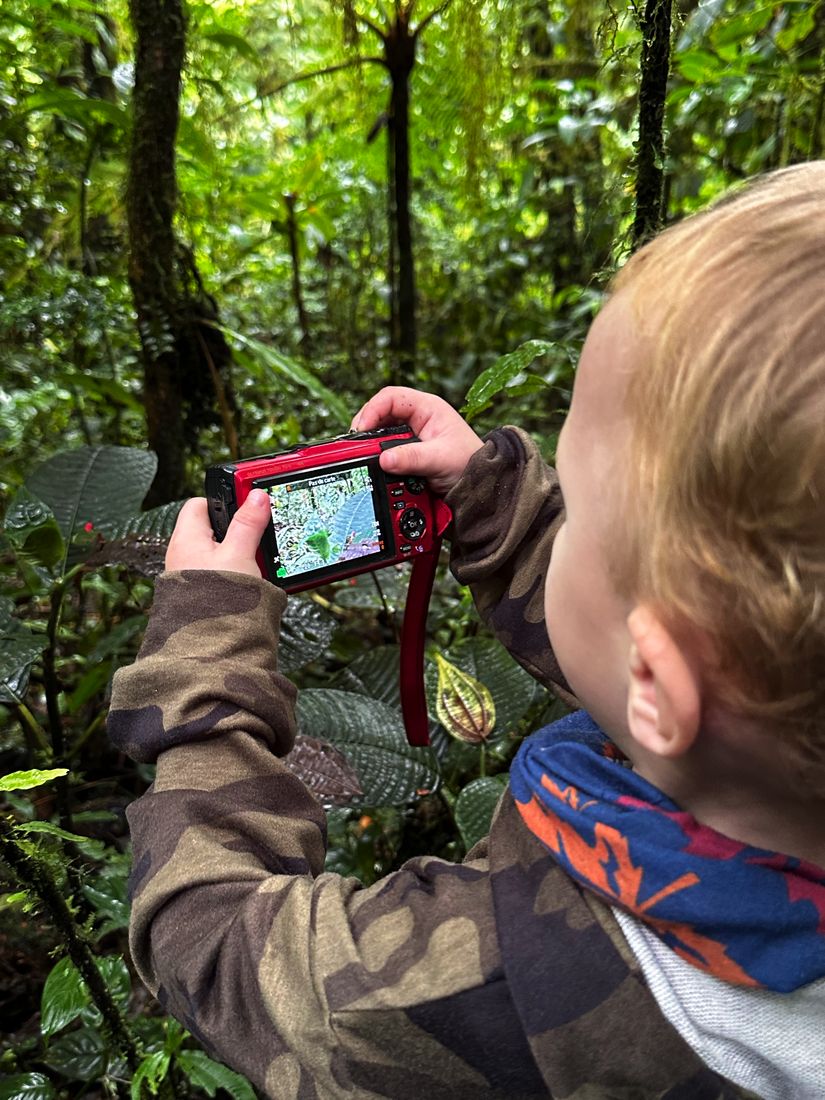
Several hiking routes were available, but knowing the children—and with Téo still not fully recovered—we chose a moderate loop lasting around three hours.
The forest was absolutely beautiful: incredibly damp, covered in moss and lichen, and filled with impressive trees. Walking through this cloud forest was a genuine pleasure. We managed to spot a few howler monkeys, although they were difficult to see properly. Unfortunately, we weren’t lucky enough to spot the famous quetzal, one of the region’s best-known birds. Then again, with the amount of noise the children made, observing wildlife was never going to be easy, haha.
Looking for two more activities in Monteverde?
- Canopy tour at Monteverde Extreme Park: we didn’t have the opportunity to try it, but reviews are excellent if you enjoy adrenaline-filled activities.
- Bungee jumping in Monteverde: an impressive activity for travelers with strong nerves.
We also visited the famous Monteverde Butterfly Gardens, which is an excellent attraction for children. The guides explain everything you need to know about butterflies and other local insects. The visit was fascinating, and we were accompanied by a French-speaking guide, which made everything much easier to understand. The kids loved it.
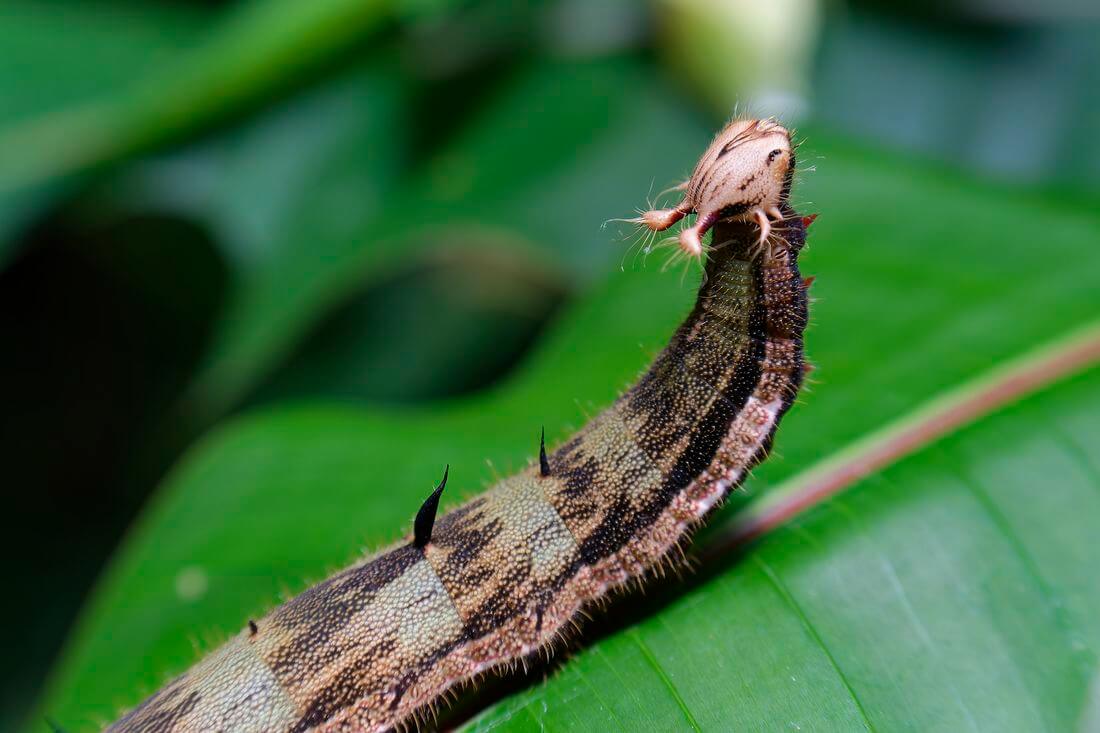
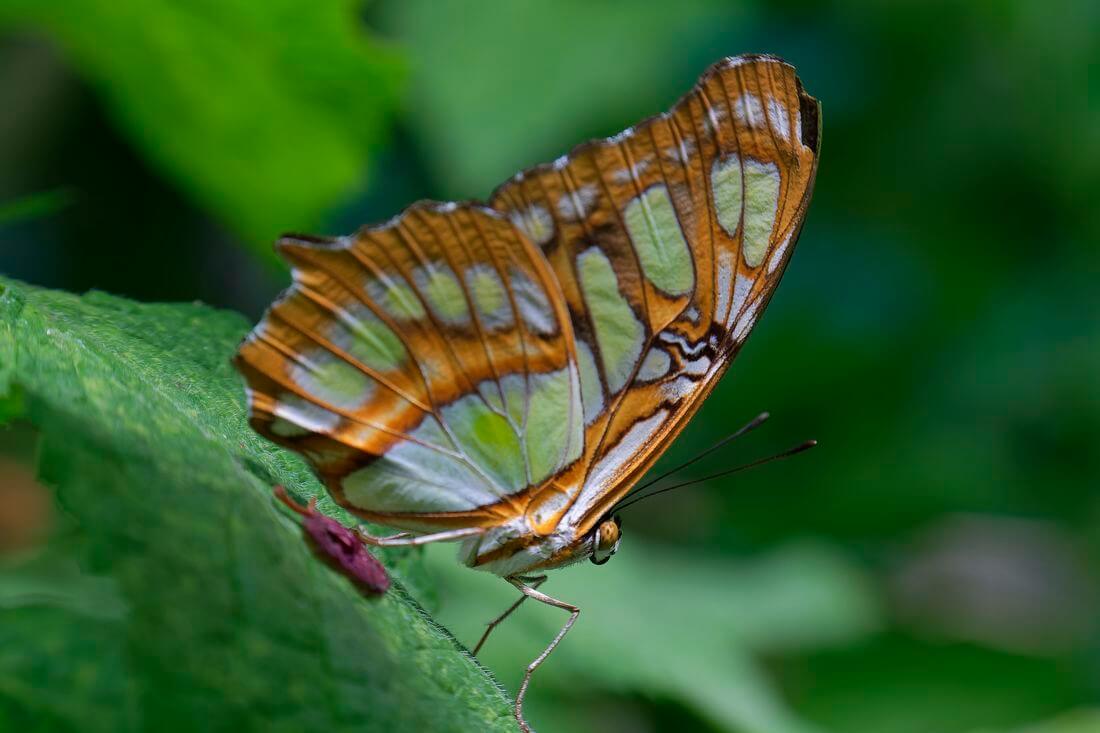
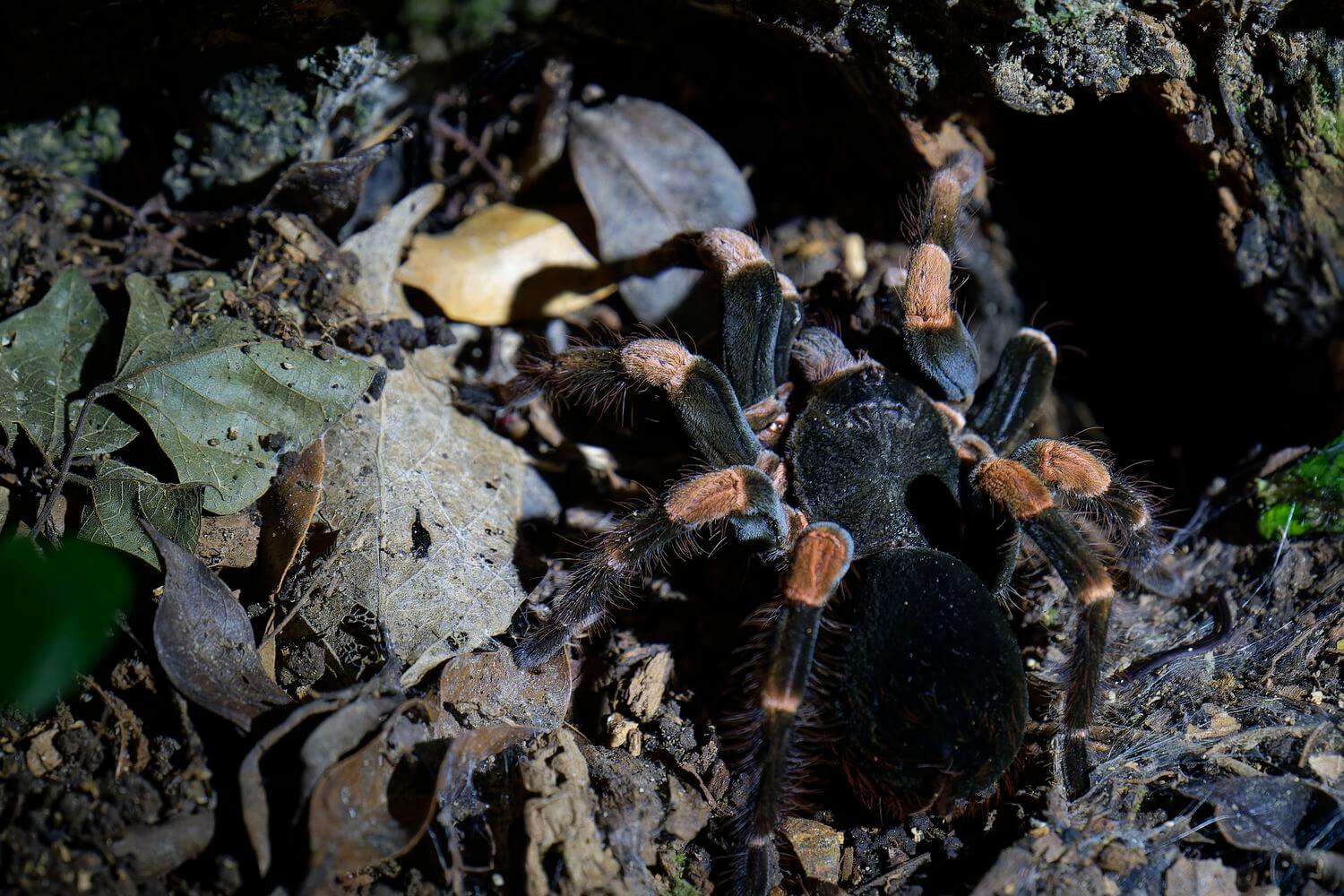
We also took advantage of our stay to join a night walk in one of the protected areas around the Monteverde Cloud Forest Biological Reserve. I’ll tell you more about it in a dedicated Monteverde article.
We thoroughly enjoyed this two-hour nighttime hike through the tropical forest. Although we didn’t see as many wild animals and insects as we had hoped, the atmosphere itself made the experience worthwhile. It felt adventurous and completely different from walking through the forest during the day. The children were exhausted by the end, but they had a fantastic time.
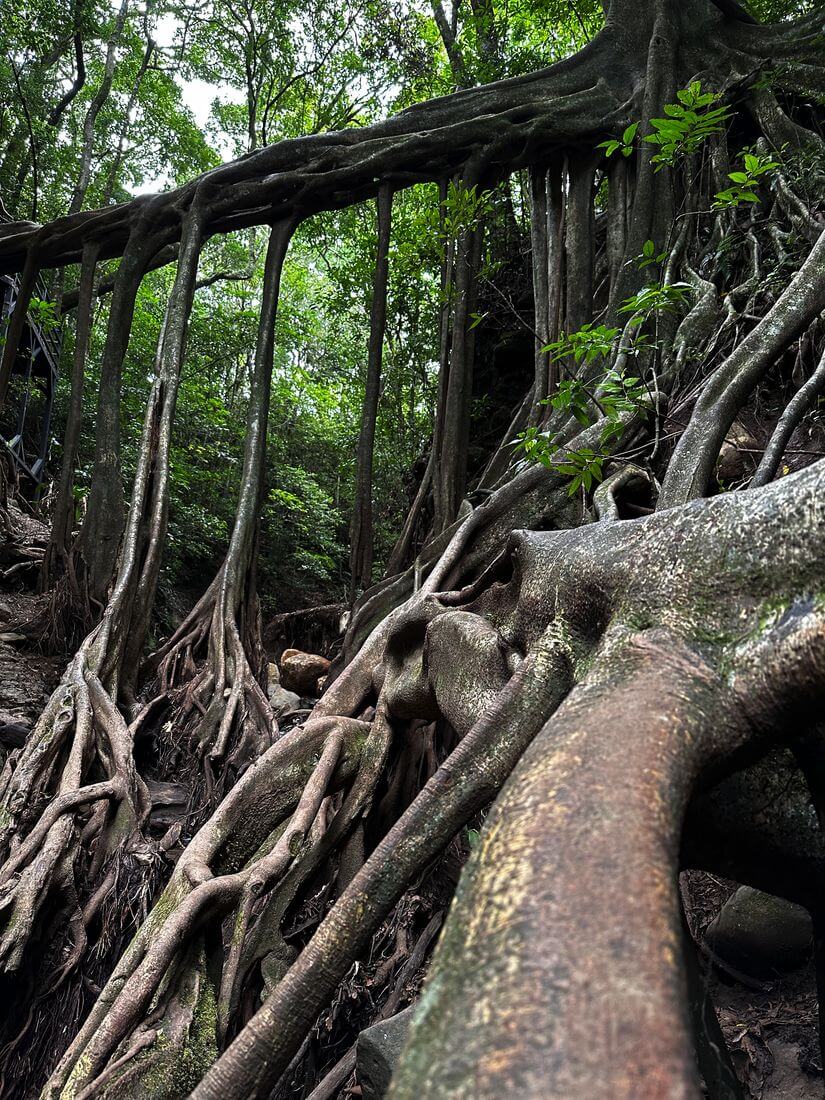
Before leaving Monteverde, we stopped at a place recommended by local residents: Ficus La Raíz. A short 10-minute walk leads down to a river where a huge ficus tree has grown across both banks, naturally forming a bridge. It is a remarkably photogenic spot.
We really enjoyed this short stay in Monteverde. After leaving the region, we headed toward Uvita, much farther southeast. Along the way, we stopped at the famous crocodile bridge over the Tárcoles River. The children enjoyed seeing the crocodiles beneath the bridge, but the site itself is clearly a major tourist stop.
Uvita
To be honest, because we already live on a tropical island and wanted to focus on Costa Rica’s inland regions, we hadn’t originally planned to spend much time on the coast. However, we eventually decided to break up the journey between Monteverde and Irazú by spending a few days beside the ocean. I’ll tell you more another time about Mélanie’s rather questionable choice of bungalow on Airbnb, haha.
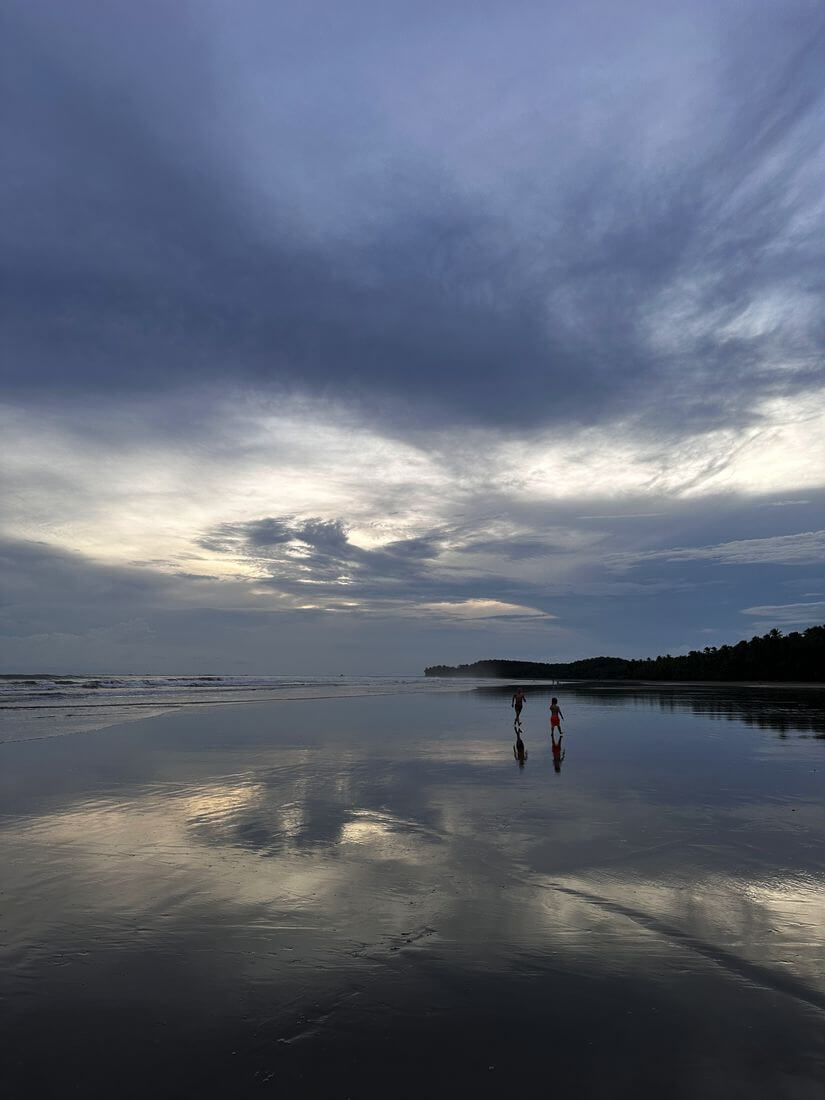
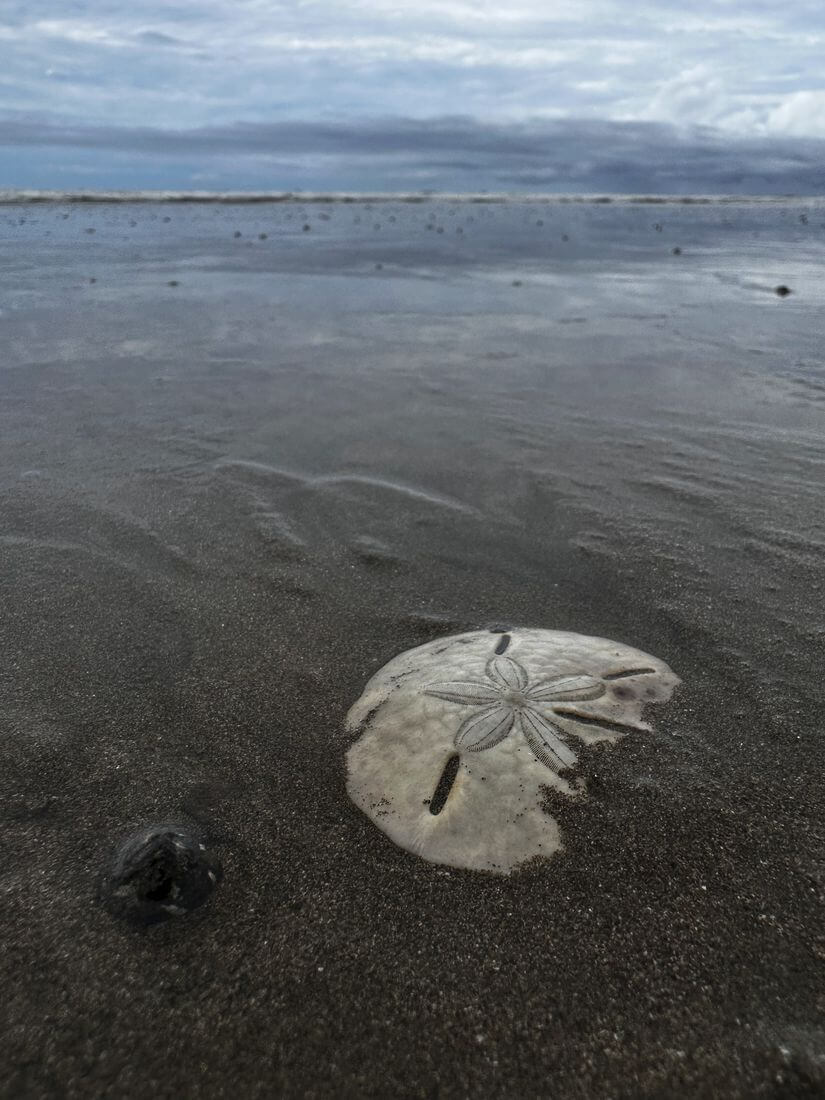
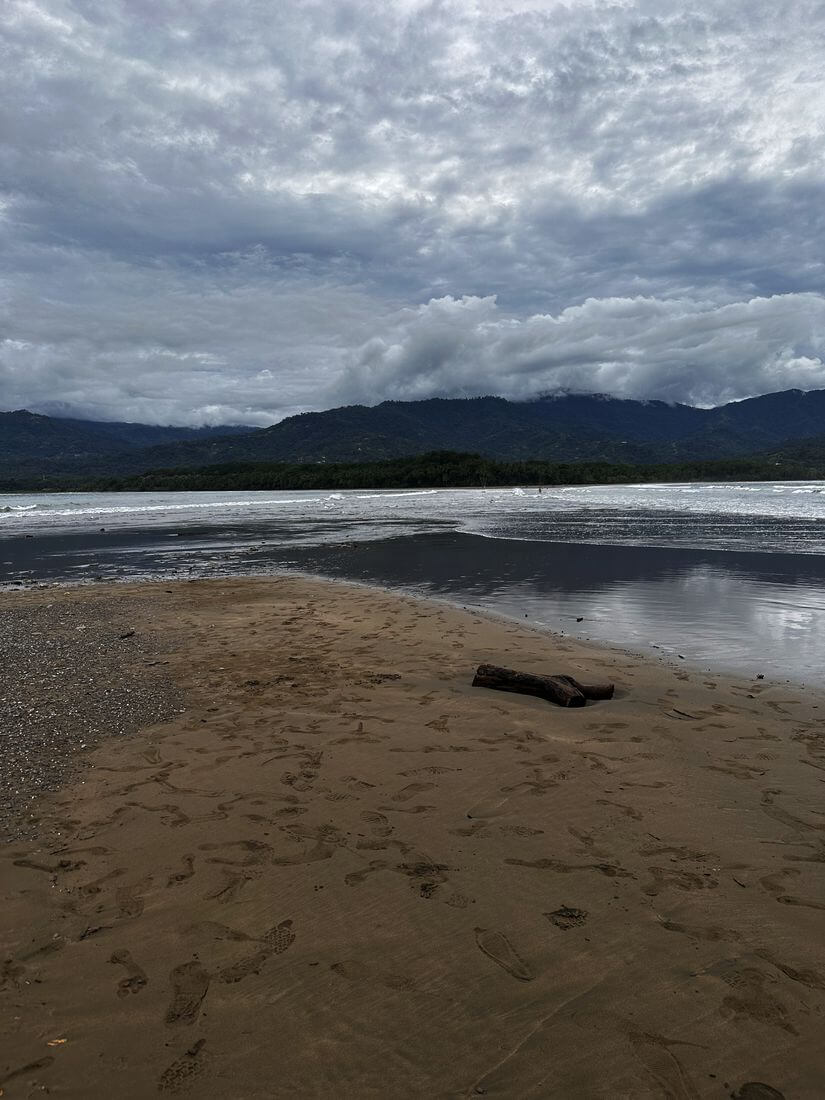
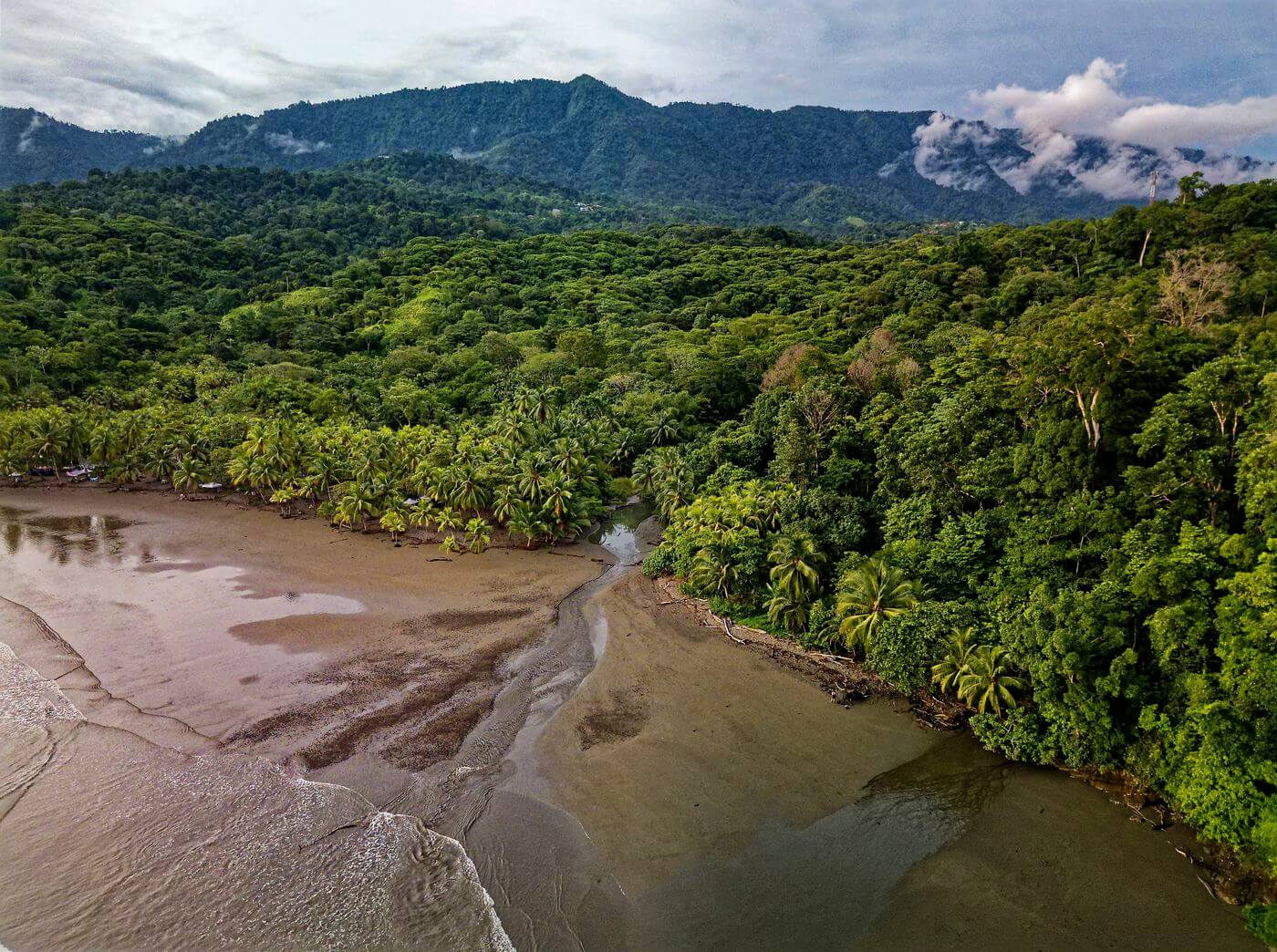
Overall, I would say that this was the region we enjoyed the least during our trip. Nevertheless, we had a lovely time together as a family on the enormous black-sand beach in Marino Ballena National Park. The beach is vast, the water is wonderfully warm, and there are plenty of simple things to enjoy, such as walking along the shore and collecting shells.
We walked from our Airbnb to the famous whale-tail-shaped sandbar, which is often photographed for Instagram, although drone photography is prohibited there. It was a wonderful experience, particularly around high tide.
Unfortunately, we experienced a great deal of rain during our stay, which made exploring the surrounding area more difficult. As a result, we didn’t do very much nearby. Costa Rica experiences two particularly wet periods: one from November to January and another from May to August.
Irazú
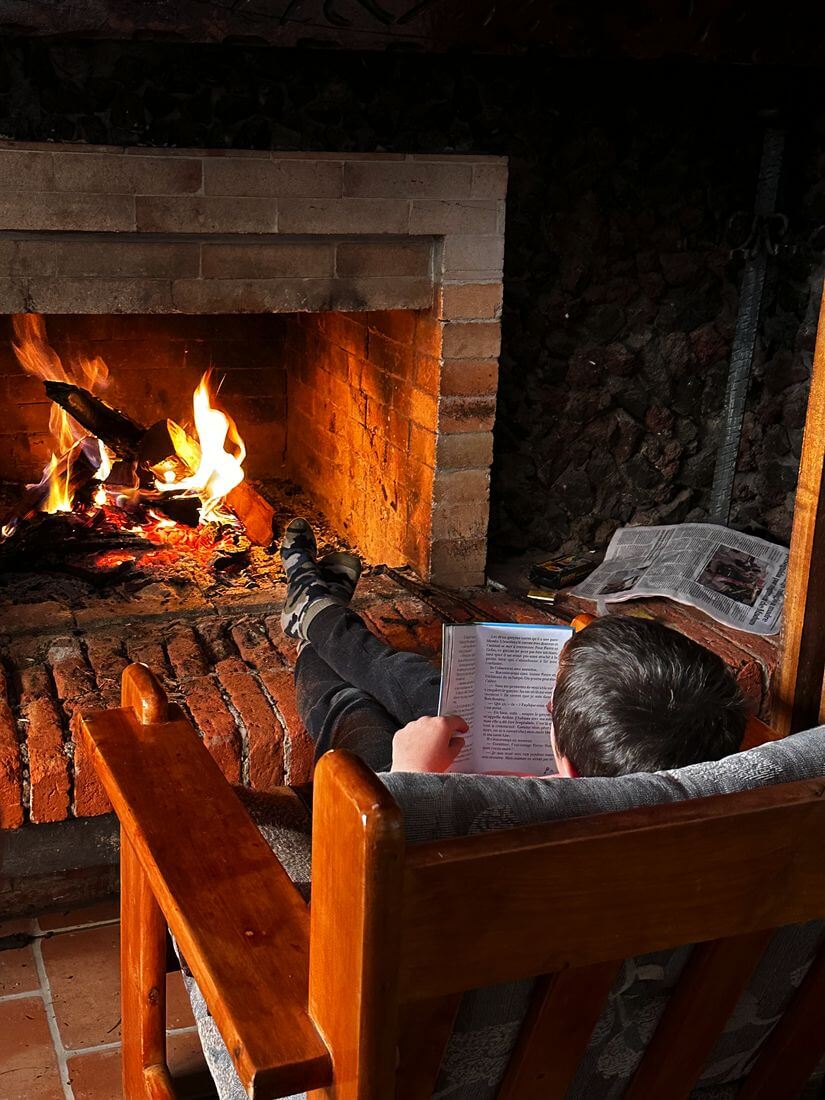
After this short coastal break, we were delighted to head inland again toward the capital and our accommodation at the foot of Irazú Volcano. I have to admit that we treated ourselves to a beautiful house with a garden and, believe it or not, a fireplace.
Contrary to popular belief, Costa Rica isn’t always hot. We quickly discovered that when we arrived at the house. Firewood had been provided for the evening, and we thoroughly enjoyed lighting the fire. Perhaps it is because we live on a tropical island where temperatures remain between 25 and 30°C throughout the year, but whenever we experience genuinely cold weather on vacation, we find it exciting. Living in that climate permanently might be another matter entirely.
We spent four days near Irazú Volcano. The surrounding scenery was magnificent. We stayed in the village of San Juan de Chicuá, around 20 minutes by car from the summit of the volcano.
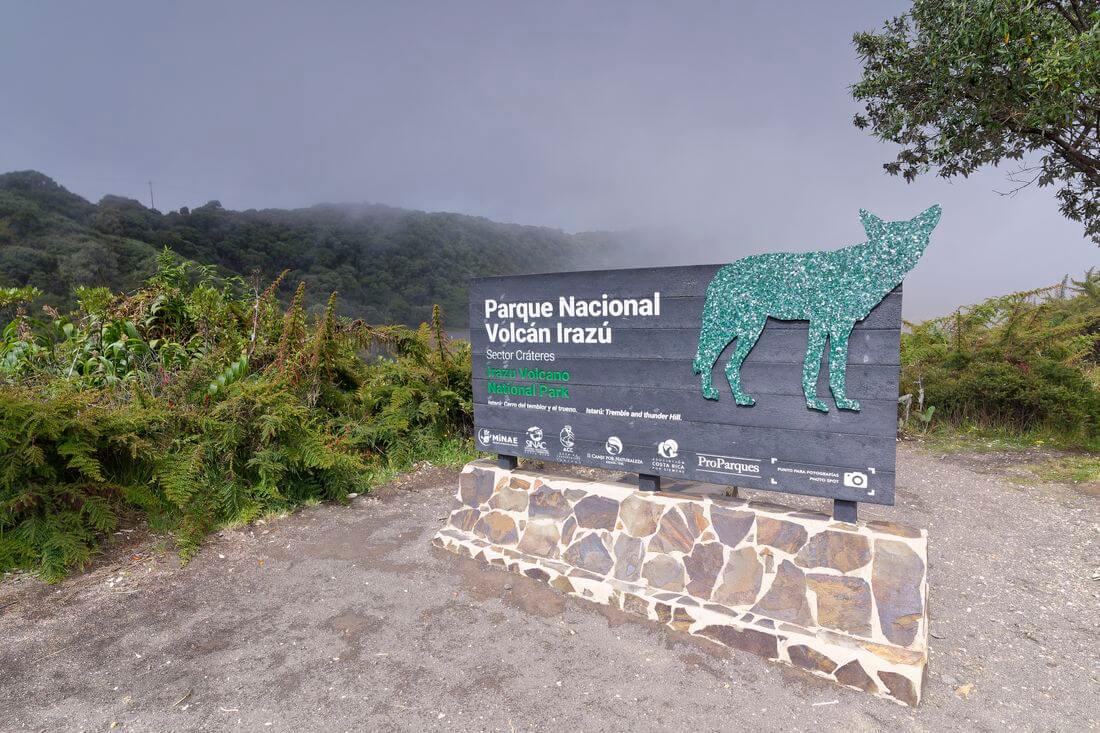
One morning, we visited the national park. It is a beautiful but cold and extremely windy place. We loved our time there, although Mélanie eventually retreated to the warmth of the cafeteria with Téo, haha. Whenever the clouds cleared, the views across the surrounding landscape were spectacular.
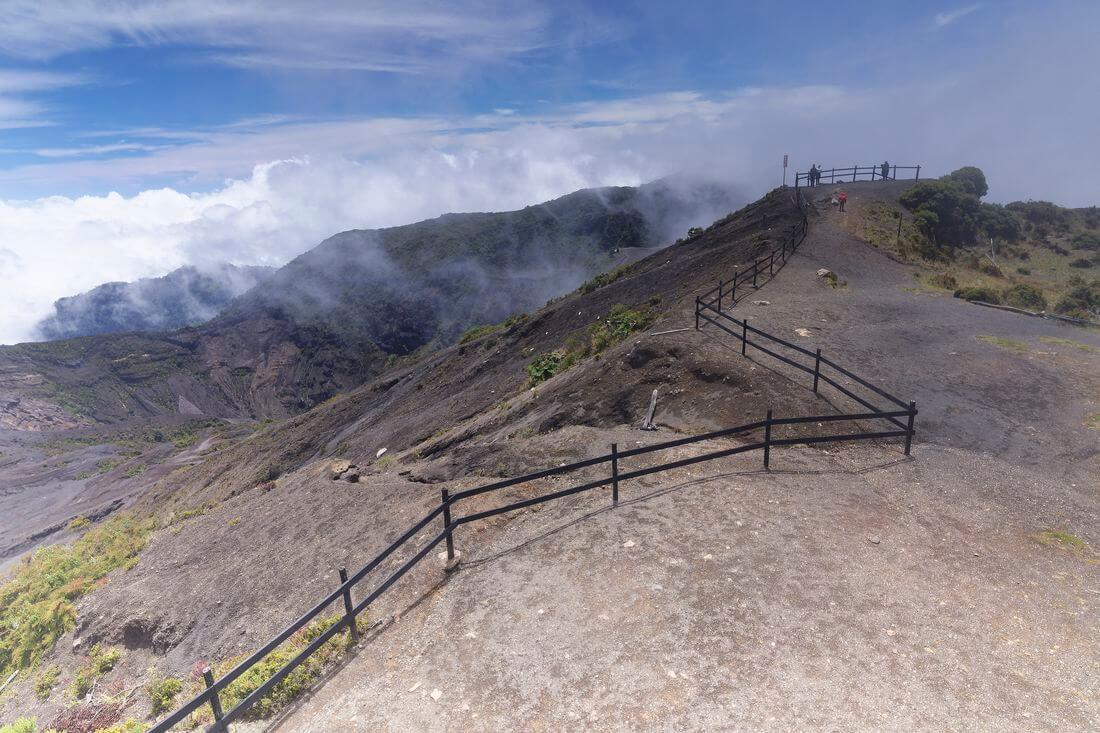
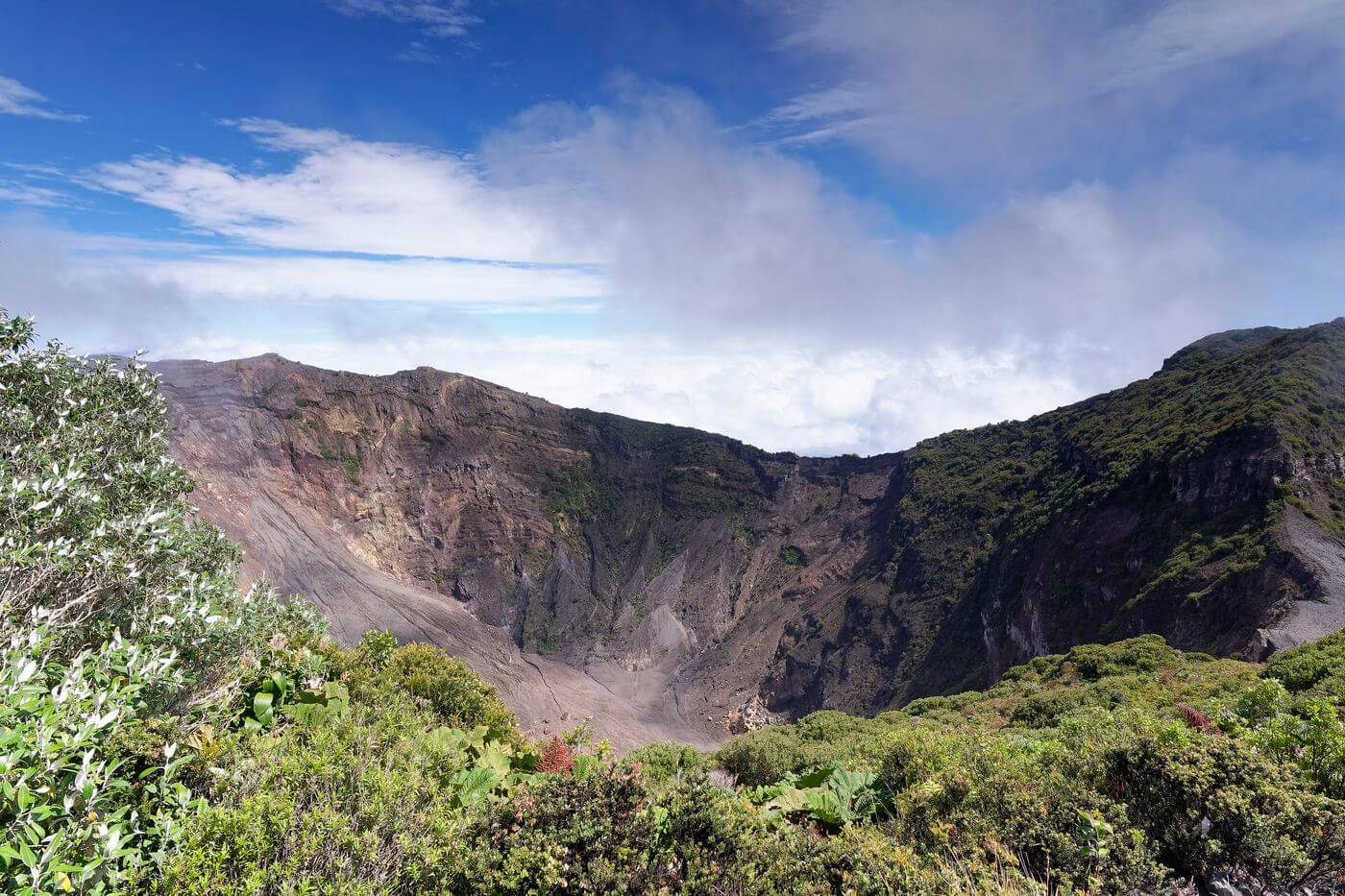
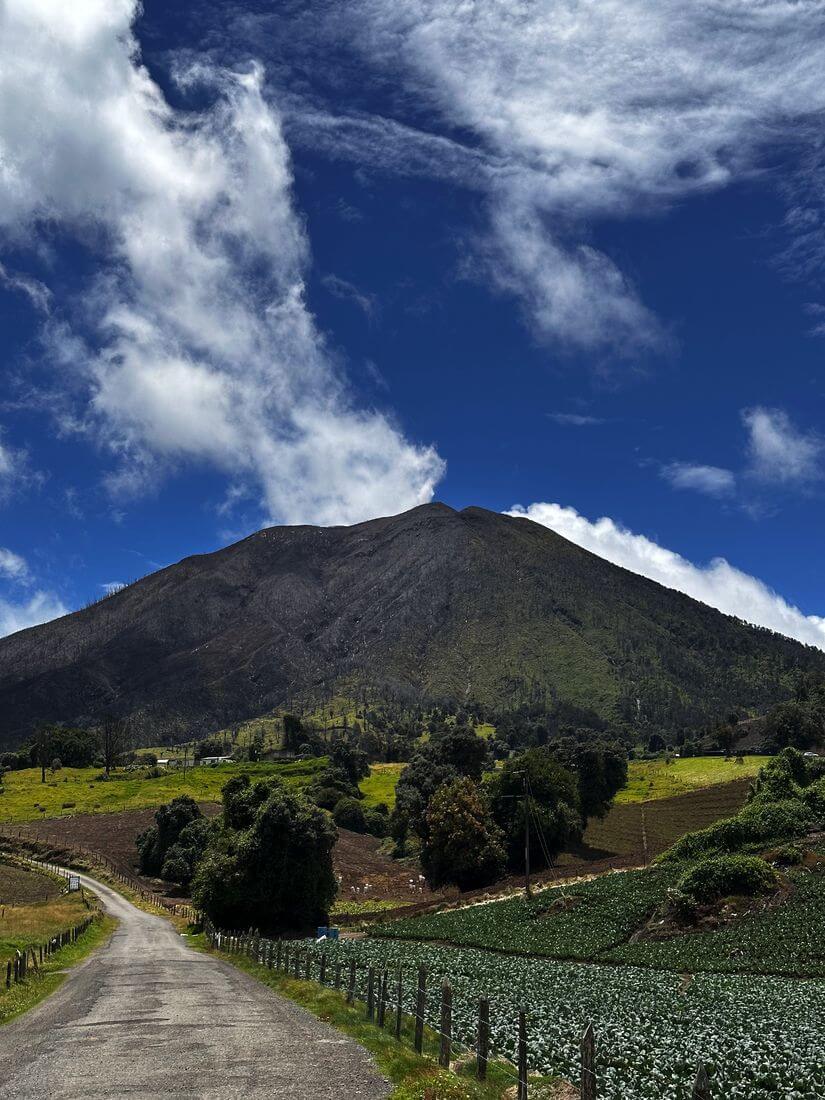
We also devoted an entire day to driving toward Turrialba Volcano. I have to admit that we struggled to determine whether it was still possible to reach the volcano, so we simply set off without really knowing what to expect.
The road from our house toward Turrialba was stunning. We followed narrow mountain roads offering breathtaking views of the surrounding highlands. There was no need to rush, as the roads were in poor condition and we had to drive very slowly. We had no idea where we were going, but we were traveling through a dreamlike landscape with our family, and that was more than enough.
We eventually stopped in a tiny hamlet with only a handful of houses, where we noticed a sign for a “restaurante.” We never imagined that we would find somewhere to eat in such a remote location, but there it was: Hacienda La Central.
We received a wonderfully warm welcome and were able to eat beneath a sheltered area, which was fortunate because the temperature remained surprisingly cool. It may sound insignificant, but this became one of my favorite memories of Costa Rica: the children playing in a small playground at the foot of the volcano, the magnificent scenery all around us, and this improvised little restaurant in the middle of nowhere. For me, this is exactly what traveling is all about.
We couldn’t continue any farther because the road became extremely poor, and we eventually learned that access to the volcano was no longer possible. Turrialba had experienced a significant eruption in 2016, causing considerable damage in the area. We could still see traces of ash, and an entire section of the mountainside appeared to have been burned. It was quite impressive.
We used our remaining two days to spend time together as a family, try a few restaurants, and take photographs around the area. In my opinion, this was one of the most beautiful regions we visited in Costa Rica.
Cahuita
We then decided to leave the cool mountain air behind and travel to the Caribbean coast, around Cahuita. This would be the final four-day stop of our trip. The change in climate was dramatic, as the coast was hot and extremely humid. As at several other stages of our journey, the weather wasn’t particularly kind to us, but that is simply part of traveling.
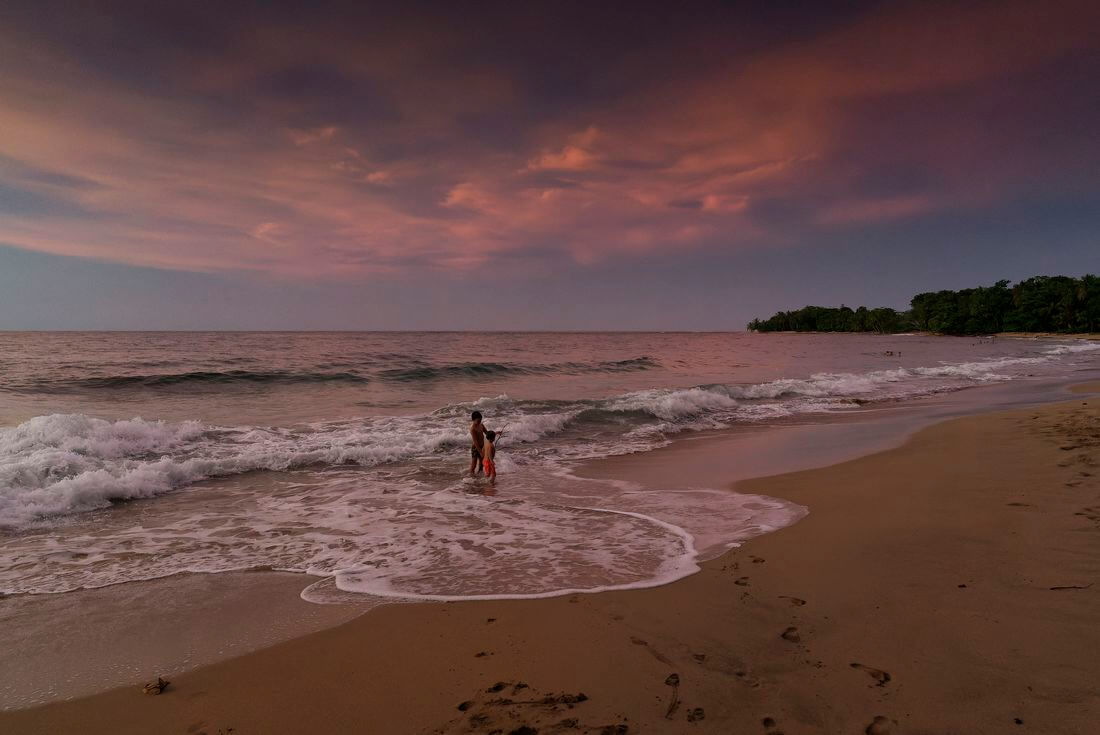
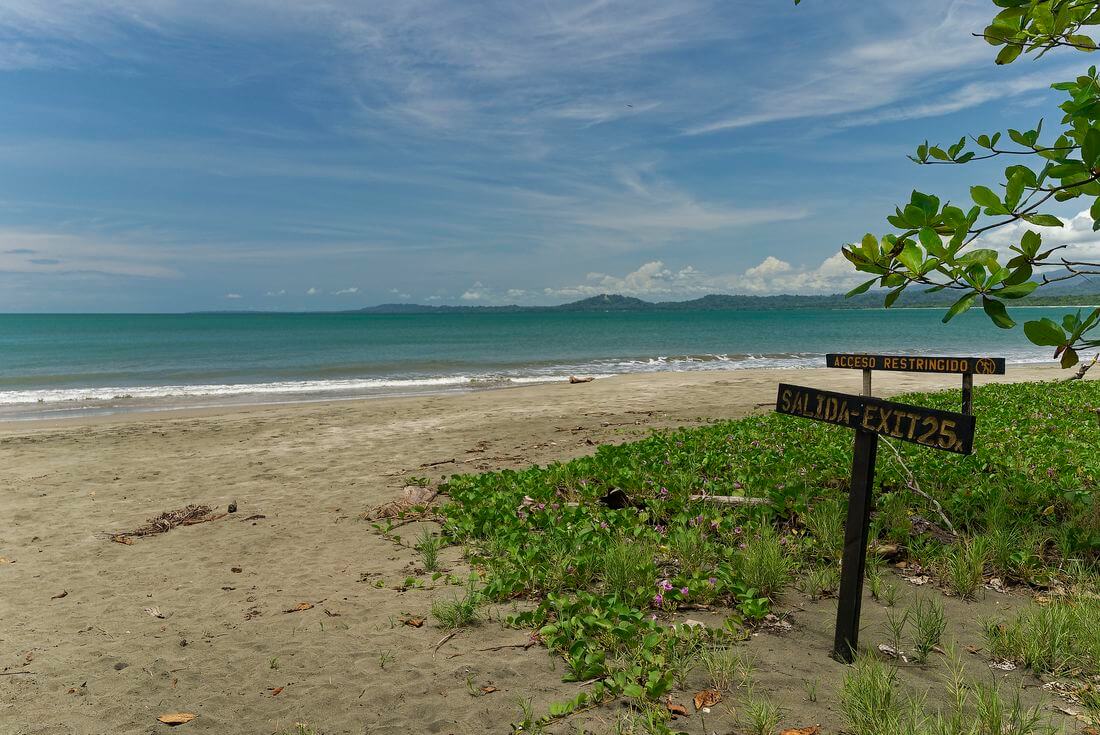
The atmosphere was wonderfully relaxed, with a road running along the coastline lined with small snack bars and restaurants. It is undeniably touristy, but overall, the area has a pleasant and laid-back feel. Soon after arriving, we spotted a sloth moving along a cable directly above us, which sent the children into a frenzy.
The following day, we visited the Jaguar Rescue Center. Despite the name, this is not really a zoo—and we are not particularly fond of zoos. It is a rehabilitation center caring for injured animals before releasing them back into the wild whenever possible.
The organization tries to minimize human contact, although there were still quite a few visitors during our tour. Overall, we found it to be a fascinating and worthwhile experience.
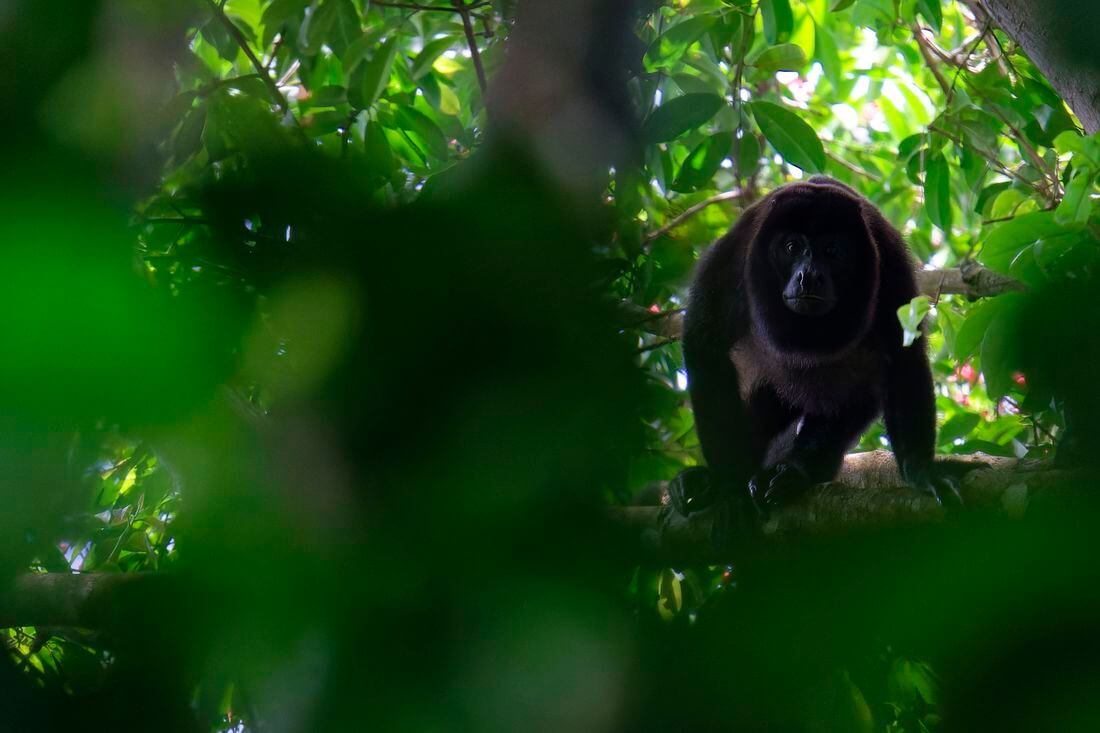
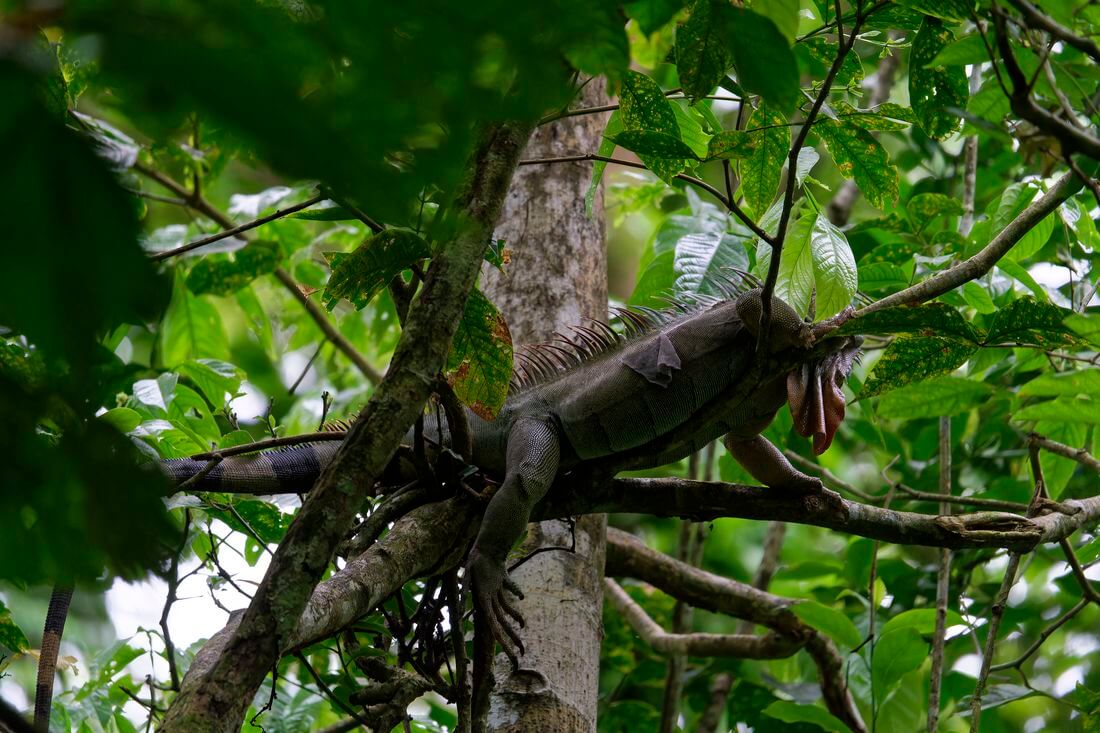
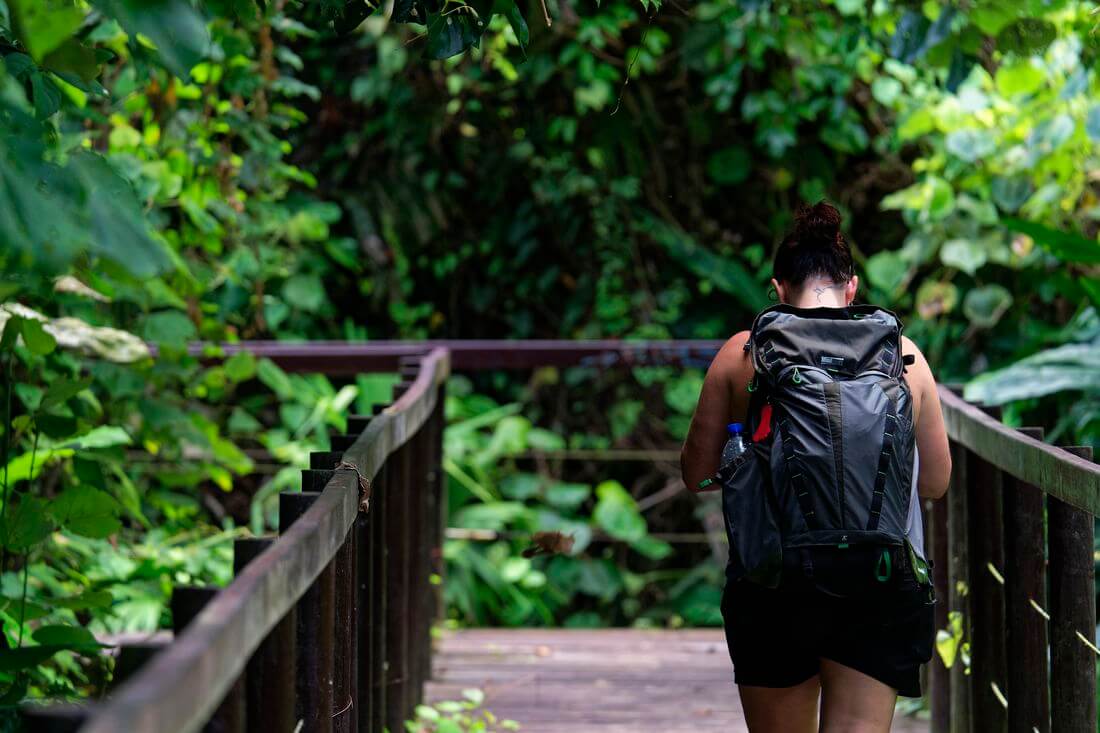
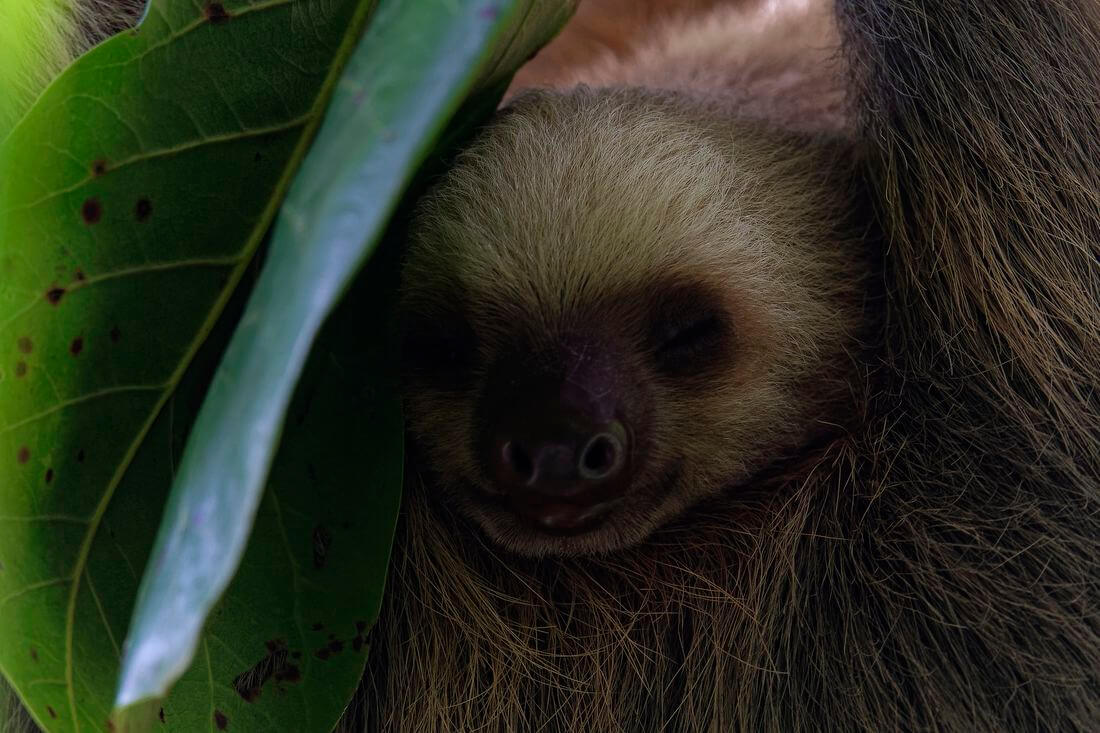
The following day, we explored part of Cahuita National Park. We began our walk from the Puerto Vargas entrance. From there, a pleasant trail leads through a magnificent section of rainforest.
The route is short, flat, and very easy to follow, with wooden boardwalks covering much of the trail. The park is extremely well maintained, and the atmosphere beneath the lush forest canopy is remarkable.
We saw a surprising amount of wildlife, including several monkeys, spiders, and even a couple of snakes. At the end of the short trail, we reached a beautiful gray-sand beach. A sloth and its baby were resting in a tree only a short distance away, which once again made us regret paying to visit the so-called sloth reserve in La Fortuna.
We took advantage of the beach to swim and relax together. It is possible to continue walking along the shore and around the headland toward Playa Blanca, one of the most beautiful beaches in the park. However, the children had already done plenty of walking, and continuing would have made the outing considerably longer.
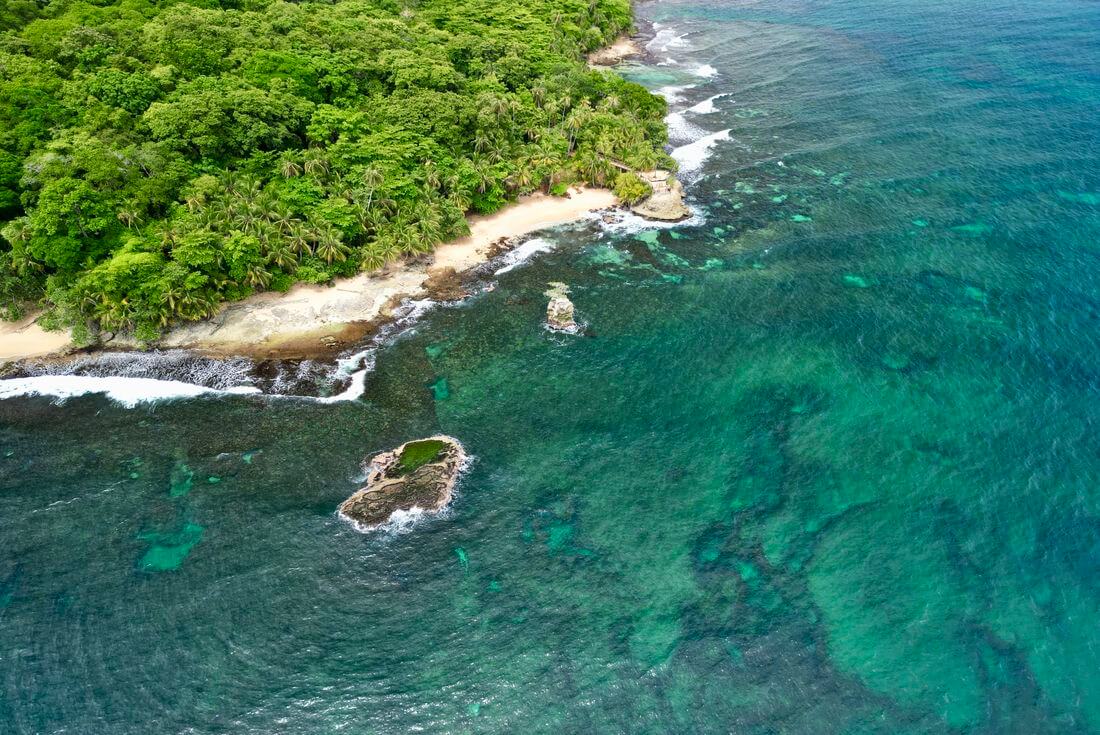
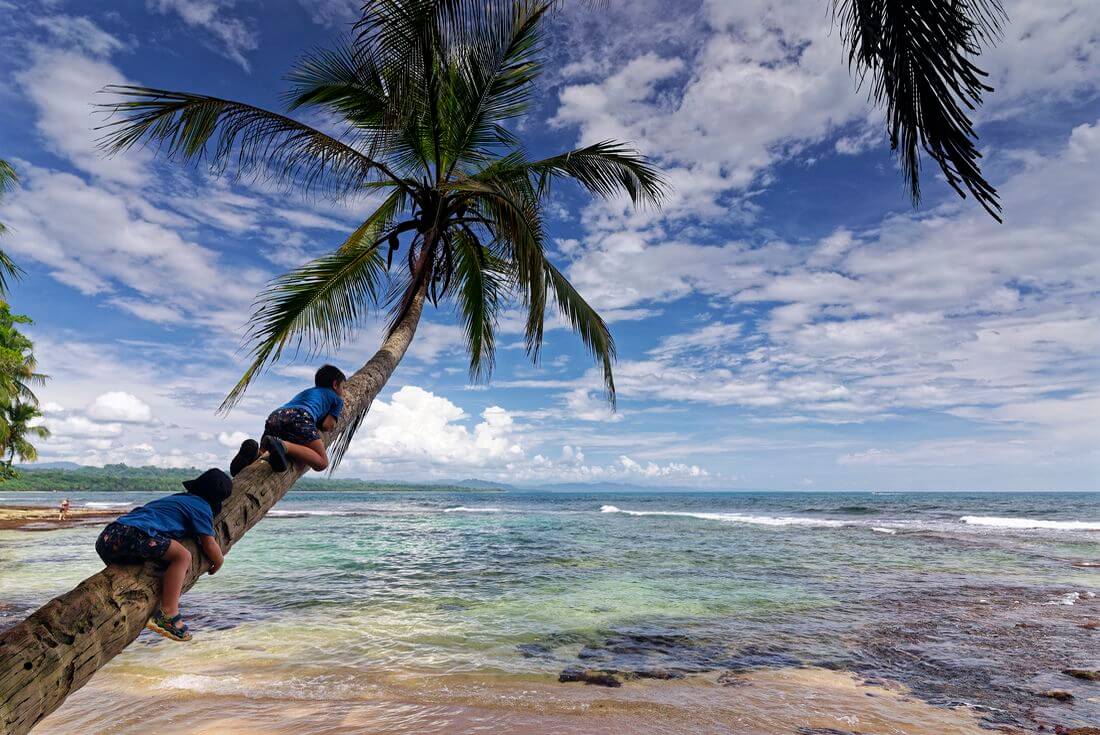
During our stay, we also took an excursion to explore Manzanillo National Park, close to Costa Rica’s southeastern border with Panama.
We spent several hours following a pleasant coastal trail through the park, stopping at viewpoints and swimming spots along the way. The experience wasn’t particularly spectacular, but we still had a very enjoyable time. At the end of the route, there is a small lookout point offering beautiful views over the coastline.
We ended our trip with a quick return to the capital, although we didn’t take the time to explore San José properly. Perhaps that was a mistake.
That brings us to the end of our one-month Costa Rica itinerary. It was a wonderful journey through a tropical country with extraordinarily rich biodiversity and an impressive variety of wildlife and vegetation. This article has provided a broad overview, and I’ll now begin sharing more detailed guides to the individual places we believe are worth visiting.
See you soon.