A day trip to Kenai Fjords National Park
Last update: 06/13/2026
Our blog continues to grow thanks to you, our readers. This post may contain affiliate links, which means we can earn a small commission if you make a purchase through them, at no extra cost to you. This helps us to continue to bring you more and support our work!
I think we can stop traveling now—we have seen it all. Haha. That is honestly what crossed my mind after this trip to Kenai Fjords National Park. I am writing this article while the experience is still fresh, the day after our boat trip from Seward, Alaska. Although we had originally planned a month-long road trip through the Yukon in August 2024, we decided to add a loop through Alaska—something I had dreamed of doing for years. If you’re looking for a unique experience, you can also read our account of driving the famous Dempster Highway, a round trip of more than 1,600 km along a gravel road to reach the Arctic Ocean.
Although planning the route was not easy, and we knew we’d have to return to Whitehorse (Yukon), we decided to spend just over a week on the Kenai Peninsula. That is how we ended up spending three days in Seward, at the southern tip of the peninsula. I knew the name, but little else about the place.
We are used to boat trips, although most of them have been in the tropical places where we have lived. We have taken a few boat trips in colder climates, such as to Glacier National Park (US/Canadian border) or the Queenstown Fjords in New Zealand. But those experiences have been relatively rare. After some hesitation—more on that later—we decided to take a full-day boat trip with Kenai Fjords Tours to explore Kenai Fjords National Park and Northwestern Fjord. Kenai Fjords Tours.
Our day trip to Kenai Fjords National Park
Boarding the boat and setting off for the fjords
Let’s get straight to the point. After plenty of research and some hesitation over the price of the excursion—more on that below—we decided to go for it. Several excursions were available, and we booked the longest one: the Northwestern Fjord tour. It heads to the most remote and isolated fjord on offer, bringing you close to numerous glaciers and impressive landscapes. It is also the excursion the company recommends most highly, but it’s also the longest, so the sea can be rougher at times (although that was not the case during our trip).
When we booked, we were told that free parking was available, along with a company shuttle to the departure point. This made the logistics very easy. We arrived at the parking lot at 7:15 a.m. It was chilly, but the weather was beautiful. At 7:30 a.m., we boarded the shuttle, which takes us to the departure point in just ten minutes. We collected our tickets and waited patiently in the gift shop for the 8:00 a.m. departure.
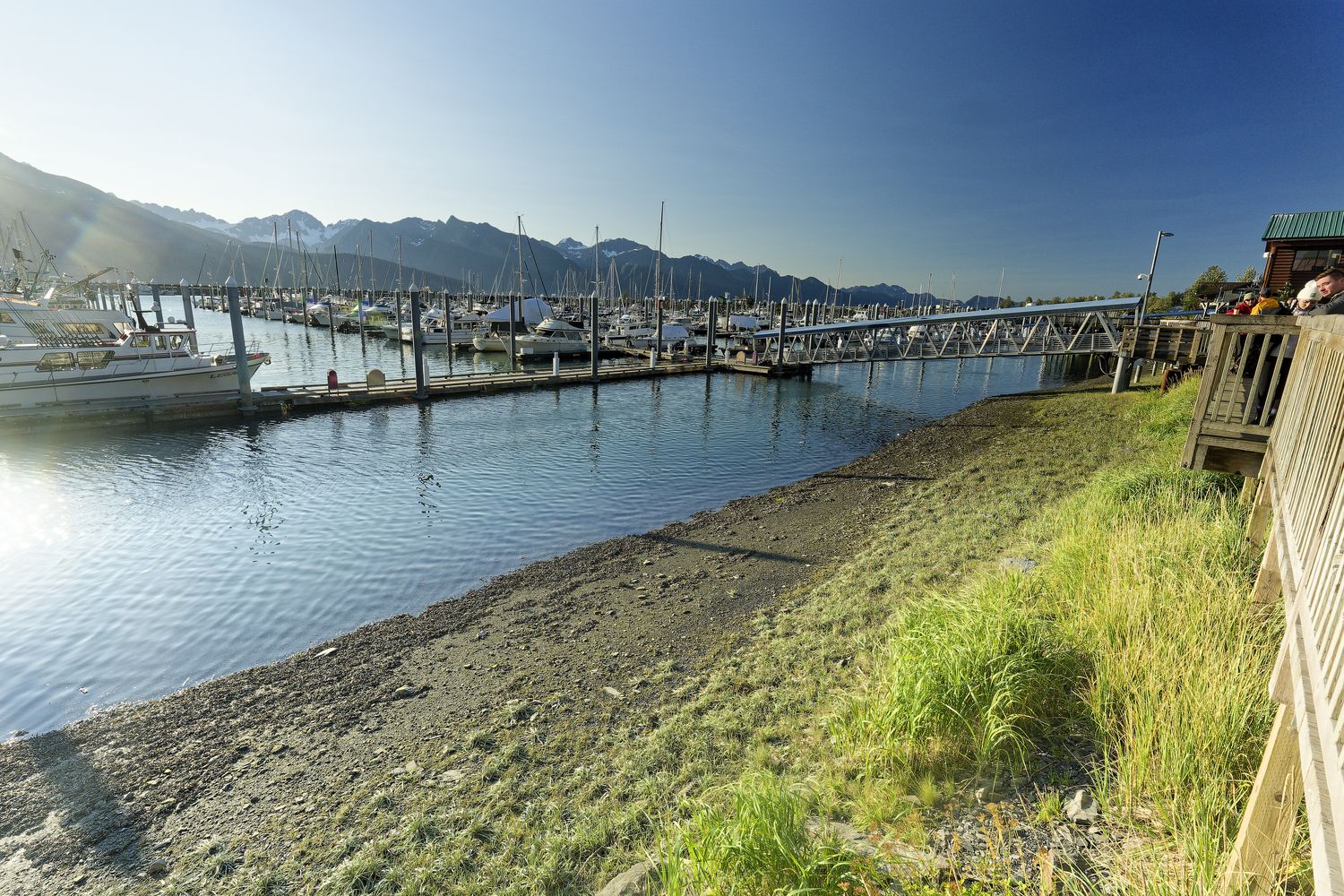
We departed on time with the rest of the passengers. I do not know the exact number, but there were probably around a hundred people on board, which felt a little overwhelming at first. Once aboard, we found comfortable seats on the upper deck. The interior was surprisingly large, spacious, clean, and comfortable. We had a six-person bench and large windows in front of us, giving us excellent views of the scenery.
The skipper gave us a short introduction in English, He was the company’s most experienced skipper, with more than 25 years on the job, and the only one who had sailed this far into the fjord. We also met the crew members, who were very friendly and gave us a few safety instructions before departure.
A few minutes after setting off, breakfast was served, including yogurt and a pastry. Coffee and hot chocolate were not included, which felt a little disappointing considering the price of the trip.
The first landscapes of the day
After a short while, we reached the dock at Fox Island, an island included in some of the company’s other tours. In fact, the island is said to support plenty of wildlife, which visitors can look for while walking around. Fortunately for us, our excursion did not stop there, as we’re going much further than the classic tours and reaching it requires considerably more sailing time. As I understood it, we were dropping off people who worked there during the day, along with others who had come to kayak. It was a beautiful setting, with the green vegetation contrasting sharply against the deep blue sky. A few buildings stood nearby, blending naturally into the surroundings.
We then left the island behind, with more and more enormous glaciers appearing high above us.

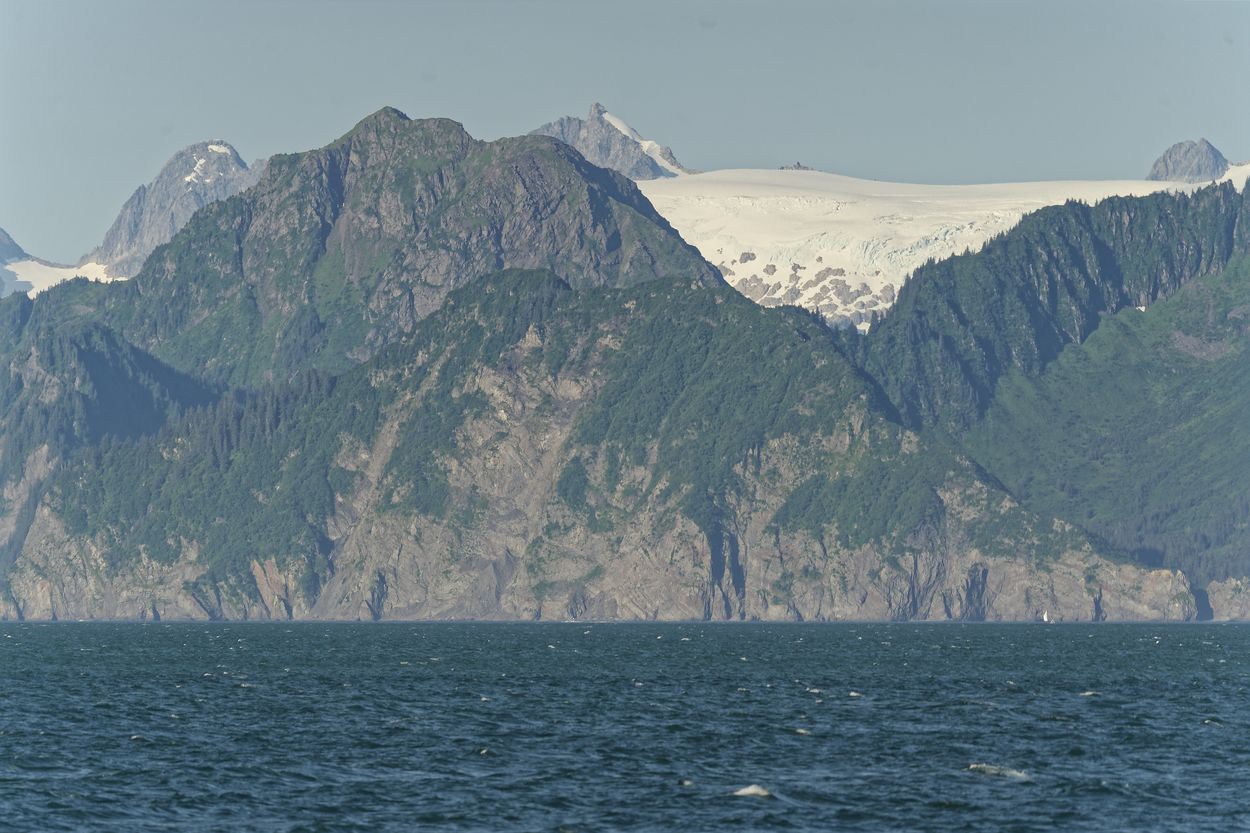
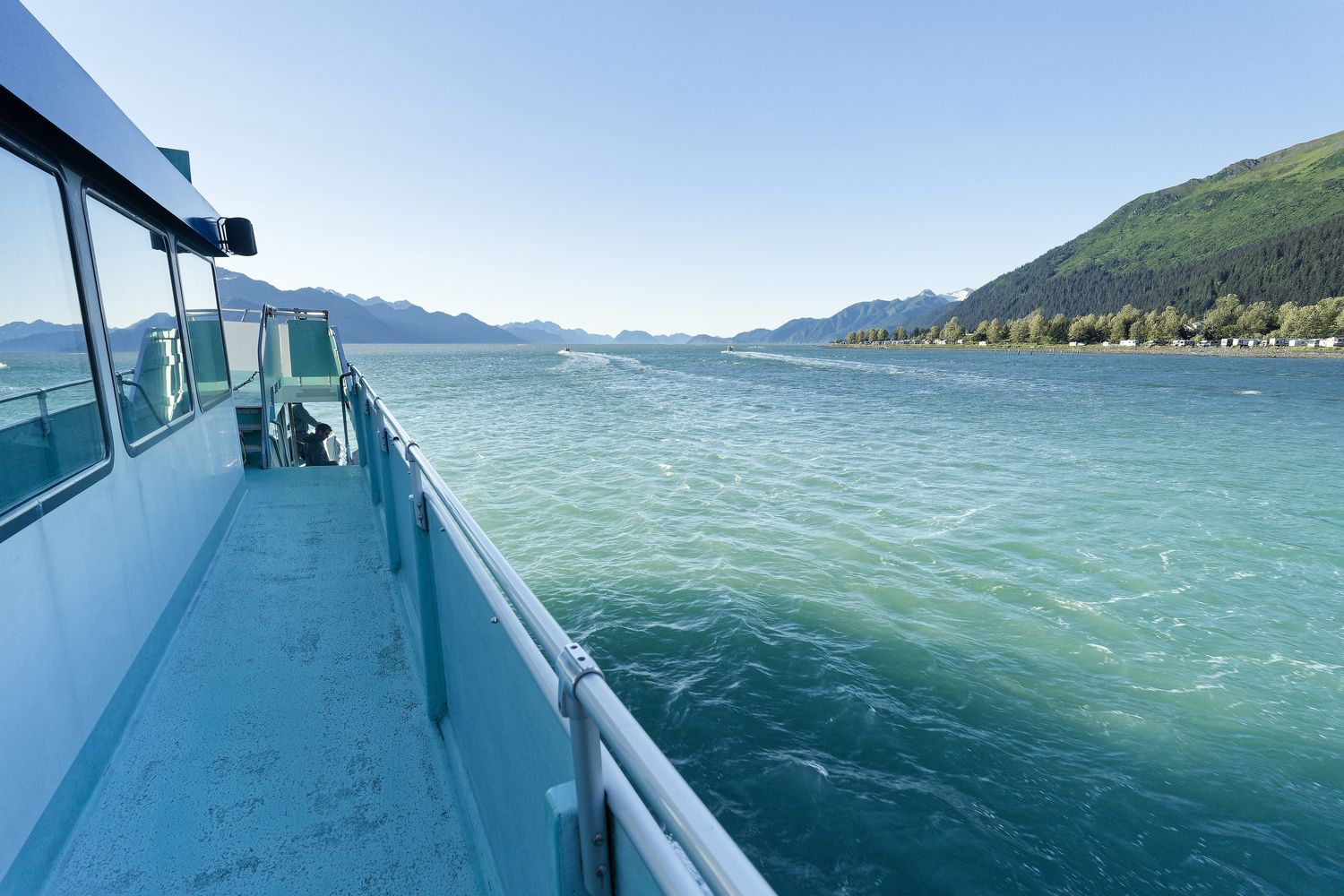
After a while, we stopped at the dock on Fox Island, an island included in some of the company’s other excursions. In fact, the island is said to support plenty of wildlife, which visitors can look for while walking around. Unfortunately (so to speak), our tour doesn’t end there, as we’re going much further than the classic tours and reaching it requires considerably more sailing time. As I understood it, we were dropping off people who worked there during the day, along with others who had come to kayak. It was a beautiful setting, with the green vegetation contrasting sharply against the deep blue sky. A few buildings stood nearby, blending naturally into the surroundings.
We then left the island behind, with more and more enormous glaciers appearing high above us.
Whale sightings and photography
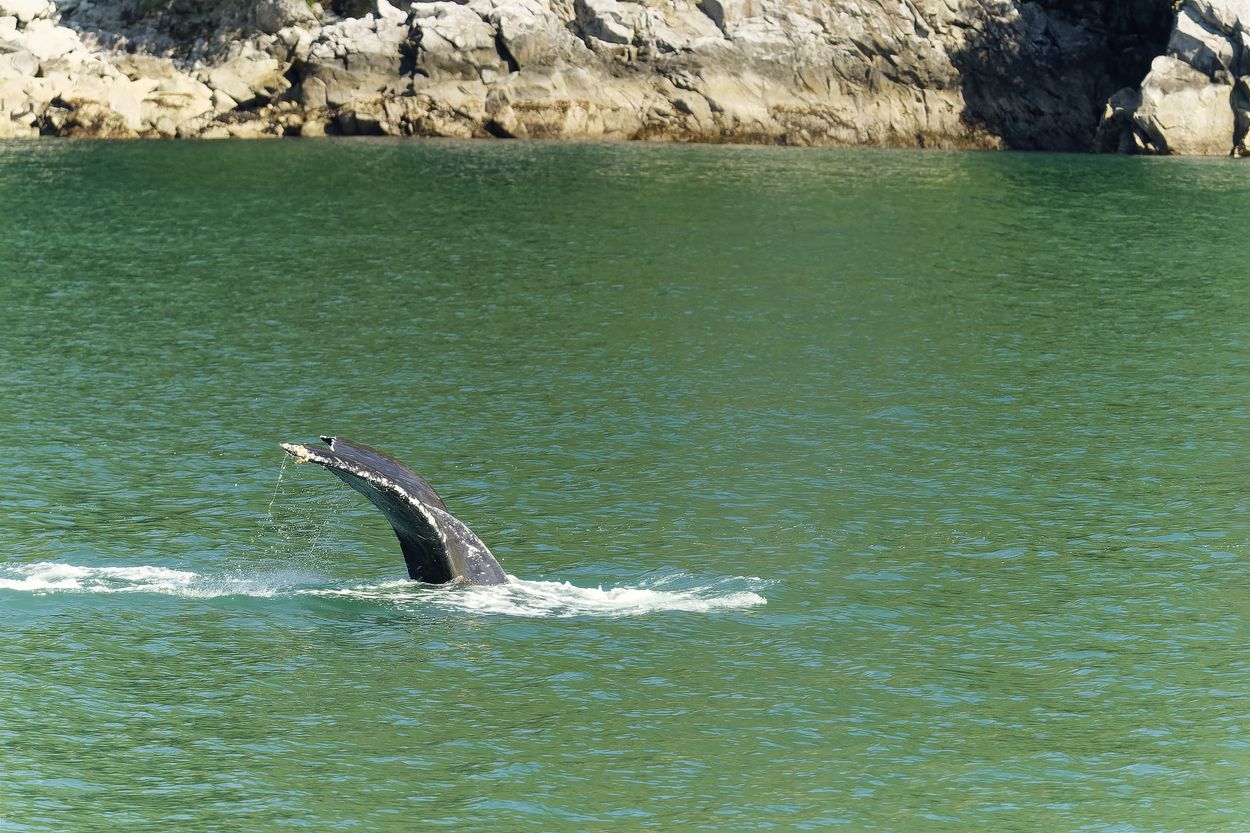
About half an hour after leaving Fox Island, we were sailing through magnificent scenery when the captain announced that he had spotted a whale’s blow nearby. We soon found the humpback whale a short distance away and watched it breach several times. Everyone was thrilled at the prospect of seeing a whale, and I can understand why. I have to admit that, after seeing so many whales in Mayotte and Tahiti, I was not quite as excited as the rest of the group, haha. Still, it’s always nice to see them. Over the next hour or so, we saw several whales and and the captain spent time searching for them against the beautiful backdrop. Sometimes we saw a breach; at other times, only a tail fluke.
Photographing wildlife from a boat is never easy, as the boat moves a lot, even when the sea is calm. For anyone interested in the photography side of the trip, I was using two cameras:
- My Sony A7 III (full-frame) and the Tamron 150-500mm telephoto lens.
- The Sony A6000 (APS-C) and its wide-angle lens, the Sony 10-20mm f/4
It was not the simplest setup, as I had both cameras around my neck: one for landscapes and the other ready for wildlife, including the whales. I also like to shoot landscapes with a long focal length, even at 400mm. A long focal length completely changes the perspective and can be just as enjoyable for landscape photography.
In terms of equipment, I’ve been used to shooting with polarizing filters and neutral gradient (GND) filters for years. On this type of trip, the polarizing filter removes reflections from the sea and is clearly a must for me. The GND filter helps balance the exposure when the sky is very bright and difficult for the camera to handle. We also use:
- Kase K9 filter holder + magnetic polarizing filter
- Nisi V7 filter holder + magnetic polarizing filter
- Various graduated filters, but here I used a GND Soft Edge 0.9 and 1.2.
We continue through landscapes that are as breathtaking as ever after our whale sightings. The glaciers gradually drew closer, and the scenery changed as we approached impressive rocky islands covered with fir trees. It felt very different from the beginning of the trip, when the mountains and cliffs had been much farther away. After passing these islands, we finally reached the highlight of the excursion.

Northwestern Fjord and its glaciers
We entered Northwestern Fjord slowly as it opened up before us. A remarkable sense of peace and tranquility seemed to settle over the entire scene. The fjord is initially quite wide, but the scenery is unique—some of the most beautiful I have seen in all my years of traveling. It’s hard to describe in just a few words, but take my word for it! The landscape combines snow-capped, ice-covered peaks, rocky outcrops, and striking mineral gullies, all set against a green backdrop of fir trees. In the distance, at least for the moment, we could see glaciers descending toward the edge of the fjord. It was magical. The fjord is home to several glacier tongues that descend all the way to the water.
As we continued toward the glaciers, lunch was served, which we greatly appreciated, especially in such a magical setting. We can choose between a wrap (very good) or chicken nuggets for the kids (with chips). After a month in the Yukon and Alaska, I can confidently say that these nuggets put McDonald’s to shame. These were made with real chicken and actually tasted good, rather than the usual unidentifiable processed filling (I’ve boycotted MacDo, definitely…). A small drink was also included, which was a welcome addition.
By the time we’ve finished our meal, we’re well into the fjord, and the panoramic views became increasingly impressive, bringing us even closer to the magnificent blue glacier tongues. Along the sides of the fjord, we passed several narrower inlets. We did not enter them, but they added even more depth and variety to the landscape. On our left, we pass an impressive wall of black and gray ice that descends to the water, where (as the captain will tell us on the return journey) we can even make out large rocks that had fallen from the mountain onto the glacier.

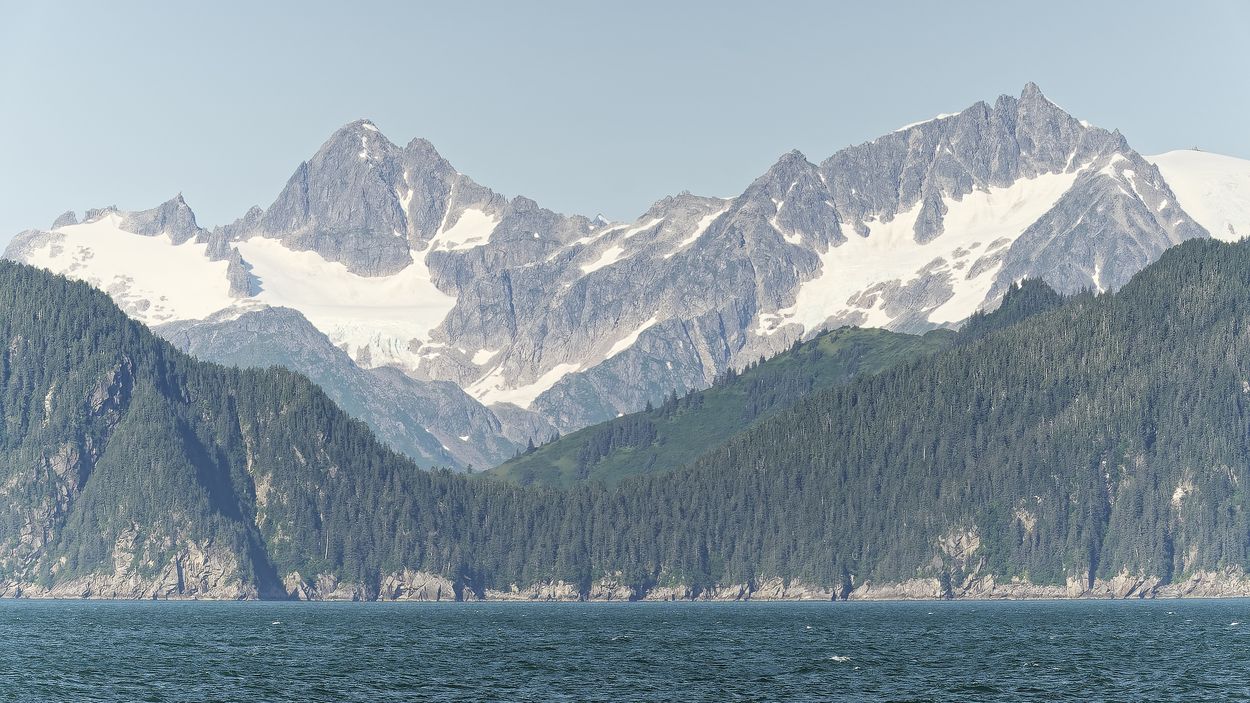

As we make our way towards the end of the fjord, we finally saw it: a magnificent glacier directly ahead. Its vivid blue color stood out sharply against the surrounding landscape. The crevasses on the edges of the glacier are clearly visible, revealing just how fragile the entire structure appeared. The glacier descends across granite bedrock that has been completely polished by the retreating glaciers in the fjord. You can clearly see the marks of the boulders that have been wedged between the glacier and the rock, leaving horizontal scratches across the rock. The captain gave us excellent explanations of the geology of the area, its formation and evolution over time.
Although an impressive glacier stood directly in front of us (a veritable wall, probably tens of meters high), we can see other magnificent bluish glacier tongues clinging to the cliffs on either side – the sight was magnificent. The captain told us to keep a close eye on the ice wall in front of us, as it is showing signs of weakness and we can see small blocks of ice falling from time to time. Suddenly, almost without warning, we hear a thud and see a huge chunk of ice fall and shatter in the icy water below. The sea lions resting on blocks of ice in the bay did not seem particularly disturbed, as they are used to this phenomenon. The falling ice created a small wave strong enough to rock the boat noticeably.
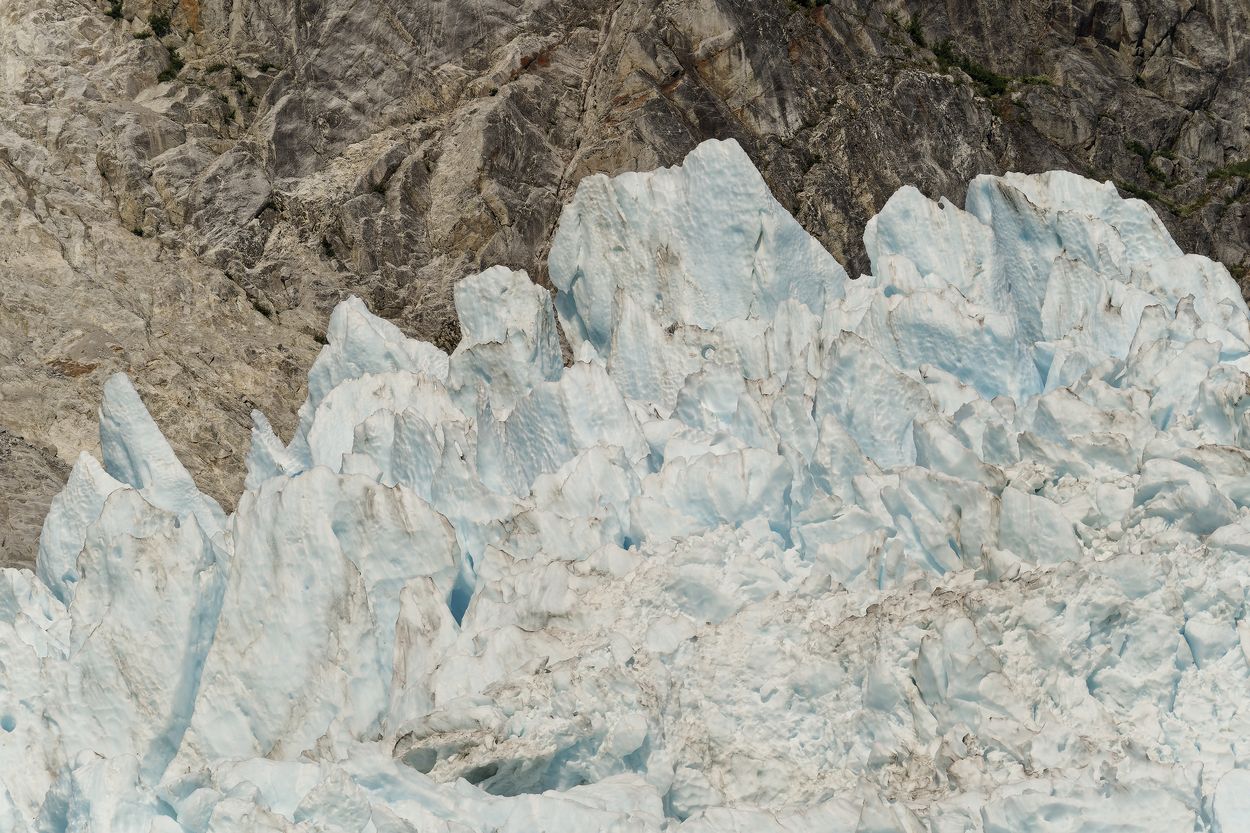
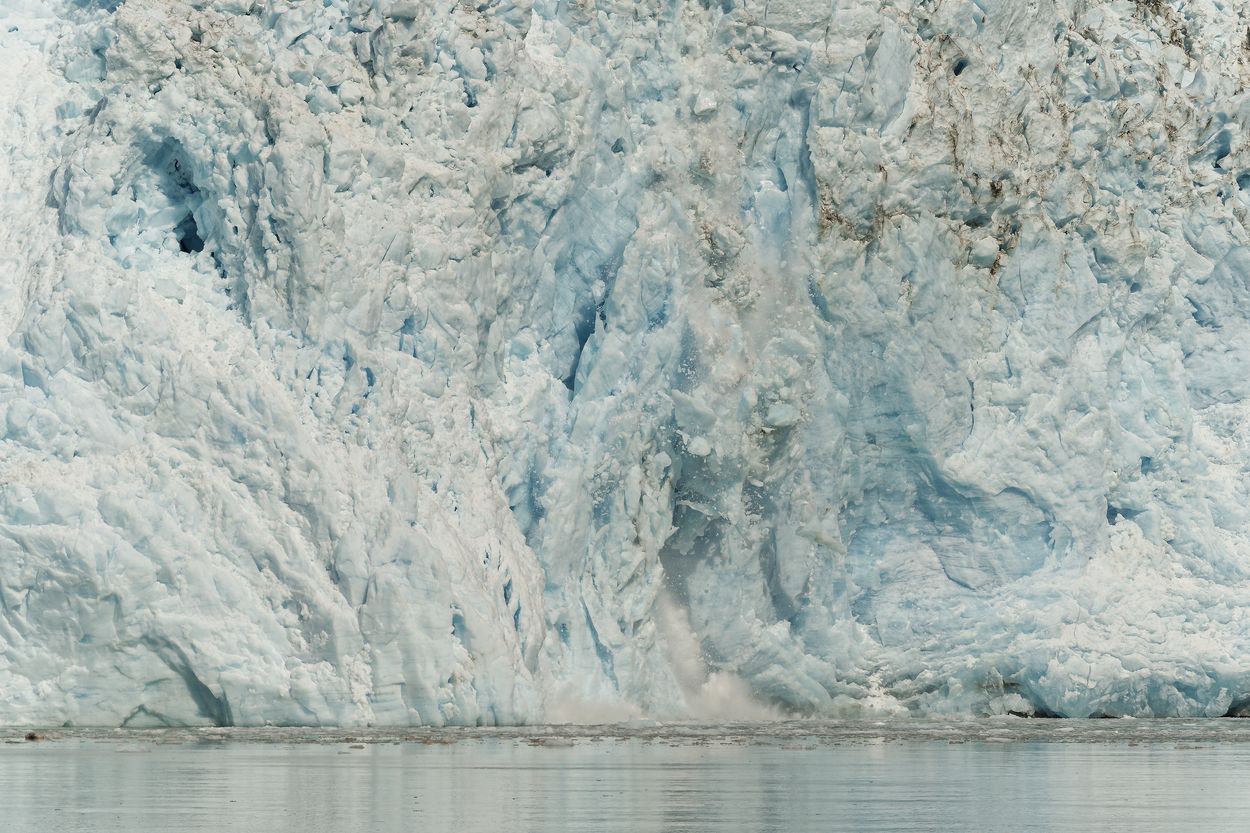
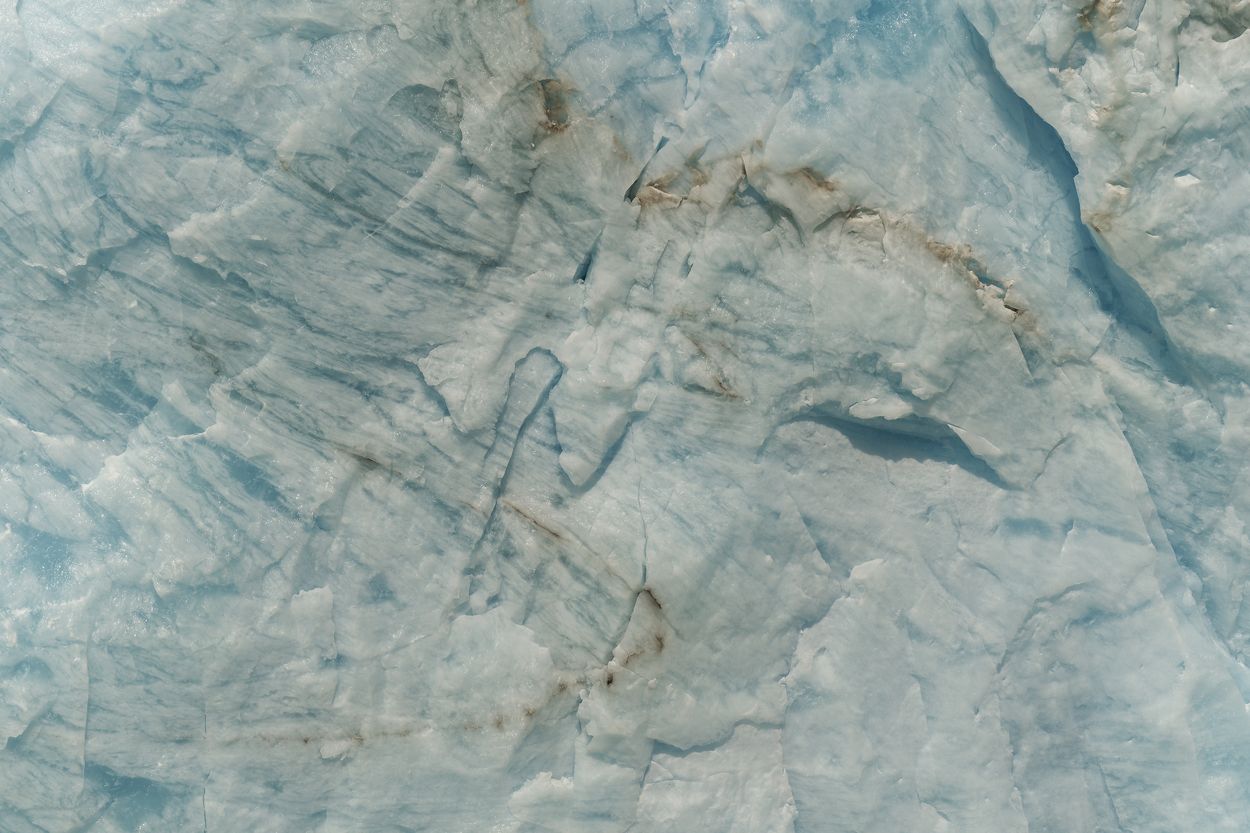
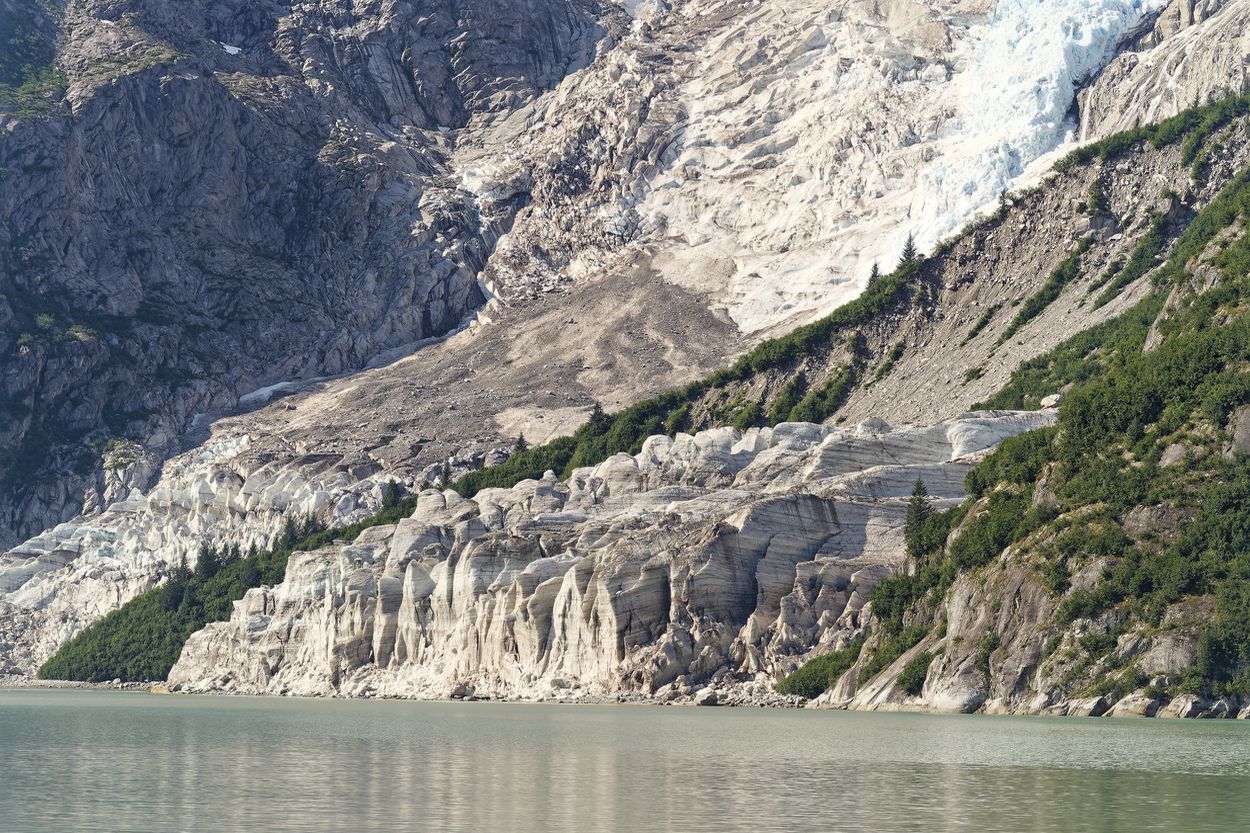
At that moment, I felt a strange mix of emotions, and tears welled up in my eyes. On the one hand, I’m happy to be able to experience this extraordinary moment, but on the other hand, I could not escape the feeling that it was all temporary, at least on the scale of our (short) human lives. The fragile and temporary nature of the site weighed heavily on our minds, and we’re explaining to the children that when they grow up, they may no longer be able to witness the same sight… The captain supports this view by explaining that the photographs we were taking were already becoming records of a changing landscape. He tells us that in 1968 (if I understood him correctly), when the company was founded and the area wasn’t yet considered a “national park”, the boat had to be much further out in the bay because the entire end of the bay was covered in ice and icebergs as big as the boat were in the bay, which is not the case at all today. You can still see a few blocks of ice here and there, but they are now only small fragments…
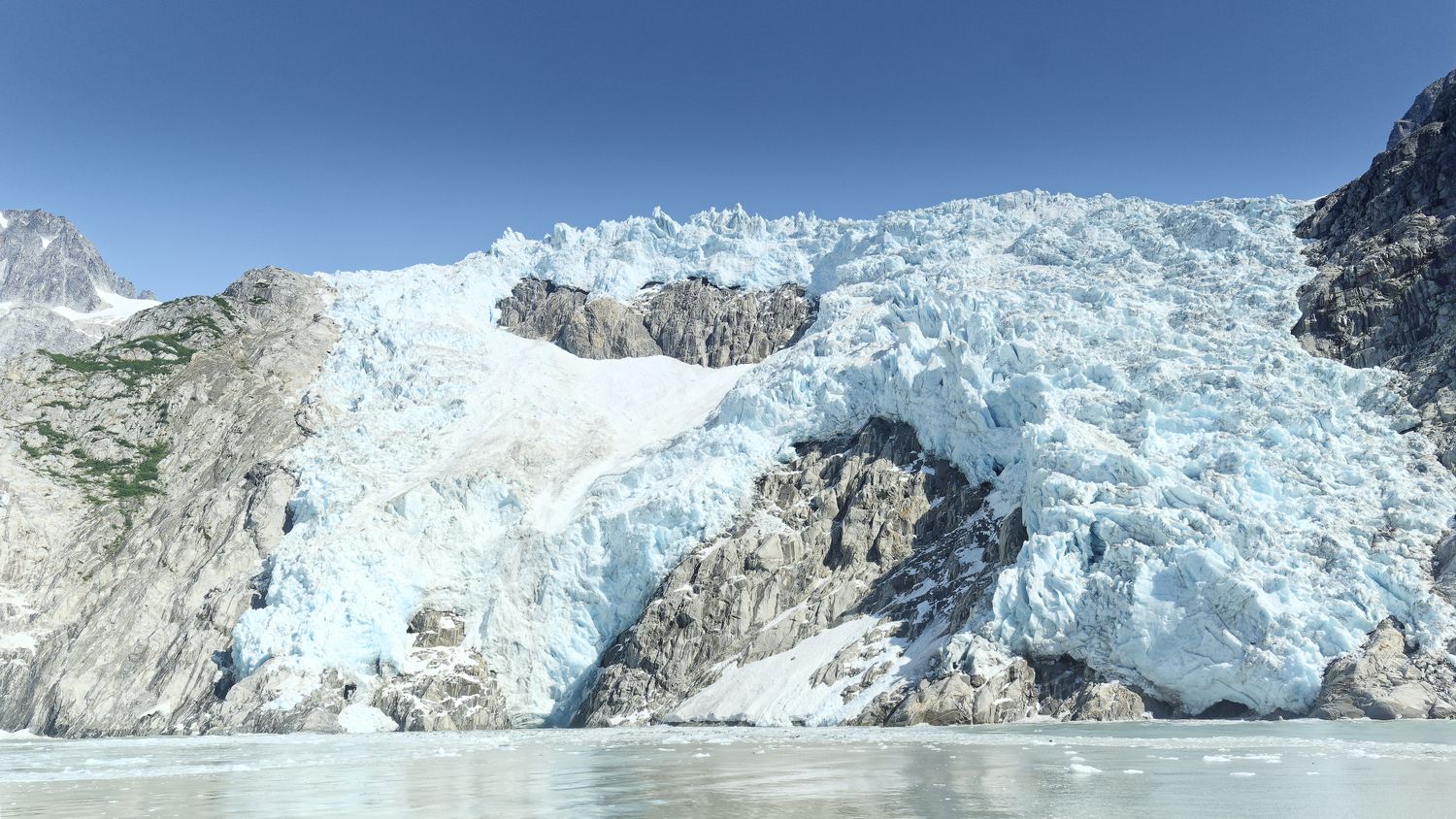

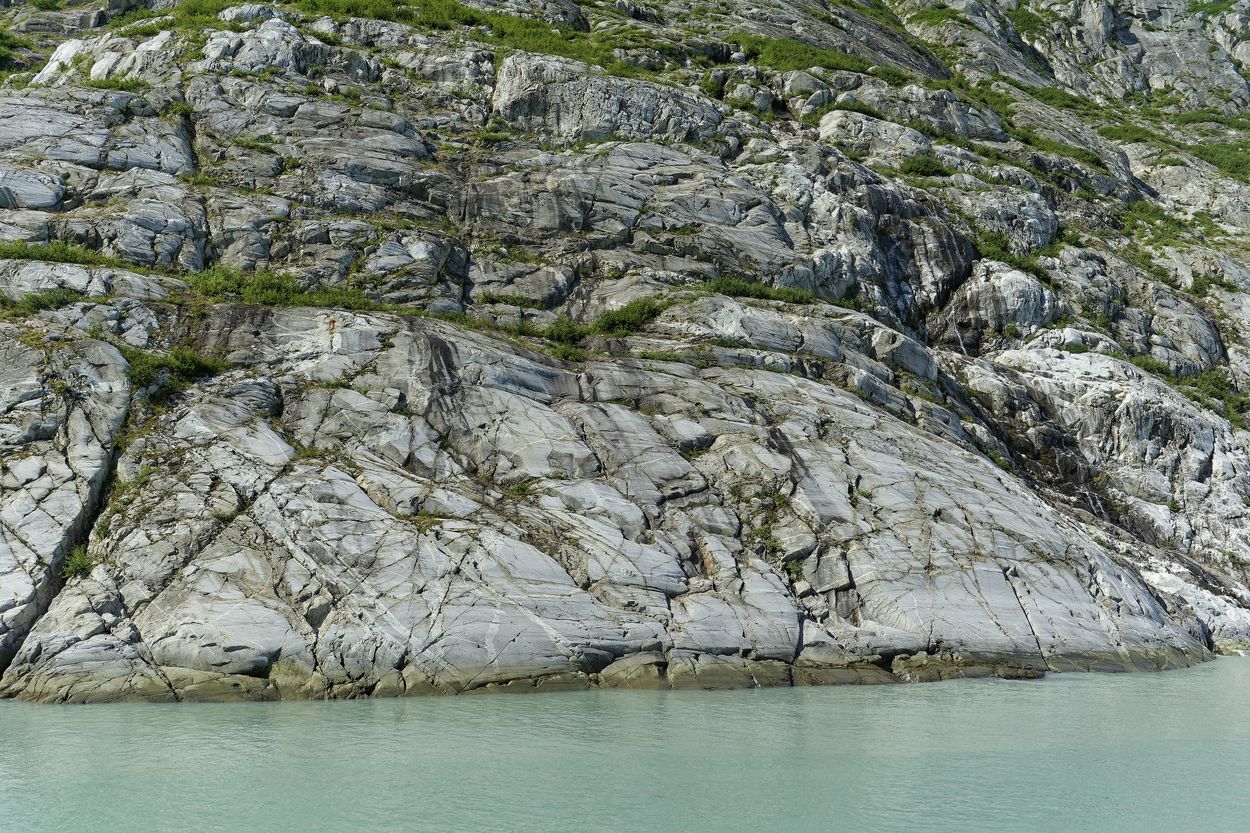

We spent a good thirty minutes watching the landscapes and the glacier, still carrying those mixed emotions, yet deeply grateful to be there and witness the experience for ourselves. I was deeply disappointed that Mélanie had to stay ashore, but seeing the children in awe of this beauty and sharing the experience with her that evening was special in its own way!
We began turning back through the bay and approached other glacier tongues that also formed impressive ice walls, just as beautiful. The captain even made two slow circles in the middle of the bay to admire the grandeur of the place, and he explains that a glaciologist once asked him to do this so that he could take a panorama of the bay and compare it with older photographs of the glaciers. After a warming cup of coffee and we’re out of the bay, as happy as children with a bag of candy!
A close look at a waterfall
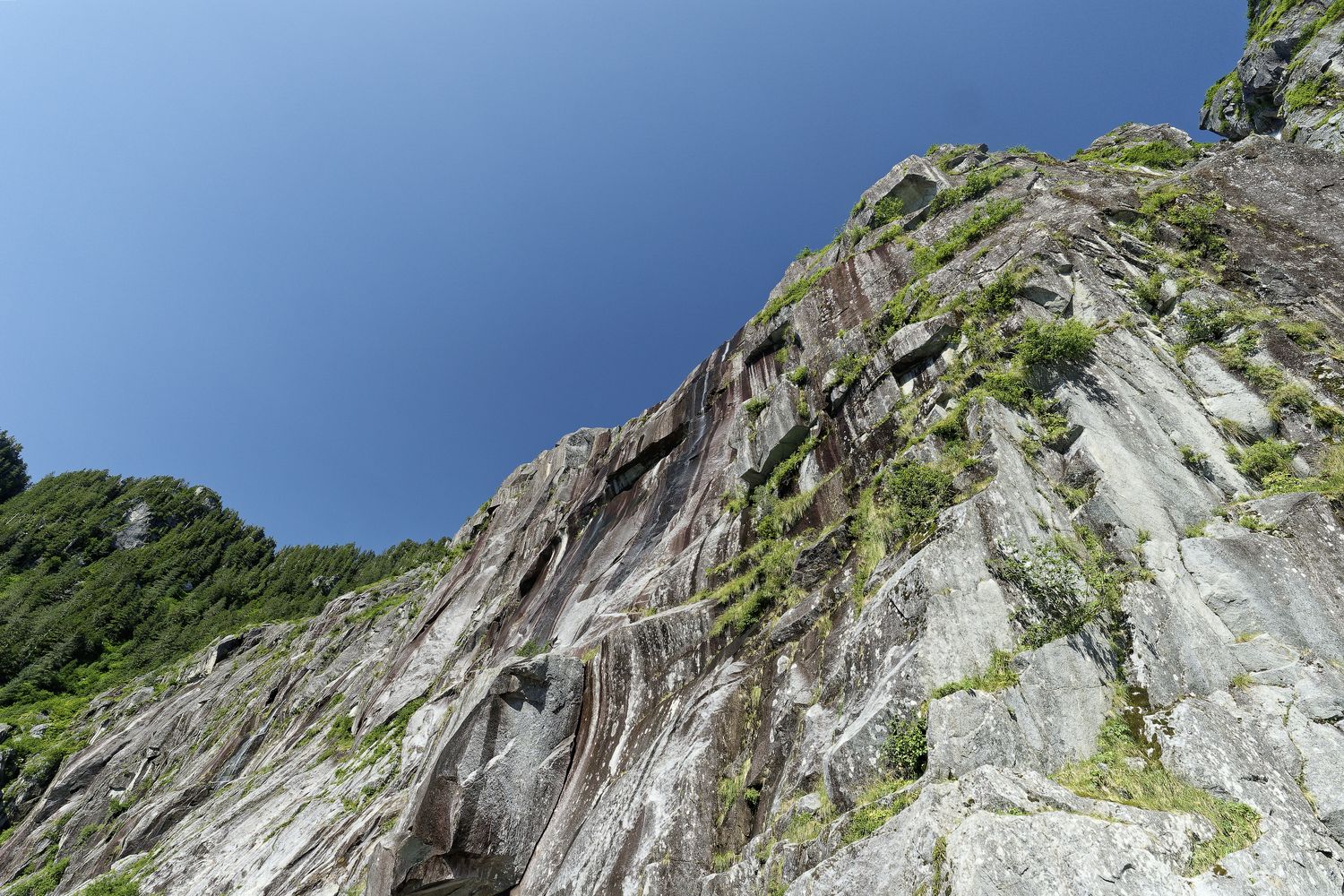
On our way out of the bay, the captain took us to Cataract Cove to see an impressive waterfall on our way out of the bay. I don’t know how high it is, but it must be at least 30 or 40 meters. In fact, the boat came very close to the cliff and the spectacle of the water cascading down from the top is magnificent. We’ve seen this kind of breathtaking scenery before in the Queenstown Fjords on New Zealand’s South Island. It was a brief stop, just ten minutes or so, but a great one!
Searching for local wildlife
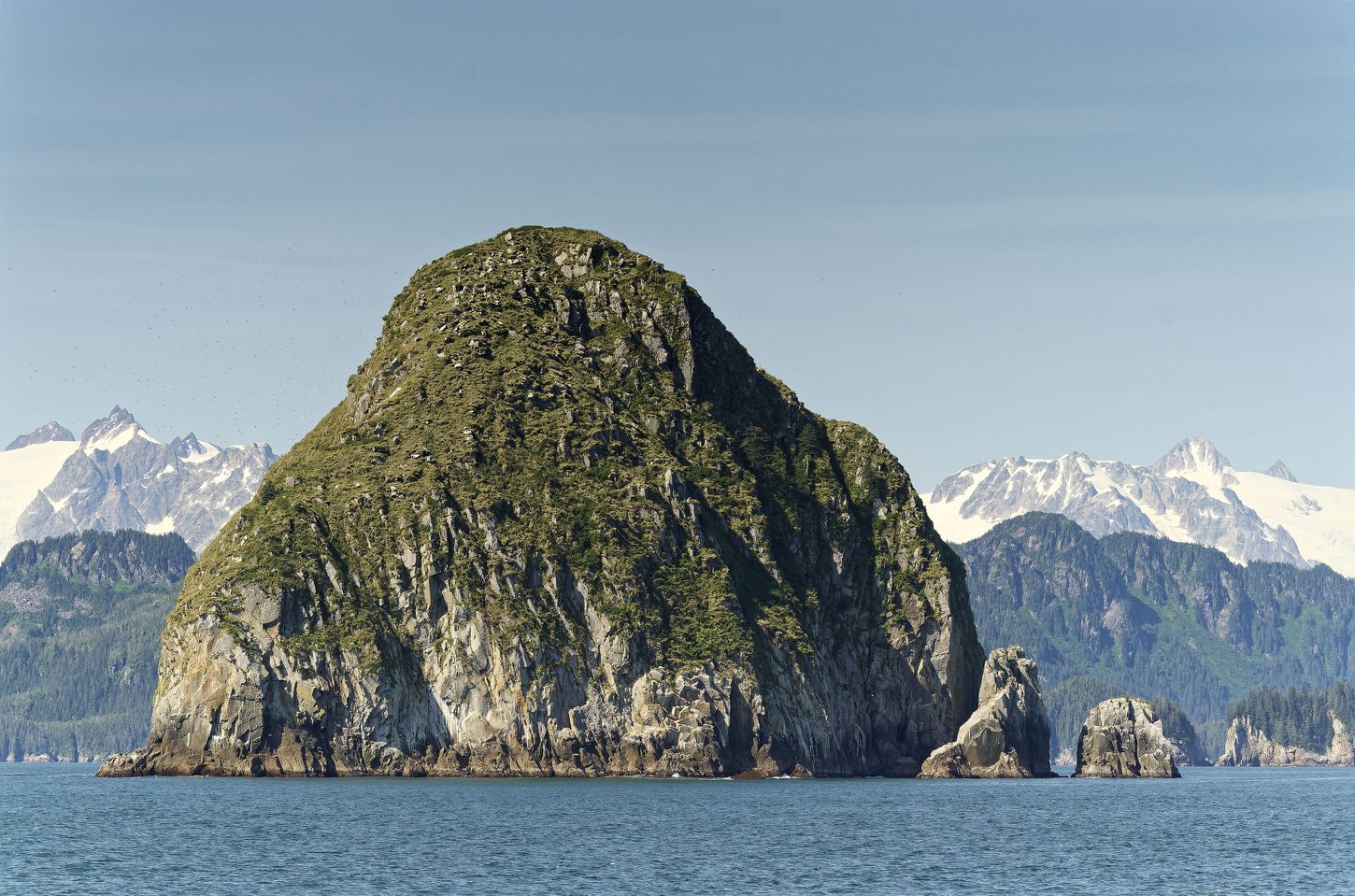
We left the fjord behind and continued in search of wildlife, especially birds. The scenery changed dramatically as we head for the high, rocky islands of the Alaska Maritime National Wildlife Refuge at the Chiswells Islands. The glacier views disappeared, replaced by stunning views of the rocky cliffs of the islands around us.
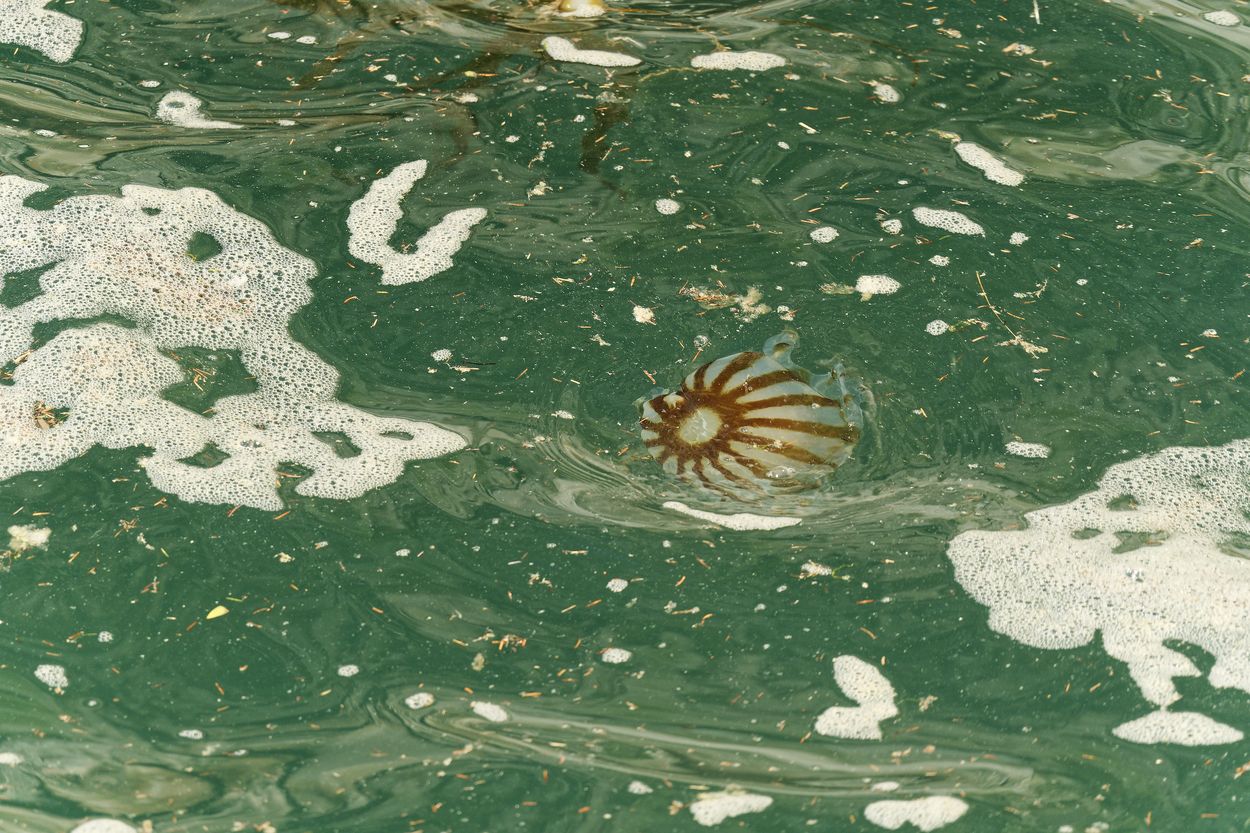
Our first stop was a huge rock covered with thousands of seagulls and puffins, just like the ones we saw in Newfoundland, although unfortunately we could not get very close. The captain shared plenty of information about nesting and the best seasons for observing the birds. We come across a swarm of orange jellyfish, some of which are eaten by the birds, for the second time that day. We then moved on to other rocks in the area, that were just as crowded with birds. The noise was remarkable and sometimes we can even see beautiful caves in the rocks!
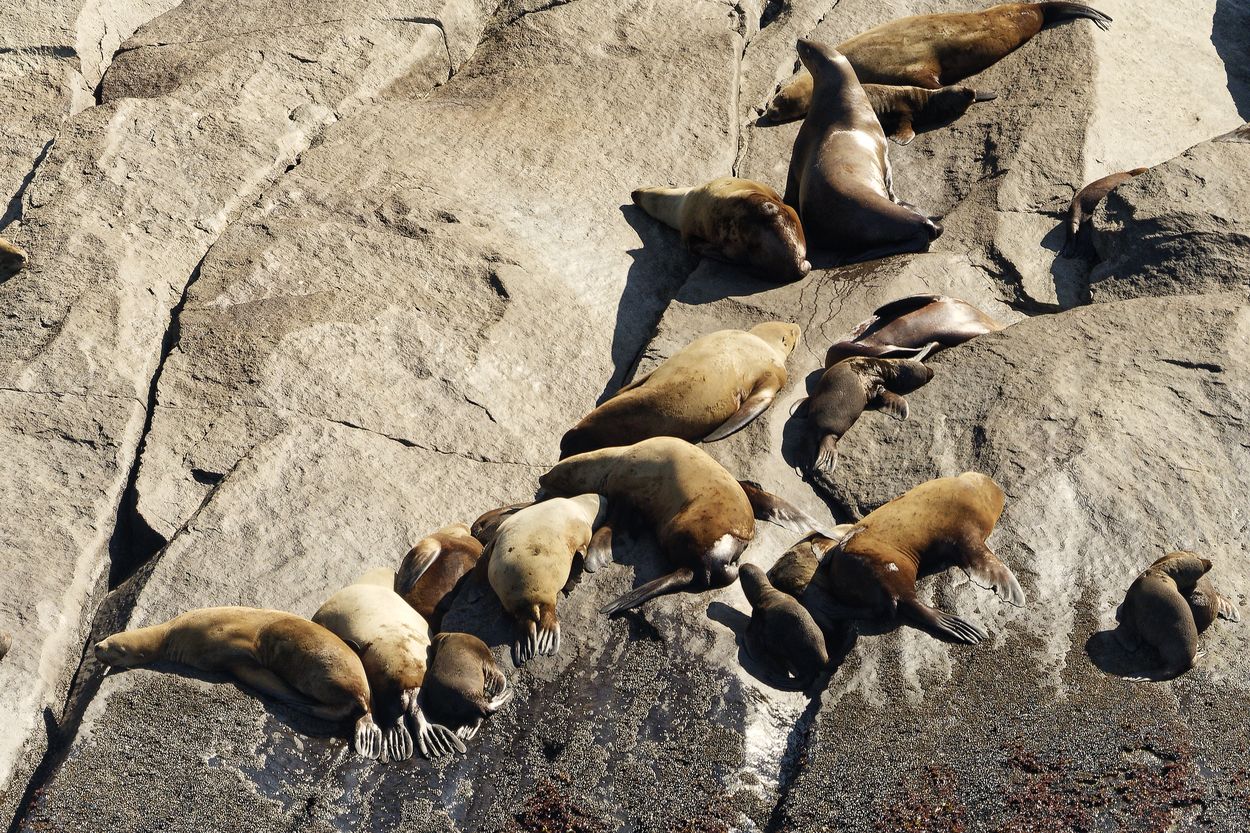
Continuing onward, the captain guided the boat to a rock sloping towards the sea, whose sloping side was completely covered with sea lions sunning themselves on the rocks, the same species we had seen in San Francisco. They’re not very active, but they made an incredible amount of noise!
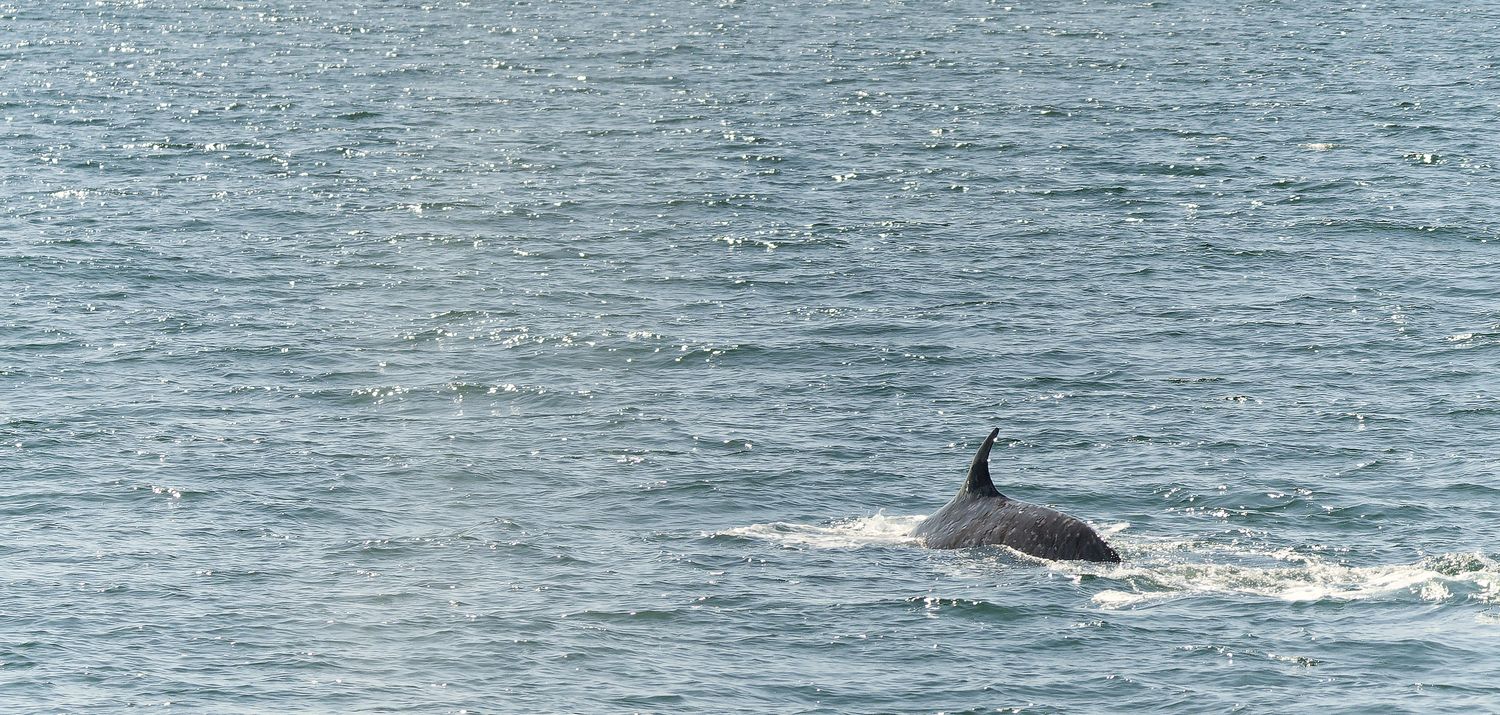
We began our return journey, still in splendid scenery, alternating views of glaciers to the left and rocky islets to the right. It’s as beautiful as ever. The captain continued slowly in search of the local marine fauna. Several times we come across dolphins and what looked like small black-and-white orcas, which are actually Dall’s porpoises (I think). I had to look them up afterward because I had not fully understood the explanation on board. They seemed to be having a great time playing alongside the boat, haha. We’re even lucky enough to spot a gray whale on the way back, not far from the end of the journey, shyly showing its fluke. We were also given a welcome cookie at 4:00 p.m., while Téo nods off, probably lulled to sleep by the sea air!
We arrived back at Seward Harbor at around 4:30 p.m., after a long day at sea and, above all, still amazed by everything we had seen. With the sky still perfectly clear, we returned to the reception desk to ask whether Mélanie’s ticket could be refunded. Based on medical advice—we had been at the hospital a few days earlier, the company reimbursed us for the trip, which was a very kind gesture.
Our thoughts on the excursion
I can honestly say that this was probably the best boat trip I’ve ever been on. It had everything we could have hoped for. We were delighted and the trip really lived up to our expectations. The captain was attentive, the crew was excellent and and the scenery and wildlife we saw throughout the day were unforgettable The captain’s knowledge of the geography, geology, flora and fauna was immediately evident and and his explanations added real depth to the experience. He always had an interesting fact or anecdote to share, and his passion was obvious.
The day itself will stay with us for a very long time. Unlike many of the island excursions we have taken, this trip offered a succession of remarkable landscapes that change throughout the day, from rocky, mountainous landscapes to glaciers and wildlife watching. The variety was exceptional. What’s more, the weather conditions were ideal, with beautiful blue skies all day, just as Windy had predicted. It just goes to show that it is worth checking the forecast carefully to improve your chances of enjoying good conditions (even if weather forecasting isn’t an exact science). The sea was almost perfectly calm, so no seasickness for anyone!
Practical information for a Kenai Fjords National Park day trip
As usual, here are a few practical details.
How to get to Seward
As is often the case, it all depends on where you’re coming from. We came from Whitehorse, where we had picked up our campervan for a month-long trip. But you’ll probably fly into Anchorage, the state capital, if you’re visiting Alaska from France. From there, you can head south to the Kenai Peninsula, where we spent the week.
For your stay, I recommend renting a car—which means either camping or paying for accommodation, which can be expensive or renting a campervan, which is what we did.
Where to stay in Seward?
We were traveling by campervan, so we found places to spend the night in the wilderness outside town, but we also did some research to find you some good accommodation options. Here are a few recommendations:
- Harbor 360 Hotel Seward: This charming hotel offers spectacular panoramic views of Resurrection Bay and the surrounding mountains! Its location is one of its greatest strengths. And when it comes to amenities, it offers everything needed for a comfortable stay: indoor pool, hot tub and comfortable rooms!
- Spruce Lodge: A comfortable hotel with everything you need for a pleasant stay in Seward: comfortable, well-equipped rooms! Plus, you are surrounded by forest and beautiful mountain scenery. It is an excellent setting for a relaxing break.
- The Vue B&B: a lovely three-star property in a peaceful natural setting! Some rooms even have beautiful sea or mountain views (your choice). The rooms are well equipped and thoughtfully decorated to make you feel at home during your stay in the region. One practical point to note: the kitchen is shared.
We’ve also written an article about where to stay in Seward.
There are also plenty of campgrounds to choose from, such as the Waterfront Park Resurrection South Campground, the Alice Campground or the Seward KOA Journey (by the way, we stayed a little further north of the latter).
Note that there’s a free dump station in Seward, on the waterfront, not far from a campsite.
Other excursions from Seward
Based on our discussions and research, here are some other things you might like to do in Seward:
As you can see, for anyone who loves wide-open spaces and dramatic scenery, a visit to Kenai Fjords National Park is a must. The park brings together glaciers, rock formations, waterfalls, and magnificent mountains. And let’s not forget the wildlife, with sea lions, whales, swarms of jellyfish, birds and more. One thing’s for sure, you will return with lasting memories and unforgettable images!
I will leave it there, but take my word for it: this is an excursion you are unlikely to regret.

Written by Sylvain PONS
Twice, over a period of about 2 months, I had the opportunity to explore several corners of the United States, taking advantage of the best it has to offer. I decided to share some of my experiences with you!
Despite our care, a mistake may have slipped into this article. If you find any, please don't hesitate to let us know so we can correct it as soon as possible and keep our information up-to-date!
See you soon,