What to do in Arrecife, Lanzarote
Last update: 06/19/2026
Our blog continues to grow thanks to you, our readers. This post may contain affiliate links, which means we can earn a small commission if you make a purchase through them, at no extra cost to you. This helps us to continue to bring you more and support our work!
Arrecife is often left off lists of Lanzarote’s must-see places, but I still wanted to give the capital a chance. The week before, I had been pleasantly surprised by Santa Cruz de Tenerife, so I was curious to see how Arrecife compared. I expected it to be smaller, quieter, and more in keeping with Lanzarote’s atmosphere. Here is my complete guide to what to do in Arrecife, Lanzarote.
I did not fall completely in love with Arrecife, but I was still glad I took the time to explore it. After several days among volcanic landscapes and small villages, it was refreshing to see a little more city life, with cafés, bars, restaurants, museums, and shops. The weather was quite overcast during my visit, with even a little drizzle, which may have influenced my first impression. As a seaside city with a small harbor, Arrecife probably looks its best under bright sunshine and a clear blue sky. It also feels very different from other towns and villages in Lanzarote, where whitewashed houses and colorful shutters are surrounded by volcanic scenery. Arrecife still has white buildings, but the architecture is more urban and the streets feel more typical of a small capital.
I would still recommend setting aside half a day for Arrecife. You can walk along the waterfront, browse the shops, and add a few cultural stops. To make planning easier, I have put together the places I found most worthwhile so you can decide what appeals to you.
What to do in Arrecife: the top sights
So, what is there to do in Arrecife? Although the capital feels different from Lanzarote’s whitewashed villages, it still has several attractive corners worth discovering. Visiting Arrecife also adds another side of the island to your trip. The city is compact, and most of the main sights can easily be covered in half a day if your schedule is tight.
1. Charco de San Ginés
Charco de San Ginés is the natural place to begin. For me, it was the most charming part of the capital. This small lagoon is surrounded by white houses, colorful fishing boats, and inviting terraces. The atmosphere feels warmer and more relaxed than in some other parts of the city, especially later in the day when the light softens.
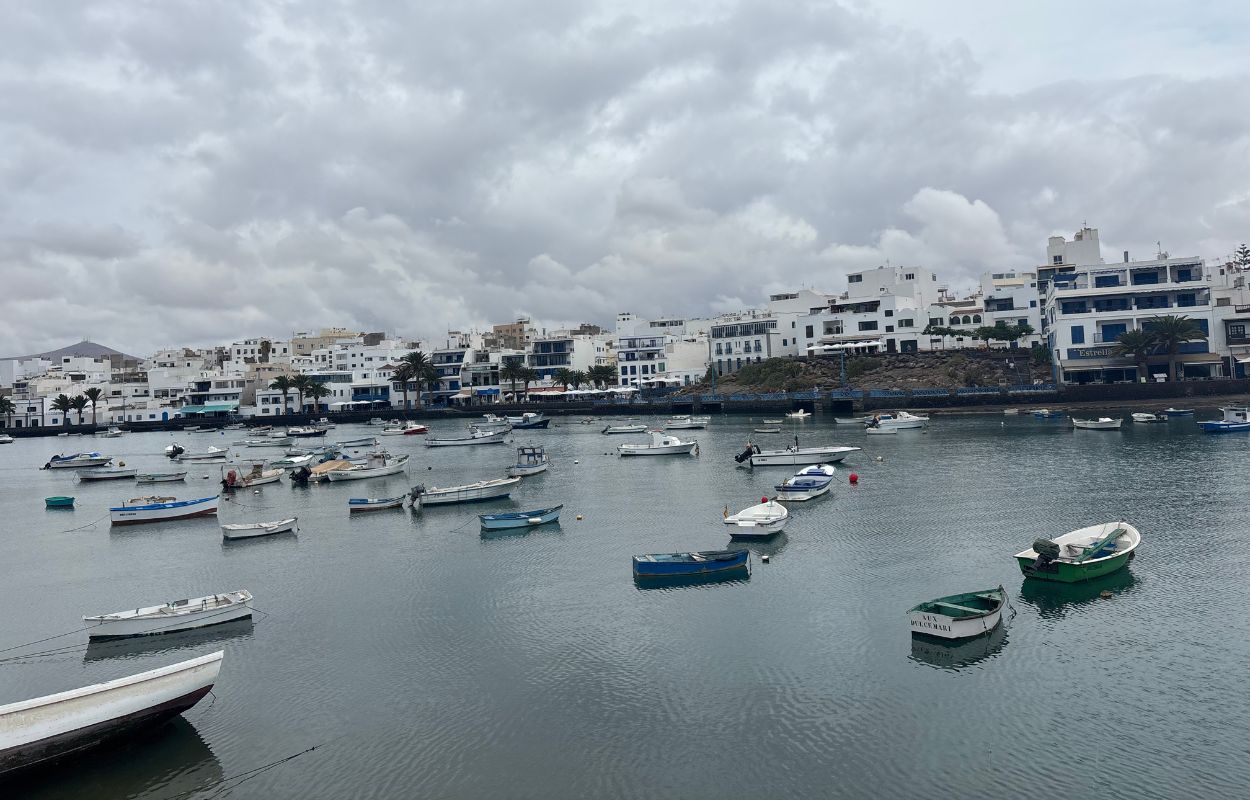
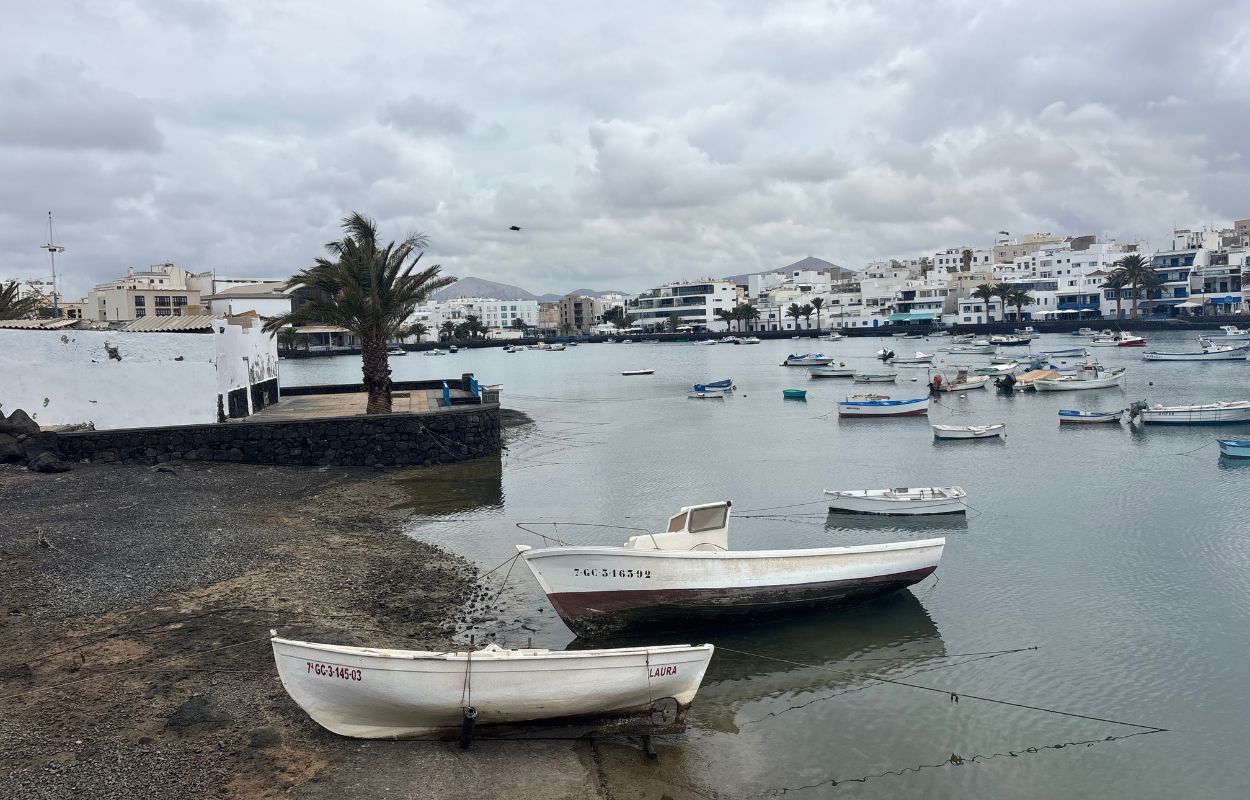
I visited in the morning and walked around the lagoon before stopping for breakfast on a terrace overlooking the water. The cafés are simple, but the setting makes the experience especially pleasant. It is the kind of place where you naturally slow down and linger for a while.
2. Castillo de San Gabriel and Puente de las Bolas
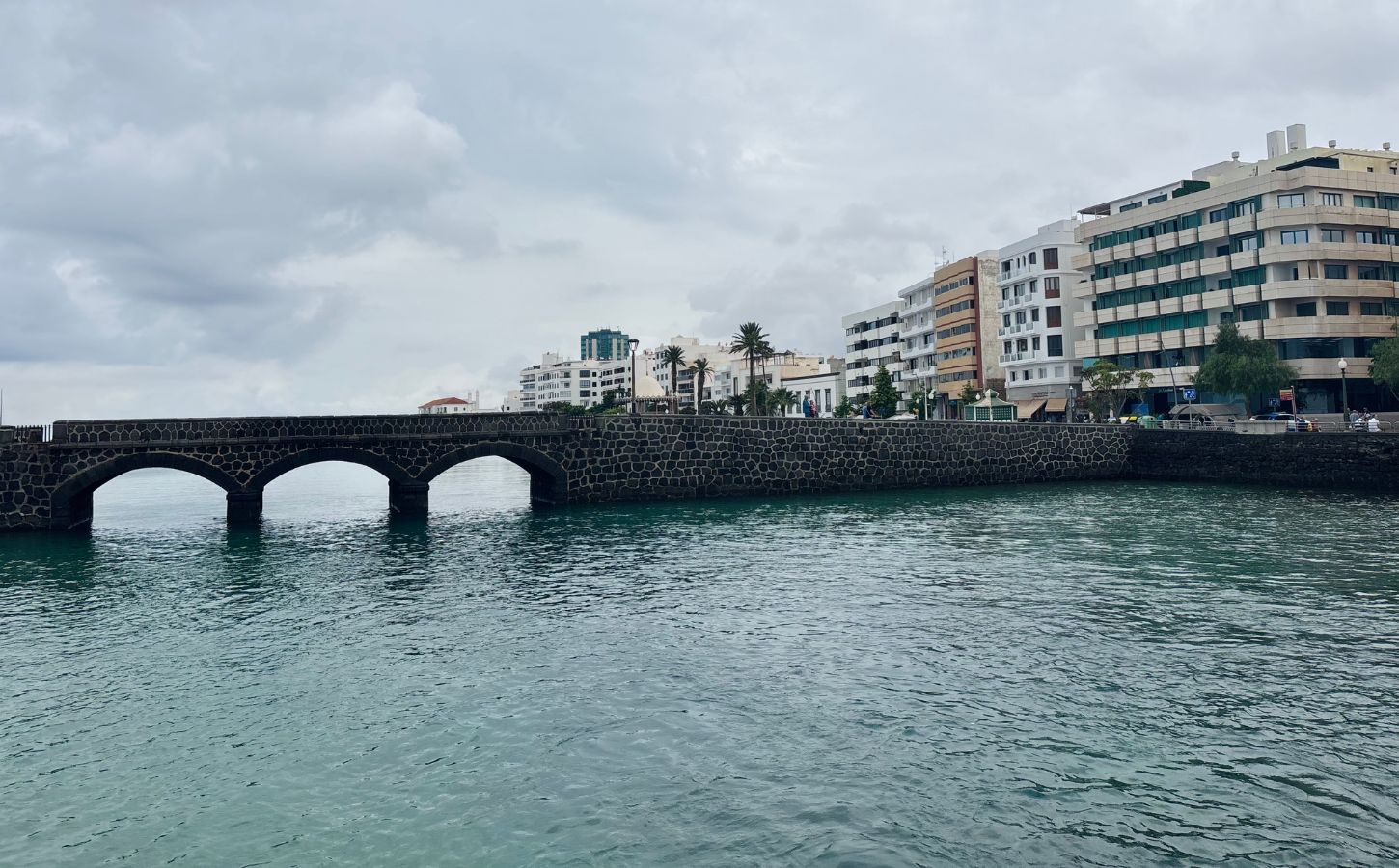
Castillo de San Gabriel is one of Arrecife’s most recognizable landmarks. The small fortress stands on an islet and is reached by the historic Puente de las Bolas. Built in stone and marked by its distinctive spherical ornaments, the bridge creates a striking contrast with the water. The area was peaceful when I visited, with relatively few tourists.
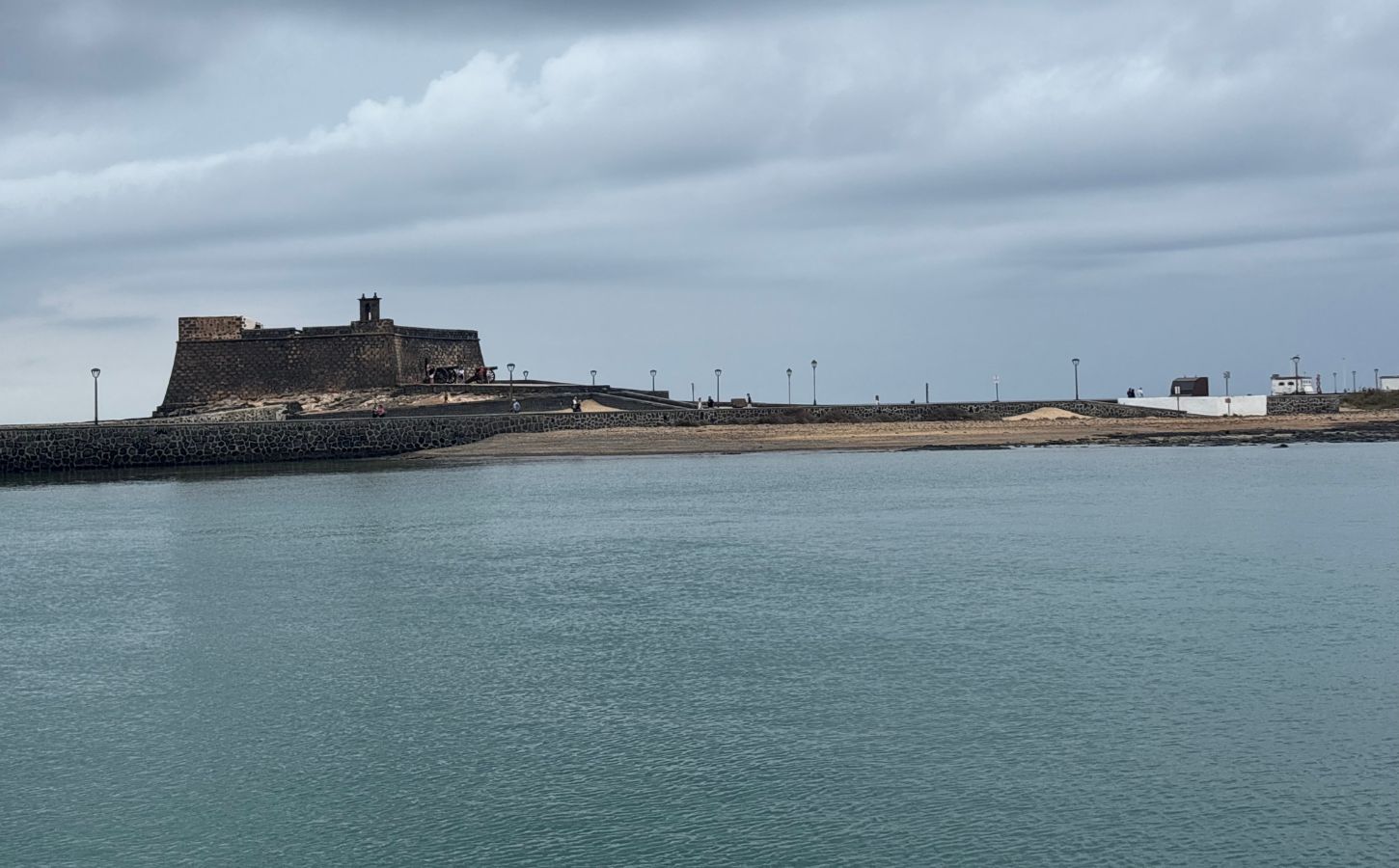
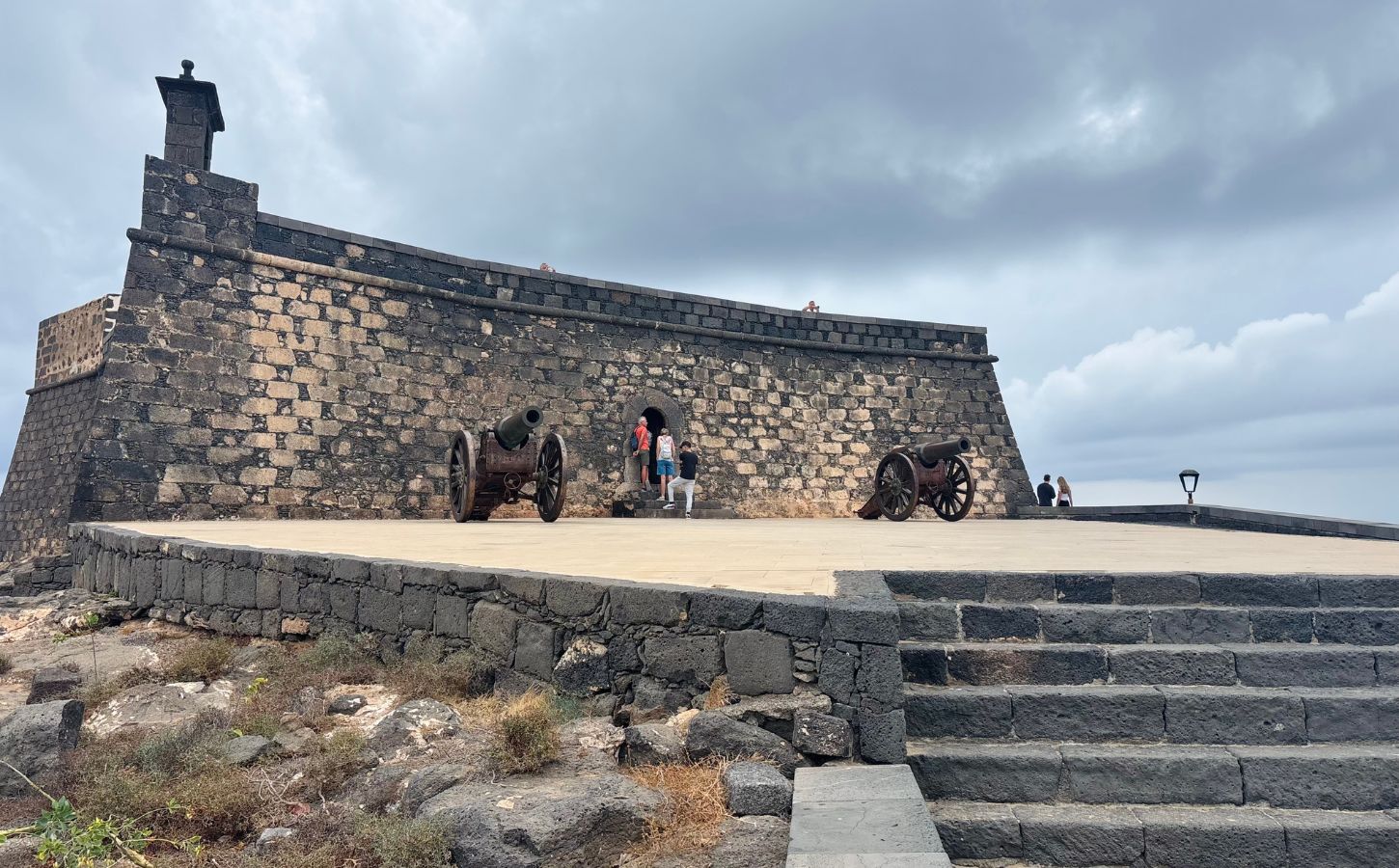
The castle is small, but it adds real character to the waterfront. From the islet, you get broad views across the bay and back toward the city. Inside, the Museo de la Historia de Arrecife presents different periods in the history of Arrecife and Lanzarote. The visit is fairly quick, so it is easy to include even if museums are not your main priority.
3. Castillo de San José (MIAC)
Castillo de San José offers a completely different experience. The eighteenth-century fortress is home to the MIAC, the Museo Internacional de Arte Contemporáneo. César Manrique played an important role in transforming the abandoned building into a contemporary art museum. I did not have time to go inside, which I regretted.
The building itself is worth seeing, with its position above the sea and its blend of historic stonework and modern exhibition spaces. The museum displays work by artists from the Canary Islands and beyond. There is also a restaurant with panoramic views over the harbor, making the site appealing even to visitors who are not especially interested in contemporary art.
4. Playa del Reducto
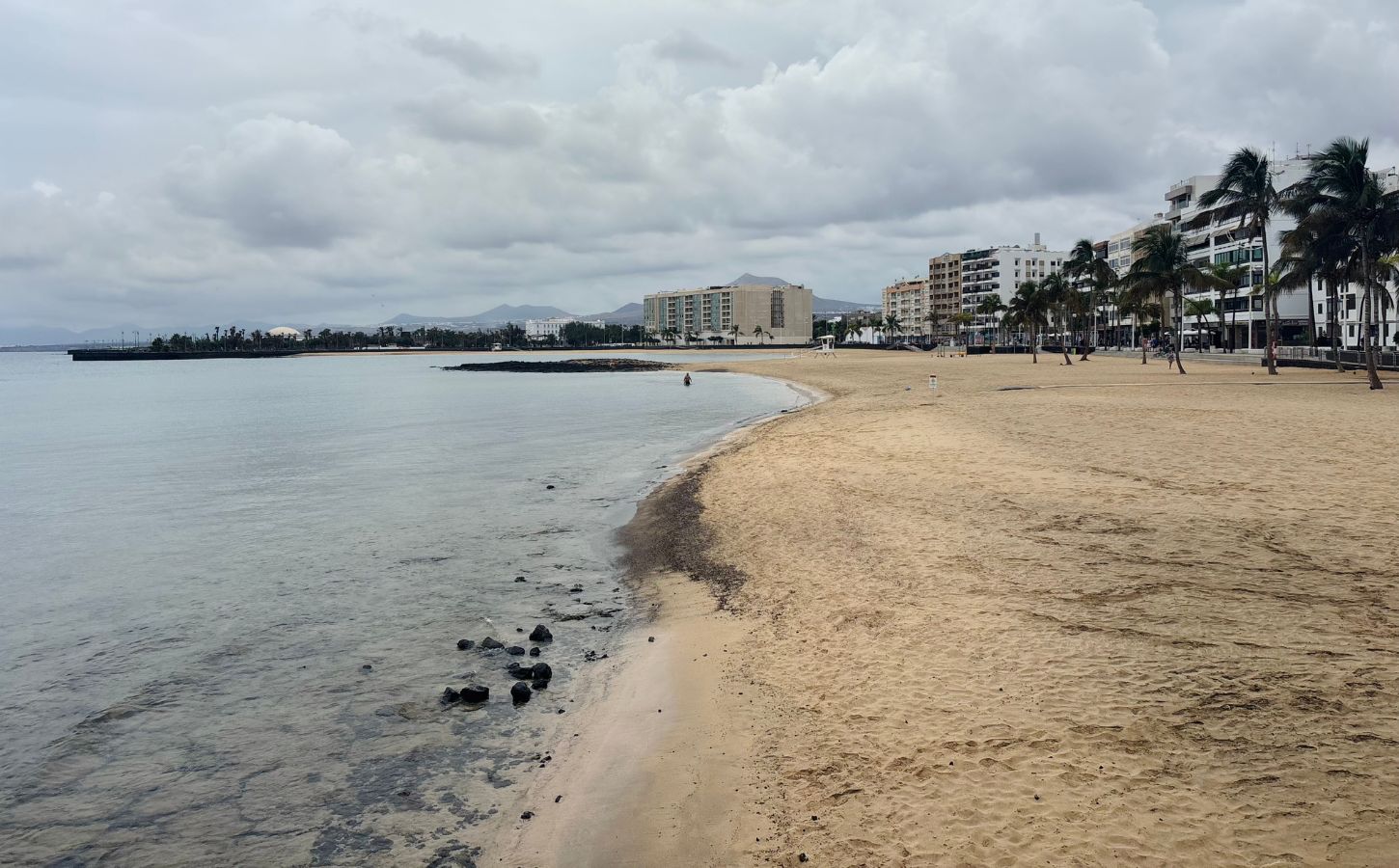
As a seaside capital, Arrecife naturally has its own urban beach: Playa del Reducto. It offers a wide stretch of sand beside a palm-lined promenade, and the water looks especially inviting in the sun. The weather was not good enough for swimming during my visit, although conditions are often pleasant for much of the year.
It is not the wildest or most dramatic beach on Lanzarote, but it fits naturally into city life. Locals can stop there after work, and visitors staying in Arrecife have the sea only a few steps away. The beach is sheltered and generally feels calmer than its urban setting might suggest.
For more coastal ideas, take a look at our guide to the best beaches in Lanzarote.
5. Islote de Fermina
Close to Playa del Reducto, Islote de la Fermina is still slightly under the radar. This small artificial islet is connected to the city by a footbridge and is associated with the work of César Manrique. I walked out along the bridge, which may be closed in poor weather.
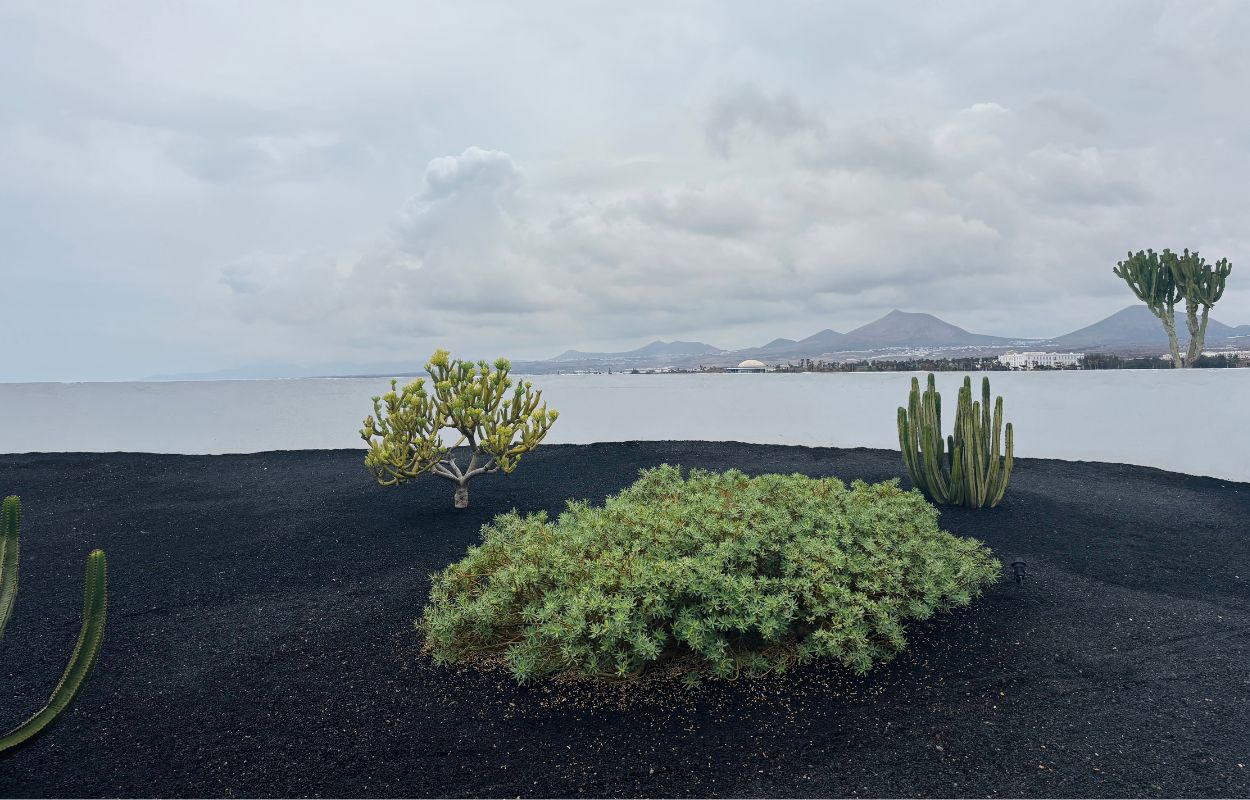
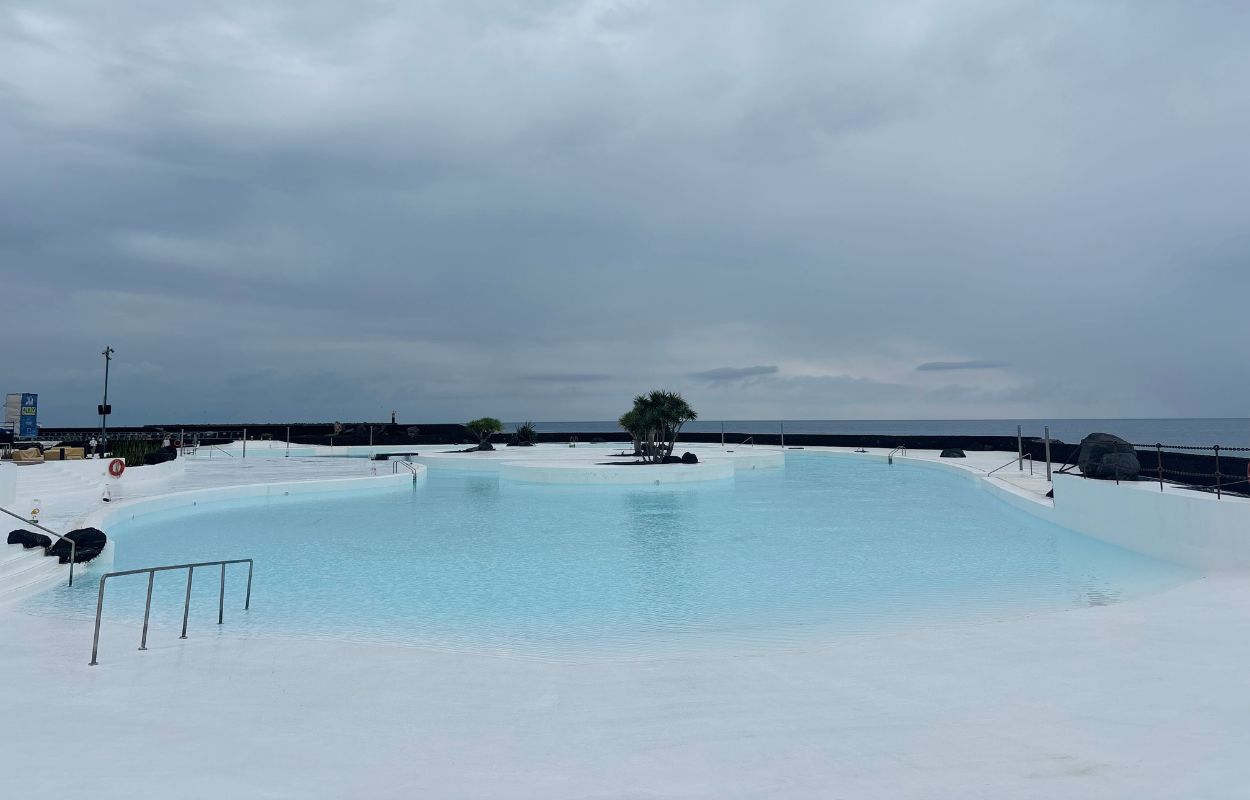
I was surprised by what I found there: a modern leisure space with a seawater pool, landscaped areas, volcanic materials, and a bar. The design echoes Lanzarote’s black rock and minimalist aesthetic while offering a quiet place to pause beside the sea.
6. Iglesia de San Ginés and Plaza de Las Palmas
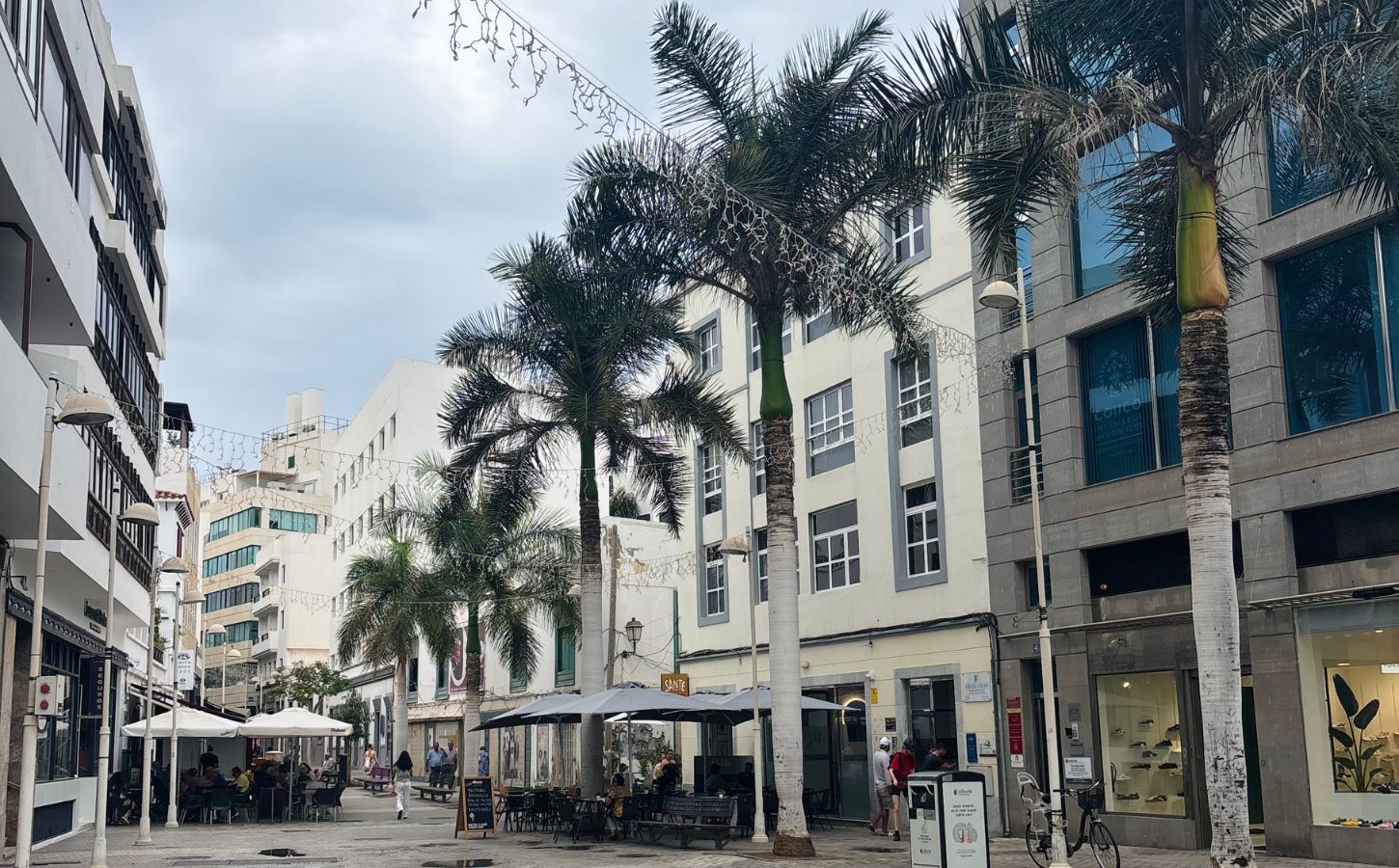
In the center of Arrecife, Plaza de las Palmas offers a pleasant change from the waterfront. Palm trees and traditional Canarian-style buildings surround the square, with Iglesia de San Ginés standing at its heart. I particularly liked the calm atmosphere here. When the church is open, it is worth stepping inside for a few minutes.

Even without entering the church, the square is a peaceful place to sit for a while and take in another side of the capital.
7. Marina Lanzarote
Marina Lanzarote is Arrecife’s modern marina. I spent some time walking among the boats, restaurants, bars, and shops. The main attraction is the open view across the water, and the area works well for a drink or a relaxed meal by the harbor.
It is more contemporary and developed than the historic center, but it still makes a pleasant stop if you are already exploring the eastern side of the city.
8. CIC El Almacén
Art lovers may also want to visit CIC El Almacén, a cultural center that helps bring contemporary culture into the heart of Arrecife. Its program includes exhibitions, film screenings, workshops, and other events throughout the year.
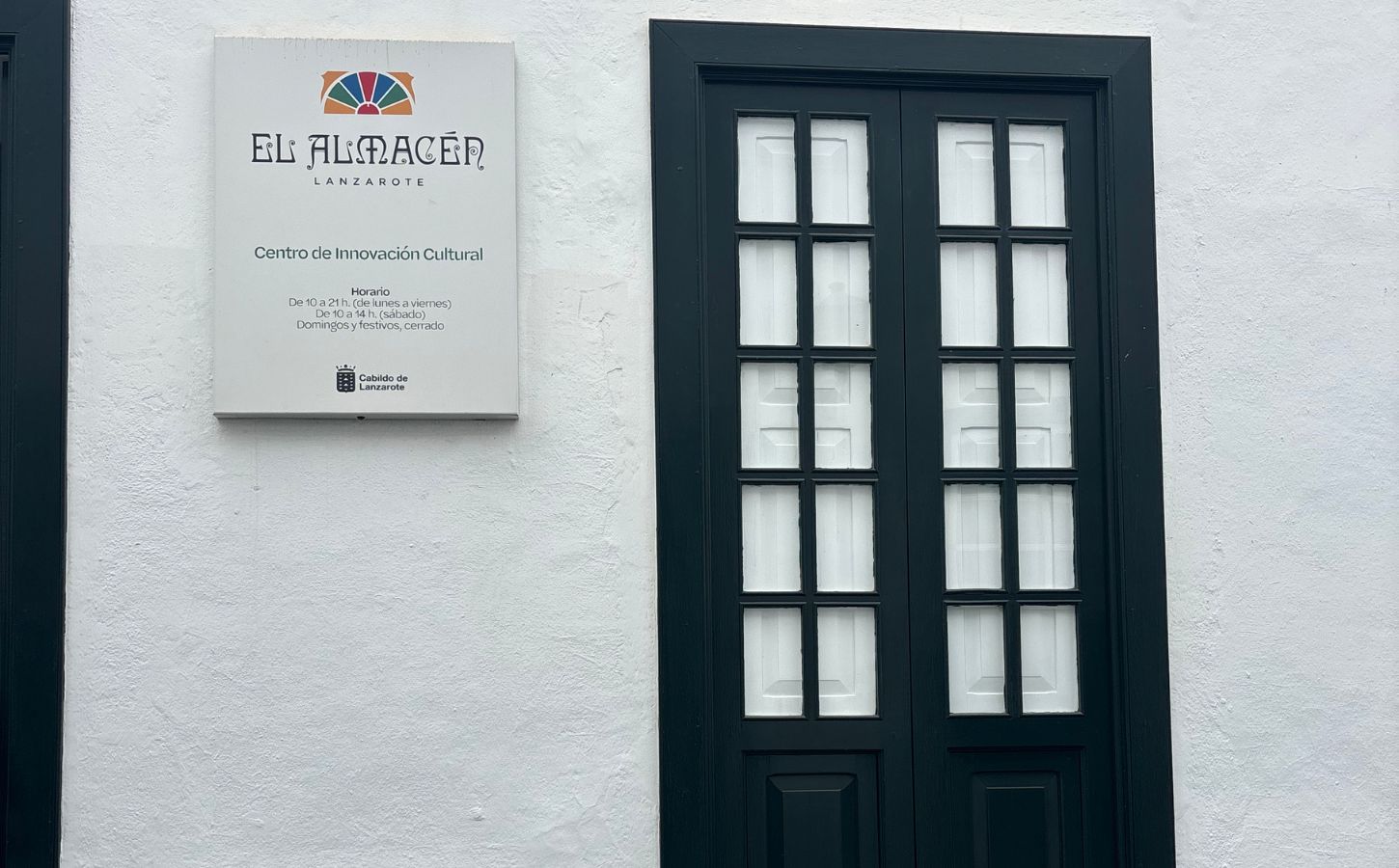
The building is also linked to César Manrique’s influence. Even when no major event is taking place, the whitewashed interior spaces and plant-filled courtyard make it an appealing place to stop for a coffee.
9. La Casa Amarilla
La Casa Amarilla, or “the Yellow House,” stands out immediately among Arrecife’s more restrained buildings. Today it serves as an exhibition space focused on Lanzarote’s culture, history, and local life. It was once the headquarters of the island government, giving the building an added historical dimension.
Its location near Calle Real makes it easy to visit between a walk through the center and a coffee or shopping break.
10. Paseo Marítimo and Arrecife Gran Hotel
Many visitors finish their time in Arrecife with a walk along the Paseo Marítimo. I began there instead, as the waterfront was one of the first things that caught my attention. The promenade runs beside the sea for a long stretch and is used by fishermen, runners, and local residents. It is an easy place to enjoy the ocean air and views of the coast.
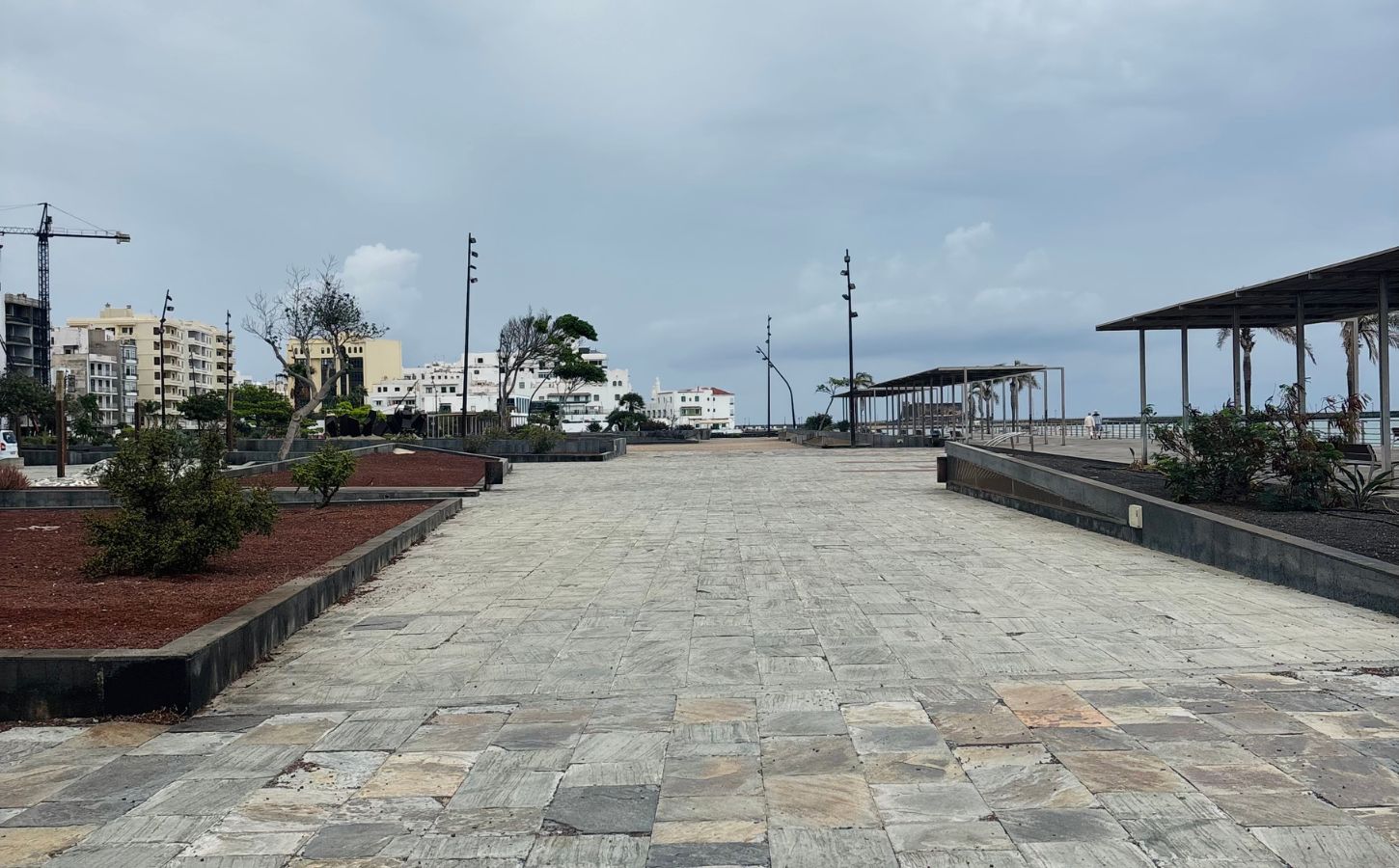
Depending on your route, you will eventually reach the Arrecife Gran Hotel. It stands out immediately as the tallest building on the island. Even if you are not staying there, you can visit the Blue 17 restaurant and bar near the top for panoramic views across the city, coast, and distant volcanic landscape.
11. Shopping on Calle Real
For shopping, Calle Real is Arrecife’s main pedestrian street. It is one of the liveliest parts of the city and has a mix of clothing stores, jewelry shops, local businesses, and international brands. Prices and tax advantages may make some purchases cheaper than elsewhere in Europe, although this depends on the product and store.
Even if shopping is not a priority, Calle Real is worth visiting for the city atmosphere. After several quiet days elsewhere on Lanzarote, I enjoyed seeing a little more movement and everyday local life.
Arrecife: practical information
The following practical information should help you organize your time in Arrecife and decide how long to spend there.
A one-day itinerary for Arrecife
Although half a day is enough for the main sights, a full day lets you explore without rushing. Because Arrecife is compact and most attractions are close together, the itinerary remains easy to manage.
- Morning: begin at Charco de San Ginés, where you can have breakfast or coffee beside the lagoon. Continue to Plaza de las Palmas and Iglesia de San Ginés, stopping at La Casa Amarilla if it is open. From there, walk toward Calle Real for shopping or a terrace break.
- Midday: have lunch around Charco de San Ginés for a more local atmosphere, or choose Marina Lanzarote for a more modern harbor setting.
- Afternoon: visit Castillo de San José and the MIAC for some culture, or stay closer to the center with Castillo de San Gabriel and Islote de la Fermina. If the weather is warm, Playa del Reducto is nearby for a swim.
End of day: finish with a walk along the Paseo Marítimo and, if you feel like it, head up to the Gran Hotel for sunset views.
As you can see, there is enough to fill a relaxed day in Arrecife. The main sights can still be covered comfortably in half a day if you prefer a shorter visit.
How to get around Arrecife?
Arrecife is best explored on foot. The city is compact, and most major sights lie either in the center or along the waterfront. Walking lets you move at your own pace without worrying about transportation.
If you are staying farther from the center, taxis and local buses are easy to use. Arrecife is also the main hub of Lanzarote’s intercity bus network, which is helpful if you have not rented a car. Drivers will find several public parking areas; the easiest approach is to park once and continue on foot.
Bicycles and electric scooters are another option for short urban trips where permitted. For more information about renting a car in Lanzarote, see our dedicated guide. I booked through Discover Cars and found the process straightforward.
Overall, Arrecife requires very little logistical planning. Most places are easy to reach and close enough to combine on foot.
Where to eat in Arrecife?
Arrecife has a good range of places to eat, from casual cafés and local restaurants to more polished dining rooms. Despite its modest size, the capital offers plenty of Canarian dishes, tapas, fresh fish, and locally sourced ingredients.
For a more traditional atmosphere, look around Charco de San Ginés. Several restaurants have terraces facing the lagoon and serve dishes such as fresh fish and papas arrugadas.
Restaurants around Marina Lanzarote tend to be more modern and often more expensive, but the harbor setting is attractive, particularly in the evening.
Finding somewhere to eat in Arrecife is generally easy. Compared with smaller villages such as Yaiza and Órzola, the capital offers a much broader range of choices.
Where to stay in Arrecife?
If you are considering staying in Arrecife, there are options ranging from simple hotels to luxury properties. These are a few possibilities at different price points:
High budget
Arrecife Gran Hotel & Spa: the city’s best-known high-rise hotel, with a spa, indoor pool, upscale rooms, and panoramic views from its upper floors.
Mid-range budget
Hotel Lancelot: a three-star hotel opposite Playa del Reducto, within walking distance of the city center. It also has a rooftop area and pool.
Budget-friendly
Checkin Diamar: a straightforward hotel facing Playa del Reducto, offering a convenient location for travelers looking for a more affordable stay.
For more ideas, see our guide to where to stay in Arrecife.
That brings us to the end of this guide to Arrecife. I hope it has helped you decide whether to include the city in your trip. Lanzarote’s capital feels quite different from the island’s volcanic landscapes and traditional villages, which is exactly why it can be worth seeing.
Arrecife is easy to include in a Lanzarote itinerary, whether you visit quickly or spend a full day. For another contrasting coastal town, consider Playa Blanca.
See you soon for more Lanzarote travel guides!

Written by Laura CALLES
Thanks to Mélanie and Sylvain, I had the chance to discover the Canary Islands, specifically Tenerife and Lanzarote, so that I could share these island paradises with you. Two real favorites of mine!
Despite our vigilance, an error may have crept into this article. If you spot one, please don't hesitate to let us know so that we can correct it immediately and keep our information up to date!