Lanzarote itineraries: what to see in 3, 5, 7, 10 days, or more
Last update: 06/19/2026
Our blog continues to grow thanks to you, our readers. This post may contain affiliate links, which means we can earn a small commission if you make a purchase through them, at no extra cost to you. This helps us to continue to bring you more and support our work!
After covering the best things to see and do on the island, it’s time to tackle an essential part of planning your vacation: itineraries in Lanzarote. As soon as you start planning, one thing becomes clear: this volcanic island has a lot to discover. Lanzarote may not be very large, but you certainly can’t see it all in the blink of an eye.
I spent a full week there, and honestly, the time flew by. Between volcanic landscapes, beaches, lava tunnels, whitewashed villages, vineyards set amid fields of ash, and a trip to La Graciosa, every day brought new surprises and a complete change of scenery. I found myself more impressed each day.
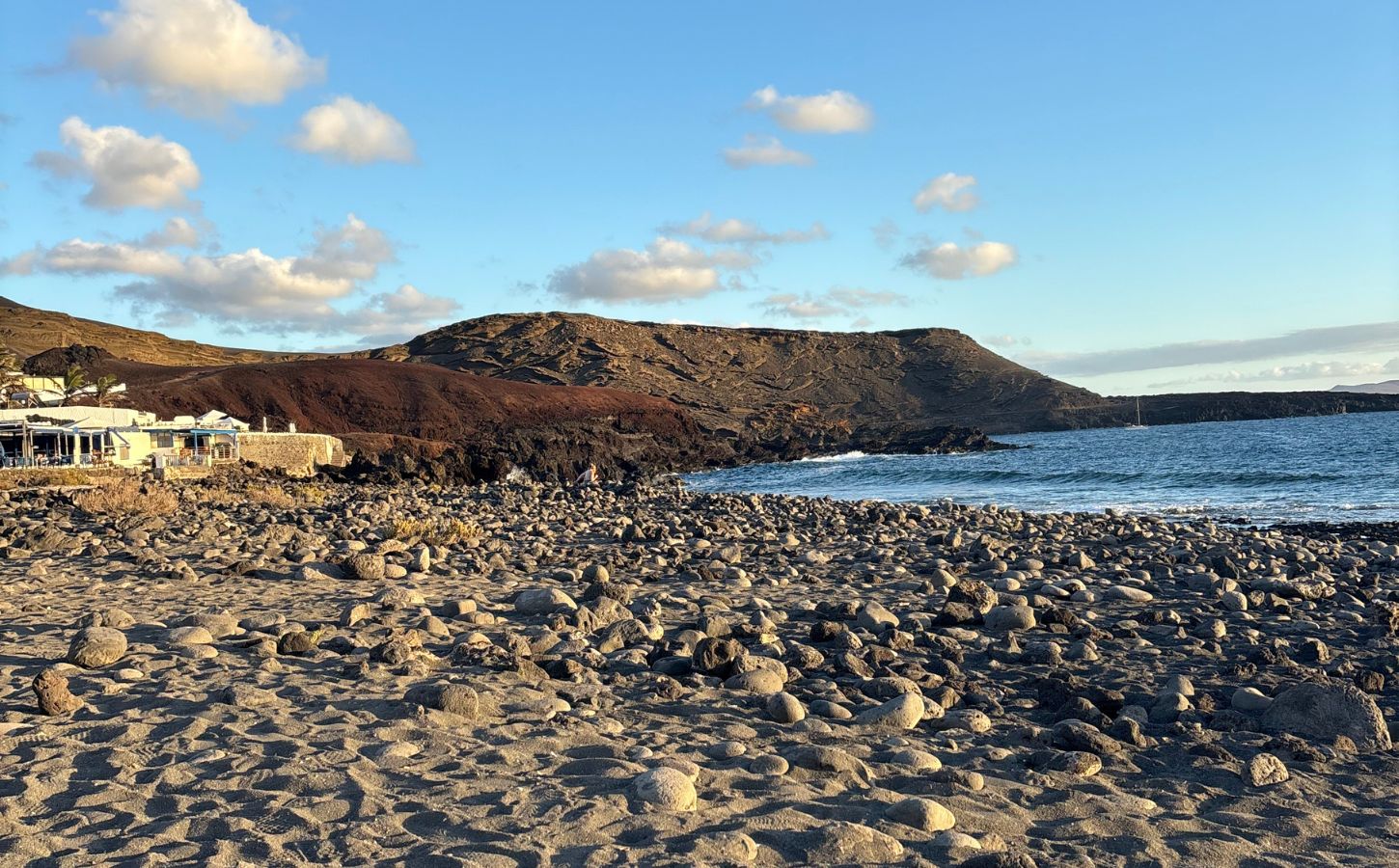
What impressed me most was the constant contrast between the landscapes. In just a few kilometers, you go from an almost lunar setting to a seaside atmosphere, then to agricultural land surrounded by volcanoes. I was also struck by how raw, wild, and peaceful the island feels, with each area offering its own distinct charm.
As you’ve probably guessed, this article brings together several Lanzarote itinerary ideas for stays of 3, 5, 7, 10 days, or more. They’re based on my own experience on the island and include both the must-sees and a few quieter spots. That way, you can mix and match the ideas that appeal to you most and build an itinerary that suits you.
By the way, we’ve also put together a complete guide on: what to do in Lanzarote. It’s another useful resource for planning your trip. In any case, whether you opt for a long weekend or a longer road trip, Lanzarote has plenty to offer. All that’s left is to organize the details and fine-tune your plans.
How many days should you spend in Lanzarote?
Many visitors give Lanzarote only a few days—just enough for a long weekend. The island is small, and three or four days are enough to get a good first impression. But if you want to explore it in greater depth without feeling rushed, I recommend staying longer. As I mentioned, I stayed for a week. I never got bored, and I had enough time to really soak up the island’s atmosphere.
It’s peaceful, and you quickly feel as though you’ve stepped into another world, far removed from everyday life—which feels wonderful. For me, a week was just right: enough time to recharge, move at my own pace, and take in Lanzarote’s varied landscapes: volcanoes, natural pools, raw beaches, unique vineyards, lava tunnels, natural landmarks, white villages, and so much more! Not to mention that I dedicated a full day to the island of La Graciosa, which is only a few kilometers off the coast of Lanzarote.
By now, you probably get the idea: Lanzarote is full of beautiful and, above all, distinctive places. Some of them are unlike anything you’ll see elsewhere. So let’s get into the details and help you plan your time on the island.
Visiting Lanzarote in 3 or 4 days: a long-weekend itinerary
As I mentioned, three or four days in Lanzarote is a short stay, but it’s perfectly doable. That’s still enough time to get a good overview of the island and its character. It might even make you want to come back a second time. In just a few days, you can experience its volcanic landscapes, some of its most beautiful beaches, and several remarkable protected sites. To me, it’s a great way to enjoy a complete change of scenery without leaving Europe. So, without further ado, here’s the itinerary I recommend for three or four days in Lanzarote:
Day 1: Arrecife, south coast and Papagayo beaches
For an easy start, begin with Arrecife, the capital. You won’t need a full day; a few hours are enough. Despite being the capital, it has retained a local, authentic feel. I recommend exploring on foot, as the center is compact and easy to navigate. My favorite stops in the city were Charco de San Ginés, Castillo de San Gabriel, the seaside promenade, Playa del Reducto, followed by a meal at a small local restaurant.
In the afternoon, head south to reach the famous Papagayo beaches and Playa Mujeres. In my view, these are the most beautiful beaches in Lanzarote. Plus, they’re located in a protected park, Los Ajaches. They’re tucked away in a desert-like setting that feels straight out of a movie, and I loved it. I also recommend staying for sunset, when the light makes the ochre cliffs look even more beautiful.
Day 2: Timanfaya National Park and the volcanic coast
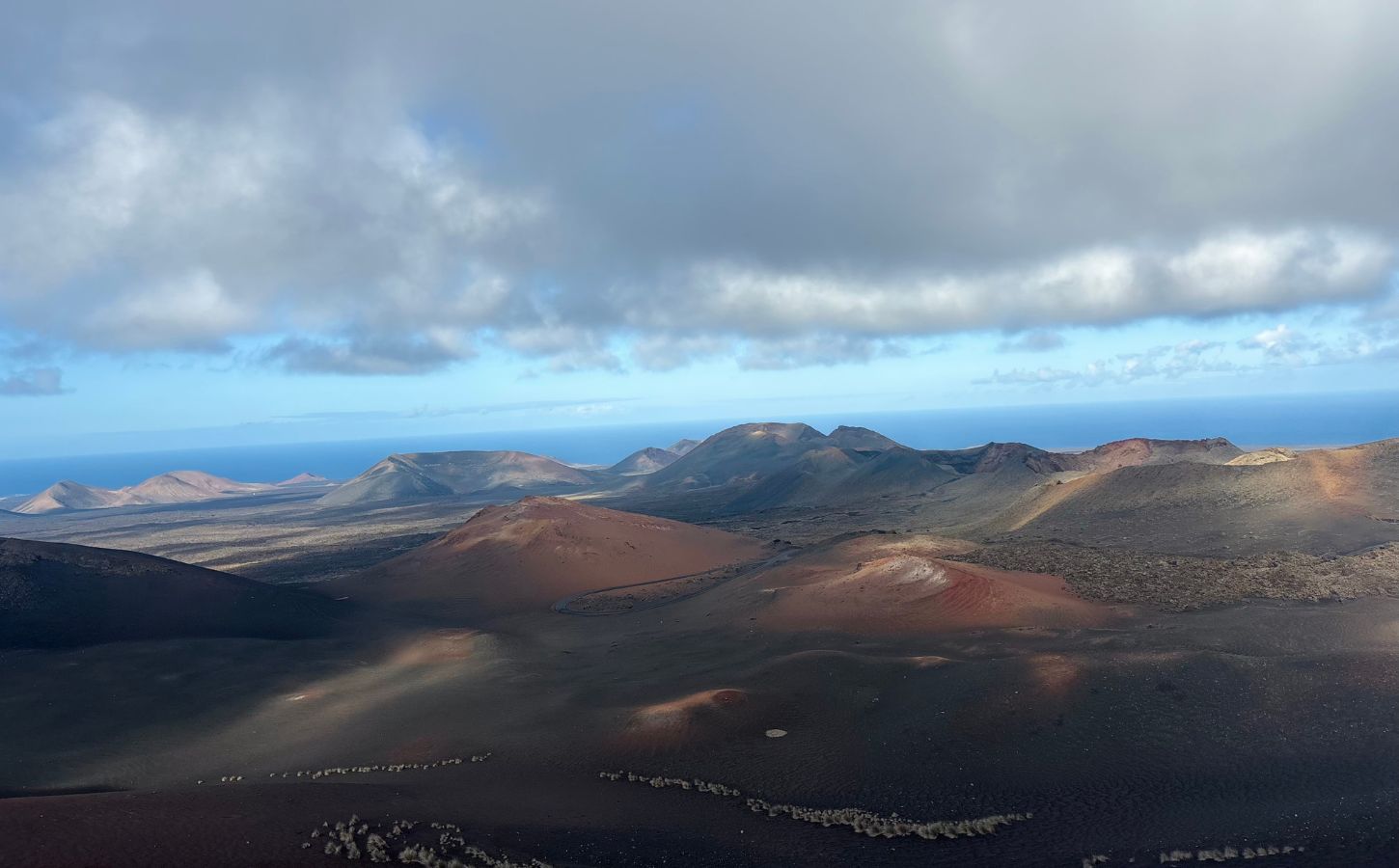
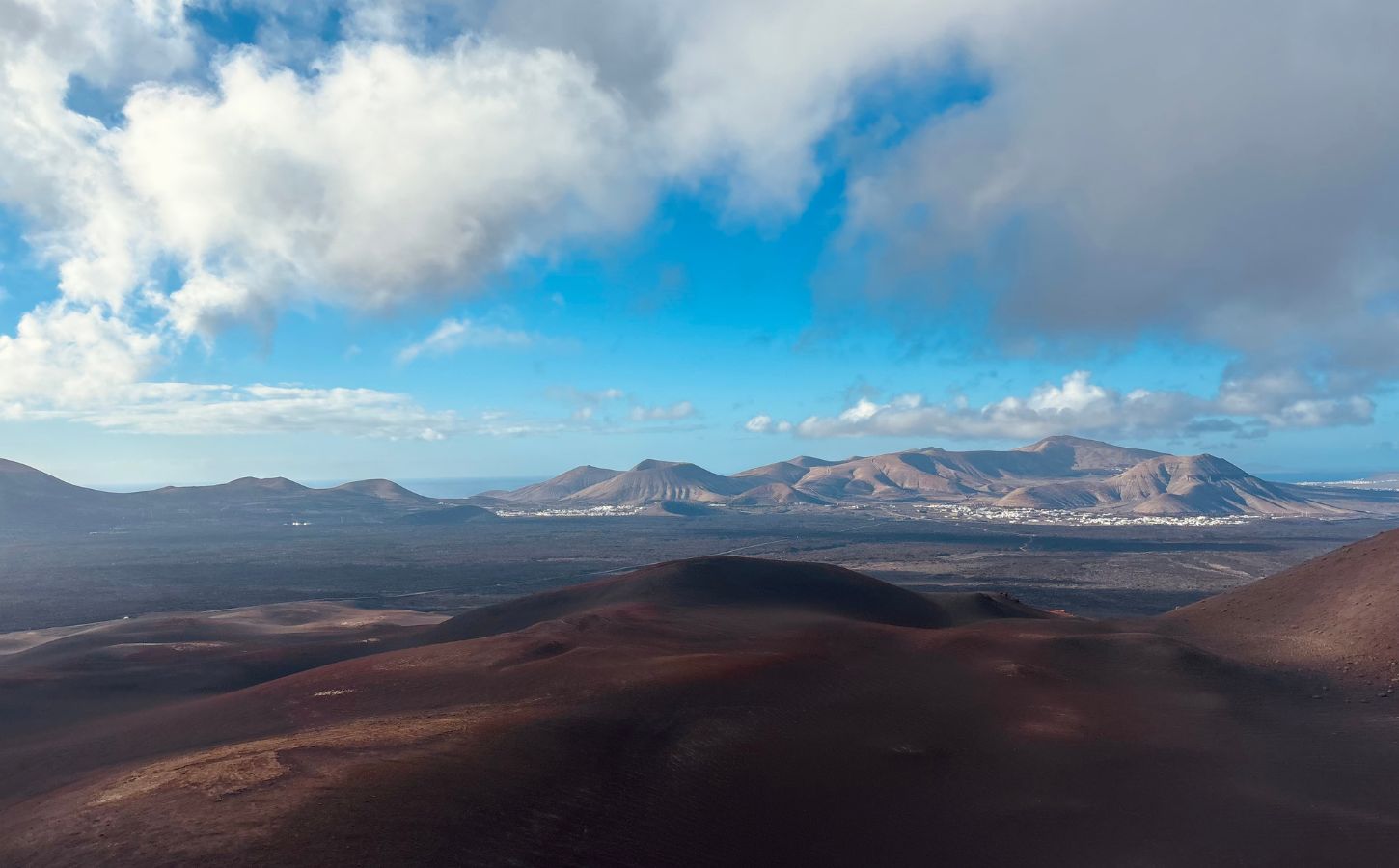
You’ve surely already heard of Timanfaya National Park. It’s easy to see why: this is the volcanic heart of the island. For me, a trip to Lanzarote wouldn’t be complete without it. It was one of my favorite places and exactly what I had pictured. The viewpoints over the Fire Mountains, the lava fields, and especially the panoramas with red, black, and golden hues are remarkable. The visit begins with a panoramic bus tour, accompanied by explanations of the landscapes along the route, and ends with the geothermal demonstrations, which are always impressive. Allow a few hours for the visit. Tickets must now be purchased online in advance for a specific date and time slot.
To round out this volcano-filled day, drive along the southwest coast and stop at:
- Los Hervideros
- Las Salinas de Janubio
- then Charco Verde in El Golfo: the famous green lake surrounded by black volcanic rocks, which was another personal favorite
All of these spots are just a few minutes’ drive from one another, so so it’s easy to visit them all. This was one of my favorite days of the entire trip.
Day 3: Northern Lanzarote, Jameos del Agua, and wild beaches (or La Graciosa)
On the third day, the scenery changes completely as you head north. You can start with Jameos del Agua, which is a very well-known place on the island. It is one of César Manrique’s creations, where the Lanzarote-born artist once again brought architecture and nature together. Right next door is Cueva de los Verdes, an equally impressive section of the same volcanic tube. Advance online booking is required.
Then, I suggest two options:
- either head down to Famara beach for a wild, surf-and-cliffs atmosphere,
- or go for a day trip to La Graciosa (if you still have some energy), for a back-to-nature escape among deserted beaches and golden sand.
Honestly, I loved both, so I’m not much help when it comes to choosing this time, haha. The choice is yours.
Day 4 (optional): Teguise, La Geria, and a relaxed finish
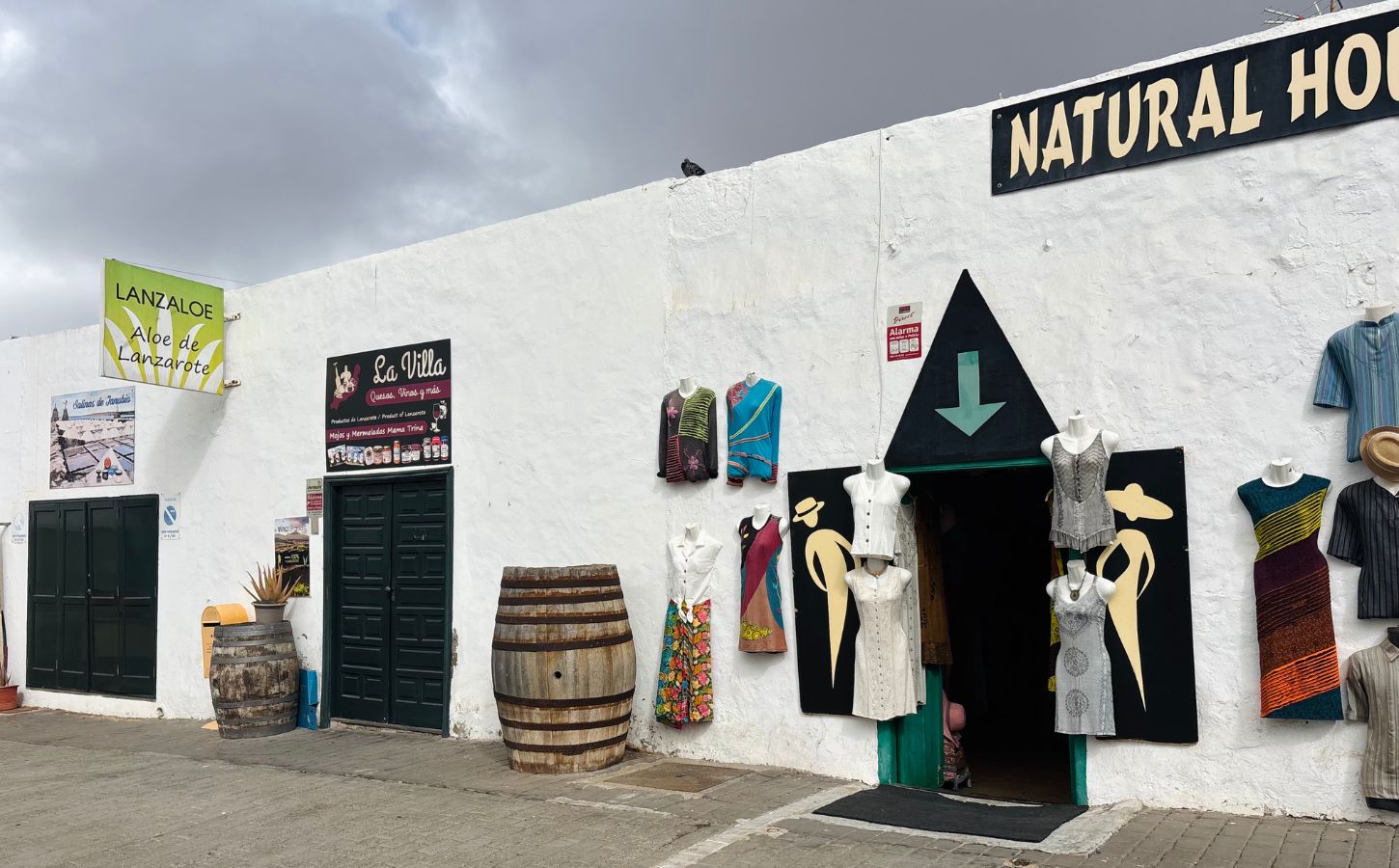
If you stay 4 days, you can look forward to a more relaxed day. You can enjoy the morning strolling through the village of Teguise. It’s the former capital of the island and has real charm. Take your time wandering through the cobbled streets and historic center, especially if you come on Sunday, which is market day.
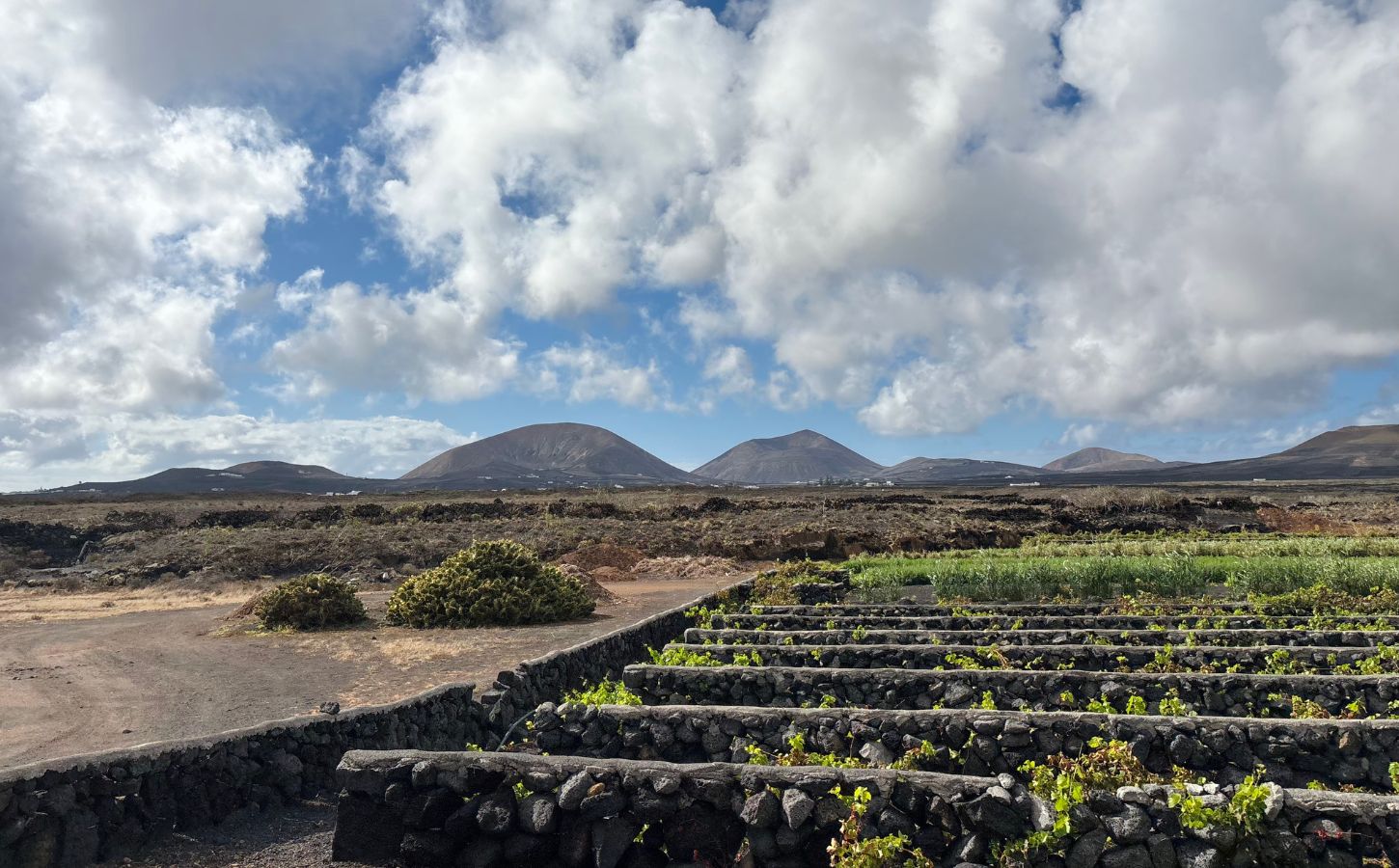
Then, you can head toward La Geria to discover the vineyards planted right in the middle of volcanic ash. The landscape is beautiful, with vines cultivated in a way that is closely associated with Lanzarote’s volcanic terrain. To finish your stay on a high note, you can choose one last beach or one last sunset in Playa Blanca or on the west coast.
This three- or four-day itinerary is fairly full, but the island’s short driving distances make it manageable. But it will already give you a good idea of the wonders of Lanzarote. For more ideas, take a look at our guide to itinerary ideas for 3 days in Lanzarote.
What to do in Lanzarote in 5 days
Five days in Lanzarote gives you more time to explore the island without rushing, at your own pace, while leaving room for whatever you feel like doing. For the first two days, I would keep the same plan as in the previous itinerary:
- Day 1: Arrecife + south coast and Papagayo beaches
- Day 2: Timanfaya National Park & volcanic coast
- Day 3: North of the island – Jameos del Agua, Cueva de los Verdes and Famara
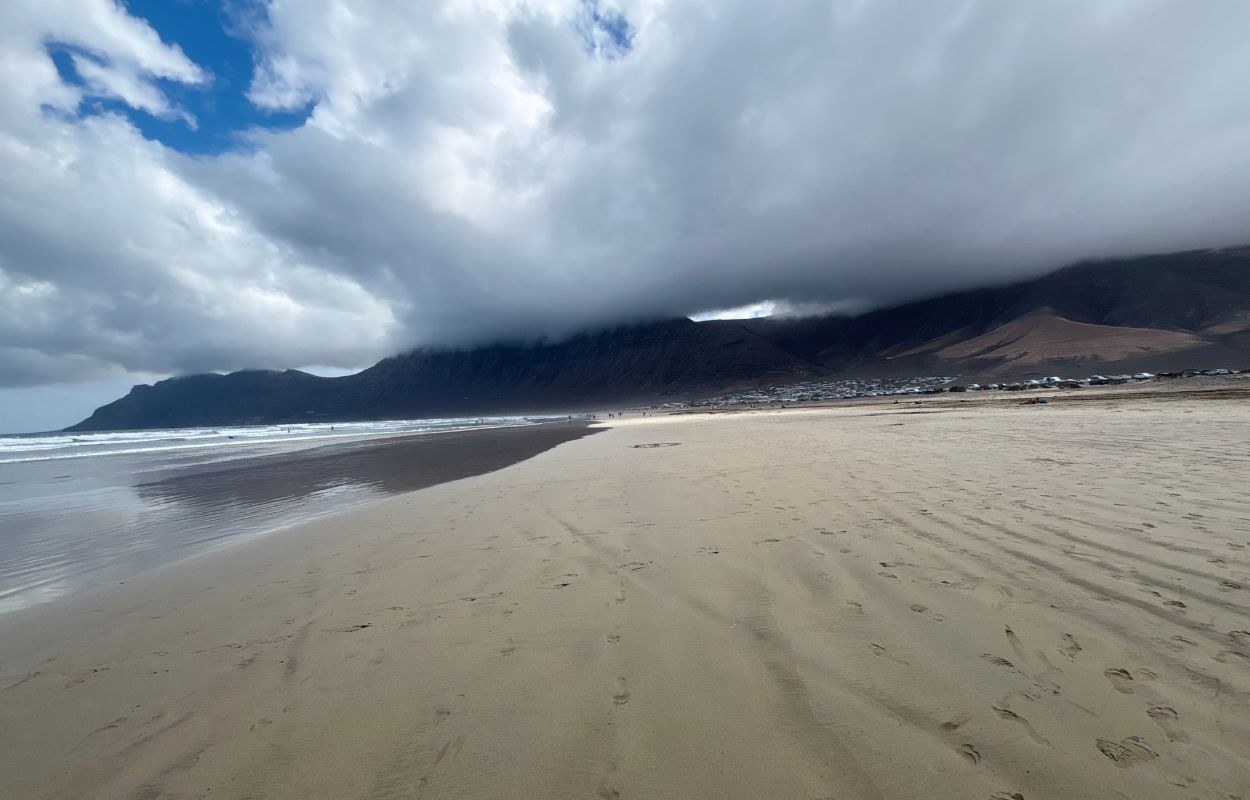
Head north for a memorable visit to Jameos del Agua, followed by Cueva de los Verdes. In the afternoon this time, I recommend going to Famara beach and staying until sunset. I’m fairly sure you’ll love the experience.
For the rest, here’s what I suggest:
Day 4: The island of La Graciosa
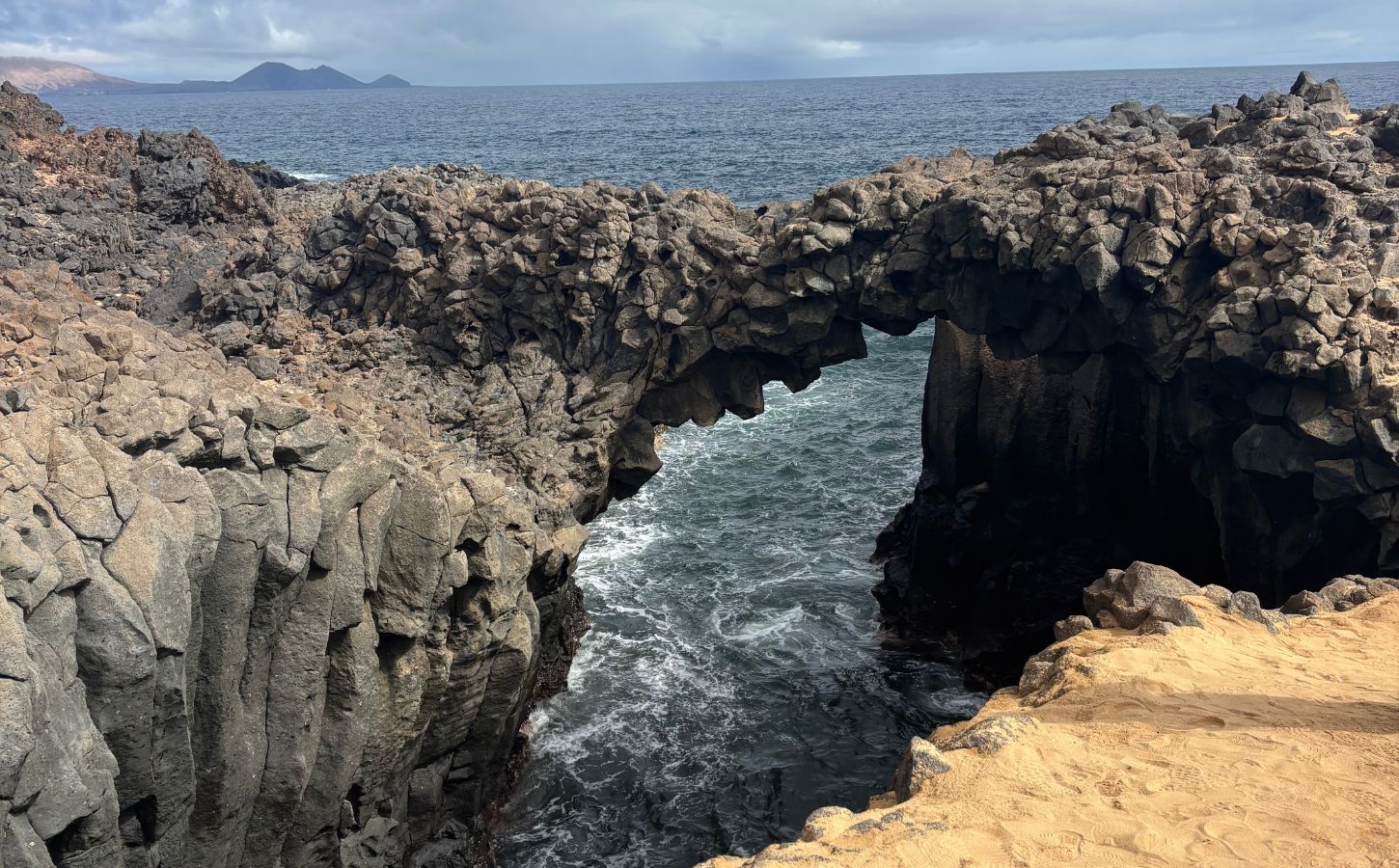
Many travelers don’t make time to go to the island of La Graciosa, and I think that’s a shame. I’d even say the trip feels incomplete without it. I truly loved my day there, and it exceeded my expectations. It feels like stepping back in time, with unpaved roads and remote corners throughout the island. What I found especially moving was seeing how fully nature still shapes the island and its landscapes. It gives you pause. And believe me, you really need a full day to see the island’s must-sees, including: Caleta de Sebo, Playa de las Conchas, Playa Francesa, Montaña Amarilla, Playa del Salado, etc.
Day 5: Teguise + Las Grietas and La Geria
I suggest starting with the village of Teguise, which I mentioned above, and then heading to Las Grietas. If you’re unfamiliar with the site, Las Grietas consists of volcanic fissures that you can walk through. It’s an impressive place, and access is free. These fissures are truly among my favorite spots on the island. To end the day on a peaceful note, cross the La Geria region with its famous vineyards. Once again, you’ll be faced with unique landscapes, and you can even stop at a bodega to taste local wine.
Spending one week in Lanzarote
A full week in Lanzarote is where the trip really comes into its own. That’s how long I stayed, and for me, it was ideal. I was able to discover the island with some calmer days and others that were busier; it was a great balance for me. Ready to explore it all? Unsurprisingly, I suggest keeping the first 5 days exactly the same as in the previous itinerary:
- Day 1: Arrecife + south coast and Papagayo beaches
- Day 2: Timanfaya National Park & volcanic coast
- Day 3: North of the island – Jameos del Agua, Cueva de los Verdes and Famara
- Day 4: The island of La Graciosa
- Day 5: Teguise + Las Grietas and La Geria
Then, keep going with the following:
Day 6: Viewpoints and wild beaches in the north
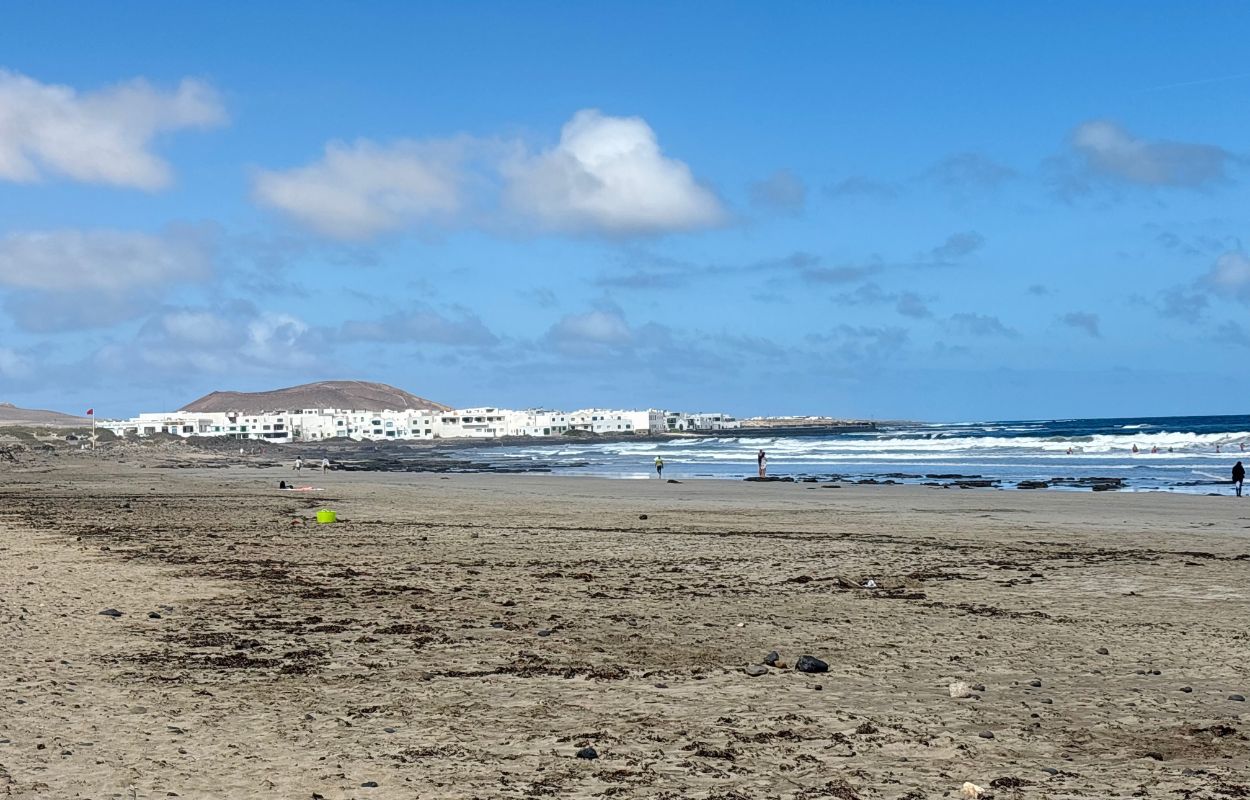
For your second-to-last day, discover another side of Lanzarote, quite different from the rest of the trip. This part of the island feels more isolated, rugged, and peaceful, with nature taking center stage. I recommend starting with Mirador del Río, one of the most beautiful viewpoints on the entire island. You’ll have a sweeping view over La Graciosa, which you visited just before. You can then head back down toward the small, very peaceful port of Órzola, and then on to Caletón Blanco. This beach is really unique, with its black rocks forming natural pools surrounded by white sand. You can either swim or simply admire the scenery. If you see that the sea is fairly calm, you can also go to Playa de la Cantería, an even wilder beach—very beautiful but much more exposed to the wind. It makes for a quieter, very enjoyable day.
Day 7: Last day: choose what suits you
For your last day in Lanzarote, after a busy week, here are several options depending on your mood:
- First option: go hiking around Caldera Blanca. It’s one of the best hikes in Lanzarote. The climb gradually gets steeper, but the view from the top is a great reward. The views are well worth the effort.
- Second option: a more culture-focused day, with for example the César Manrique Foundation or the Cactus Garden. These two iconic places help you better understand the island’s history and the importance of Manrique’s work to the island.
- Third option: a genuinely relaxing day with beach, restaurants, shopping, returning to Famara or heading south depending on your mood. Sometimes, it feels good to end a trip without a fixed plan.
Exploring Lanzarote in 10 days
(For some travelers, 10 days in Lanzarote may sound like too much, but I think it allows you to alternate between relaxed days and busier ones. By now, you know the pattern: I recommend keeping the first seven days exactly as outlined above. For the remaining 3 days, you can keep one beach day, one activity day to go diving in Lanzarote, try paragliding over the island, or go on a quad excursion. And for your last day, I recommend doing a hike in Los Volcanes Park. As you can see, there’s always something to do on the island, even in 10 days and even though it’s not the biggest of the Canary Islands.)
What is the ideal length of a trip to Lanzarote?
There’s no right or wrong answer, but I’ll help you choose how long to come to the island based on what you’re looking for. Personally, I found one week to be the ideal amount of time to visit the island without rushing. The scenery changes quickly—you can go from lava fields to turquoise beaches in just a few minutes. There’s always something new to look at. A week also gave me time to vary my activities and build in some downtime. Lanzarote is well worth the trip and genuinely distinctive. So, take your time! And if you’re limited by time, as you’ve seen, there are still beautiful things to discover in 3 and 5 days in Lanzarote. Think of it as a preview that may leave you wanting to return and discover more of this volcanic island. Or maybe it will be enough to make you never want to leave. I met quite a few expats who chose to stay in Lanzarote and build a life there. You never know! To get back to the main question, it’s up to you to decide. You can’t really go wrong—the island works well for many different travel styles and trip lengths.
Lanzarote itineraries: practical information
Now for the practical side of planning a Lanzarote itinerary. Below, we’ve answered the questions we’re asked most often.
How do you get to Lanzarote?
Lanzarote has become an increasingly popular destination in recent years. As a result, there are several direct flights from France, Belgium, and Switzerland, especially during high season. Many of these routes are operated by low-cost airlines such as Ryanair, easyJet, or Vueling. This can make it easier to find reasonably priced fares. Flight times are generally around 3.5 to 4.5 hours, depending on your departure airport. Of course, the earlier you book, the more likely you are to find good deals.
Lanzarote is also well connected to the other islands by ferry, especially with Fuerteventura (which is right next door—you can see the coast from the south of Lanzarote), which is very convenient if you want to combine several islands during your trip. Overall, Lanzarote is straightforward to reach by air, while ferry connections make island-hopping easy.
How do you get around Lanzarote?
Here’s the main thing to know: the best way to get around Lanzarote is by car. The island is compact, the roads are generally in good condition, and driving is a pleasant way to explore. For me, nothing beats having that freedom on vacation. You can access beaches, volcanoes, and even the most isolated spots. It gives you far more flexibility when exploring Lanzarote. Personally, I went through Discover Cars to rent my car, and everything went smoothly.
But of course, you also have other options such as:
- Buses (guaguas): there’s a fairly useful bus network on the island that connects the main towns with tourist areas. Plus, it’s the cheapest way to get around the island. But it requires a bit more organization and patience—delays can happen. In my opinion, it’s worth considering if you’re staying in town.
- Taxis: you’ll easily find them around major towns like Arrecife, Playa Blanca, and Puerto del Carmen. They’re convenient for short trips but can become expensive if you use them for all your transportation.
- Bicycles: a practical option in certain areas, especially for sporty travelers, as you’ll have to pedal against the wind, the heat, and some elevation changes.
- Organized excursions: if you don’t plan to rent a car and prefer to be guided, this is a good option to visit Timanfaya, La Geria, Jameos del Agua, or La Graciosa. It’s convenient, but of course more structured and less flexible.
Ultimately, the best option depends on your travel style. If you want to be free, flexible, and fully enjoy the island, the car remains the best choice. If you’re traveling in a relaxed way or on a small budget, buses and organized excursions can work well. For more info, we’ve dedicated a full article to the topic: how to get around in Lanzarote.
When is the best time to visit Lanzarote?
Lanzarote can be visited year-round, thanks to its generally mild, sunny climate and limited rainfall. It’s a reliable choice for a family trip, a getaway with friends, or a couple’s vacation! To give you a quick overview of the seasons to visit Lanzarote:
- Winter (December to February): when winter settles in back home, Lanzarote is a great destination to take a sunny break away from the cold. It’s also a good time for hiking and visiting the island without it being too hot. However, prices rise quickly during the Christmas holidays.
- Spring (March to May): I’d say this is the excellent balance between mild temperatures, a bit of greenery (yes, even in Lanzarote!), and water that’s nice enough for a swim.
- Summer (June to August): unsurprisingly, there are many tourists at this time. It’s also very hot, but the winds make the heat bearable. The wind often makes the heat easier to handle.
- Fall (September to November): this is the season I chose for several reasons—the temperatures are ideal and prices become reasonable again after summer. The high-season crowds are already gone, so I was able to enjoy Lanzarote at a quieter pace.
If you’re still unsure, feel free to check out our article on the best times to travel to Lanzarote.
Where should you eat in Lanzarote?
You can eat very well in Lanzarote. Options range from small local spots to more tourist-oriented restaurants. I recommend prioritizing local restaurants, as that’s where I had my best meals. The cuisine is simple, hearty, and often based on fish and local products, usually accompanied by papas arrugadas and mojo. These are known as guachinches. Special mention goes to the local restaurants in the village of El Golfo. I ate fresh fish and seafood paellas there, all with a beautiful ocean view.
There are also other towns like Arrecife, Playa Blanca, and Órzola that also have plenty of good restaurants serving fresh fish. So don’t hesitate! In short, you won’t struggle to find good places to eat in Lanzarote, whatever your budget or travel style. Between small local restaurants, grilled fish facing the sea, and trendier spots, you should find something that suits you.
Where should you stay in Lanzarote?
You’ll find all kinds of accommodations in Lanzarote, from the most budget-friendly to the most upscale. Here are a few examples:
Higher budget
Dreams Lanzarote Playa Dorada Resort & Spa: a well-appointed seaside hotel in Playa Blanca, with several pools, restaurants, and a convenient location right by the beach. This is a place to choose for comfort and an easygoing atmosphere.
Mid-range budget
Caybeach Sun: a pleasant, well-located hotel complex in Playa Blanca, with several pools, a water area for children, and practical apartments with kitchens. It also offers good value for money and a welcoming atmosphere.
Affordable budget
Hostal Residencia Cardona: simple, clean accommodations right in the heart of Lanzarote’s capital. You’ll be perfectly located between the beach and the city center at a reasonable price.
To discover more options, we’ve dedicated a full guide to the best accommodations in Lanzarote.
That brings us to the end of this guide to itineraries in Lanzarote. I hope it helps you plan your trip and make the most of Lanzarote’s must-see places. Feel free to come back to it as often as you need.
If you’re planning to visit another of the main Canary Islands, we’ve also written about itineraries in Tenerife. It follows the same idea and may help with your planning.
See you soon for more Lanzarote discoveries.

Written by Laura CALLES
Thanks to Mélanie and Sylvain, I had the chance to discover the Canary Islands, specifically Tenerife and Lanzarote, so that I could share these island paradises with you. Two real favorites of mine!
Despite our vigilance, an error may have crept into this article. If you spot one, please don't hesitate to let us know so that we can correct it immediately and keep our information up to date!