What to do in Lanzarote: the best things to see and do
Last update: 06/19/2026
Our blog continues to grow thanks to you, our readers. This post may contain affiliate links, which means we can earn a small commission if you make a purchase through them, at no extra cost to you. This helps us to continue to bring you more and support our work!
Here I am with an article that should help you plan what to do in Lanzarote. The island and its lunar landscapes have been attracting more and more attention, and before visiting, I had many of the same questions you may have about my itinerary in Lanzarote and which experiences were genuinely worth including. After spending a week on the island, I can now share what stood out most.
As soon as I arrived, I was struck by the combination of volcanoes, wild beaches, and whitewashed villages. I had just come from Tenerife, and the contrast between the two islands was immediately obvious. Lanzarote is a truly distinctive island shaped by repeated volcanic eruptions, especially the major eruptions of the 1730s, which continued for nearly six years. To give you a sense of the atmosphere, Lanzarote feels raw, wild, and minimalist all at once. You can move from black lava fields to golden-sand beaches within a surprisingly short distance. That’s exactly what gives it its charm and makes it so unique! In my opinion, it is an island worth experiencing at least once. You really feel like you’re on Mars! One detail says a lot about these landscapes: the European Space Agency has repeatedly used Lanzarote for astronaut geology training and rover-testing campaigns. So when I say it can feel like another planet, I am not exaggerating.
Some travelers also explore the island on multi-day treks. Many routes are relatively manageable, although the terrain and elevation vary more than the island’s low profile might suggest. The main challenge is often the heat and the limited shade. I had the chance to try several hikes in Lanzarote; our dedicated guide covers the best options in more detail.
The aim of this article is to share Lanzarote’s must-see places, my personal favorites, and the experiences I would prioritize. It should save you some time when planning your trip.
What to do in Lanzarote: 10 unmissable activities
Let’s begin with my top 10 things to do in Lanzarote. The list includes a little of everything: volcanoes, viewpoints, wild beaches, lava fields, and more. The island is compact enough to fit a surprising amount into just a few days. I have a feeling Lanzarote may win you over too.
1. Discover Timanfaya National Park – Montañas del Fuego
There is a reason I am starting with Timanfaya National Park. It is the volcanic heart of the island, also known as Montañas del Fuego. The park truly lives up to its name. This is where the scale of Lanzarote’s volcanic history becomes clear. Considerable geothermal heat remains beneath the surface. Visits now operate with timed entry slots, and tickets must be purchased online in advance. On arrival, you pass through the access point to have your ticket validated before continuing to the main parking area. Once you’ve passed the toll, you’ll arrive at the main car park. The process is straightforward and well organized.
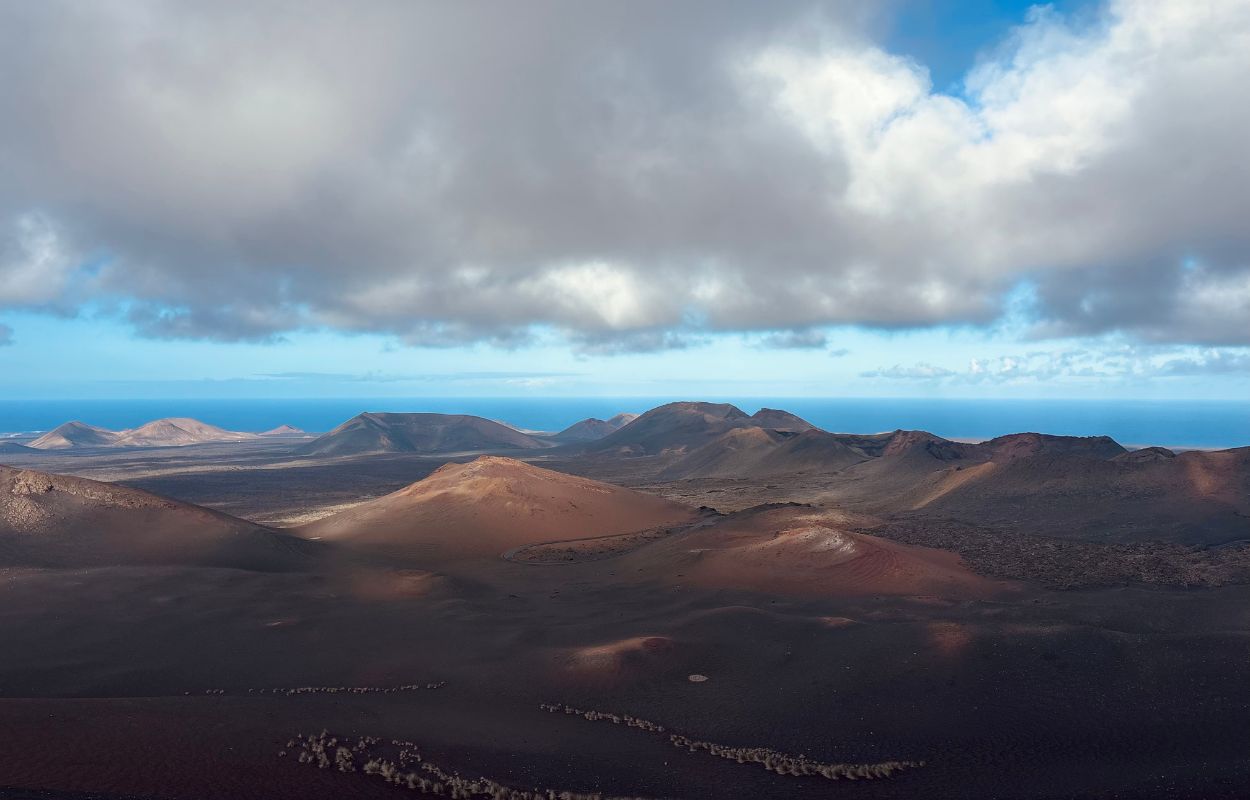
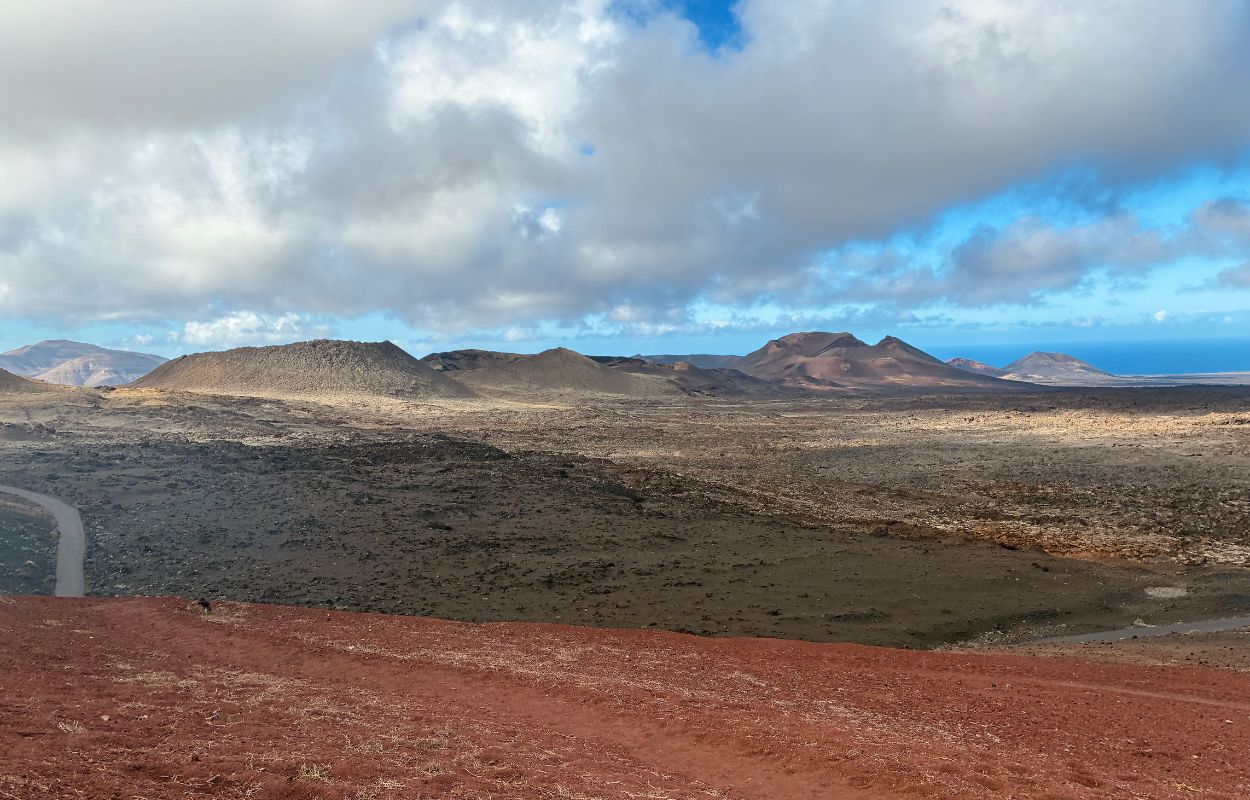
You then board the official panoramic bus, which helps limit the impact of visitors on the protected landscape. The route is well designed, with multilingual commentary available during the journey. The commentary makes the passing landscapes much easier to understand. The contrast is striking: vast stretches of black lava, red craters, unusual rock formations, and volcanic hills in shades of ochre and gold. I hardly knew where to look, and the journey seemed to pass very quickly. The route lasts about 40 minutes and returns you to the main parking area. Nearby, geothermal demonstrations reveal the heat beneath the surface: steam shoots from the ground, hot gravel can be handled briefly, and dry brush ignites within seconds. These demonstrations give a vivid sense of the temperatures still present below ground.
For me, this is Lanzarote’s essential visit and the quickest way to understand the island’s volcanic character. If you’re interested, we’ve dedicated a whole article to Timanfaya National Park.
2. Visit Arrecife, the capital of Lanzarote
Although Arrecife was not my favorite stop, I still found it worthwhile as the island’s capital. The weather probably influenced my impression, as conditions were rather gloomy during my visit. It even rained a little, which is quite rare for Lanzarote.
Arrecife is a quiet coastal city with its own Atlantic-facing beach. My favorite area was Charco de San Ginés, a natural lagoon dotted with small colorful boats in the heart of the city. It feels like an unexpected pocket of calm. It is a pleasant place for a walk or a drink on a terrace. The atmosphere feels relaxed and distinctly local. A few other places worth seeing include:
- Castillo de San Gabriel: a fortress set on a small islet accessible by a stone footbridge
- Calle Real: the main street with all the shops
- Castillo de San José: for its magnificent view over the port
- the waterfront promenade: ideal for walking or cycling
- the small coves and Playa del Reducto: a convenient place for a swim after exploring the city
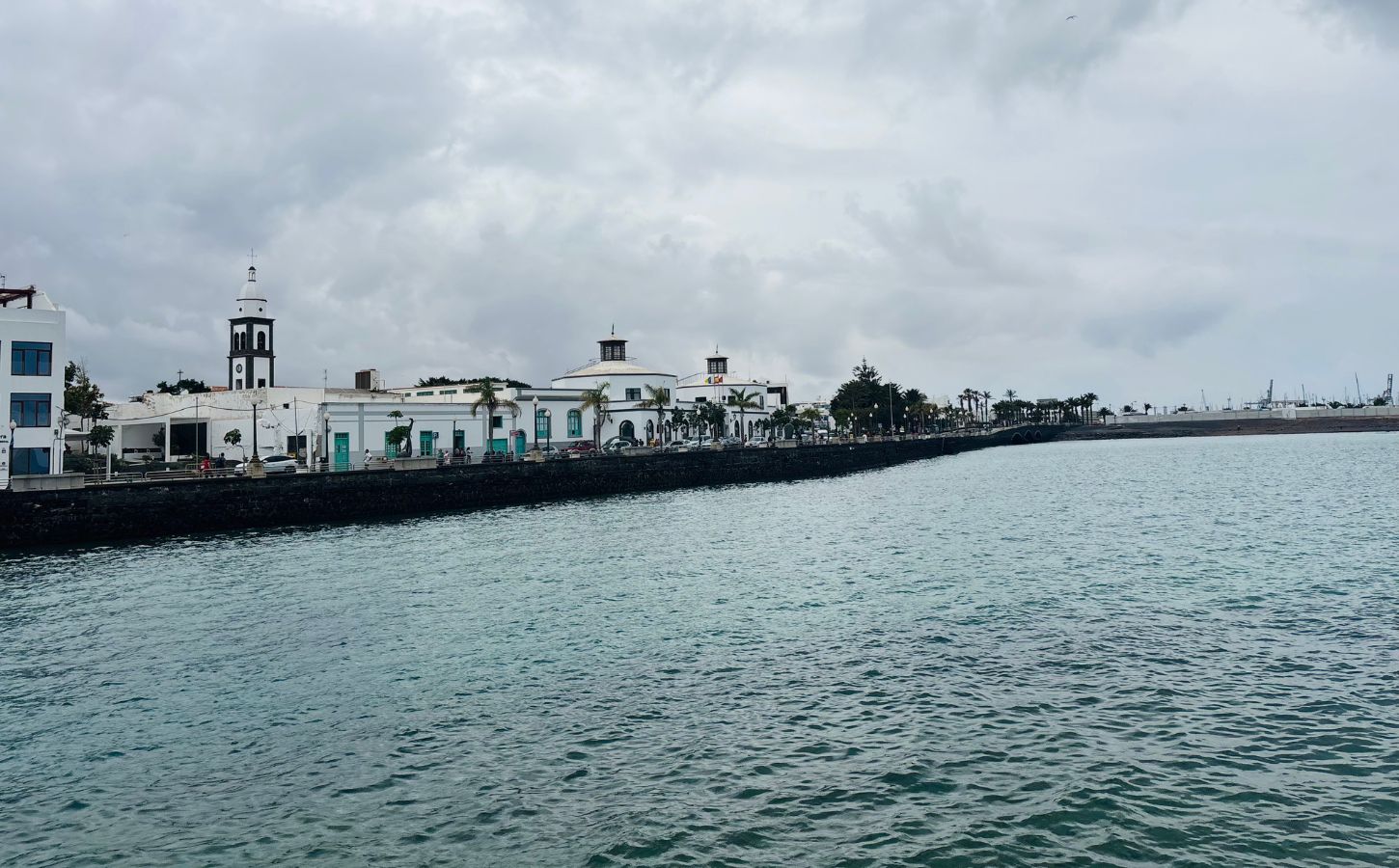
One practical advantage of Arrecife is its central location between the north and south of the island. We have also published a complete guide to Arrecife.
3. Explore Lanzarote’s most beautiful beaches: Papagayo and Playa Mujeres
Lanzarote’s beaches are remarkably varied, and each has its own character. Even if you do not plan to swim, many are worth visiting for the scenery alone. Sea temperatures are generally warmest in late summer and early fall and cooler in winter, so swimming conditions vary throughout the year. Each beach offers something different, from turquoise water and ochre cliffs to pale sand and secluded coves. There are some wonderfully peaceful corners to discover.
My personal favorites are in Los Ajaches Natural Park. It’s a protected site where the beaches are surrounded by impressive cliffs. The scenery feels almost cinematic. The best-known is Playa de Papagayo, a curved cove with clear turquoise water. It reminded me of a Mediterranean cove.
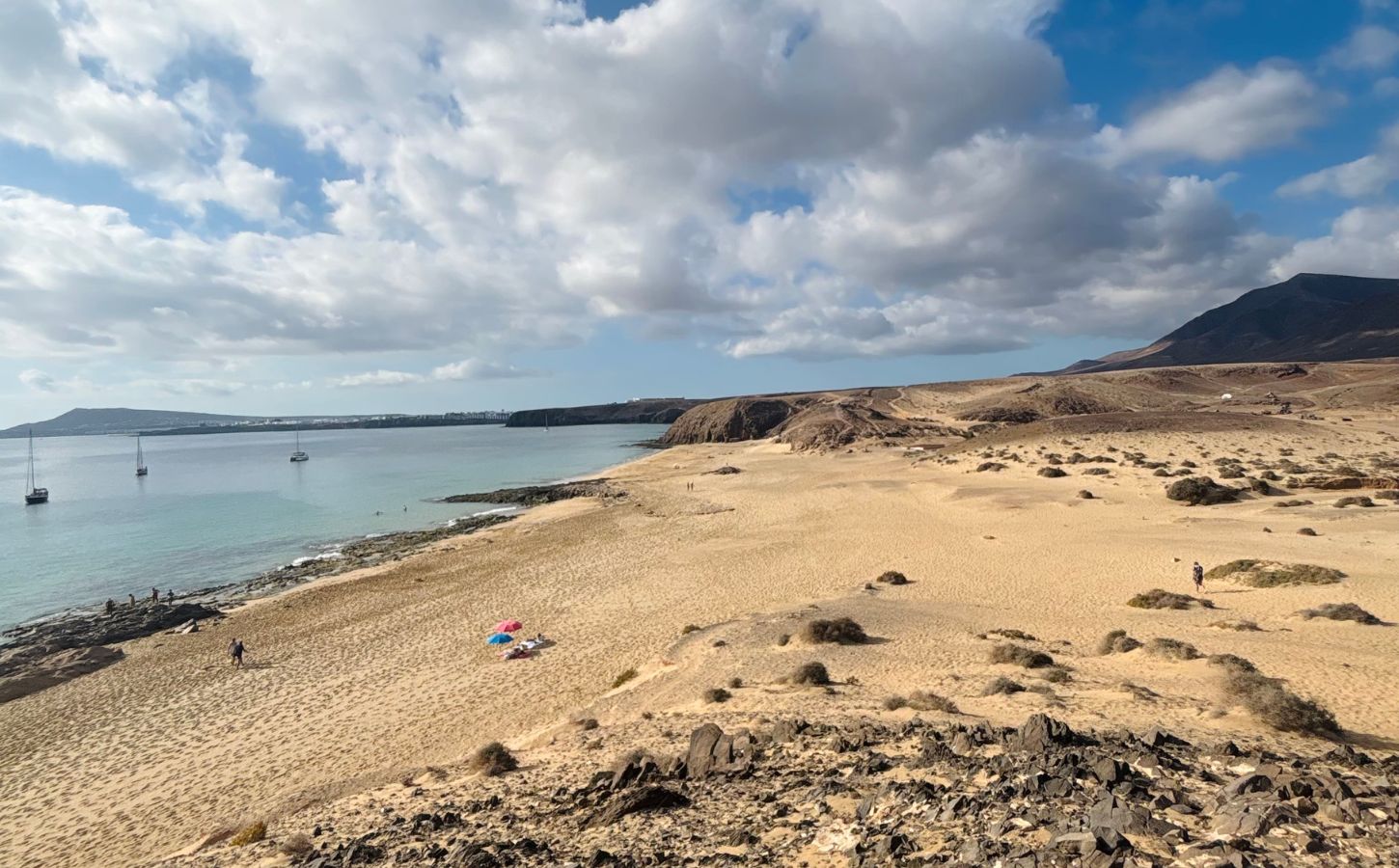
Playa de Papagayo is probably Lanzarote’s best-known beach, and it deserves its reputation. And for good reason: it’s a magnificent cove with calm, crystal-clear waters, surrounded by golden cliffs. The sheltered setting gives it the feel of a small bay. It’s the perfect place to swim, sunbathe or simply admire the scenery. It is compact, however, and can become busy. For that reason, I personally preferred neighboring Playa Mujeres. It is larger and wilder, and I could easily have spent the entire day there. Not to mention Playa del Pozo, Playa de la Cera and Playa del Congrio, which are also in this protected park. The appeal lies largely in the undeveloped setting, with sandy paths linking one beach to the next. It adds a small sense of adventure. The access road is rough and rocky, but manageable if you drive slowly. Elsewhere on the island, more developed and easily accessible beaches include Playa Flamingo, Playa Chica, Playa Dorada and many more. And of course, there is Famara, a favorite among surfers.
4. Explore Teguise and its historic center
For a change of pace, head to Teguise, Lanzarote’s former capital. Despite its historical importance, it feels more like a village. It has retained much of its charm and is beautifully preserved. We spent time wandering along cobbled streets, past restored white houses, small squares, and churches. It feels like stepping back in time.
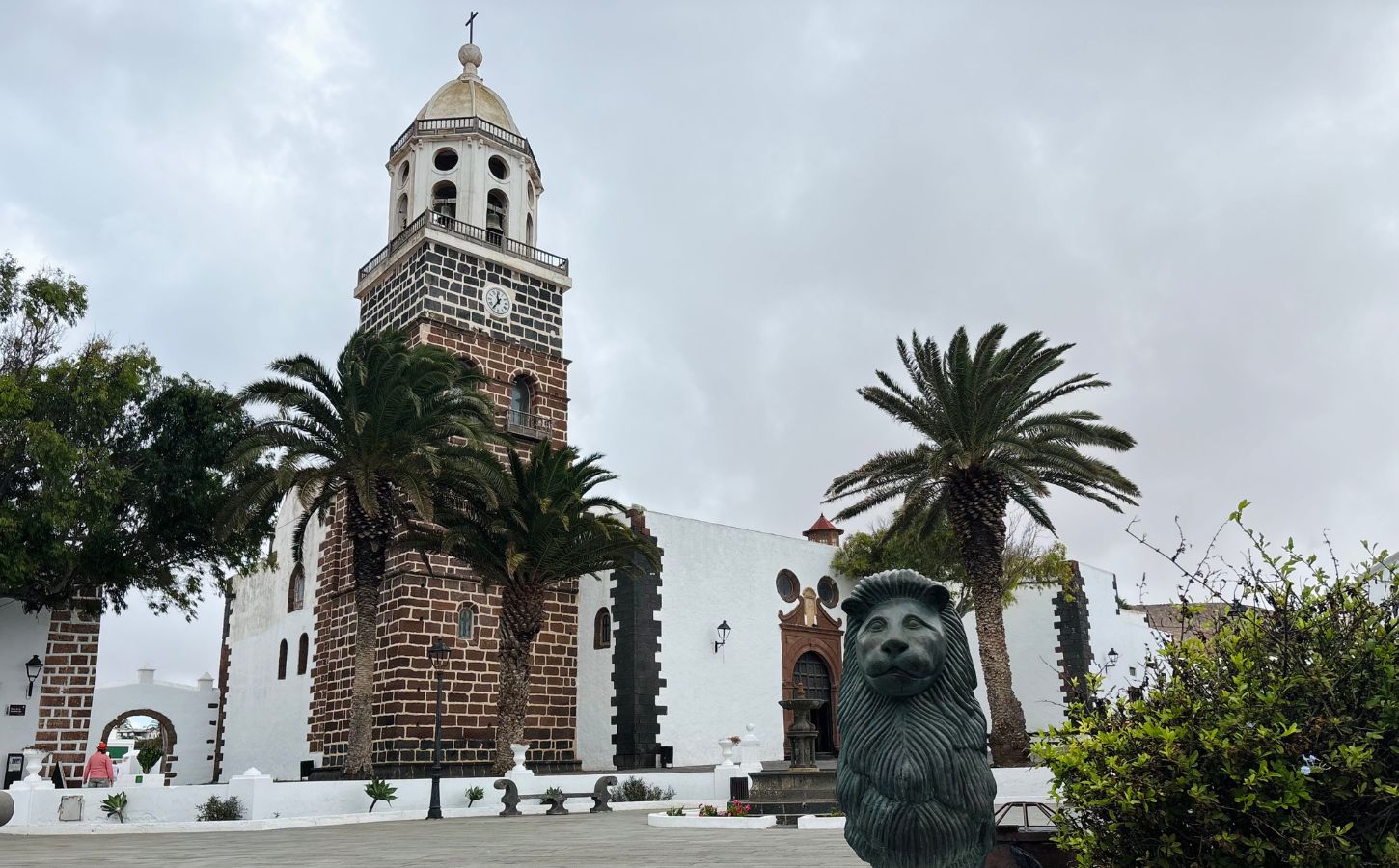
Even at a relaxed pace, a few hours are enough to explore the historic center and stop for a drink. Do not miss Plaza de la Constitución and the Church of Nuestra Señora de Guadalupe, which is attractive both inside and out. Take time to browse the small local craft shops as well. Visit on a Sunday if possible, when Teguise hosts its weekly market. It is one of the island’s largest and liveliest markets, with local products, pottery, clothing, and a distinctly Canarian atmosphere. It poured with rain on the Sunday I was there, so I had to change my plans. Also consider LagOmar, a striking property associated with César Manrique’s architectural legacy. The former residence is built into volcanic rock, with tunnels, patios, and a turquoise pool. Teguise is undoubtedly one of the best towns and villages in Lanzarote!
5. Explore Jameos del Agua
Jameos del Agua is a remarkable blend of nature, art, and architecture. César Manrique transformed this collapsed section of a lava tube into a carefully designed cultural space. From the entrance, black volcanic rock, turquoise water, white walls, and touches of greenery come together naturally. The underground lake is home to the famous blind albino crab, a tiny endangered species found nowhere else in the world.
You can take your time walking around, noticing the details, and stopping to admire the setting. Jameos del Agua is one of César Manrique’s most successful interventions, enhancing the site without overwhelming its natural character. The result feels unmistakably Lanzarote.
6. Go to Charco Verde
This was one of my favorite places on the island. Charco Verde, also called Lago Verde, is a small lagoon whose water can appear intensely green in sunlight. I had seen plenty of photos and videos, but seeing it in person was different. I arrived early from my accommodation in El Golfo and found soft light, very few visitors, and colors that shifted as the sun rose. Although it can only be viewed from the designated lookout, the landscape is well worth the stop.
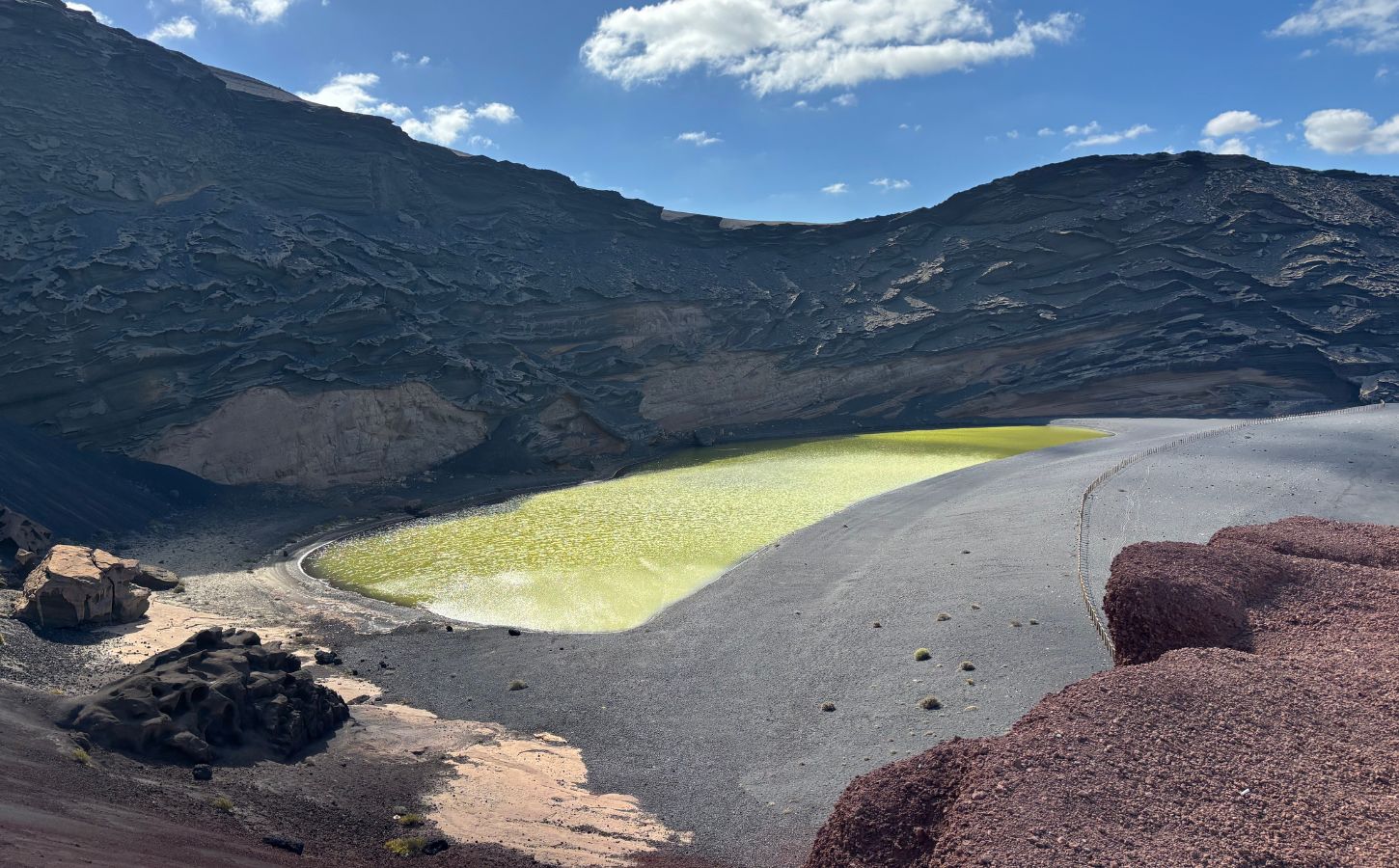
Another advantage of Charco Verde is how much there is to see nearby. Within a short drive, you can move from the crashing waves of Los Hervideros to the Janubio salt pans and then the quiet fishing village of El Golfo. Timanfaya is very close if you want to go there on the same day. Access is straightforward, parking is free, and the visit does not take long. For me, it is one of Lanzarote’s essential volcanic sights.
7. Hike in Los Volcanes Natural Park
Hiking in Los Volcanes Natural Park was one of the highlights of my trip. I knew I would be walking among volcanoes, but I deliberately avoided researching every detail beforehand, which made the experience even better. With a knowledgeable local guide, I could better understand the old lava flows, buried villages, and vegetation slowly returning to the black earth. The route felt more like an accessible walk than a demanding hike, with plenty of useful explanations along the way.
What I enjoyed most was the feeling of walking through the heart of the island’s history. You explore the lava fields, walk around Montaña Negra, go into the crater of the volcano del Cuervo (needless to say it was the first time I’d seen a crater from the inside!), and you finish among the vineyards of La Geria, planted in hollows dug into the black volcanic soil. If you enjoy accessible hikes, volcanic landscapes, and experiences that feel removed from everyday life, this guided outing in the Los Volcanes park is well worth considering. I have excellent memories of it.
8. Visit Los Hervideros and Salinas de Janubio
These two southern Lanzarote sights are close together but feel completely different. Los Hervideros is a rugged coastal formation sculpted by lava. During my visit, waves surged into the volcanic cavities and echoed beneath the paths. Several paths through the cliffs let you experience the site from different angles.
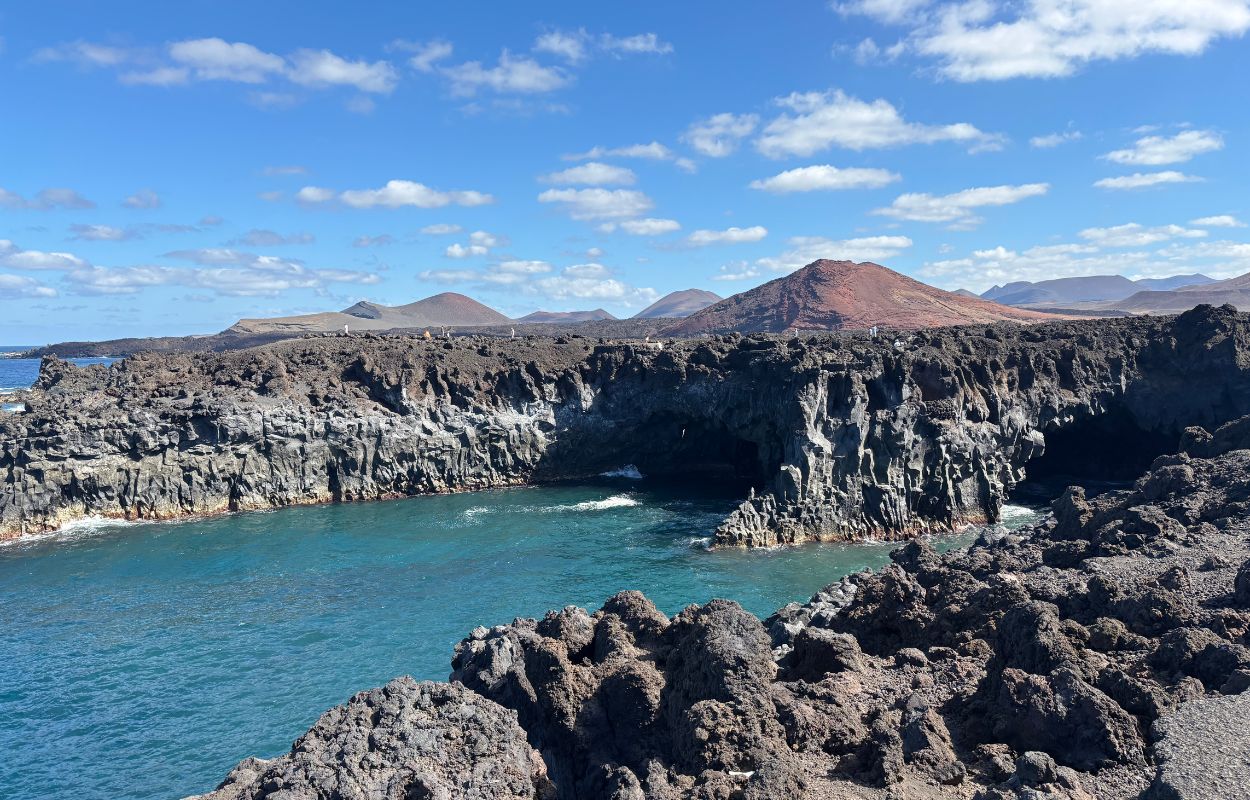
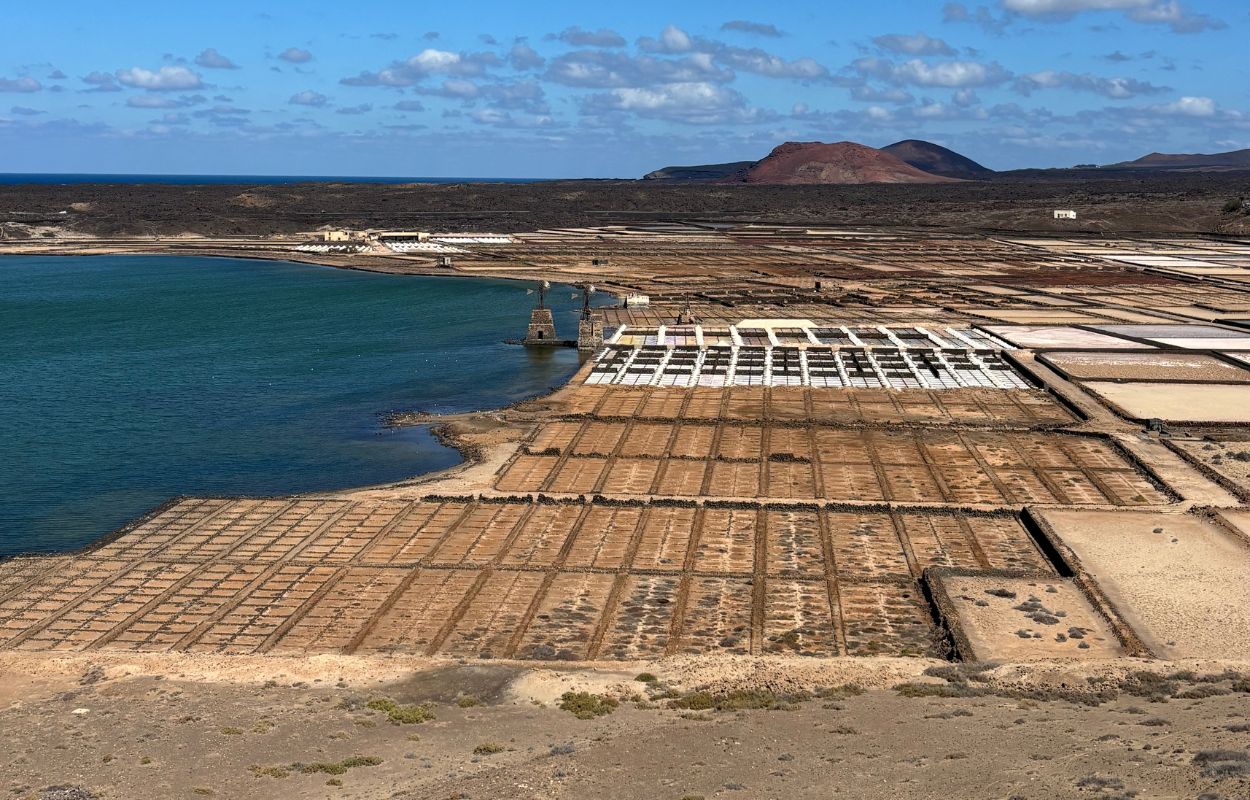
A few minutes away by car, Salinas de Janubio is a historic saltworks. From a distance, the basins form a palette of pink, gold, orange, and white. The view was far more striking than I expected. A roadside viewpoint above the salt pans provides an excellent perspective for photos. The colors are likely even richer around sunset. Together, the two sites capture the raw character of southern Lanzarote.
9. Walk through Las Grietas
Las Grietas was another of my favorite places on the island. Before going, I’d already seen photos and videos, but once there, the place really surprised me. You walk directly through large volcanic fissures at the foot of Montaña Blanca. The walls narrow and widen as you move through them, creating a maze-like feeling. At times, the scenery resembles a canyon in the American Southwest.
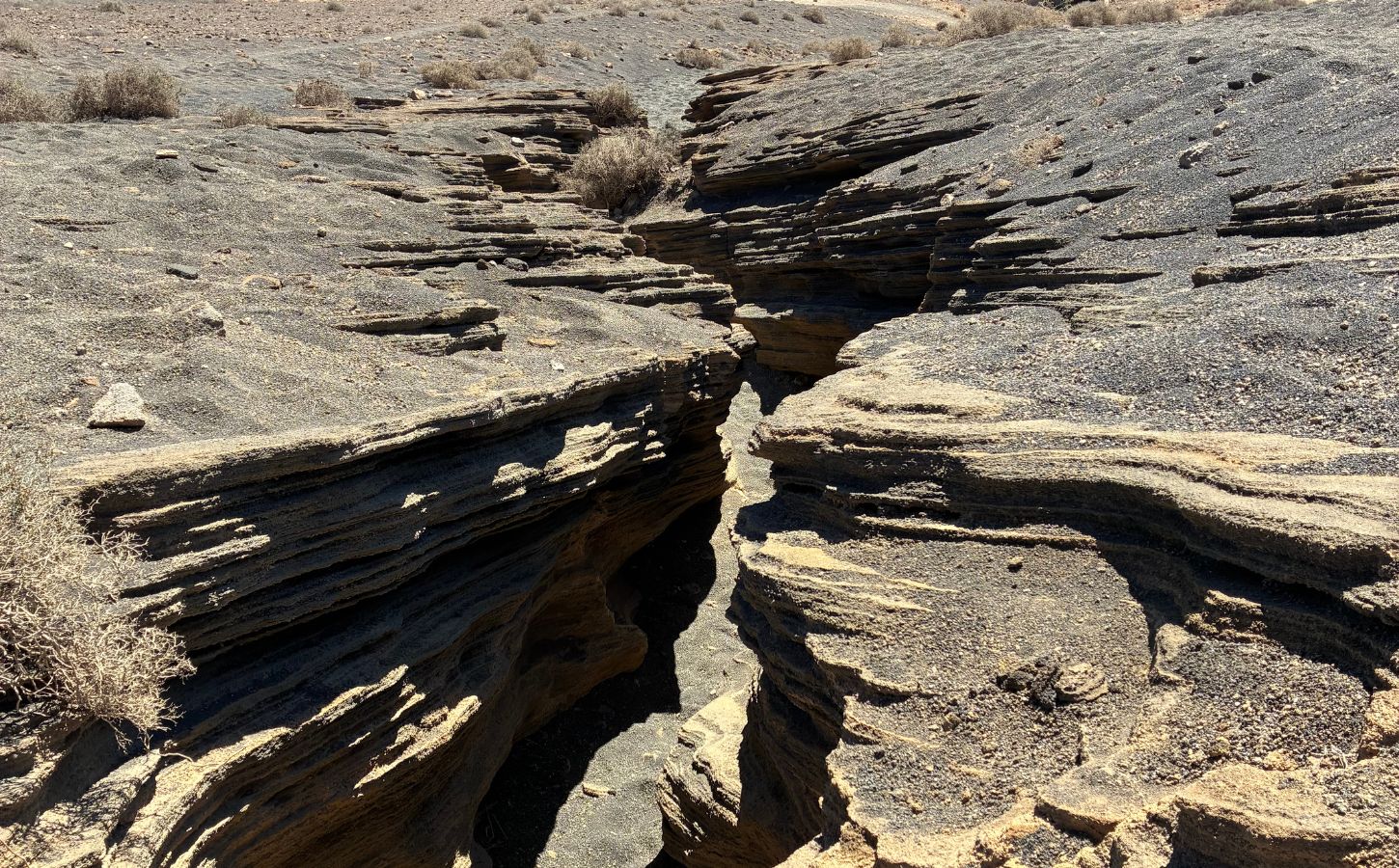
What struck me most was the raw, undeveloped character of the place. There is little infrastructure, so you simply choose which fissures to explore and take time to study the layers of volcanic material. Even at midday, when the sun was intense, I encountered very few people. That made it easier to take photos and enjoy the setting. It is exactly the kind of understated natural site I like to seek out.
10. Visit the Cactus Garden
Given Lanzarote’s arid climate and volcanic soil, cacti and succulents are especially well suited to the island. César Manrique turned that setting into one of his best-known creations: the Cactus Garden. The garden brings together thousands of specimens representing many cactus species from around the world. They come in an extraordinary range of sizes, shapes, and colors.
One of the most impressive aspects is how Manrique integrated the garden into a former quarry. Volcanic-stone steps, lava walls, and winding paths make the most of the existing landscape. The design is highly photogenic while remaining faithful to Lanzarote’s visual identity. One tip: climb toward the windmill for a view over the garden.
Other activities to do in Lanzarote
Those are my main must-sees, but Lanzarote offers plenty of other activities. Because the island is compact and easy to navigate, you may have time to add one or two of the following experiences to your itinerary.
Take a quad tour in Lanzarote
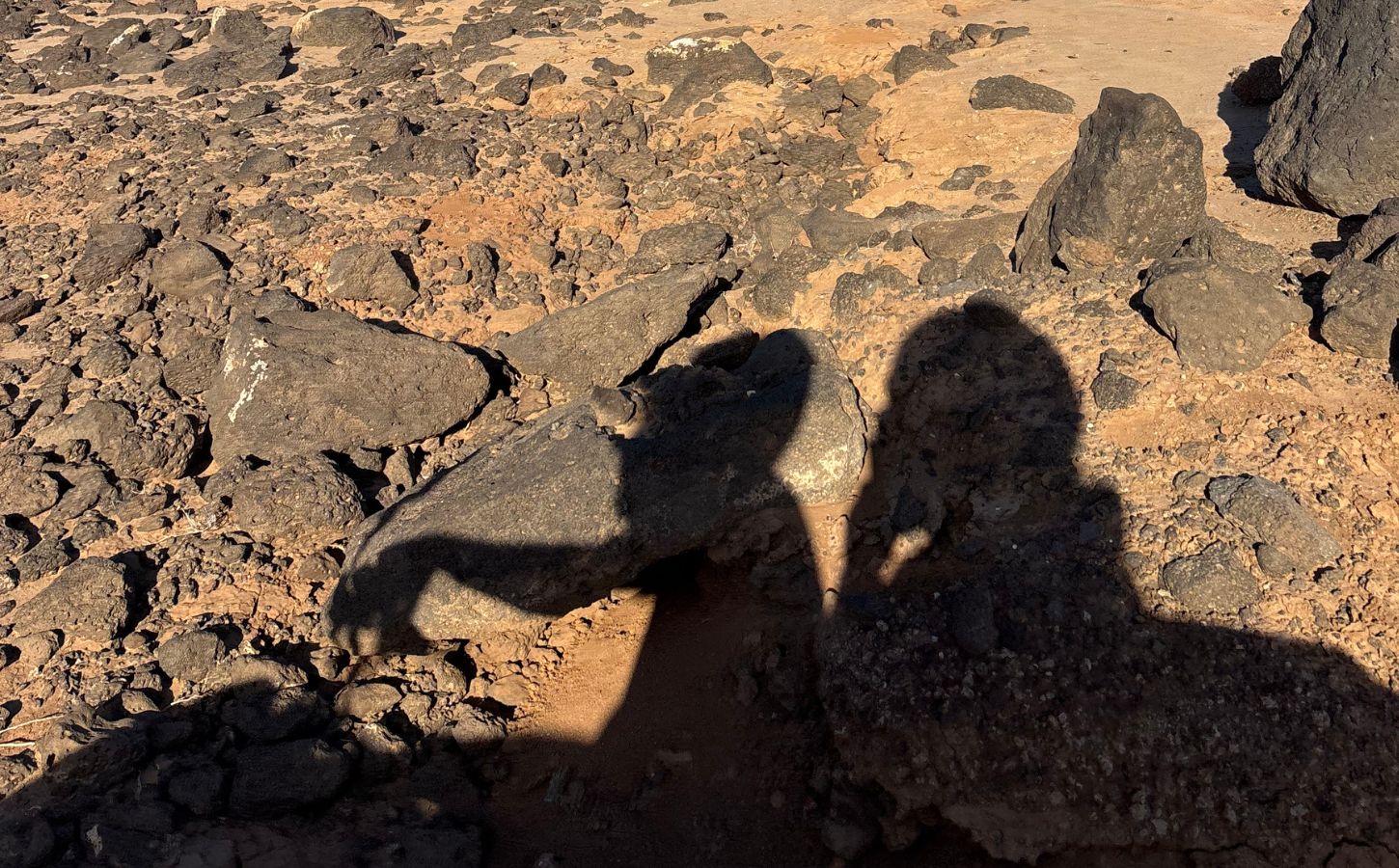
For a little more adrenaline, consider a quad outing in Lanzarote. Guided routes cross rough tracks through wide volcanic landscapes, creating a memorable setting for the activity. I took a one-hour quad tour around Montaña Roja, near Playa Blanca. The trail was rocky and the ride was suitably bumpy. It was an enjoyable way to see another side of Lanzarote with a little adrenaline. It can work well for couples, families, or groups of friends, subject to the operator’s age and licensing requirements. For more detail about my experience on a quad in Lanzarote, read the dedicated article.
Go scuba diving in Lanzarote
Whether you are experienced or trying it for the first time, Lanzarote offers varied marine life and clear water. Visibility is often good, and the range of species is impressive. Some can be seen while snorkeling close to shore. Underwater, you may encounter both Atlantic and subtropical species. I took a first scuba dive just next to Playa Chica, in Puerto del Carmen. At a depth of just over six meters, I saw parrotfish, viejas, fulas, and even a trumpetfish. The session lasted more than 40 minutes, although it seemed much shorter because I was so absorbed in the experience. Our guide explained that other sites and deeper dives may also offer chances to see turtles, rays, moray eels, barracudas, and other species, although sightings are never guaranteed.
If the experience appeals to you, read my account of diving in Lanzarote.
Go surfing at Famara Beach
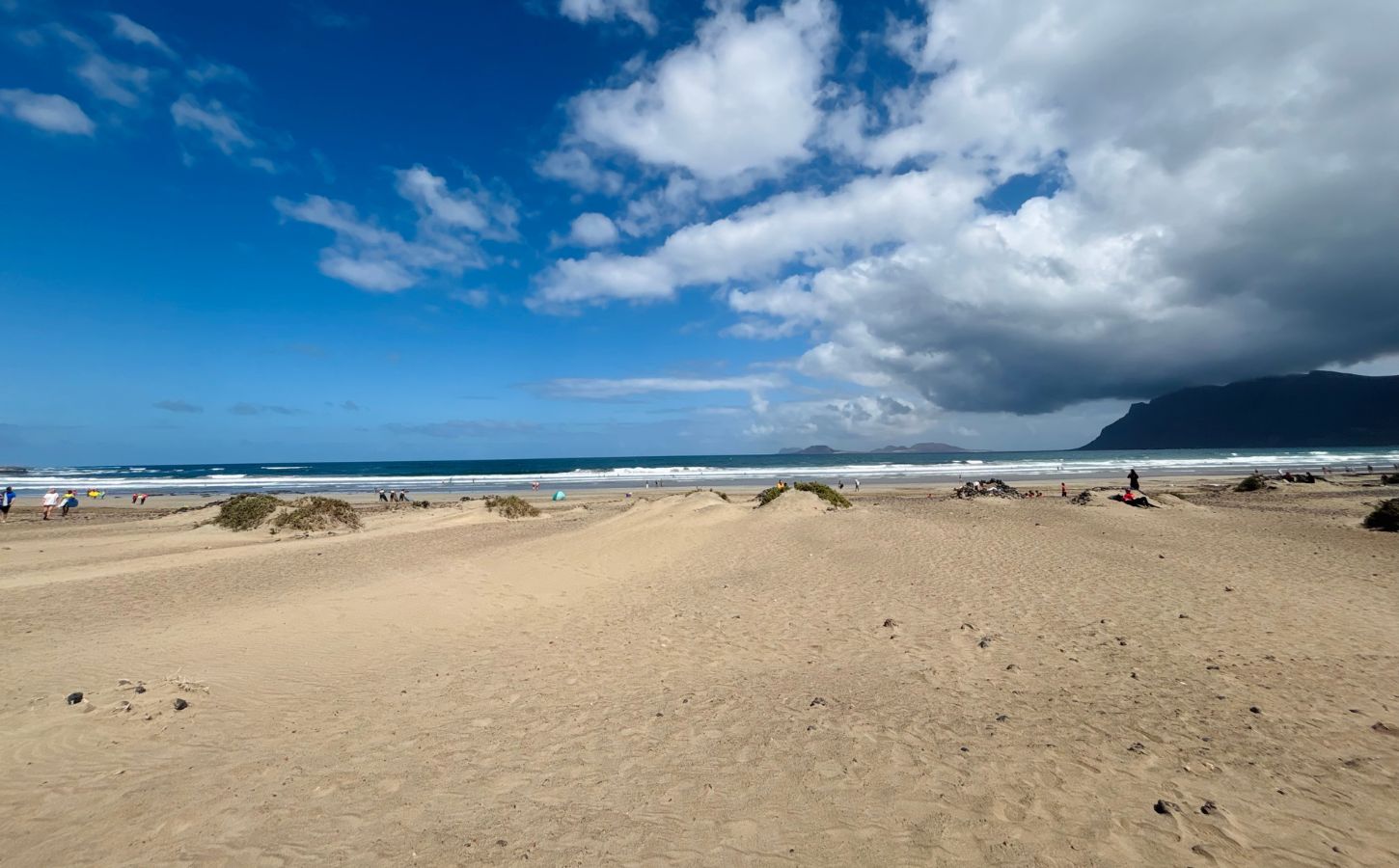
For surf in Lanzarote, Famara is the island’s best-known destination. It is widely regarded as one of the island’s leading surf spots. On arrival, I found a vast beach backed by dramatic cliffs. The surf culture is immediately obvious. Vans, boards, and surf-school groups line the beach. The beach is spacious, scenic, and known for consistent waves. Different sections and conditions can suit different ability levels, although beginners should learn with a qualified school. Even if you do not surf, Famara is still worth visiting. It has a distinctive atmosphere and is ideal for a walk or simply watching the waves.
Cueva de los Verdes
Cueva de los Verdes is one of Lanzarote’s most distinctive visits. It forms part of the large volcanic tube created by the eruption of La Corona, and the guided route explores roughly one kilometer underground. It is an unusual experience. Lighting reveals the textures and shapes of the volcanic walls. The tunnel system formed after eruptions of the La Corona volcano several thousand years ago. The formations show just how sculptural volcanic processes can be. I will leave the best-known surprise unmentioned. Tickets must now be purchased online in advance for a specific time slot.
Take a trip to La Graciosa
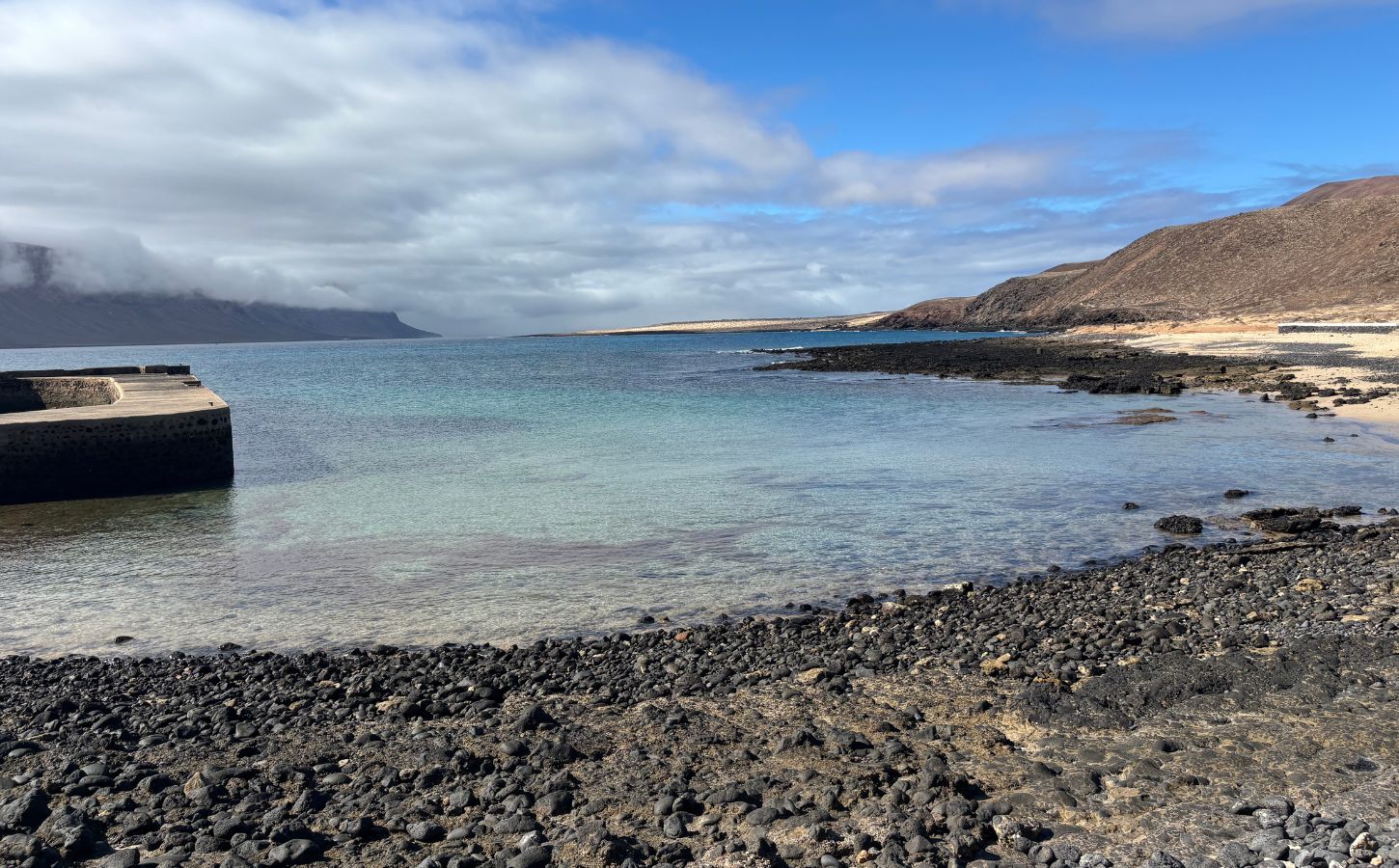
To round out the trip, I strongly recommend visiting La Graciosa, just off Lanzarote’s northern coast. This small island feels raw, quiet, and wonderfully undeveloped. There are no paved roads, and visitors get around on foot, by bicycle, or in authorized 4×4 taxis. Despite its remote atmosphere, the island has a small permanent population.
To get there, take the ferry from Órzola in northern Lanzarote. The crossing takes about 25 minutes and arrives in Caleta de Sebo, the island’s main village. From there, the change of scenery is immediate, with white houses and sandy streets. I initially planned to explore by bicycle, but we eventually chose a 4×4 tour with a local driver. Speaking with him was fascinating and helped us reach the island’s main sights, including:
Playa de las Conchas, a striking wild beach best admired from shore because currents and surf conditions can be dangerous.
- Playa Francesa: generally more suitable for swimming in calm conditions,
- Playa Amarilla, with its golden cliffs,
- and Pedro Barba, a small, quiet settlement that I particularly liked.
For help planning the trip, take a look at our complete guide to La Graciosa.
What to do in Lanzarote: practical information
As usual, I’m ending with the practical information you need to plan the trip.
How to get to Lanzarote?
Reaching Lanzarote from Europe is relatively straightforward. Most flights arrive at César Manrique–Lanzarote Airport, close to Arrecife. Direct services operate seasonally from several major cities in France, Belgium, and Switzerland; other routes involve a connection in mainland Spain. Journey times remain manageable despite the island’s position off the northwest coast of Africa.
Direct flight availability varies by departure city and season. A direct flight often takes around four hours. Several routes are operated by low-cost airlines, so competitive fares are often available when booked early. If you are already in the Canary Islands, direct inter-island flights from Tenerife take roughly 50 minutes. From Fuerteventura, the fast ferry is generally the most practical choice, with crossings from Corralejo to Playa Blanca taking about 25 minutes.
When to go to Lanzarote?
One of Lanzarote’s main advantages is its year-round appeal. This gives you plenty of flexibility when choosing travel dates. The climate is arid and generally mild, with conditions that often feel somewhere between spring and summer. Winter daytime temperatures often reach around 20°C, although cooler and windier days are possible. Each season has its own advantages:
- Winter: a good period for mild weather and hiking, when temperatures are usually more comfortable. Sun protection is still essential because shade is limited.
- Spring and autumn: in my opinion, these seasons offer the best balance of pleasant weather and generally lighter crowds.
- Summer: temperatures are higher, although trade winds often make the heat more manageable. It is a popular period for beaches and water activities, with larger visitor numbers.
If you are still deciding, consult our article on the best times to visit Lanzarote.
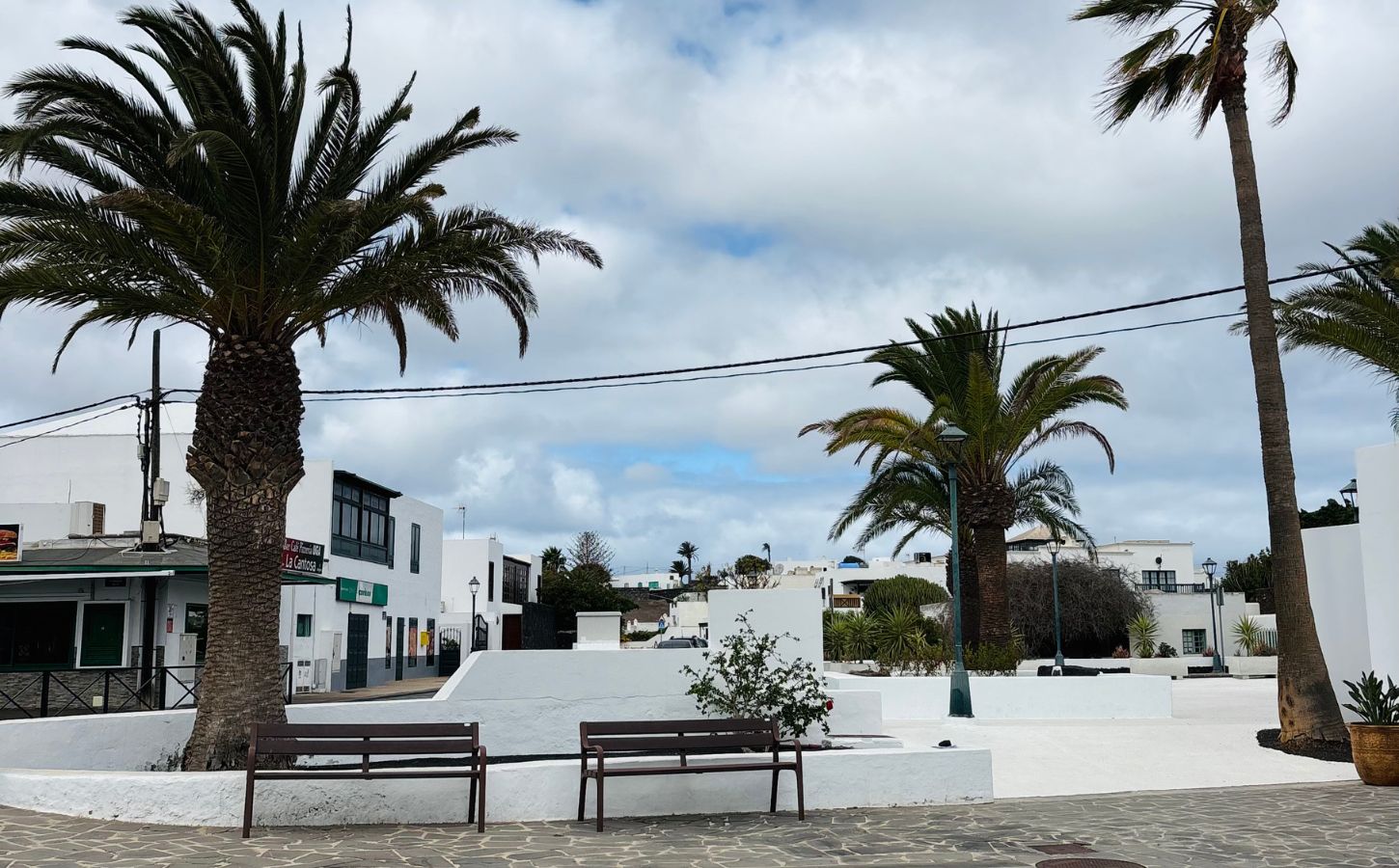
How to get around Lanzarote
Lanzarote is relatively easy to explore because distances are short. I generally recommend renting a car, as it makes the island’s more remote sights much easier to reach. The main roads are generally in very good condition, and driving felt relaxed during my stay. I rented my car through DiscoverCars. It is a comparison site that has often helped me find competitive rates. With a car, you can travel at your own pace and reach isolated places that public transportation does not serve. For my travel style, that freedom was ideal. Other options are available if you prefer not to drive:
- buses, known locally as guaguas, which serve the main towns and resort areas, including Arrecife, Puerto del Carmen, Costa Teguise, and Playa Blanca,
- taxis, which are easy to find in tourist areas and useful for short journeys,
- organized excursions, a convenient option for visiting Timanfaya, Jameos del Agua, La Graciosa, or the lava tunnels without arranging transportation yourself.
For more details on the options available, feel free to take a look at our article dedicated to getting around Lanzarote.
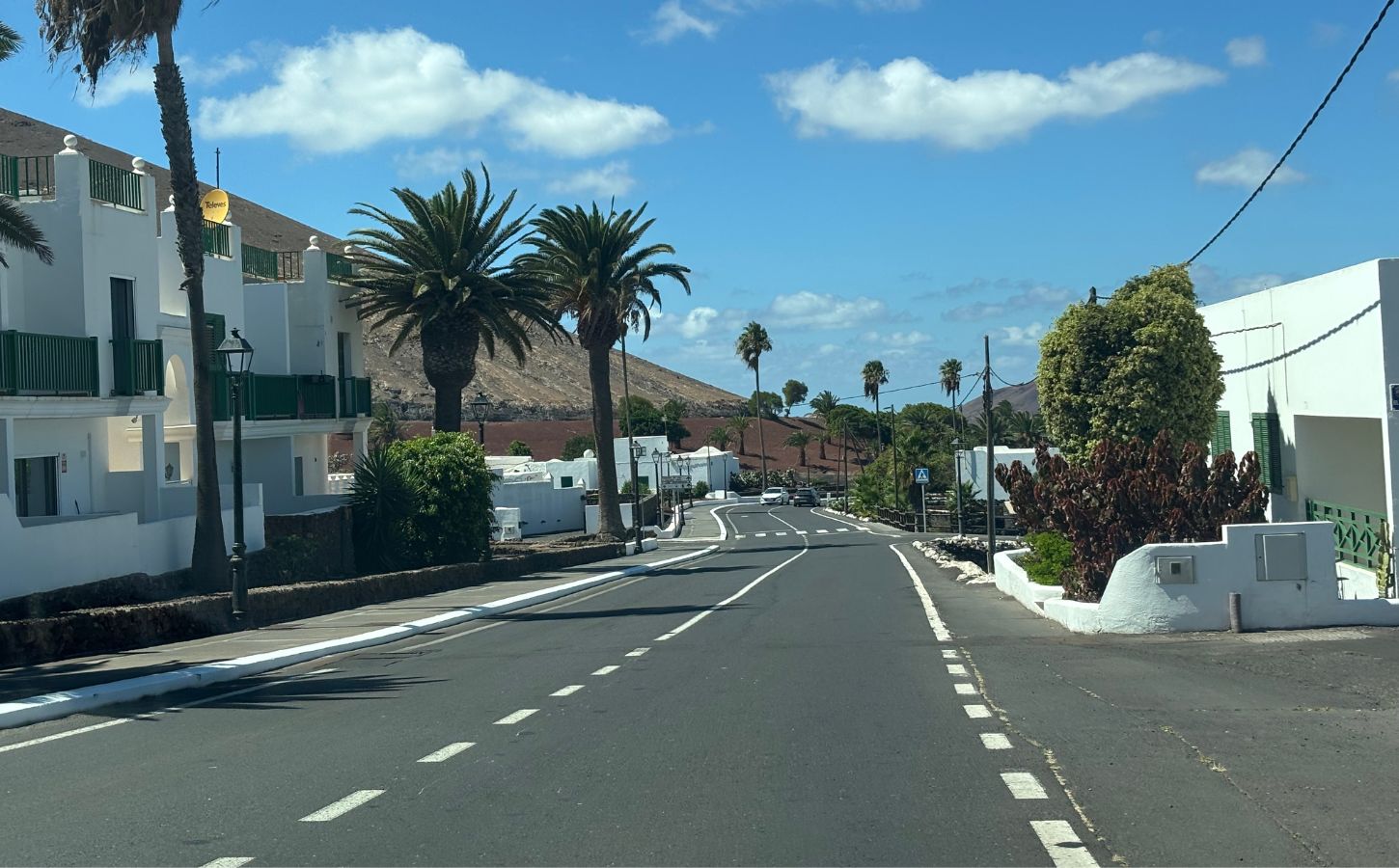
Where to eat in Lanzarote?
I ate very well throughout my stay in Lanzarote. Across the island, you will find many small, family-run restaurants. Menus often feature fresh fish, Canarian cheeses, and papas arrugadas served with mojo sauces. I especially liked that good local places often appeared in quieter, less touristy areas. The fishing village of El Golfo deserves a special mention. I stayed there and enjoyed several meals overlooking the ocean. For local products or self-catering supplies, consider the Sunday market in Teguise or the market in Playa Blanca.
Where to stay in Lanzarote
Despite its size, Lanzarote offers a wide range of places to stay, from seaside resorts to small villages and quiet rural areas. Here are a few options at different price points:
Higher budget
Arrecife Grand Hôtel & Spa: one of the best-known hotels in Arrecife. It stands out immediately as one of the city’s tallest buildings. It offers an upscale waterfront setting with wide views over the city and ocean. Facilities include an indoor pool, spa, and a rooftop bar and restaurant.
Mid-range budget
Hotel Floresta: a family-friendly aparthotel near Los Pocillos Beach, with spacious air-conditioned apartments, kitchen facilities, several pools, play areas, and activities for different ages. It makes a practical base for exploring the island by car.
Budget option
Hostal Residencia Cardona: a simple, clean option with generally reasonable rates. Its central location places it close to Playa del Reducto and central Arrecife. It can offer good value for budget-conscious travelers.
For more accommodation ideas, see our full guide to where to stay in Lanzarote.
You now have a broad overview of what to do in Lanzarote. I hope it has given you useful ideas for building your itinerary. One thing is certain: there is plenty to do. The contrast between volcanoes, wild beaches, and whitewashed villages creates a genuine change of scenery. I have very fond memories of the week I spent there. The atmosphere felt quieter than on Tenerife, for example. I also met several people who had chosen to settle on the island after visiting.
For the financial side of planning, take a look at our article on the budget to plan for a trip to Lanzarote.
See you again soon for more Lanzarote travel guides!

Written by Laura CALLES
Thanks to Mélanie and Sylvain, I had the chance to discover the Canary Islands, specifically Tenerife and Lanzarote, so that I could share these island paradises with you. Two real favorites of mine!
Despite our vigilance, an error may have crept into this article. If you spot one, please don't hesitate to let us know so that we can correct it immediately and keep our information up to date!