The Best Towns and Villages to Visit in Lanzarote
Last update: 06/19/2026
Our blog continues to grow thanks to you, our readers. This post may contain affiliate links, which means we can earn a small commission if you make a purchase through them, at no extra cost to you. This helps us to continue to bring you more and support our work!
I’m continuing my series on the Canary Islands with a guide to the best towns and villages to visit in Lanzarote. Although the island is fairly small, it has plenty of lovely places worth exploring. What struck me most was how different each one felt. You can go from a peaceful fishing village to a livelier seaside resort, or even a village tucked among hills and volcanic fields.
To me, every town and village reveals a different side of the island, and that is part of Lanzarote’s charm. The island’s traditional houses are also easy to recognize: whitewashed walls with colorful doors and shutters, usually blue, green, or red. Just imagine how those bright white houses stand out against the black lava. Lanzarote is full of contrasts, and they are beautiful.
Whether you enjoy wandering through quiet streets, discovering local culture, or having shops and easy-to-reach beaches close at hand, you will find something that suits you here. So, let me take you on a tour of the most beautiful towns and villages to visit in Lanzarote.
To help you plan your trip, don’t miss our guide to Lanzarote’s must-see attractions.
The Best Towns and Villages in Lanzarote
Arrecife
Let’s start gently with the island’s capital: Arrecife. Travelers often leave it off their itineraries, and I can understand why. I did not exactly fall in love with the city, but it is still worth exploring. This port city feels both laid-back and lively, without ever becoming overwhelming. Despite being the capital, it has retained a strong local and historical identity, right by the sea.
That authentic, local character is precisely what gives Arrecife its charm, even if it is less photogenic than some of the island’s other towns and villages. The main sight is the Castillo de San Gabriel, a fort built on a small islet and connected to Arrecife by a stone bridge. The walk out to it is pleasant, with an interesting landmark waiting at the end. Nearby, don’t miss the Charco de San Ginés, a natural lagoon surrounded by narrow streets, restaurants, and cafés. Finding a place like this in the heart of the city is quite unexpected.
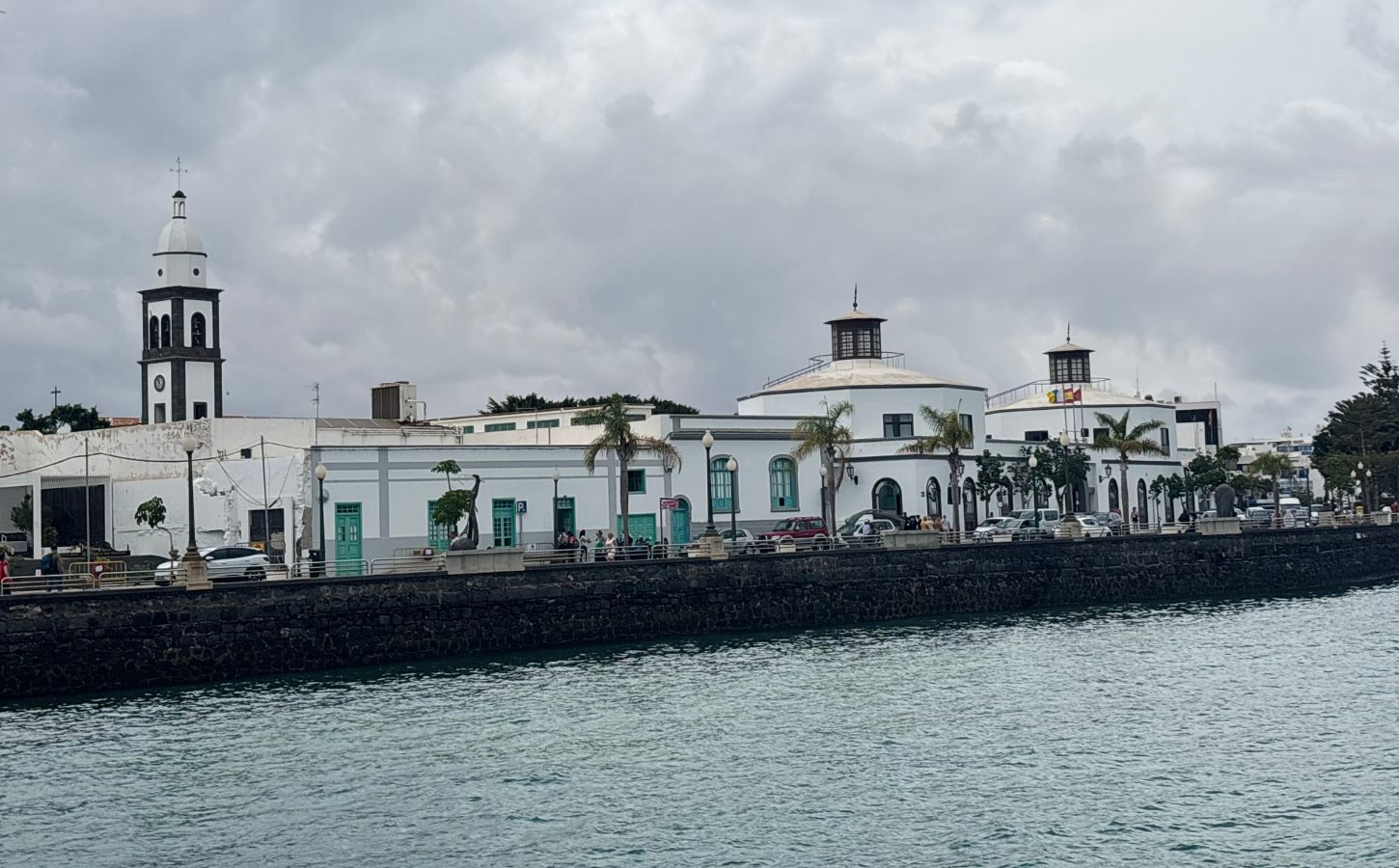
It was a lovely surprise. For a livelier atmosphere and a little shopping, head to the main street, León y Castillo. There is plenty to browse, and some stores have lower prices than in France, so it can be a good opportunity to pick up a few things. To round off your visit to the capital, I recommend Playa del Reducto. This pretty beach near the city center has calm water and golden sand, making it perfect for unwinding after a day of sightseeing.
Teguise
If you are planning a trip to Lanzarote, the name Teguise will probably sound familiar. It is often listed among the island’s must-see places, and I can see why. A little history first: Teguise was once the capital of Lanzarote. As soon as you arrive in this northern village, its white houses, cobblestone lanes, and peaceful atmosphere draw you in. Although it is geared toward visitors, it has retained its authenticity.
That local character is exactly what I liked about Teguise. You immediately sense its traditional atmosphere, far removed from the energy of seaside resorts such as Playa Blanca or Puerto del Carmen. The best time to visit is Sunday morning, when the famous Teguise market takes over the historic center. Unfortunately, it rained the Sunday I was there, and the market was canceled, so I returned during the week instead. In general, though, the weather is usually good, and you can expect to see the streets filled with local artisans, colorful stalls, and plenty more.
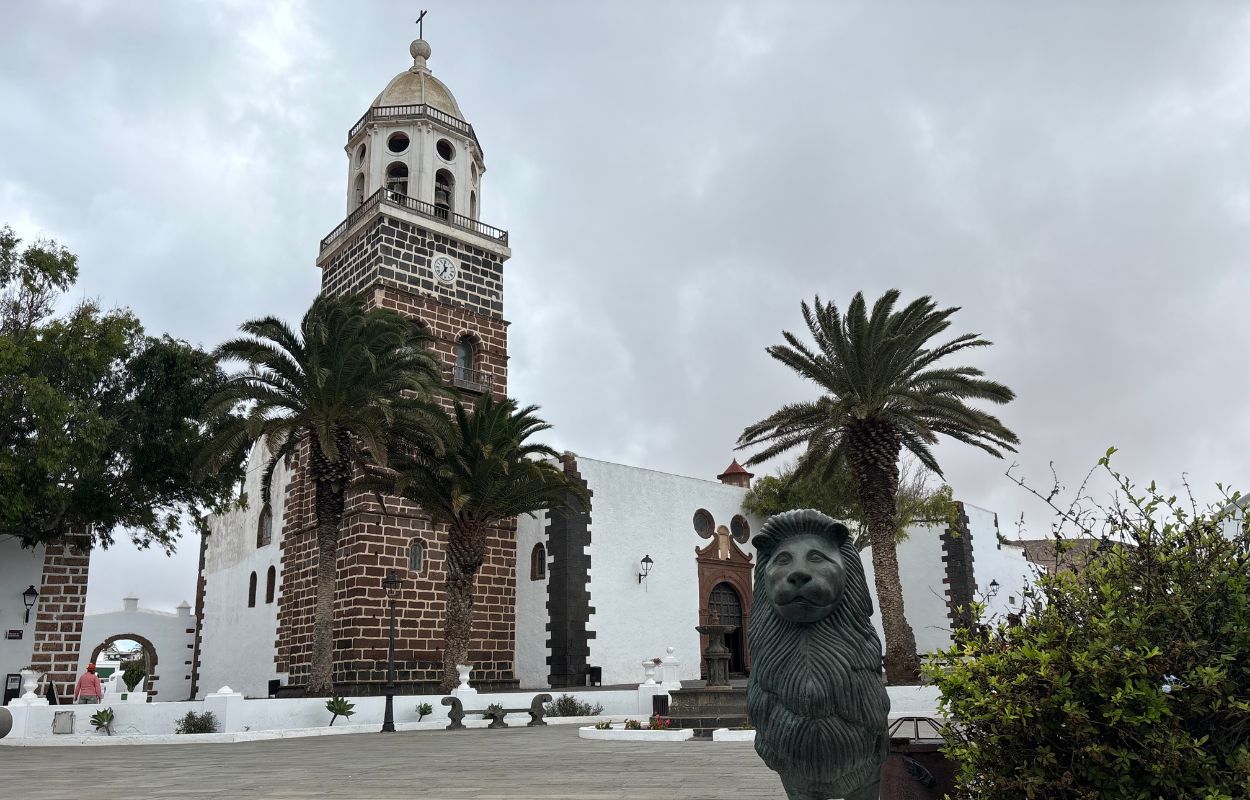
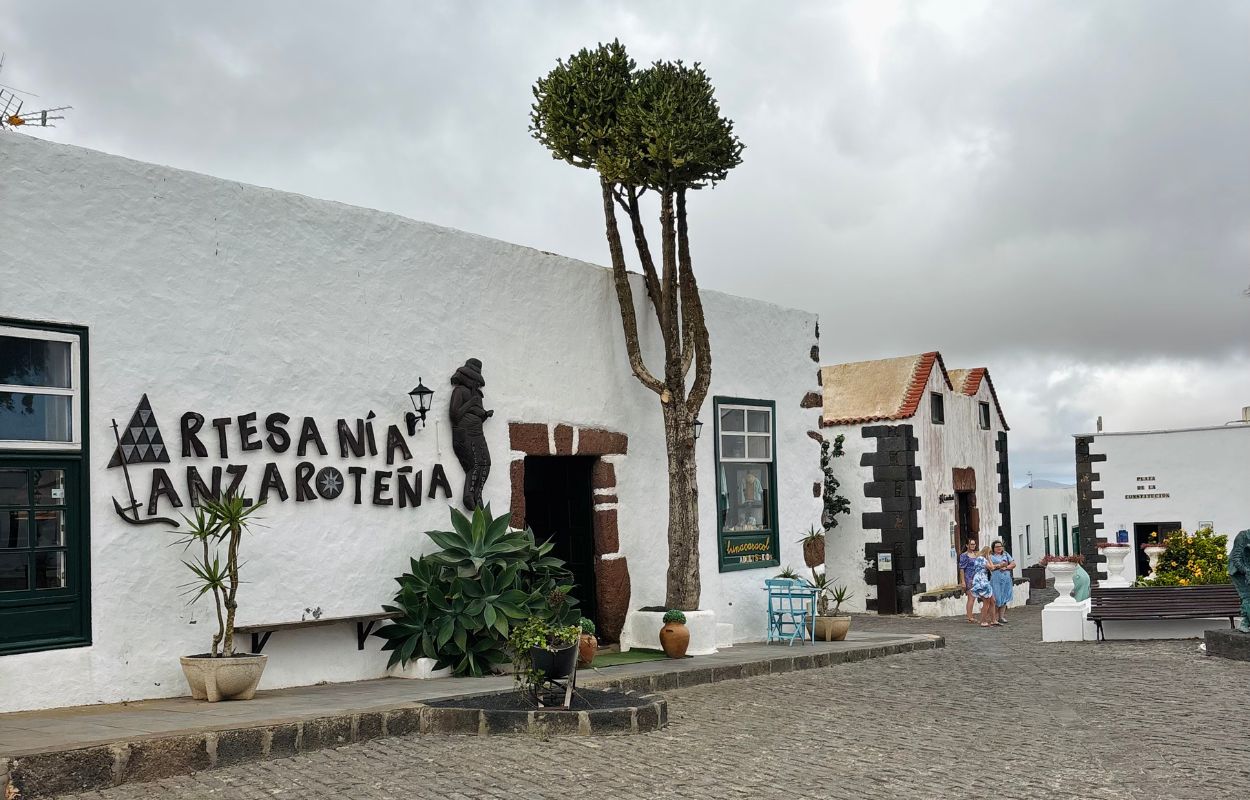
Even on a weekday, it is still a pleasure to wander through the village and make your way to the well-known Church of Nuestra Señora de Guadalupe. I also recommend stopping for a coffee on a terrace and browsing the artisan shops to make the most of your visit.
With its traditional Canarian architecture and authentic spirit, Teguise is well worth exploring. One more tip: head up to the Castillo de Santa Bárbara, perched on top of a nearby volcano. You can imagine the views over Teguise and the surrounding plains.
Haría
The road to Haría is full of climbs, descents, and bends, which feels unusual in Lanzarote. The village lies in the north, and as you approach, you immediately notice its setting in the heart of a lush green valley. Haría is often known as the “Valley of a Thousand Palms.” Compared with villages surrounded by lava fields, it offers a real change of scenery.
Once I arrived, I found the atmosphere peaceful and inviting. Lanzarote already moves at a relaxed pace, but that feeling seemed even stronger here. I loved wandering through the lanes between white houses with green shutters and small cafés. For a more local atmosphere, Haría is well worth visiting. Because the village feels slightly removed from the rest of the island, it is almost like stepping into a bubble, even farther from the outside world. For a cultural stop, this is also where you will find the former home of César Manrique, Lanzarote’s famous artist. It is now a museum where you can explore his world and the constant connection he created between art and nature.
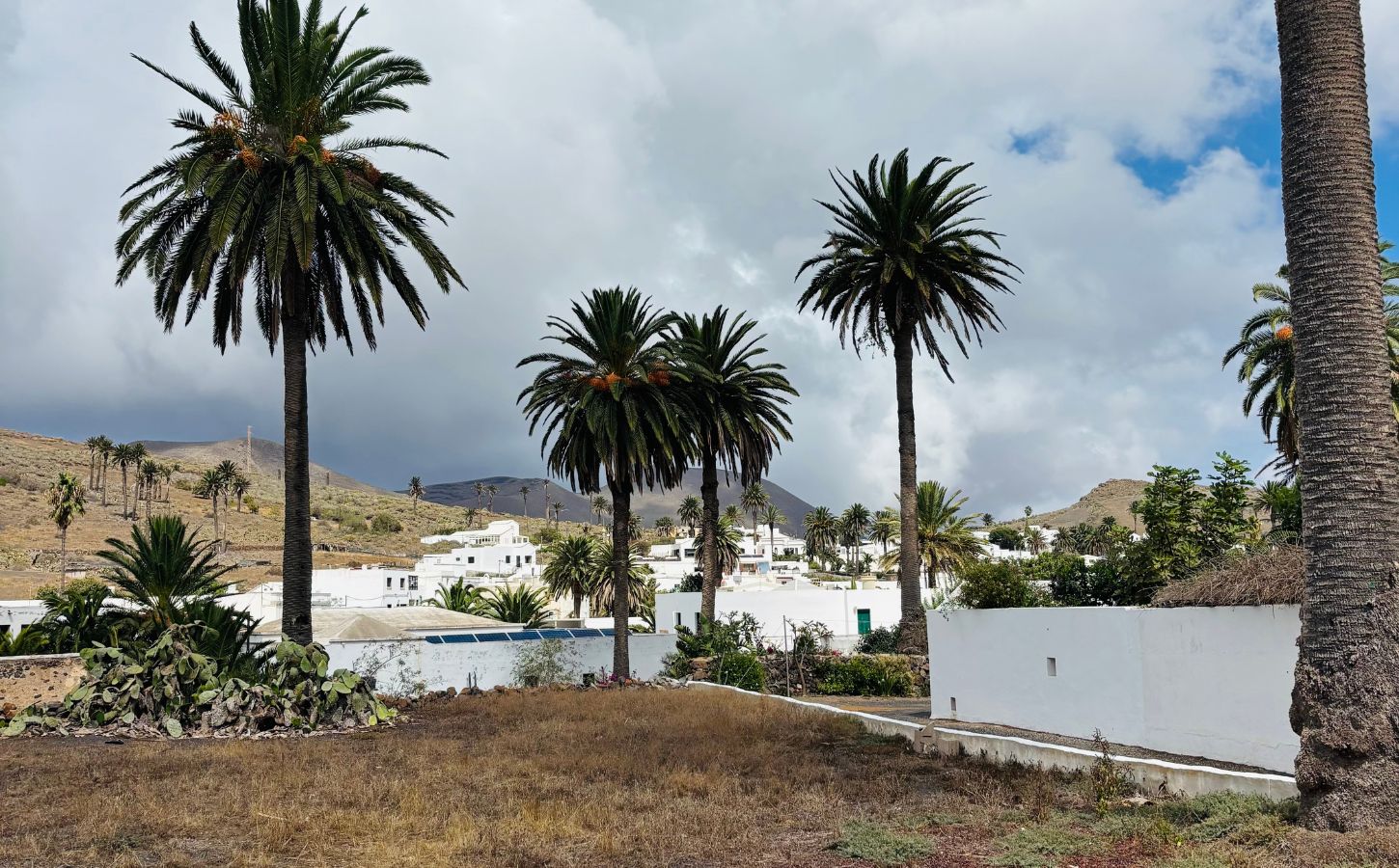

Haría showed me yet another side of Lanzarote: even quieter and, above all, greener. It is further proof that the island is about much more than volcanic landscapes.
Yaiza
Because I was staying in El Golfo in the south, Yaiza was just nearby. It is a lovely village to visit, with white houses and flower-filled streets set close to the volcanic scenery of Timanfaya National Park.
What surprised me most about Yaiza was the near-total silence. For a Spanish village, it is remarkably quiet. You can stroll around at an easy pace and may cross paths with only a handful of locals. At the center of the village is a charming little square with the Church of Nuestra Señora de los Remedios. For a higher viewpoint, follow one of the nearby trails and take in the panorama of the village surrounded by fields of black lava. Once again, the contrast is striking.
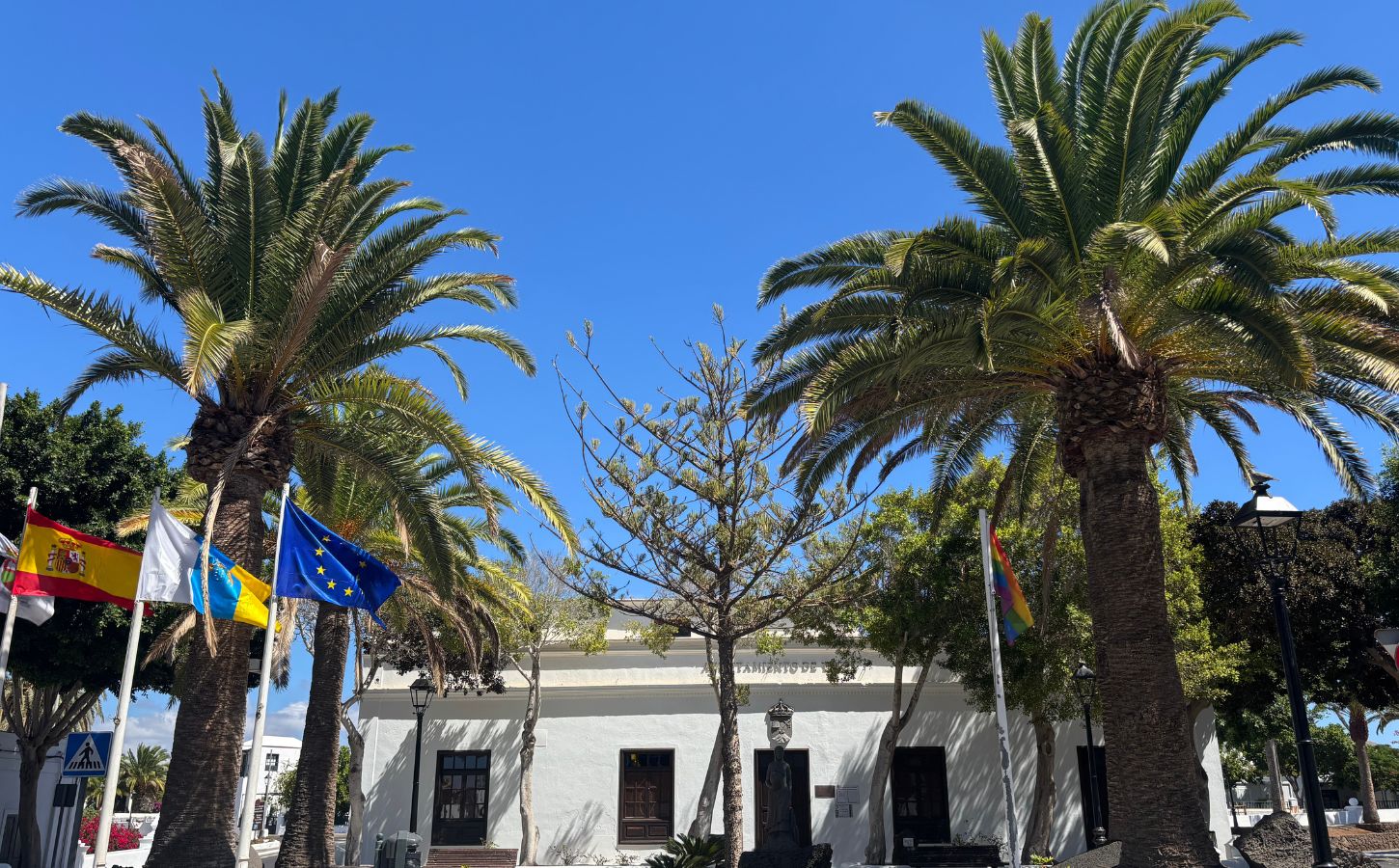
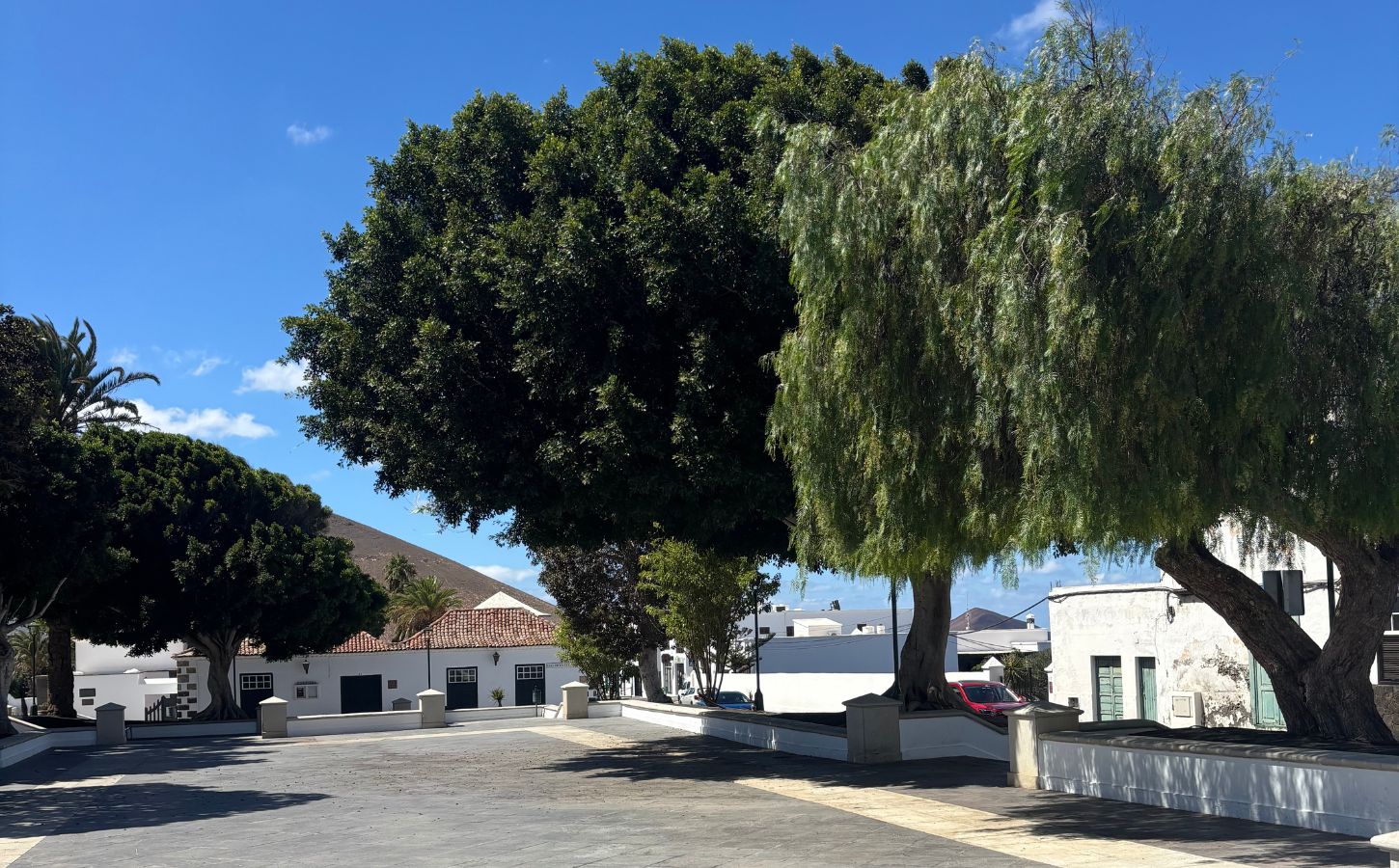
There are not many specific things to “do” in Yaiza; simply wandering around is enough to absorb the atmosphere and appreciate its beauty. I would also consider using Yaiza as a base, as it is well positioned for exploring the south of the island. You may even come across a few hidden gems, including beautifully renovated old houses.
El Golfo
Now we come to the fishing village where I stayed—and my personal favorite. I had done some research before the trip, but I was not expecting to like it this much. El Golfo turned out to be far more than I had imagined. From the moment I arrived, I had a good feeling about the place. It is one of those villages where you immediately feel at ease, with white houses by the sea, fresh-fish restaurants, welcoming locals, and dramatic cliffs.
I also loved that, although El Golfo attracts visitors during the day, it has not lost its authentic spirit. In the early morning and evening, the village grows quiet again. Since I spent most of each day out exploring, I was able to enjoy it at its best. We even developed our own little evening rituals: walking along the beach or simply sitting and looking out at the ocean. Golden hour and sunset were beautiful. Those moments gave us a real chance to breathe, whether in the evening or just after waking up, before heading off on another adventure.
The Charco Verde is also just outside the village, inside an ancient crater. This green lagoon is one of Lanzarote’s must-see sights. The contrast between the lagoon’s neon green, the deep blue of the ocean, and the black sand is simply unforgettable.
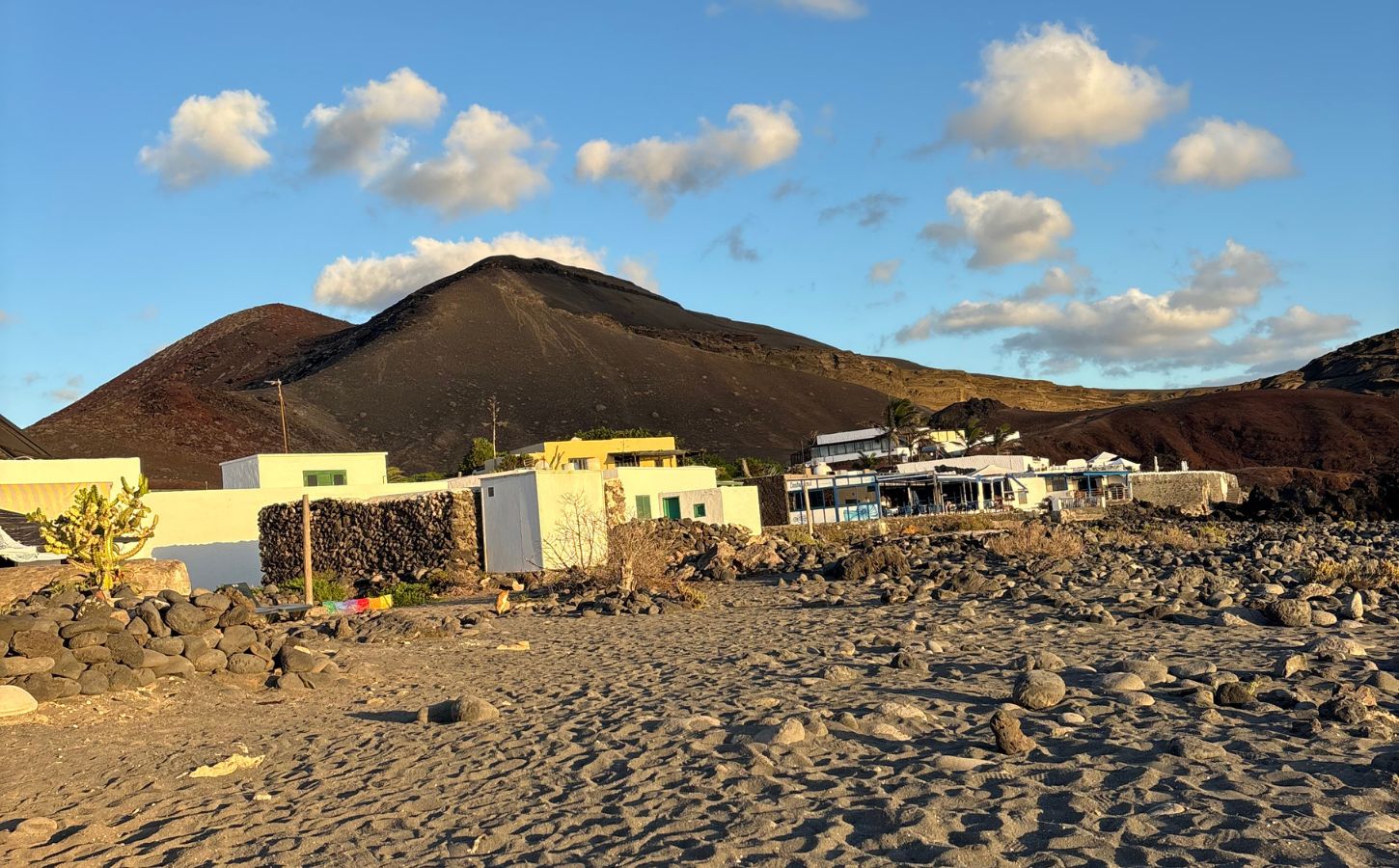
As you have probably gathered, El Golfo is both a must-see village and an excellent base for a stay in Lanzarote. It also puts you close to wild, lesser-visited beaches such as Montaña Bermeja. For more information about Lanzarote’s beaches, take a look at our complete guide.
Without overselling it, I think you may enjoy El Golfo as much as I did. Between its authentic character and wild surroundings, it is a very easy place to love.
Órzola
At the far northern tip of the island lies Órzola. I stopped there on my way to La Graciosa, as its small port is the departure point for Caleta de Sebo, the main village on La Graciosa. As for Órzola itself, it is small and charming, with white houses, colorful little boats in the harbor, and a wonderfully peaceful atmosphere. Its local fishing-village character is immediately apparent.
The small restaurants around the harbor are ideal for enjoying fresh fish. You may be served fish caught that day or, at most, the day before—and the flavor speaks for itself. While you are in the area, I also recommend visiting nearby Caletón Blanco. This secluded beach still receives relatively few visitors and has beautiful turquoise water. It is a lovely place for a swim or a picnic before continuing your exploration of northern Lanzarote. What stands out is how quickly the scenery shifts from black volcanic rock to the clear blue of the ocean.
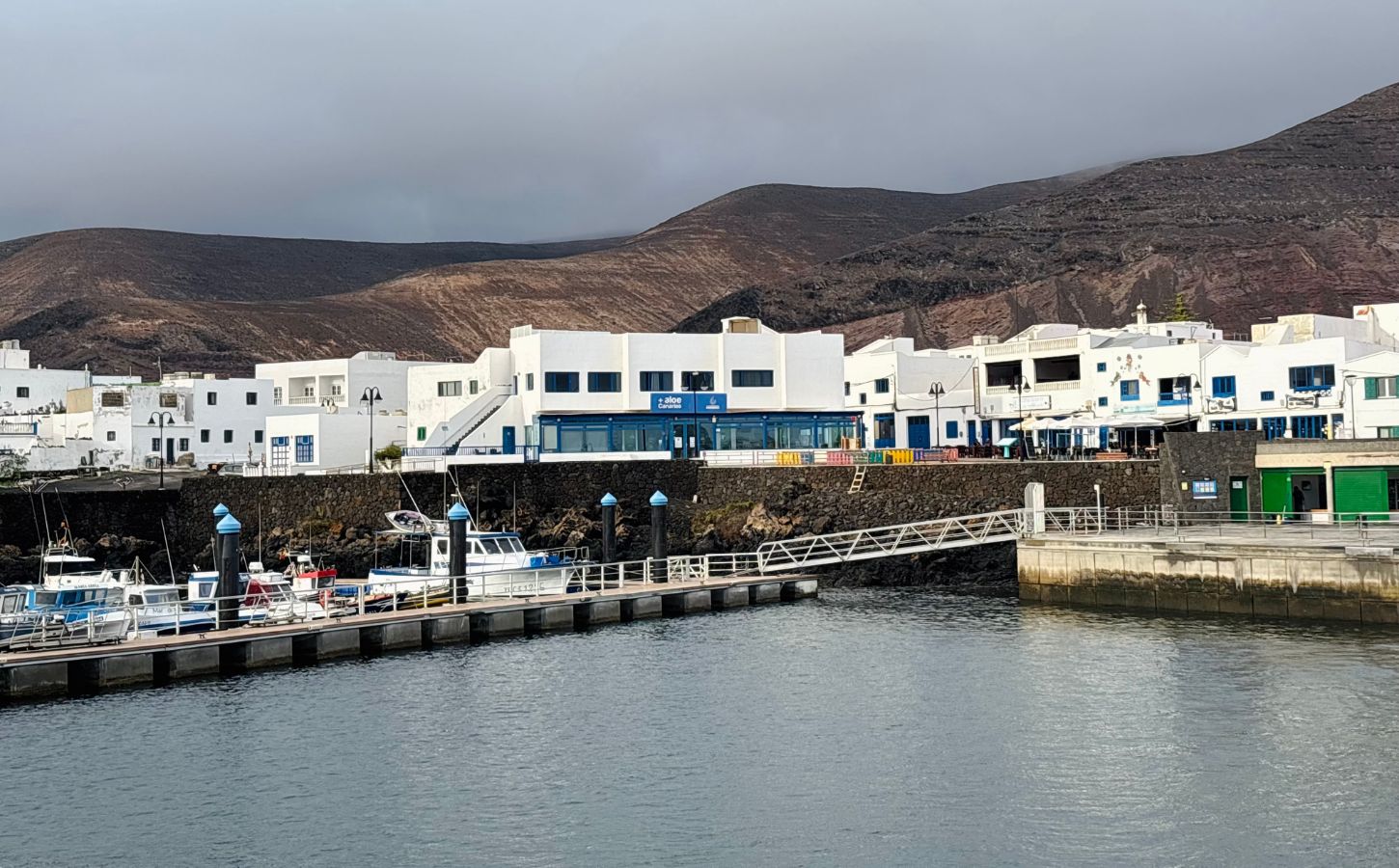
Órzola is the kind of village where you can simply wander and breathe in the sea air. I also strongly recommend visiting La Graciosa, and since you will pass through Órzola anyway, it makes sense to spend a little time exploring the village along the way.
Puerto del Carmen
This time, we are leaving the quiet, traditional villages behind and heading to Puerto del Carmen. Put simply, it is one of Lanzarote’s best-known seaside resorts. Located on the island’s southeast coast, it has plenty of energy. I went there for a diving session in a cove beside the harbor. The water in this part of the island is calm and visibility is very good, making it an excellent place to dive or snorkel and encounter Lanzarote’s marine life.
Puerto del Carmen is the island’s most tourist-oriented town, and I would say it feels livelier than Arrecife, the capital. Everything is close at hand: beaches, restaurants, bars, shops, and water activities. It is busy without feeling excessive, and despite the tourism and nightlife, I still found the atmosphere friendly and pleasant. I particularly liked the peaceful, well-designed seafront promenade, which is ideal for a jog or a sunset stroll. There are also several well-equipped beaches that are great for swimming, including Playa Chica and Playa Grande. After dark, you will find plenty of bars and small clubs if you feel like going out.
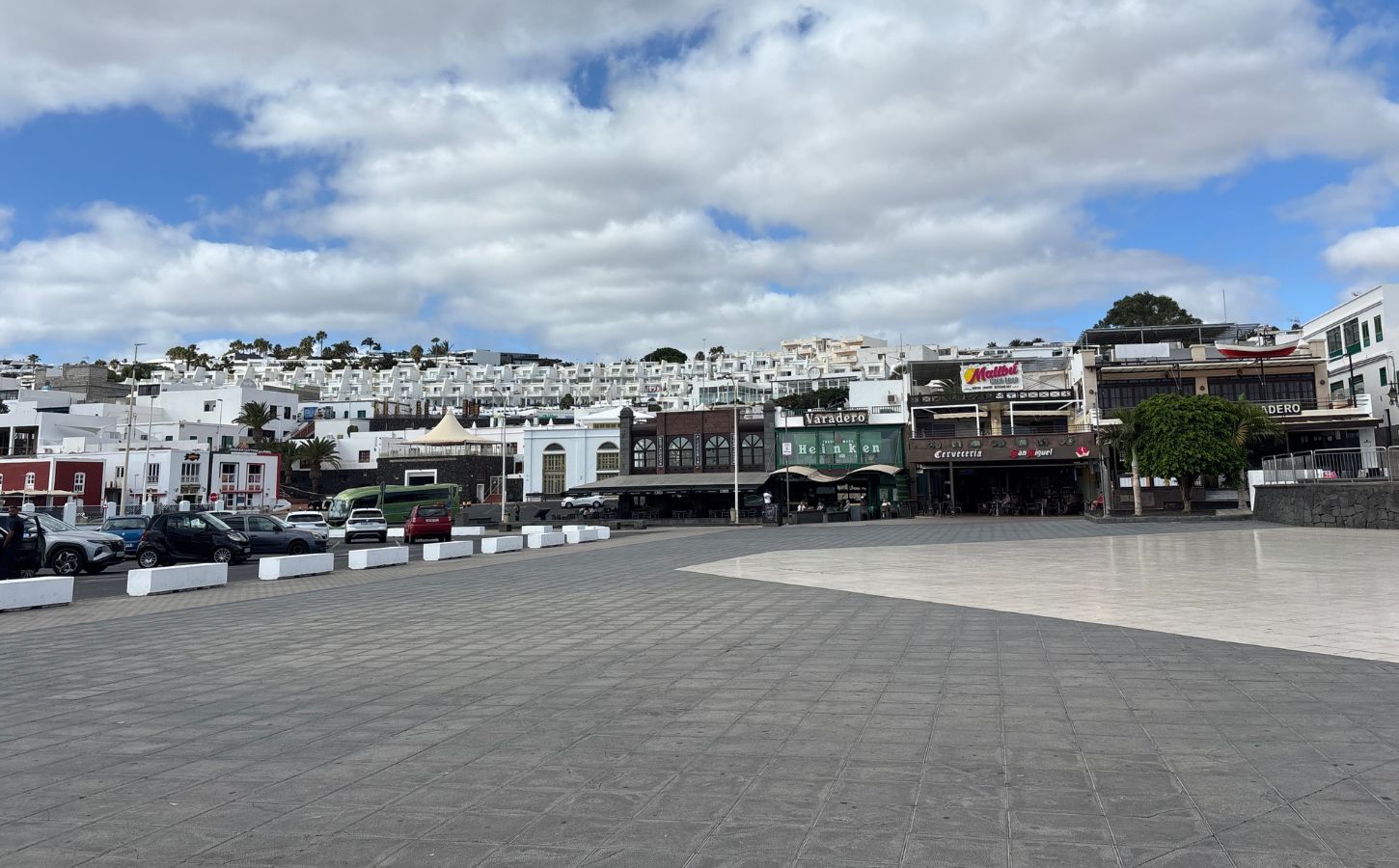
Accommodation ranges from apartments to luxury hotels. You can also stay outside the center for a quieter setting while remaining close to all the main amenities. To me, Puerto del Carmen strikes a good balance between relaxation and entertainment, and it works equally well for families, couples, and groups of friends.
Playa Blanca
Right at the southern tip of the island is another of Lanzarote’s seaside resorts. Compared with Puerto del Carmen, Playa Blanca feels more upscale and peaceful. Puerto del Carmen’s strength is its lively atmosphere, while Playa Blanca offers more tranquility, beautiful beaches, and more refined restaurants. There is less bustle here and, for my taste, a little more serenity. I enjoyed stopping here to relax after exploring Los Ajaches Natural Park, home to the beautiful Playa de Papagayo.
The coastal promenade is well laid out and makes for an enjoyable walk along the shoreline. Whenever you feel like taking a break, there are plenty of places to choose from. I liked having that flexibility, as it makes it easy to be spontaneous and follow your mood. One of Playa Blanca’s highlights is the view of Fuerteventura’s coast in the distance, especially at sunset.
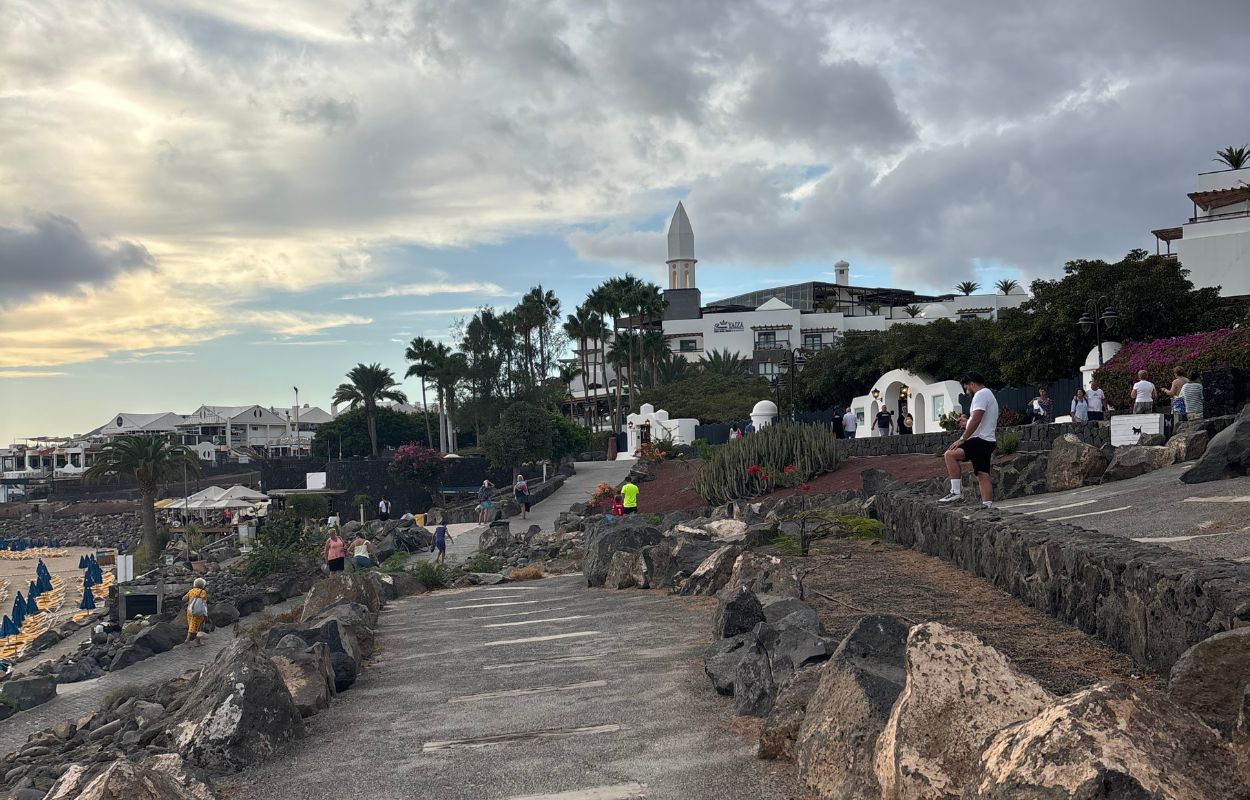
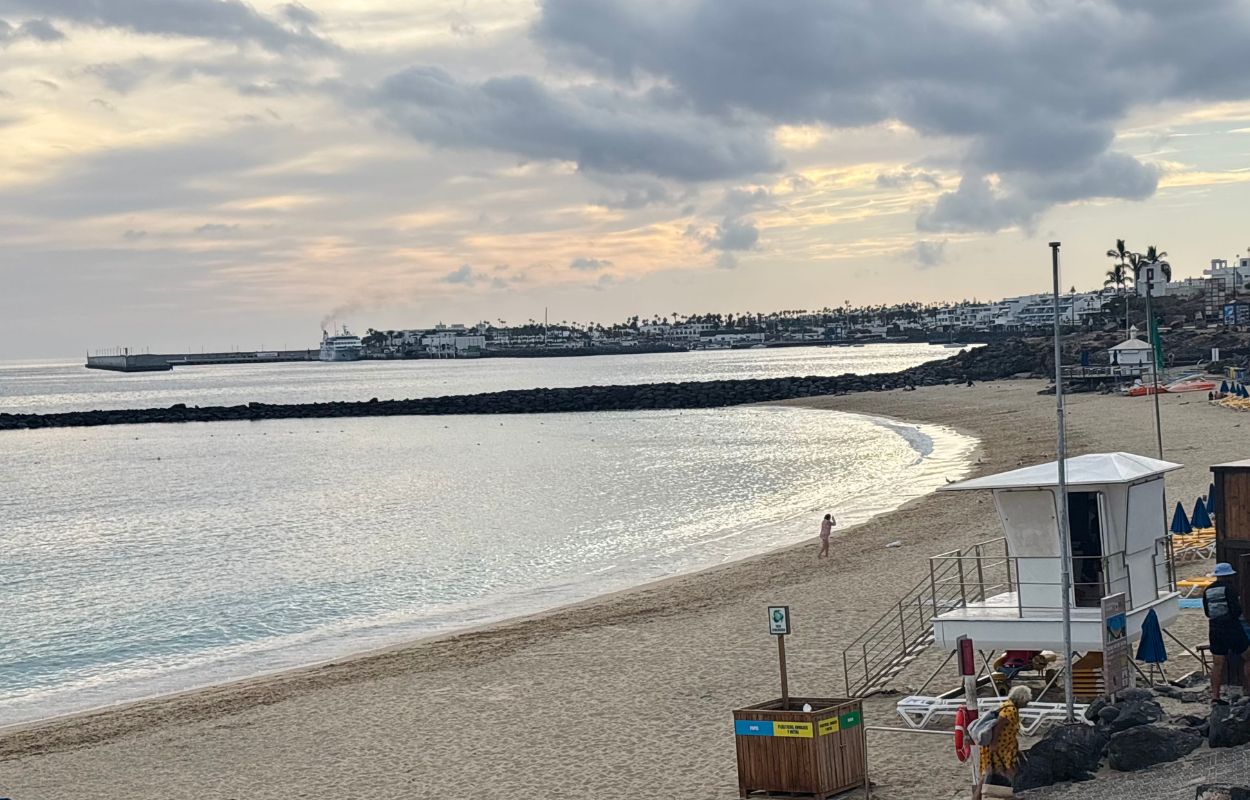
Playa Blanca is a great place to swim, particularly at Playa Dorada and Playa Flamingo, where the water is calm and clear. Even while wading in the shallows, I could see small fish swimming around my feet. Near the rocks and in slightly deeper water, there is even more marine life to spot. I stopped here after touring Los Ajaches Natural Park. Although I loved the park’s desert scenery, it felt good to return to a livelier place afterward. Playa Blanca had a family-friendly atmosphere, but felt slightly more polished than Puerto del Carmen or the island’s simpler villages. It offered something different, and it is useful to know that Lanzarote also has this kind of resort town.
Costa Teguise
We are heading north again, stopping just beyond Arrecife on the east coast at Costa Teguise—not to be confused with the village of Teguise mentioned earlier. This is another seaside resort, less famous than Puerto del Carmen but increasingly popular. Everything feels more manageable here. You can stroll along flower-lined streets, eat at more locally oriented restaurants, and still remain close to several lovely beaches.
Costa Teguise is a good choice for a relaxed day of swimming, walking, and dining by the sea. I would not call the town itself an essential stop, but it is ideal when you want an easygoing day without too much planning. I particularly liked Playa del Jablillo and Playa de las Cucharas, both located within Costa Teguise and easy to reach. The water is calm, with very few waves and a beautiful blue color. In town, I also recommend visiting the market at Pueblo Marinero, a complex designed by César Manrique that is pleasant to explore.
Costa Teguise also has a convenient location. From here, it is easy to explore the rest of the island. When I stayed in the area, everything seemed close, even if that was not entirely true; I would estimate that the farthest places were around a 40-minute drive away. The town also finds a comfortable middle ground between relaxation, beaches, and sightseeing. Costa Teguise brings all three together.
Uga
Next to Yaiza and very close to Timanfaya National Park lies the small village of Uga. Despite its proximity to the heavily visited park, Uga remains remarkably quiet. I would even call it the most peaceful village after Haría. It has retained Lanzarote’s traditional charm, including the island’s familiar white houses. Their color is not only practical, helping keep interiors cool; César Manrique also encouraged the local authorities to preserve a harmonious architectural style, with white walls and colorful shutters in green, blue, brown, or red.
The village is very small but authentic, with the Church of San Isidro Labrador and lovely views of the mountains. Uga is best known as a departure point for dromedary rides toward the Timanfaya area. Everyone will have their own view of the activity, but the animal remains a strong local symbol—there are even dromedary sculptures on the roundabout at the village entrance. After the 18th-century eruptions, dromedaries played an essential role in local daily life, helping with farm work and transporting people and goods across the island’s arid terrain.
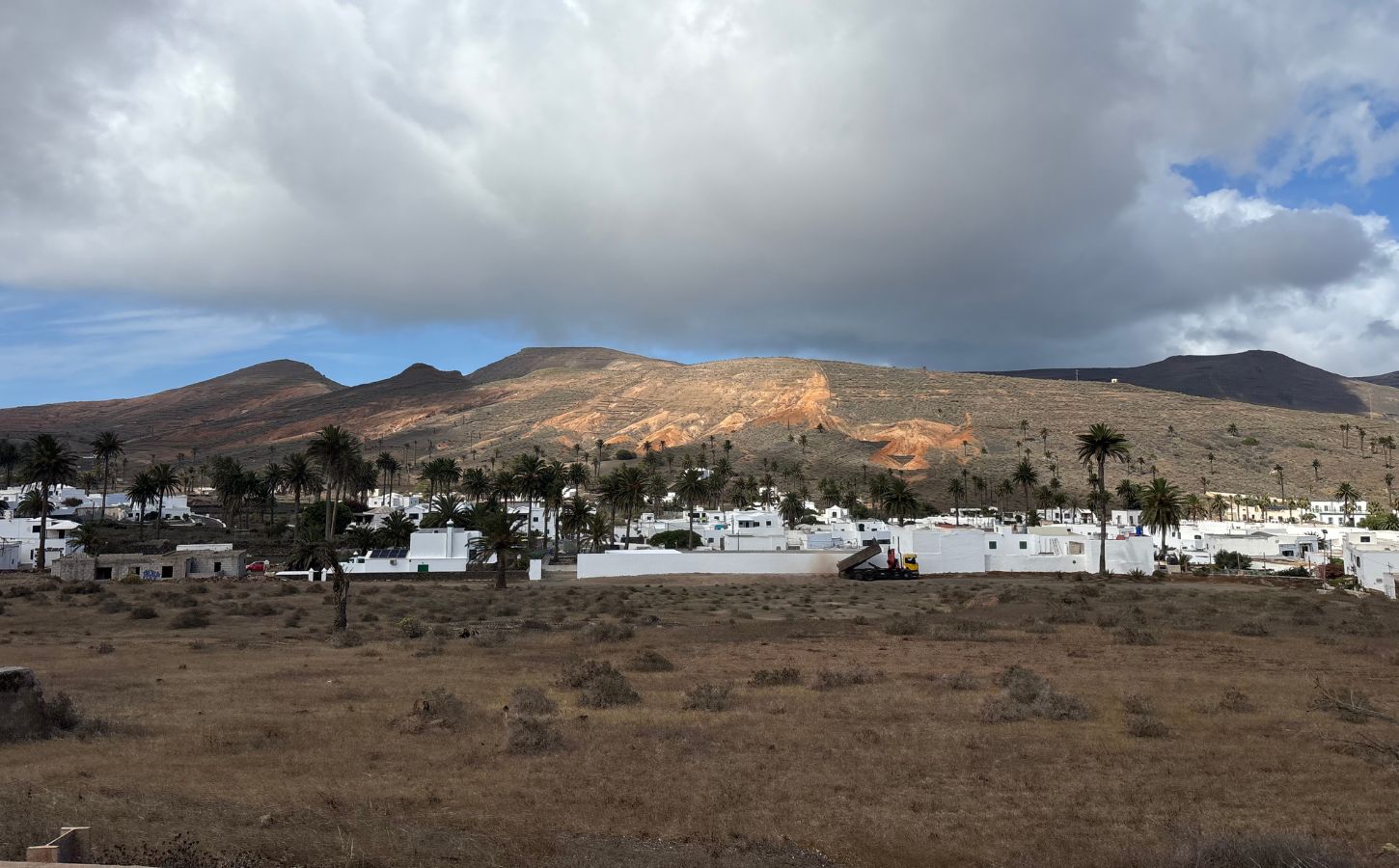
Nearby lies the famous La Geria valley, where vineyards are cultivated in volcanic ash. I recommend taking a stroll through Uga before heading to a bodega for a tasting of local wine.
For me, Uga’s real appeal lies in its authenticity and distinctly local atmosphere. I also loved the village’s setting near Timanfaya and La Geria, surrounded by lava fields and volcanic hills.
That brings our guide to the best towns and villages in Lanzarote to an end. My main takeaway is that, despite the island’s small size, there are plenty of towns and villages to explore. Each has its own identity, setting, and atmosphere. I certainly had my favorites, but discovering all of them was part of the experience.
To continue on the same theme, take a look at our guide to the best towns and villages in Tenerife. I made some wonderful discoveries on that island too.
See you soon for more articles about Lanzarote!

Written by Laura CALLES
Thanks to Mélanie and Sylvain, I had the chance to discover the Canary Islands, specifically Tenerife and Lanzarote, so that I could share these island paradises with you. Two real favorites of mine!
Despite our vigilance, an error may have crept into this article. If you spot one, please don't hesitate to let us know so that we can correct it immediately and keep our information up to date!