How to get around Lanzarote
Last update: 06/19/2026
Our blog continues to grow thanks to you, our readers. This post may contain affiliate links, which means we can earn a small commission if you make a purchase through them, at no extra cost to you. This helps us to continue to bring you more and support our work!
You’ve started planning your trip to Lanzarote and reached the question of how to get around the island. You’re in the right place, because this article covers everything you need to know about getting around Lanzarote. Planning ahead is a smart move: even though the island is small, the way you organize your transportation can make a real difference once you arrive. With volcanic landscapes, secluded beaches, whitewashed villages, and tucked-away viewpoints, there are plenty of things to see in Lanzarote—but how easily you reach them depends on the transportation option you choose.
I spent a week in Lanzarote and was able to explore the island from top to bottom. The good news is that Lanzarote is easy to travel around, distances are fairly short, and several options are available, which I’ll cover below. In this article, I’m sharing everything you need to know about transportation on the island, based on my own experience and the practical lessons I picked up along the way. If you’re still deciding when to travel, take a look at our guide to the best times to visit Lanzarote. It should help you choose your dates.
How to get around Lanzarote: every transportation option
As mentioned above, Lanzarote is one of the smaller Canary Islands, which makes journeys relatively quick and straightforward. Driving from the northern tip to the southern end usually takes a little over an hour, depending on your exact route. The roads are generally well maintained, and I found driving around the island much easier than expected. Whatever form of transportation you choose, you should be able to combine several stops in a single day without too much difficulty.
Renting a car in Lanzarote
Renting a car is, in my opinion, the easiest and most practical way to explore Lanzarote. The main sights are fairly close together, the roads are easy to drive, and many of the most beautiful viewpoints are in isolated areas far from regular bus routes. With your own car, you can stop whenever you like and travel entirely at your own pace. For me, that freedom is hard to beat on vacation. Volcanoes, wild beaches, viewpoints, fishing villages, wineries, and vineyards all become much easier to reach.
I booked my car through Discover Cars. Everything went smoothly, and I got the type of vehicle I wanted at a reasonable price. For more details, I recommend reading our guide to renting a car in Lanzarote.
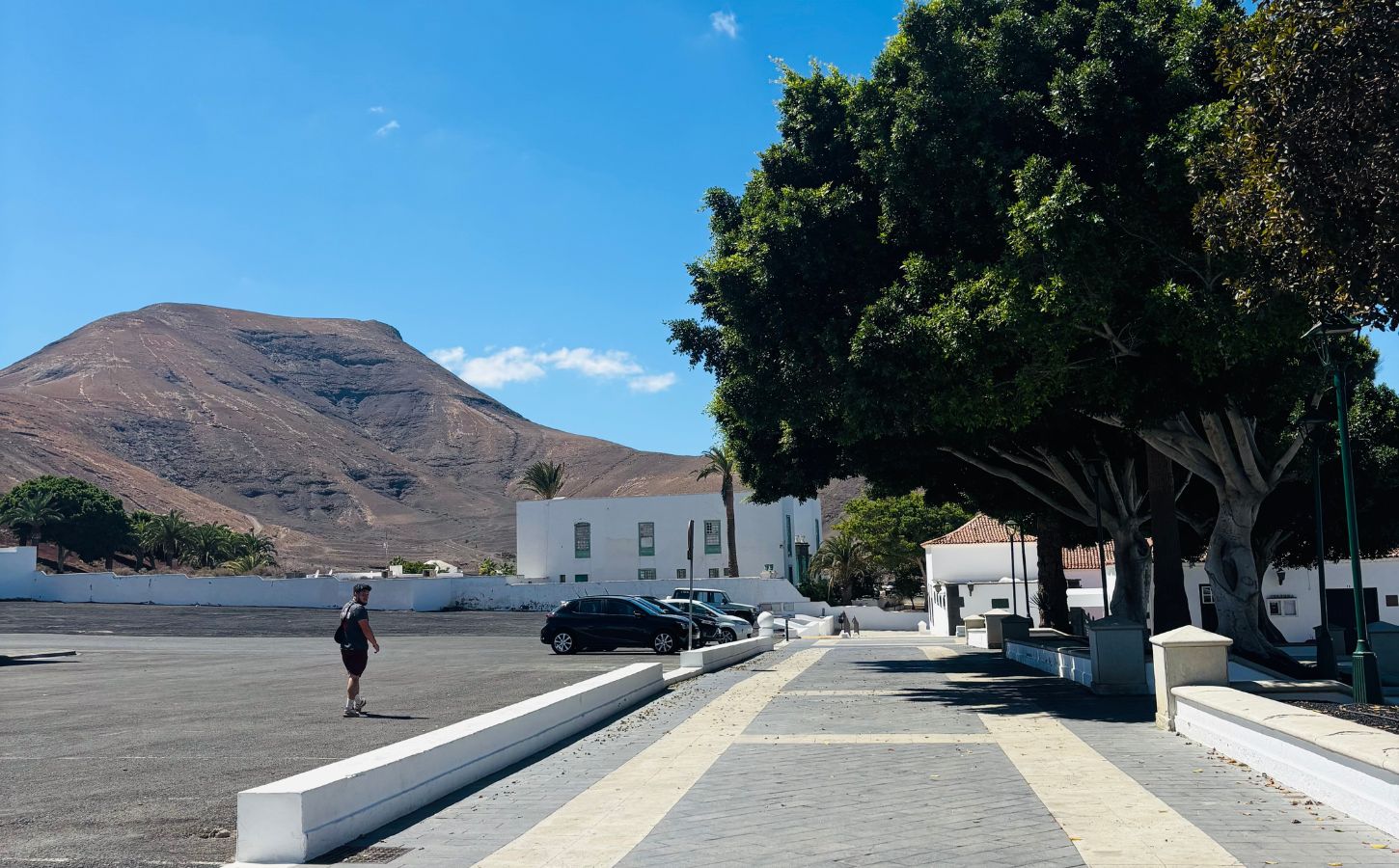
A few additional driving tips:
- Choose a small or medium-sized car. The roads are excellent, but some parking areas and village streets are narrow. There is no real need for a 4×4.
- Parking is generally easy to find across Lanzarote, although it can be more difficult in the busiest areas during high season.
- Fuel in the Canary Islands is often cheaper than in mainland Spain and France, which helps keep driving costs down.
For exploring beyond the main tourist areas, renting a car remains the most convenient option. It allowed me to take my time, follow a general plan, and still leave room for spontaneous stops. Driving in Lanzarote also felt relaxed overall, with limited traffic outside the busiest resort areas and straightforward roads.
Getting around Lanzarote without a car: the bus network
If you would rather not rent a car, Lanzarote can still be explored by bus, especially when your plans focus on the main towns, resort beaches, and a few well-connected attractions. The Intercity Bus Lanzarote network is affordable and serves places such as Arrecife, Costa Teguise, Puerto del Carmen, and Playa Blanca. Fares vary by route and distance, so it is best to check the official timetable and fare information before traveling. For trips between the main towns and resort areas, buses can work very well.
However, several major sights, including Timanfaya National Park, La Geria, some viewpoints, and many hiking trailheads, are difficult or impossible to reach by regular bus. Famara has limited public transport rather than no service at all, so schedules need to be checked carefully. In these cases, combining buses with organized excursions is often the most practical solution. A car-free trip is entirely possible, but it requires more planning.
Here are a few routes that are relatively straightforward by bus:
- Arrecife – Costa Teguise: convenient for beaches, coastal scenery, and a day split between the two towns.
- Arrecife – Puerto del Carmen: a popular route for walking along the seafront, spending time at the beach, and snorkeling.
- Puerto del Carmen – Playa Blanca: useful for visiting southern beaches or continuing by ferry to Fuerteventura.
- Playa Blanca – Papagayo: buses will take you to Playa Blanca, but they do not continue all the way to Playa de Papagayo. From there, you will need a taxi or another arranged transfer.
For more ideas, we’ve published a guide to Lanzarote itineraries, along with a separate article on three-day itineraries in Lanzarote. Both include suggestions for traveling without a car, combining buses with excursions, and making the logistics easier.
Getting around Lanzarote by taxi
Taxis are a useful option if you do not plan to rent a car but still want some flexibility. They are easy to find in the main tourist areas, including Puerto del Carmen, Costa Teguise, Playa Blanca, and Arrecife, and fares are generally reasonable for short or occasional trips.
Official taxis use meters, which helps keep fares transparent. They are particularly useful when you are staying in a resort area and want to reach a nearby place that is not served by bus. The Papagayo beaches are a good example: you can travel to Playa Blanca by bus and continue from there by taxi.
In more remote areas, especially in the north or near the volcanic zones, finding a taxi on the spot can be harder. Booking one by phone or through your accommodation is usually the safest approach. Used alongside public transportation, taxis can fill the gaps in a car-free itinerary and make the trip much easier.
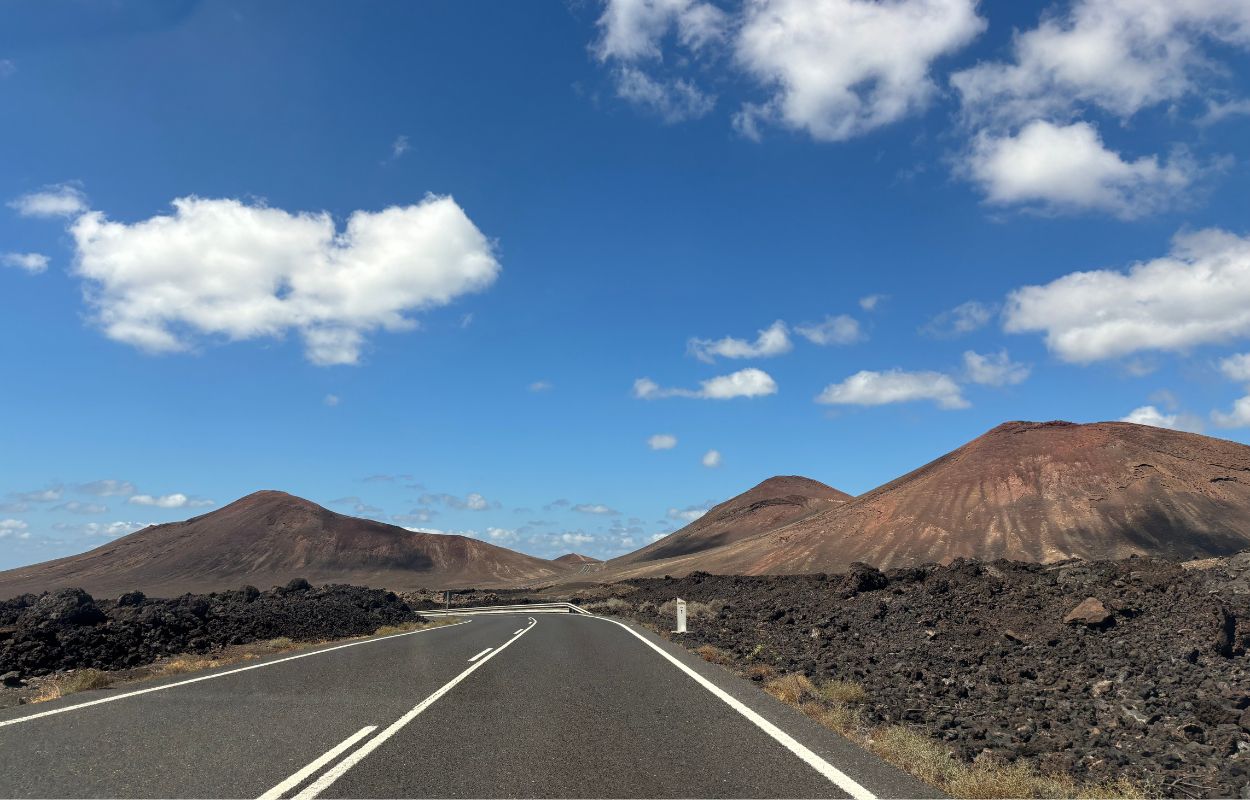
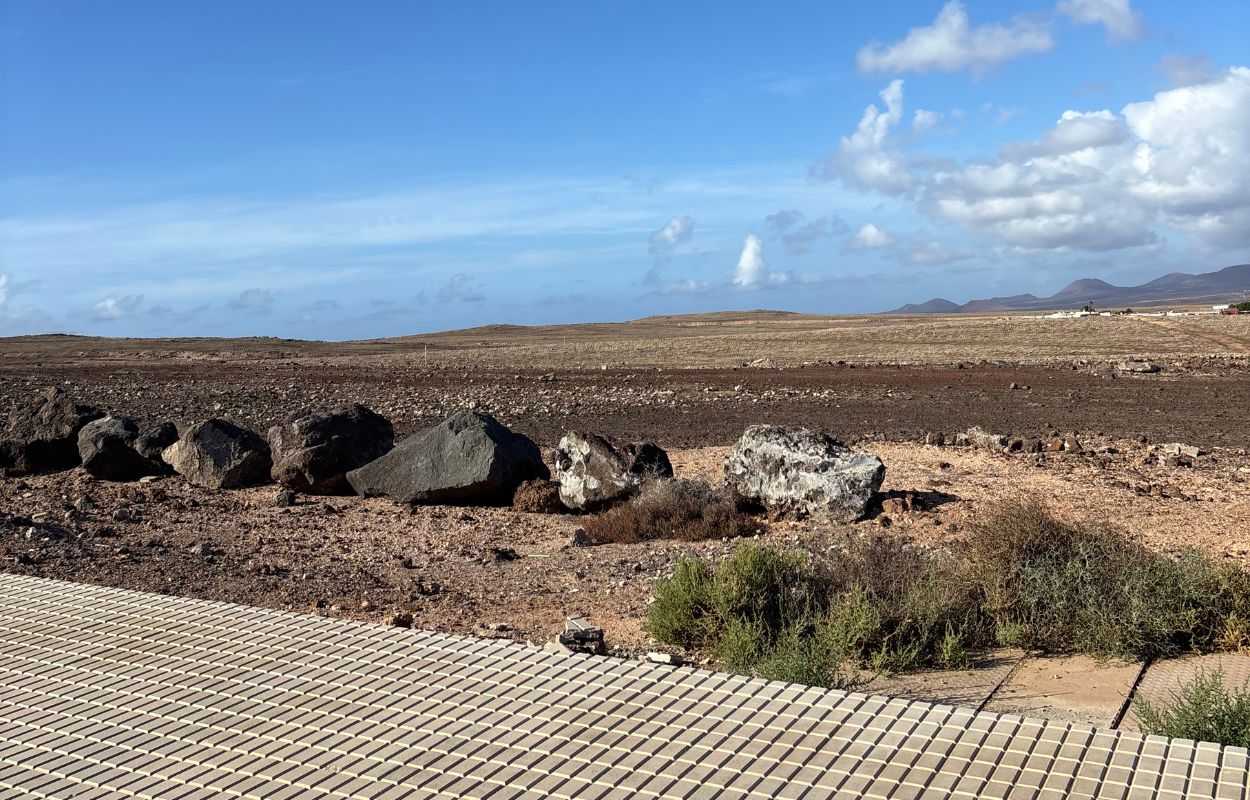
Uber and Bolt in Lanzarote: what is available?
Checking Uber or Bolt may be second nature in many destinations, but availability in Lanzarote is still more limited than in major cities. Uber now offers ride reservations on the island, although the number of available vehicles may vary considerably by location and time. Bolt does not currently list Lanzarote clearly among its supported cities, so it should not be relied on as your main transportation option.
For short or occasional rides, traditional taxis remain the most dependable choice. You can still check Uber when needed, particularly in tourist areas, but it is worth having a local taxi number or asking your accommodation to arrange a pickup.
Getting around Lanzarote by bike, e-bike, or scooter
If you enjoy slower travel and want a more active way to explore, bicycles and e-bikes can be good options in selected parts of Lanzarote. Coastal paths and resort areas such as Puerto del Carmen, Playa Blanca, and Costa Teguise are particularly pleasant for cycling. La Geria can also be rewarding, although the terrain, traffic, wind, and inclines make it more demanding.
An e-bike is often the better choice if you want to cover longer distances or deal more comfortably with Lanzarote’s wind and elevation changes. It allows you to enjoy the scenery without turning every outing into a strenuous workout.
Electric scooters can be useful for short trips in towns and tourist areas where rental services are available. Stick to permitted bike lanes and suitable urban routes, follow local traffic rules, and avoid riding during the hottest part of summer days. Bikes, e-bikes, and scooters are not the best way to tour the entire island, but they can be enjoyable for a day or for local journeys.
Inter-island travel from Lanzarote
Now that we’ve covered transportation within Lanzarote itself, let’s look at traveling to other Canary Islands. If you have enough time and want to extend your trip, reaching another island by ferry or plane is relatively straightforward. Lanzarote is especially easy to combine with nearby Fuerteventura and La Graciosa, and many travelers include two or more islands in the same itinerary.
How to get to Fuerteventura?
Fuerteventura is the most obvious place to start. It is one of the easiest excursions or inter-island trips from Lanzarote. From Playa Blanca, you can clearly see the coast of Fuerteventura and, on a clear day, the dunes around Corralejo. The crossing is correspondingly short.
Ferries run from Playa Blanca in southern Lanzarote to Corralejo in northern Fuerteventura. Key details include:
- The crossing takes approximately 25 minutes by fast ferry or around 35 minutes on some passenger services.
- Several companies operate the route, including Fred. Olsen Express, Líneas Romero, and Naviera Armas.
- Prices vary by company, sailing, and ticket type, with promotional one-way fares sometimes starting below €20.
The route is simple and convenient enough for a day trip, although staying longer will let you experience more of Fuerteventura. The island feels quite different from Lanzarote, with vast beaches, open desert-like landscapes, and excellent conditions for surfing and swimming.
How to reach La Graciosa
Before visiting Lanzarote, I knew very little about La Graciosa. It ended up being one of the islands I most enjoyed discovering. It is the smallest inhabited Canary Island and one of the most distinctive, with no paved roads, very limited vehicle access, and sandy streets lined with low houses. The landscape felt raw, peaceful, and remarkably well preserved.
Getting there from Lanzarote is easy. Travel to the port of Órzola at the northern end of the island, then take a ferry to Caleta de Sebo, La Graciosa’s main village. The crossing takes about 25 minutes, and the route is operated by Líneas Romero and Biosfera Express. Current non-resident fares are around €16 one way or €29 round trip with Líneas Romero, although prices may vary by operator.
Once there, you can explore on foot, by bicycle, or by authorized 4×4 taxi. Highlights include Playa de las Conchas, Playa Francesa, Pedro Barba, and Montaña Amarilla. For me, the island was well worth the trip.
To plan your visit, take a look at our complete guide to La Graciosa.
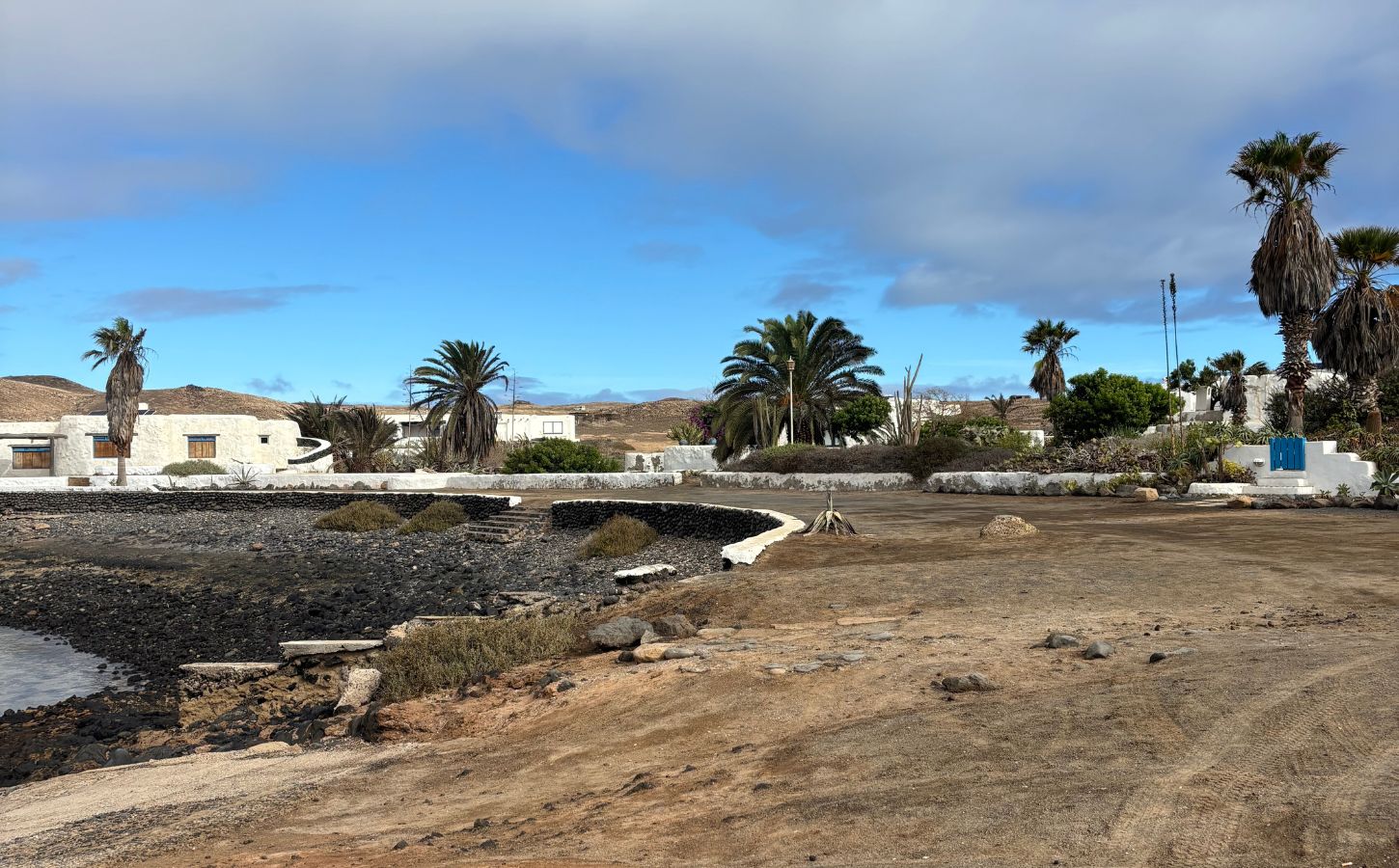
How to travel between Lanzarote and Tenerife
Combining Lanzarote and Tenerife on the same trip is an excellent idea. That’s what I did, and although they are not the closest islands, they are linked by both plane and ferry. What I liked most was how different they felt from one another, making the journey seem like two distinct trips in one. Logistically, you have two main options:
- By plane: this is the simplest and fastest choice. Direct flights generally take around 50 minutes and are operated by Binter Canarias and Canaryfly. Flight frequency and fares vary by date, so it is better to check the airlines’ current schedules rather than rely on a fixed daily number. I chose Canaryfly because the fare was significantly lower for my dates, with a difference of about €100 on a one-way ticket. I paid €150, although lower fares are sometimes available. Flying saved time and was much more convenient for my trip. The aircraft used on inter-island routes are relatively small, so turbulence can feel more noticeable, but my flight was completely manageable.
- By ferry: services operate between Arrecife and Santa Cruz de Tenerife, generally with a connection in Las Palmas de Gran Canaria. The overall journey is much longer, often taking around 10 to 12 hours or more depending on the timetable and connection. This option may suit travelers taking a vehicle or those who prefer not to fly.
For most visitors, I would choose the plane, as I did. The ferry can still make sense depending on your schedule, vehicle, and travel preferences, but current timetables should always be checked before planning around an overnight journey.
You now have a complete overview of how to get around Lanzarote. The next step is simply to choose the transportation option—or combination of options—that best matches your itinerary. A little planning in advance will make the trip far more relaxed once you arrive.
You may also find our guide to getting around Tenerife useful. Tenerife is more developed and has a broader transportation network than Lanzarote, so the options are slightly different. Another article that may help with your planning is our guide to budgeting for a trip to Lanzarote.
See you again soon for more practical Lanzarote travel guides!

Written by Laura CALLES
Thanks to Mélanie and Sylvain, I had the chance to discover the Canary Islands, specifically Tenerife and Lanzarote, so that I could share these island paradises with you. Two real favorites of mine!
Despite our vigilance, an error may have crept into this article. If you spot one, please don't hesitate to let us know so that we can correct it immediately and keep our information up to date!