Our whale-watching boat trip in Tenerife
Last update: 06/21/2026
Our blog continues to grow thanks to you, our readers. This post may contain affiliate links, which means we can earn a small commission if you make a purchase through them, at no extra cost to you. This helps us to continue to bring you more and support our work!
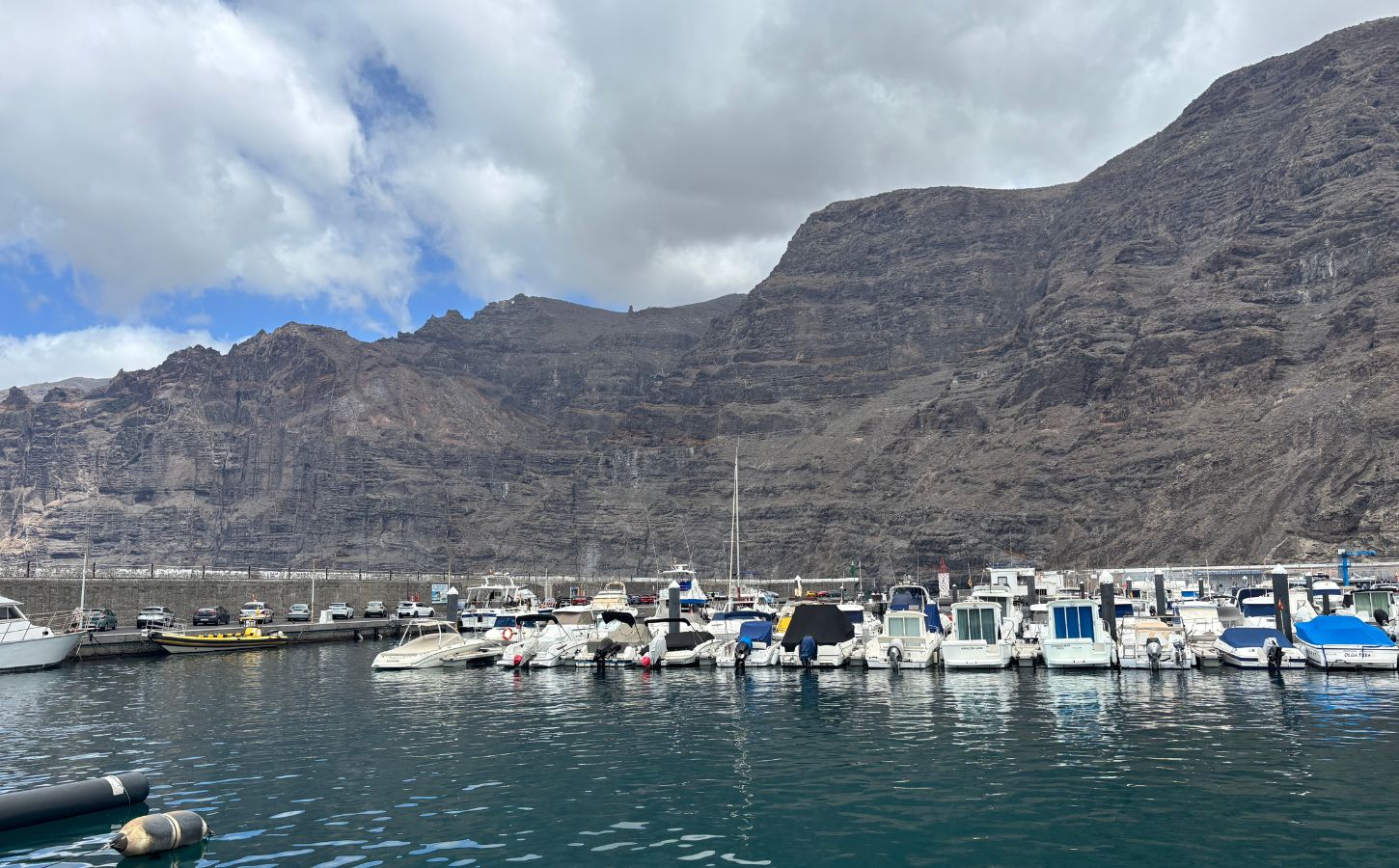
If I had to choose just one activity in Tenerife, it would undoubtedly be a whale-watching boat trip. I’ll admit I was a little skeptical at first, since Tenerife is far from the only destination offering this kind of excursion. Still, as usual, I booked through Manawa, a platform I trust. The reviews for this particular trip were excellent, so I decided to give it a try—and I’m very glad I did. It turned out to be such a lovely surprise! I chose an excursion leaving from Los Gigantes harbor, and setting sail beside those immense cliffs immediately sets the tone.
When I booked, I also learned that we would be heading toward the Teno-Rasca protected marine area, part of the Tenerife–La Gomera Whale Heritage Area, the first of its kind in Europe. This reserve stretches along Tenerife’s southwest coast and is home to remarkable marine life, including pilot whales, sea turtles, and rays. I simply decided to see what surprises nature had in store for us. As you can probably tell, I wasn’t disappointed—it’s easily one of the must-dos in Tenerife.
Our whale-watching boat trip in Tenerife
Our excursion left Los Gigantes harbor at 10 a.m. aboard a beautiful sailboat that was spotless and very well maintained. We kicked off our shoes, the sun was beginning to warm the air, and the skipper and captain immediately made us feel at ease. Jérôme, one of the two, spoke both French and Spanish, which was perfect for our small mixed group—half French-speaking and half Spanish-speaking. The mood was relaxed from the start, and we were given a clear, concise briefing on how the trip would unfold.
They explained that we would be sailing through the Teno-Rasca protected marine area, part of Europe’s first Whale Heritage Area. Boating is tightly regulated in this conservation corridor, and they told us that only two boats could be in the observation area at once to avoid stressing the animals. I really appreciated that. You can tell that respect for wildlife comes first here.
The skipper also reminded us that these are wild animals, so sightings are never guaranteed. Some days bring plenty of encounters; on others, there are fewer—it all depends on the conditions. He hoped we would spot pilot whales and, with a little luck, dolphins, which are apparently harder to see because they move so quickly. In the protected area, the crew limits its time in one spot, so you really have to savor the moment.
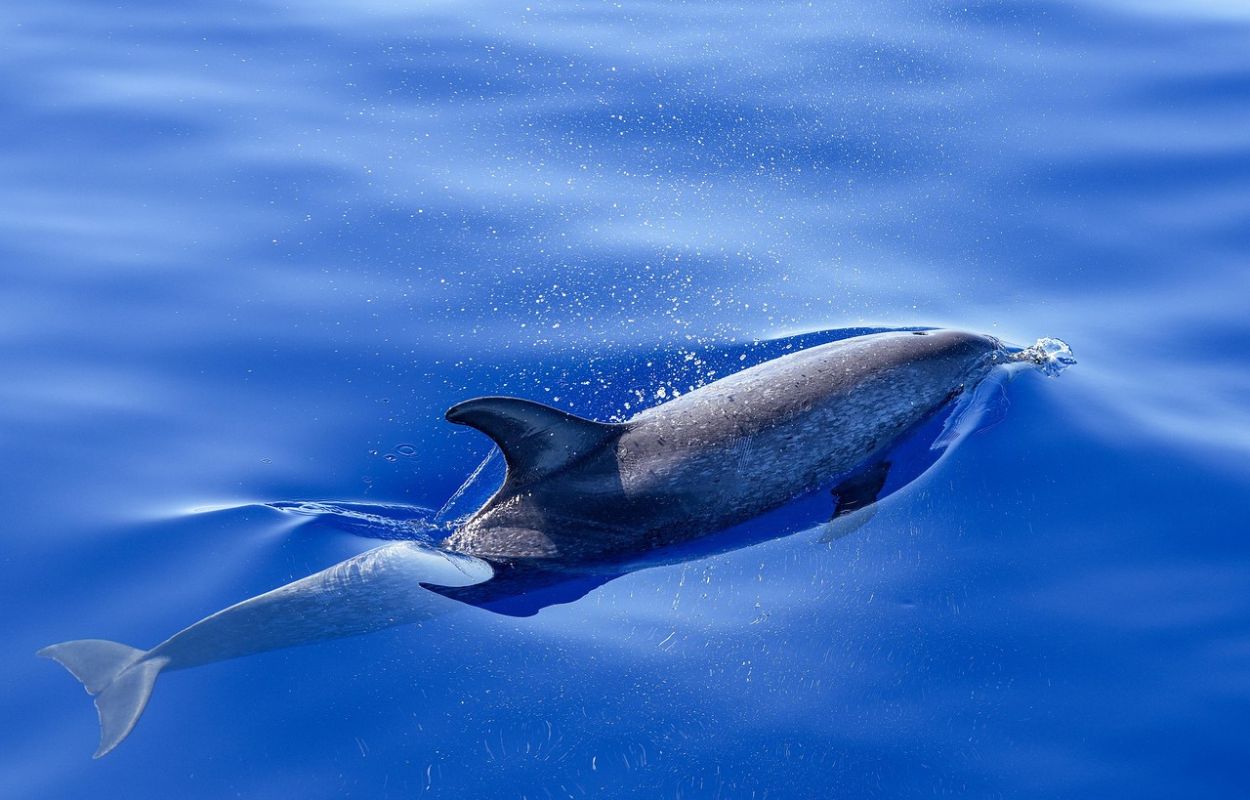
Then came an incredible stroke of luck: we spotted a large pod of Atlantic spotted dolphins, a migratory species rather than a resident one in Tenerife. The skipper told us he had not seen them for almost a year! He estimated that nearly 200 were swimming beneath the boat, and honestly, it felt magical. They leaped around the sailboat and played in the waves, and we even saw a baby dolphin with its umbilical cord still attached. I still find it hard to believe it really happened—and I’m not exaggerating.
From where we were standing, looking at the surface and just below it, I think we saw a good fifty of them. It was hard to know where to look without missing something. My only small regret is that I didn’t manage to photograph them very well. They were incredibly fast and only about a meter long, which is fairly small compared with other dolphin species. Still, I made the most of the moment and came away with plenty of vivid memories. I felt incredibly lucky.
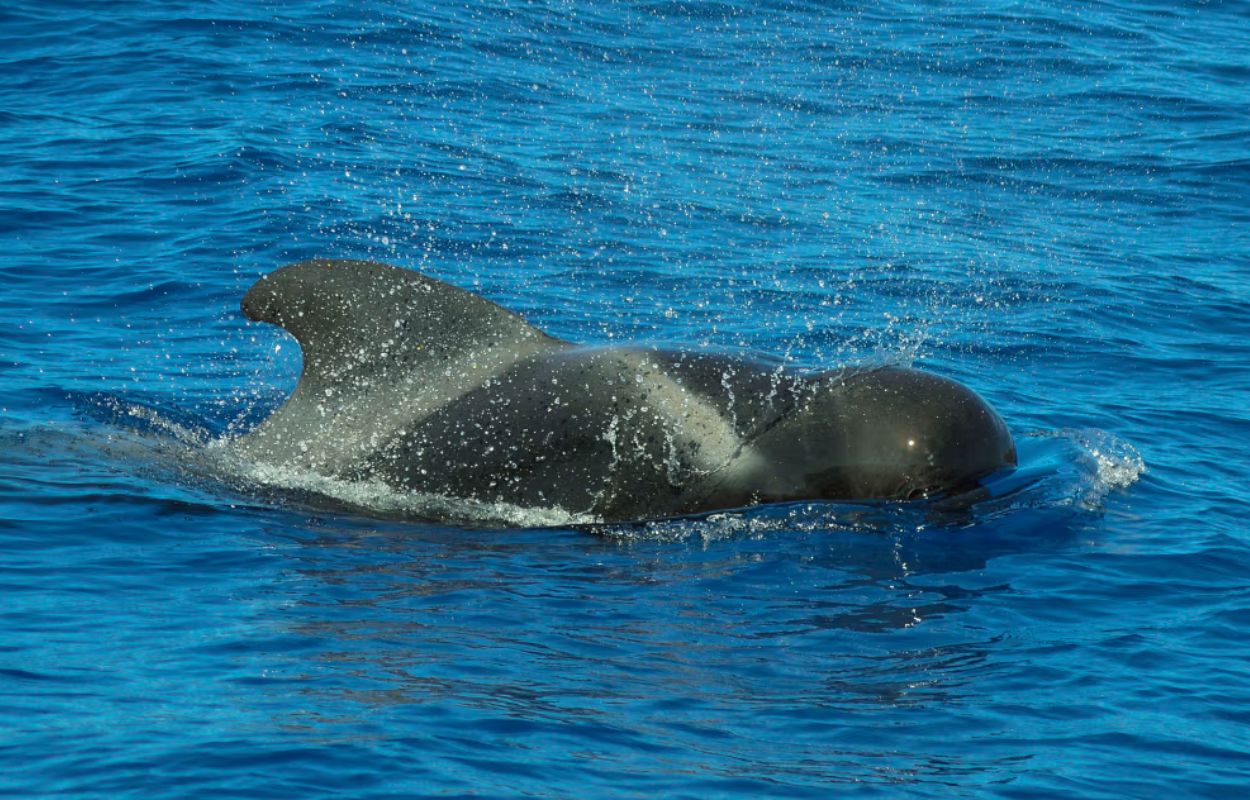
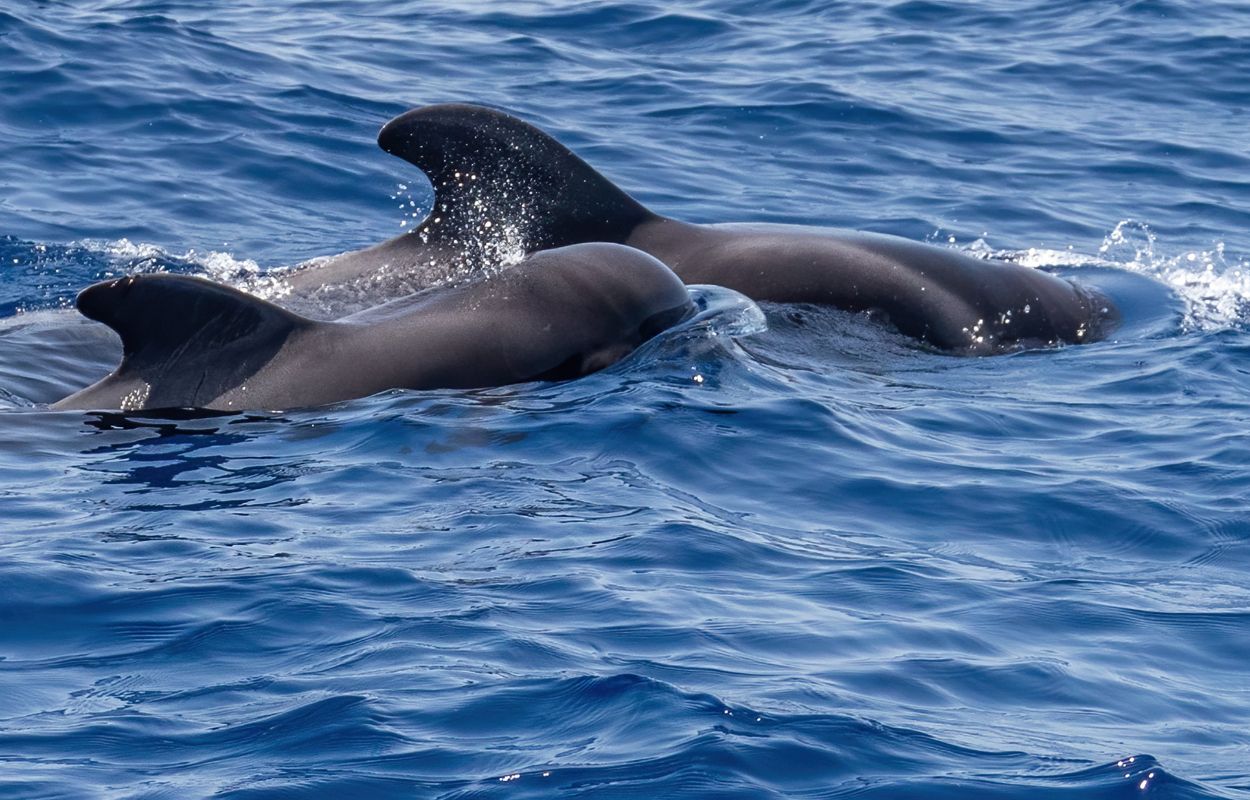
We later came across several pilot whales. They were calmer, easier to watch, and regularly surfaced to breathe. They live around Tenerife year-round and can be seen during most seasons. They are also far less imposing than humpback, blue, gray, or beaked whales, for example. Even so, they were beautiful to watch, moving in rhythm—two or three in a line, with a few others farther away. We observed them from a greater distance than the dolphins, although some of those dolphins had come within just a few centimeters of our sailboat.
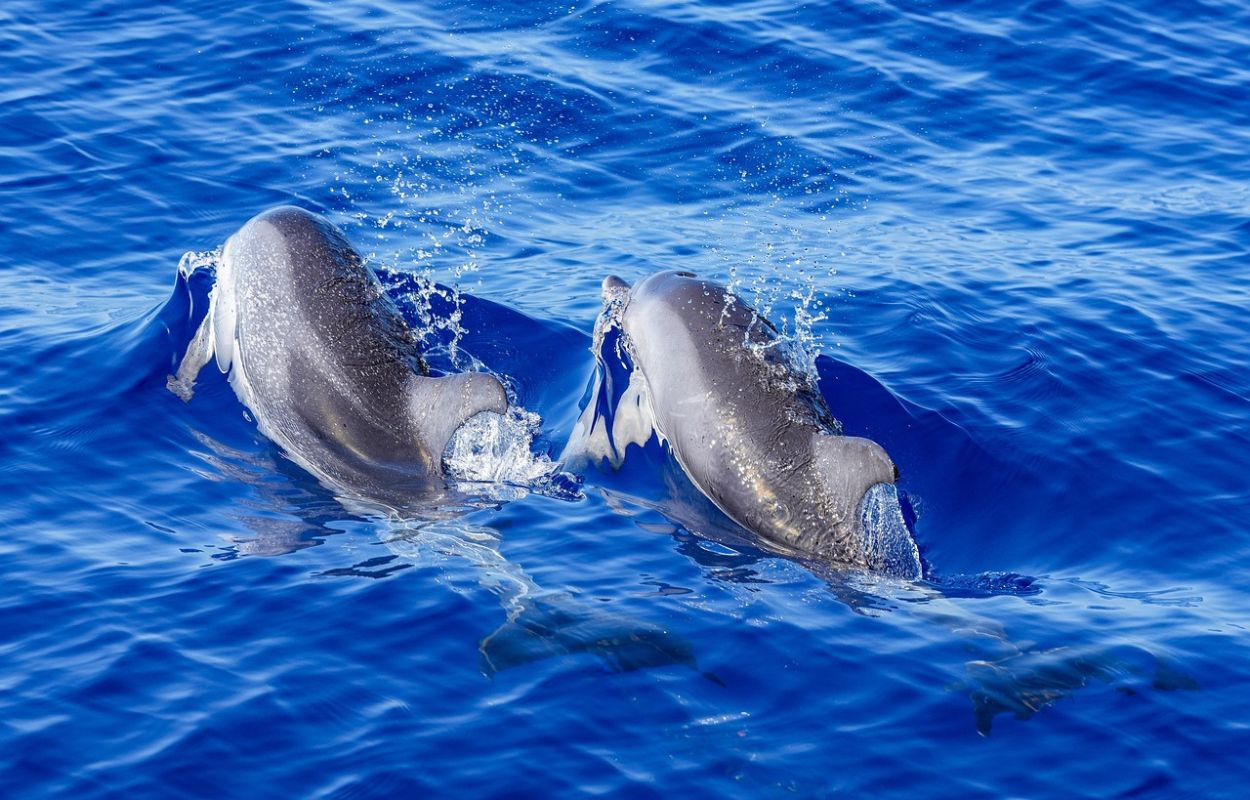
As soon as the first marine animals appeared—the spotted dolphins—we settled onto the large cushions at the bow. Because we were on a sailboat, it rocked quite a bit, so keep that in mind if you are prone to seasickness. There were eight of us on board, and half the group ended up feeling a little queasy, including my partner—haha! The captain told us the sea was calm that day, which made me wonder what it must be like when conditions are rougher. Our original trip had actually been canceled the day before because of the wind, so we were fortunate that everything went smoothly this time.
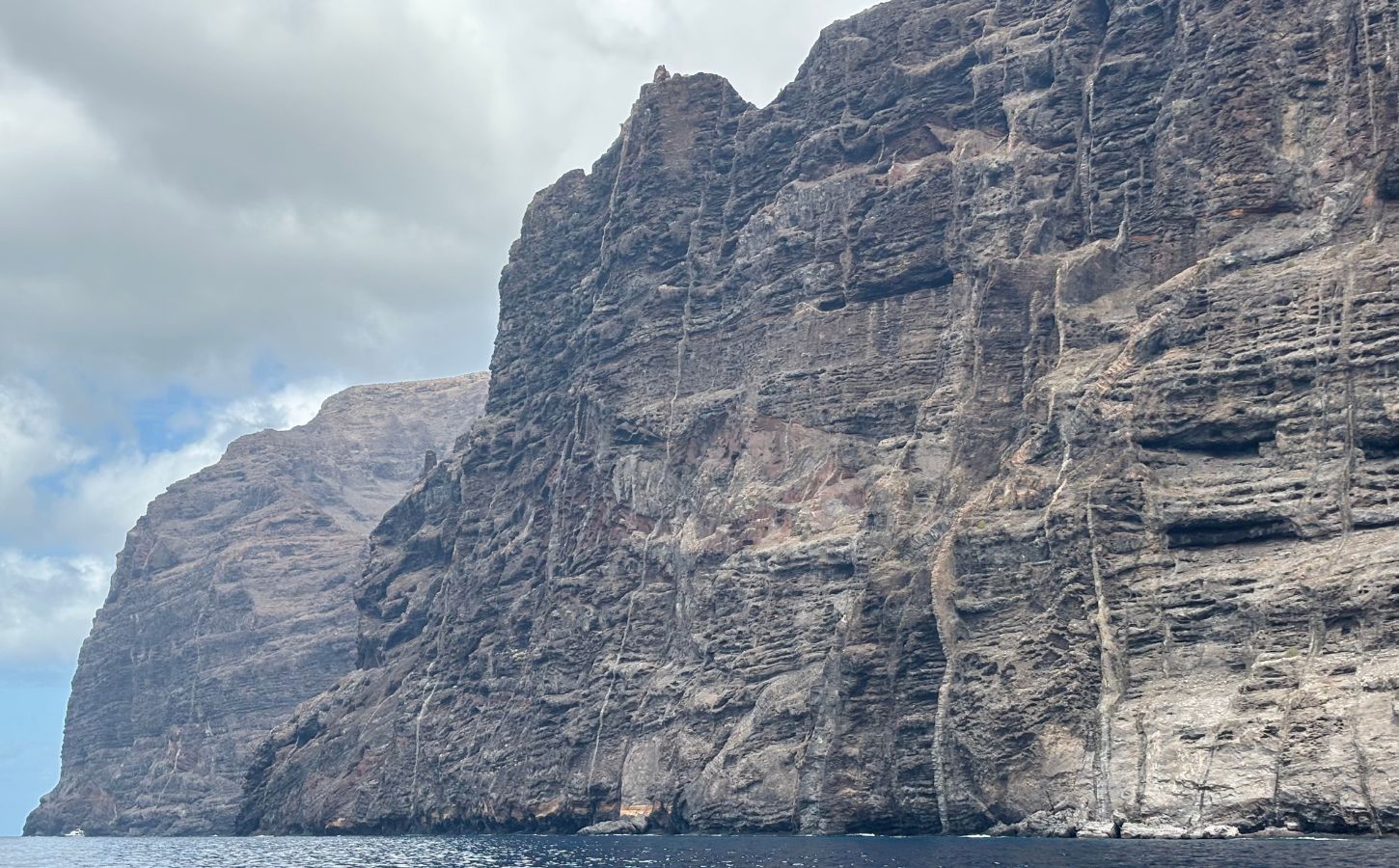
After the wildlife-watching portion, Jérôme showed us a small guidebook featuring the marine species found around Tenerife. I learned that sperm whales can sometimes be spotted here, although sightings are rare, and that they are longer than the sailboat itself. It was fascinating. We then stopped for a swim at the foot of the Los Gigantes cliffs, in a spot accessible only by sea. Swimming beside rock walls rising 300 to 600 meters is quite an experience. The water was beautiful, clear, and pleasant—a little cool for some, though I personally found it just right. The crew lent us masks and snorkels, and although we only saw a few small, colorful fish, the setting alone made the swim worthwhile.
Back on board, we were served typical Spanish tapas: tortilla, Serrano ham, and vegetables with hummus, along with unlimited cold drinks. That quiet moment after the swim, looking out over the sea, felt wonderful.
Our thoughts on this whale-watching boat trip in Tenerife
You can probably guess by now: I loved this whale-watching boat trip in Tenerife. I had gone in without any particular expectations, especially because the skipper reminded us as soon as we boarded that nature would decide what we saw. I felt very fortunate to encounter Atlantic spotted dolphins, since they are migratory. Seeing around fifty of them was already remarkable, and it was even more striking to imagine that roughly 200 were swimming beneath our sailboat.
What I appreciated most was the care shown toward the animals, with only two boats in the observation area at a time and a short viewing window. It may not sound like long, but I would much rather know that everything is being done with marine wildlife in mind. There were only ten people on the sailboat in total, which made the trip feel intimate rather than like a tourist trap. In Los Gigantes, I saw other operators offering similar excursions on boats carrying far more passengers. Perhaps they provide equally good sightings—I can’t say—but they appealed to me less. That is only my personal opinion, of course.
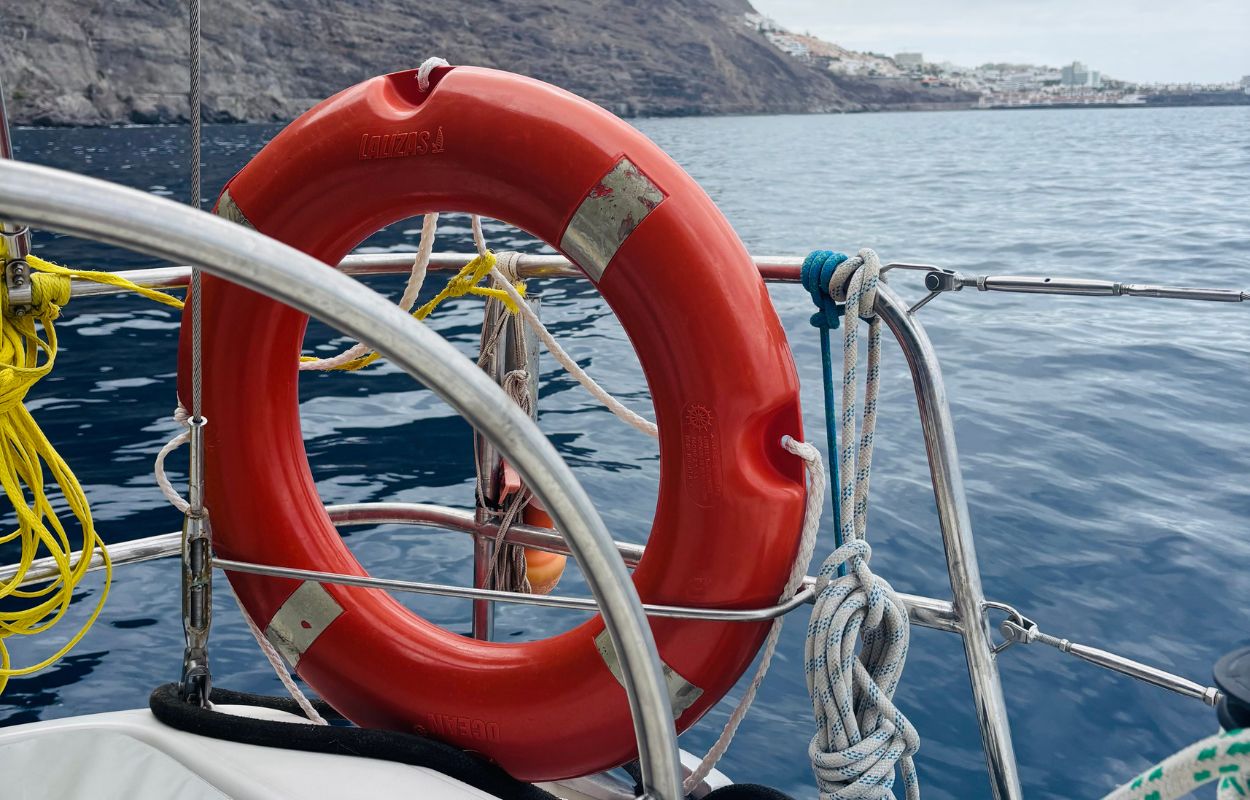
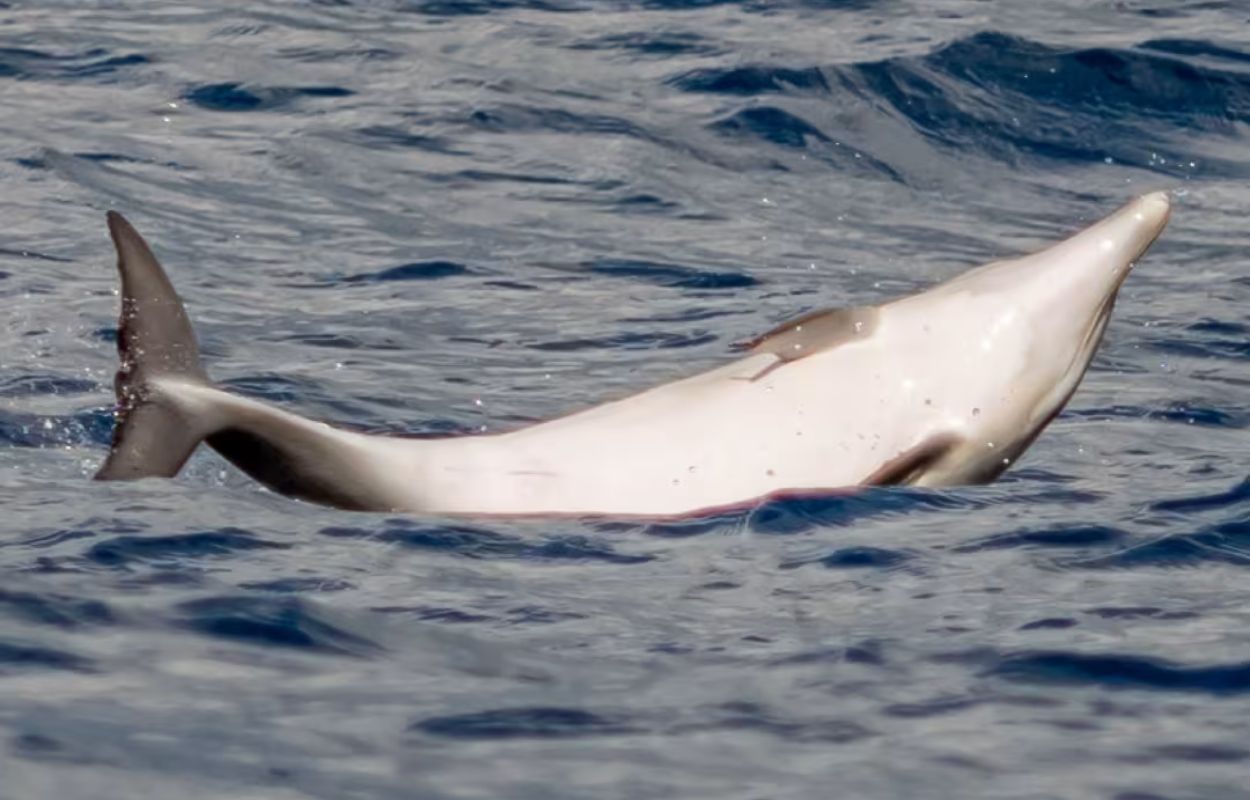
I took the excursion with Blue Dream Sailing. Their approach felt genuine, respectful, and well organized, while still keeping the atmosphere friendly and relaxed. The trips take place aboard the sailboat Sangria with the captain and Jérôme, the skipper. They offer several formats, and the most popular is the tour I joined, lasting about three and a half hours. Naturally, when you are enjoying yourself, you wish it could last longer, but I found the timing just right and the experience flowed smoothly. For more privacy, you can also book a private outing with friends or family. The captain and skipper accompany you while you look for marine life and stop for a swim. Depending on your preferences—and your budget—these trips can last between three and six hours.
You can also spend a full day at sea with Blue Dream Sailing. This gives you more time to explore the coastline and sail along the Los Gigantes cliffs. The full-day option includes a complete meal on board and a return around sunset, with La Gomera visible in the distance—though it really is not that far away, and you can see it clearly. What sets this operator apart, in my view, is its focus on observing marine life without disturbing it, in small groups of around ten people at most, with a passionate team speaking French, Spanish, and English, plus unlimited drinks and tapas. All that is left to do is relax and enjoy the ride.
Where can you see whales and dolphins in Tenerife?
Thanks to its mild climate and wildlife-rich waters, Tenerife is one of the best places to see whales and dolphins in their natural habitat. Most excursions leave from the southwest coast, near the Teno-Rasca protected marine area mentioned above. Below, I’ll walk you through the main ports and departure points, each with its own atmosphere and setting.
Costa Adeje
To start with, Costa Adeje is Tenerife’s best-known departure point for whale and dolphin watching. It is a polished, modern seaside resort on the island’s southwest coast and includes several harbors, including Puerto Colón, where numerous excursions leave each day. I think it is an ideal base if you want to combine beach time with a trip out to sea. The area has plenty of beaches and restaurants, several departures are available throughout the day, and you can reach the Teno-Rasca protected area relatively quickly.
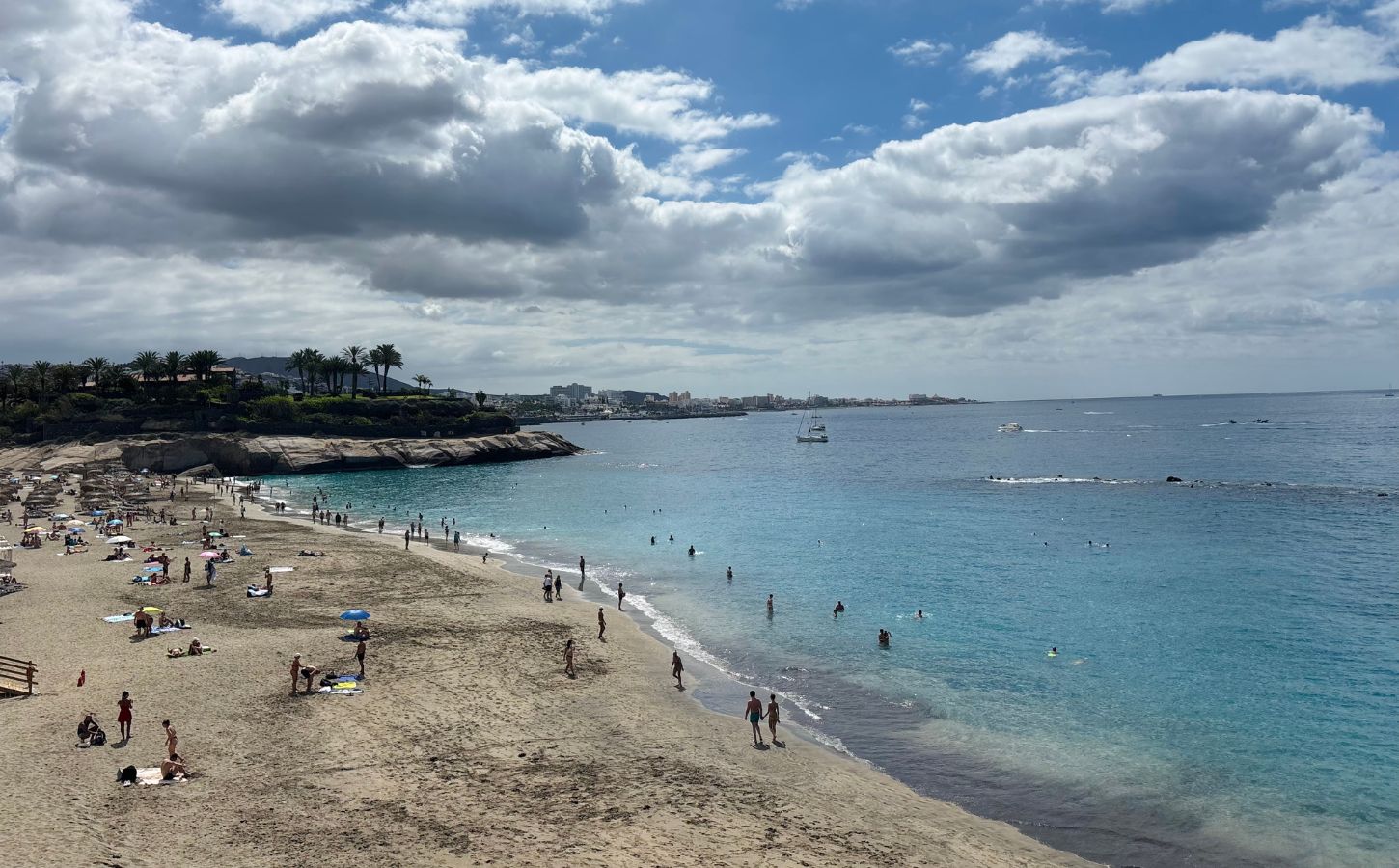
Naturally, the experience varies depending on the type of boat:
- Catamarans: a sociable, comfortable option, often with drinks included.
- Sailboats: a more intimate choice, usually limited to 8 to 12 passengers, for a quieter experience with a lighter feel. This is the type of trip I chose.
- Speedboats: best suited to travelers looking for a more energetic outing and a faster ride to the viewing areas.
Whichever option you choose, I recommend heading out early in the morning, when the water is generally calmer and conditions may be more comfortable for watching marine life.
Los Gigantes
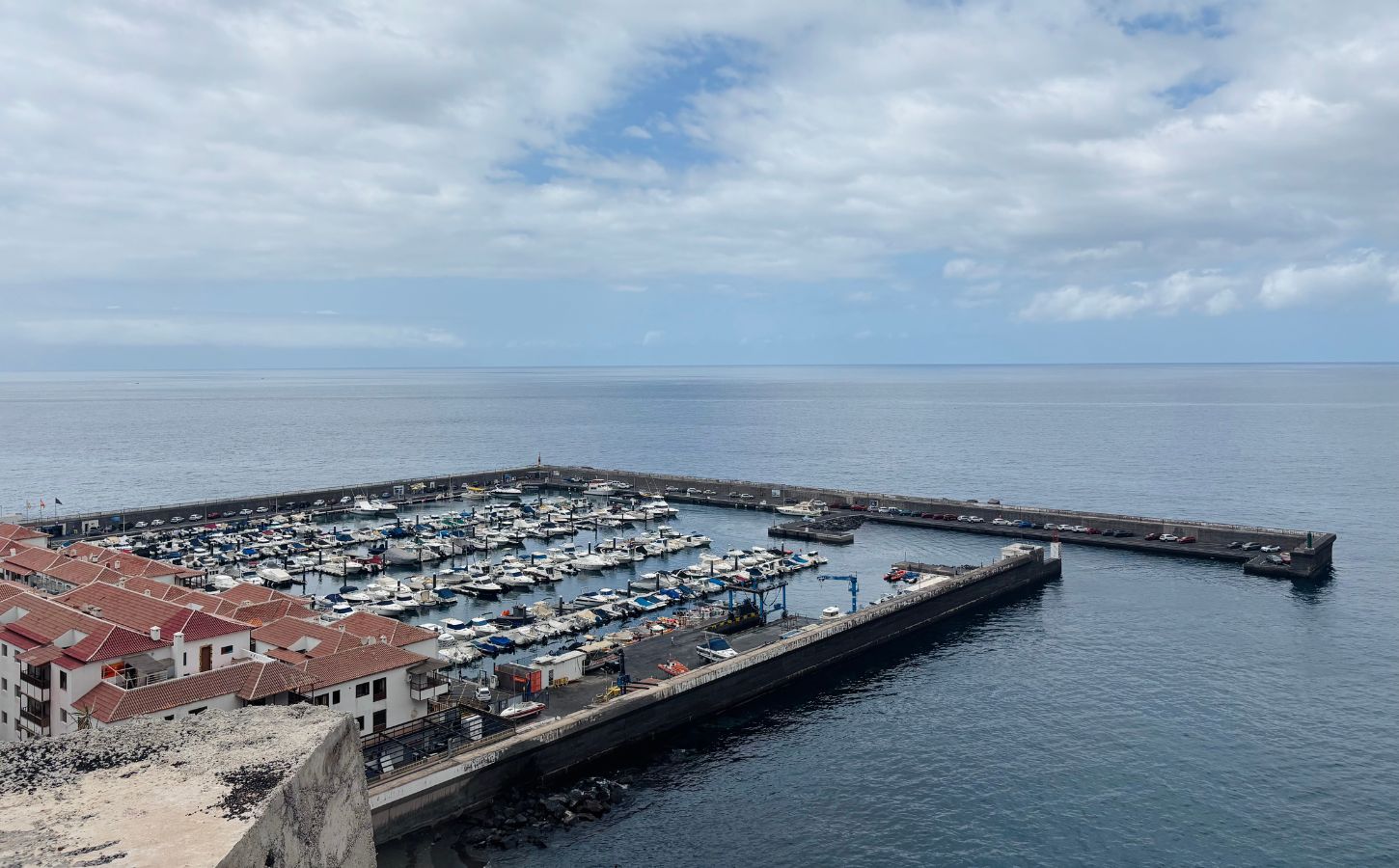
My own whale-watching trip left from Los Gigantes, and the setting is impressive from the very beginning. This is where you will find the famous cliffs, which rise between 300 and 600 meters. The small harbor is peaceful, and I really liked the atmosphere. It also feels more authentic than the marinas in the larger seaside resorts.
As soon as you leave the harbor, you are surrounded by deep-blue water, with the immense cliffs on one side and La Gomera visible in the distance. I would say it takes around 40 minutes to reach the Teno-Rasca protected marine area, a haven for pilot whales, dolphins, and even turtles. Unfortunately, I did not see any turtles—but you cannot have everything. The skipper and captain had warned us that turtles are much harder to spot. They only lift their heads above the surface briefly and can remain underwater for hours at a time.
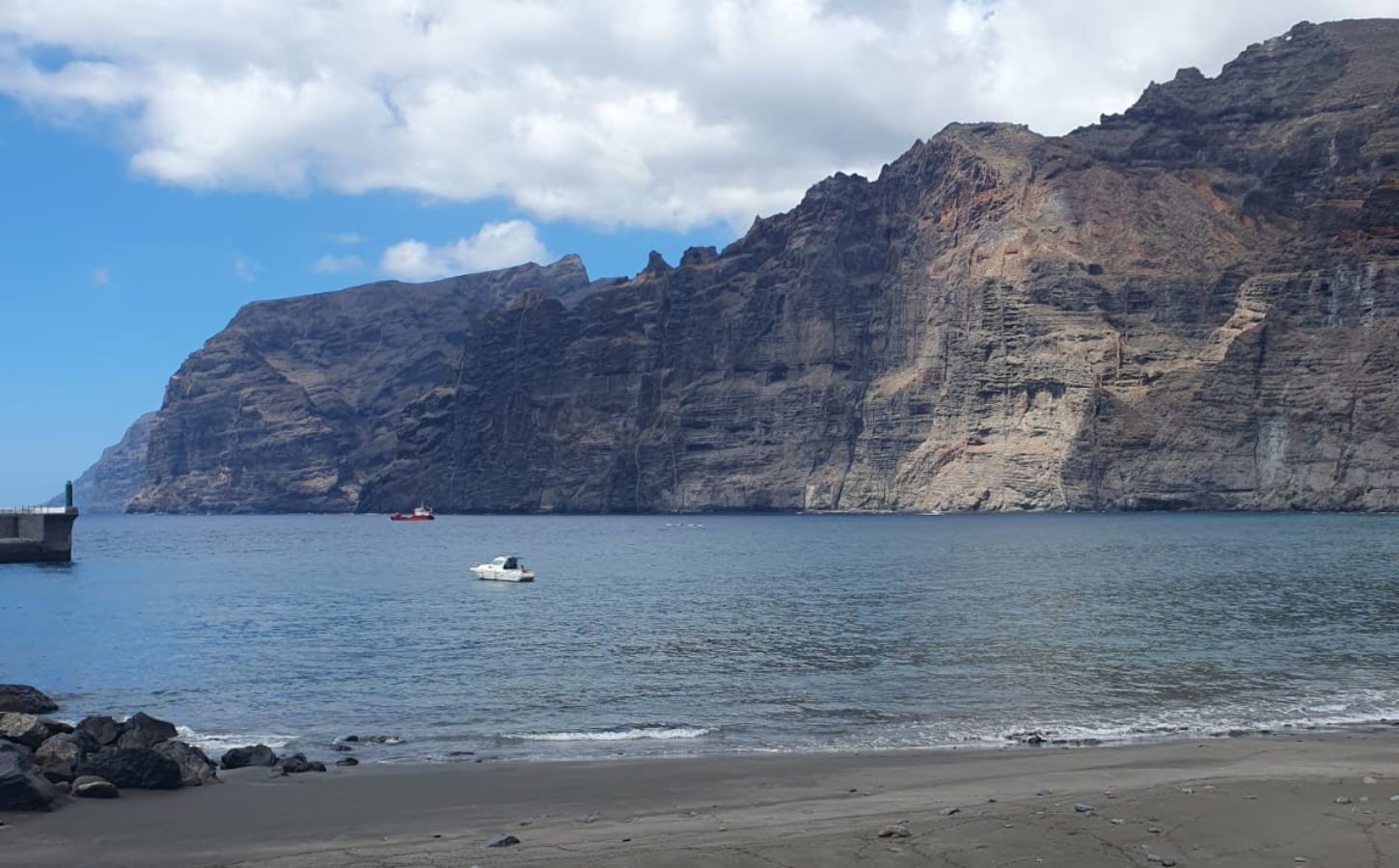
Many excursions also end with a swimming and snorkeling stop right beside the cliffs. It was an incredible experience; I had never seen them from so close. Once you are in the water, you feel tiny next to those towering walls—a wonderful way to end the sailboat trip.
Overall, I would say that leaving from Los Gigantes offers a more authentic experience in a setting unlike anywhere else. I wholeheartedly recommend it.
Los Cristianos
Located beside Playa de las Américas, Los Cristianos has one of the liveliest harbors in southern Tenerife. It is also an excellent departure point for a boat trip to see marine mammals. I would recommend it to anyone looking for a lively, welcoming atmosphere.
The harbor is larger, and there is a broad choice of excursions, from comfortable catamarans to smaller boats. Once again, most tours head toward the Teno-Rasca protected marine area, where pilot whales and dolphins can be seen year-round.
One advantage of Los Cristianos is that after your excursion, you can easily spend time on the beach beside the harbor, have lunch on a terrace, or wander through the shopping streets in the center. In my view, it is a practical option for families and travelers without a car. I also recommend choosing an operator displaying the “Blue Boat” flag, which confirms that the company is professionally authorized to conduct whale-watching activities and follows the applicable rules.
Whale-watching boat trips: practical tips
You know the routine: here is the practical section, bringing together everything you need to know before booking a whale-watching boat trip in Tenerife.
What is the best time of year for a whale-watching boat trip in Tenerife?
Here is some good news: you can see whales and dolphins in Tenerife all year round. The deep, warm waters off the southwest coast support resident populations of pilot whales and dolphins in every season. Still, conditions vary throughout the year, so this quick seasonal overview may help you fine-tune your travel dates.
- Spring–summer (April to September): the sea is generally calmer and skies are often clearer. Tenerife’s weather can still change quickly because of the island’s microclimates, but this period usually offers more comfortable conditions for travelers prone to seasickness.
- Fall–winter (October to March): there is often a little more swell and wind, but you may also encounter migratory species passing through Tenerife’s waters, including Atlantic spotted dolphins like the ones I saw. I mention that species because it was part of my own experience, though many others also pass through the area.
In other words, there is no truly bad season for seeing whales and dolphins in Tenerife. For the calmest, most comfortable sailing conditions, consider traveling between May and September. If you are curious about migratory species, fall and winter may bring some lovely surprises. I went in late September, right around the beginning of fall.
To help you choose your travel dates, we have also written a guide on when to go to Tenerife.
What is the best time of day for a whale-watching boat trip in Tenerife?
Although whales and dolphins can be seen year-round in Tenerife, the time of day is another important factor to consider.
Whenever possible, I recommend heading out in the morning. The water is often calmer, the wind has not yet picked up, and the light is softer. These conditions generally make for a more comfortable trip. By early afternoon, from around 1 p.m., the trade winds can strengthen along the southwest coast and make the ride noticeably rougher, so bear that in mind if you are prone to seasickness.
Some operators also offer private sunset trips. They can be wonderfully peaceful, and the light is beautiful, although wildlife sightings are never guaranteed at any time of day.
All things considered, morning is usually the most comfortable option. It gives you favorable conditions while still leaving the outcome where it belongs—with wildlife and nature.
How long does a boat trip of this type last?
The length of a whale-watching trip in Tenerife depends on what you are looking for and which option you choose. Most excursions last around three hours, which was roughly the length of mine. I found it long enough to enjoy the experience without taking up the entire day.
For a slower pace, some operators offer six- or even eight-hour trips. These longer outings can take you farther along the southwest coast and leave more time for swimming and relaxing.
One more tip: for your first boat trip, three hours is a sensible choice. I found it sufficient, and if seasickness strikes, at least the outing will not feel endless—haha! Sailboats travel more slowly, so they are worth considering when you have extra time, although you may feel the movement of the waves more than you would on a motorboat.
Keep in mind, however, that official whale-watching guidelines limit viewing time with a group of cetaceans to a maximum of 30 minutes, helping reduce disturbance to the animals. Choose the overall trip length according to your vacation plans and what you hope to get from the outing. Whatever you decide, the experience itself is what matters most.
How much does a whale-watching boat trip in Tenerife cost?
The price of a whale-watching excursion in Tenerife varies considerably depending on the type of boat—catamaran, sailboat, or yacht—the length of the trip, the number of passengers, the services included, such as drinks, meals, or snorkeling, and, of course, the operator.
As a general guide, prices may look something like this:
- For a standard trip lasting around two to three hours, prices often start at about €35 per person.
- For an option with more included, such as drinks, a light meal, snorkeling, or a smaller group, expect to pay roughly €45 to €80 per person. My trip was toward the upper end of that range, but I felt it was worth it.
- For a higher-end or private excursion, such as a luxury sailboat, a small-group full-day outing, or a complete private charter, prices can reach €90 per person or considerably more for exclusive use of the boat.
Before booking, take a close look at the type of boat, what is included, and the length of the excursion. That will help you decide how much you want to spend.
And that brings us to the end of our whale-watching boat trip in Tenerife. I hope you enjoyed following along with my experience. It remains one of my favorite memories from the island. Since every outing is different, I would gladly go again to discover what nature might have in store next time, while still holding on to the vivid scenes I witnessed that day.
For more activities on the water, take a look at our review of our snorkeling excursion in Tenerife and our guide to kayaking in Tenerife.
See you soon for more adventures at sea in Tenerife!

Written by Laura CALLES
Thanks to Mélanie and Sylvain, I had the chance to discover the Canary Islands, specifically Tenerife and Lanzarote, so that I could share these island paradises with you. Two real favorites of mine!
Despite our vigilance, an error may have crept into this article. If you spot one, please don't hesitate to let us know so that we can correct it immediately and keep our information up to date!