What to Do in Tenerife: Our Must-See Highlights
Last update: 06/21/2026
Our blog continues to grow thanks to you, our readers. This post may contain affiliate links, which means we can earn a small commission if you make a purchase through them, at no extra cost to you. This helps us to continue to bring you more and support our work!
This may be the most important article in our Tenerife series, because we’re sharing the best things to see and do in Tenerife. As you may know, I’ve been lucky enough to visit twice! Both trips left me with exactly the same feeling: the island worked its magic every time. Tenerife is far more varied than it might seem at first. No two parts of the island feel quite the same, whether you’re exploring the north, the south, the Anaga massif, or the Masca region. Take the time to really get to know it, from its volcanoes and beaches to its tropical forests and colorful villages.
It’s the kind of island where you can pack your days with activities or simply hit the road and never get bored. In some areas, a 10-minute drive is all it takes for the scenery to change completely. I think that’s what made me fall for the island: there was always something new to discover. It can also be wonderfully unpredictable, with microclimates that can shift the temperature by 5 degrees after just a few bends in the road. Whether you prefer cities, mountains, or beaches, you’ll find all three here. That makes it easy to please everyone when you’re traveling with others—or simply to feel transported somewhere completely different.
I could keep singing Tenerife’s praises, but let’s get to the heart of the matter. If you still had a few doubts about the destination, I hope these opening lines have already started to win you over. Believe me, you won’t regret it!
What to Do and See in Tenerife: 10 Must-See Highlights
Now that you have a better sense of Tenerife’s landscapes and atmosphere, let’s get down to the essentials. Here are the places and activities I consider unmissable. They should help you decide what to do and where to begin. Let’s dive in!
1. Visit Teide National Park
This may sound a little dramatic, but you really can’t visit Tenerife without visiting Teide National Park. It’s quite simply the heart of the island, separating the north from the south. Its summit rises 3,715 meters above sea level, making it the highest peak in Spain—which is no small feat. Every time I’ve visited, I’ve felt as though I’d landed on another planet. Surrounded by lava fields and sculpted rock formations in shades of ocher, red, and gold, it’s hard not to be impressed. The views change dramatically from one part of the park to another.


To explore it, you have several options:
- You can take the cable car to La Rambleta, around 200 meters below the summit, and enjoy sweeping views above the clouds with the ocean in the distance. Reaching the summit itself requires a separate permit.
- Tour the park’s viewpoints and tackle one or two hikes to fully immerse yourself in the volcanic scenery. That’s what I chose to do, and it gave me the chance to explore the park from every angle. It was an unforgettable experience!
- Or simply follow the scenic roads, which offer beautiful views at every turn. This is an easier option if you’re traveling with children or would rather not walk too much, especially since the sun can be intense at altitude.
One last tip: set out as early as possible so you can make the most of the park before the crowds arrive.
2. See the Los Gigantes Cliffs and Go Whale Watching
Let’s move on to another place that really impressed me during my trips to Tenerife. You may already have heard of them: the Los Gigantes cliffs. Their name suits them perfectly: they’re immense, sheer, and seem to plunge straight into the ocean. Even seeing them from town was enough to leave me speechless.
Seeing them from the water, right at their base, is another experience altogether. The area is also a popular departure point for boat excursions to watch cetaceans. In my case, that’s exactly where I set off from and I was lucky enough to see at least thirty spotted dolphins and around ten pilot whales, during a responsible wildlife-watching trip. I would do that outing again without hesitation. We saw them in their natural habitat while respecting the protected Teno-Rasca area. To top it all off, we finished with a swimming and snorkeling stop at the foot of the cliffs. It’s not every day you get the chance to swim at the base of cliffs over 600 meters high. If you prefer a more active experience, you can also go kayaking along the cliffs. You’ll feel just as small beside them while getting remarkably close to the rock formations.
3. Explore Tenerife’s Most Beautiful Beaches
Tenerife is a great place for a swim at almost any time of year. Sea temperatures average around 20°C annually and can reach about 24°C in September and October. That’s a real advantage. What I also loved was the variety of beaches: there are ones with golden sand, black sand, wild beaches, and developed beaches. You’ll be spoiled for choice.


Personally, I really liked the black-sand beaches in the south, which created a beautiful contrast with the turquoise water. They made a refreshing change from the beaches I’m used to. The south also tends to enjoy sunshine throughout most of the year. At the opposite end of the island lies its best-known beach: Playa de Las Teresitas, just above Santa Cruz. I quickly understood why it’s so popular. It’s large, with lovely golden sand (brought in from the Sahara Desert) and mountains in the background. It’s also a great place to swim—or simply settle in for the entire day. If you’re a fan of water sports, I’d recommend El Médano instead: it’s quite windy, and I saw surfers and kitesurfers out in the distance.
And for even more inspiration, I invite you to discover our selection of the best beaches in Tenerife.
4. Spend a Day at Loro Parque
Loro Parque is widely regarded as one of the world’s leading animal parks. That reputation intrigued me, so I added it to the itinerary for my second trip to Tenerife. I didn’t regret it. I had a wonderful day at Loro Parque, and the park places a strong emphasis on animal care and conservation programs.
Of course, I’d already been to zoos before, but this was very different. I saw animals up close: penguins, gorillas, lions, flamingos, and more! I also came away having learned a great deal about the animals I’d seen. The experience is engaging and set in the lush, tropical surroundings typical of northern Tenerife, in Puerto de la Cruz. It felt as though I were walking through a forest for much of the day. A quick tip: the park gets busy, especially in summer, so I recommend arriving when it opens. That’s what I did and I was able to enjoy it without the waves of visitors. I have such great memories of this park that I even told myself that if I ever have kids one day, I’ll take them there!
5. Stop at Arco de Tajao
I hadn’t mentioned this place in our other Tenerife articles, yet it’s one of my favorite stops on the island. It still feels somewhat under the radar, and there often aren’t many people around. To help you place it, it lies in the southeast of the island, close to the coastal village of San Miguel de Tajao. There’s a small dirt-and-gravel parking area, and when you arrive, you may wonder whether you’re in the right place. In fact, you’re standing just above it; farther down, this striking natural arch comes into view. It’s made of volcanic rock.

The arch blends so naturally into the landscape that it almost looks deliberately sculpted, even though it is entirely the work of nature. We were lucky enough to meet a local who showed us the way down to the arch. The path is a little slippery, but manageable. Once at the bottom, he took photos for us and gave us tips on places to visit nearby. That was such a nice bonus. I loved the raw feel of the place; it reminded me of an American canyon. We certainly weren’t expecting to find such a desert-like setting just off the road, which made the stop even more memorable. It’s a quick, unusual stop that I genuinely recommend.
6. Discover Santa Cruz de Tenerife, the Island’s Capital
Although it wasn’t initially my top priority, I really enjoyed visiting Tenerife’s capital. I found the city pleasant and lively, with a mix of different vibes. Even though it’s the biggest city on the island, you still feel the local atmosphere among the modern buildings, colorful streets, outdoor cafés, and local shops. If you enjoy exploring on foot, head to the historic center and take in Garcia Sanabria Park, Plaza de España, Plaza de la Candelaria, Iglesia de la Concepción, and Calle del Castillo for a bit of shopping.
One of my favorite places was the Mercado Nuestra Señora de África. It’s a lively market housed in a distinctive building filled with local stalls and shops. Despite the tourists, it still feels traditional, and plenty of locals shop here as well. You’ll find everything: tropical fruits, Canarian cheeses, pastries, fresh fish, local crafts… The atmosphere makes it an ideal place to sample local products or grab a quick bite. If you have some extra time, you can also swing by the Auditorio de Tenerife Adán Martín or the Palmetum if that interests you, but I’d suggest focusing on the center and the market first.
And for even more ideas, feel free to check out our guide dedicated to Santa Cruz de Tenerife.
7. Swim in the Island’s Natural Pools
We’ve already talked about beaches, but Tenerife is full of natural pools. They are one of the island’s most distinctive features. Because Tenerife is volcanic, lava formations have created natural basins that fill with seawater. The setting feels completely different from a regular beach. The most famous natural pools are in Garachico, a small town in the north. Stone walkways connect the different pools, making the area easy to explore. The layout is practical without taking away from the rugged character of the El Caletón pools. Since it’s a well-known spot, you’ll mostly see tourists, but if you go all the way to the last pool, there will be fewer people and it’s more peaceful.
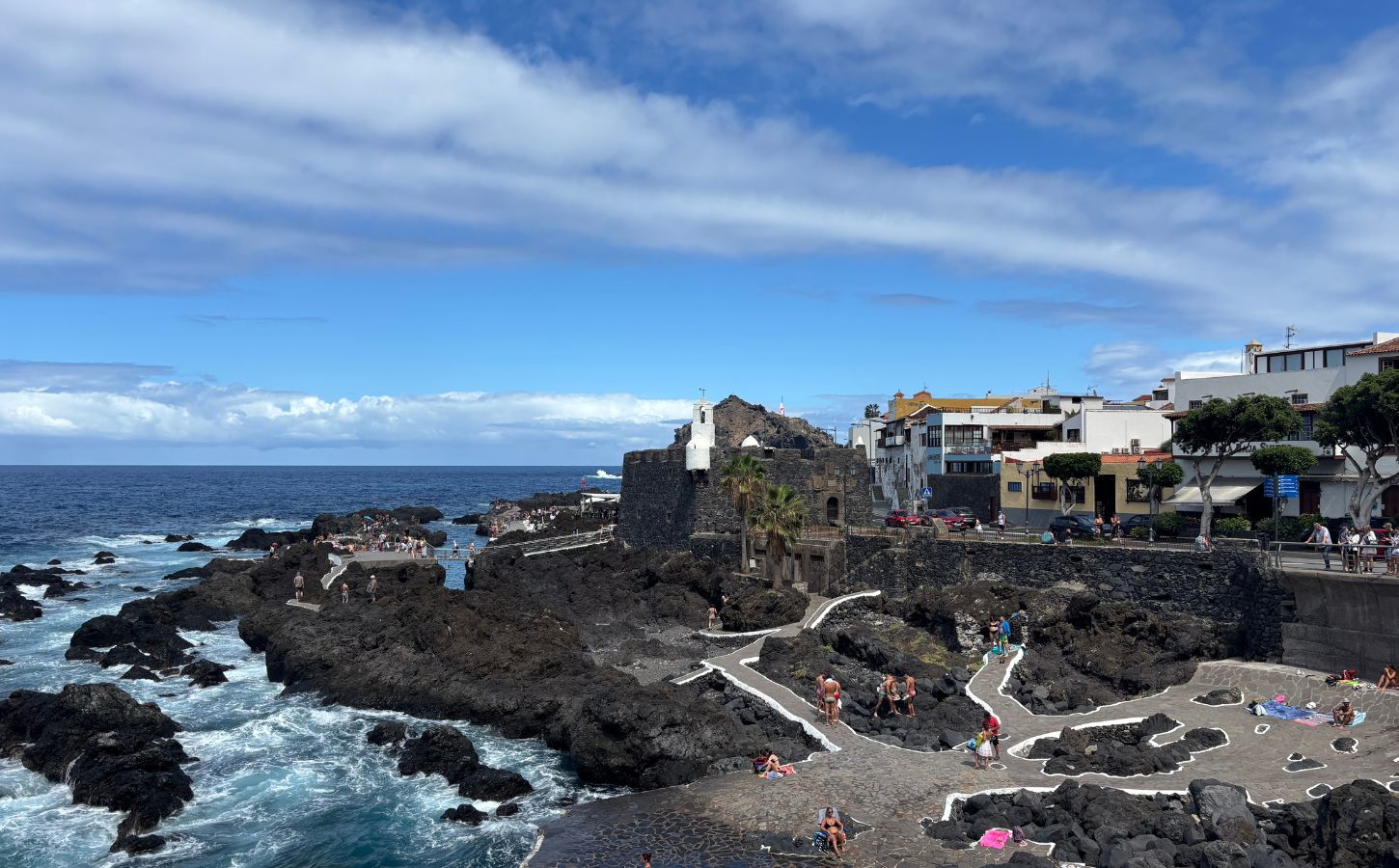
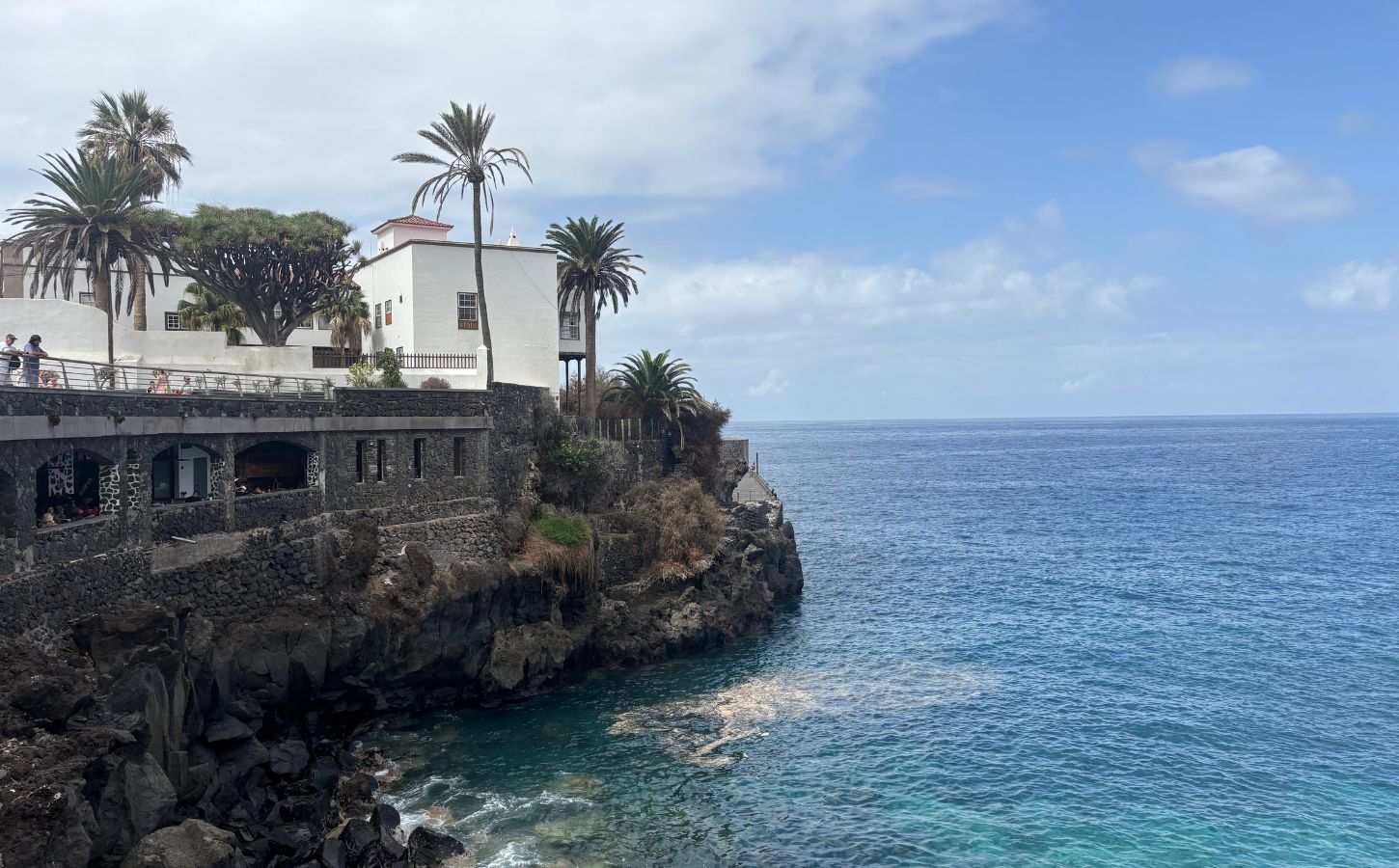
Personally, I preferred the natural pools of Alcalá, on the west coast. A local recommended them to us, and they turned out to be a lovely surprise—local advice is often the best advice! Sure, they’re smaller, but since there are fewer people, I enjoyed my swim there even more. The turquoise water felt wonderful, framed by black volcanic rocks. There’s just a small stone staircase to get into the water. Of course, the ground is rocky and slippery, so if you can, just bring a pair of water shoes. You’ll also come across the famous black crabs with slightly red/orange tones. They blend remarkably well into their surroundings. But that’s part of the natural charm of the pools. There are also other natural pools on the island, especially in Bajamar and La Punta del Hidalgo, but Garachico and Alcalá are really the ones I’d recommend as a priority. In short, if you enjoy unusual swimming spots in natural surroundings, don’t miss them.
8. Explore Teno and Anaga Rural Parks
For nature lovers, Teno and Anaga Rural Parks are fantastic places for hiking in Tenerife. Both protected areas offer rugged landscapes and beautiful scenic routes. The Anaga Rural Park, in the northeast of the island, is truly unique. It feels like a world of its own. Within minutes, you can find yourself surrounded by misty forests, lush green mountains, and tiny villages.
Teno Rural Park, in the west, is much drier and more volcanic, though still dotted with greenery. This is where you’ll find the famous village of Masca, considered one of the most beautiful on the island. I’ll tell you more about this village in just a bit! Either way, both parks offer beautiful hikes for a range of ability levels.
If you want to get off the beaten track, far from the tourist hustle and bustle, these two parks are great options for discovering a different side of Tenerife: more authentic and wilder.
9. Explore the Masca Region
As promised, I wanted to dedicate a section to the Masca region, which is a real feast for the eyes. I’ll be honest: driving through this area does take a little nerve. The roads are narrow and winding, with steep drops beside them, and then a tiny village suddenly appears in the distance. It’s nestled between several ravines on a mountainside. It’s really impressive!

In general, the whole region around Masca is stunning, especially the road to the Mirador de Cherfe. Every bend reveals a different view, though you’ll need to keep your attention firmly on the road. By the way, I recommend going as early as possible, otherwise you might run into traffic jams. That can spoil the experience a bit. So it’s worth getting up early to really enjoy it! If you’re into sporty challenges, the Barranco de Masca hike is one of the most beautiful on the island. It descends from the village to the sea, and the scenery is remarkable. As you can see, this very unique region shows yet another face of Tenerife.
10. Stroll Through San Cristóbal de La Laguna
To finish this list on a high note, head to San Cristóbal de La Laguna, often simply called La Laguna. If there’s ONE city to visit, this is it! I completely fell for this part of Tenerife. It is also a UNESCO World Heritage Site. I took the time to wander around the historic center to soak in the local, colorful atmosphere. The city center is full of charm, with lively streets and colonial façades painted in shades of green, red, and blue.
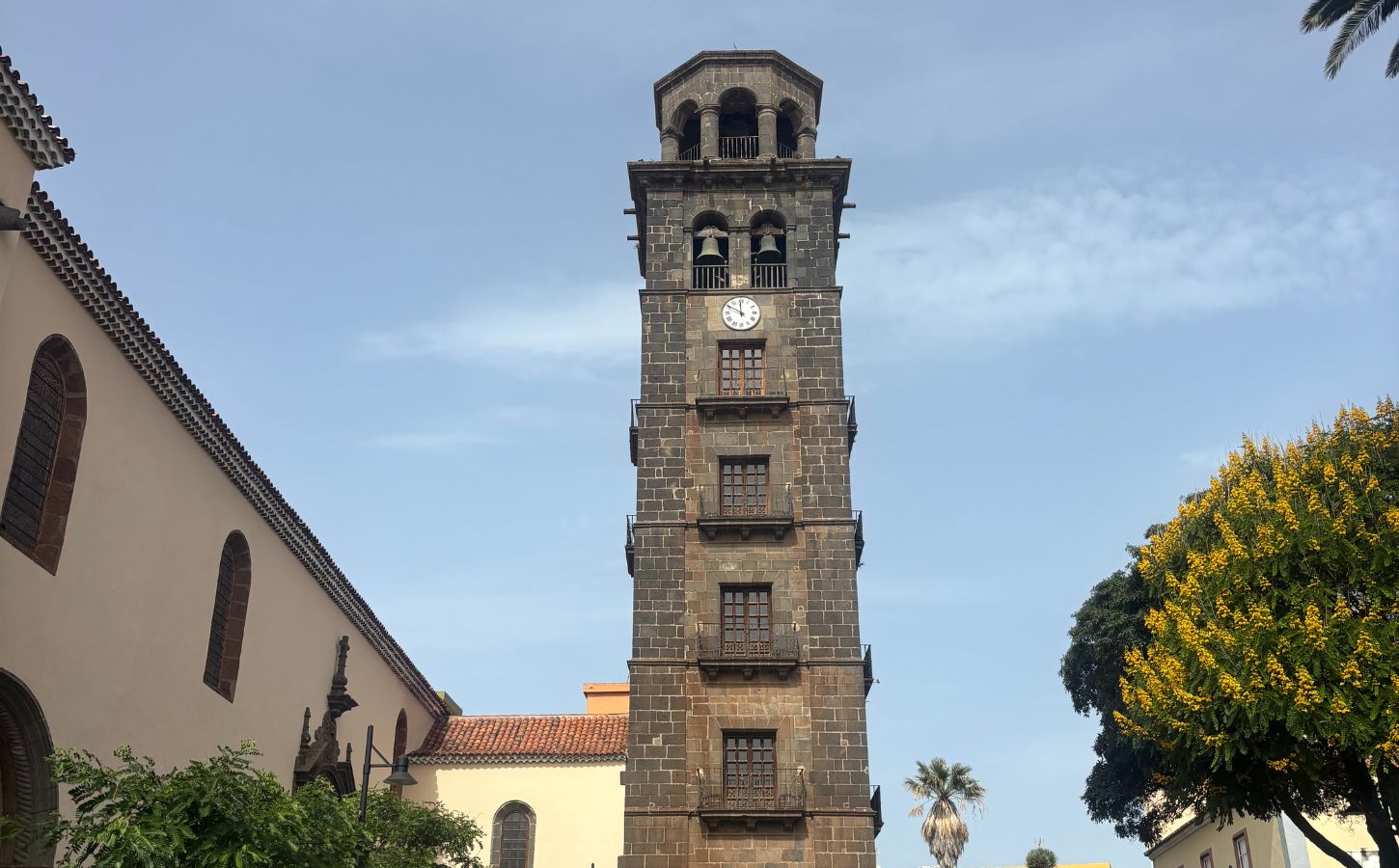
Stop for a drink at an outdoor café and browse a few local shops. At every corner, I was torn between taking yet another photo and simply enjoying the scene with my own eyes. A few of my favorite must-see spots are Calle Obispo Rey Redondo, La Laguna Cathedral, Plaza del Adelantado, and Casa de los Capitanes. You now have the essentials, but I’ll say it again: take your time in La Laguna. Then again, once you arrive, I suspect you’ll slow down naturally without even thinking about it.
More Things to Do in Tenerife
Now that we’ve covered Tenerife’s must-sees, I couldn’t stop there. With a little more time, there are plenty of other activities to add to your trip. Below, you’ll find a mix of thrills, relaxation, unusual places, and memorable experiences.
Go to Siam Park
This is one of the best-known water parks in the Canary Islands, and it has earned an international reputation. Personally, I didn’t have time to go, but if I go back, it’s definitely on my list. Even the entrance is impressive and fully embraces the Thai-inspired theme. Temples, waterfalls, and tropical rivers carry that theme throughout the park, creating another kind of escape within Tenerife. As for the attractions, there’s something for everyone: tall slides to get your adrenaline pumping, a lazy river, a big wave pool, and more relaxing areas. As always, especially in high season, try to get there as soon as it opens!
Take a trip to Puerto de la Cruz
This charming northern town deserves a special mention, especially since I got to know it well while staying nearby. It offers a little of everything, with a modern side and an older district that has kept its traditional character. It has everything: a port, small streets, shops, little flower-lined squares, and even a seafront where you can see the power of the waves. Then there are the restaurants and bars serving Canarian flavors—I ate very well here. To me, it strikes the perfect balance: one of the liveliest towns in the north, yet still distinctly local. Plus, it’s a great base for exploring the north of the island, with La Orotava, Garachico, and Icod de los Vinos.
Stop in Icod de los Vinos
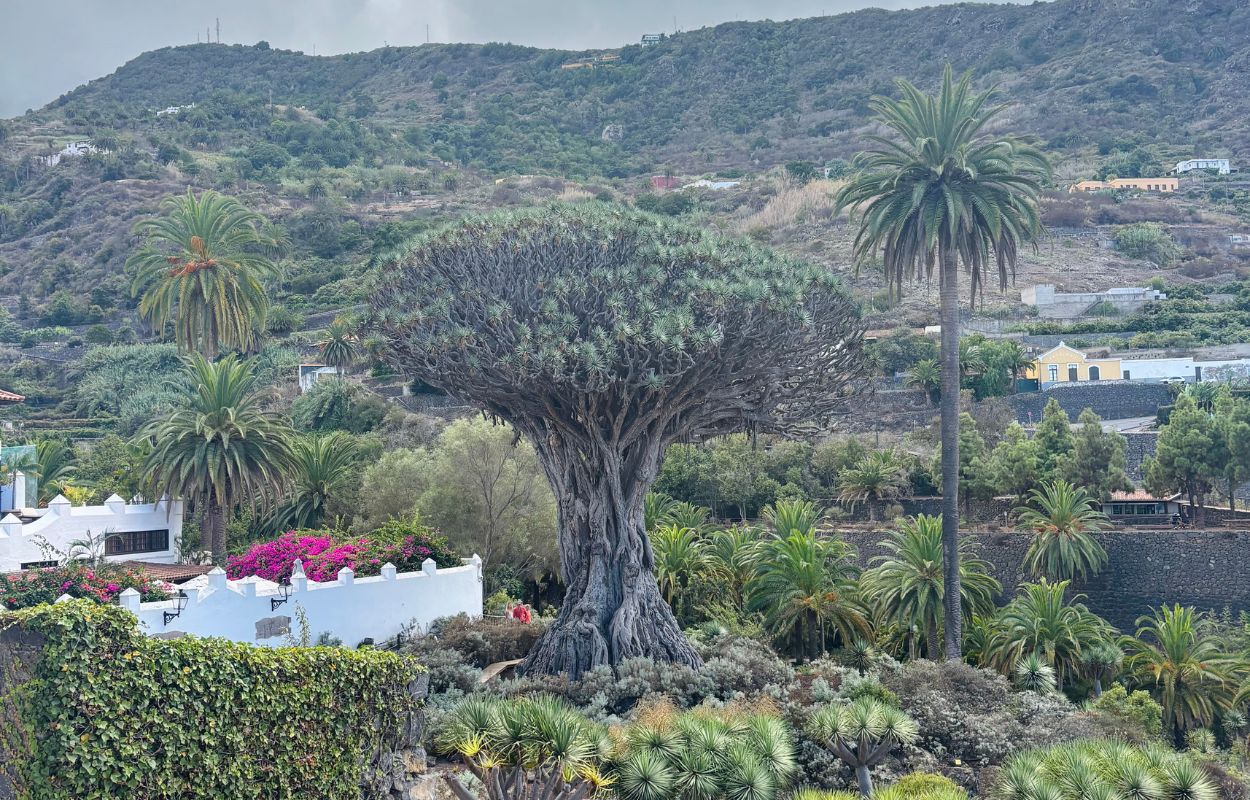
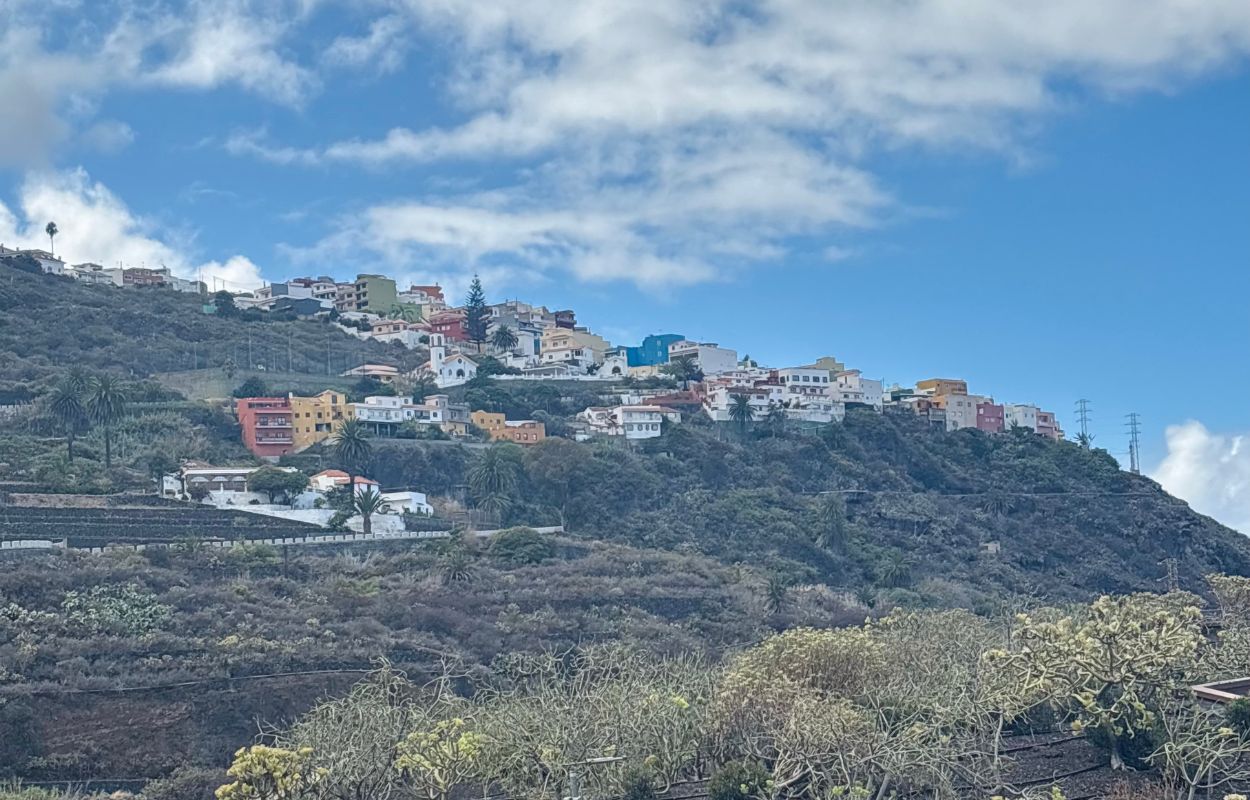
Speaking of Icod de los Vinos, I think it’s one of the prettiest towns in northern Tenerife. It’s well worth a visit! It’s set between the sea and the mountains and is especially known for its famous thousand-year-old dragon tree (Drago Milenario). It is one of the island’s emblematic trees, although it is probably closer to 800 years old than 1,000—I can’t say for certain. Whatever its exact age, it has clearly stood here for centuries. If you’re interested, it has its own park: Parque del Drago, with a €5 entrance fee. The price is modest, and you can admire the tree up close. But here’s a little tip: to see it without necessarily paying, you’ll get a great view from Plaza Andrés de Lorenzo Cáceres. Beyond the dragon tree, Icod de los Vinos is worth visiting for its atmosphere: cobbled streets, small flower-filled squares, traditional houses, and cafés with terraces. And don’t forget that you can also taste local wine or visit the banana house if you’re a foodie.
Go diving and snorkeling
The waters around Tenerife are full of marine life. You can see all sorts of things: parrotfish, blue damselfish, tropical species, and Atlantic ones too. There are also turtles, moray eels, and even rays. I went on a guided snorkeling trip in Tenerife. I could simply follow the guide and watch schools of fish around the rocks off the south coast. I also went diving in Lanzarote, an experience I loved and that seemed to fly by. All of this is to say that the waters around the Canary Islands are remarkably diverse. To help you out, here are a few not-to-miss spots for diving or snorkeling in Tenerife: El Puertito (especially for spotting turtles), Abades, Los Cristianos, and La Caleta.
Fly over Tenerife in a paraglider
For thrill-seekers, seeing Tenerife from the air must be quite an experience. With its volcanic terrain, cliffs, and wide-open views, there is plenty to take in. For a first flight, tandem options let you fly with an instructor. As for me, I have to admit that I’m afraid of heights, so it’s not really the activity for me, but even watching the takeoffs made it clear how impressive the views must be. So I can only imagine what it must be like in a paraglider. You’ll have a much clearer, sweeping view—with extra thrills. All I can say is: if it appeals to you, go for it!
Go canyoning
For a more physical outdoor adventure, why not go canyoning in Tenerife? The island has numerous ravines with routes suited to different levels, including beginners. To give you an idea, outings can involve descending a ravine with rock walls, landscapes shaped by lava, small jumps, and slides. Many canyoning outings take place around Adeje in the south. It’s a great way to see a different side of the island. Just be prepared for your arms and legs to be a bit sore ahah.
Try surfing
Finally, surfing is another great activity to try in Tenerife. Since the climate is mild and quite stable all year round, the island is ideal for surfing. Many surfers travel to Tenerife specifically for the winter conditions. El Médano is the island’s best-known spot. It’s true that it’s a very windy area; out in the sea, you can only see surfers and kitesurfers in the distance. All the conditions are right for great sessions. There’s also Playa de las Américas and La Caleta in the south. Whether you’re a beginner or an experienced surfer, it should be easy to find a spot that suits you.
Traveling to Tenerife: Practical Information
Now for the practical side of planning a trip to Tenerife. Below, you’ll find answers to the questions travelers ask most often.
How to get to Tenerife?
Getting to Tenerife is generally straightforward. It’s the best-connected island in the Canaries. Direct flights—and routes with a short connection—are available from many European cities, particularly in Spain, France, Belgium, Germany, and Switzerland. Most international visitors arrive at Tenerife South Airport. Tenerife North also serves international routes, but it is used primarily for inter-island and mainland Spanish connections.
If you’re coming from another Canary Island, there’s the ferry, especially if you’re on a neighboring island. Tenerife has ferry connections with the other islands, although journey times vary considerably depending on where you depart. In general, the ferry is a good option if you’re coming from La Gomera or Gran Canaria to Tenerife.

When to go to Tenerife?
There is no single right answer; the best time to visit depends on what you want from the trip. Tenerife is pleasant throughout the year, largely thanks to its mild climate. You can expect plenty of sunshine and moderate temperatures in every season, though conditions vary across the island. That’s actually why Tenerife is known as “the island of eternal spring”.
In winter, it’s a great destination to escape the cold in Europe—a little sunny break. Spring and fall—the seasons I chose—are especially pleasant for hiking and sightseeing without dealing with intense heat, which is a real advantage if, like me, you’re not fond of high temperatures. In summer, it’s much hotter, but thanks to the sea breeze and the winds, it’s still manageable and perfect for making the most of the beaches. Summer can be very busy, however, and accommodation prices may rise sharply. You can remember that each season has its own charm. If you want more info to be sure about your dates, we invite you to check out our full guide: when to go to Tenerife.

How to get around the island?
Another advantage of Tenerife is that it is relatively easy to explore. You have several ways to get around during your stay. Most travelers rent a car. That’s what I did too, using the Discover Cars comparison site. The daily and weekly rates were very reasonable during my trip, and having a car gave me complete freedom. It allowed me to reach even the island’s more remote corners. The roads are generally paved and well maintained, although some require more concentration than others.
If you don’t feel like driving, the island has a pretty good bus network, especially in the north and in the major seaside resorts in the south. There is even a tram connecting Santa Cruz de Tenerife and La Laguna (two of the must-sees in our top list). If you need it for more occasional trips, there are also taxis and ride-hailing services, especially in the tourist areas in the south of the island. To discover Anaga, Masca, Los Gigantes, and Teide, there are guided excursions so you can go without worrying about driving. For more info on the topic, feel free to take a look at our guide on getting around Tenerife.
Where to eat in Tenerife?
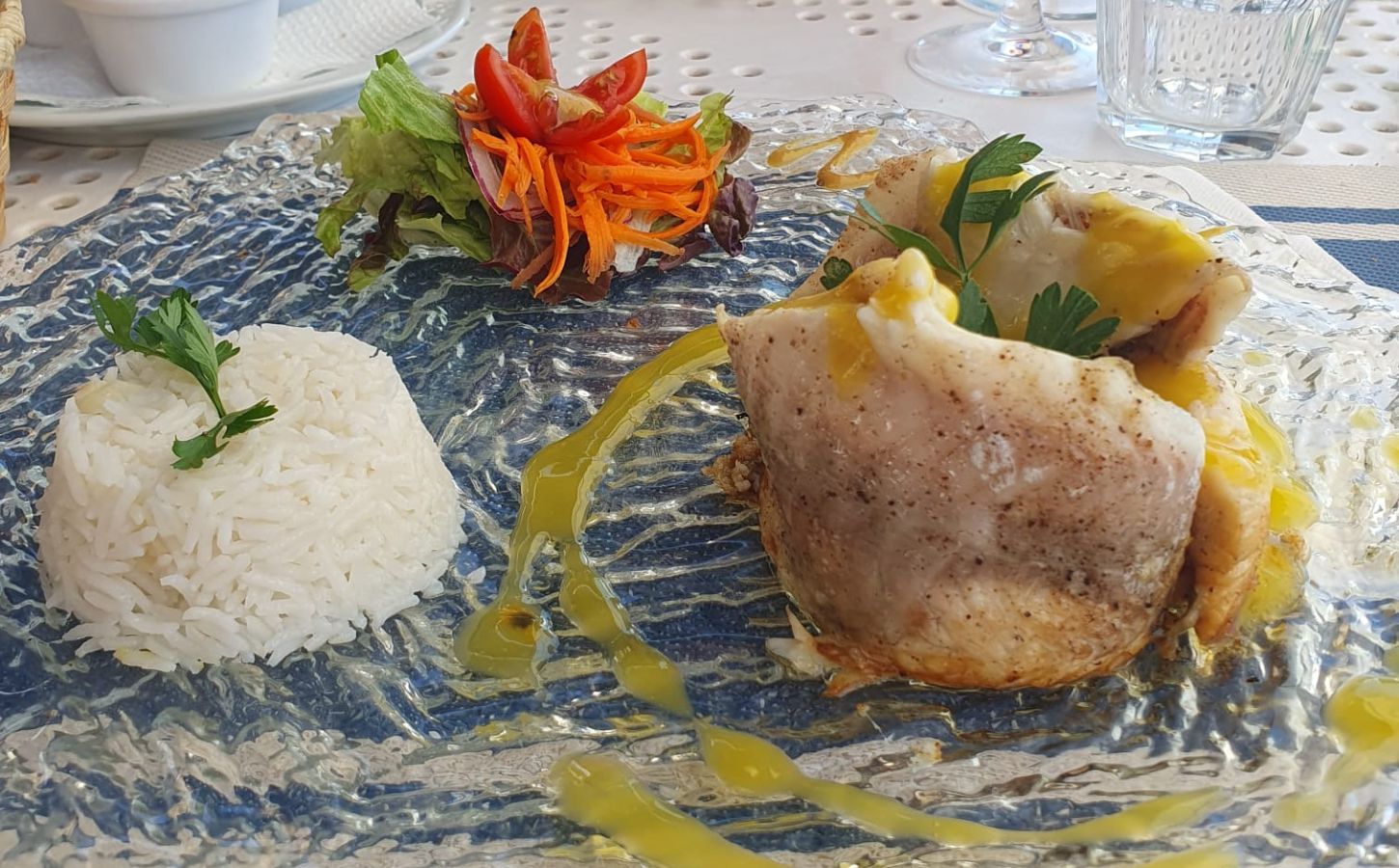
Let’s be honest: food is always one of the pleasures of a trip. And you’re in luck because Tenerife has some great dishes to try. Of course, you’ll find the big classics of Spanish cuisine, like tapas, paella, croquetas, tortillas, etc. It is also possible to eat very affordably on the island. I recommend trying local restaurants, especially in the small villages in the southeast. Los Abrigos deserves a special mention for the restaurants lining its small fishing harbor. That’s where I had the best tuna croquetas of my life ahah.
In the north, you’ll find places known as “guachinches,” which serve traditional food in simple, often rural settings. Visiting one is an experience in itself. Honestly, you’re going to eat very well in Tenerife!
Where to stay in Tenerife?
When it comes to accommodation, Tenerife offers plenty of choice in both location and style. Below are a few options I consider reliable choices. As always, I’ve grouped them by budget to make the list easier to navigate.
Higher budget
Tivoli La Caleta Resort: a 5-star hotel right on the seafront, in the upmarket resort of Costa Adeje. It has plenty to offer, including elegant rooms, heated pools, a spa, and several restaurants—a comfortable option for a high-end stay.
Mid-range budget
Aparthotel Los Dragos del Sur: a welcoming seaside property with spacious, air-conditioned apartments and well-equipped kitchens; most also have an ocean view and a balcony. You’ll also enjoy an outdoor pool and a good breakfast, all while being close to Los Gigantes.
Budget-friendly
Hotel El Sombrerito: a simple and welcoming hotel right in the center of Vilaflor, close to Teide National Park. The rooms are clean and well maintained, and the restaurant serves Canarian specialties. The location is particularly convenient for setting out on hikes.
If you want more options, know that we’ve written a full guide: where to stay in Tenerife.
There you have it: a thorough overview of the things to do and see in Tenerife. I hope this article has given you ideas for your Tenerife itinerary. And if you reached this point still unsure about visiting, I hope I’ve inspired you to discover the island for yourself. As I mentioned, Tenerife genuinely won me over. I never found myself bored, and it offers a remarkable change of scenery without being very far from mainland Europe.
If you’re in the middle of planning, I suggest checking out what budget to plan for a trip to Tenerife. It will give you a useful head start without hours of extra research.
See you soon for more Tenerife adventures,

Written by Laura CALLES
Thanks to Mélanie and Sylvain, I had the chance to discover the Canary Islands, specifically Tenerife and Lanzarote, so that I could share these island paradises with you. Two real favorites of mine!
Despite our vigilance, an error may have crept into this article. If you spot one, please don't hesitate to let us know so that we can correct it immediately and keep our information up to date!