Our Snorkeling Excursion in Tenerife
Last update: 06/21/2026
Our blog continues to grow thanks to you, our readers. This post may contain affiliate links, which means we can earn a small commission if you make a purchase through them, at no extra cost to you. This helps us to continue to bring you more and support our work!
I’m continuing my series on the largest of the Canary Islands with a look at my snorkeling excursion in Tenerife. The waters around the island support a wide range of marine life, making snorkeling one of the best things to do in Tenerife. I joined a guided snorkeling trip along the island’s southwest coast, departing from Costa Adeje, and I was excited to discover the species living in these Atlantic waters. The mix of subtropical and Atlantic marine life makes the experience especially varied.
Even from the surface, I had high expectations, and the outing did not disappoint. You can, of course, explore with your own mask and snorkel, but a guided excursion lets you focus on the experience while someone familiar with the coast chooses a suitable site for the day’s conditions. Here’s how my trip unfolded.
Our Snorkeling Trip in Tenerife
Our meeting time was 8:30 a.m., and the snorkeling center was on the opposite side of the island from where we were staying. We left as early as possible, even though the early wake-up was a little painful and meant skipping the hotel breakfast buffet. That’s part of traveling, though. The morning got off to a stressful start when we hit several traffic jams on the drive from Puerto de la Cruz in the north to Costa Adeje in the southwest.
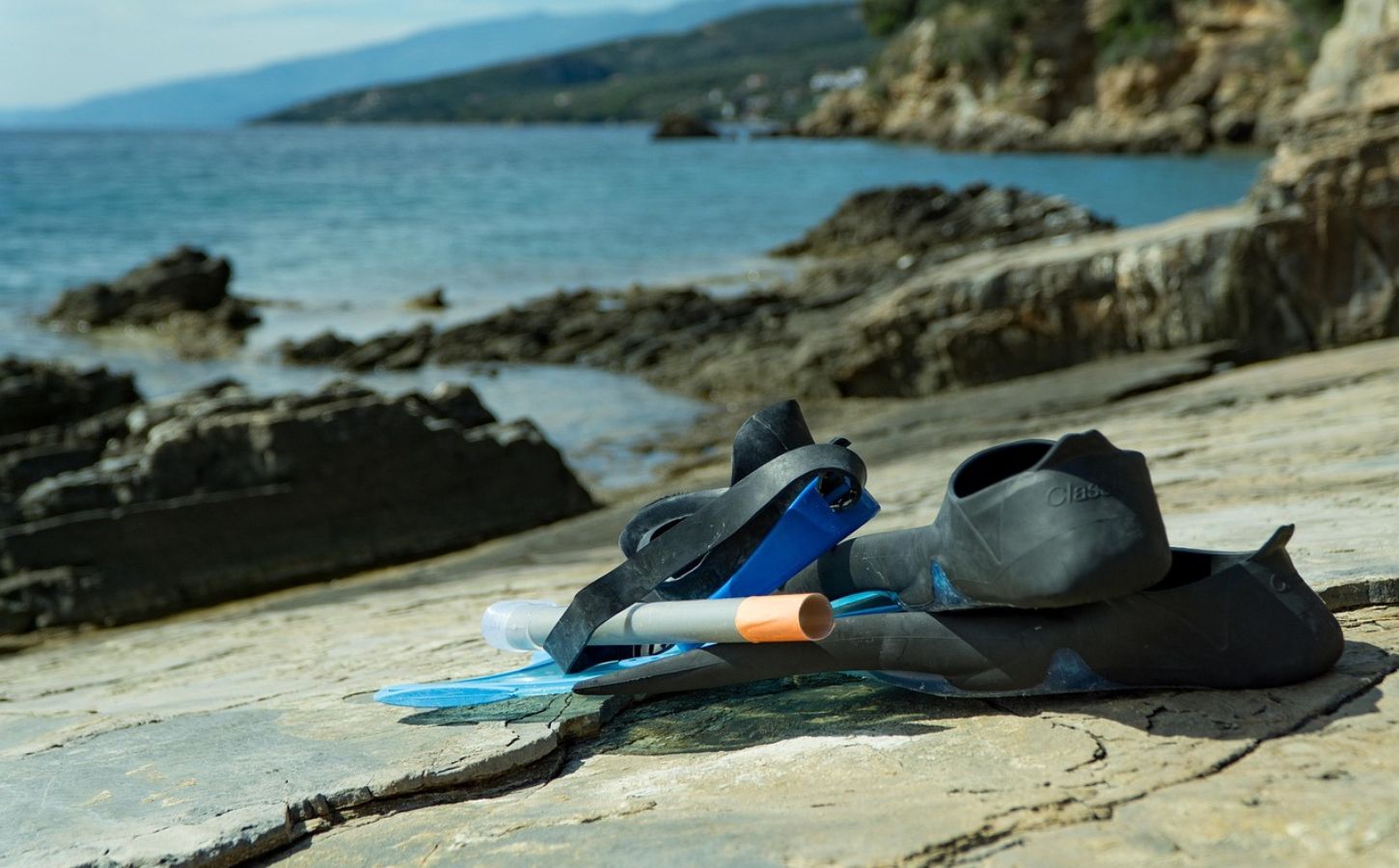
We soon realized we were unlikely to arrive on time. Every time we made up a few minutes, another slowdown seemed to take them away again. So I called the dive club to let them know and see what we could do. If I was no more than 30 minutes late, they would wait for us. That was a relief, although I was still eager to get there as quickly as possible. Once there, we were welcomed by the person I’d spoken to on the phone, who was very kind and smiling, to complete the paperwork. We then met Andrea, who would be our guide for this outing at sea. He gave us our gear: wetsuit, fins, dive mask, and snorkel so we could get ready to go. Everything was handled smoothly and quickly, allowing the group to leave on schedule.
There were only three of us in the snorkeling group, while the scuba-diving group had ten participants. We all left together on a boat. We were soon out on open water, although we remained relatively close to the coast. First we let the people who were going scuba diving jump into the water, and then it was our turn. We put on our masks. Breathing only through your mouth always feels strange at first, but snorkeling is far less intimidating than scuba diving.
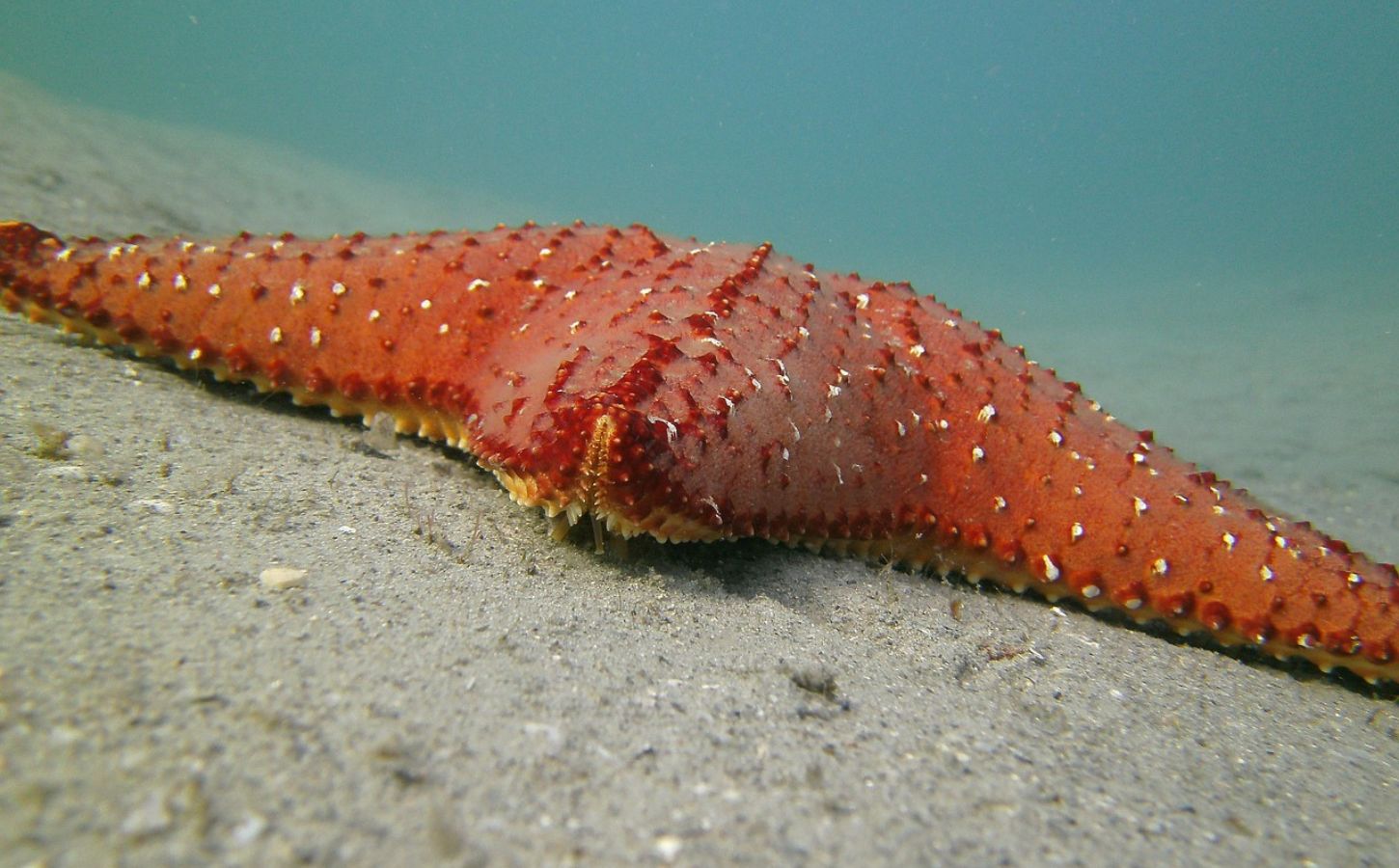
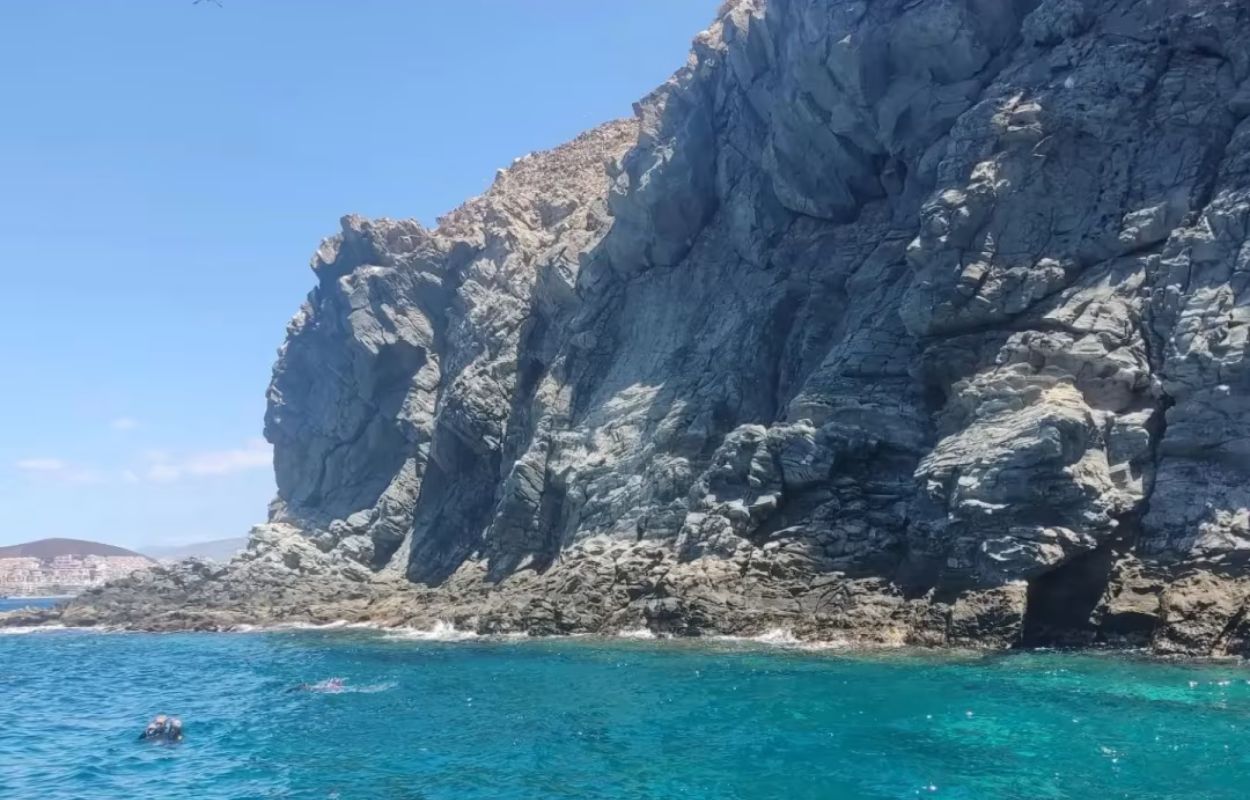
We jumped off the boat and, to my great surprise, the water was rather nice. Andrea showed us the direction in which we would swim. Our destination was the Cave of Love. It’s a sea cave on the coast teeming with fish. And off we went. The current and wind made the swim fairly physical, and my legs quickly felt the effort. On the way, our guide took photos and videos of us so we would have a record of the excursion. As soon as we put our heads under the water, we saw schools of small fish pass before our eyes: black, white, and orange. After about ten minutes, Andrea, who went much deeper than we did, showed us a large starfish that was fluorescent orange, almost coral-colored. At the time, he briefly placed it on our hands before returning it to the rock. I had never seen one so big or of that color. Of course, he then put it back on the rock where it was. I think it was one of my best moments during the outing.
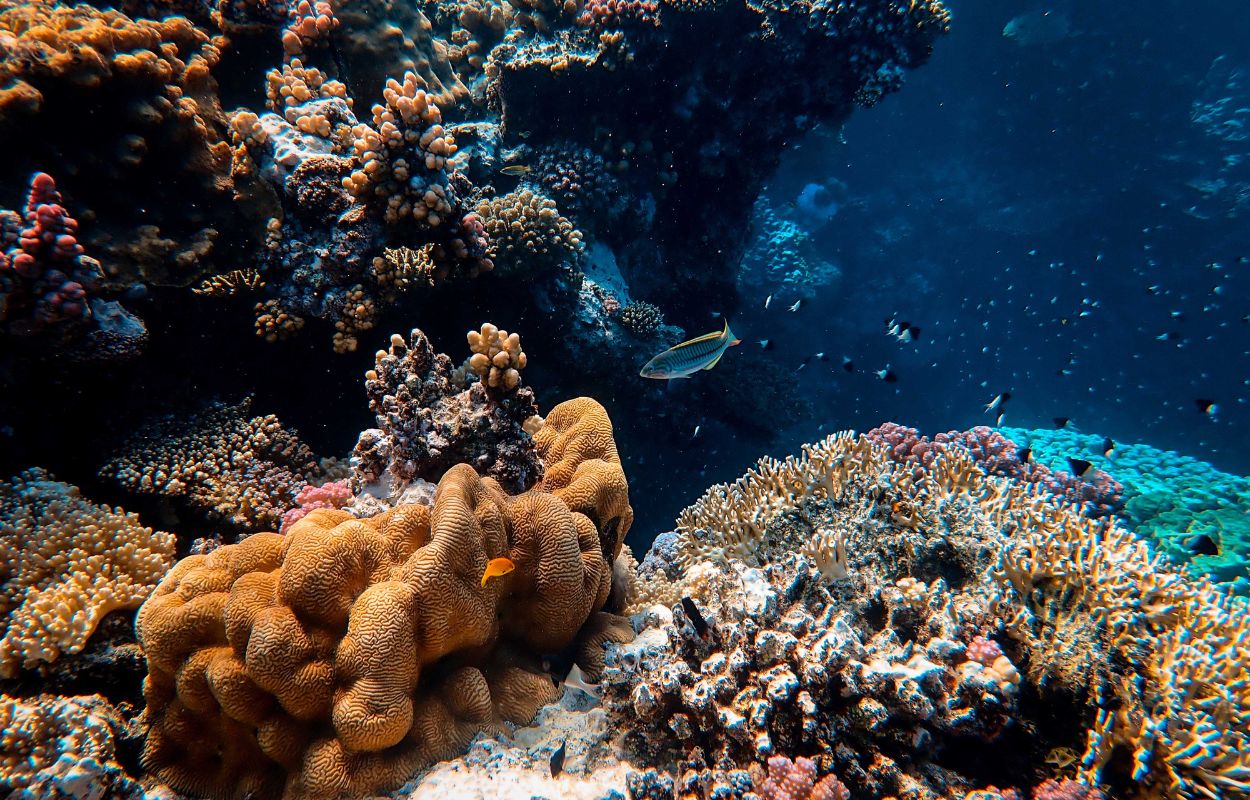
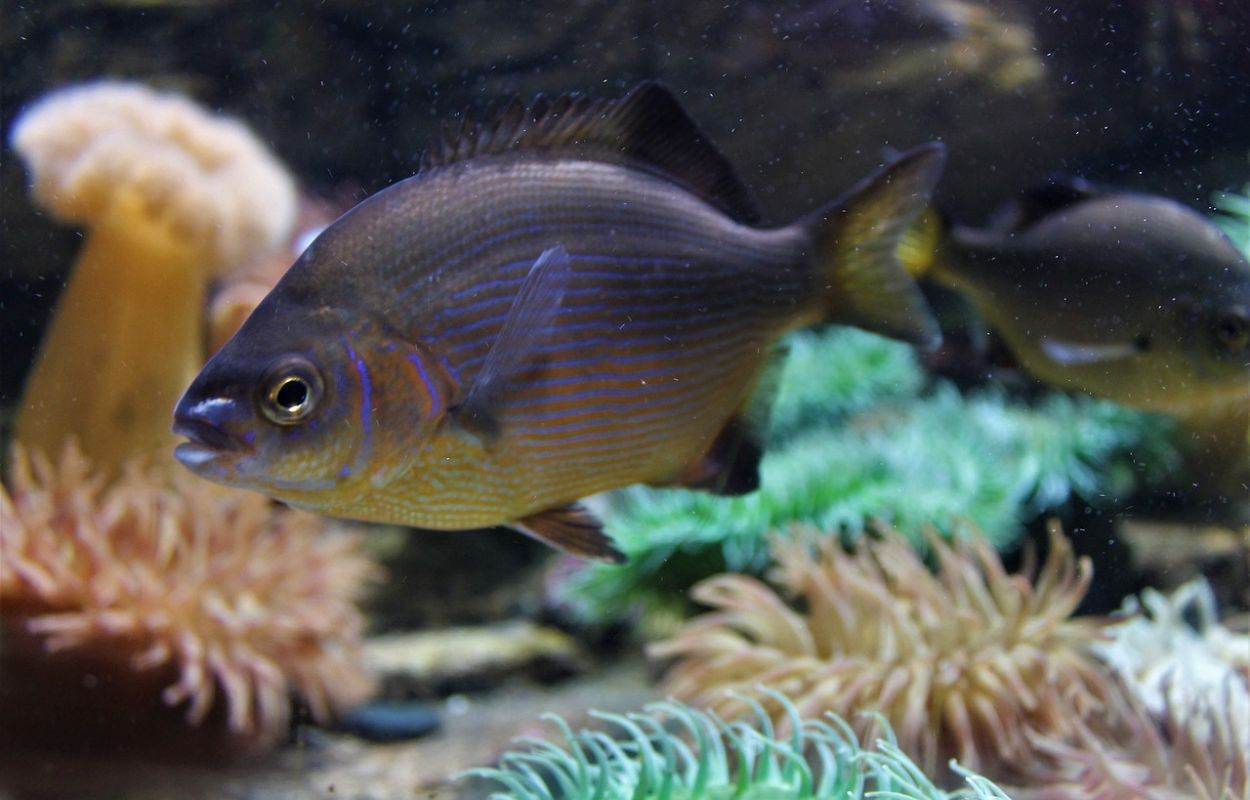
We kept going, even as my legs and thighs began to burn. But the cave was getting closer and closer. Time passed quickly because there were small fish to watch all along the way. We arrived at the Cave/Rock of Love (cueva del amor), and Andrea captured these moments. It’s impressive to find yourself at the entrance to this cave; the entrance is huge, and it makes you feel very small. And when you put your head back under the water, you keep seeing fish around you among the rocks, going about their lives. It’s so beautiful to see them in their natural habitat! The scene draws you in completely; for a while, you think about nothing except the life moving through the water around you.
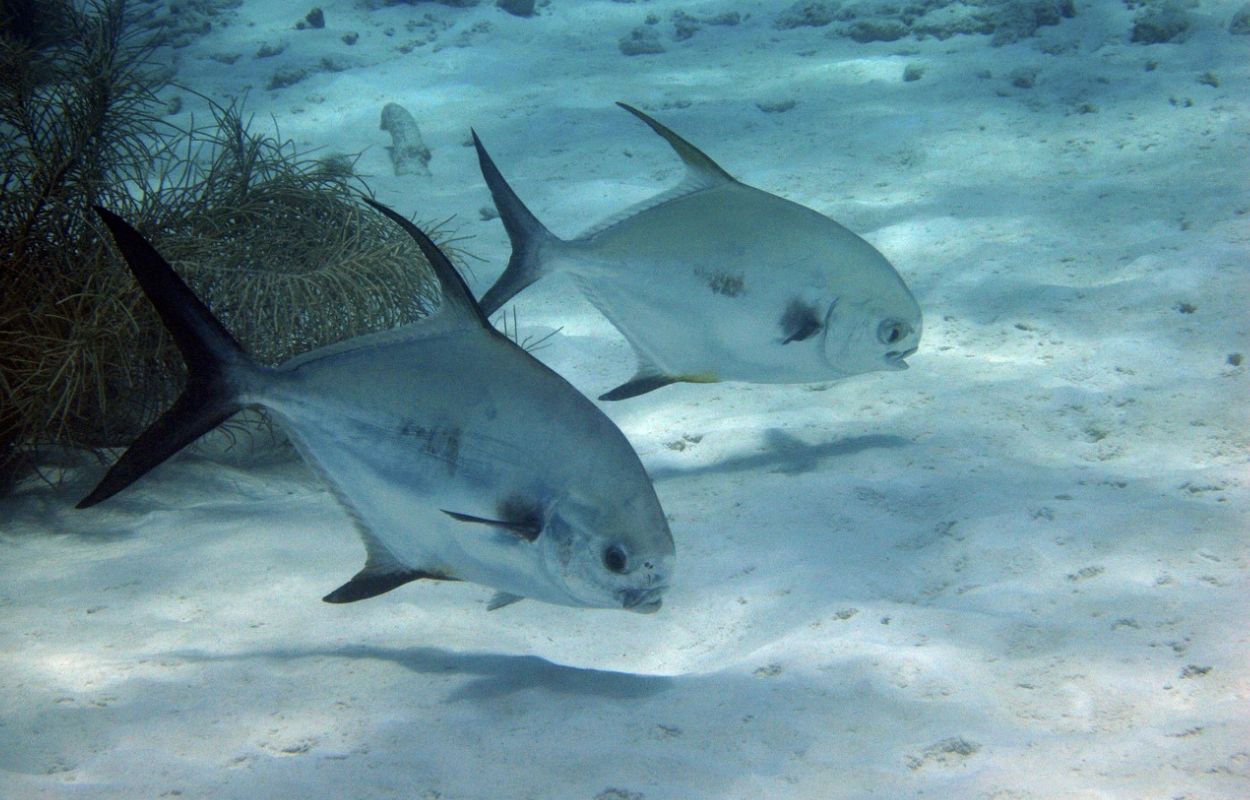
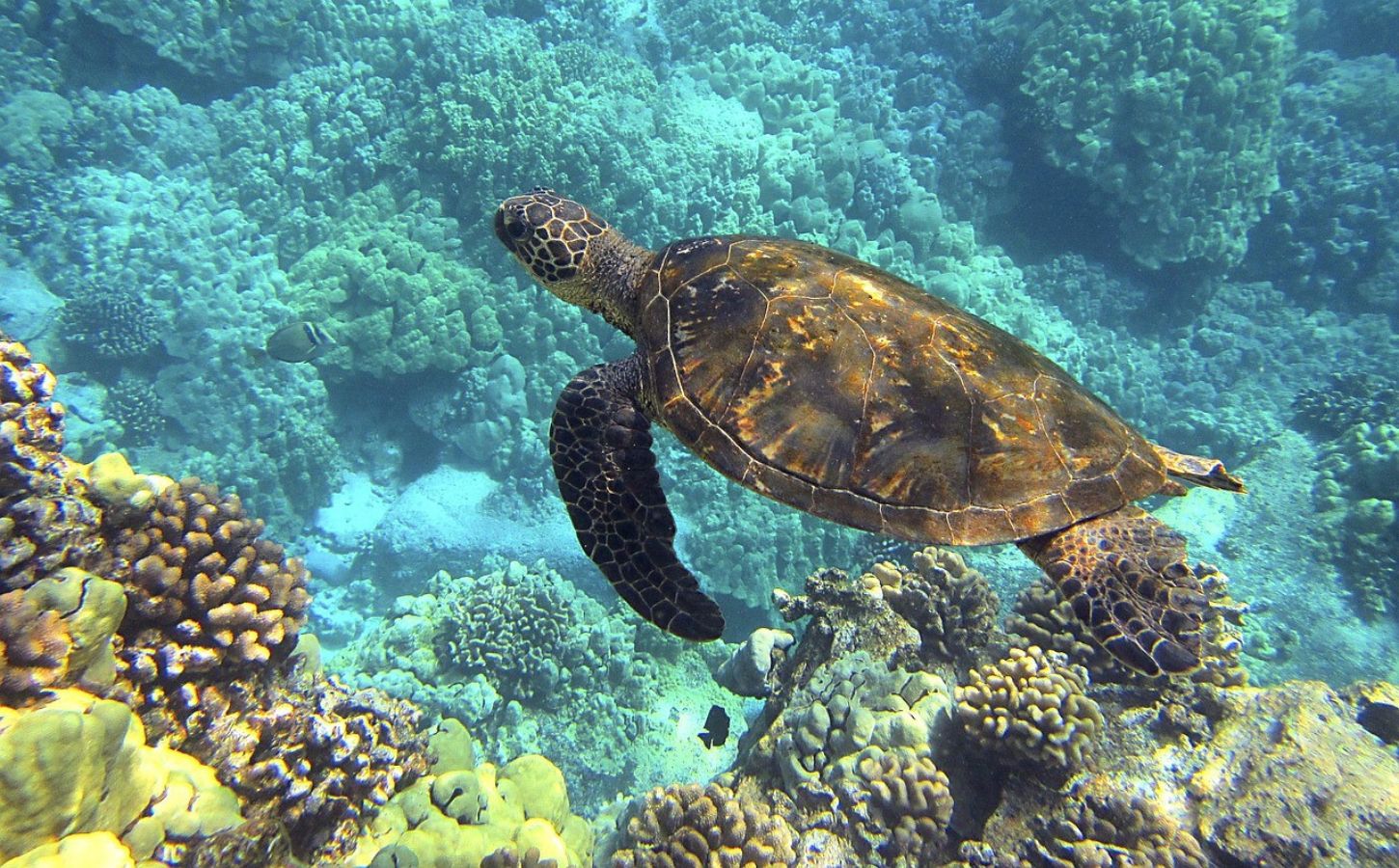
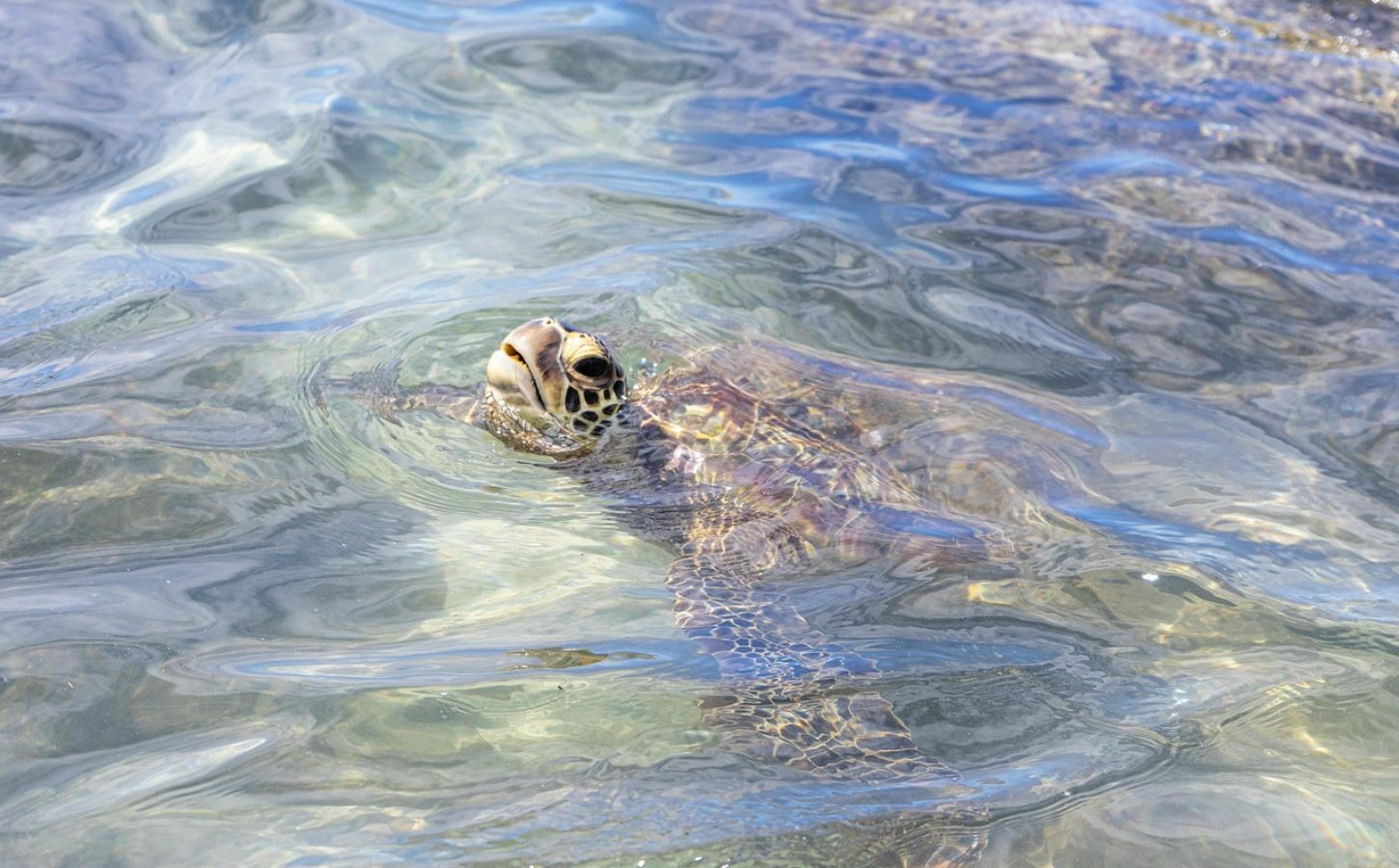
However, the clock was ticking—it was time to head back to the boat. Honestly, I felt like it was super far away, and since my legs already hurt, I told myself the return might be a bit long, especially with the wind and current. Fortunately, Andrea helped me for part of the way. The return ended up being much faster. We continued watching schools of striped-tail damselfish, white seabream, two-banded seabream, and other fish moving through the water. Unfortunately, I didn’t see any turtles, but hey, there’s always next time. Plus, the guide told us he had seen some around here. It’s okay, I still really enjoyed it.
We then climbed back onto the boat; the air felt a little chilly. But luckily, Andrea had warned us and brought jackets for us to put on. The ride was fast and bumpy, in time with the waves; it added a final burst of excitement to the excursion (we were far from a calm cruise, haha). Once back at the Costa Adeje club, all that was left was to take off our wetsuits and put away the rest of the gear. We thanked Andrea, who was great with us the whole outing. At the front desk, there was also a screen with the photos scrolling by, and we decided we wanted to get them to keep a souvenir of this snorkeling excursion. It turned out to be a great morning. Although the sky was overcast, underwater visibility remained good, which was what mattered most.
Our Opinion of the Snorkeling Excursion in Tenerife
As you can probably tell, I really enjoyed this snorkeling excursion. The club was great; they waited for us despite our delay. Our guide was attentive and supportive throughout the outing. If I had gone snorkeling on my own, I wouldn’t have been able to reach the Rock of Love, which is impressive, because from the coast, it’s far too long. The swim was fairly active and definitely gave our legs a workout. One thing to keep in mind is that you should be comfortable in the water and have a reasonable level of fitness. You do not need to be an expert swimmer, but you should be able to swim confidently for an extended period. Otherwise, they can give you a life jacket, but you’ll float more and go more slowly. On my particular outing, the snorkeling group was limited to three people per guide, which made the supervision feel reassuring.
Tenerife’s waters are so rich that I really recommend snorkeling there. Going with a guide can make it easier to reach less accessible sites and learn more about the marine life you encounter. You may also be lucky enough to see a turtle, although wildlife sightings can never be guaranteed. I’d say the only small downside is the price of the photos and videos: €30, knowing that you may need to sort through them afterward, because all the photos from the excursion are sent to you, including those of other participants. Otherwise, you’re allowed to bring your own GoPro if you have one. Always good to know. It’s still nice not to have to take care of it and just enjoy. The guide can capture moments from the outing while you focus on the experience.
I did this outing with the dive club Travel Sub Dive Center, located in Costa Adeje. For the record, it’s one of the oldest dive clubs in Tenerife, founded in 1999. It is based at Puerto Colón, one of Costa Adeje’s busiest marinas. In addition to snorkeling sessions, the club also offers introductory dives, PADI courses, and diving sessions for beginners and advanced divers, as well as private and family excursions. The range gives families, friends, and individual travelers several options to consider during a stay.
The center presents its activities as a way to introduce visitors to the underwater world while encouraging respect for marine life and its natural environment. That matched my experience: the team was welcoming, and the atmosphere felt friendly from the start. Plus, the team speaks several languages: French, Spanish, English, Italian, Russian, and German. That’s definitely a plus for all travelers. As for me, Andrea spoke Spanish, English, and Italian. It didn’t matter to me; we communicated in Spanish. Based on my experience, it is a solid option for a guided sea activity in Costa Adeje.
The Best Snorkeling Spots in Tenerife
To help you choose where to snorkel in Tenerife, I’ve put together a list of some of the island’s most popular spots. Several can be explored independently from shore, while others are easier or safer to reach on a guided boat trip.
Costa Adeje
Costa Adeje is one of Tenerife’s best-known areas for snorkeling. Since it’s located in the southwest of the island, this area is great for discovering marine species. Conditions along this part of the southwest coast are often calmer than in more exposed areas, although they still vary from day to day. This is where I did my excursion and, honestly, it’s one of the best choices. Plus, the water was clear: we could see the different fish around us super well.
In general, outings depart from the Puerto Colón marina to access some of the most popular spots around the bays of La Caleta, El Puertito, and Palm-Mar. The marine life there is quite rich: you can encounter multicolored fish, rays, moray eels, cuttlefish and, with luck, green turtles. El Puertito de Adeje became well known for turtle sightings in the past, but their presence is not guaranteed and visitors should never approach, touch, or follow them. I didn’t go exactly there, but maybe I should have. It may still be worth considering if conditions and local guidance allow.
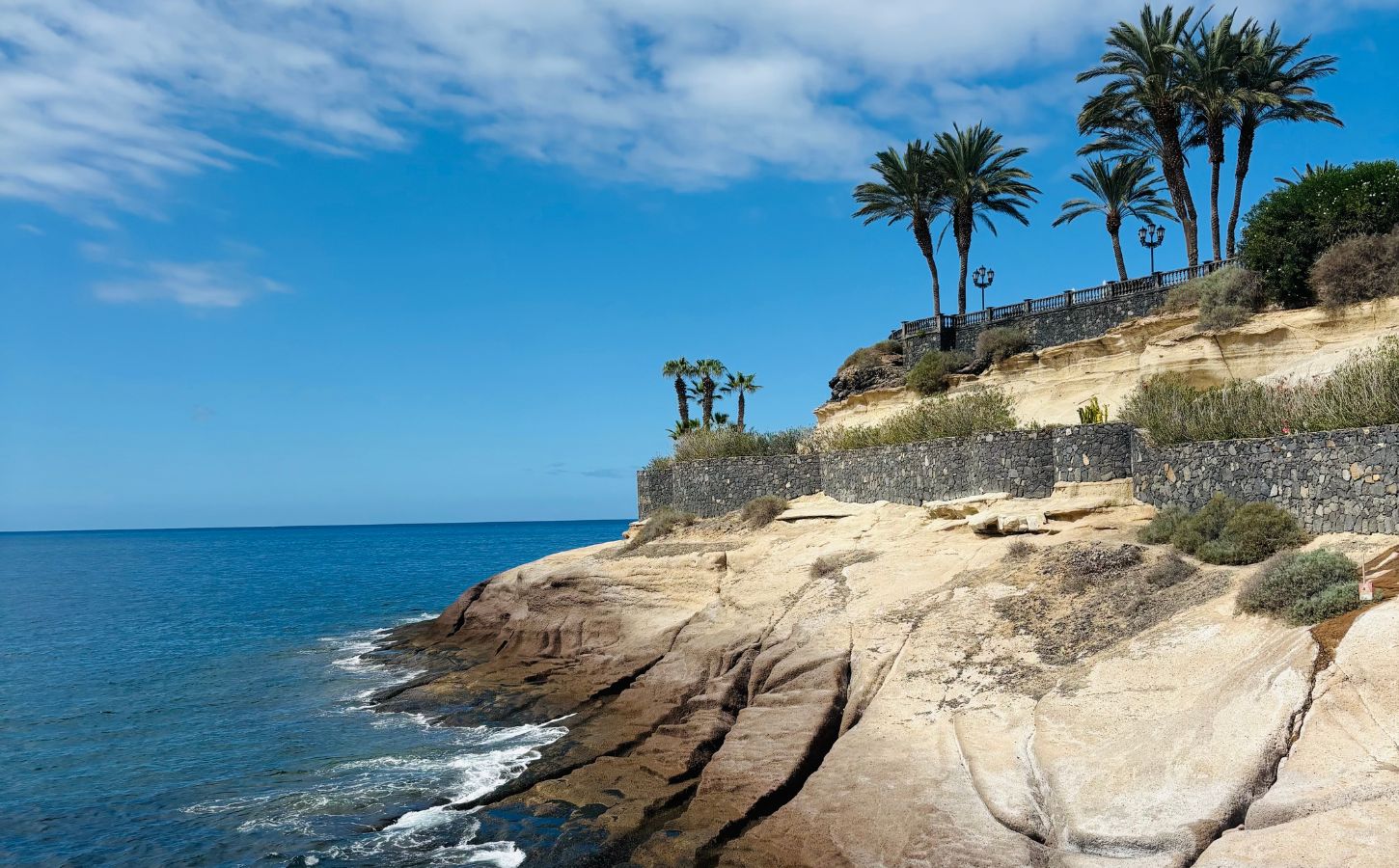
In any case, even if you don’t go by boat, there’s no need to go very far to observe the underwater world. Costa Adeje includes several coves and fine-sand beaches (like Playa del Duque) that are very accessible. I’ll take this opportunity to invite you to check out our guide to the most beautiful beaches in Tenerife (without spoiling the whole article, two of my favorites are Playa de la Arena and Playa de la Tejita).
Los Cristianos
Located right next to Costa Adeje, Los Cristianos is another excellent option for snorkeling in Tenerife. It is a lively seaside resort, but parts of the old harbor area still retain a local feel. The water can be clear, and several beaches are relatively sheltered, and the spots are accessible directly from the beach. At suitable beaches, you can enter from shore and explore without taking a boat, provided sea conditions are safe.
One of the best spots is Playa de Las Vistas, a large golden-sand beach with several rocks where parrotfish, seabream, damselfish, and blue chromis hide. What’s nice is that in Los Cristianos you can combine snorkeling with a seaside walk, time on the beach, and a break at a nearby café. So, how about it?
Abades
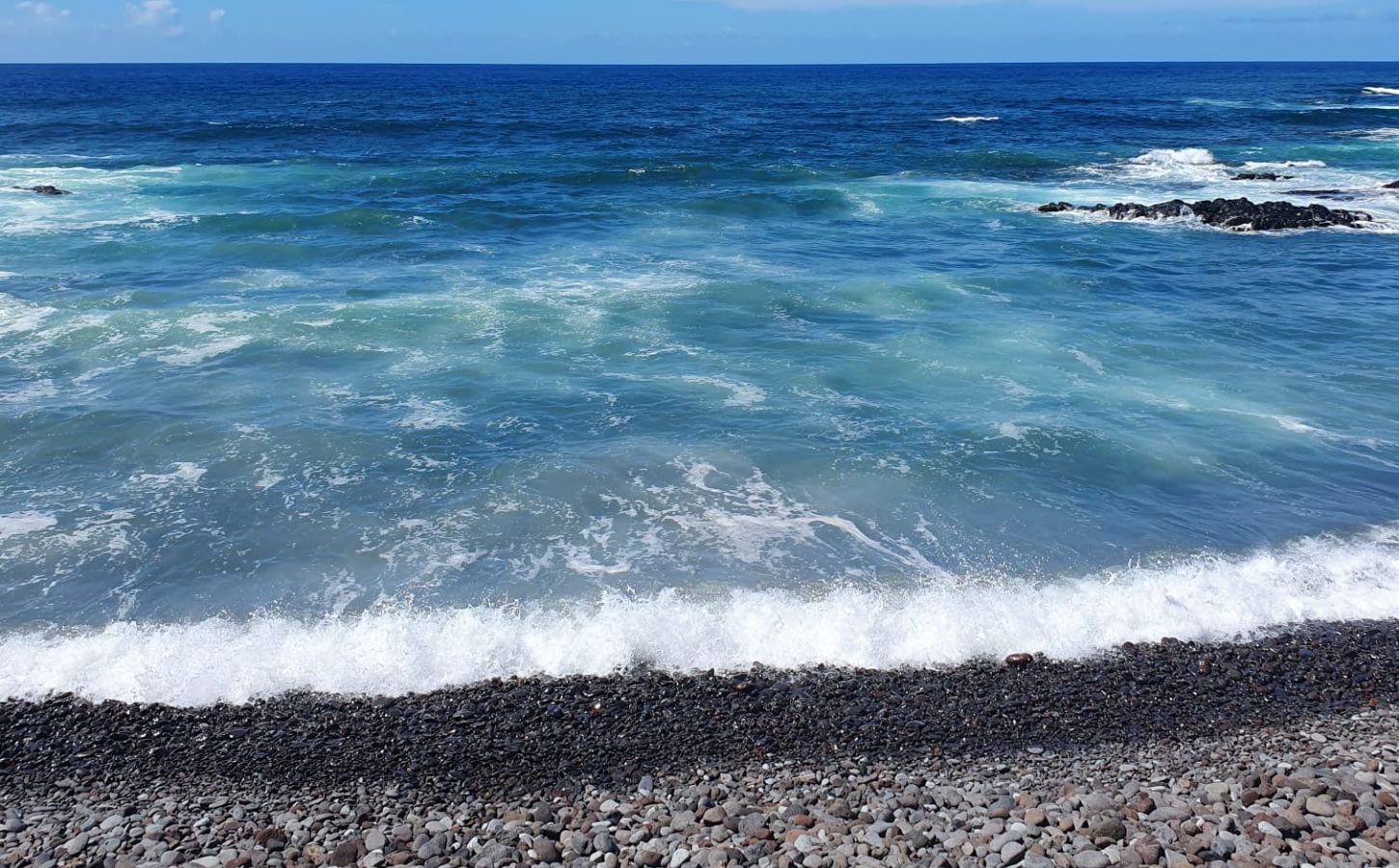
Still in the south, but to the east, here we are at a spot much less known than Costa Adeje or Los Cristianos. Yet it’s among the best places to go snorkeling. Abades is a small village near El Médano (a village with a beach perfect for surfing and kitesurfing). There’s a truly pleasant, local vibe. As you might expect, there are few tourists: it’s a change from the seaside resorts we just saw. You’ll arrive at a small bay of black sand and crystal-clear water. It is a peaceful setting.
You’ll hardly find a quieter place to snorkel. When I went, there were only a few locals walking and swimming. We were far from jostling, haha. Once your head is underwater, in my opinion, you’ll be pleasantly surprised. The area is popular with divers and snorkelers for its rocky habitat and varied fish life. Depending on conditions and luck, you may also encounter rays or turtles. One last good point: it’s shallow with good visibility, so even if you’re not super comfortable, it can be approachable for less experienced snorkelers when conditions are calm, although you should still remain cautious. It remains a quieter alternative to the larger resorts.
Las Galletas
Las Galletas is a small fishing village that I really liked. It offers a very local atmosphere, with a small harbor where you can explore the seabed. This time too, it’s a calm place for snorkeling. It can feel much quieter than the major tourist resorts. Honestly, if you’re looking for a calm and accessible place to snorkel, Las Galletas is worth considering.
Plus, the water is clear, offering good visibility around the marina and along Playa de Las Galletas, a small beach of black sand and pebbles. Here too, you can see tropical and Atlantic fish, like trumpetfish or small colorful wrasse. Keep an eye on the sandy bottom, where rays may sometimes rest. After your underwater discoveries, I suggest eating in a small local restaurant to regain your strength.
Los Gigantes
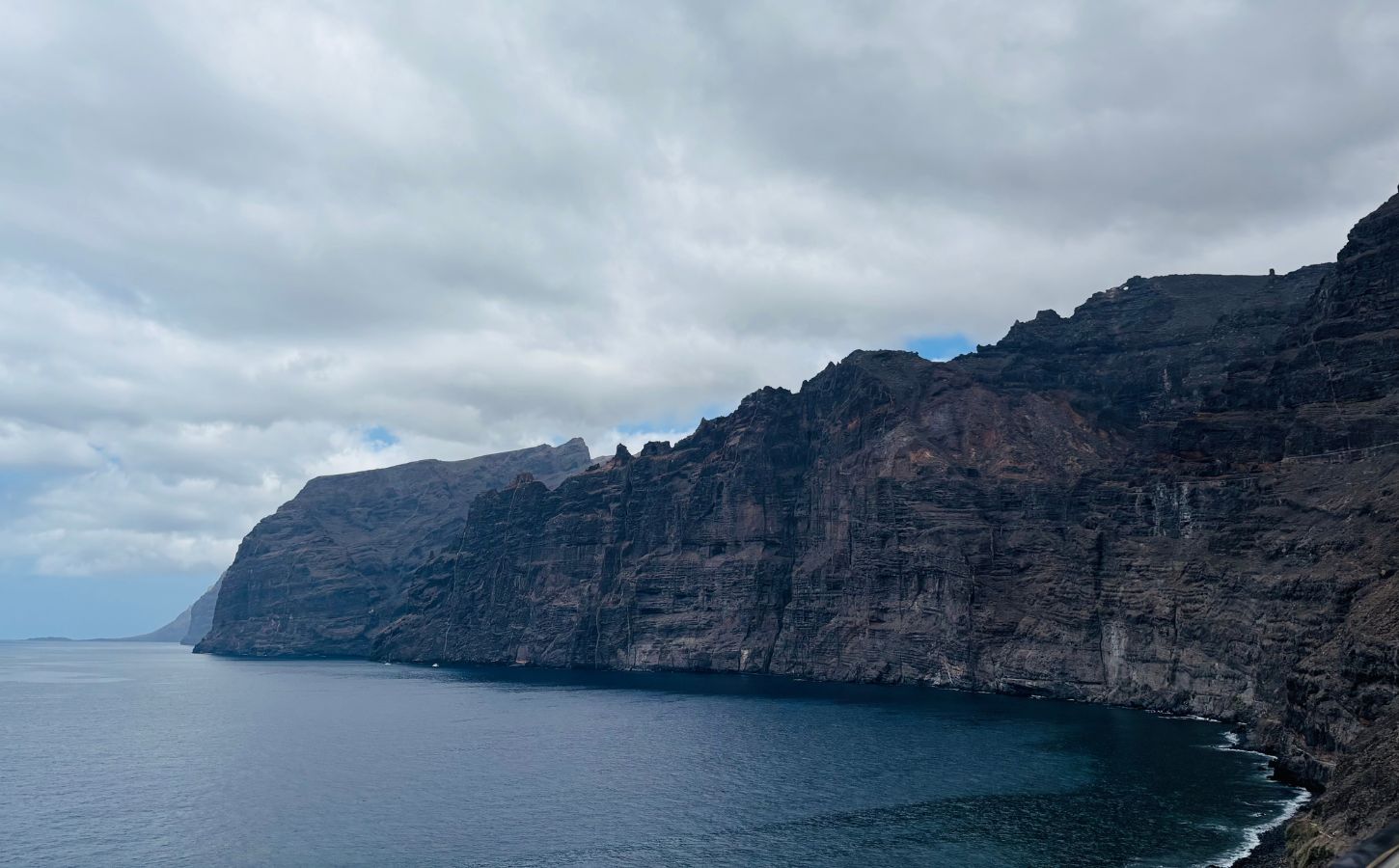
I discovered this spot thanks to my whale-watching trip in Tenerife. After heading to the Teno-Rasca marine area (where I saw spotted dolphins and pilot whales), the sailboat stopped us at the foot of Los Gigantes, the immense cliffs that rise between 300 and 600 meters. Honestly, it was impressive to be there and to swim there. We were given a mask and snorkel to observe fish near the rocky walls. It’s true there were quite a few hiding and living among the rocks. For me, it was one of the most memorable places to snorkel in Tenerife. Reaching the base of the cliffs generally requires a boat trip, as the area is not safely accessible from shore.
If you don’t plan to take a boat excursion around Los Gigantes, you can still snorkel at Playa de Los Guíos. It’s a black-sand beach right next to the marina. You can already see beautiful things without going too far and enjoy good visibility underwater (especially in the morning, when the light is softer and prettier).
Las Teresitas
This time, head to the north of Tenerife, just above the capital, Santa Cruz. Playa de Las Teresitas is the most famous beach on the entire island. It’s huge, with a beautiful stretch of sand brought from the Sahara. On the water side, it’s turquoise and calm: it can be a pleasant place for an easy snorkeling session. I’ll admit, this isn’t where you’ll see the most exceptional seabed, but it’s more than enough for a relaxing snorkeling session and to observe whatever swims by around you.
The water is shallow, and the artificial rock barrier shelters a few small, colorful fish: seabream, gobies, and blue chromis. If you explore near the rocks, you may see them moving close to the rocks and your mask. Personally, I liked this beach because, even if it draws crowds, it’s big enough so you’re not all crammed together.
Radazul
Very close to Santa Cruz, Radazul is less famous among visitors, but it is worth considering. To give you an idea, it’s a quiet little marina with several protected coves, often-clear water and a rocky habitat that supports a range of marine life. Just a few centimeters below the surface, you may spot a variety of fish and, occasionally, moray eels among the rocks. The seabed is rocky and volcanic: it creates beautiful contrasts between the black lava and the blue ocean.
Plus, the depth increases little by little, which gives you room before you can’t stand anymore. The marina is well laid out, so you can get into the water easily! It is a convenient option for a quieter shore-based session when conditions are suitable.
Alcala
Between Los Gigantes and Playa San Juan, the village of Alcalá is a quieter snorkeling option that many visitors overlook. This peaceful area is mostly frequented by locals. It offers several small natural volcanic coves where the water can be very clear. It’s a great area to observe marine life in peace.
What makes Alcalá so special is its protected bay, where turtles may occasionally be seen, particularly when the sea is calm. Even if you can never be sure of spotting them, you can always try. I didn’t have that luck, but I think it’s worth a look! As for me, I truly fell in love with this wild place, typical of the Canaries (and far from mass tourism).
Snorkeling in Tenerife: Practical Information
Here are the main practical points to consider before booking a snorkeling excursion in Tenerife.
How Much Does a Guided Snorkeling Excursion in Tenerife Cost?
Guided snorkeling in Tenerife is generally one of the more affordable boat-based activities. Of course, prices depend on duration, departure point, and what’s included. To give you a better idea of what to expect:
- For a classic half-day outing, prices commonly start at around €45 to €55 per person, although rates vary by operator and date. My own excursion cost €45 at the time. This includes the gear (wetsuit, mask, snorkel, and fins) for a small-group excursion, accompanied by a guide to discover the best sites to see marine animals.
- For a longer excursion or one with additional services (for example with transfer, photos, or a very small group), expect a price between €60 and €80. And if some want a private getaway, there are centers that offer tailor-made outings around €100 and more per person. It’s up to you! Current prices should always be checked directly with the operator before booking.
How Long Does a Guided Snorkeling Excursion in Tenerife Last?
Most snorkeling excursions in Tenerife last between 2 and 3 hours. I find that’s more than enough to observe fish and other marine species without ending up exhausted. It’s neither too short nor too long, and you can easily fit it into a morning or an afternoon.
In general, here’s how a snorkeling outing goes:
- a short safety briefing with gear distribution (mask, snorkel, fins, wetsuit);
- 20 to 30 minutes by boat to reach the spot;
- about 1 to 1.5 hours in the water exploring the seabed;
- the return trip to the marina.
Everything flows nicely; time tends to pass quickly because there’s so much to watch. There are also longer outings (up to 4 hours), with several snorkeling and swimming stops. Others are shorter when they’re done from the beach without a boat.
What Is the Best Time for Snorkeling in Tenerife?
With its mild, subtropical climate, you can snorkel year-round in Tenerife. That’s a big advantage of the island—and even of the Canary archipelago. I also did some scuba diving in Lanzarote in early October: it was spectacular (I saw trumpetfish, parrotfish, viejas, ornate wrasse, corals, and even a seahorse)! Sea temperatures are generally around 18–20°C in the coolest months and roughly 23–24°C at their warmest, so a wetsuit is useful for many people, especially in winter.
That said, there are still periods that are more favorable than others:
- From late spring through autumn, the water is generally warmer, often reaching about 22–24°C, and conditions can be favorable for snorkeling.
- From November to April, it’s a bit cooler (especially in the morning), but still possible, especially on the southwest coast (Costa Adeje, Los Cristianos, El Puertito…), which is more sheltered from the wind. And during those months, there are fewer tourists: popular sites may feel less crowded.
In short, keep in mind that you can snorkel in Tenerife at any time of year. And if you’re hesitating about your travel dates to book your plane tickets, I invite you to read my full article on when to go to Tenerife!
What Is Included in a Snorkeling Excursion in Tenerife?
I already mentioned it a bit above, but snorkeling outings are designed to make your underwater experience as pleasant as possible. You’ll just need to come with your swimsuit, your towel, and above all the desire to enjoy and discover the underwater world.
Generally speaking, the price includes:
- the essential snorkeling equipment: mask, snorkel, and fins;
- a neoprene wetsuit to retain warmth (the water can be a bit cool depending on the season);
- the boat ride to the spot (if the excursion is at sea);
- a safety briefing and guidance from a qualified professional familiar with local conditions;
- and, depending on the operator, drinks, snacks, or underwater photos.
For your information, if you have your own equipment, some dive centers allow you to come snorkeling with your own mask and snorkel. But make sure to check this point when booking. In most cases, the operator provides the main equipment and logistics.
I hope this article has made you consider a snorkeling outing in Tenerife. Even from the surface, there is plenty to observe beneath the water. We agree, you can absolutely snorkel completely on your own, but a guide can help you reach less accessible spots and, on some routes, sea caves by boat. But it’s up to you!
In any case, if I have one piece of advice, it’s to put your head underwater: the rest, I’ll let you handle!
Another good way to explore the Atlantic Ocean: go kayaking in Tenerife. It takes a little more effort, but it is manageable for many travelers. From your kayak and while paddling, you can still see small fish swimming around the rocks. Especially if you do it near Los Gigantes.
See you soon for more water activities in Tenerife.

Written by Laura CALLES
Thanks to Mélanie and Sylvain, I had the chance to discover the Canary Islands, specifically Tenerife and Lanzarote, so that I could share these island paradises with you. Two real favorites of mine!
Despite our vigilance, an error may have crept into this article. If you spot one, please don't hesitate to let us know so that we can correct it immediately and keep our information up to date!