When Is the Best Time to Visit Tenerife?
Last update: 06/21/2026
Our blog continues to grow thanks to you, our readers. This post may contain affiliate links, which means we can earn a small commission if you make a purchase through them, at no extra cost to you. This helps us to continue to bring you more and support our work!
If you’ve landed on this article, I’m guessing you’re in the middle of planning a trip to Tenerife. As always, though, one important question remains: when exactly should you go? I’ll do my best to answer the main questions and share my tips for choosing the best time to travel to Tenerife. I’m starting to know the island pretty well, and I certainly wouldn’t rule out a third visit—quite the opposite.
Both times I visited, I happened to go during the same period, just after the peak summer season in September. Even so, the weather was very different on each trip. The first time, I had beautiful weather all week, and the climate seemed stable across the island. The second time was another story: I really got to experience Tenerife’s many microclimates. Still, Tenerife is generally a year-round destination, regardless of the season. Its subtropical climate keeps temperatures mild for most of the year, although conditions vary considerably between the coast, the north, the south, and higher elevations.
That makes Tenerife appealing in both summer and winter, although plenty of visitors arrive in July and August. In my opinion, the island always has something to offer, whatever the season. I completely fell for Tenerife, and I’m far from alone. I met several expats who arrived on the island and simply never left. I’m not quite there yet, but I’m definitely one of those travelers who keeps coming back to explore more through different Tenerife itineraries. I could talk about the island for hours, but first, take a look at our guide to the best things to do and see in Tenerife.
Understanding Tenerife’s Climate
Before deciding when to visit Tenerife, it helps to understand that the island is almost a world of its own. Its climate is often described as an endless spring, but the many microclimates make things far more interesting. The weather can change completely from one place to another, sometimes within just a few minutes of driving or after only a few bends in the road. These sudden changes can surprise visitors—and even locals—so here’s an overview to help you make sense of it all before your trip.
North–South Microclimates and Altitude Around Teide
Before visiting Tenerife, I found it hard to understand just how different the north and south of the island could be. In practice, Mount Teide and the island’s mountainous spine act as a natural barrier, helping create two distinct climate zones.
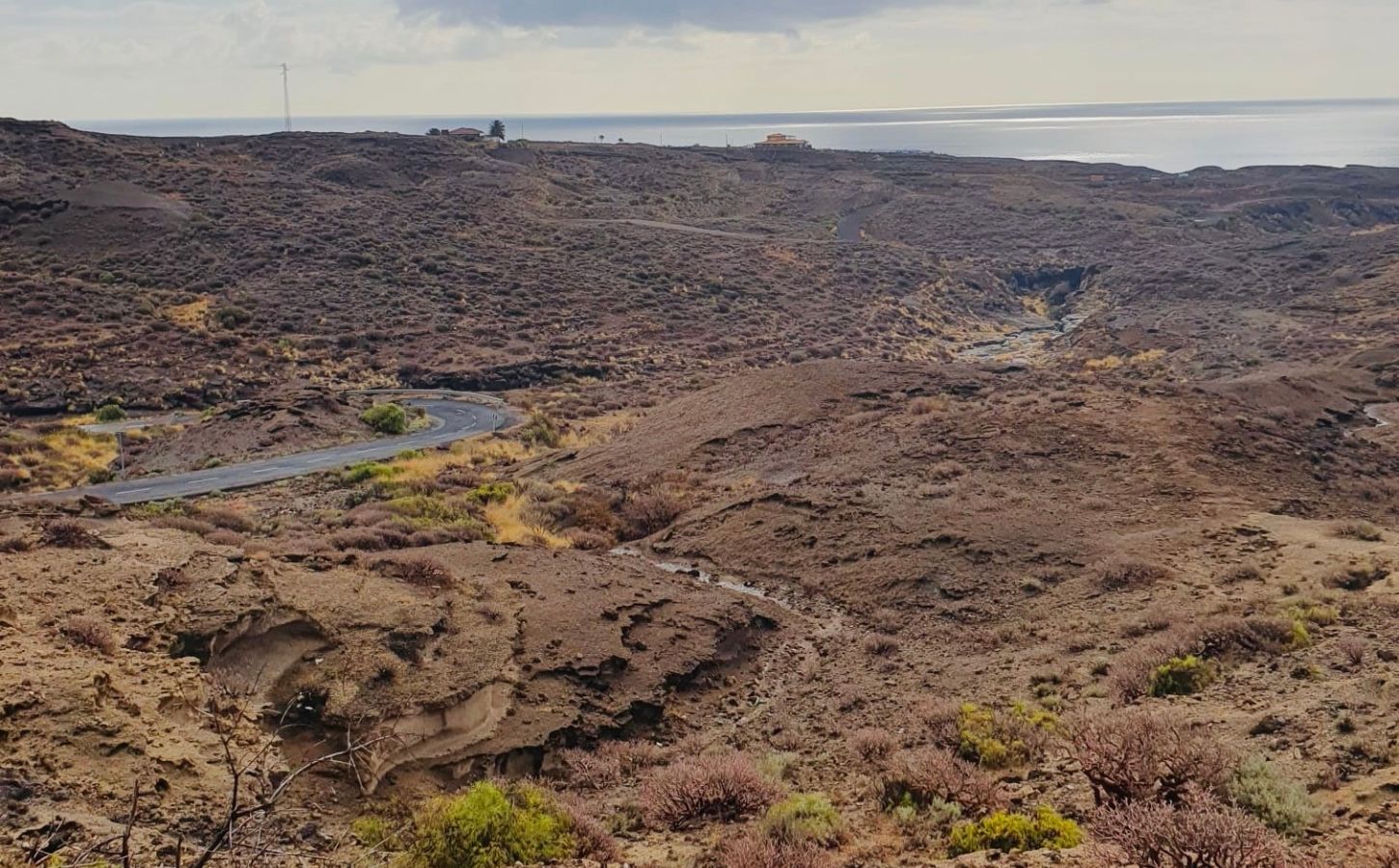
In southern Tenerife, around Costa Adeje, Los Cristianos, and El Médano, the weather is generally warmer, drier, and sunnier throughout the year. That’s one reason this is the island’s most popular tourist area. If your trip is mainly about relaxing, beaches, and swimming with the best possible chance of sunshine, the south is usually a safe choice. Even in winter, daytime temperatures along the coast are often mild. The landscapes are consequently dry and rocky, almost desert-like along the roads and in undeveloped areas—but that has its own charm. On my first trip, I stayed in the mountains of southern Tenerife, and the scenery was beautiful. At the time, I slightly preferred the landscapes in the south, but that changed after my second visit.
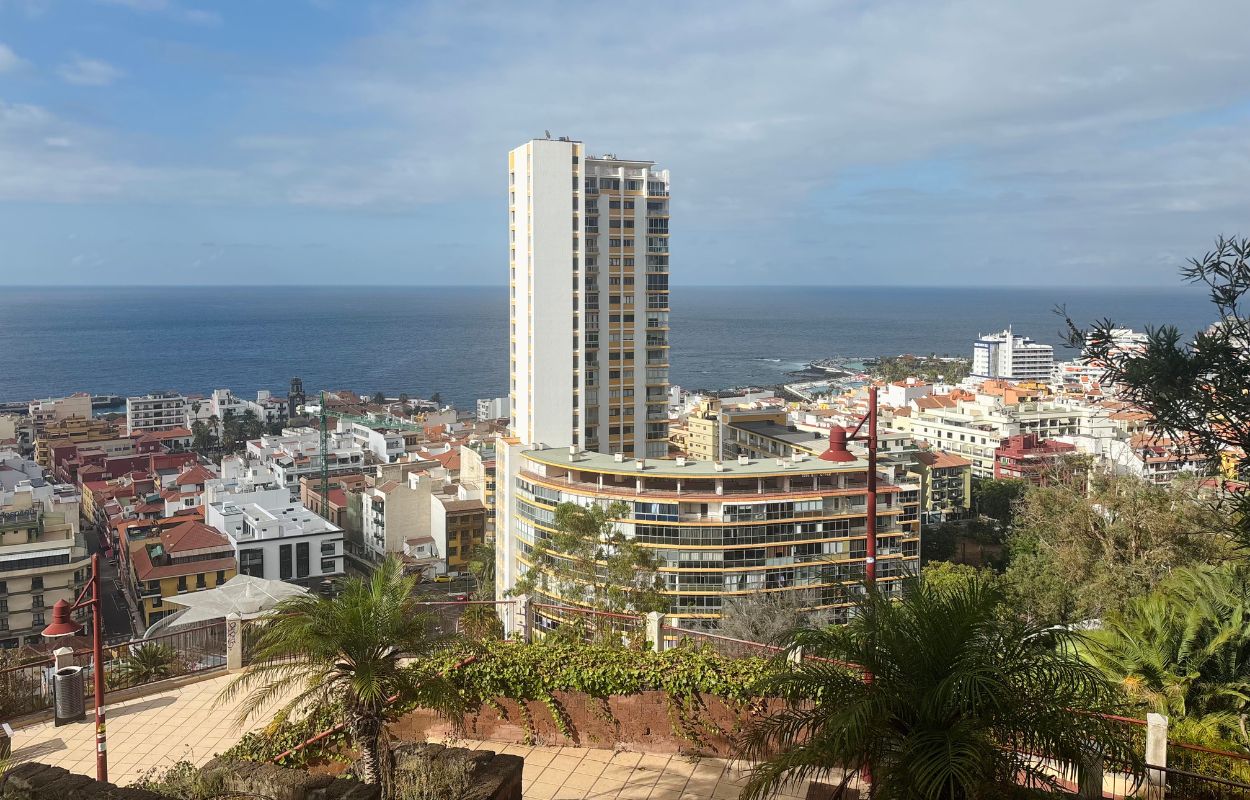
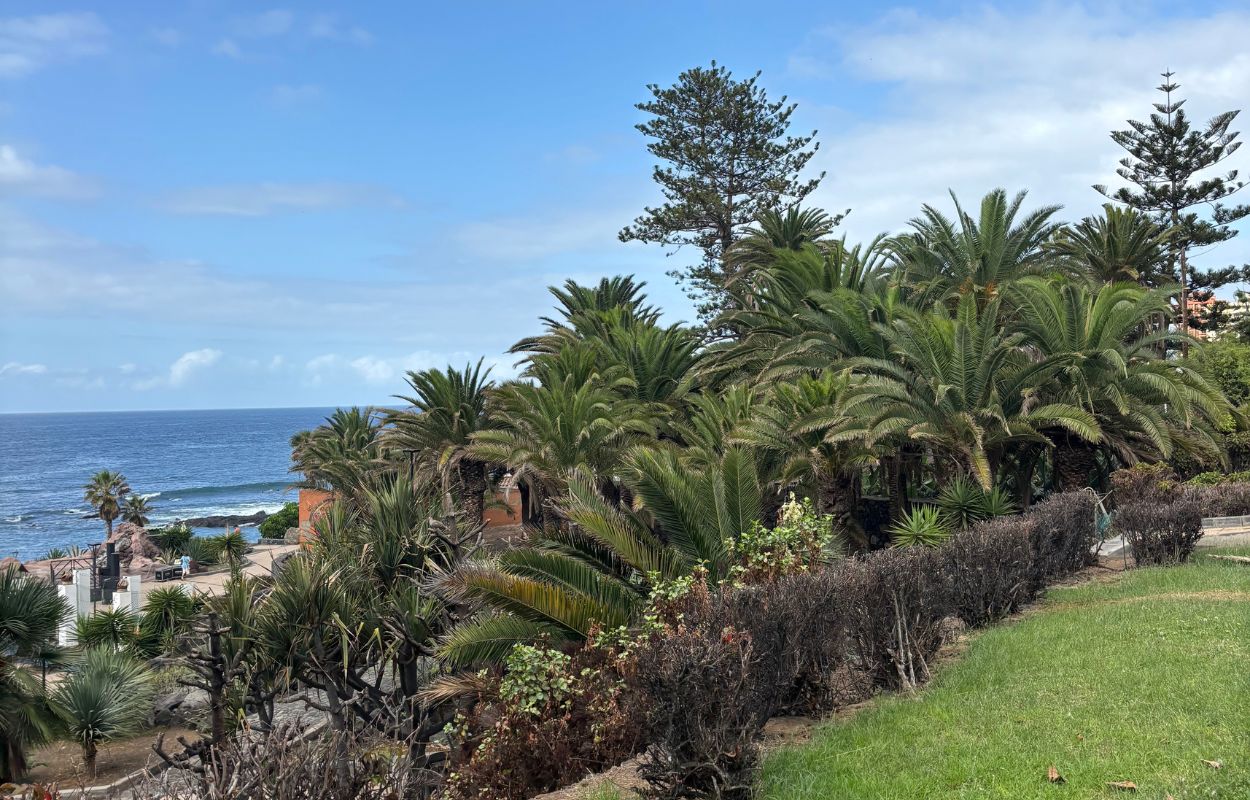
For that second trip, I stayed in Puerto de la Cruz in northern Tenerife. The climate there is more humid and cloudier, particularly in the morning. The landscapes also look completely different from those in the south. You’re surrounded by lush vegetation, banana plantations, vineyards, and green forests like those in Anaga Rural Park. The contrast between north and south is striking. That was when I realized I ultimately preferred the north for its more authentic atmosphere and cooler temperatures.
Of course, you can’t talk about Tenerife without mentioning Mount Teide, which rises to 3,715 meters above sea level. At that altitude, the climate changes dramatically: the air is drier, temperatures can fall quickly—especially early in the morning and around sunset—and snow or hail is possible in winter. That’s part of Tenerife’s magic. In an hour or less, you can travel from the beach to the slopes of a volcano. It truly is an island of many climates, and it always has a few surprises in store.
Rainfall, Temperatures, and Sea Conditions in Tenerife
Despite its microclimates, Tenerife enjoys relatively mild weather throughout the year. Put simply, it is rarely cold at sea level, and rainfall is generally limited, especially in the south. That makes the island pleasant to visit in almost any season.
Coastal daytime temperatures are usually mild in winter and warmer in summer, with the hottest spells often occurring between July and September. Winter, from December to February, is particularly comfortable for hiking in Tenerife. The wetter part of the year generally runs from late fall through winter, especially in the north and at higher elevations. Even then, rain often comes in short showers followed by brighter spells rather than lasting all day. The south is usually much drier, although no part of the island is completely immune to changing weather.

And what about the ocean? I was surprised several times by how warm the water felt, even on cloudy days when I expected it to be chilly. During my September visits, it was around 24–25°C. In winter, sea temperatures are cooler but generally remain mild enough for many people to swim, especially along the southern coast. September and October are often among the most comfortable months for swimming, and I can certainly confirm that from experience.
Here’s a quick overview of the average temperatures in Tenerife throughout the year:
| Destination | Jan. | Feb. | Mar. | Apr. | May | Jun. | Jul. | Aug. | Sep. | Oct. | Nov. | Dec. |
|---|---|---|---|---|---|---|---|---|---|---|---|---|
 Tenerife
|
19° | 19° | 20° | 22° | 22° | 25° | 28° | 30° | 26° | 25° | 23° | 21° |
| Jan. - Jun. | Temp. | Jul. - Dec. | Temp. |
|---|---|---|---|
| Jan. | 19° | Jul. | 28° |
| Feb. | 19° | Aug. | 30° |
| Mar. | 20° | Sep. | 26° |
| Apr. | 22° | Oct. | 25° |
| May | 22° | Nov. | 23° |
| Jun. | 25° | Dec. | 21° |
Calima in Tenerife: What You Need to Know
If you’re planning a trip to Tenerife, you may already have heard of the calima. This weather phenomenon affects the Canary Islands when hot, dry air carrying fine dust travels over from the Sahara. The sky can turn hazy, with an orange or gray tint, and visibility may drop significantly, especially over longer distances. Calima can occur at any time of year, although some periods are more prone to it than others. Many episodes are short-lived, but their intensity and duration can vary.
A few days before my arrival in Tenerife, a calima episode was underway. I kept seeing videos on social media from travelers who could barely make out the scenery. I’ll admit I was a little worried, because even on video, the haze seemed to take away from the landscapes. Luckily, I arrived late in the afternoon on the final day of the episode. This particular one had lasted five or six days, and visibility was still poor when I landed, especially at higher elevations. The heat also felt heavy and oppressive—I noticed it the moment I stepped off the plane.
During a strong calima, temperatures can rise sharply, sometimes above 30°C even outside summer. The air can feel stifling, the sky becomes hazy, and fine dust settles on cars, terraces, clothing—pretty much everything. During the episode before my trip, schools even had to close because conditions lasted several days. Fortunately, by the time I arrived, the worst was over and the island was already returning to normal.
If a calima occurs during your trip, these tips may help you make the most of your stay:
- Avoid strenuous exercise and long hikes, especially at higher elevations.
- Drink plenty of water, as the air can become extremely dry.
- Keep windows closed if you’re staying in an exposed area.
- Most importantly, don’t panic. It’s a natural and temporary weather phenomenon in the Canary Islands.
The Best Time to Visit Tenerife for Your Travel Style
Now that you have a better sense of Tenerife’s climate, you can choose the best time to visit based on the kind of trip you have in mind. This should make the decision a little easier.
For Beaches and Swimming
If your main priority is to enjoy Tenerife’s beaches, I recommend visiting between May and October. The days are longer, sunshine is frequent, and the ocean gradually warms through summer before reaching its highest temperatures in early fall. By September, I could walk straight into the water without hesitating. Tenerife has plenty of beautiful beaches, including Playa del Duque and Playa de Las Teresitas. For calmer swimming conditions, beaches in the south are often a good choice, whether you simply want to swim or try snorkeling in Tenerife.
For a quieter experience, June and September are especially appealing. You can enjoy the beaches with fewer crowds than in the height of summer, which matters on one of the archipelago’s most visited islands. For a relaxing trip filled with sunbathing, swimming, and sunsets, late spring and the end of summer are excellent times to visit.
For Hiking and Volcanic Landscapes
Hikers are spoiled for choice in Tenerife, with beautiful trails for a wide range of experience levels. Two particularly pleasant periods are March to June and September to November. Temperatures are generally milder than in midsummer, making it more comfortable to spend several hours on the trails.
In spring, the north is especially green and often dotted with flowers. Anaga Rural Park and the area around La Orotava are lovely at this time of year. In fall, temperatures remain comfortable and many trails are quieter once the summer crowds have gone.
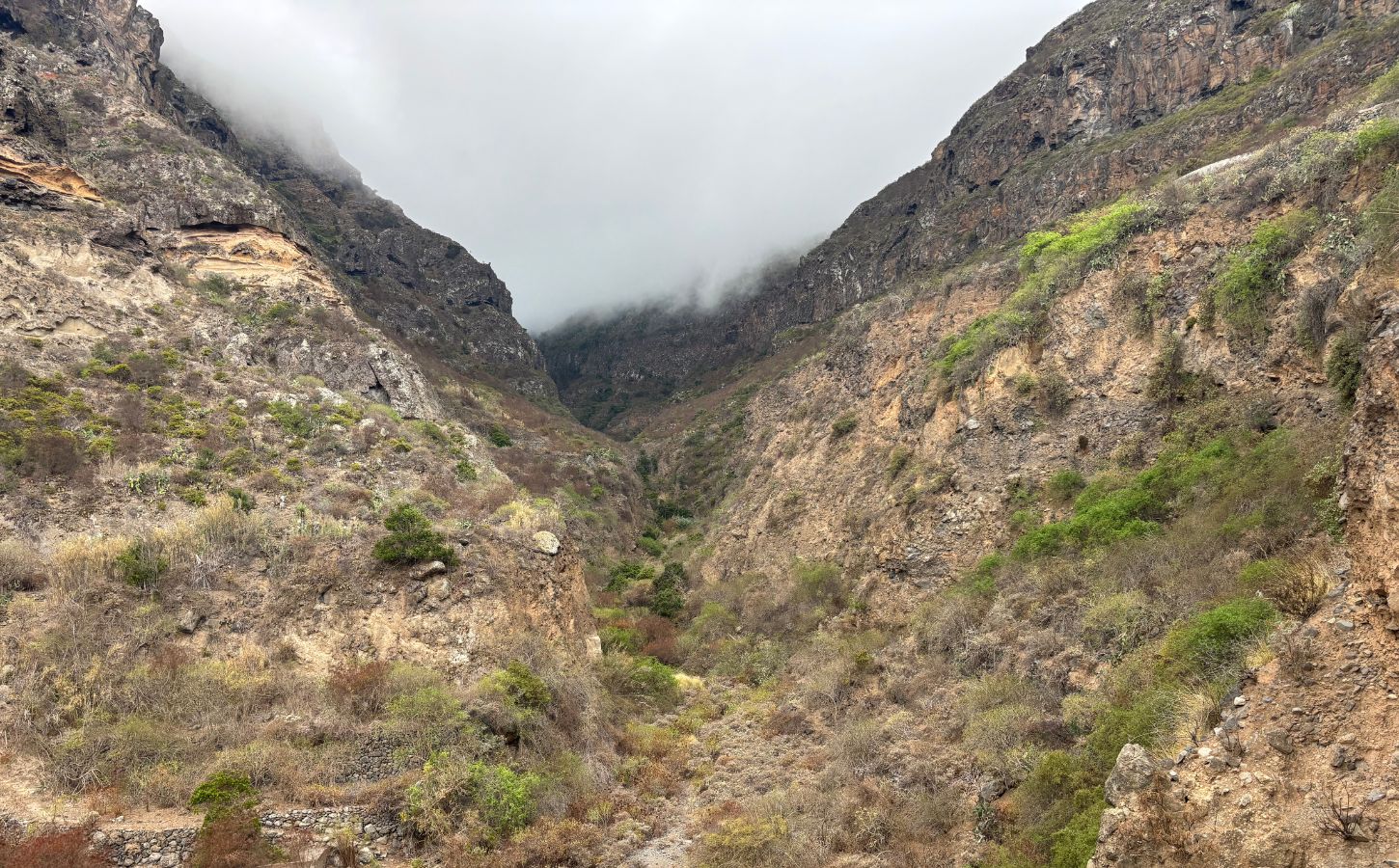
During summer, I recommend avoiding long hikes in the middle of the day and setting out early in the morning. The sun is strong, and many trails around Teide offer little or no shade. For a cooler alternative, head into the forested areas of Anaga Rural Park, where temperatures are milder and shade is easier to find. The scenery is beautiful, and the walking conditions are usually much more comfortable.
For Whale and Dolphin Watching
I know that many destinations advertise wildlife excursions that promise close encounters with dolphins, only for passengers to return without seeing much at all. Tenerife, however, offers some genuinely rewarding whale- and dolphin-watching excursions. I joined a small sailboat tour with a local operator, with only ten people on board. We saw pilot whales and spotted dolphins very close to the boat. The excursion was run with respect for the protected Teno-Rasca Special Area of Conservation, and it remains one of my favorite memories of the trip.
Resident species, including short-finned pilot whales and bottlenose dolphins, can be seen throughout the year. Conditions are often calmer between spring and fall, although sightings and sea conditions can never be guaranteed. That gives you plenty of flexibility when planning your trip. One final tip: choose a morning departure when possible, as the sea is often calmer earlier in the day.
For Stargazing and Astronomy
Tenerife is an excellent destination for stargazing, thanks to its altitude, dry upper atmosphere, and dark skies at higher elevations. Teide National Park is officially recognized as a Starlight Tourist Destination, a certification awarded to places with high-quality night skies and strong protections for astronomical observation. One of the island’s key scientific sites is Teide Observatory, located at roughly 2,390 meters above sea level. Guided daytime visits are available by advance reservation, while nighttime stargazing experiences take place in the surrounding national park with specialized guides. On clear nights, the Milky Way and countless stars can be visible above the volcanic landscape.
For the most consistently clear conditions, the drier months from spring through early fall are often a good choice, although the skies around Teide can be excellent at any time of year. On my first trip, I stayed in an Airbnb high in the mountains and arrived around 10:30 p.m. My host gave us an incredibly warm welcome and had worked out the exact moment the moon would rise beside the mountain. Sure enough, a few minutes later, it slowly appeared. The full moon was so bright and clear that it seemed to hover just above the ridge. Every evening, I stayed outside from sunset until the stars came out. During the entire week, there was only one night when the sky was slightly cloudy—which says a lot.
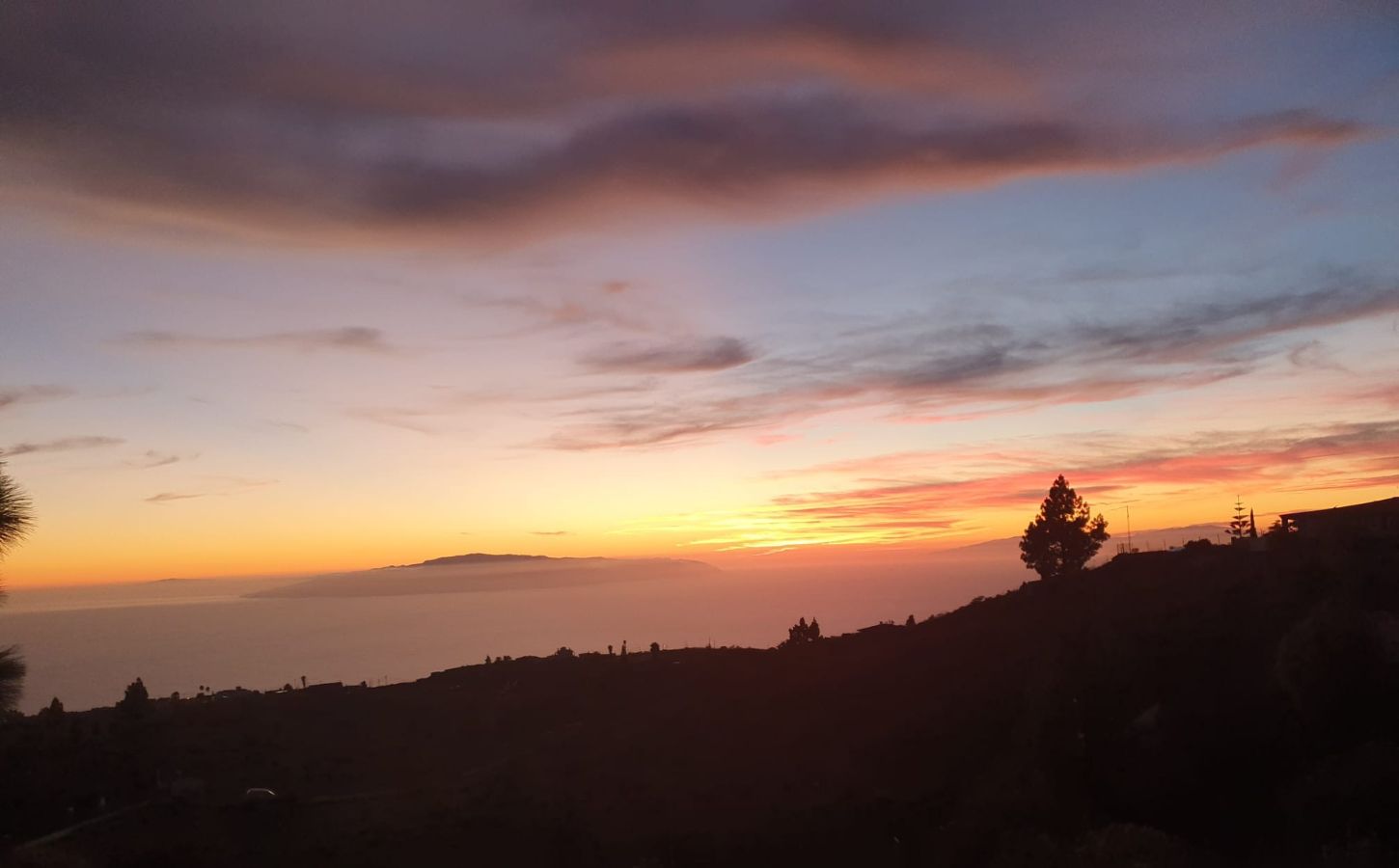
My point is that you don’t need to be at Teide Observatory itself to enjoy Tenerife’s night sky. At higher elevations, away from the brighter coastal areas, the stars can feel almost within reach.
When to Visit Tenerife, Season by Season
We’ve reached the final part of this guide: choosing when to visit Tenerife season by season. By the end, you should have a much clearer idea of which time of year suits your trip best—or at least, that’s the plan!
Visiting Tenerife in Winter (December to February)
Winter may be the season that surprises you most. Even in the middle of the season, Tenerife’s coastal climate usually remains mild, particularly in the south. While much of Europe is shivering, daytime temperatures along the coast can still feel pleasantly springlike. That makes Tenerife an appealing winter escape, with the south—around Costa Adeje, Los Cristianos, and Playa de las Américas—usually offering the warmest and sunniest conditions.
The north and higher elevations are a different story. Temperatures are cooler, especially around Mount Teide, where snow is possible. This is when the contrast between the coast and the mountains can feel most dramatic, so bring warm layers if you plan to head up Teide. Winter can still be busy around Christmas, New Year, and school vacation periods. Outside those peak weeks, the atmosphere is often quieter and prices may be more reasonable. I’d be very tempted to return in winter: in less than an hour, you can go from a mild southern beach to snow near Teide, all on the same island. Pretty remarkable, right?
Visiting Tenerife in Spring (March to May)
Spring is honestly one of the best seasons to visit Tenerife. Temperatures are pleasant, the days get longer, and you can enjoy excursions and hikes without the strongest summer heat or the busiest crowds.
The real highlight is the vegetation. After the wetter winter months, northern Tenerife and the mountains can be beautifully green, with wildflowers appearing in many areas. Anaga Rural Park can feel almost tropical at this time of year.
In the south, days are already frequently sunny, and you can certainly spend time on the beaches. The ocean is still cooler than in late summer, usually around 19–21°C, so getting in may take a little courage if you’re sensitive to cold. Once you start swimming, though, it feels much more comfortable. If you enjoy active trips and a calmer atmosphere, spring is an excellent choice.
Visiting Tenerife in Summer (June to August)
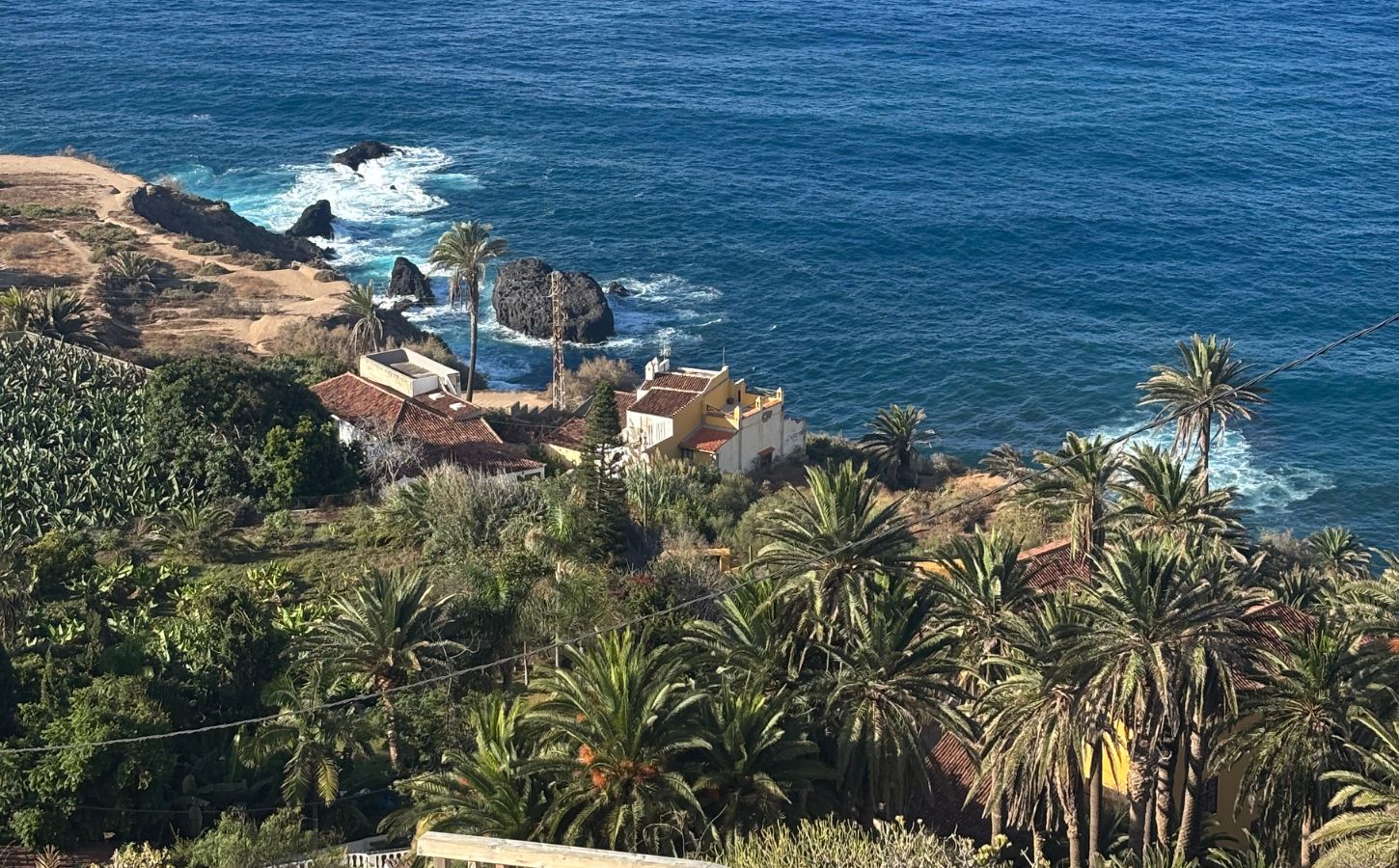
Summer in Tenerife means hot, sunny days and plenty of time by the ocean. It’s ideal for alternating between swimming, sunbathing, and water activities. Personally, I’m not sure I’d choose this period because temperatures can climb above 30°C during hot spells and the island is much busier. But if you enjoy heat, lively resorts, and long beach days, summer may suit you perfectly. Snorkeling and paddleboarding are obvious choices at this time of year.
The ocean is pleasantly warm without feeling like bathwater, generally reaching the low to mid-20s Celsius by late summer. Since this is peak season, you should also expect higher accommodation prices. I’ve seen some hotel rates rise dramatically compared with quieter months. For a trip centered on beaches, water sports, and nightlife, summer should be right up your alley. When traveling during this period, consider staying in the north, where conditions are often cooler and the atmosphere feels less resort-focused.
Visiting Tenerife in Fall (September to November)
I can’t claim much originality here, because both of my trips to Tenerife took place in fall—once in early September and once later in the month. Early September still felt much like summer, but without quite the same prices or crowds. By the end of September on my second visit, the weather felt more autumnal, slightly less stable, and not quite as hot.
I loved traveling at this time of year, and I’m far from the only one. Fall is a favorite season for many visitors, and it’s easy to understand why. Temperatures remain warm, but I rarely found the heat oppressive except occasionally along the coast. As soon as I climbed to higher elevations, the air became much cooler and more comfortable. I like active trips that combine water activities, hiking, and some downtime, and fall allowed me to do all of that. If that sounds like your travel style, you’ll probably love Tenerife at this time of year. Early fall is also excellent for a beach-focused vacation.
By November, temperatures begin to ease, especially in the evenings, and cloudier spells become more common in the north. Even so, swimming and exploring the island are still very much possible. Of all the seasons, fall may suit the widest range of travel styles.
You now know almost everything you need to decide when to visit Tenerife. All that’s left is to choose your dates and book your flights. Whatever time of year you go, I’m fairly confident the island will win you over. If you’re also planning to visit another Canary Island, our guide on when to go to Lanzarote may help you coordinate both destinations.
It may be less exciting, but it’s still an essential part of planning: how much to budget for a trip to Tenerife. Our dedicated guide covers everything you need to know and should save you some time.
See you soon for more Tenerife travel tips,

Written by Laura CALLES
Thanks to Mélanie and Sylvain, I had the chance to discover the Canary Islands, specifically Tenerife and Lanzarote, so that I could share these island paradises with you. Two real favorites of mine!
Despite our vigilance, an error may have crept into this article. If you spot one, please don't hesitate to let us know so that we can correct it immediately and keep our information up to date!