


Travel to the Gambier Islands: top 10 activities
Last update: 06/29/2026
Our blog continues to grow thanks to you, our readers. This post may contain affiliate links, which means we can earn a small commission if you make a purchase through them, at no extra cost to you. This helps us to continue to bring you more and support our work!
The Gambier Archipelago in French Polynesia is a place very few travelers have heard of. Most people visiting French Polynesia focus on Moorea, Bora Bora and, more broadly, the Leeward Islands. The other archipelagos are often, and wrongly in my opinion, overlooked, usually because of time, budget or simply a lack of desire to venture farther. And yet, traveling to the Gambier Islands is one of my favorite experiences in Polynesia. If I had to answer the question of which islands to choose for an itinerary in French Polynesia, Mangareva, the main island of the archipelago, would be my number one choice!

A quick introduction. The Gambier Archipelago, located more than 1,600 km from Tahiti, is one of French Polynesia’s five archipelagos. It is mainly centered around the tropical island of Mangareva, home to Rikitea, the archipelago’s main village and gateway. Several other, mostly uninhabited islands and atolls are also part of the archipelago. The Gambier Islands are also closely linked to the arrival of Christianity in French Polynesia.
Traveling to the Gambier Islands had long been one of my wishes, just like visiting the Marquesas Islands. The opportunity came thanks to the Air Tahiti 5-archipelago Pass, which at the time was one of the tips for traveling more affordably in French Polynesia. So here I was with my little family, ready to discover this archipelago at the end of the world.
Of all the islands in the Pacific, the Gambier Islands are probably the ones that impressed me the most. Mangareva, this remote Polynesian island more than 1,600 km from Tahiti, does not leave you indifferent. As mentioned above, the Gambier Archipelago is one of French Polynesia’s five archipelagos, along with the Society Islands (the Leeward Islands: Raiatea, Taha’a, Maupiti, Bora Bora, Huahine, and the Windward Islands: Tahiti and Moorea), the Tuamotu, the Austral Islands and the Marquesas.
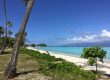
There is no luxury here, no overwater bungalows and little, if any, tailor-made travel. Instead, you find a peaceful Polynesian island known for its black pearls, religious buildings dating from the arrival of Catholicism, and a collection of small, little-known islands. As in many places in the Pacific, there are white-sand beaches, of course, except here you will often find no one else on them.
One small peculiarity of the Gambier Islands is that there is a one-hour time difference compared with Tahiti. The flight from Papeete currently takes about 3h40, or longer depending on the route and possible stopover, as was the case for us with a stop on the atoll of Tureia.

Are you planning your trip to French Polynesia?
We decided to make your life easier by creating our own travel guide, where everything is organized, categorized, and summarized. Save research time and start traveling already!
Yes, I'm interested!


Traveling to the Gambier Islands, an incredible experience!
1 - Enjoy the view from the plane when arriving on Mangareva
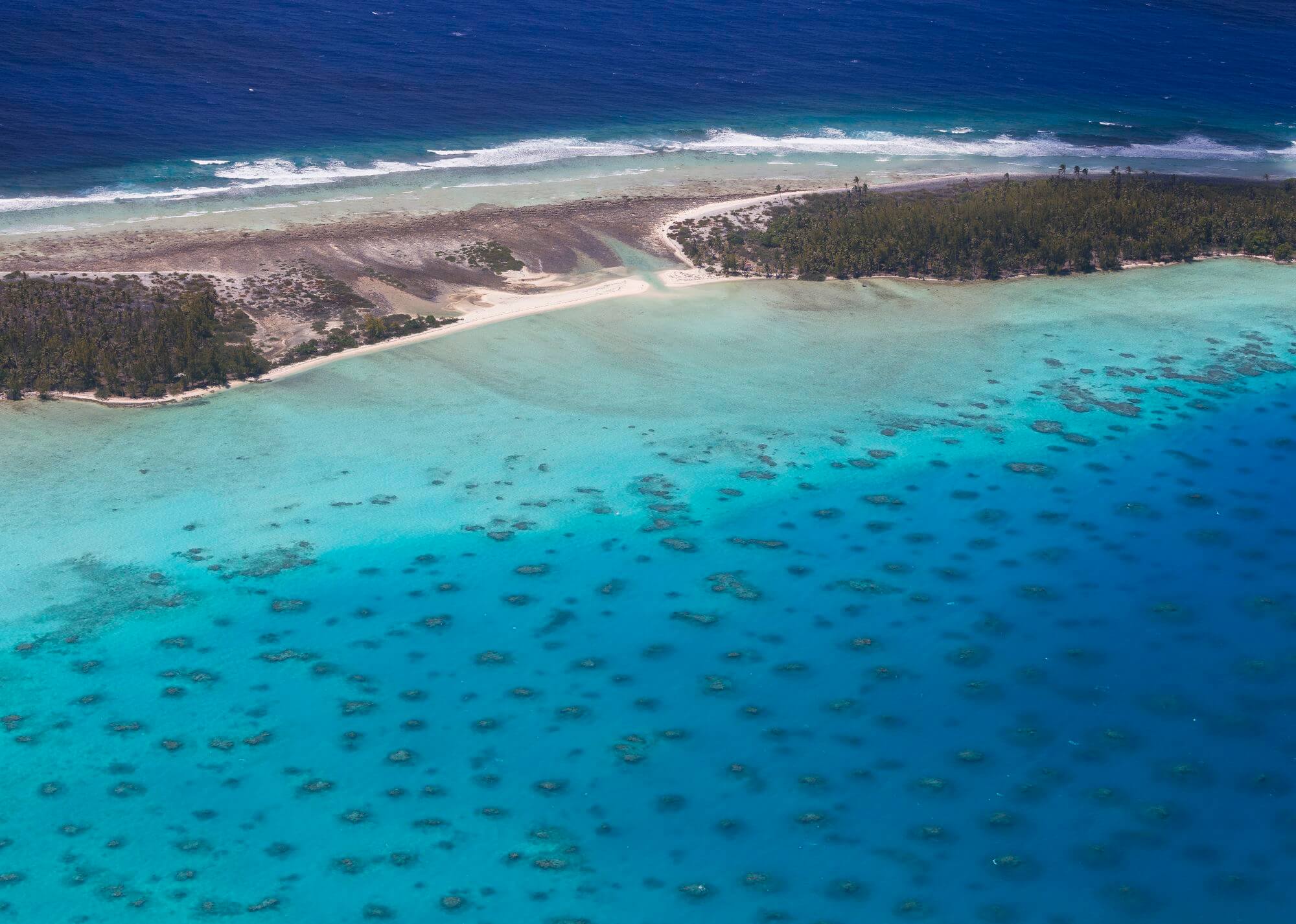
It may sound silly to say, but arriving by plane over the Gambier Archipelago, after more than four hours of travel in our case, was one of the most beautiful views I have ever had from a plane. Halfway there, we made a brief stop on the atoll of Tureia. Just admire the paradise-like view on arrival.

The arrival over Mangareva is magical: a maze of blue, with a lagoon dotted with coral heads that immediately leaves you dreaming. The scene is set. It is going to be a wonderful stay!
2 - Explore the island of Mangareva
Once you have arrived and put down your luggage, I suggest taking a tour around Mangareva. The island is relatively small, and a large part of it can be explored on foot. A cross-island road runs through the tropical vegetation between Rikitea and the other side of the island, offering beautiful views over the lagoon and its turquoise water.

Take a day to visit this small island and explore little paths that seem to lead nowhere. Along the way, you will have the chance to discover a superb waterfront and some truly beautiful colors.


If needed, you can ask your guesthouse for bicycles, or even try hitchhiking if you are tired of walking.
3 - Hike to Mount Duff, the highest point on the island
Mount Duff, the highest peak on the island at 441 m, was named by explorer James Wilson in 1797 after his ship, the Duff. It is a relatively accessible hike, depending on your fitness level. Ask your guesthouse to drop you off at the start of the trail, located on a bend in the road leading to the other side of the island.

The hike begins in a lush forest of pine and lemon trees, which feels a little different from the usual image of French Polynesia, especially because it is cooler here. The trail then continues through tropical forest and reaches the summit after about 1h30 of walking. For those wondering, it is possible to do it with a baby in a baby carrier. I did it.
The view from the top is splendid, with Rikitea village, the turquoise-blue lagoon and the other side of the island all laid out below. It is a hike that is really worth doing. For hiking enthusiasts, a second trail is also possible toward another summit. You will find the junction on the same path as Mount Duff after about 30 minutes of walking. In short, this small mountainous area is, in my opinion, worth dedicating a full day to.
4 - Discover the Mangareva lagoon and its islets
If there is one thing you should do when traveling to the Gambier Islands in French Polynesia, it is a boat trip on the lagoon to discover the beautiful coves, deserted white-sand beaches and islets scattered across the turquoise water. Ask your accommodation whether they offer an outing. The excellent guesthouse where we stayed was able to arrange the excursion, and it was truly superb. I recommend it 100%. The day allows you to explore the lagoon and, in particular, the main islands and islets such as Akamaru, Aukena, Taravai and Kouaku. Hopping from island to island is really magical.

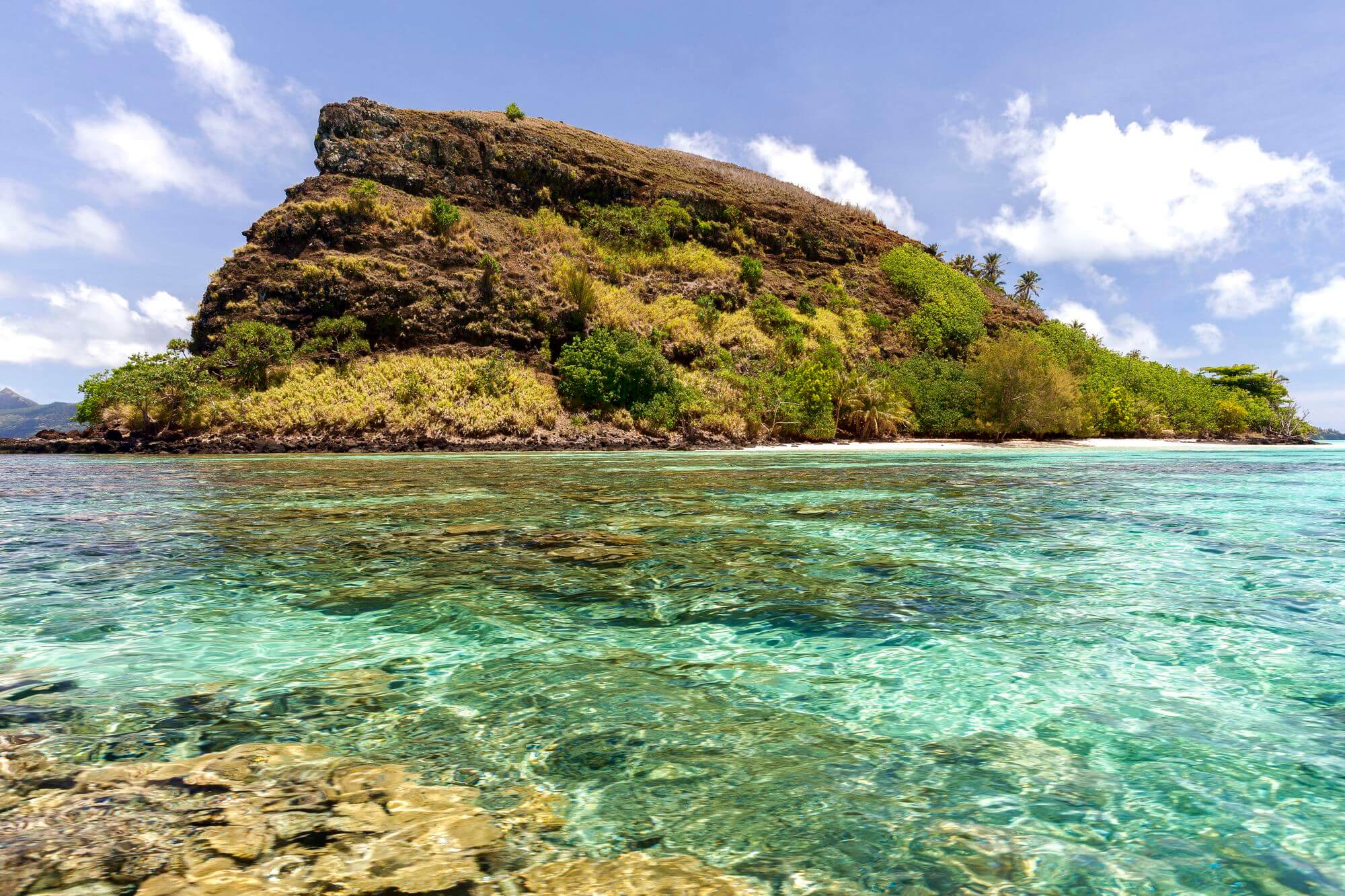
One of my strongest memories is the visit to the islet of Mekiro, where a 30-minute walk to the rocky summit reveals a breathtaking view. I could have cried, the view from above was so beautiful.

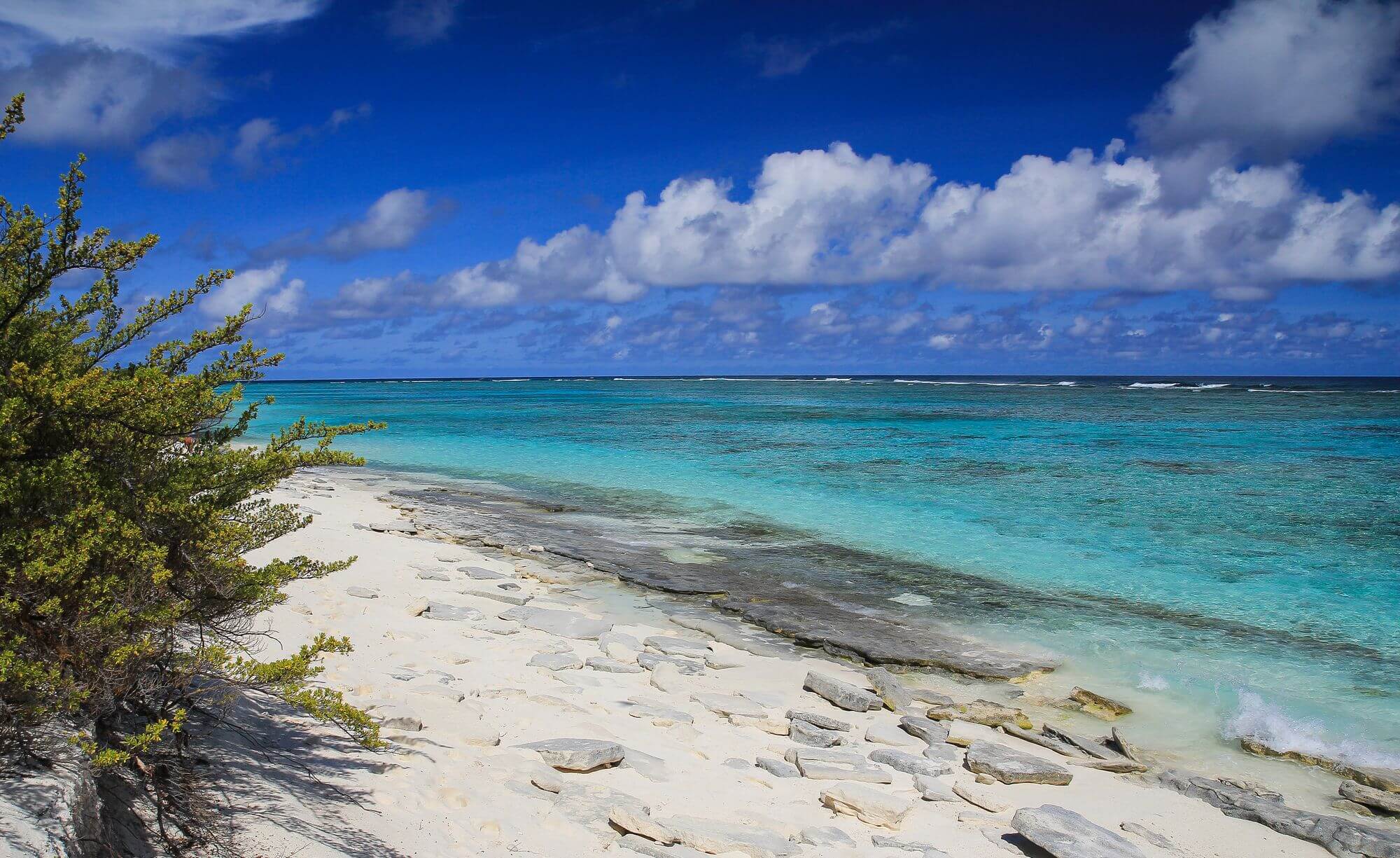
We then had lunch on the island of Kaouku, a superb sandbank located on the coral reef. Judge for yourself.
The visit to the islets is also punctuated by stops at old ruins from the missionary period, which I talk about in the paragraph below.
5 - Discover the remains of the first missionaries
Whether on the main island or on the islets of the turquoise lagoon, there are many remains from the time of the first Catholic missionaries. For a brief history of the archipelago, the first Europeans set foot there in 1826 with Frederick William Beechey. The first Catholic mission was later established, and the first buildings were built by Fathers Laval and Caret in 1834.

On the lagoon islets, you will have the opportunity to visit old churches built with lime during the missionary period, around 1835 to 1840. You will also discover the remains of some of the first schools in French Polynesia, the lime kilns used to build the structures at the time, and the old bread ovens.

Before visiting the Gambier Islands, it is worth learning a little about the local history. The main remnant of the missionary era is, of course, Saint Michael’s Cathedral in Rikitea.
6 - Visit Saint Michael’s Cathedral in Rikitea (and attend Sunday service)
When you have made the effort to travel to the Gambier Islands, a visit to Saint Michael’s Cathedral is a must. It was built between 1839 and 1841 by the missionaries of the time and restored between 2009 and 2011.
Even if you are not especially interested in churches and cathedrals, as is my case, take a few moments to appreciate the monument. I also had the opportunity to be there on a Sunday and attend a church service. Going to church here in the Gambier Islands, the cradle of Christianity in French Polynesia, is not something that leaves you indifferent.
7 - Visit a pearl farm
The Gambier Archipelago is also very famous for the quality of its pearls. A large share of them is exported to Tahiti and sold in the capital’s jewelry shops. As you walk around the island, you will easily spot pearl farms, sitting on the lagoon as if they were floating there.

A visit to a pearl farm therefore feels almost essential. There are farms of many different sizes. We learned that the guesthouse where we stayed for the week offered a free visit to its farm. We went with Michel, the farm manager, to visit this small floating structure on the lagoon. The visit helped us understand every step in the creation of a pearl, from choosing the oysters to grafting, selecting the nucleus and explaining the technique. Everything was explained to us. It was an excellent moment.


8 - Eat lychees!
And of course, you cannot travel to the Gambier Islands without tasting lychees! The cooler climate makes it possible to grow this delicious fruit. Marie and Michel, our hosts, have many lychee trees in their garden. Every morning and evening, they kindly offered us lychees, and honestly, they were the best I have ever tasted. A real treat.

9 - Buy pearls
The Gambier Islands are also an obvious place to buy quality pearls at a much lower price than in Tahiti. So ask your accommodation or locals in the village where to buy them. Try to favor loose pearls that you can choose on site. You can then have them mounted in Tahiti, for example at the shop “Chez JR,” next to the market, which is particularly well known.
10 - Go kayaking and enjoy the lagoon
Finally, depending on where you are staying, you may be able to kayak on the lagoon. Once again, the guesthouse where we stayed provided several kayaks free of charge. Take advantage of this to venture into the bays and around the pearl farms in the lagoon.
You can also go snorkeling at the same time to enjoy the underwater life and coral reefs around the island.
Tips to remember when traveling to the Gambier Islands in French Polynesia
How to get to Mangareva?
- From abroad, you will obviously need to arrive first on the island of Tahiti, in Papeete. I usually have a look at this website to find the cheapest deals.
- Once in Tahiti, the easiest way is to fly with Air Tahiti. Air Tahiti currently lists the Tahiti–Mangareva round trip from 107,448 XPF including taxes.
- For travelers who want to visit several archipelagos, the Air Tahiti pass system can still be worth checking, but the old 5-archipelago Pass tip from our trip should no longer be treated as a current rule. The available passes and conditions change, so check the official Air Tahiti pass page before planning your itinerary.
Please note, however, that “séjours dans les îles” offers packages combining flights and accommodation, which can reduce the cost of the week if you do not have access to a suitable Air Tahiti pass. Check the current conditions directly, as some offers may be reserved for local residents.
Where to stay in Mangareva?
You will not have dozens of accommodation options here. There are a few guesthouses on the main island, including the one where we stayed and that I can wholeheartedly recommend.
Marie and Michel, from Pension Maro’i, where we spent the week, welcomed us with open arms and great warmth. We had a wonderful time with them in beautiful, spacious bungalows overlooking the lagoon. Between Marie and Michel’s meals, the fresh fish every day, the korori carpaccio, the lychees and the stories about local life, everything was perfect for us. It is a wonderful way to immerse yourself in Polynesian culture.

To stay with them, you can either book directly through their website, their Facebook page, or through “séjours dans les îles”, which offers flight + accommodation packages.
You can go there on my behalf; you are sure to receive a warm welcome.
Getting around the island
Michel, Marie or their son will always be ready to help and take you to the village to run errands if needed. Either way, you will usually find someone to take you there. You can also walk from the guesthouse to the village, and more generally from one side of the island to the other. Hitchhiking also works very well on the island. There is no real need to rent a car on such a small island, even though rental options may exist. For me, like Maupiti, Mangareva has the advantage of being on a human scale, where everything can be done quite easily on foot, adding even more charm to an already paradise-like setting.

Where to eat?
We chose half board at Marie and Michel’s, and it was perfect. If you do not book half board, you can go to one of the shops in the village to buy food without any problem. You will not find everything you want, because you are in a remote part of French Polynesia, remember, but the essentials are there. There are also a few small snack bars in the village serving simple local dishes. For a small extra cost, and if she agrees, Marie may also be able to prepare lunch or dinner for you. By the way, if you enjoyed this article, I really invite you to check out our article about our second trip to Mangareva! It will give you even more ideas for things to do in Mangareva.
So I think you understand that visiting the Gambier Islands, in the South Pacific, has been one of my best memories since living here. This archipelago has everything to please: a few hikes, beaches that could make Moorea and Bora Bora, the Pearl of the Pacific, blush, genuine local authenticity and almost no tourists. In short, for me, it is the perfect paradise island for a vacation or honeymoon. I hope this article has inspired you to visit the Gambier Islands and given you a good idea of what there is to do in this archipelago. And if you like favorite destinations and magnificent islands, I also invite you to take a trip to Easter Island.
So, are you convinced to come and visit the Gambier Islands in Oceania?

Written by Sylvain PONS
From 2015 to 2021, French Polynesia was our home, with Mélanie and our children. I'm happy to share my experience and advice to help you organize an unforgettable stay in French Polynesia, based on my in-depth knowledge of the territory.
Despite our care, a mistake may have slipped into this article. If you find any, please don't hesitate to let us know so we can correct it as soon as possible and keep our information up-to-date!


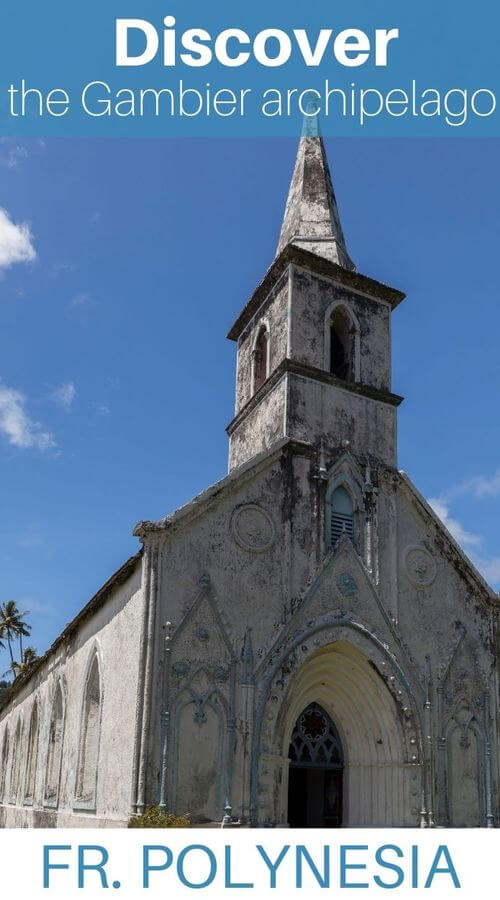
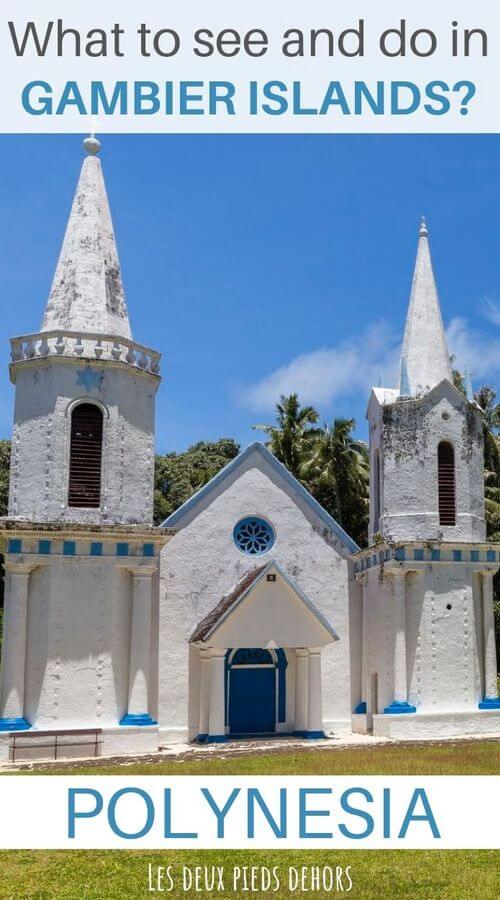
The church shown is Nôtre-Dame-de-la-Paix on the island of Akamaru and not the cathedral.
Yes it is 🙂
Sylvain
Hello…
thanks a lot for all the posts, especially those about lesser known islands or atolls 🙂 Could you please put here some link about that “5-archipelago Pass with Air Tahiti.”? I am struggling a bit to find any other relevant info on internet. Or is it rather something you have to check directly with Air Tahiti?
Thank you a lot
Michal
Hi Michal,
It’s true that I mentioned the 5 archipelago pass in a lot of posts on our blog but it’s supposed to be only for locals. In fact it will be possible for you to buy it locally for example, but as a tourist, it’s quite difficult and the internet page isn’t available for you !
Sylvain
Hi Sylvain,
Thank you a lot for you answer. I d have one more question if I may. I saw in many pics from Gambiers some of the most amazing beaches I ve ever seen. However they seem to be rather on these smaller islands around Mangareva. Are these islands, or more specifically beaches privately owned? I am trying to figure out, if we may stay there alone, e.g. the whole day or afternoon, or if its allowed only as a part of an organized “lagoon tour”. I understand its difficult to get there without help of locals, but thats already matter of some deals 🙂
Thank you again
Michal
Hi Michal,
this smaller islands (called motu here in French Polynesia) are sometimes private, sometime not, but the difficult part is to reach them actually. You’ll have to ask your guesthouse for example where you’re staying to drop off at some places. Usually, they also have a family motu
Sylvain