Timanfaya National Park in Lanzarote
Last update: 06/19/2026
Our blog continues to grow thanks to you, our readers. This post may contain affiliate links, which means we can earn a small commission if you make a purchase through them, at no extra cost to you. This helps us to continue to bring you more and support our work!
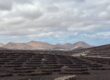
If you’re planning a trip to Lanzarote, this guide should come in handy. I’ve put together a complete guide to Timanfaya National Park in Lanzarote, one of the island’s most remarkable places. I had heard it was among the must-see attractions in Lanzarote, and after visiting, I can absolutely see why. The moment you enter the park, it feels as though you’ve landed on another planet—Mars, perhaps.
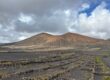
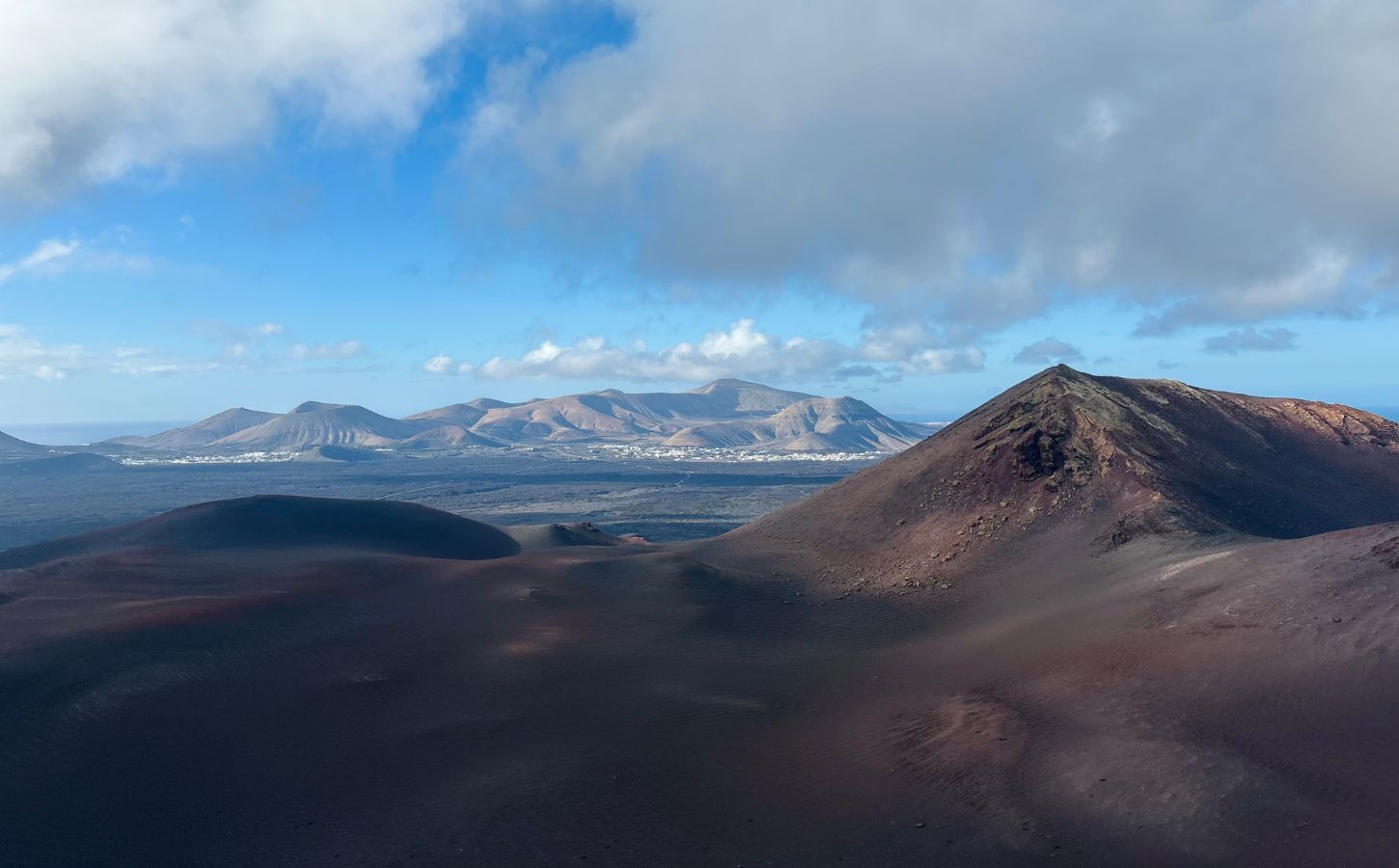
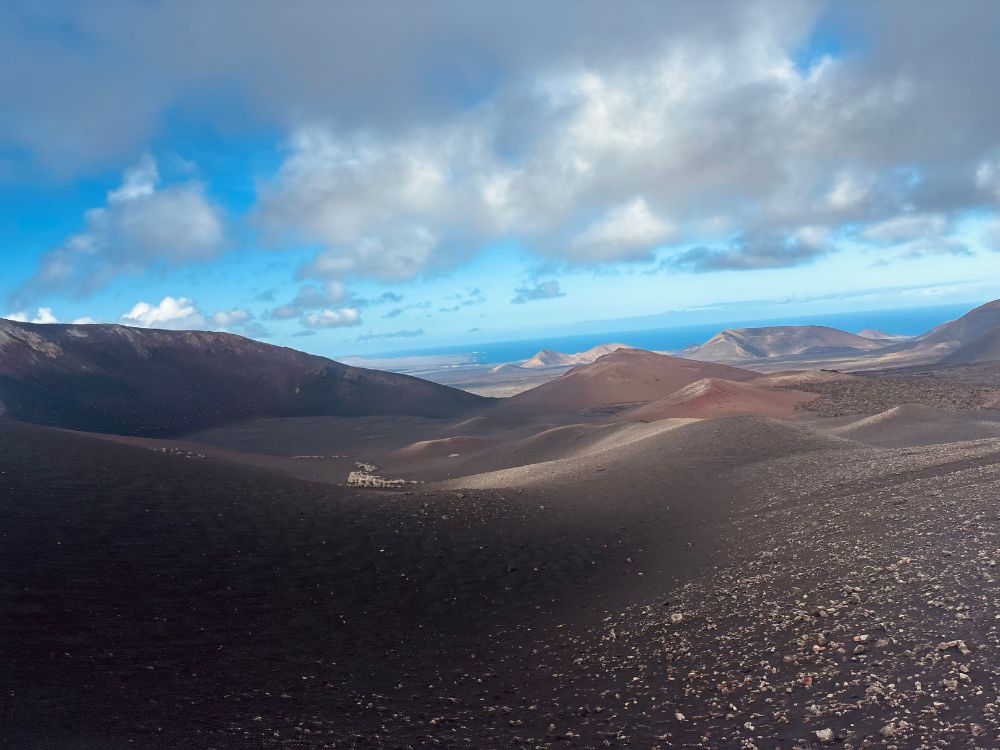
The scenery is striking, and it’s hard to know where to look first. Volcanic craters, lava fields of different ages, and fumaroles stretch out in shades of red, purple, and black. It feels wild, powerful, and almost untouched, as though nature has completely taken over. This is an experience you can only have in Lanzarote, and I really wouldn’t skip it. As you travel through the park, you quickly understand why Timanfaya is often described as the volcanic heart of the island.

A little background before we begin: Timanfaya was shaped by nearly continuous volcanic eruptions over six years, from 1730 to 1736. They completely transformed this part of the island and buried entire villages beneath lava and ash. One of them was Timanfaya, which later gave the park its name. Volcanic heat is still very much present beneath the surface today, as you’ll see during the geothermal demonstrations. I won’t give too much away just yet, haha!
Timanfaya must-sees
To help you make the most of your time in Timanfaya, I’ve put together a list of the main things to see and do. A standard visit is fairly short—around 1 hour and 15 minutes—but it would still be easy to overlook something. This is also a chance for me to share my own experience of the park with you.
La Ruta de los Volcanes
La Ruta de los Volcanes is one of the highlights of any visit to Timanfaya. As soon as we got out of the car, we boarded one of the park’s official buses for the panoramic route. This is the only way to travel through the restricted interior of the park and see the craters and lava fields up close. Timanfaya is carefully protected to preserve its volcanic landscapes—a far cry from the days when local residents reportedly used the underground heat for barbecues with family and friends.
The bus route lasts about 35 minutes, and private vehicles are not allowed on it. Because we arrived early, we didn’t have to wait. Everything is well organized, although demand can still be high during busy periods.
The onboard commentary is available in Spanish, English, and German. French and Italian versions can be accessed by scanning a QR code and using the app, so you can still follow the explanations in one of those languages.

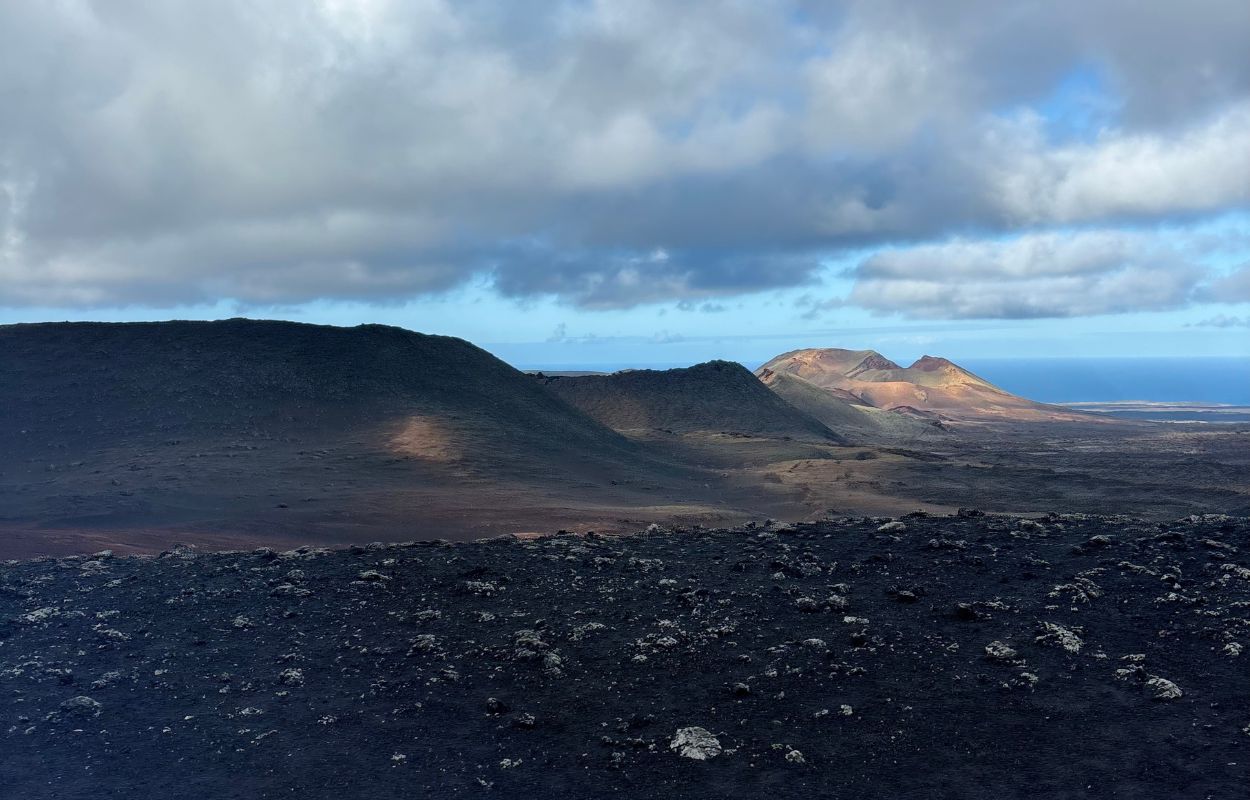
From the very beginning, the views are mesmerizing. Everyone on the bus falls quiet, listening to the commentary while taking in the scenery. You simply don’t come across landscapes like these every day. The road winds between immense craters, red and black rock formations, and solidified lava flows, making you feel very small in the middle of it all.
The bus pauses at several viewpoints so you can see the Fire Mountains, or Montañas del Fuego, from different angles. I used every opportunity to photograph the landscape, although it is surprisingly difficult to capture in words or pictures. The audio commentary recounts the park’s history and the major eruptions of the 18th century, explaining how local residents were forced to leave everything behind and rebuild elsewhere on the island. More than 200 square kilometers were covered by lava. Before the eruptions, the area had also supported extensive fruit and vegetable farming, with produce exported to other Canary Islands. The commentary then explains how life gradually returned.
One practical tip: book an early time slot if you can. Large tour groups also visit the site, and the experience feels more relaxed when it is less crowded. Keep your camera or phone within reach, because almost every turn reveals another great view—but remember to put it down occasionally and simply take in the landscape.
Geothermal demonstrations and El Diablo
After the Ruta de los Volcanes, the bus brings you back to Islote de Hilario, the elevated plateau in the heart of the Montañas del Fuego where the parking area is located. This is where the geothermal demonstrations take place. They reveal just how intense the heat remains beneath the surface, reaching temperatures of up to 600°C in some areas—a vivid reminder that volcanic energy is still present underground.
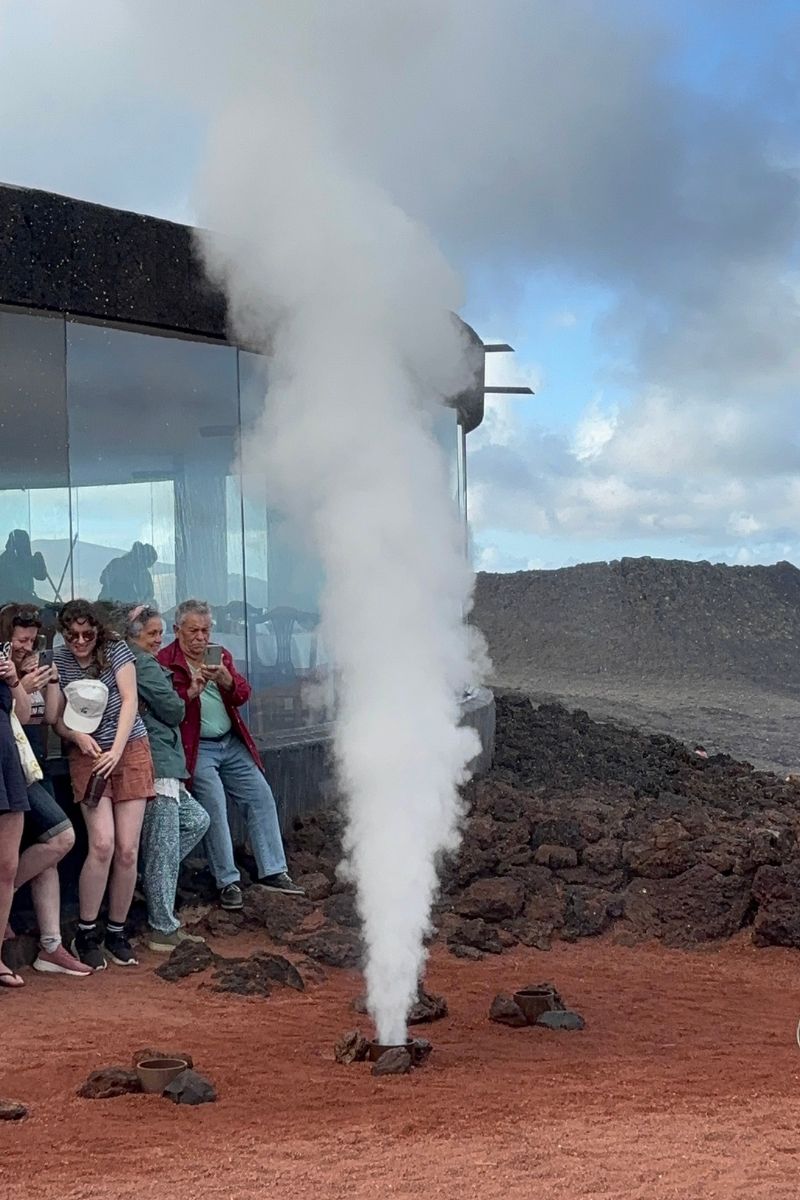
A staff member leads each demonstration. The first is easily the most dramatic: cold water is poured into a hole, and a few seconds later, a powerful column of steam erupts like a geyser, rising as high as 10 meters. The whole thing is over quickly, so I watched it two or three times. The only drawback is that people tend to crowd around with their phones out, focused on capturing a video or photo rather than listening to the explanation.
A little farther on, another guide drops a handful of dry twigs into a shallow cavity. They ignite almost immediately, producing the smoke and smell of a natural barbecue. It really brings home just how much heat lies only a short distance beneath your feet.
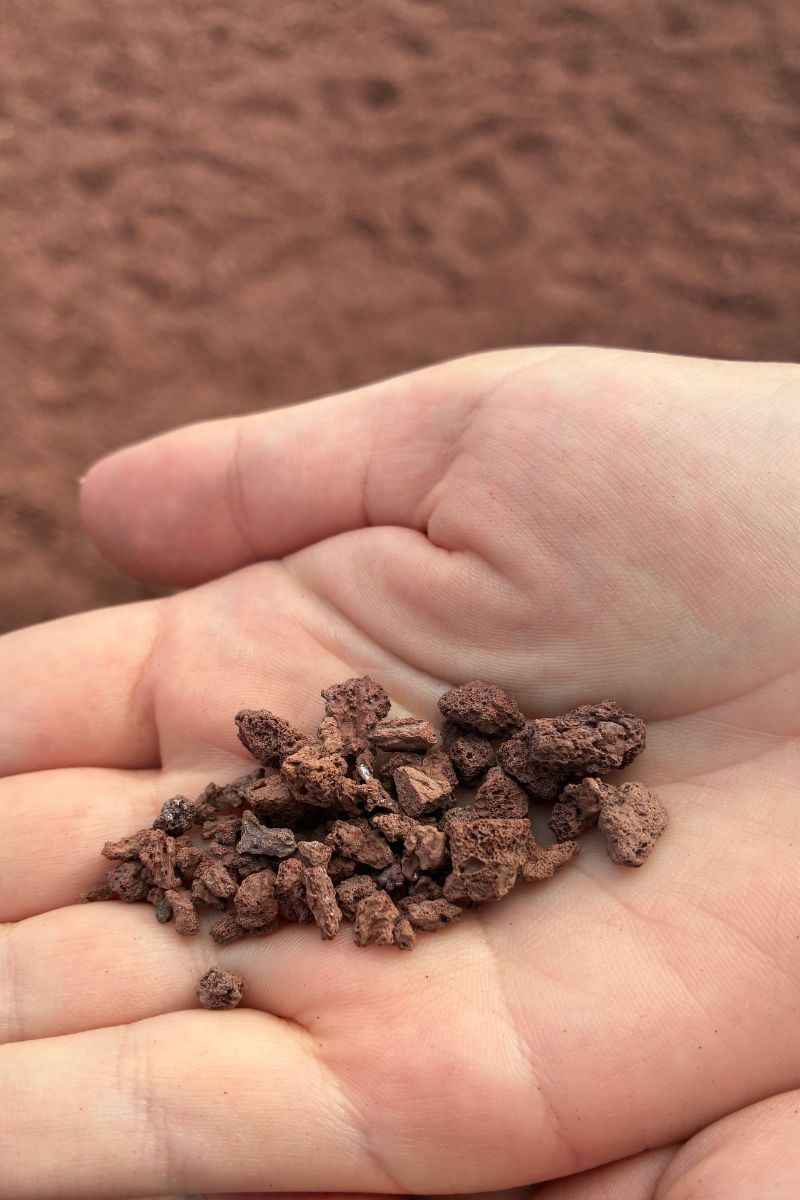
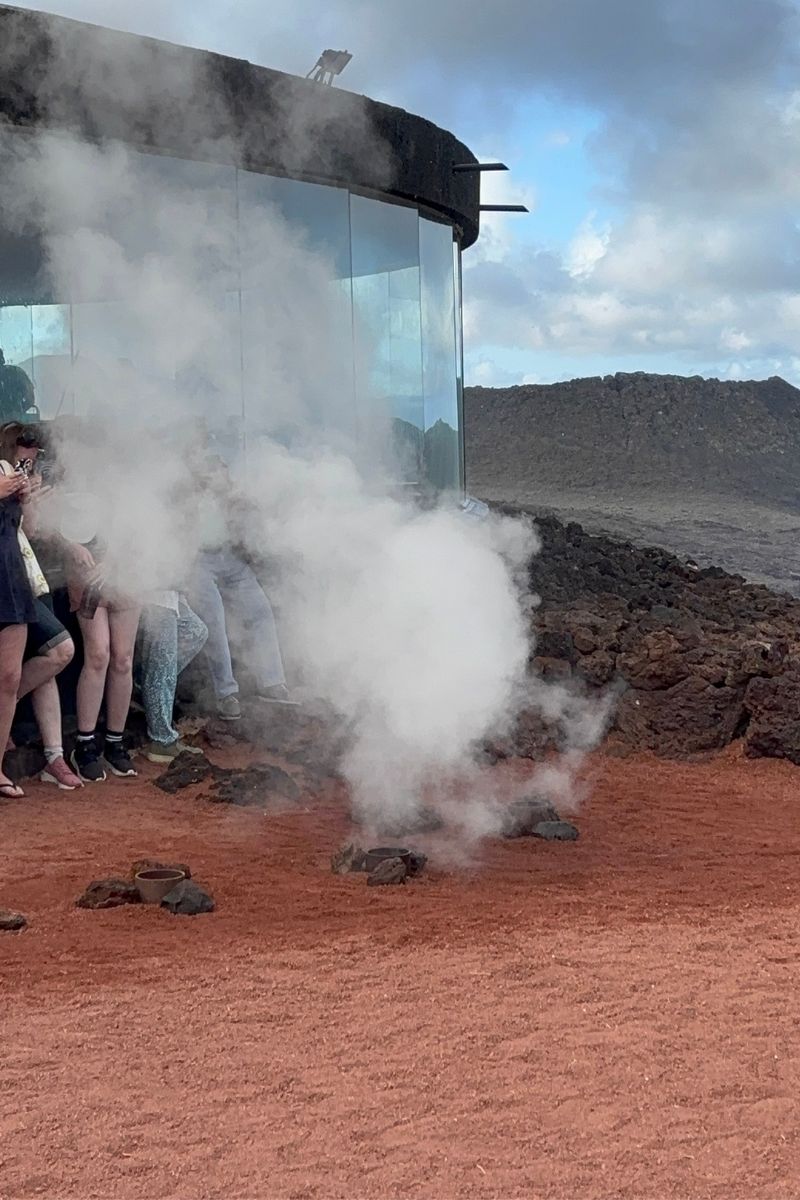
For the final demonstration, the guide stirs the lapilli—small volcanic stones—with a shovel, releasing wisps of smoke, then places a few in each visitor’s hands. At around 80°C, they have to be passed quickly from one hand to the other to avoid getting burned. It is an effective way to end the sequence. After watching the steam and smelling the burning twigs, you finally experience the volcanic heat through touch. My only reservation was that the area was becoming crowded, and the demonstrations moved quickly to keep the line flowing. Even though I visited in the morning, I would have liked a little more time to take everything in.
To continue the experience through another sense, head to the famous El Diablo restaurant. Designed by César Manrique—the artist behind several landmarks integrated into Lanzarote’s landscapes, including Jameos del Agua and the Jardín de Cactus—the restaurant has floor-to-ceiling windows and panoramic views across the park. It is fairly expensive, and tables can fill quickly.
The distinctive feature is that food is grilled using heat from the volcano itself. Chicken, fish, meat, and vegetables are cooked over a natural geothermal vent, giving the meal an unusual connection to the landscape. It is a memorable way to round off the Timanfaya experience. The restaurant does not accept reservations, so if no table is available—or you would rather save your budget for other activities—you can simply stop for a drink and enjoy the view.
For a different kind of experience, you can also visit Timanfaya in the evening with a romantic dinner included. During high season, another option is a guided day tour of Timanfaya with skip-the-line access.
Hiking the Ruta de Tremesana
For a quieter and more immersive way to experience Timanfaya, the Ruta de Tremesana is an excellent option. It is one of the park’s official guided walking routes and must be booked in advance. Places are limited, and unfortunately, there were none left when I tried to reserve, even though I planned ahead. I did, however, join a guided hike in Los Volcanes Park nearby.
The excursion meets in the village of Yaiza, on the edge of the park, before transportation takes participants to the trailhead. From there, the route leads through lava fields, craters, and black and red volcanic hills. It is the kind of landscape that makes you feel very small—at least, that is how I felt on my other hike.

The route is about 3 kilometers long and takes approximately three hours, including stops for the guide’s explanations. The difficulty is rated as low, but participants must be at least 16 years old. Groups are limited to eight people, which helps preserve the quiet atmosphere. Closed athletic shoes are mandatory, and you’ll need to bring identification.
Although I didn’t do this exact route, I completed a similar hike nearby. I strongly recommend bringing water, sunscreen, and a cap or hat. The temperature may not feel especially high while you are walking, but the sun is intense and there is very little shade. Tempted?
Hiking the Ruta del Litoral
If the Ruta de Tremesana is not available, consider the Ruta del Litoral instead. It offers a completely different experience, replacing craters and red-and-black hills with dark lava fields running alongside the restless Atlantic.
You can begin near the village of El Golfo, where I stayed, or from Playa del Paso. The trail follows the southern coastline and the edge of Timanfaya National Park toward Los Hervideros. It is a long route—roughly 10 to 12 kilometers each way—but you can easily walk only part of it and turn back whenever you choose.
The views are impressive throughout. On one side, the ocean crashes against the coast in powerful waves that can reach 8 or 9 meters; on the other, an expanse of solidified lava stretches inland in a remarkable variety of shapes. Although the lava has been frozen in place for around 300 years, it remains deeply black, jagged, and sharply defined. Because the route is long, it tends to feel peaceful, and you may pass very few other hikers. Walking to the rhythm of the wind and waves is a wonderful way to switch off.
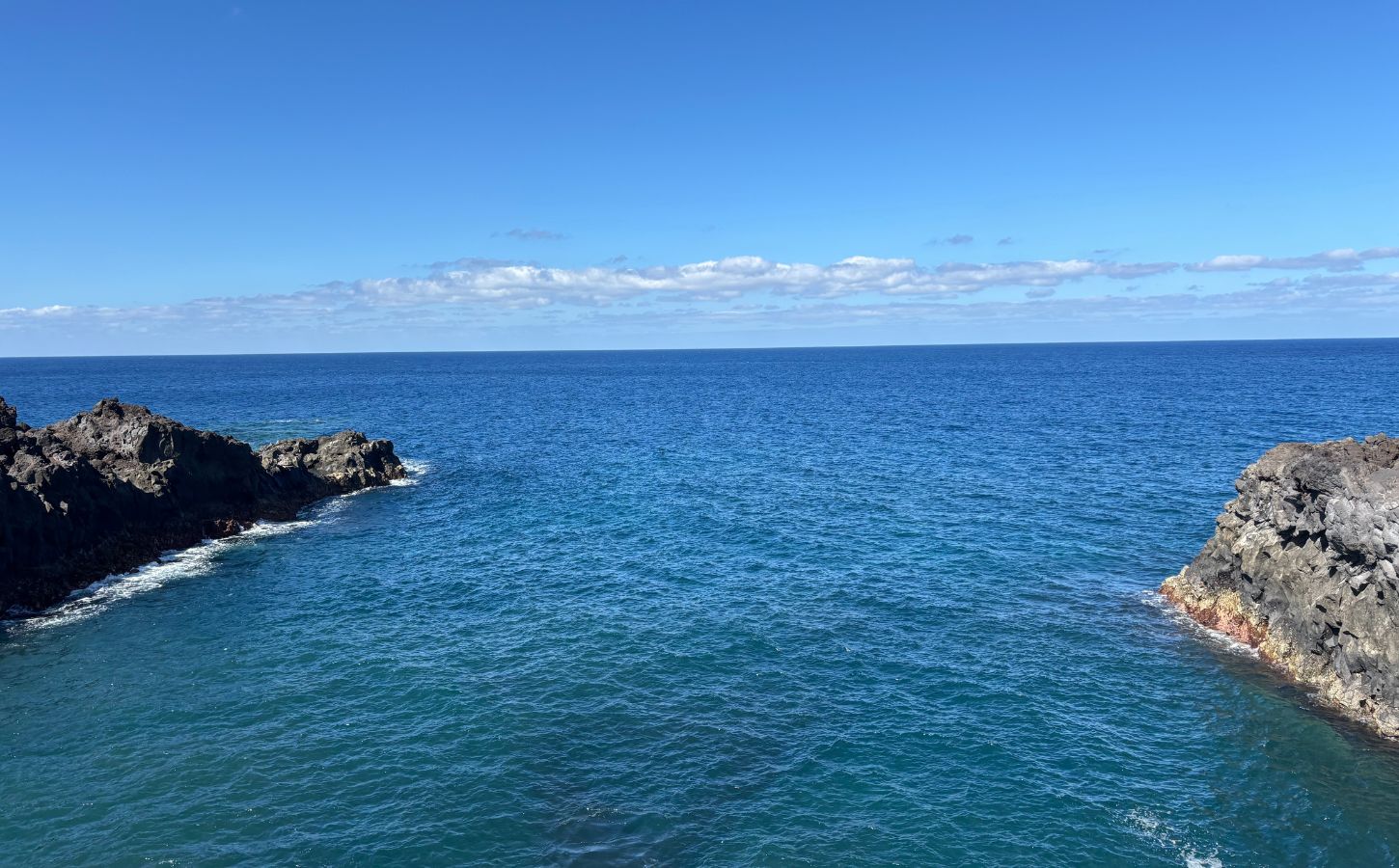
The difficulty falls somewhere between easy and moderate, but you need to come prepared with walking shoes, plenty of water, and a hat or cap. There are no services along the way, and the sun can be intense, so setting out in the morning is a good idea. If you start in El Golfo, take the opportunity to stop at Charco Verde, the famous green lagoon I’ll mention again below.
For me, the Ruta del Litoral is a wonderfully varied hike through Lanzarote’s natural landscapes. It is especially rewarding if you want dramatic scenery without the crowds.
For more ideas, take a look at our dedicated guide to the best hikes in Lanzarote.
Visiting the national park with a guide can also add useful context. Several excursions are available, including three-hour tours and six-hour options.
What to do around Timanfaya National Park?
To make a full day of your visit to Timanfaya National Park, here are a few nearby places worth adding to your itinerary.
Charco Verde
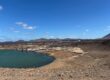
As mentioned above, Charco Verde, also known as Lago Verde, is a small natural gem just outside the village of El Golfo, around 20 minutes from Timanfaya. My accommodation was only a five-minute walk away, so I had the chance to see it several times. The lagoon is an intense shade of green—almost neon in bright sunlight—and sits below red and black cliffs. The contrast is remarkable.
I had seen it several times in videos on social media, but it is far more striking in person. The area is protected, so you cannot walk down to the lagoon or swim there, no matter how inviting it may look from a distance. Visitors must remain at the viewpoint, which still offers beautiful views over the lake.
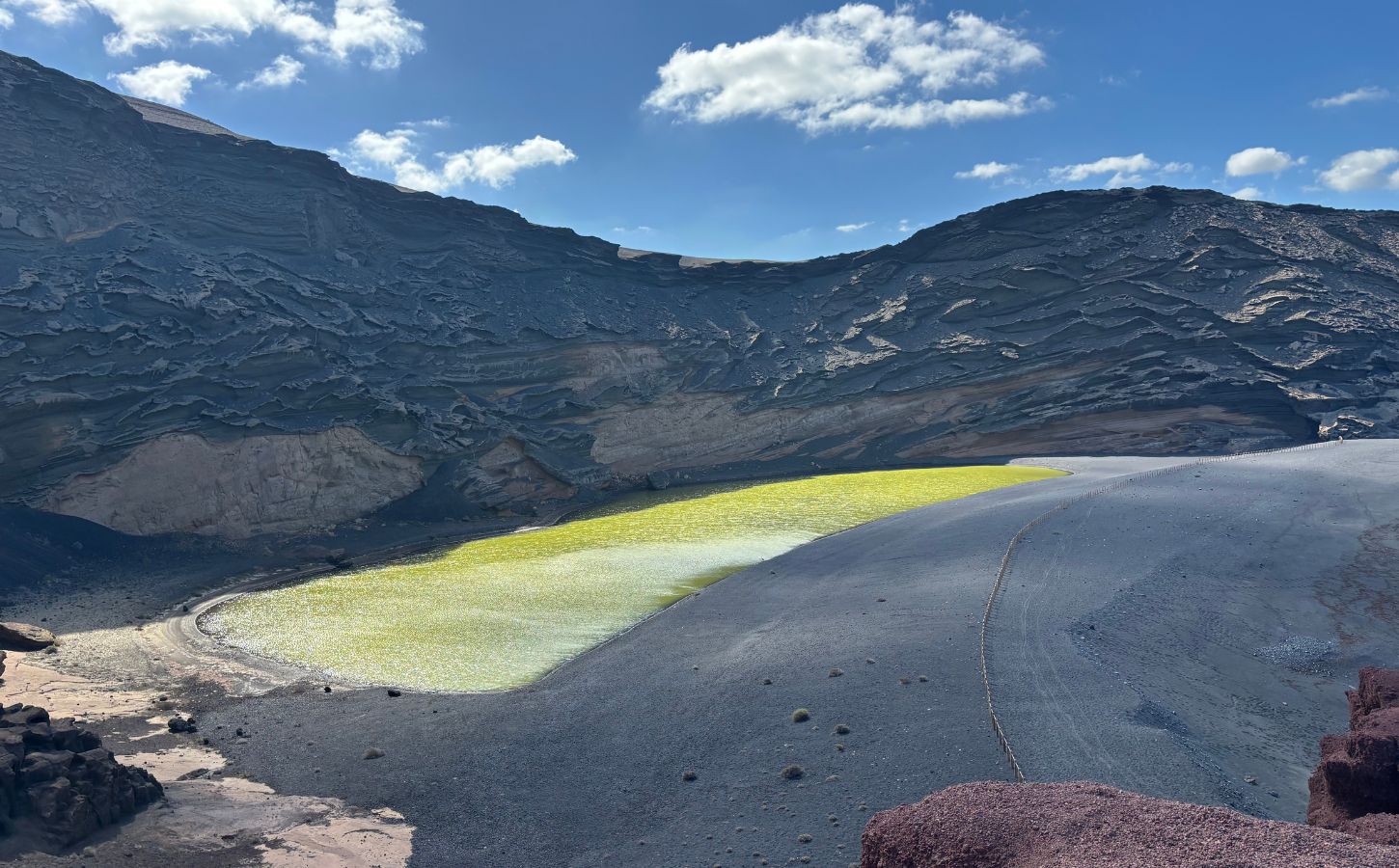
After visiting the viewpoint, you can continue with a walk along the black-sand beach. To round off the day, stop at one of El Golfo’s local restaurants. I particularly enjoyed Pescador, where the food was excellent.
Los Hervideros
A few kilometers from Charco Verde, Los Hervideros is another natural highlight on Lanzarote’s west coast. This is where Timanfaya’s lava flows meet the Atlantic Ocean, creating caves, rock arches, and cliffs sculpted by the water. The name Los Hervideros roughly means “the boiling places,” which feels entirely appropriate. Waves crash forcefully against the volcanic rock, making the water churn and roar as though it were boiling.
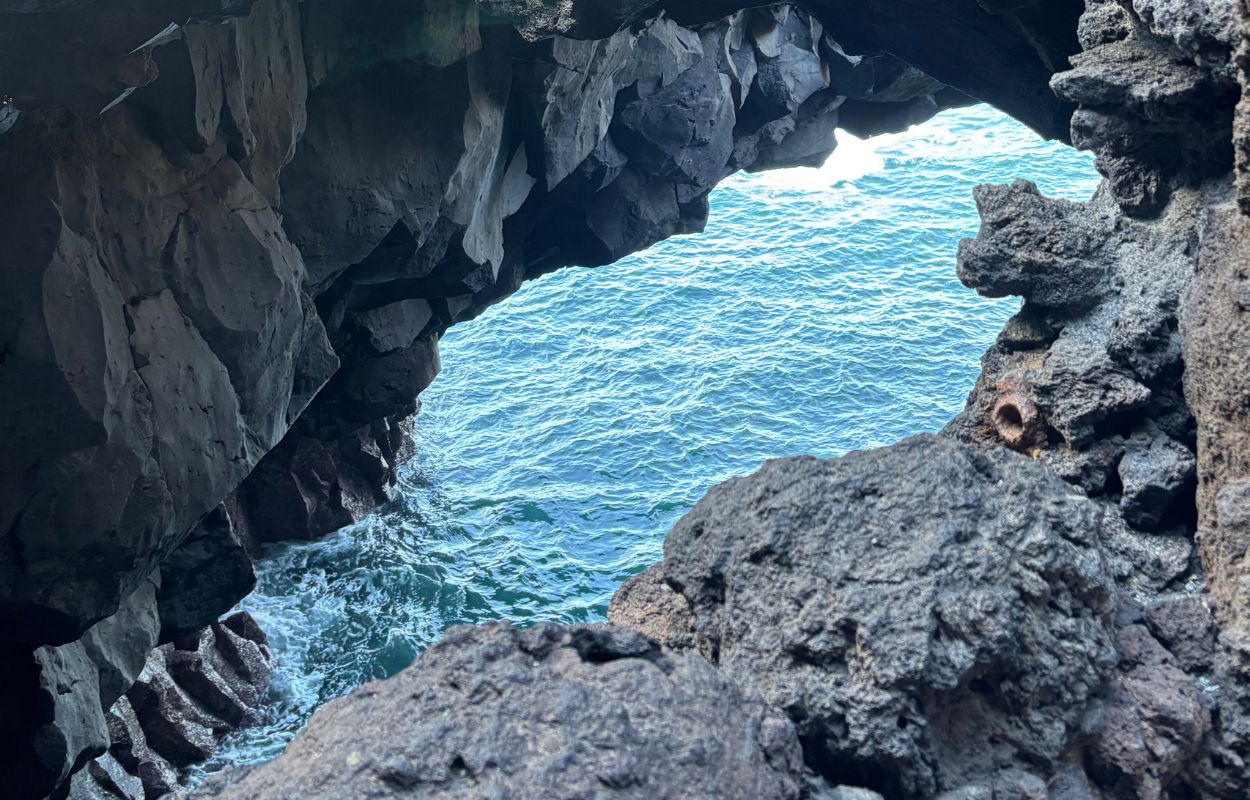
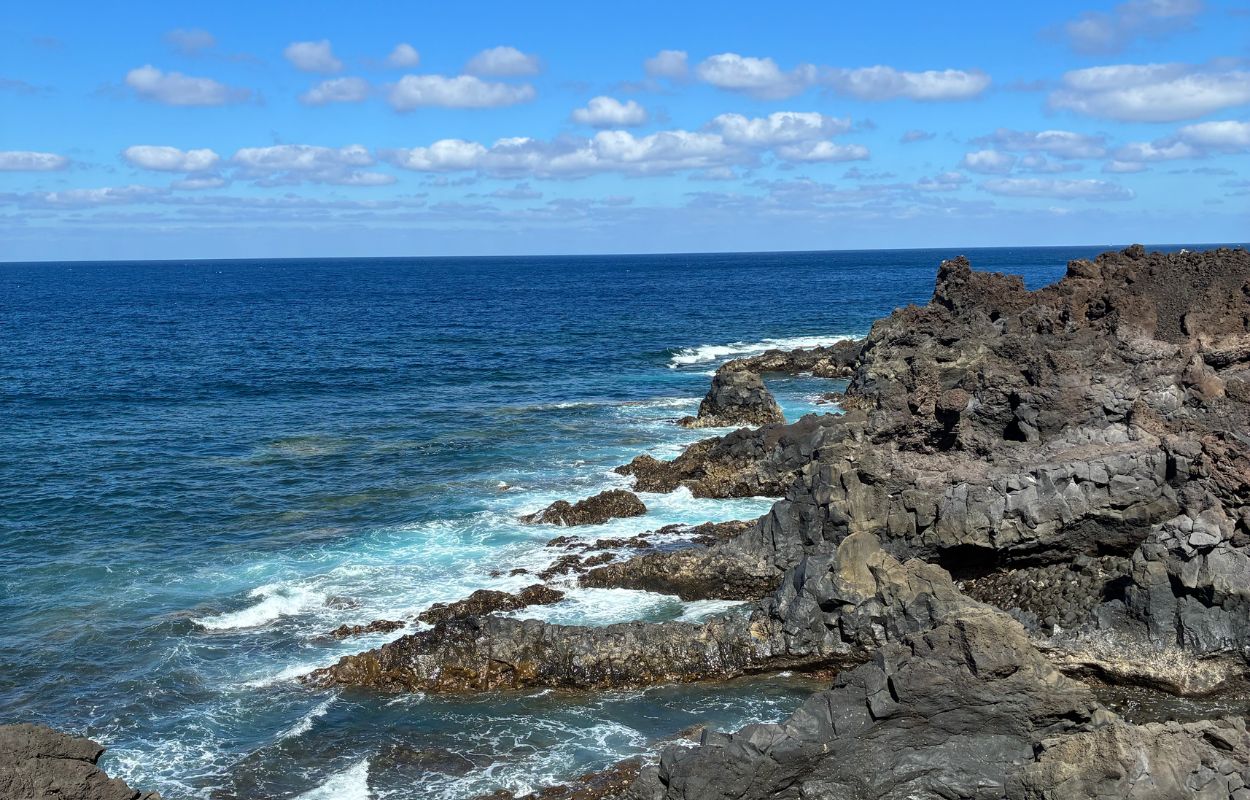
The site has been made accessible through paths and viewpoints built into the lava, allowing you to move safely among the rock formations. It is a beautiful natural stop and well worth visiting.
Salinas de Janubio
Continue along the coast and you’ll reach the Janubio salt pans, another impressive sight. They are the largest saltworks in the Canary Islands and create one of the area’s most distinctive landscapes.
The rectangular pools appear in shades of white, beige, pale pink, and gold, with their colors changing as the salt crystallizes. The saltworks have produced sea salt since the 19th century, originally for preserving fish, and harvesting is still carried out by hand using traditional methods. The viewpoint offers an excellent overview of the entire site.
Timanfaya National Park: Practical information
Below, you’ll find answers to the most common practical questions about visiting Timanfaya.
When to visit Timanfaya National Park?
Montañas del Fuego currently uses scheduled entry times, so the most important step is to book online in advance and choose the slot that suits you. Access is available from 9:30 a.m. to 3:45 p.m., and visitors must arrive at the ticket office 15 minutes before their assigned time. During my own visit, I arrived at 9:15 a.m., and cars began filling the parking area soon afterward. Staff help keep traffic moving, but booking an early slot can still make the experience feel calmer.
For your trip, it may be useful to compare rental car prices through a service such as DiscoverCars, a comparison tool we regularly use when traveling.
How long should you spend at Timanfaya National Park?
This is one of the questions almost everyone asks before visiting. The answer depends on what you plan to do. The official estimated duration for the standard Montañas del Fuego experience, including the Ruta de los Volcanes and geothermal demonstrations, is around 1 hour and 15 minutes. I also recommend stopping at the gift shop. I found it more interesting than the usual tourist store, with locally made souvenirs such as jewelry and magnets incorporating sand from Lanzarote. Allow a little extra time for parking, ticket validation, and any short waits during busy periods.
If you also want to eat at El Diablo, add roughly two hours. That makes the visit closer to half a day, and you can still combine it with nearby sites such as Los Hervideros or the Janubio salt pans.
For an official guided hike such as the Ruta de Tremesana, allow around three hours for the walk itself, plus travel and check-in time. This should give you a clearer idea of how much time to set aside for Timanfaya.
Can you visit Timanfaya National Park by car?
Not independently. You can drive through the entrance and continue to Islote de Hilario, but you must remain inside your vehicle between the entrance at El Taro and the parking area. Once parked, you cannot explore the protected interior in your own car. Timanfaya has been a national park since 1974, and access is tightly controlled to protect the Montañas del Fuego.
From the parking area at Islote de Hilario, you board the official bus for the Ruta de los Volcanes and visit the geothermal demonstrations on foot. That is how the standard visit is organized.
How much do Timanfaya National Park tickets cost?
Prices have risen in recent years, but I still think the visit is worthwhile. Timanfaya is a protected site that requires careful management and conservation, and the experience leaves a lasting impression. The current rates are:
For non-residents:
- €30 per adult
- €15 for children ages 7 to 12
For Canary Islands residents:
- €24 per adult
- €12 for children ages 7 to 12
For Lanzarote residents:
- €2 for visitors ages 7 and older
Children under 7 enter free. Tickets are not sold at the entrance and must be purchased online before your visit. You’ll need to choose a specific entry time and arrive 15 minutes early to validate your ticket. Booking ahead is especially important during busy periods, when the available time slots may sell out.
One more tip: if you plan to visit several attractions in Lanzarote, combination tickets are also available:
Where to stay near Timanfaya
To stay close to the park’s volcanic landscapes, consider one of the nearby villages. Yaiza is an especially convenient base. This peaceful village of whitewashed houses lies only a few minutes south of the park and has a distinctly Canarian atmosphere. Nearby, Uga is another appealing option, surrounded by lava fields and hills. It works well for exploring the volcanoes, scenic roads, and southern beaches while staying away from the busiest resort areas.
El Golfo, southwest of the park, is a small coastal fishing village known for its green lagoon and seafood restaurants—ideal if you want to combine the ocean with volcanic scenery. North of the park, Tinajo and Mancha Blanca are good choices for a quieter stay close to Timanfaya. Both offer a more local atmosphere and a selection of rustic accommodations overlooking the lava fields. For a broader choice of hotels and restaurants, albeit in more tourist-oriented surroundings, Playa Blanca and Puerto del Carmen are also practical bases, around a 30-minute drive from the park.
The map below can help you compare accommodations based on the area where you would most like to stay.
Book your stay near Timanfaya Park
Use the interactive map below to find accommodation for your trip!
Conclusion
That brings this visit to Timanfaya National Park to an end. I hope I’ve answered your main questions about one of Lanzarote’s essential sights. It left a strong impression on me, and I hope you enjoy it just as much.
As I mentioned earlier, I also had the chance to join a guided hike in Los Volcanes Park. You can read the full story in the dedicated article.
See you soon for more adventures in Lanzarote!

Written by Laura CALLES
Thanks to Mélanie and Sylvain, I had the chance to discover the Canary Islands, specifically Tenerife and Lanzarote, so that I could share these island paradises with you. Two real favorites of mine!
Despite our vigilance, an error may have crept into this article. If you spot one, please don't hesitate to let us know so that we can correct it immediately and keep our information up to date!