Best Mirrorless Camera: Which One Should You Choose?
Last update: 05/15/2026
Our blog continues to grow thanks to you, our readers. This post may contain affiliate links, which means we can earn a small commission if you make a purchase through them, at no extra cost to you. This helps us to continue to bring you more and support our work!
It was in the early 2010s that mirrorless cameras really began to appear on the photography market. At the time, many models used Micro Four Thirds sensors and still had to prove themselves against well-established camera categories such as compact cameras, bridge cameras and DSLRs.
Over the years, things changed considerably. With the arrival of larger APS-C and full-frame sensors, better electronic viewfinders, faster autofocus systems and increasingly advanced video features, mirrorless cameras gradually became the new standard. Today, most manufacturers focus their innovations on mirrorless systems, while DSLRs have become much less common in new releases.
Mirrorless cameras have managed to appeal to a very wide range of photographers. They can be lighter and more compact than DSLRs, while offering much better image quality and versatility than most compact cameras or smartphones. This is why they are now considered by beginners looking for their first “serious” camera, as well as by advanced amateurs and professionals.
After my article helping you choose the best camera for travel, this guide is here to help you better understand how to choose your future mirrorless camera. The goal is to identify the most important criteria and help you decide which mirrorless camera to choose depending on your use, your expectations and your budget. I will try to keep this article updated regularly to include the most relevant recent models.
The idea is not to provide an exhaustive comparison of every mirrorless camera on the market — that would be impossible — but rather to guide you in your decision. As with any camera system, you will often need to find the right balance between your wishes, your real needs and your budget. So let’s try to find out together what the best mirrorless camera is for you!
By the way, would you like to choose your mirrorless camera lenses?
(complete guide made with passion!)


If you are considering buying a camera or upgrading to a new one, we have put together a guide to the best current cameras, covering different types of cameras and several price ranges.
Mirrorless cameras
Let’s start with the basics. What exactly is a mirrorless camera? You may see it referred to under several names: mirrorless interchangeable-lens camera (MILC), mirrorless camera, DSLM (digital single lens mirrorless) or, more rarely, EVIL (electronic viewfinder interchangeable lens).
To summarize briefly, a mirrorless camera does not have a mirror like a DSLR. This means there is no optical viewfinder: you compose your image either on the rear screen or through an electronic viewfinder. Like a DSLR, however, a mirrorless camera allows you to change lenses. For a long time, mirrorless cameras were described as the ideal balance between a compact camera and a DSLR. This is less and less true today, especially with the arrival of very advanced mirrorless bodies, including full-frame models. But the general idea remains the same: a relatively compact body, usually smaller than a DSLR but larger than a compact camera, on which you can mount different lenses. In practice, mirrorless cameras combine a more compact design with image quality and features that can rival, or even surpass, many DSLRs.
To put it simply, there are roughly 3 main sensor sizes available for mirrorless cameras:
- Micro Four Thirds: this is the smallest sensor format commonly used in mirrorless cameras, and one of the formats at the origin of this type of camera. It is often abbreviated as MFT and measures approximately 13 x 17.3 mm.
- APS-C: this is the same sensor format used in many entry-level and expert DSLR cameras. It measures approximately 15 x 22 mm, although the exact size can vary slightly depending on the brand.
- Full frame: this format corresponds to the historical 35mm film size and is also found in many high-end DSLRs and mirrorless cameras. It measures approximately 24 x 36 mm.
There are actually more than 3 sensor sizes, but the ones mentioned above are the most common and the most widely used in mirrorless cameras. You may also find smaller sensors, such as 1”, 1/2.5”, 1/1.7” or 2/3”, especially in compact cameras and a few specific models. However, these formats are much less common in mirrorless systems, so I won’t focus on them in this article. Generally speaking, they are not the options I would recommend if your goal is to get the image quality and flexibility expected from a mirrorless camera.
We will see below how sensor size influences image quality and what it changes in terms of photographic possibilities.
The advantages of mirrorless cameras
Let’s quickly review the main advantages of a mirrorless camera:
- Weight: this is an important point for many photographers. In most cases, a mirrorless setup will be lighter than a DSLR setup, especially with entry-level or mid-range cameras. However, the difference becomes much smaller with full-frame mirrorless bodies and high-quality lenses. Weight mainly depends on the sensor size, but also on the camera range. For example, within Micro Four Thirds cameras, a small entry-level body will be much lighter than a more advanced, weather-sealed model.
- Compactness: because mirrorless cameras do not use a mirror mechanism, manufacturers can design smaller bodies while still offering very good performance. This is a real advantage if you are looking for a lighter and more compact camera to carry every day or while travelling. In many cases, this also makes the camera easier and more pleasant to handle, especially for casual shooting.
- A larger sensor than most compacts: compared with most compact cameras and smartphones, mirrorless cameras usually have much larger sensors, which helps improve image quality, dynamic range and low-light performance. You can then choose between different formats, mainly Micro Four Thirds, APS-C and full frame, depending on your needs, your budget and the size of the kit you are ready to carry. Personally, I generally recommend at least APS-C if image quality is a priority, but Micro Four Thirds can also be very relevant thanks to its compact lenses and mature ecosystem.

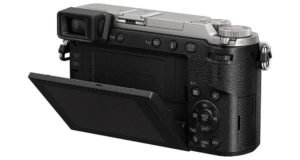
- Interchangeable lenses: this is one of the main advantages over compact and bridge cameras, which are limited to a single built-in lens. With a mirrorless camera, you get the flexibility of an interchangeable-lens system, but often in a lighter and more compact body than a DSLR.
- Image quality: mirrorless cameras are now fully capable of matching, and sometimes even surpassing, DSLRs in terms of image quality. With a similar sensor size and a good lens, the results can be just as good, whether you use APS-C, full frame or even Micro Four Thirds.
- Depth of field similar to DSLRs: if you are not familiar with the term, depth of field refers to the area of the image that appears sharp. A shallow depth of field makes it easier to isolate your subject from the background. APS-C and full-frame mirrorless cameras can offer a depth of field very similar to DSLR cameras using the same sensor formats. Micro Four Thirds sensors, used by OM System/Olympus and many Panasonic cameras, are smaller, which means they naturally produce a deeper depth of field for the same framing and aperture.
- Discretion: this can be a real advantage compared with a DSLR, especially with small mirrorless bodies and compact lenses. Walking around with a large DSLR and a telephoto lens does not attract the same attention as carrying a small mirrorless camera. Of course, large full-frame mirrorless bodies with professional lenses can also become quite bulky, but smaller mirrorless setups remain much more discreet in markets, streets, crowds and travel situations.
Mirrorless camera or DSLR, then?
For those who are still hesitating, DSLRs can still have a few advantages, depending on your needs. Even if mirrorless cameras are now clearly the direction taken by most brands, DSLR systems remain relevant in some specific cases, especially on the second-hand market.
- The choice of lenses can still be wider and more affordable in some DSLR systems, especially if you include second-hand lenses. That said, mirrorless lens ranges have grown a lot in recent years, and the gap is now much smaller than it used to be.
- Low-light performance depends mainly on sensor size. Micro Four Thirds mirrorless cameras will generally be less comfortable in very low light than APS-C or full-frame models, but APS-C and full-frame mirrorless cameras now handle high ISO very well, just like DSLRs.
- Autofocus in low light used to be a real weakness of many mirrorless cameras. This is much less true today, especially on recent models, but older or entry-level mirrorless bodies can still struggle more in difficult lighting conditions.
- Battery life is still often better on DSLRs, because they can use an optical viewfinder without constantly powering an electronic screen or EVF. Mirrorless cameras have improved a lot, but if you shoot long days without easy access to charging, this is still something to consider.
Which camera brand should you choose?
As with DSLR cameras, I would not recommend one brand over another in absolute terms. In the DSLR world, I often tended to suggest staying with Canon or Nikon, simply because they were the two dominant brands, with the largest lens ranges, the most accessories and the biggest second-hand markets. Apart from Pentax, there were not many serious alternatives, which made the choice a little easier.
In 2008, Panasonic and Olympus introduced the first mirrorless cameras based on the Micro Four Thirds system. Sony followed in 2010 with its first APS-C mirrorless cameras, using a sensor format already well established in DSLRs. Around 2011 and 2012, Nikon and Canon entered the mirrorless market too, with systems such as Nikon 1 and Canon EOS M. Then, in 2013, Sony launched the first full-frame mirrorless cameras, a major turning point for the category. Nikon and Canon would only join the full-frame mirrorless market later, in 2018.
After being dominated for a long time by Sony, the mirrorless camera market has gradually opened up to many other brands. Today, the main players include Sony, Canon, Nikon, Fujifilm, Panasonic and OM System, each with its own strengths, sensor formats and lens ecosystems.
Rather than choosing a brand only for the camera body, it is important to look at the system as a whole. Sony, Canon and Nikon are now very strong in full frame, Fujifilm is one of the most attractive options in APS-C, while Panasonic and OM System remain very relevant for Micro Four Thirds users. Depending on the type of photography you practise — travel, wildlife, sport, macro, portrait or video — the available lens range may be just as important as the camera itself.
Overall, your budget will often guide your choice when buying your first mirrorless camera. Full-frame systems can be very appealing, but they are also generally more expensive, especially once you add lenses. APS-C and Micro Four Thirds cameras can therefore be excellent alternatives, offering very good image quality, smaller lenses and more affordable complete setups. In many cases, they will be more than enough to start seriously and progress without overspending.
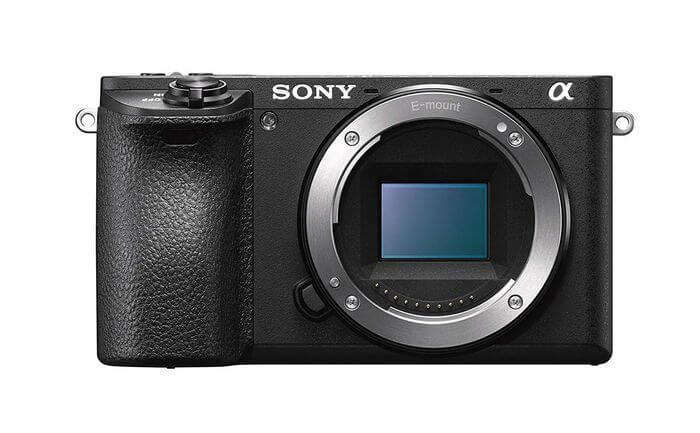
- Sony offers both APS-C and full-frame mirrorless cameras using the E-mount system. It remains one of the strongest ecosystems on the market, with a very wide choice of native Sony lenses and many third-party options from brands such as Sigma, Tamron, Samyang or Viltrox. This is one of Sony’s biggest advantages, especially if you want to build a complete kit over time.
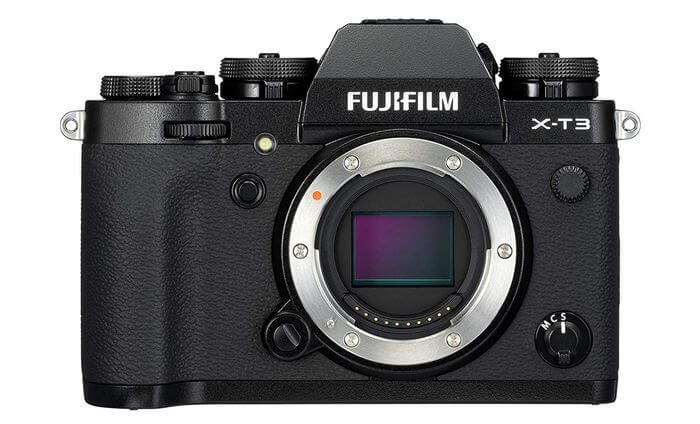
- Fujifilm mainly focuses on APS-C cameras with its X Series, which is one of the most complete APS-C systems available today. The brand also offers medium format cameras with its GFX range, but these are much more expensive and aimed at a more specific audience. For most photographers, Fujifilm is especially interesting if you want an APS-C system with a strong lens range, excellent image quality and a very distinctive shooting experience.
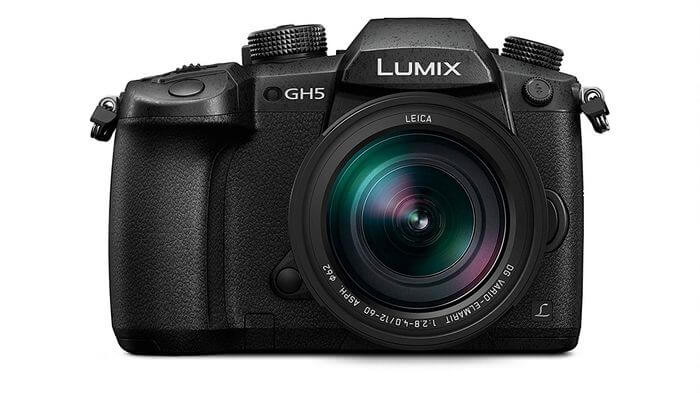
- OM System and Panasonic both use the Micro Four Thirds mount for part of their range, which is a real advantage because many lenses can be used across both brands. This system remains very interesting if you want compact lenses, a lightweight kit and strong stabilization. Panasonic also offers full-frame cameras using the L-mount system, shared with Leica and Sigma, which gives access to another ecosystem altogether.
- Canon and Nikon now both offer APS-C and full-frame mirrorless cameras. Their native RF and Z lens ranges have grown significantly in recent years, even if Sony still has an advantage in terms of third-party lens variety. Canon and Nikon are now much more mature mirrorless systems than they were a few years ago, especially if you already like their ergonomics, color science or existing lens ecosystems.
To conclude, I would say that beyond the budget, you should mainly look at the lens ecosystem. Before choosing a camera brand, make sure it offers the lenses you need for your type of photography, whether you shoot in low light, sport, wildlife, portraits, travel or video. If you often shoot in difficult lighting conditions and your budget allows it, a full-frame camera can be a very good choice. But in the end, it also remains a matter of personal preference, ergonomics and shooting style.
Technical criteria for choosing a mirrorless camera
Here are the main technical criteria that I think are important to understand when choosing a mirrorless camera. I will not focus on budget here, even though it will obviously be one of the most important factors for many of you. This section is mainly intended for those who want to make a more informed choice based on technical aspects, features and real photographic needs.
Sensor size
In my opinion, sensor size is one of the most important criteria when choosing a mirrorless camera, because not all systems are equal in this respect. As a general rule, a mirrorless camera can deliver image quality comparable to a DSLR if both use a similar sensor size. This is why it is important to distinguish between Micro Four Thirds, APS-C and full-frame cameras before making your choice.
To be more precise, a Micro Four Thirds sensor is significantly smaller than a full-frame sensor: roughly half the diagonal and about a quarter of the surface area. And this has a direct impact on several aspects of photography. You cannot compare focal length, depth of field or ISO performance in exactly the same way between different sensor sizes, because the final rendering will not be identical.
Because of its smaller size, a Micro Four Thirds sensor will generally make it harder to create strong background blur compared with a full-frame sensor. For example, with the same framing and aperture, the depth of field will be deeper on Micro Four Thirds. Roughly speaking, an aperture of f/1.4 on Micro Four Thirds gives a depth of field close to f/2.8 on full frame, which represents about a 2-stop difference. This does not mean that Micro Four Thirds is bad, but it is something to keep in mind if you often shoot portraits or want very shallow depth of field.
The same logic also applies to low-light performance. Smaller sensors generally collect less light overall, which means they are often less comfortable at high ISO than larger sensors. For example, ISO 1600 on Micro Four Thirds can roughly correspond to ISO 6400 on full frame in terms of noise performance and overall rendering. Again, this is not a deal-breaker for every use, but it is an important point if you often shoot in difficult lighting conditions.
- Digital noise in shadows and low-light scenes: in practice, smaller sensors generally handle high ISO less well. Noise and artifacts can appear more quickly, especially if you need to recover shadows in post-processing.
- Dynamic range: larger sensors often offer better dynamic range, which helps when photographing highly contrasted scenes with bright highlights and deep shadows.
- Action and fast shutter speeds: the larger the sensor, the more comfortable you will usually be when you need to use high shutter speeds. For sport, wildlife or action photography, you often have to raise the ISO to keep enough shutter speed, and a larger sensor will generally produce cleaner images in these situations.
- Depth of field: a smaller sensor will generally produce a deeper depth of field than an APS-C or full-frame sensor, for the same framing. This is because equivalent framing often requires a shorter focal length or a different subject distance. You therefore need to be careful when comparing maximum apertures between sensor formats. For example, f/1.8 on Micro Four Thirds will not produce the same background blur as f/1.8 on APS-C or full frame. To compare formats properly, you need to roughly convert both focal length and aperture according to sensor size.
- Lens size and price: if you choose a larger sensor, especially full frame, lenses will often be larger, heavier and more expensive than lenses designed for Micro Four Thirds, assuming similar specifications.
- Camera body price: generally speaking, the larger the sensor, the more expensive the camera body tends to be. This is especially true for full-frame cameras, while Micro Four Thirds and APS-C bodies can sometimes be found at fairly similar prices.
Personally, if your budget allows it, I would generally recommend choosing a mirrorless camera with at least an APS-C sensor. This format offers a very good balance between image quality, low-light performance, depth of field, lens size and overall price. That said, this remains a personal recommendation rather than an absolute rule: Micro Four Thirds and full-frame cameras can also be excellent choices depending on your needs.
The lens ecosystem
In my opinion, this is the second most important point to consider when choosing a mirrorless camera. Not all brands are equal in this area, and some systems clearly offer a wider and more mature lens ecosystem than others. Canon and Nikon, which arrived later on the mirrorless market than Sony or Micro Four Thirds, have caught up a lot in recent years, even though Sony still has a strong advantage thanks to the number of native and third-party lenses available.
When choosing lenses, you should not only look at the total number of options, but also check whether the system offers the lenses you actually need for your photography. This is especially important for more specific uses such as macro photography, sports, wildlife, portraits or video. Most brands offer lenses designed for their own sensor formats, with some compatibility between formats depending on the mount. For example, if you choose a full-frame camera and want a standard zoom, you will often look at a 24-70mm. On APS-C, the equivalent would be around 16-55mm, and on Micro Four Thirds, around 12-35mm, because of the crop factor.
To go further, I invite you to read my complete guide on which mirrorless lenses to choose. Also keep in mind that some systems are compatible across brands, such as Panasonic and OM System/Olympus in Micro Four Thirds. Lens adapters can also allow you to use lenses from other mounts, although autofocus, stabilization or overall performance may vary depending on the adapter and lens used.

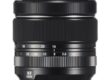
Here is a very nice standard zoom lens from Fujifilm, the XF 16-55mm f/2.8 R LM WR — See more details on Amazon
In-body stabilization
Some mirrorless cameras now offer in-body image stabilization, which can be a real advantage in both photography and video. It is especially useful when shooting handheld in difficult conditions, such as low light, sunrise or sunset, indoor scenes, concerts, night photography or when using longer focal lengths. Of course, stabilization will not freeze a moving subject, but it can help you use slower shutter speeds when the subject is relatively still.
On some systems, in-body stabilization can also work together with optical stabilization built into certain lenses, making the whole setup even more effective. This is particularly useful for video, handheld travel shooting and telephoto photography. I am not mainly a video shooter, but many photographers and videographers who use stabilized bodies quickly consider it a very valuable feature.
Ergonomics and build quality
These are two important points, and they are often directly related to the price and positioning of the camera body. Generally speaking, the larger the sensor is — from Micro Four Thirds to APS-C and then full frame — the larger, heavier and more expensive the camera body can become, although there are obviously exceptions.
As you move up the range, you also tend to find better build quality, more direct controls and, in some cases, weather sealing. This can be a real advantage if you often shoot outdoors, while travelling, hiking, in humid environments or in difficult weather conditions.
Ergonomics are also very important. Before buying, try to handle the camera if possible, check the grip, the button layout, the menus and the overall logic of the system. Some cameras may look excellent on paper but feel less intuitive in real use, so it is always worth reading user feedback or trying the body in store if you can.
Video mode
For many people, video is now a crucial point, even if it is not my main use. Mirrorless cameras have played a major role in making high-quality video more accessible, thanks to their compact bodies, electronic viewfinders, advanced autofocus systems and increasingly powerful recording options.
Today, many mirrorless cameras offer 4K, 6K or even higher-resolution video modes, along with features such as 10-bit recording, high frame rates, log profiles or improved subject tracking. Some models are even clearly designed with video creators in mind, such as Panasonic’s GH range, Sony’s ZV series or other hybrid bodies aimed at both photo and video users.
As mentioned earlier, in-body stabilization can also be a real advantage for video, especially when combined with stabilized lenses. A fully articulating screen can also be very useful for vlogging, filming yourself, low-angle shots or more flexible framing in general.
Other technical elements to consider
I will not go into all the technical details that are taken into account, but you can look in detail at all the specific points to choose your DSLR camera. The elements are also valid for mirrorless cameras, namely: the definition of the body, ISO, focus point, auto focus, burst….
The best mirrorless camera...for you
Let’s now get to the heart of the matter: how to choose a mirrorless camera in practice. The hardest part is recommending specific cameras based on all the criteria mentioned above. The suggestions below are based on my own experience, but also on many hours of research, comparisons and updates across the different brands and systems. In other words, making this selection was not exactly simple.
To make things clearer, I have divided my recommendations into several key criteria that I consider essential. You can therefore choose your mirrorless camera according to:
For me, the most important thing is to make a well-considered choice, whether it is based on your budget, your needs or both. I admit that, sometimes, I also choose gear because I simply want it, but that does not mean the decision has not been thought through beforehand. For example, I once gave in and bought a wide-angle DSLR lens, the Canon 16-35mm f/4, after wanting it for a long time.
Also keep in mind that your lenses will have a huge influence on your images, even if the camera body itself remains important. For example, a very good lens mounted on a camera with autofocus that cannot keep up with the subject will still give disappointing results for sport or wildlife photography. A bright, high-quality lens can also be expensive, so you need to include lenses in your overall budget from the beginning.
Of course, you can buy a camera with a kit lens, which will often be cheaper, but this does not always guarantee the best optical quality. In this article, I will not focus too much on very high-end mirrorless cameras, as they will only interest a small part of the people reading this guide.


Choose your mirrorless camera according to your budget
Let’s be honest: for most readers, budget will be one of the main limitations. Unfortunately, not everyone can spend an unlimited amount on a camera, especially since photography remains a hobby for many of us.
From 500 to 1000€
This is, in my opinion, the price range where things start to become really interesting. If you can afford to invest a little more in your first mirrorless camera, I would generally recommend aiming for this category rather than choosing a very old or discontinued model. You can already find serious APS-C bodies with good image quality, modern autofocus and solid video features, while still keeping enough budget for a lens adapted to your needs.
Of course, you can buy a camera with a kit lens, which is often the easiest and cheapest option to start with. However, keep in mind that kit lenses are not always the best optically. If you already know the type of photography you want to practise, it can sometimes be more interesting to buy the body alone and invest in a better lens from the start.
Here are 4 mirrorless cameras that seem particularly interesting in this price range:
- Canon EOS R10: this is probably one of the most balanced APS-C mirrorless cameras in this budget range. It offers a 24MP sensor, very good autofocus, fast burst shooting and 4K video, making it a strong all-round option for travel, family photography, wildlife and everyday use. It is more advanced than the Canon EOS R50, especially in terms of ergonomics and controls, but it does not have in-body stabilization. You can also check it on B&H.
- Nikon Z50 II: the Nikon Z50 II is a modern APS-C mirrorless camera that improves on the original Z50 with a newer processor, better autofocus and stronger video features. It remains compact, comfortable to use and well suited to travel or everyday photography. Its main limitation is still the relatively limited range of Nikon DX lenses, but it can be a good choice if you like Nikon ergonomics or plan to move further into the Z system.
- Fujifilm X-T30 III: this compact APS-C body is a very attractive option if you like Fujifilm’s colors, film simulations and more traditional shooting experience. Its 26MP sensor delivers excellent image quality, and its video specifications are very solid for such a compact camera. It does not have in-body stabilization, but it gives access to one of the strongest APS-C lens ecosystems on the market.
- Sony A6600: the Sony A6600 is no longer the newest APS-C camera in Sony’s range, but it still has some strong arguments if you find it at a good price. Its 24MP sensor, excellent autofocus, large battery and in-body stabilization make it a reliable choice for both photography and video. It also gives access to Sony’s very large E-mount ecosystem, including many third-party lenses from Sigma, Tamron, Samyang and others. You can also check it on B&H.
In this price range, I would avoid choosing a camera only because it is the cheapest option available. The most important thing is to look at the system as a whole: autofocus, ergonomics, video features, stabilization and, above all, the lenses you may want to buy later. A slightly more expensive body can sometimes be a much better long-term choice if it gives you access to a stronger ecosystem.
| Camera | Sensor | MP | EVF | Stabilization | Video | Best for | Prices |
|---|---|---|---|---|---|---|---|
| Canon EOS R10 | APS-C | 24MP | 2.36MP | -- | 4K60p | Best all-rounder | B&H Amazon |
| Nikon Z50 II | APS-C | 21MP | 2.36MP | -- | 4K60p | Modern Nikon APS-C body | B&H |
| Fujifilm X-T30 III | APS-C | 26MP | 2.36MP | -- | 6.2K30p / 4K60p | Photo rendering and compactness | B&H |
| Sony A6600 | APS-C | 24MP | 2.36MP | 5-axis IBIS | 4K30p | Sony E-mount and stabilization | B&H Amazon |
If you want to find out more, check out our guide to the best mirrorless cameras under 1000€, including a few interesting alternatives.
Mirrorless cameras over 1000€
We are now moving into more serious mirrorless cameras. I have deliberately decided not to split this category too much, because above 1000€, you can find very different types of bodies: advanced APS-C cameras, compact full-frame models, hybrid photo/video bodies and even professional cameras costing several thousand euros. Clearly, at this price, the target audience is either passionate amateurs, advanced photographers or professionals who know exactly what they need.
I will not go into too much detail here, because most readers will probably not want to spend several thousand euros on a camera body alone. But if your budget allows it, this is where you start to find very capable cameras, with better autofocus, stronger video features, better build quality, in-body stabilization and more advanced ergonomics. Here are some interesting options by brand, without trying to make an exhaustive list:
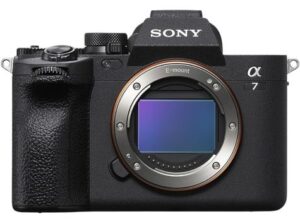
- At Sony: Sony remains one of the strongest brands in the mirrorless market, especially because of its very mature E-mount ecosystem. The Sony A7 IV is still one of the most balanced full-frame hybrid cameras, with a 33MP sensor, very good autofocus and strong video features. If you want something lighter and more compact, the Sony A6700 is also a very strong APS-C option for those who want a smaller setup while keeping excellent autofocus and advanced video features.
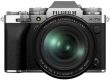
- At Fujifilm: Fujifilm remains one of the best choices if you want to stay in APS-C while still enjoying a high-quality, mature system. The Fujifilm X-T5 is particularly interesting for photographers who prioritize image quality, controls and shooting experience, with its 40MP sensor and in-body stabilization. For users who want more advanced video or action performance, the Fujifilm X-H2 and Fujifilm X-H2S are also very serious options.
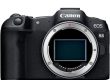
- At Canon: Canon now offers a much stronger mirrorless range than a few years ago. The Canon EOS R8 is one of the most attractive full-frame bodies if you want good image quality in a lightweight camera, while the Canon EOS R6 Mark II is a more advanced and better-stabilized option. At the higher end, the Canon EOS R3 is aimed at demanding photographers who need more speed, reliability and professional action features.
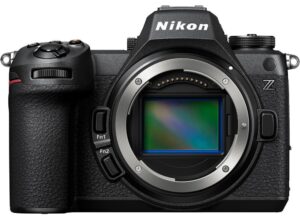
- At Nikon: Nikon has also built a very solid Z system. The Nikon Z6 III is one of the most interesting hybrid photo/video bodies in this price range, with a 24.5MP full-frame sensor, advanced autofocus and strong 6K video features. At the very high end, the Nikon Z9 remains one of the brand’s flagship mirrorless cameras for professional users who need speed, robustness and high-end performance.
- At Panasonic: Panasonic is now much more competitive thanks to the arrival of phase-detection autofocus on models such as the Panasonic Lumix S5 II and Panasonic Lumix S5 IIX. These full-frame bodies are very interesting if you shoot both photo and video, especially with the L-mount ecosystem shared with Leica and Sigma. On the Micro Four Thirds side, the Panasonic Lumix G9 II and Panasonic Lumix GH7 remain very strong options for video, wildlife, travel or anyone looking for a lighter system with compact lenses.
In this price range, the most important thing is not necessarily to buy the most expensive camera, but to choose the system that best matches your real needs. A full-frame body may be attractive, but it will also require larger and often more expensive lenses. A high-end APS-C or Micro Four Thirds camera can sometimes be a more balanced choice if you want to keep your kit lighter, more affordable and easier to carry.

Choose your mirrorless camera according to your needs
In practice, this should probably be one of the most important criteria. However, in reality, few people choose a mirrorless camera strictly according to their needs, especially when buying their first one. Why? Simply because many photographers are still discovering this type of camera and do not yet know exactly what they enjoy shooting or which features will really matter to them.
That said, trying to identify your main use remains very useful. It can help you avoid choosing a camera only because it is popular, recent or attractive on paper. To keep things simple, I will focus here on two types of needs that are particularly relevant: video creators and travellers, especially those who often shoot in tropical or difficult conditions.
For videographers
I am not what you might call a real videographer, because I am clearly more photo-oriented. However, if video is one of your main priorities, some recent mirrorless cameras clearly stand out. Depending on your budget and the level of video features you need, here are three models that seem particularly interesting today:
- Fujifilm X-S20: this is probably one of the most balanced options if you want a camera that performs well in both photo and video. It offers a 26MP APS-C sensor, in-body stabilization, a fully articulating screen and strong video features, including 6.2K recording and 4K60p. It is a very good choice for travel, content creation and hybrid photo/video use.
- Fujifilm X-M5: this is a more compact and affordable option, clearly interesting for vloggers and content creators who want a small interchangeable-lens camera. It does not have an electronic viewfinder or in-body stabilization, but it offers very solid video features for its size, including 6.2K recording, 4K60p and a fully articulating screen. If you want a lightweight video-oriented camera, it can be a very smart choice.
- Panasonic Lumix GH7: this is the most advanced video-oriented option in this short selection. Panasonic’s GH range has long been popular among videographers, and the GH7 continues this logic with very advanced recording options, including 5.7K, 4K120p, internal ProRes RAW options and strong professional video features. It is clearly more specialized and more expensive, but it is one of the best choices if video is really central to your practice.
If I had to simplify, I would say that the Fujifilm X-M5 is the most accessible option for vloggers and content creators, the Fujifilm X-S20 is the most balanced hybrid choice, and the Panasonic Lumix GH7 is the most serious video-oriented body of the three.
For travellers and those living in tropical climates
I belong to this category of people who travel a lot and also live in a tropical climate. My main advice would be to choose a weather-sealed mirrorless camera whenever possible. It will be much more reassuring in difficult travel conditions, such as dust, wind, rain or humidity, but also in tropical environments where heat and moisture can quickly become a problem for photo gear. Between us, to avoid any issues, I also advise anyone living in the tropics to store their camera equipment in a dry cabinet. It is simply a sealed cabinet in which you can control the humidity level. I have personally been using one since 2012.
If I had to recommend three cameras for travel, outdoor photography and tropical conditions, I would look at these models:
- OM System OM-5 II: probably one of the most logical choices if you want a compact, lightweight and rugged camera for travel and outdoor photography. Its Micro Four Thirds sensor is smaller than APS-C or full frame, but the body is weather-sealed, very light and benefits from excellent stabilization. It is a very good option if you want to travel light without giving up advanced features.
- Sony A7 IV: a very balanced full-frame option if you want excellent image quality, reliable autofocus and a strong lens ecosystem. It is heavier and more expensive than an OM System body, especially once you add full-frame lenses, but it is much more comfortable in low light and offers more flexibility for portraits, landscapes, travel and professional use.
- Nikon Z6 III: a more advanced full-frame hybrid body, particularly interesting if you want a strong balance between photography and video. It offers excellent autofocus, in-body stabilization and a robust body, making it a very serious option for travellers who want a durable camera capable of handling demanding situations.
If I had to simplify, I would say that the OM System OM-5 II is the most practical choice for travelling light in difficult conditions, the Sony A7 IV is the most balanced full-frame option, and the Nikon Z6 III is the strongest hybrid choice if you want a more advanced photo/video body.
Choose your mirrorless camera according to sensor size
The title may be a little catchy, but after spending a lot of time comparing models, checking specifications and looking at the different systems, I think it can be useful to recommend a few cameras by sensor size. Of course, as a general rule, the larger the sensor, the more expensive the camera body and lenses tend to be.
The best Micro Four Thirds mirrorless camera
I would mainly recommend two Micro Four Thirds cameras here:
- OM System OM-1 Mark II: this is probably one of the best current choices if you want a rugged, lightweight and highly capable Micro Four Thirds camera. It is especially interesting for wildlife, travel, outdoor photography and difficult conditions, thanks to its weather-sealed body, excellent stabilization, fast shooting performance and compact lens ecosystem. It is clearly a high-end body, but it makes a lot of sense if you want a serious camera without moving to a heavier APS-C or full-frame system.
- Panasonic Lumix G9 II: this is one of the most complete Micro Four Thirds cameras currently available, especially if you want a strong balance between photography and video. It offers a 25MP sensor, phase-detection autofocus, fast burst shooting, strong stabilization and very advanced video features. Compared with the older GH5, it feels much more modern and versatile, especially for hybrid users who want one body for travel, wildlife, video and everyday photography.
These two cameras have very strong specifications and clearly belong to the high-end Micro Four Thirds category. The main downside, in my opinion, is that they can be as expensive as some very good APS-C or even full-frame bodies. So the choice only makes sense if you really value the advantages of the Micro Four Thirds system: smaller lenses, lighter kits, strong stabilization and a very practical setup for travel, wildlife and outdoor photography.
Best APS-C mirrorless camera
For those who are not too limited by budget and are looking for a versatile APS-C mirrorless camera, both in terms of image quality, autofocus, video features, ergonomics and weight, I would mainly recommend three models today:
- Sony A6700: this is probably one of the most complete APS-C mirrorless cameras currently available. It offers a 26MP sensor, excellent autofocus, in-body stabilization, strong video features and access to the very mature Sony E-mount ecosystem. It is a very good choice if you want a compact but powerful body for travel, wildlife, video and everyday photography.
- Fujifilm X-T5: this is one of the best APS-C cameras if image quality and shooting experience are your priorities. Its 40MP sensor gives a lot of detail, while the in-body stabilization, weather-sealed body and Fujifilm film simulations make it very enjoyable to use. It is especially interesting for travel, landscape, street photography and photographers who like direct controls.
- Canon EOS R10: this is a more affordable but still very capable APS-C option. It offers a 24MP sensor, very good autofocus, fast burst shooting and 4K video, making it a strong all-rounder for beginners and enthusiasts. It does not have in-body stabilization and the Canon RF-S lens range is still more limited than Sony or Fujifilm APS-C, but it remains a very convincing camera for the price.
If I had to simplify, I would say that the Sony A6700 is the most balanced and modern APS-C hybrid option, the Fujifilm X-T5 is the best choice for photographers who want image quality and shooting pleasure, and the Canon EOS R10 is the most accessible all-rounder in this selection.
Best Full Frame mirrorless camera
We are talking about high-end full-frame mirrorless cameras here. At this level, almost every body is already excellent, but each brand has its own strengths. Rather than listing every model available, I think it is more useful to mention a few serious references depending on the ecosystem you want to enter.
- At Nikon: the Nikon Z6 III is probably the most balanced current choice in the Nikon Z full-frame range, especially if you want a strong hybrid photo/video body. If you need something more professional, the Nikon Z9 remains one of the most complete cameras in the system, particularly for sport, wildlife and demanding professional work.
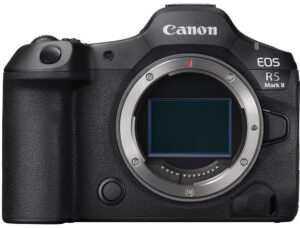
- At Canon: the Canon EOS R6 Mark II remains one of the most balanced full-frame cameras in the RF system. For higher resolution and more advanced hybrid work, the Canon EOS R5 Mark II is clearly one of the most serious options, while the Canon EOS R3 is still aimed mainly at action, sport and professional use.
- At Sony: the Sony A7 IV remains a very strong all-round full-frame camera, with excellent autofocus, good image quality and one of the best lens ecosystems on the market. For those who want the very top of the Sony range, the Sony A1 is still an exceptional professional body, combining high resolution, speed and advanced video features.
- At Panasonic / L-mount: Panasonic now offers several very serious full-frame options. The Panasonic Lumix S1 II E is probably the most balanced choice, the Panasonic Lumix S1 II is stronger for speed and hybrid use, and the Panasonic Lumix S1R II is the high-resolution option. The Panasonic Lumix S5 II and Panasonic Lumix S5 IIX remain more affordable alternatives, especially for photo/video hybrid use.
If I had to choose today, I would no longer look at older models like the Sony A7 II or Canon EOS RP as main recommendations. They can still be interesting second-hand, but for a serious long-term choice, I would rather focus on more recent bodies such as the Nikon Z6 III, Canon EOS R6 Mark II / R5 Mark II, Sony A7 IV or Panasonic S1 II / S1R II, depending on the brand ecosystem and lenses you prefer.
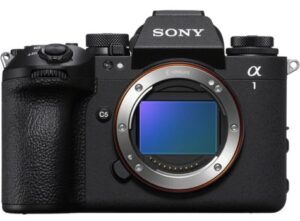
The Sony A1, a professional full-frame mirrorless camera built for speed and high resolution — More details on Amazon
Choose your mirrorless camera according to the brand
Some of you may simply feel more attracted to one brand than another when choosing a mirrorless camera. And honestly, why not? When I bought my first DSLR, I wanted to buy Canon. I cannot really explain why, but that was the brand I had in mind.
Below, I suggest comparing the different mirrorless cameras by brand. I have not included every single model available — there are far too many — but mainly the cameras mentioned in this article and the models that seem the most relevant today. The goal is to help you compare them more easily and make your choice according to their main characteristics.
This comparison work takes a lot of time and research, so I really hope it helps you avoid getting lost among all the available models. If you find this article useful, you can also support the blog by using one of the links provided to buy your camera, at no extra cost to you.
Sony
Below, you will find two summary tables gathering the main Sony mirrorless cameras, separated between APS-C and full-frame bodies. This should make it easier to compare the different models depending on your budget, needs and preferred sensor size. If you want to go into more detail, here is our complete guide to Sony mirrorless cameras.
| Camera | Definition | Stab. | Weight | Dim. | Burst(electr.) | Video | Battery Life(Viewfinder) | Battery | Approx.price | Best price |
|---|---|---|---|---|---|---|---|---|---|---|
| Sony a6600 | 24.2 Mp | YES | 1.1 lb / 503g | 120 x 67 x 69 mm | 8 fps | 4K UHD 30 fps | 720 images | NP-FZ100 | $1 000 | Amazon B&H |
| Sony a6700 | 26 Mp | YES | 1.1 lb / 493g | 122 x 69 x 75 mm | 11 fps | 4K UHD 120 fps | 550 images | NP-FZ100 | $1 598 | Amazon B&H |
| Sony ZV-E10 | 24.2 Mp | NO | 0.8 lb / 343g | 115 x 64 x 45 mm | 11 fps | 4K UHD 30 fps | - | NP-FW50 | $955 | Amazon B&H |
| Sony a6100 | 24.2 Mp | NO | 0.9 lb / 396g | 120 x 67 x 60 mm | 11 fps | 4K UHD 30 fps | 380 images | NP-FW50 | $848 | Amazon B&H |
| Sony a6400 | 24.2 Mp | NO | 0.9 lb / 403g | 120 x 67 x 60 mm | 11 fps | 4K UHD 30 fps | 360 images | NP-FW50 | $1 099 | Amazon B&H |
| Sony ZV-E10 II | 26 Mp | NO | 0.8 lb / 373g | 114 x 68 x 54 mm | 11 fps | 4K UHD 60 fps | - | NP-FZ100 | $1 198 | Amazon B&H |
| Sony FX30 | 26 Mp | YES | 1.4 lb / 646g | 130 x 78 x 85 mm | 10 fps | 4K UHD 120 fps | - | NP-FZ100 | $1 999 | Amazon B&H |
| Camera | Definition | Stab. | Weight | Dim. | Burst(electr.) | Video | Battery Life(Viewfinder) | Battery | Approx.price | Best price |
|---|---|---|---|---|---|---|---|---|---|---|
| Sony A7 IV | 32.7 Mp | YES | 1.5 lb / 658g | 131 x 96 x 80 mm | 10 fps | 4K UHD 60 fps | 520 images | NP-FZ100 | $2 498 | Amazon B&H |
| Sony A1 | 50.1 Mp | YES | 1.6 lb / 737g | 129 x 97 x 70 mm | 30 fps | 8K UHD 30 fps | 430 images | NP-FZ100 | $6 198 | Amazon B&H |
| Sony A7 III | 24.2 Mp | YES | 1.4 lb / 650g | 127 x 96 x 74 mm | 10 fps | 4K UHD 30 fps | 610 images | NP-FZ100 | $1 999 | Amazon B&H |
| Sony A7c | 24.2 Mp | YES | 1.1 lb / 508g | 124 x 71 x 60 mm | 10 fps | 4K UHD 30 fps | 680 images | NP-FZ100 | $1 738 | Amazon |
| Sony A7cii | 33 Mp | YES | 1.1 lb / 514g | 124 x 71 x 63 mm | 10 fps | 4K UHD 60 fps | 530 images | NP-FZ100 | $2 498 | Amazon B&H |
| Sony A7cr | 61 Mp | YES | 1.1 lb / 515g | 124 x 71 x 63 mm | 7 fps | 4K UHD 60 fps | 490 images | NP-FZ100 | $3 399 | Amazon B&H |
| Sony A9ii | 24.6 Mp | YES | 1.5 lb / 678g | 129 x 96 x 78 mm | 20 fps | 4K UHD 30 fps | 500 images | NP-FZ100 | $4 500 | Amazon B&H |
| Sony A9iii | 24.2 Mp | YES | 1.5 lb / 703g | 136 x 97 x 83 mm | 120 fps | 4K UHD 120 fps | 400 images | NP-FZ100 | $6 798 | Amazon B&H |
| Sony A7R IV | 61 Mp | YES | 1.5 lb / 665g | 129 x 96 x 78 mm | 10 fps | 4K UHD 30 fps | 530 images | NP-FZ100 | $3 698 | Amazon B&H |
| Sony A7R V | 61 Mp | YES | 1.6 lb / 723g | 131 x 97 x 82 mm | 10 fps | 8K 24 fps | 440 images | NP-FZ100 | $4 198 | Amazon B&H |
| Sony A7S II | 12.2 Mp | YES | 1.4 lb / 627g | 127 x 96 x 60 mm | 5 fps | 4K UHD 30 fps | 310 images | NP-FW50 | $868 | Amazon |
| Sony A7S III | 12.2 Mp | YES | 1.5 lb / 699g | 129 x 97 x 70 mm | 10 fps | 4K UHD 120 fps | 510 images | NP-FZ100 | $3 998 | Amazon B&H |
| Sony ZV-E1 | 12 Mp | YES | 1.1 lb / 483g | 121 x 72 x 54 mm | 10 fps | 4K UHD 60 fps | 510 images | NP-FZ100 | $2 498 | Amazon B&H |
| Sony FX3 | 12.1 Mp | YES | 1.6 lb / 715g | 130 x 78 x 85 mm | 10 fps | 4K UHD 120 fps | - | NP-FZ100 | $3 700 | Amazon B&H |
| Sony A1 II | 50.1 Mp | YES | 1.6 lb / 743g | 136 x 97 x 73 mm | 30 fps | 8K UHD 30 fps | 420 images | NP-FZ100 | $6 999 | Amazon B&H |
| Sony FX2 | - | - | - | - | - | - | - | - | $2 998 | Amazon B&H |
| Sony A7 V | 33 Mp | YES | 1.5 lb / 695g | 130 x 96 x 82 mm | 30 fps | 4K UHD 120 fps | 630 images | NP-FZ100 | $2 899 | B&H |
Below, you will find a general overview of Sony’s mirrorless camera range. Rather than detailing every single body here, the idea is to understand how the Sony system is organized between APS-C and full-frame cameras. If you want to go further, you can also read our complete guide to Sony mirrorless cameras.
Sony’s APS-C range is designed for photographers and videographers who want a lighter and more compact setup while still keeping very good image quality. Older bodies such as the A6000 series helped make Sony APS-C cameras very popular, but today I would mainly look at more recent options such as the Sony A6700, which offers a much more modern autofocus system, in-body stabilization and strong video features.
The A7 range represents Sony’s full-frame mirrorless cameras. This is where you move to larger sensors, better low-light performance and more flexibility in terms of depth of field. The Sony A7 IV remains one of the most balanced full-frame bodies in the range, while the A7R series is more focused on high resolution and the A7S series is mainly known for video and low-light performance.
Above that, Sony also offers more specialized professional bodies. The A9 series is aimed mainly at speed, action, sports and wildlife photography, while the Sony A1 sits at the very top of the range, combining high resolution, speed and advanced video features in a single professional body.
Overall, one of Sony’s biggest strengths remains its lens ecosystem. Whether you choose APS-C or full frame, you get access to a very wide range of Sony lenses, but also many third-party options from brands such as Sigma, Tamron, Samyang or Viltrox. This is a major advantage if you want to build your kit gradually and adapt it to your needs, whether you shoot travel, portraits, landscapes, wildlife or video. You can also check our dedicated guide to Sony FE lenses if you are considering a full-frame Sony body.
OM System / Panasonic (Micro 4/3)
Previously known as Olympus, the brand is now operated under the OM System name, while continuing the Micro Four Thirds philosophy with compact, stabilized and often very rugged mirrorless cameras. Since Panasonic also uses the Micro Four Thirds mount on part of its range, I also include the main Panasonic Micro Four Thirds bodies in the summary table below.
| Micro 4/3 cameras | Definition | Stab. | Weight | Dim. | Burst(electr.) | Video | Battery Life(Viewfinder) | Battery | Approx.price | Best price |
|---|---|---|---|---|---|---|---|---|---|---|
| Panasonic G9 | 20.3 Mp | YES | 1.5 lb / 658g | 137 x 97 x 91 mm | 60 fps | 4K UHD 60 fps | 360 images | DMW-BLF19 | $749 | Amazon |
| Panasonic G9 II | 25.2 Mp | YES | 1.5 lb / 658g | 134 x 102 x 91 mm | 75 fps | 5.7K 60 fps | 400 images | DMW-BLK22 | $1 599 | Amazon B&H |
| Panasonic GH5S | 10.2 Mp | NO | 1.5 lb / 660g | 139 x 98 x 87 mm | 12 fps | 4K DCI 60 fps | 440 images | DMW-BLF19 | $2 099 | Amazon B&H |
| Panasonic GH5 II | 20.3 Mp | YES | 1.6 lb / 727g | 139 x 98 x 87 mm | 12 fps | 6K anamorphic 30 fps | 400 images | DMW-BLK22 | $1 199 | Amazon B&H |
| Panasonic GH7 | 25.2 Mp | YES | 1.8 lb / 805g | 138 x 100 x 100 mm | 75 fps | 5.8K 30 fps | 330 images | DMW-BLK22 | $2 199 | Amazon B&H |
| Panasonic GH6 | 25.2 Mp | YES | 1.8 lb / 823g | 139 x 100 x 100 mm | 75 fps | 5.8K 30 fps | 360 images | DMW-BLK22 | $1 250 | Amazon |
| OM SYSTEM OM-1 Mark II | 20.4 Mp | YES | 1.3 lb / 599g | 135 x 92 x 73 mm | 120 fps | 4K DCI 60 fps | 520 images | BLX-1 | $2 299 | Amazon B&H |
| OM SYSTEM OM-5 | 20.4 Mp | YES | 0.8 lb / 366g | 125 x 85 x 50 mm | 30 fps | 4K DCI 30 fps | 310 images | BLS-50 | $999 | Amazon B&H |
| OM SYSTEM OM-1 | 20.4 Mp | YES | 1.3 lb / 599g | 135 x 92 x 73 mm | 120 fps | 4K DCI 60 fps | 520 images | BLX-1 | $2 391 | Amazon |
| OM SYSTEM OM-3 | 20.4 Mp | YES | 1.1 lb / 496g | 46 x 139 x 89 mm | 120 fps | 4K DCI 60 fps | 590 images | BLX-1 | $1 999 | Amazon B&H |
| OM SYSTEM OM-5 Mark II | 20.4 Mp | YES | 0.8 lb / 370g | 125 x 85 x 50 mm | 30 fps | 4K DCI 30 fps | 310 images | BLS-10 | $1 199 | Amazon B&H |
| OM SYSTEM OM-3 ASTRO | - | - | - | - | - | - | - | - | $2 498 | B&H |
The Micro Four Thirds system is mainly shared between OM System / Olympus and Panasonic. Its main advantage is to offer a more compact and lightweight ecosystem than most APS-C and full-frame systems, especially when you take lenses into account. This makes it a very interesting option for travel, hiking, wildlife, video and outdoor photography.
OM System, formerly Olympus, is particularly known for compact, rugged and highly stabilized cameras. The OM-D / OM System line includes bodies such as the OM-5 Mark II, which is especially interesting for travel and outdoor photography, and the OM-1 Mark II, which is more advanced and aimed at wildlife, nature and action photographers. The brand is a strong choice if you want a camera that is easy to carry, resistant to difficult conditions and very efficient for handheld shooting.
Panasonic’s Micro Four Thirds cameras are often very strong on the video side, while also offering capable photo features. The GH range, with models such as the GH6 or GH7, has long been popular with videographers and hybrid users. The G range, with bodies such as the G9 II, is more balanced between photo and video, and is especially interesting for wildlife, travel and outdoor photographers who want speed, stabilization and a compact lens system.
Overall, Micro Four Thirds cameras are not necessarily the best choice if you want the shallowest depth of field or the best possible low-light performance. However, they remain very relevant if you value compact lenses, strong stabilization, weather-sealed bodies and a practical system that is easy to carry over long periods. Between OM System’s rugged outdoor-oriented bodies and Panasonic’s strong hybrid/video range, the Micro Four Thirds system still has a very clear place on the market.
Fujifilm
As with the other brands, here is a quick overview to help you better understand Fujifilm’s mirrorless camera range. Fujifilm mainly stands out for its X Series, which is built around APS-C sensors and offers one of the most complete APS-C ecosystems on the market, with a wide choice of dedicated lenses and a very distinctive shooting experience. Fujifilm also offers medium format cameras with its GFX range, but they are aimed at a more specific and much more expensive market, so I will not focus on them here. In this article, we will mainly look at the Fujifilm X Series cameras.
You will also find on our blog a complete guide to all Fujifilm APS-C mirrorless cameras.
| Camera | Definition | Stab. | Weight | Dim. | Burst(electr.) | Video | Battery Life(Viewfinder) | Battery | Approx.price | Best price |
|---|---|---|---|---|---|---|---|---|---|---|
| Fujifilm X-S10 | 26.1 Mp | YES | 1 lb / 465g | 126 x 85 x 65 mm | 20 fps | 4K DCI 30 fps | 325 images | NP-W126S | $1 738 | |
| Fujifilm X-T4 | 26.1 Mp | YES | 1.3 lb / 607g | 135 x 93 x 64 mm | 20 fps | 4K DCI 60 fps | 500 images | NP-W235 | - | |
| Fujifilm X-T5 | 40.2 Mp | YES | 1.2 lb / 557g | 130 x 91 x 64 mm | 13 fps | 6.2K 30 fps | 580 images | NP-W235 | $1 700 | Amazon B&H |
| Fujifilm X-S20 | 26.1 Mp | YES | 1.1 lb / 491g | 128 x 85 x 65 mm | 20 fps | 6.2K 30 fps | 750 images | NP-W235 | $1 499 | Amazon B&H |
| Fujifilm X-T200 | 24.2 Mp | NO | 0.8 lb / 370g | 121 x 84 x 55 mm | 20 fps | 4K UHD 30 fps | 270 images | NP-W126S | - | |
| Fujifilm X-T30 II | 26.1 Mp | NO | 0.8 lb / 378g | 118 x 83 x 47 mm | 13 fps | 4K DCI 30 fps | 380 images | NP-W126S | $900 | B&H |
| Fujifilm X-E4 | 26.1 Mp | NO | 0.8 lb / 364g | 121 x 73 x 33 mm | 20 fps | 4K DCI 30 fps | 380 images | NP-W126S | - | |
| Fujifilm X-Pro3 | 26.1 Mp | NO | 1.1 lb / 497g | 141 x 83 x 46 mm | 20 fps | 4K DCI 30 fps | 370 images | NP-W126S | - | |
| Fujifilm X-H2 | 40.2 Mp | YES | 1.5 lb / 660g | 136 x 93 x 85 mm | 13 fps | 8K UHD 30 fps | 540 images | NP-W235 | $2 299 | Amazon B&H |
| Fujifilm X-H2S | 26.1 Mp | YES | 1.5 lb / 660g | 136 x 93 x 85 mm | 40 fps | 6.2K 30 fps | 580 images | NP-W235 | $2 899 | Amazon B&H |
| Fujifilm X-T50 | 40.2 Mp | YES | 1 lb / 438g | 124 x 84 x 49 mm | 20 fps | 6.2K 30 fps | 305 images | NP-W126S | $1 477 | Amazon |
| Fujifilm X-M5 | 26.1 Mp | NO | 0.8 lb / 355g | 112 x 67 x 38 mm | 20 fps | 6.2K 30 fps | - | NP-W126S | $799 | Amazon B&H |
| Fujifilm X-E5 | 40.2 Mp | YES | 0.9 lb / 396g | 125 x 73 x 39 mm | 20 fps | 6.2K 30 fps | 305 images | NP-W126S | $1 699 | Amazon B&H |
| Fujifilm X-T30 III | - | - | - | - | - | - | - | - | $1 149 | B&H |
Fujifilm’s X Series is entirely built around APS-C sensors, which makes the range very coherent. The X-T line, with cameras such as the Fujifilm X-T5 or X-T50, is probably the most emblematic: it keeps the traditional Fuji ergonomics, with physical dials and a very photographic approach. The X-S line, with models like the Fujifilm X-S20, is more modern in terms of handling, with a larger grip and a more conventional control layout.
Fujifilm also offers more compact or specialized bodies. The X-E line is designed for photographers who want a small, rangefinder-style camera, while the X-Pro line is more niche and aimed at users who like a hybrid viewfinder and a more documentary/street photography approach. More recently, cameras such as the Fujifilm X-M5 also show that the brand is trying to appeal to content creators looking for a small and capable body.
Overall, the Fujifilm X range is especially interesting if you want a mature APS-C system with a strong photographic identity. Between the X-T models for photographers, the X-S models for hybrid photo/video use, the X-E / X-Pro bodies for compact or documentary-style shooting, and the many dedicated X-mount lenses, Fujifilm remains one of the strongest APS-C ecosystems available today.
Panasonic
Panasonic also offers a full-frame mirrorless range based on the L-mount system, shared with Leica and Sigma. Below, you will find a summary table of the main Panasonic full-frame cameras to help you better understand the range.
| Camera | Definition | Stab. | Weight | Dim. | Burst(electr.) | Video | Battery Life(Viewfinder) | Battery | Approx.price | Best price |
|---|---|---|---|---|---|---|---|---|---|---|
| Panasonic S5 | 24.2 Mp | YES | 1.6 lb / 714g | 133 x 97 x 82 mm | 7 fps | 4K UHD 60 fps | 470 images | DMW-BLK22 | $1 797 | Amazon B&H |
| Panasonic S5 II | 24 Mp | YES | 1.6 lb / 740g | 134 x 102 x 90 mm | 30 fps | 6K 30 fps | 370 images | DMW-BLK22 | $1 997 | Amazon B&H |
| Panasonic S1 | 24.2 Mp | YES | 2.3 lb / 1021g | 149 x 110 x 97 mm | 9 fps | 4K UHD 60 fps | 380 images | DMW-BLJ31 | $3 197 | Amazon B&H |
| Panasonic S1R | 47.3 Mp | YES | 2.2 lb / 1016g | 149 x 110 x 97 mm | 9 fps | 4K UHD 60 fps | 340 images | DMW-BLJ31 | $3 700 | Amazon B&H |
| Panasonic S1H | 24.2 Mp | YES | 2.6 lb / 1164g | 151 x 114 x 110 mm | 9 fps | 6K 24 fps | 380 images | DMW-BLJ31 | $3 913 | Amazon |
| Panasonic S5 II X | 24.2 Mp | YES | 1.6 lb / 740g | 134 x 102 x 90 mm | 30 fps | 6K 30 fps | 370 images | DMW-BLK22 | $2 099 | Amazon B&H |
| Panasonic S9 | 24.2 Mp | YES | 1.1 lb / 486g | 126 x 74 x 47 mm | 30 fps | 6K 30 fps | - | DMW-BLK22 | $1 500 | Amazon B&H |
| Panasonic S5D | 24.2 Mp | YES | 1.6 lb / 714g | 133 x 97 x 82 mm | 7 fps | 4K DCI 60 fps | 430 images | DMW-BLK22 | $2 282 | |
| Panasonic S1R II | 44.3 Mp | YES | 1.8 lb / 795g | 134 x 102 x 92 mm | 40 fps | 8K UHD 30 fps | 280 images | DMW-BLK22 | $3 299 | Amazon B&H |
| Panasonic S1 II | 24.1 Mp | YES | 1.6 lb / 717g | 134 x 102 x 92 mm | 70 fps | 6K 30 fps | 370 images | DMW-BLK22 | $3 199 | Amazon B&H |
| Panasonic S1 II E | 24.1 Mp | YES | 1.6 lb / 712g | 134 x 102 x 92 mm | 30 fps | 6K 30 fps | 340 images | DMW-BLK22 | $2 497 | Amazon B&H |
Panasonic’s full-frame mirrorless cameras are built around the L-mount system, shared with Leica and Sigma. This is an important point, because it gives access not only to Panasonic lenses, but also to a growing range of Sigma lenses, often very interesting in terms of price and performance. The system is especially appealing if you want a serious hybrid setup, with cameras designed for both photography and video.
In the current Panasonic full-frame range, you will find more accessible hybrid bodies such as the Lumix S5 II and S5 IIX, which are very strong options for photo/video use, especially thanks to phase-detection autofocus. Higher up the range, models such as the Lumix S1 II, S1 II E and S1R II offer more advanced performance, with stronger specifications for speed, video or high-resolution photography depending on the model. Overall, Panasonic full-frame cameras are particularly interesting if video matters to you, while still offering solid photo performance and access to a serious L-mount lens ecosystem.
Canon
Canon’s mirrorless range has changed a lot in recent years. After the older EOS M system, Canon has now clearly moved its mirrorless strategy to the RF mount, with both APS-C and full-frame bodies. To help you understand the range, Canon can now be divided into two main families: lighter and more affordable APS-C cameras, and more advanced full-frame cameras for enthusiasts and professionals.
If you want to go further, we have written a complete guide to all Canon full-frame mirrorless cameras, as well as an older article dedicated to Canon APS-C mirrorless cameras in the EOS M / EF-M system. You can also read our more recent guide to Canon RF APS-C mirrorless cameras, which covers the newer APS-C bodies using the RF mount.
Below, you will find two summary tables to compare the main Canon mirrorless cameras: one for APS-C bodies and one for full-frame bodies.
| Camera | Definition | Stab. | Weight | Dim. | Burst(electr.) | Video | Battery Life(Viewfinder) | Battery | Approx.price | Best price |
|---|---|---|---|---|---|---|---|---|---|---|
| Canon R50 | 24.2 Mp | NO | 0.8 lb / 375g | 116 x 85 x 69 mm | 15 fps | 4K UHD 30 fps | 440 images | LP-E17 | $779 | Amazon B&H |
| Canon R7 | 32.5 Mp | YES | 1.3 lb / 612g | 132 x 90 x 92 mm | 30 fps | 4K UHD 60 fps | 770 images | LP-E6NH | $1 649 | Amazon B&H |
| Canon R10 | 24.2 Mp | NO | 0.9 lb / 429g | 123 x 88 x 83 mm | 23 fps | 4K UHD 60 fps | 260 images | LP-E17 | $1 099 | Amazon B&H |
| Canon R100 | 24.1 Mp | NO | 0.8 lb / 356g | 116 x 86 x 69 mm | 7 fps | 4K UHD 24 fps | 340 images | LP-E17 | $559 | Amazon B&H |
| Canon R50 V | 24.2 Mp | NO | 0.7 lb / 323g | 116 x 86 x 69 mm | 15 fps | 4K UHD 60 fps | - | LP-E17 | $719 | Amazon B&H |
Canon’s RF-S range is now the brand’s current APS-C mirrorless line, built around the RF mount. It began with the Canon EOS R7 and EOS R10, then expanded with more accessible models such as the EOS R50 and EOS R100, as well as more video-oriented bodies like the EOS R50 V. The idea is to offer smaller, lighter and more affordable cameras than Canon’s full-frame RF bodies, while still benefiting from Canon’s recent autofocus technology.
In this range, the Canon EOS R7 remains the best and most advanced option, especially for users who want more speed, stabilization and a more serious body. The EOS R10 is a good all-rounder, while the EOS R50 and R100 are more entry-level choices. Overall, RF-S is interesting if you want a compact Canon APS-C system, but the dedicated RF-S lens range is still more limited than what you can find from Sony APS-C or Fujifilm X mount.
| Camera | Definition | Stab. | Weight | Dim. | Burst(electr.) | Video | Battery Life(Viewfinder) | Battery | Approx.price | Best price |
|---|---|---|---|---|---|---|---|---|---|---|
| Canon R | 30.3 Mp | NO | 1.5 lb / 660g | 136 x 98 x 68 mm | 8 fps | 4K UHD 30 fps | 370 images | LP-E6NH | $1 100 | Amazon |
| Canon R6 Mark II | 24.2 Mp | YES | 1.5 lb / 670g | 138 x 98 x 88 mm | 40 fps | 4K UHD 60 fps | 360 images | LP-E6NH | $2 299 | Amazon B&H |
| Canon R5c | 45 Mp | NO | 1.5 lb / 680g | 142 x 101 x 111 mm | 20 fps | 8K DCI 30 fps | 320 images | LP-E6NH | $3 899 | Amazon B&H |
| Canon R8 | 24.2 Mp | NO | 1 lb / 461g | 133 x 86 x 70 mm | 40 fps | 4K UHD 60 fps | 370 images | LP-E17 | $1 649 | Amazon B&H |
| Canon R5 | 45 Mp | YES | 1.6 lb / 737g | 138 x 98 x 88 mm | 20 fps | 8K DCI 30 fps | 320 images | LP-E6NH | $3 299 | Amazon B&H |
| Canon R6 | 20.1 Mp | YES | 1.5 lb / 680g | 138 x 98 x 88 mm | 20 fps | 4K UHD 60 fps | 380 images | LP-E6NH | $2 173 | Amazon |
| Canon R3 | 24.1 Mp | YES | 2.2 lb / 1015g | 150 x 143 x 87 mm | 30 fps | 6K 60 fps | 760 images | LP-E19 | $5 399 | Amazon B&H |
| Canon RP | 26.2 Mp | NO | 1.1 lb / 485g | 133 x 85 x 70 mm | 5 fps | 4K UHD 24 fps | 250 images | LP-E17 | $1 149 | Amazon B&H |
| Canon R5 Mark II | 45 Mp | YES | 1.6 lb / 746g | 139 x 101 x 94 mm | 30 fps | 8K DCI 60 fps | 340 images | LP-E6P | $4 399 | Amazon B&H |
| Canon R1 | 24.2 Mp | YES | 2.5 lb / 1115g | 158 x 150 x 87 mm | 40 fps | 6K 60 fps | 700 images | LP-E19 | $6 799 | Amazon B&H |
| Canon R6 Mark III | 32.5 Mp | YES | - | - | - | - | - | - | $2 799 | B&H |
Canon’s RF full-frame range is the brand’s main mirrorless system for enthusiasts, advanced photographers and professionals. It includes relatively accessible full-frame bodies such as the Canon EOS R8, balanced and stabilized models such as the Canon EOS R6 Mark III, and higher-end cameras like the Canon EOS R5 Mark II or Canon EOS R3. The idea is to offer a complete full-frame ecosystem, from lightweight hybrid cameras to professional bodies for demanding use.
In this range, the Canon EOS R6 Mark III is probably one of the most balanced options for most users, with a very good mix of image quality, autofocus, stabilization and video features. The Canon EOS R5 Mark II is aimed more at photographers who want higher resolution and more advanced hybrid performance, while the Canon EOS R3 remains a very specialized body for sport, wildlife, action and professional work.
Overall, Canon RF full-frame cameras are very interesting if you like Canon’s ergonomics, autofocus and color rendering. The main limitation remains the price of some RF lenses, especially the professional L series, but the system has become much more mature in recent years and now covers most needs, from travel and portraits to wildlife, sport and video.
Nikon
Nikon’s mirrorless range is now much more complete than when the Z system first appeared. The brand offers both full-frame cameras, such as the Nikon Z6 III, Z8 or Z9, and APS-C bodies, such as the Nikon Z50 II, Zfc or Z30. The idea is quite clear: the APS-C range is lighter, more compact and more accessible, while the full-frame Z cameras are aimed at enthusiasts, advanced photographers and professionals.
To go into much more detail, we have compiled everything you should know about Nikon full-frame mirrorless cameras, as well as a dedicated guide to Nikon APS-C mirrorless cameras.
Below, you will find two summary tables to compare the main Nikon mirrorless cameras: one for APS-C bodies and one for full-frame bodies.
| Camera | Definition | Stab. | Weight | Dim. | Burst(electr.) | Video | Battery Life(Viewfinder) | Battery | Approx.price | Best price |
|---|---|---|---|---|---|---|---|---|---|---|
| Nikon Z30 | 20.9 Mp | NO | 0.9 lb / 405g | 128 x 74 x 60 mm | 11 fps | 4K UHD 30 fps | - | EN-EL25 | $806 | Amazon B&H |
| Nikon Z50 | 20.9 Mp | NO | 1 lb / 450g | 127 x 94 x 60 mm | 11 fps | 4K UHD 30 fps | 280 images | EN-EL25 | $1 086 | Amazon |
| Nikon Zfc | 20.9 Mp | NO | 1 lb / 445g | 135 x 94 x 44 mm | 11 fps | 4K UHD 30 fps | 300 images | EN-EL25 | $1 196 | Amazon B&H |
| Nikon Z50 II | 20.9 Mp | NO | 1.2 lb / 550g | 127 x 97 x 67 mm | 15 fps | 4K UHD 60 fps | 300 images | EN-EL25a | $1 006 | Amazon B&H |
Nikon’s Z DX range corresponds to the brand’s APS-C mirrorless cameras. It includes compact and accessible bodies such as the Nikon Z30, Z50 II and Zfc, aimed mainly at beginners, travellers, content creators and photographers who want a lighter setup. The Z50 II is the most balanced option, the Z30 is more video/content-oriented without a viewfinder, and the Zfc focuses more on retro design and shooting experience. The main limitation remains the still fairly limited range of dedicated Nikon Z DX lenses.
| Camera | Definition | Stab. | Weight | Dim. | Burst(electr.) | Video | Battery Life(Viewfinder) | Battery | Approx.price | Best price |
|---|---|---|---|---|---|---|---|---|---|---|
| Nikon Z9 | 45.7 Mp | YES | 3 lb / 1340g | 149 x 150 x 91 mm | 20 fps | 8K 30 fps | 650 images | EN-EL18d | $5 896 | Amazon B&H |
| Nikon Z5 | 24.3 Mp | YES | 1.5 lb / 675g | 134 x 101 x 71 mm | 5 fps | 4K UHD 30 fps | 390 images | EN-EL15c | $1 386 | Amazon B&H |
| Nikon Z6 | 24.5 Mp | YES | 1.5 lb / 675g | 134 x 101 x 68 mm | 12 fps | 4K UHD 30 fps | 290 images | EN-EL15b | $2 010 | |
| Nikon Z6 II | 24.5 Mp | YES | 1.6 lb / 705g | 134 x 101 x 70 mm | 14 fps | 4K UHD 60 fps | 340 images | EN-EL15c | $1 746 | Amazon B&H |
| Nikon Z7 | 45.7 Mp | YES | 1.5 lb / 675g | 134 x 101 x 68 mm | 9 fps | 4K UHD 30 fps | 330 images | EN-EL15b | $1 800 | Amazon |
| Nikon Z7 II | 45.7 Mp | YES | 1.6 lb / 705g | 134 x 101 x 70 mm | 10 fps | 4K UHD 60 fps | 330 images | EN-EL15c | $2 495 | Amazon B&H |
| Nikon Zf | 24.5 Mp | YES | 1.6 lb / 710g | 144 x 103 x 59 mm | 14 fps | 4K UHD 60 fps | 360 images | EN-EL15c | $2 196 | Amazon B&H |
| Nikon Z8 | 45.7 Mp | YES | 2 lb / 910g | 144 x 119 x 83 mm | 20 fps | 8K 30 fps | 325 images | EN-EL15c | $4 296 | Amazon B&H |
| Nikon Z6 III | 24.5 Mp | YES | 1.7 lb / 760g | 139 x 102 x 74 mm | 20 fps | 6K 60 fps | 360 images | EN-EL15c | $2 695 | Amazon B&H |
| Nikon Z5 II | 24.5 Mp | YES | 1.5 lb / 700g | 134 x 100 x 72 mm | 14 fps | 4K UHD 30 fps | 470 images | EN-EL15c | $1 696 | Amazon B&H |
| Nikon ZR | - | - | - | - | - | - | - | - | $2 196 | B&H |
Nikon’s full-frame Z range is aimed at photographers who want better image quality, stronger low-light performance and access to a more complete lens ecosystem. It includes relatively accessible bodies such as the Nikon Z5 II, more balanced hybrid models like the Nikon Z6 III, and high-end cameras such as the Nikon Z8 and Z9 for demanding photo/video, sport, wildlife and professional work.
In broad terms, the Z5 II is the entry point into Nikon full frame, the Z6 III is probably the most balanced choice for many users, the Z7 II / Z8 are more focused on high resolution and advanced performance, and the Z9 sits at the top of the range. Overall, the Nikon Z system is now much more mature, with a growing range of native lenses and strong options for travel, landscape, portrait, wildlife and hybrid photo/video use.
Which lens should you start with?
Unfortunately, I will not go too deeply into this topic here, as the article is already long enough and lens choice could easily deserve a full guide of its own. In my opinion, the right lens depends above all on what you want to photograph, your budget, your level of experience and the conditions in which you usually shoot.
If you are a beginner and do not yet know which type of photography you want to focus on, I would simply recommend starting with the kit lens sold with your camera. These lenses are rarely exceptional, but they are often enough to learn the basics, photograph everyday life and travel in good conditions. Once you start to understand the limits of your lens — lack of reach, limited brightness, average sharpness, etc. — it will be much easier to know what you really need next.
However, keep in mind that most kit lenses are standard zooms, often around 15-45mm, 16-50mm or 14-42mm depending on the system. They are useful for landscapes, street photography, family photos or general travel use, but they will quickly be too short for wildlife, sport or distant subjects. If you already know that you will need more reach, it may be worth adding a telephoto lens fairly early to complete your standard zoom.
For photographers who already have some experience, or who already know the type of images they want to create, the lens choice will be much more specific. You may need a telephoto lens, a fixed focal length, a wide-angle lens, a macro lens or a brighter lens for low light and shallow depth of field. In that case, it is often better to choose your lenses carefully from the start rather than spending your whole budget on the camera body alone.
Conclusion
Here we are, at the end of this very long article. I have spent a lot of time putting together this guide on the best mirrorless cameras, with the aim of helping you understand the different systems, formats, brands and criteria that really matter before buying. With all the points covered above, you should now have a clearer idea of which mirrorless camera could be the right choice for you.
Photography gear has changed a lot in recent years, and mirrorless cameras have now clearly become the main direction of the market. Whether you are looking for a small camera for travel, a more advanced APS-C body, a full-frame system or a camera that is also strong for video, there are now many excellent options. The most important thing is not necessarily to choose the most expensive or most recent model, but the one that fits your needs, your budget and the lenses you may want to use in the future.
I hope this article has helped you better understand the mirrorless camera market and make a more informed choice. If you are still hesitating between several models and need advice, feel free to leave a comment at the bottom of the article and I will try to guide you as best I can. If you want to go further, I also invite you to read my complete guide to choosing mirrorless camera lenses.
See you soon,

Written by Sylvain PONS
I've been passionate about photography since 2010, learning as I went along. Today, I dedicate myself to guiding others in their choice of camera gear and sharing a variety of tips to improve their photography skills.
Despite our care, a mistake may have slipped into this article. If you find any, please don't hesitate to let us know so we can correct it as soon as possible and keep our information up-to-date!