What to do in Gozo: activities and must-see places
Last update: 06/22/2026
Our blog continues to grow thanks to you, our readers. This post may contain affiliate links, which means we can earn a small commission if you make a purchase through them, at no extra cost to you. This helps us to continue to bring you more and support our work!
I’m back with a guide covering all the best things to see and do in Gozo. Some travelers assume there is little to do in Gozo or that one day is enough. After spending five days there, I can assure you that the island has plenty of wonderful places to discover. With unspoiled landscapes, hidden coves, turquoise water, coastal walks, cliffs, and small villages, there is no shortage of highlights. Admittedly, Gozo is small, covering just 67 km². That size makes it easy to explore at your own pace.
What I especially loved were the beautiful, unspoiled landscapes without heavy crowds. Tourism is naturally part of the experience—I am a tourist too—but it is still wonderful to enjoy sweeping views in near solitude. I visited in April, so I cannot promise the same atmosphere in summer. Even then, Gozo generally feels quieter than Malta’s main island. After eight days on Malta, Gozo’s slower pace felt especially refreshing. For me, it was the ideal way to end my trip through the Maltese archipelago. Over four days, plus one day on a quad tour, I had time to explore and appreciate the island without rushing.
If your schedule allows, I strongly recommend spending several days on Gozo. This article covers everything you need to know about what to do in Gozo. Some of the places and activities may surprise you, so let’s get started.
Since reaching Gozo usually involves traveling through Malta first, you may also find our complete Malta guide useful.
Why visit Gozo?
I have already mentioned a few reasons, but there is much more to Gozo than its scenery. Visiting Gozo also means discovering its history and local culture. For example, Gozo’s Ġgantija temples predate Egypt’s famous pyramids. They are among the oldest freestanding monumental structures in the world. I did not know that before my visit. It is just one example of how many surprises the island holds.

Gozo also appeals to a wide range of travelers, including hikers, beach lovers, and history enthusiasts. There is plenty to do, but the pace is calmer and the main sights are often easier to enjoy. Personally, I see that as a major advantage. In fact, I’d go as far as to say that it’s rare to find an island in the Mediterranean without too many tourists these days.
What to do in Gozo: the must-see highlights
Explore Victoria, the historic capital
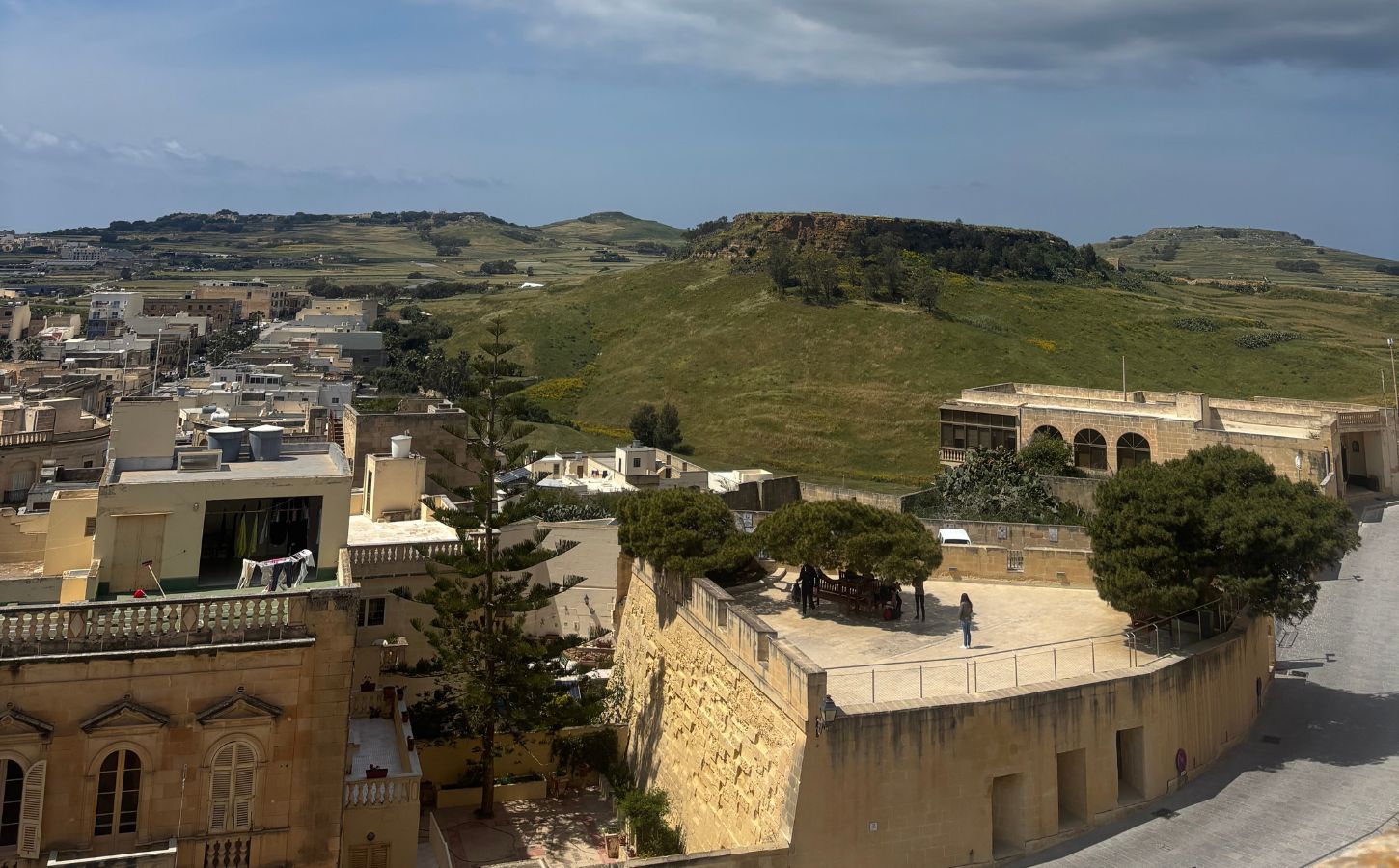
Naturally, I had to begin with Gozo’s capital, Victoria. It is the island’s main hub, with bus connections, lively lanes, and plenty of good restaurants. From the Citadel, you can also enjoy panoramic views across much of the island. The elevated position makes the view especially striking. After a few days on Gozo, you may even recognize individual villages by their churches and basilicas. You can also see the coastline in the distance. It is unquestionably one of Gozo’s main highlights. It can be busy, but the site is spacious enough that it did not feel uncomfortable when I visited in April.
Victoria also has a distinctive atmosphere, especially in its colorful, flower-lined lanes. They are every bit as charming as those on Malta, but noticeably quieter. There are also some nice little squares. Pjazza San Ġorġ is a particularly pleasant example. This lively square is lined with cafés, and the Basilica of St. George stands at its center. The basilica is impressive inside and out, with marble and gilded details. As a little anecdote, we went there on the Sunday before Holy Week, and Gozo being a very Catholic island, everyone was all dressed up and ready for mass.


Victoria is also where I noticed the Italian influence most strongly. On all the main streets, you’ll find small shops selling Italian food. If you want to eat on the go, I recommend the arancini. For anyone unfamiliar with them, arancini are fried rice balls filled with ingredients such as tomato, peas, mozzarella, or ham. If you take the time to stroll the streets of the capital, you’ll also come across stores selling local crafts and souvenirs. It is a convenient place to pick up gifts or souvenirs. Prices also felt reasonable compared with more tourist-oriented areas.
For my part, I hadn’t been there on my quad bike outing in Gozo. We bypassed it, and it’s true that with the traffic and people on foot, it wouldn’t have been practical and we wouldn’t have been able to enjoy it. Even so, Victoria remains an essential stop. Despite being the capital, it retains much of Gozo’s local character. It’s definitely worth discovering!
Enjoy Xlendi Bay
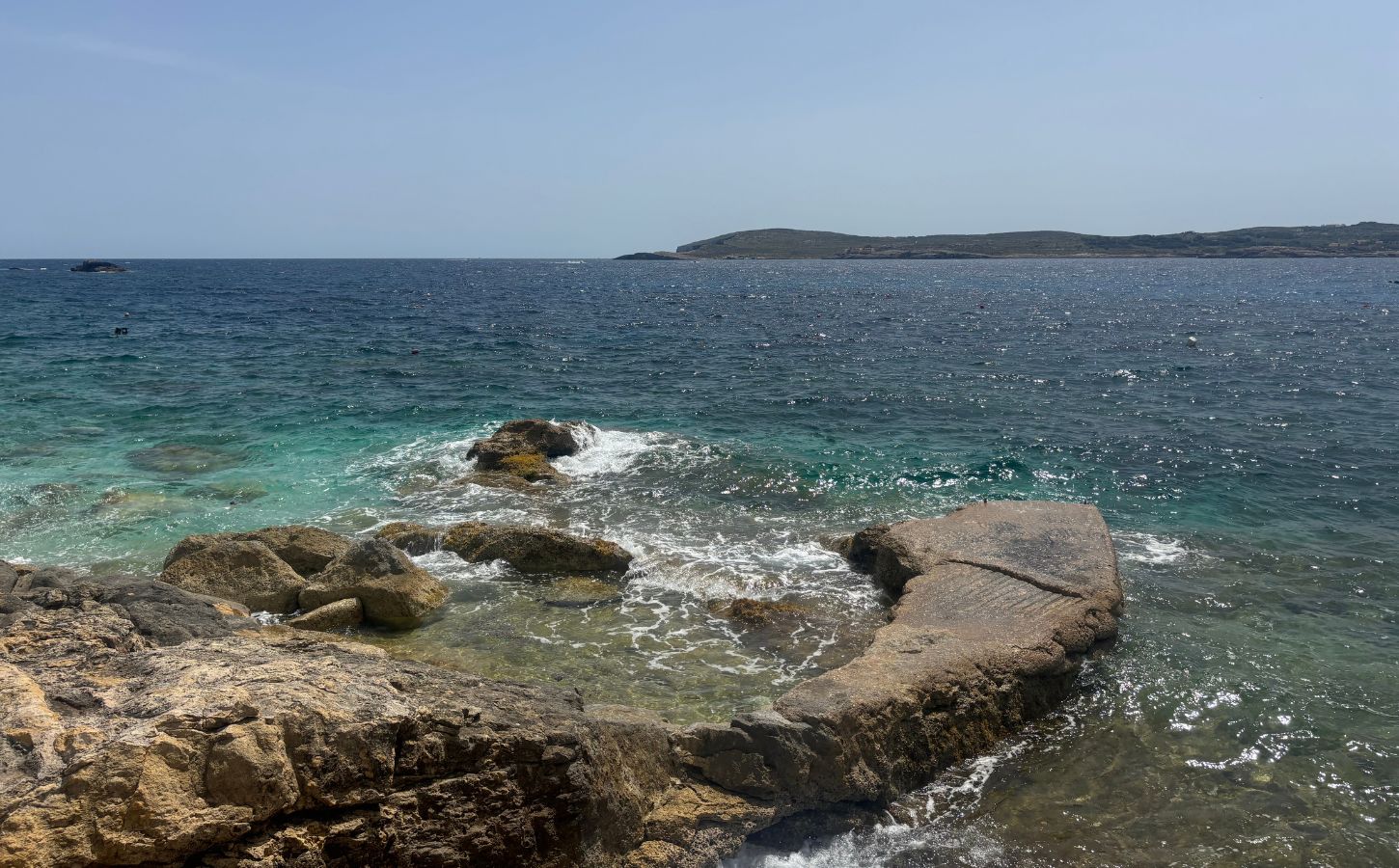
Next is one of my favorite places on the island, where I was lucky enough to stay for four days. You may have heard of the port of Xlendi. It is no longer primarily a working port; today, the bay is better known for watersports and waterfront dining. The bay is beautiful, with clear turquoise water. It is a great setting for snorkeling, diving, jet skiing, and other water activities. I could not resist snorkeling in the clear water, and the experience did not disappoint. The bay is also lined with small restaurants, several of which serve fresh fish. And from these same restaurants, you’re right on the water’s edge and you can already see several schools of fish (grey, black, orange and more or less big!).
The bay is also very well developed, with paths, stone platforms and ladders so you can swim or dive from the shore. You can really jump into the water from the whole length of the bay. The water was so inviting that even an ordinary walk sometimes made me want to jump in. Speaking of walks, after four days I’d even developed my own little habits. For example, there’s a very good ice cream parlour on site that I recommend (Gelateria Granola)! So we took our little ice creams and went for a walk in the evening, watching the sun set over the bay.
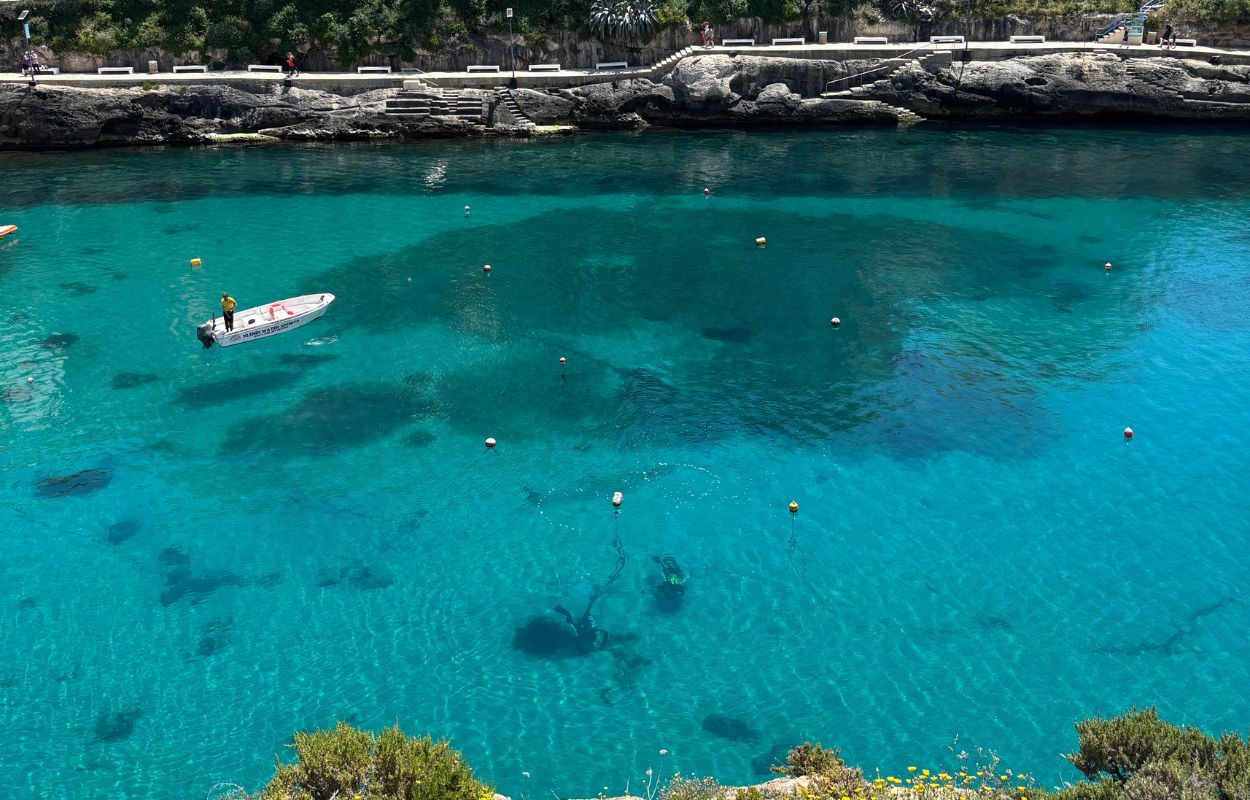
In my opinion, Xlendi Bay is one of the best places to stay in Gozo, combining the quiet of a small town with restaurants and water activities. You can also dine locally without driving elsewhere. On the practical side, to get from Mgarr (where the ferry arrives) to Xlendi, the roads are good, so there’s really nothing to worry about!
Discover the island’s history
Ġgantija UNESCO temples
As mentioned earlier, the Ġgantija temples, part of a UNESCO World Heritage Site, are among the world’s oldest monumental structures. The complex was built during the Late Neolithic period, between approximately 3800 and 2000 BC. The visit begins in an indoor museum explaining the history of the people who built the temples. It’s here that the rituals and traditions are explained. It provides useful context before you enter the archaeological site.
Even visitors who are not usually drawn to museums may find the presentation engaging. The outdoor section is equally compelling and brings you closer to a site that is more than 5,000 years old.
There are well-marked paths through agricultural fields, with flowers and trees typical of the island of Gozo, to the temples. The hillside setting also helps you picture the surrounding landscape, with wide views across Gozo. The tour ends with a look inside the temples, or rather what’s left of them.
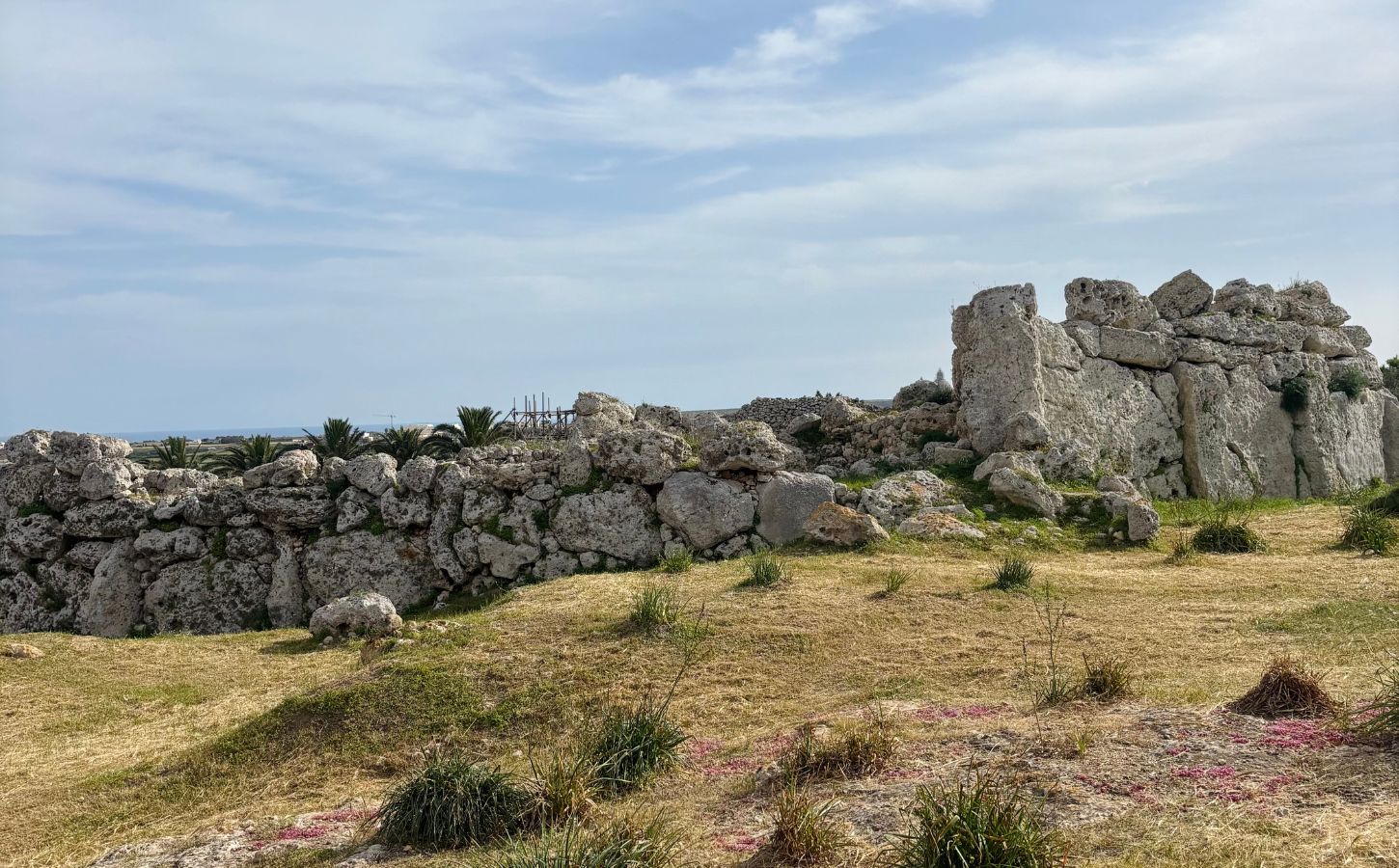
As you can imagine, some of the stones have collapsed, while others are supported by scaffolding. Nevertheless, when you enter the temples (there are two) you can see the different rooms, which are well preserved. On some of the stones you can even see the names of people and the dates they came to the temples, especially around the year 1000.
Seeing the surviving chambers and stonework was genuinely impressive. What struck me most was realizing just how old the complex is. I thought the tour was well thought out and kept you engaged from start to finish!
Churches and the Ta’ Pinu Basilica
As soon as you set foot on Gozo, you immediately notice that there are a lot of religious buildings. Religious buildings are visible in almost every settlement. Despite Gozo’s small size, it has more than 40 churches and chapels. To put it simply, in every village there’s a church or basilica towering above the landscape. Some are large and impressive, others are more discreet, but they all hold a piece of Gozo’s history.
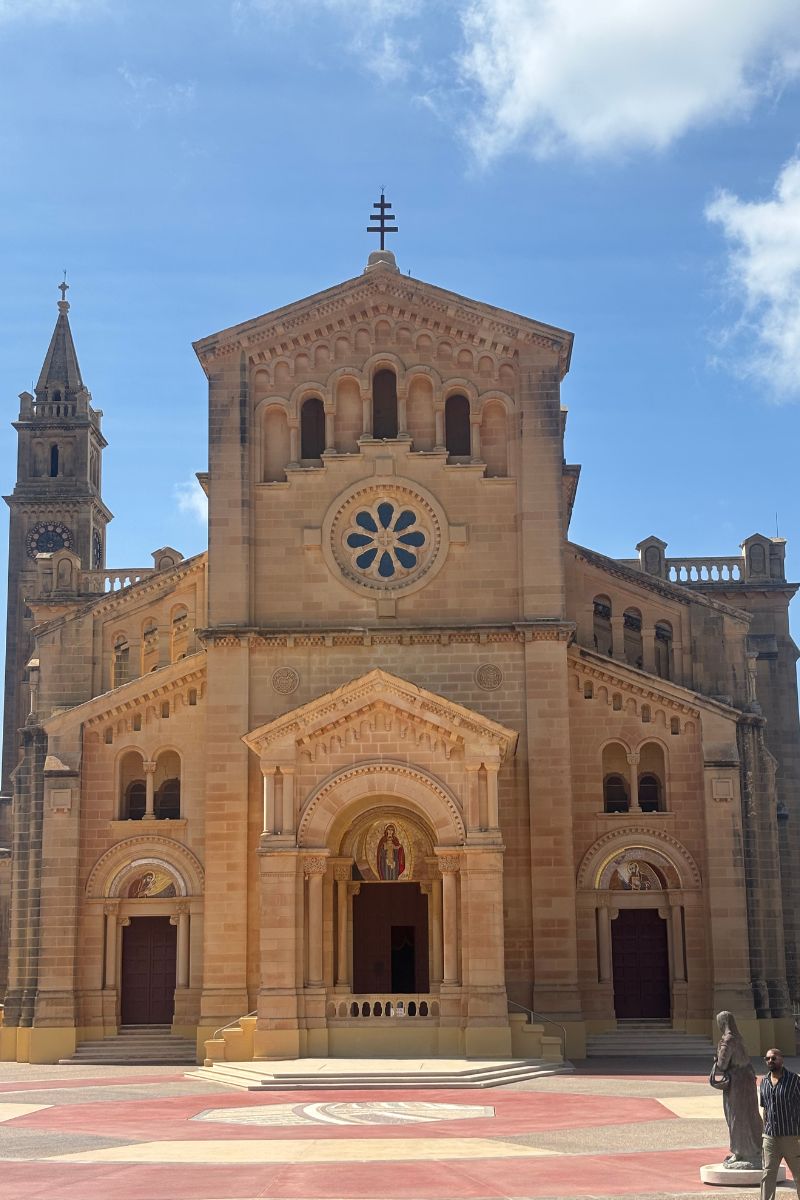
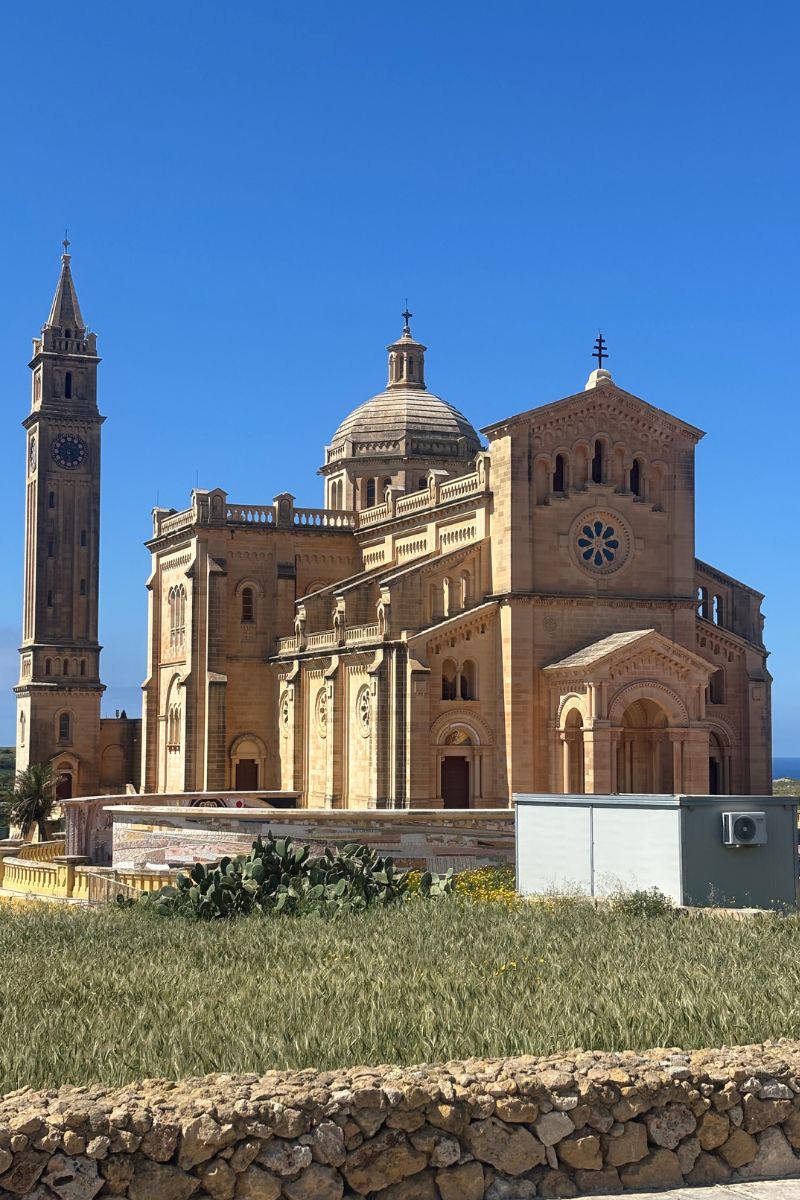
Among them, the best known is the Ta’ Pinu basilica. It’s right in the middle of the countryside, surrounded by fields and hills. The exterior is beautiful, and the interior is equally impressive. I consider it one of the most beautiful basilicas I have visited. In fact, it’s a very important place for Gozitans, with thousands of people coming here to pray. Even nonreligious visitors may appreciate Ta’ Pinu for its architecture and interior decoration. Entry to the basilica is free.
Other notable religious buildings I saw during my stay include:
- In Victoria: as I mentioned above, there’s the Basilica of St. George. It’s in the center of town, surrounded by beautiful little streets. You can’t miss it! If you push open the door, you’ll see that it’s superb, with marble columns and fine gold everywhere. Still in Victoria, in the heart of the Citadel, you’ll find the Cathedral of the Assumption. It’s completely different from the basilica, simpler and more sober. For the record, it was rebuilt after an earthquake. To visit it, you’ll need to buy an entrance ticket (around €5 for adults).
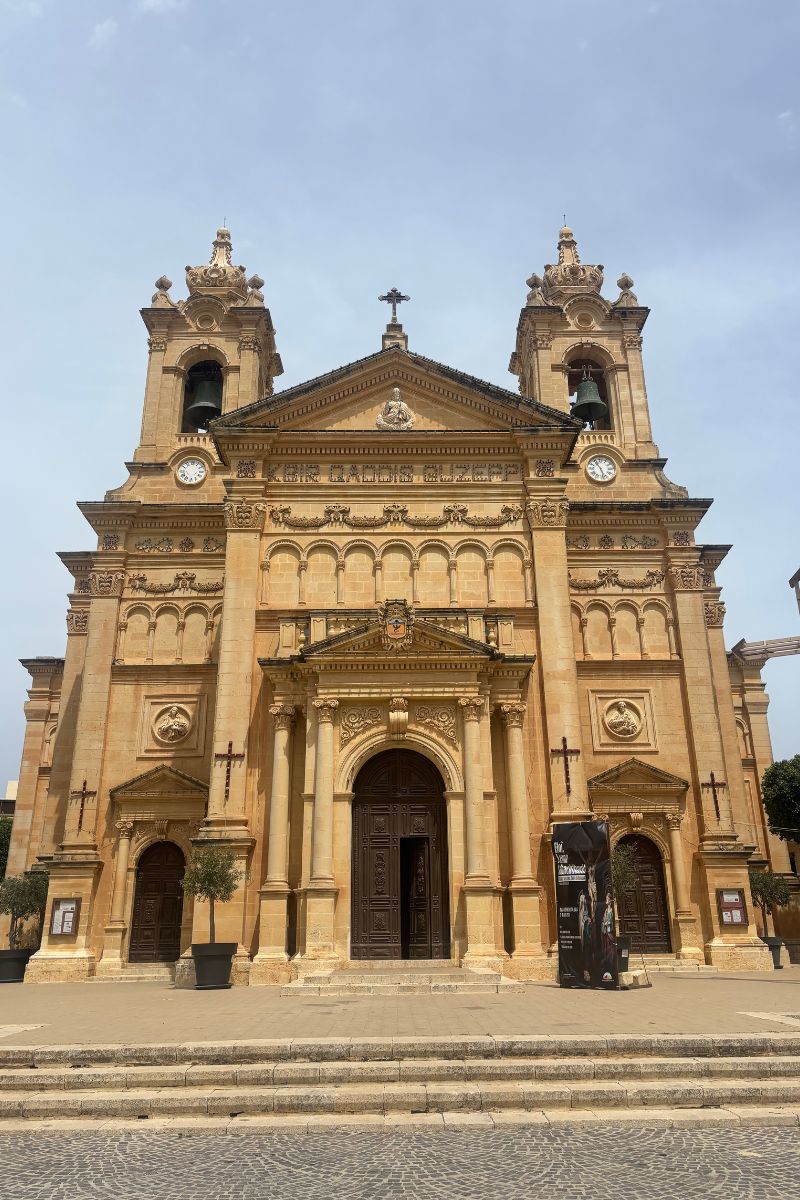
- At Xagħra: further north, we discover the Basilica of the Nativity of Our Lady. It stands in the middle of a large square, surrounded by small cafés and houses. When you arrive at the square, you can’t miss it: with its two bell towers and large, bright facade, it’s very bright. From the inside, it’s spacious, with plenty of light too.
- In Qala: at the easternmost tip of Gozo, you’ll find St. Joseph’s Church, although everyone just calls it Qala Church. It overlooks the entire village from its small hill. The view from up there is stunning—on a clear day, you can even see Comino and Malta in the distance.
- In Munxar: right next to Xlendi Bay, there’s a peaceful little village with St. Paul’s Church. It’s much less known than the others, but it’s still lovely and intimate. Definitely worth a quick stop!
And to finish, there’s the Basilica of St. John the Baptist in Xewkija! It’s simply the largest religious building on the island! Its dome is massive—you can see it from far away across Gozo. (More on that in just a bit!)
Of course, there are many other religious sites, less well known but just as charming, such as St. Dimitri’s Chapel in Għarb, St. Anthony of Padua Church, St. Catherine of Alexandria Chapel in San Lawrenz, and St. Margaret’s Church in Sannat.
Visit the Xewkija Rotunda
As promised, here is a closer look at the Xewkija Rotunda. The Rotunda is also known as the Basilica of St John the Baptist. As soon as you arrive on the island, you’ll see it in the distance. Its vast dome dominates the surrounding area. Looking up from below gives a real sense of scale. The basilica is built of the same golden stone as the other buildings on Gozo, but here everything is bigger. Inside it’s the same: huge and bright. For a small additional fee, visitors can usually access the dome. From the top, you can see Gozo’s fields, villages, and coastline. It is well worth visiting.
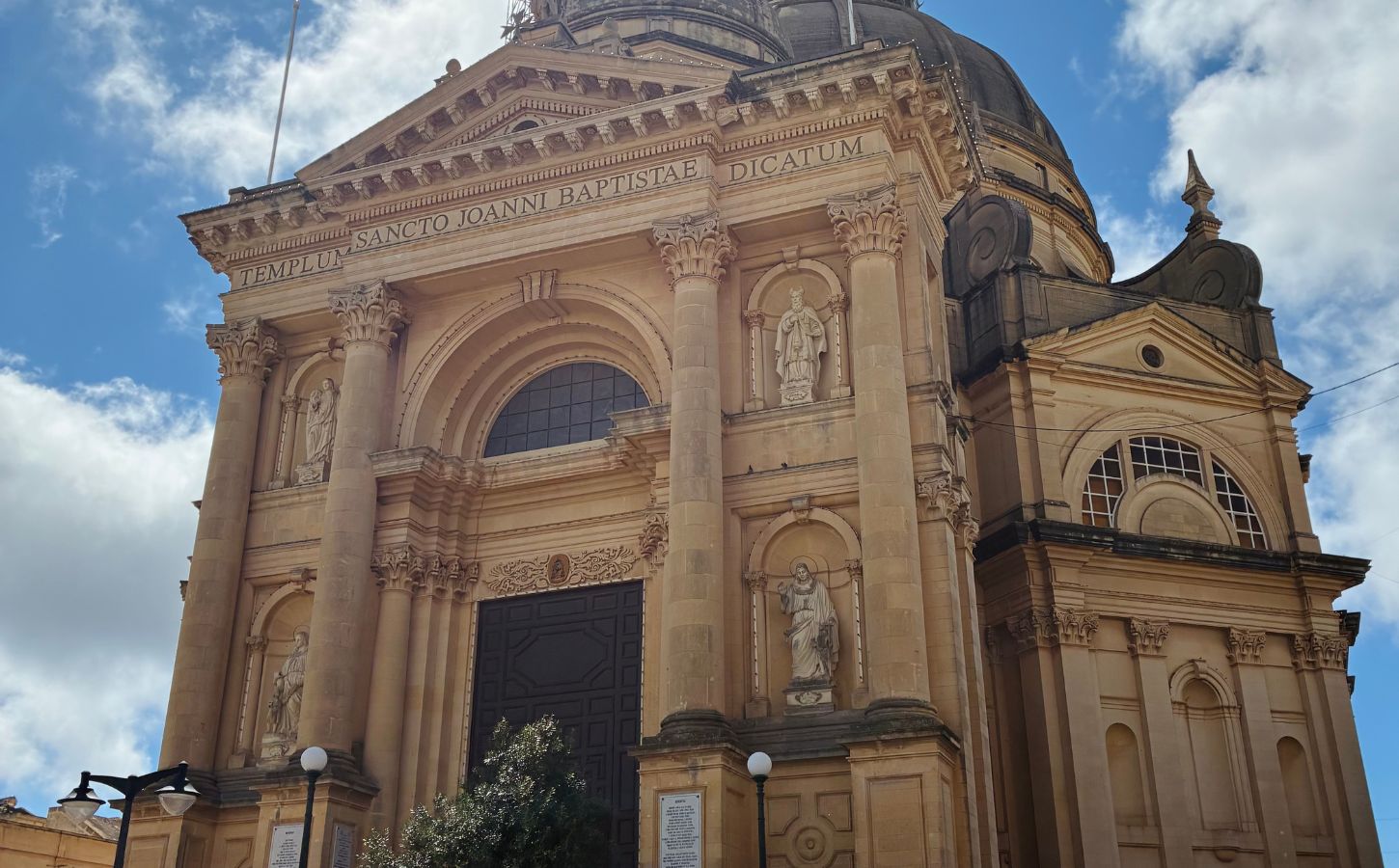
To be honest, because the village is so small, the basilica seems to take up all the space. As a little anecdote, I had the good idea to go there in the late afternoon on the Friday before Holy Week, so I can tell you that there was plenty of entertainment and everyone was ready to attend Mass. It was another moment that shows how important the Catholic religion is to the people of Gozo.
Hiking in Gozo
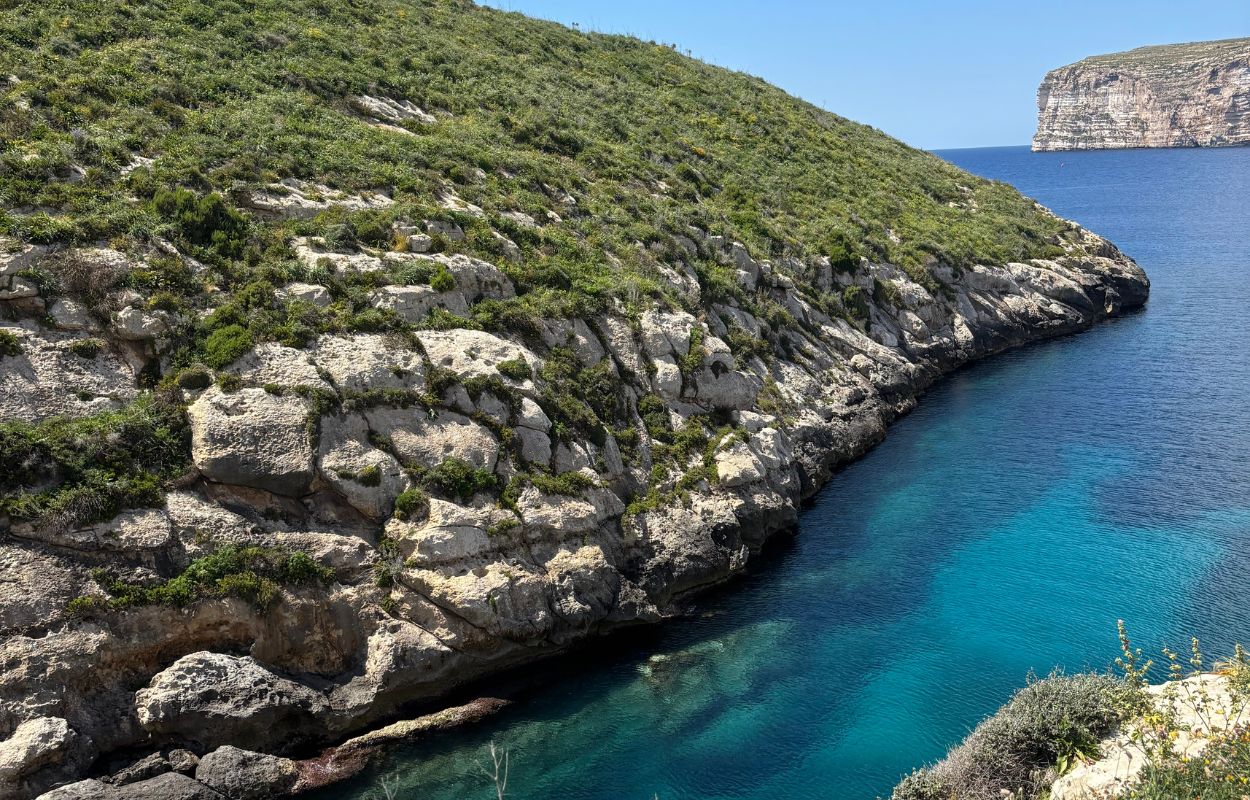
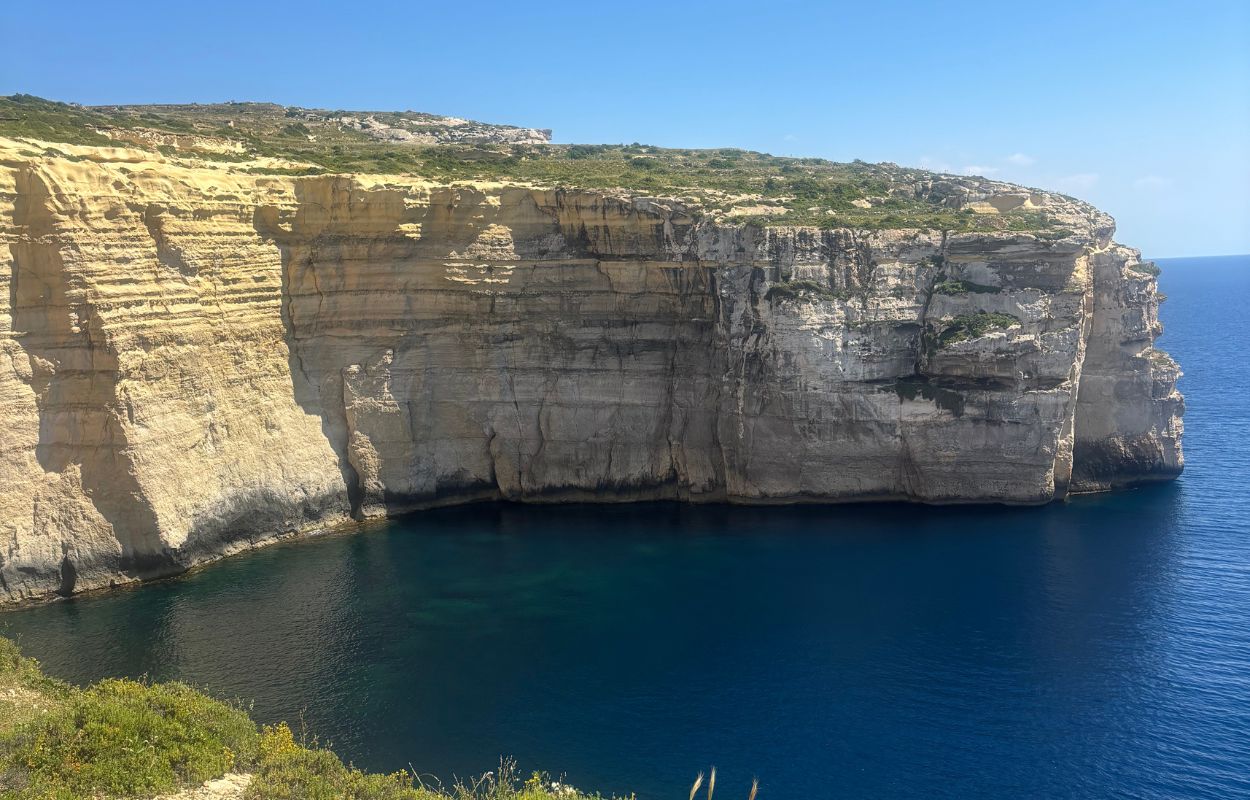
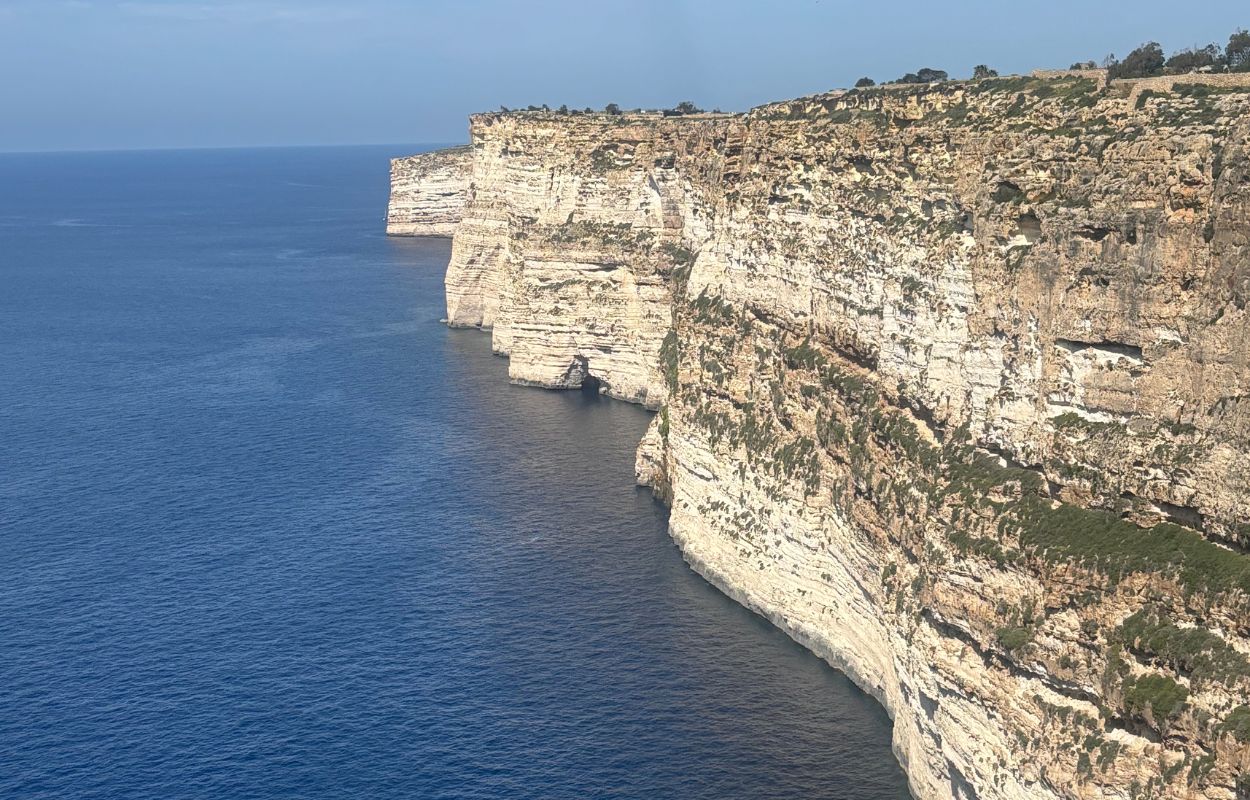
As you know, I stayed in Xlendi. When I arrived, I have to admit I didn’t expect to find one of the best starting points for hiking in Gozo. Right by the sea, there’s a coastal path that’s easy to access. I followed it all the way to the Gozo cliffs. Even in April, it was already quite hot since there’s no shade at all (I can’t even imagine it in the middle of summer, haha). I could have continued on to the Sanap Cliffs, then the Sannat Cliffs, and finally to the Ta’ Ċenċ Cliffs. But between the Gozo cliffs and the Sanap Cliffs, the path isn’t very secure—definitely not ideal if you’re afraid of heights.
No worries though, I decided to split it into two hikes. The next day, I started from Ta’ Ċenċ (the other end) and walked up to the Sanap Cliffs. The scenery was beautiful. Even though you’re following the coastline the whole time, new cliffs keep appearing, which makes it really motivating. For the more adventurous (and if you’re not afraid of heights), you can do the full hike in one go, from Xlendi all the way to the Ta’ Ċenċ Cliffs. A round trip can take around 3.5 hours at a steady pace. But again—there’s no shade the entire way.
Also from Xlendi, but heading out in the opposite direction across the bay on the other cliff, there’s a staircase you can take that offers a stunning view over the bay and Xlendi Tower. It’s a nice change of scenery, I think. It’s super short—just 25 minutes round trip to Caroline Cave.
And if you love walking, there are plenty of other hikes to do in Gozo. Here are some of the most popular ones:
- Wied il-Għasri Coastal Walk (40 minutes)
This is a relatively short trail around the Wied il-Għasri inlet. It’s incredibly scenic, right in the middle of wild landscapes! I did it because part of the road to get to Wied il-Għasri isn’t accessible by car (unless you have a pickup truck or a quad, haha). You can then walk down the stairs to the inlet and finish with a refreshing swim. A nice reward, right?
- Ramla Bay – Tal-Mixta Cave Hike (around 1 hour)
This is an easy walk from the red sand beach of Ramla Bay up to Tal-Mixta Cave. Once at the cave, the view over the beach is absolutely stunning!
- Salt Pans Coastal Trail (Marsalforn) (1.5 hours)
This hike follows the coastline around the Marsalforn salt pans. It’s a total change of scenery: the sea on one side, and the salt pans on the other.
- Dwejra Walk (around 1.5 hours)
Even though the famous Azure Window collapsed in 2017, Dwejra is still a beautiful place to explore. You’ve got the Inland Sea, Fungus Rock, and rugged cliffs all around. The trail is a 3 km loop and fairly easygoing—you’ll have plenty of time to snap your best photos.
- Red Trail (Gozo Coastal Walk) – several days
For hiking enthusiasts, there’s also a long-distance coastal trail: the Red Trail. It almost loops around the entire island over 55 km. From what I’ve heard, it’s a stunning route but a bit challenging in some parts. Of course, you can also just do a section of it depending on what you feel like! Personally, I hiked from the Sanap Cliffs to Mgarr ix-Xini. That part was moderately difficult!
Explore the island’s landscapes
Ta’ ċenċ cliffs
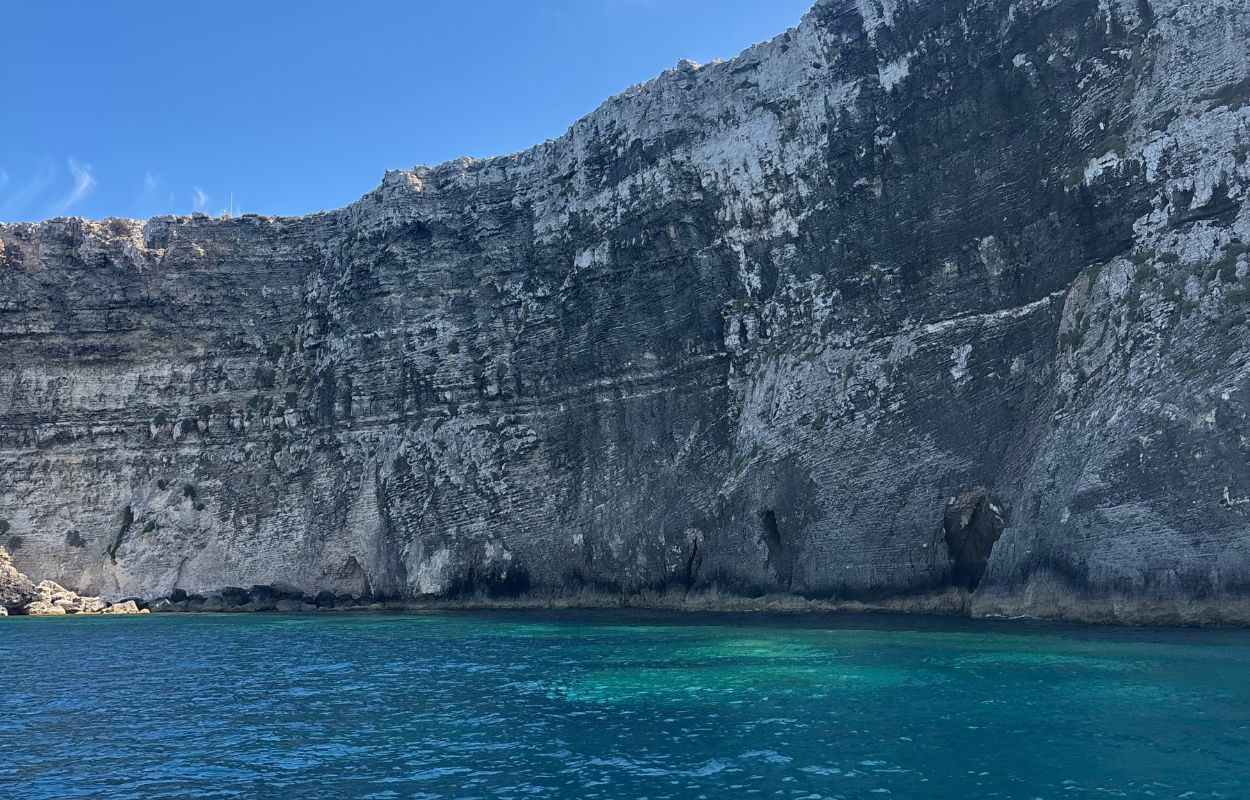
Although I have already mentioned them, the Ta’ Ċenċ Cliffs deserve a place on any Gozo itinerary. They’re in the very south of Gozo; you can get there by car, on foot from Xlendi or even by boat. I went there on my boat trip to Comino (Blue Lagoon, Crystal Lagoon) and Gozo. Seeing them from both land and sea gave me a much better sense of their scale. The enormous cliffs make you feel very small.
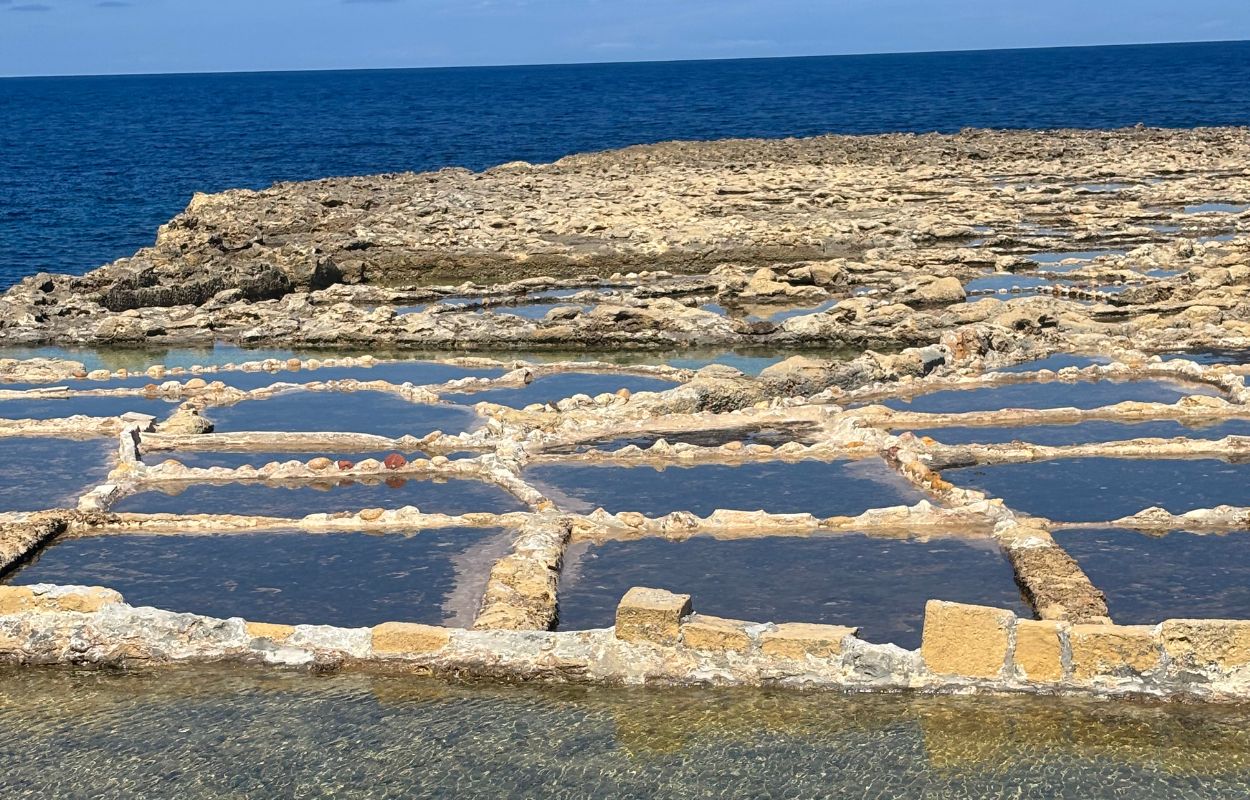
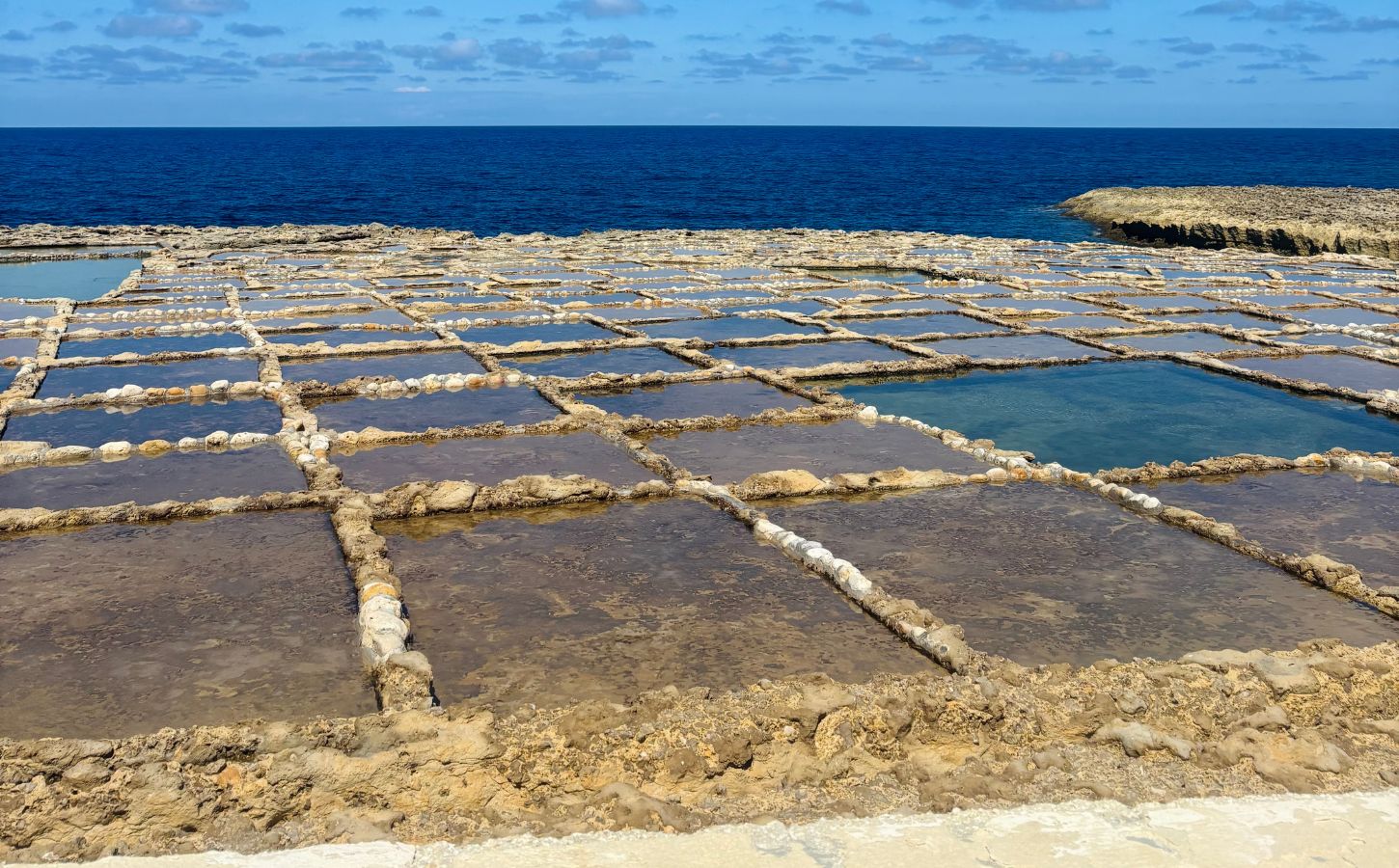
Marsalforn salt pans
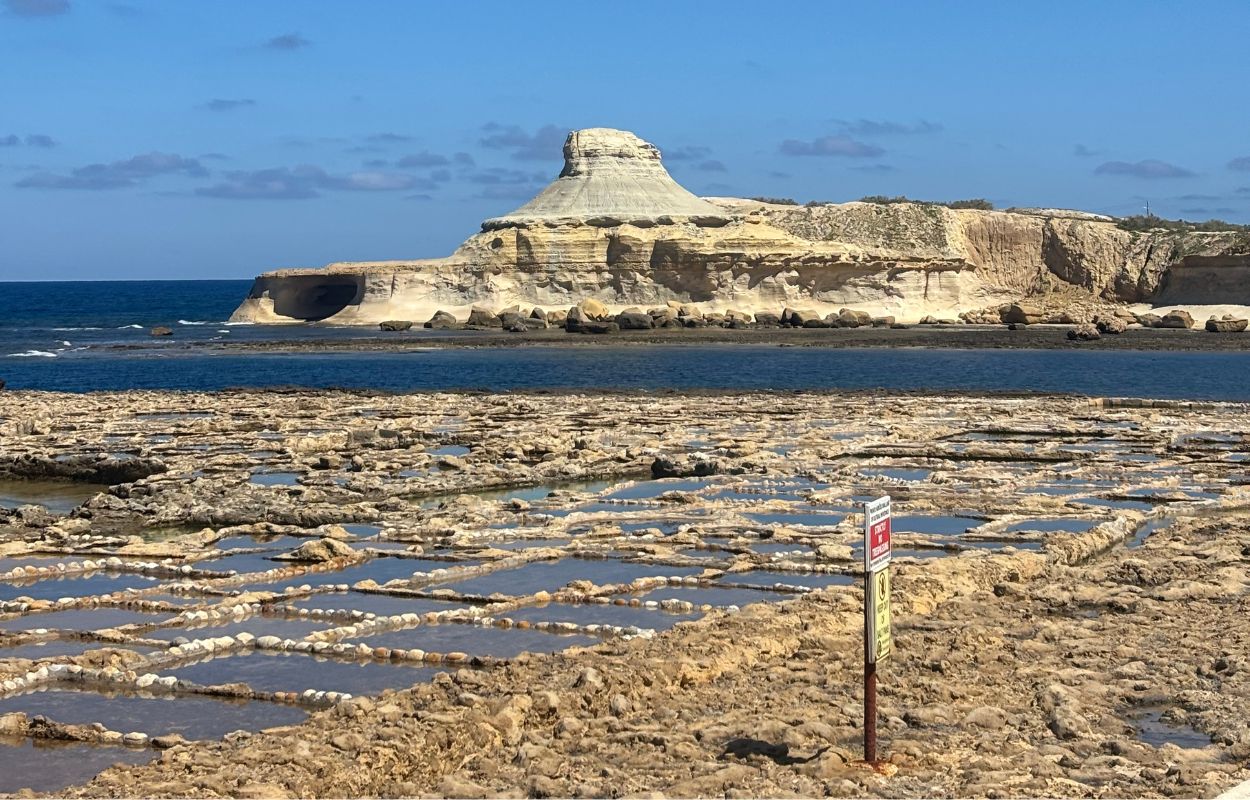
West of Marsalforn lies one of Gozo’s most distinctive landscapes: the salt pans. These rectangular basins are carved into the coastal rock beside the sea. Seawater evaporates in the sun, leaving salt behind for harvesting. It’s between May and September that the local families come to harvest the sea salt. Locally harvested sea salt is still used and sold on the island.
I first discovered the salt pans during my quad tour. The landscape is beautiful and closely tied to Gozo’s traditional way of life. A little tip: at the end of the day, almost at sunset, when the light hits the rocks, it’s even more beautiful.
The island’s beaches
Gozo has plenty to offer beach lovers. Ramla Bay, the island’s largest and best-known beach, is a particularly beautiful place to start. It is one of my favorite beaches in the Maltese archipelago.
Its charm lies in the golden red sand that contrasts with the colour of the water. The red-gold sand makes a refreshing change from the more familiar white-sand scenery. There are food stalls, a restaurant and toilets at the entrance, but once you’re on the beach, it’s just a C-shaped stretch of sand and transparent water… a wonderfully simple setting.
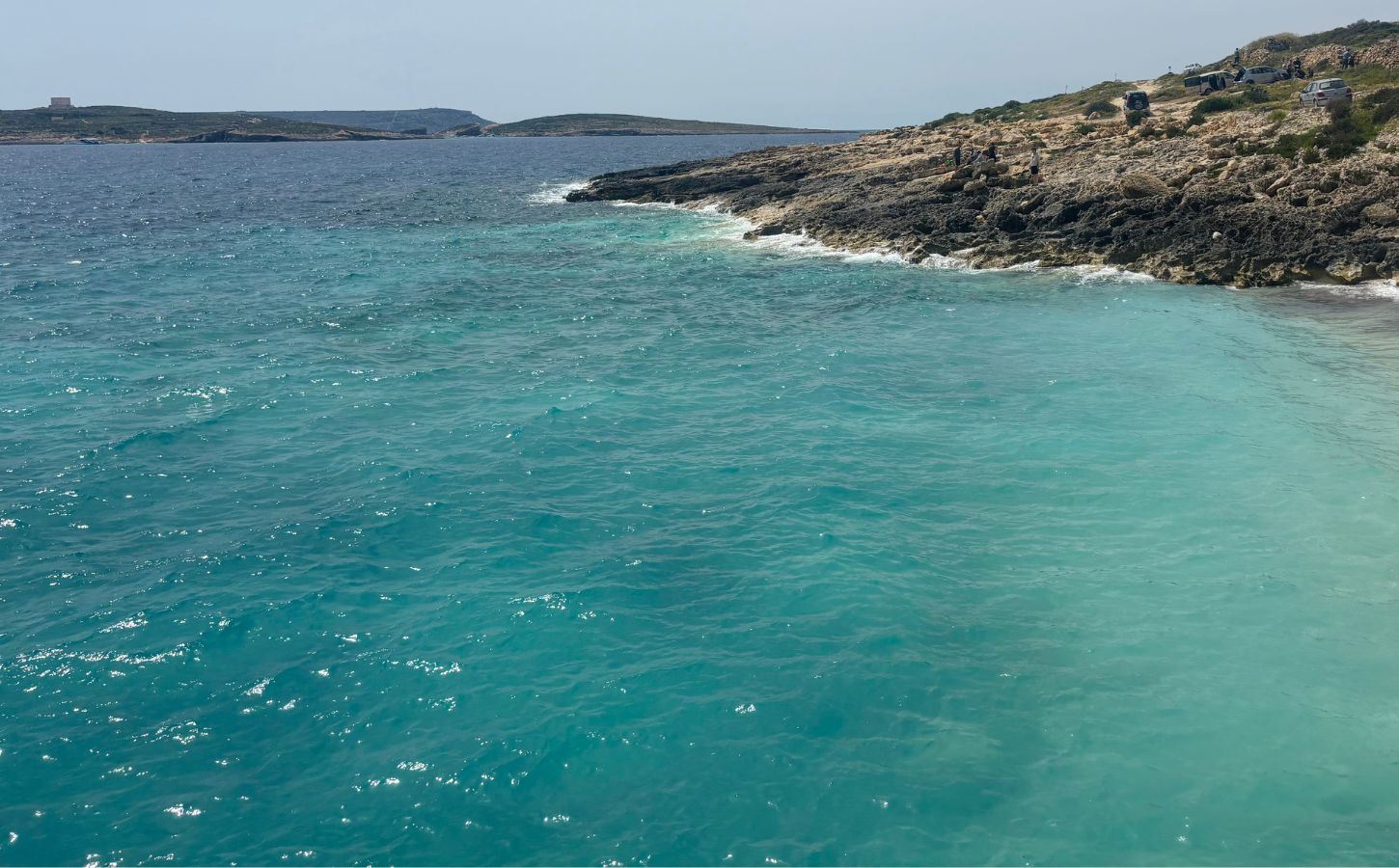
My second favorite beach is Hondoq ir-Rummien. When I got there, I was very surprised because it’s not one of the best known beaches. However, the water is an intense, beautiful blue, like that of the Blue Lagoon. And because it’s at the southern end of the island, you can literally see the Blue Lagoon in the distance. The view across the water is a memorable detail.
There are still some stunning coves and beaches in Gozo that I highly recommend discovering, such as:
- Dwejra Bay: crystal-clear water surrounded by magnificent cliffs. A beautifully natural and unspoiled spot!
- Wied il-Għasri: a hidden cove tucked between two cliffs, with incredibly clear water!
- Mgarr-ix-Xini: another calm and secluded cove nestled between white cliffs!
To find out more, feel free to check out our full guide to Gozo’s best beaches! You’ll find all the details there!
Admire Wied il-Mielaħ
Wied il-Mielaħ is a huge natural arch shaped like a window. Its scale is especially impressive when seen up close. The approach roads are narrow and winding, so drive carefully. The ground is good, but it’s not a gravel road either. Once you’ve arrived, it’s easy to park on the road below.
All you have to do is walk a few hundred metres. There you’ll come to a two-sided crevasse, like a cliff split in two. If you go to the left, you’ll be walking along the Wied il-Mielaħ. If you go to the right, there are small steps leading down to get the best view of the arch and take your best photo.
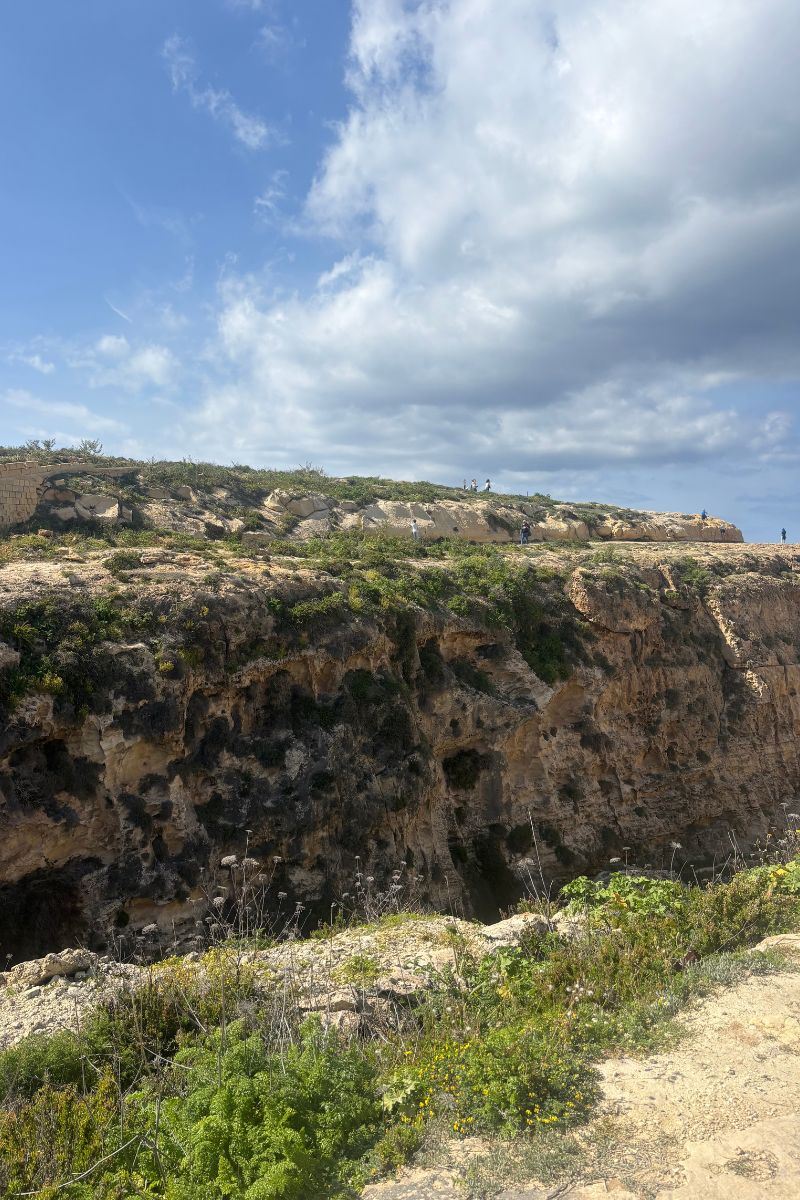
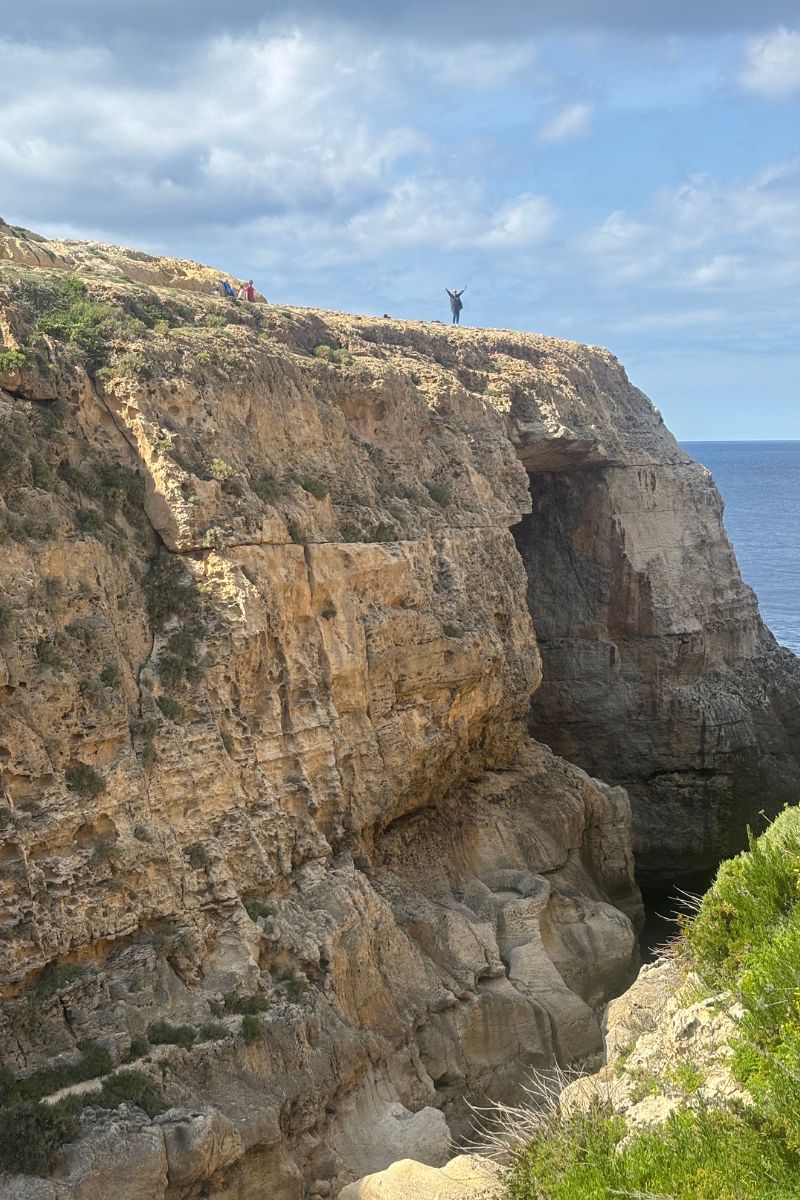
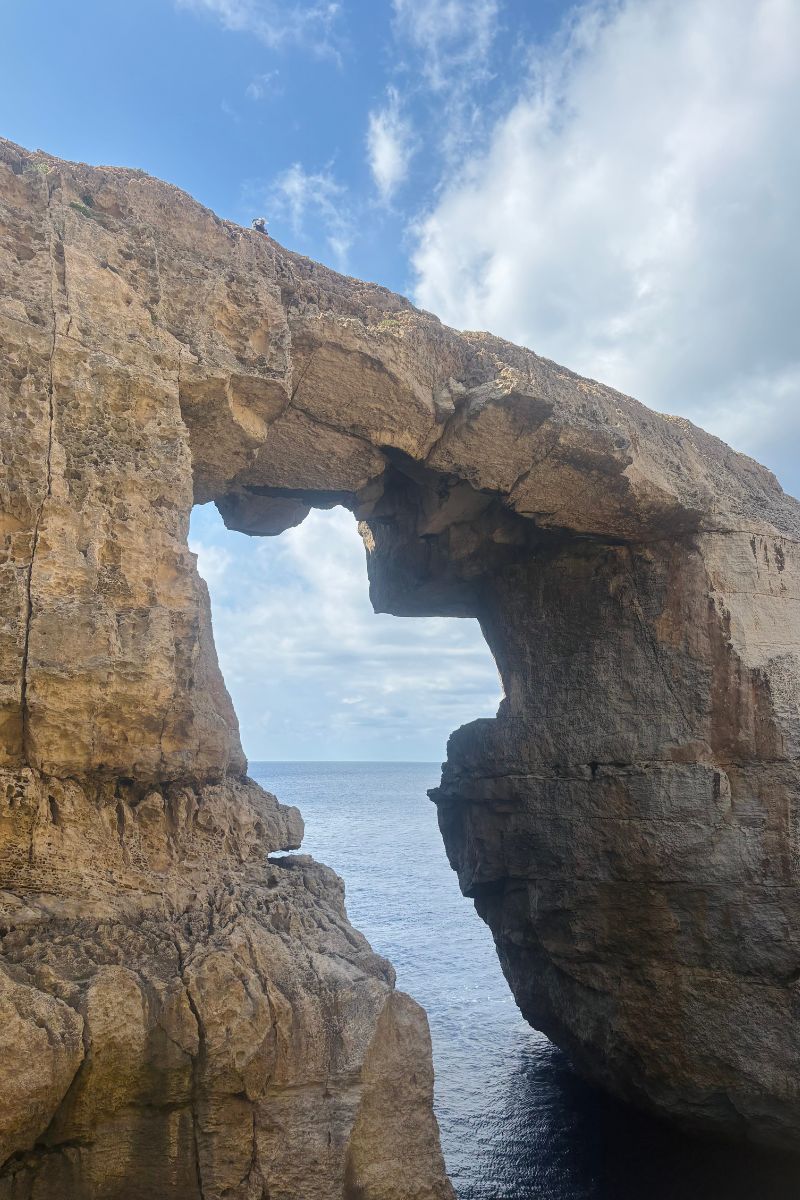
One word of warning: the stairs are narrow and exposed. Even though there are barriers, if you’re afraid of heights, it can be a bit stressful. The exposed section is short, but visitors with a fear of heights may still find it uncomfortable. In any case, I can tell you that it’s worth going all the way. You’ll come face to face with a huge arch and deep blue water, as if it were a cave. Wied il-Mielaħ fully deserves its place among Gozo’s natural highlights.
Taste the local cuisine
Gozo’s traditional food is generally simple and hearty rather than elaborate. A good example is the ftira, a filling local bread-based meal that is convenient to eat on the go. I recommend taking it on a walk. Fillings may include ham, beef and vegetables, tuna, and other local ingredients. The local bread is soft and somewhat reminiscent of focaccia. This is hardly surprising, given the Italian influence already present on the island of Malta, and even more so on Gozo.
In fact, even in the supermarkets, most of the products are Italian. And I’m not even talking about the pasta section: it’s a delight! Even in the restaurants, the menus are in English with the Italian translation on the side. Italian-style gelato is another easy treat to find.
As well as Italian food, you’ll also find goat’s cheese and local wines. The island of Gozo is greener than Malta, so there are quite a few vineyards. I found the local wines enjoyable, although that is naturally a matter of personal taste.
Activities in Gozo
Quad biking in Gozo
It’s no coincidence that I’m starting with this activity. I had the chance to go on a guided quad tour around Gozo for a full day. It was early in my stay in the archipelago, so I was still on the island of Malta. But that wasn’t an issue—the tour provider picked me up just a few minutes from my hotel and took care of the entire transfer to Gozo. It was one of the best days of my entire trip. Between the thrill of the quad ride and the ever-changing scenery, it was a feast for the eyes.
Everything was organized for us, so I could simply enjoy the ride and the changing scenery. To give you an idea of the day’s itinerary, we started by riding along the coast to Ramla Valley. Then we headed to Nadur for lunch; the meal was included, and we got to try some local specialties. In the afternoon, we hit the road again for more quad adventures!
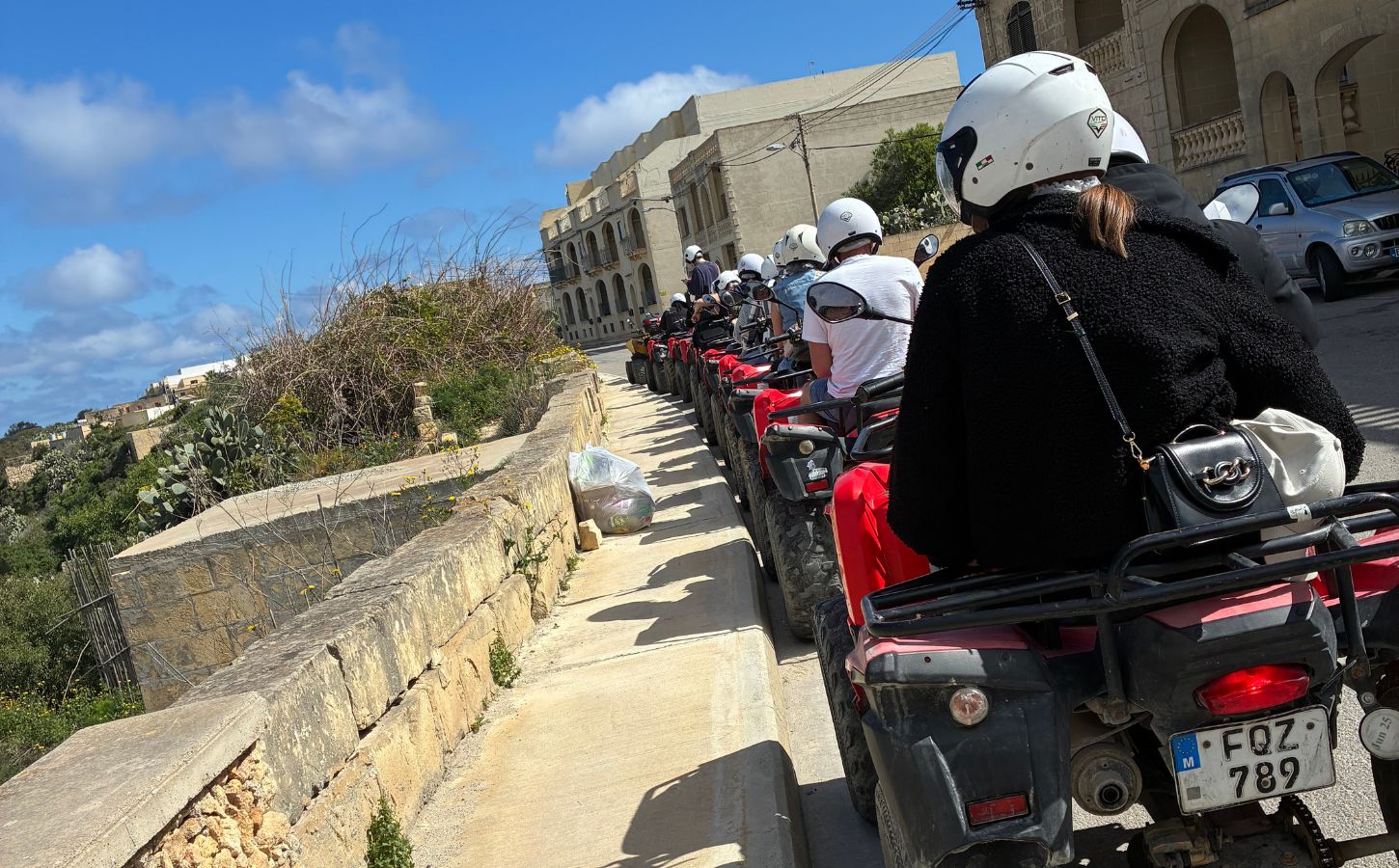
Among the must-see spots, we visited Xlendi Bay, Dwejra Bay, the salt pans, and Qbajjar Bay. I would readily recommend this tour, which is listed on Manawa, a platform we have worked with for years. You can also rent a quad yourself if you want full independence and prefer exploring the island on your own. In any case, if quad biking in Gozo interests you, I’ve written a full article about this activity.
Diving in Gozo
Even though I didn’t go diving in Gozo, I know the island is a true little paradise for divers. During my trip, I did my first scuba diving experience in Malta with Corsair Diving Malta, and it went really well! It was a great experience—I had a great connection with the instructor, who was both passionate and reassuring. What’s good to know is that even though most dive centers are based on the island of Malta, they also organize diving trips to Gozo. Honestly, it would be a shame to miss out!
In Gozo, some of the best-known dive sites include Xlendi Bay, Dwejra Bay, and more! If you’re interested, I’ve also written a full guide about diving in Malta, with all the top spots and dive centers.
And if you prefer, there are also dive centers directly on Gozo, like Blue Waters Dive Cove. No matter your level, they offer everything from beginner dives to full PADI certification courses—if that’s something you’re into!
Boat trip
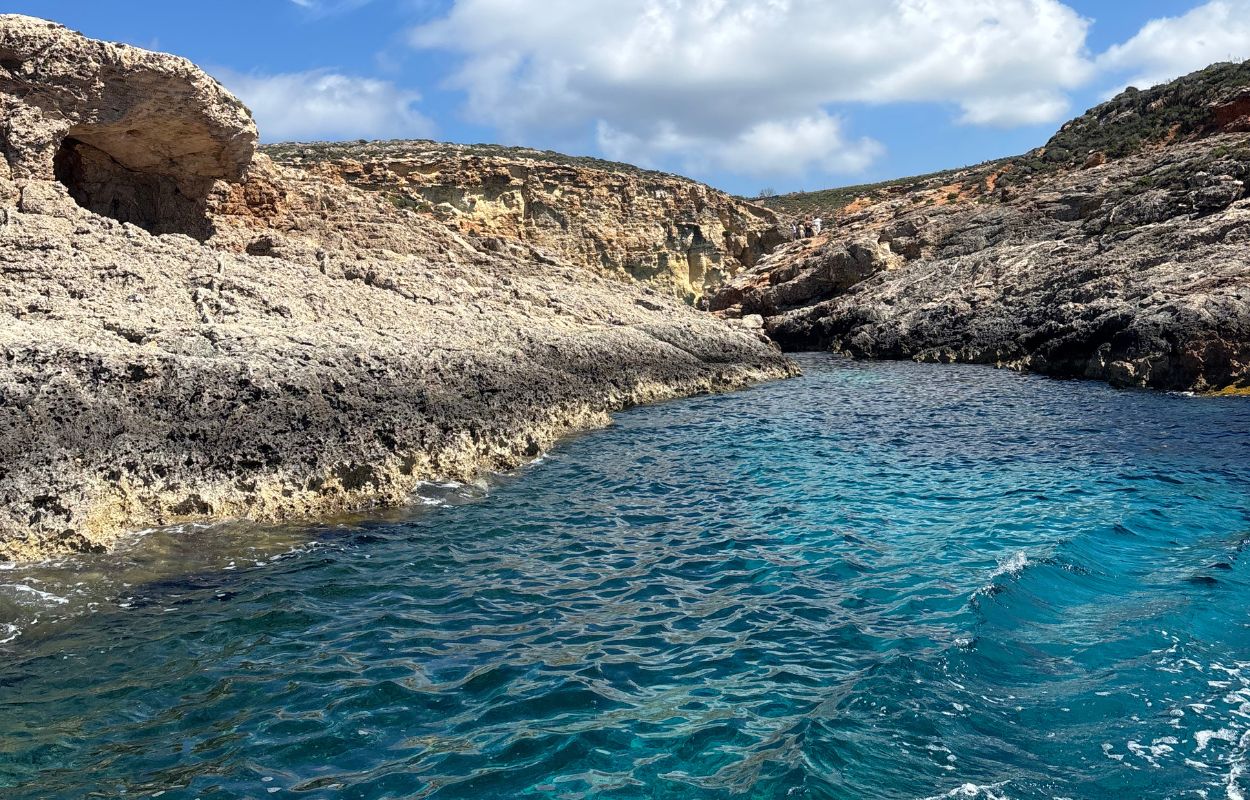
For me, a boat trip is one of the must-do activities in Gozo—and more broadly, throughout the Maltese archipelago. What I recommend is choosing an excursion that combines Comino and Gozo, departing from Malta. It’s a great way to cruise around Comino’s lagoons—the Blue Lagoon and the Crystal Lagoon—and then sail along the coastline and cliffs of Gozo. The coastal views are beautiful and offer a completely different perspective from hiking above the cliffs. Most of these excursions last either a full day or half a day.
You’ll have a choice between different types of boats: there are large day boats with meals included, or smaller boats with around twenty people for a morning or afternoon tour, usually with swim stops. And don’t forget—you can also rent a private boat. It’s more expensive, of course, but if you’re looking to treat yourself, it’s a great option!
I booked a tour combining both islands through Manawa and have very fond memories of the experience. If you want to know more about my boat trip to Comino and Gozo, I’ve written a detailed article all about it.
Jeep safari
A jeep safari is another way to discover Gozo from a different perspective. There are several jeep safaris organized on the island that take you to some of Gozo’s most beautiful spots, with a local guide who knows the island inside out! Usually, the provider picks you up directly from Malta and handles your boat transfer to Gozo. Once you arrive, you hop in your jeep and set off on a tour of the island that includes the Qala viewpoint, Dahlet Qorrot Valley, the village of Nadur, the Ġgantija Temples, as well as Xlendi Bay and the famous Inland Sea in Dwejra.
For lunch, you’ll enjoy a traditional Maltese meal included in the tour! Because transportation and the itinerary are organized, you can focus on the scenery without having to drive.
This jeep safari in Gozo is currently listed from around €80 per person for a group tour. Private options may also be available, with prices varying by date and group size.
Snorkeling tour
If you want to explore the underwater world while staying on the surface, why not go snorkeling in Gozo? To find the best spots depending on the weather, you can go for a guided snorkeling excursion! These tours usually last about 2.5 hours, including 1 full hour in the water exploring and spotting different marine species. The guide knows Gozo’s waters inside out and will pick you up directly from your accommodation. All equipment is provided (mask, snorkel, fins, wetsuit).
Once in the water, you’ll be swimming in crystal-clear seas, watching schools of fish and discovering hidden caves. Some operators also provide souvenir photos. If you prefer snorkeling on your own, Gozo also has some great surprises in store. If you’re interested, I share everything you need to know about snorkeling in Gozo right here.
Paddleboarding and kayaking
Still on the theme of water activities, paddleboarding and kayaking are great fun on Gozo’s calm, turquoise waters!
If you’re into stand-up paddleboarding, Manawa offers a 3-hour paddleboarding tour! The guide welcomes you in Gozo, provides all the equipment, and gives you some basic tips before you test your balance and head out to explore the coastline. The itinerary includes spots like Daħlet Qorrot Bay, Ramla Bay, Dwejra’s Inland Sea, Fungus Rock, and Xlendi Bay. You might even paddle all the way to Comino and its famous Blue Lagoon.
For something more complete, you can go for a kayak + speed boat tour around Gozo. After a quick briefing, you’ll kayak for 1.5 hours along Gozo’s cliffs. Then you’ll hop on a speed boat heading to the Blue Lagoon on Comino. Once there, you’ll have 2 hours of free time to enjoy this postcard-perfect setting!
Tuk-tuk tour
If you don’t have a rental car or prefer not to walk too much, going on a tuk-tuk tour is a great option! It’s pretty simple: you hop into a tuk-tuk driven by a local guide, and all you have to do is sit back and enjoy the ride. I think it’s a fun way to pass through the villages, ride along the cliffs, and discover hidden coves and beaches.
To give you an idea, tuk-tuk tours last about 6 hours and include multiple photo stops, short walks, and more. Just so you know, you’ll have more options for tuk-tuk tours between May and September. And let’s be honest—it’s much nicer when the sun is shining!
Rock climbing
For those who love adrenaline and heights, Gozo is a great playground for rock climbing! Between the cliffs and the natural rock faces on the coast, the island offers some great places to climb. There are several companies that offer supervised outings adapted to your level. Most sessions last between 2 and 4 hours, so there’s plenty of time to enjoy yourself! All the equipment is provided: harness, helmet, etc. Some of the best-known climbing areas include Wied il-Mielaħ and Mġarr ix-Xini.
Visiting Gozo: practical information
As always, I have put together the essential practical information you need before visiting Gozo.
How many days do you need in Gozo?
Many visitors choose to spend only one day in Gozo. I can understand if you don’t have much time. I still recommend staying for at least a few days. To see the main highlights at a comfortable pace, allow around five days. That’s what I did, and I had time to do it all without forcing myself into a very fast pace.
A full week is better if you want relaxed beach afternoons, repeat visits, and plenty of downtime. The ideal length really depends on how much time you have and what you want to do. But I think between 5 and 7 days is perfect for visiting Gozo and relaxing at the same time!
My personal recommendation is to visit Malta first and finish with Gozo, where the slower pace makes for a relaxing end to the trip.
When is the best time to visit Gozo?
In fact, you can visit Gozo all year round. The best season depends on what you want to do. Personally, I find that spring, from April to June, and autumn, from September to October, are the best times. The weather is warm without usually being stifling, and visitor numbers are lower than in peak summer.
The water is a bit cold at the beginning of April (I’ve been in a couple of times), but that’s just a detail, and the rest of the year it’s still great. But that’s just my opinion!
As for summer, July and August, I have to admit that it’s very hot: often over 35 degrees, and it’s very crowded, especially on the beaches and in the tourist areas. Travelers who enjoy intense heat, a lively atmosphere, and long beach days may still prefer summer. Just a word of advice: don’t forget to book your accommodation and activities well in advance to make sure there’s enough space.
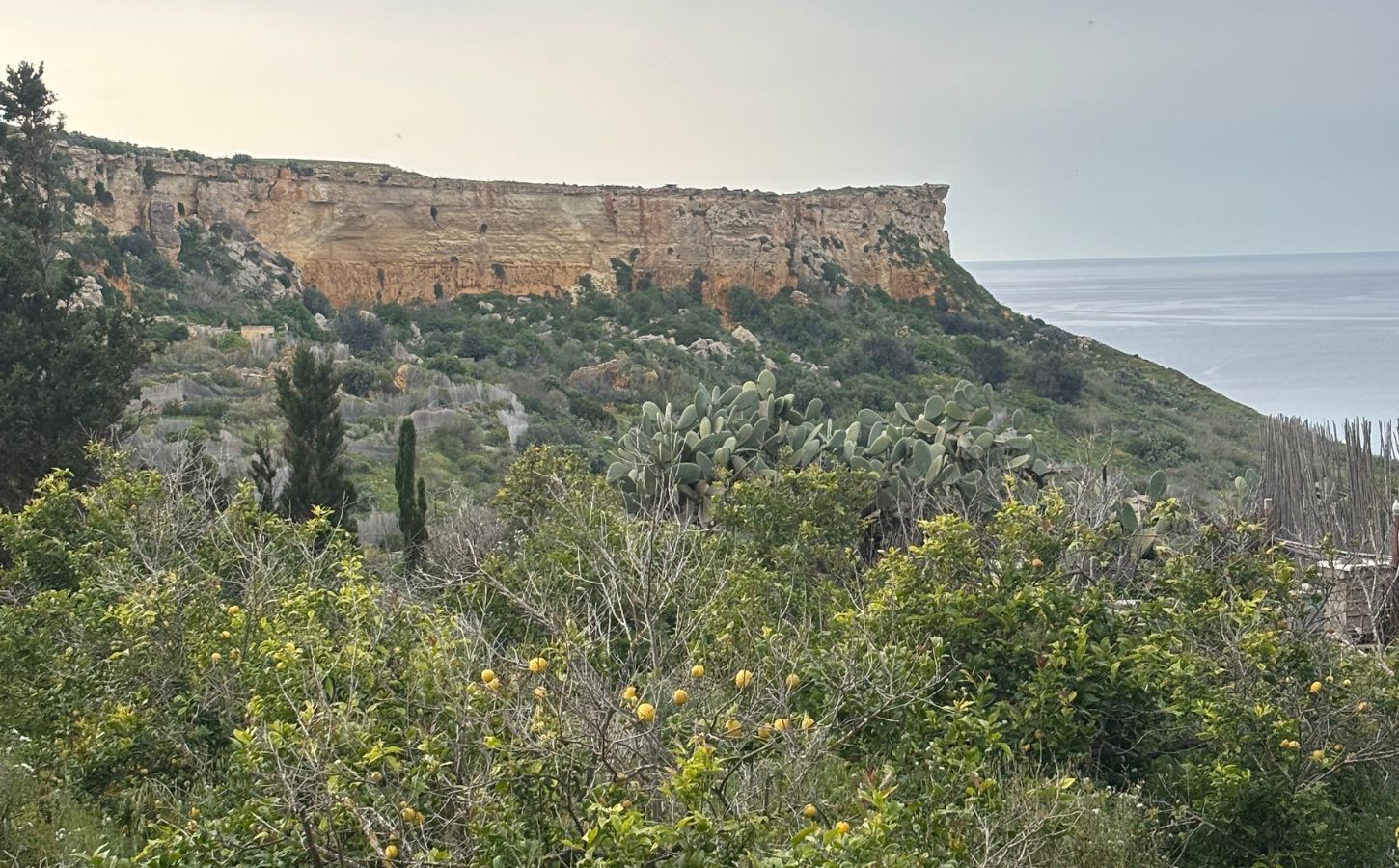
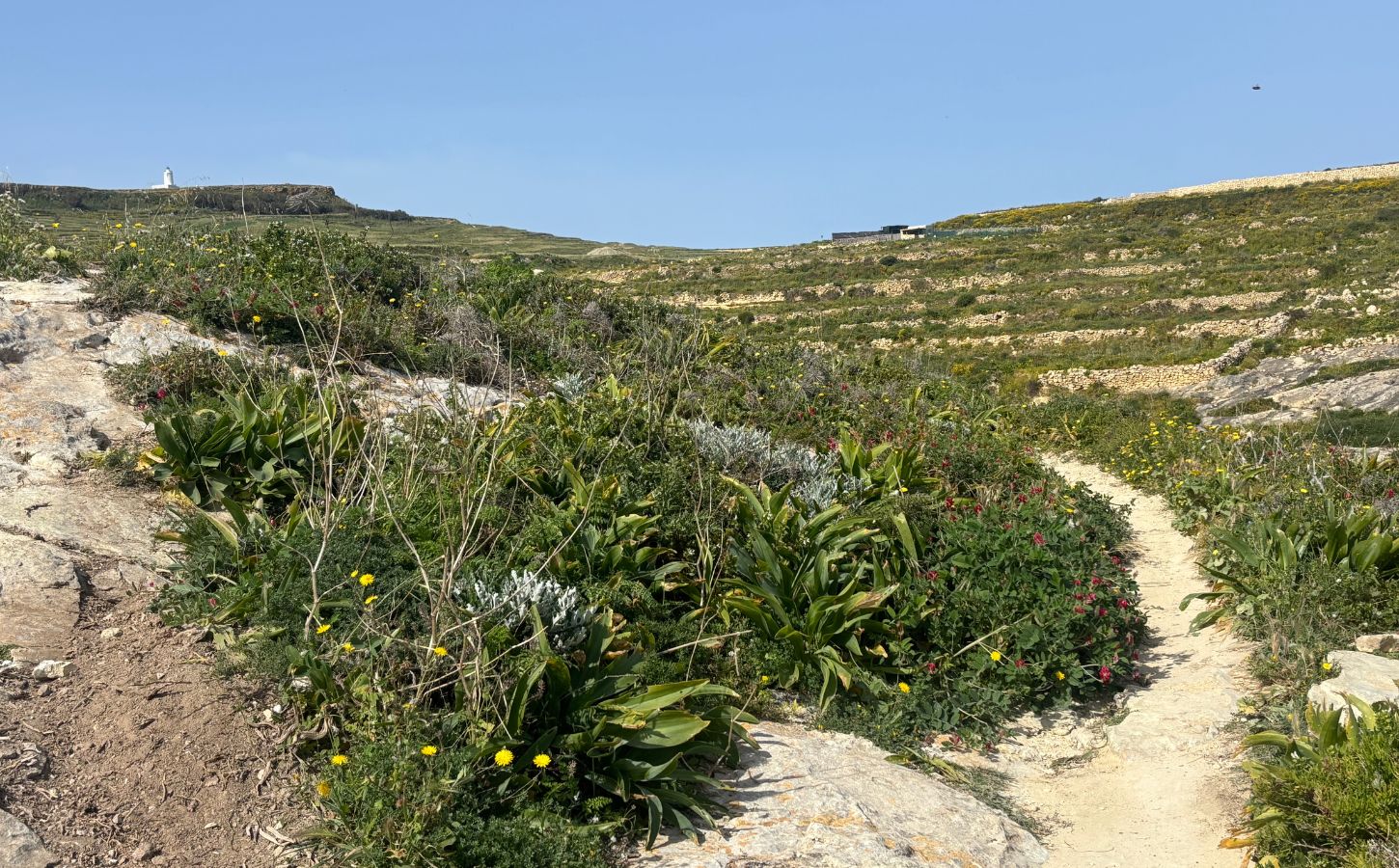
Winter brings a much quieter atmosphere. Temperatures remain pleasant, between 15 and 18 degrees. It can be an excellent season for hiking. On the other hand, some tourist activities may not be available. You’ll also have a few rainy days. But if you’re looking for peace and quiet and the countryside to yourself, why not!
If you’re still unsure, I’ve written a full article on when to go to Malta. It’ll be a great help!
How to get to Gozo
To get to Gozo, you’ll need to go through the island of Malta first, as that’s where the nearest airport is—Luqa Airport. You’ll easily find flights from France (Paris and other cities), Belgium, and Switzerland. Once you land in Malta, you have two main options:
- Take the ferry from Ċirkewwa: located at the northern tip of the island, right across from Gozo, the crossing only takes about 25 minutes. Departures are very frequent, even in the low season. Plus, if you’ve rented a car, you can bring it on board without any issues. That’s what I did personally, and I think it’s the easiest way to reach Gozo from Malta!
- Take the fast ferry from Valletta: if you’re staying near the Maltese capital and don’t have a rental car, this will definitely be more convenient. Services run throughout the day, and the crossing takes around 45 minutes.
These are the two most common ways to get to Gozo. If you’d like more details, we’ve written a full article on the topic!
Getting around Gozo
For total freedom, I recommend hiring a car as soon as you arrive in Malta, at Luqa airport. That’s what I did, using the car hire comparison service Discover Cars. I found the comparison service convenient and was able to compare several offers. If you’re staying on the island of Malta for a few days, this is a great way to get around. You will need to get used to driving on the left. Most drivers adjust after a little practice.
To reach Gozo with your car, drive to the ferry terminal at Ċirkewwa and board the vehicle ferry. Once on Gozo, having a car gives you considerable freedom to explore.

If you don’t feel like renting a car, no worries—there are other options, such as:
- Bus: the network on the island is actually quite decent. That said, due to the condition of some roads, buses might drop you off nearby and you’ll have to walk the rest of the way to reach certain must-see spots.
- Bicycle: definitely go for an electric bike given all the ups and downs across the island—but otherwise, it’s totally doable!
- Quad: there are several agencies renting out quads, and they’re super practical, even for dirt tracks. Plus, traffic in Gozo is fairly calm, so you’ll be able to drive around easily. And let’s be honest—it adds a fun sense of adventure!
- Taxis: if you’re looking for a comfortable ride without dealing with bus schedules, this can be a great option. There are quite a few taxis on the island. Fares vary, so check the current price before booking.
Where to eat in Gozo
In Gozo, it’s the perfect place to enjoy Italian or local food made with fresh ingredients! I mostly tried restaurants around Xlendi Bay, such as:
- Zafiro Restaurant: right by the bay—I could even see fish swimming from my table! The atmosphere was lovely. Honestly, considering the setting, I expected it to be more expensive. It’s actually more affordable than in France. And the food was great—I had the seafood linguine, and it was delicious!
- Talija: located on a side street off the bay, so there’s no direct sea view, but the dishes were excellent! Lots of fresh fish options. I had the hake and it was really tasty!
In the capital, Victoria, you can try:
- Maldonado Bistro: a great spot serving Maltese dishes made with local ingredients. I didn’t go myself, but I heard only good things about it!
- Black Cat Café: if you’re into brunch, this one’s worth it! Generous portions and much cheaper than in France. I tried it on a central square in Victoria—the setting was lovely and the brunch was excellent!
There are tons of other places to eat, but I wanted to share the ones I actually tested and approved myself, haha. If you want something simple and local, Nadur has some great taverns!
Where to stay in Gozo?
If you’re planning to stay in Gozo, you’ll find plenty of options depending on the length of your stay and, of course, your budget! To start, here are some luxury hotels if you’re looking to treat yourself:
- Kempinski Hotel San Lawrenz: a luxury hotel perfect for an exclusive stay in Gozo. You’ll enjoy access to a spa, two heated indoor pools, three outdoor pools, a hot tub, a gym, and two tennis courts. In short—you won’t be missing a thing!
- Hotel Ta’ Cenc & Spa: the second 5-star hotel on the island! Everything here is high-end: pool, spa, elegant decor—nothing to complain about. Accommodation is in private 35 m² bungalows, just for you.
For mid-range accommodations, if you want comfort without breaking the bank:
- Hotel San Andrea: a charming 3-star hotel located right on Xlendi Bay. That alone makes it worth it! The rooms are comfortable, well-equipped, and air-conditioned (a must in summer, haha).
- Villa Xemxija: you can choose from several apartments just 400 meters from Xlendi Bay! The units can accommodate 2 to 5 people, so if you’re traveling with friends or family, there’s plenty of space. Plus, each has a balcony with a view of the pool or the sea.
And finally, here are some budget-friendly places to stay:
- Lellux Qala: this charming property offers several comfortable rooms. The decor is a bit old-fashioned, but that’s just a detail. Everything is clean and well equipped. Bonus—you’ll have access to a pool!
- Magical Modern Apartment: here, you’ll find a variety of rooms and full apartments in the capital city. The location couldn’t be better—you’ll be right in the heart of the action. Plus, if you don’t have a rental car, staying in Victoria makes it much easier to get around.
If you’re looking for more places to stay and useful info about hotels in Gozo, I’ve written a full guide to help you out!
Now you know all about : what to do in Gozo. As you can see, there’s a lot to do on Malta’s sister island. I really hope I’ve inspired you to go there and spend several days, or even a week (who knows?).
See you soon for more discoveries in the Maltese archipelago!

Written by Laura CALLES
Thanks to Mélanie and Sylvain, I had the chance to explore the beautiful Maltese archipelago and share all the beauty of its islands with you. A little piece of paradise not to be missed!
Thanks to you, our readers, our blog can continue to grow. This page may contain affiliate links, which means we may earn a commission if you make a purchase through them, at no extra cost to you. This helps us keep offering you more and support our work!
Despite our vigilance, an error may have slipped into this article. If you spot one, please let us know so we can correct it and keep our information up to date!