Visit the islands of Petite-Terre
Last update: 07/09/2026
Our blog continues to grow thanks to you, our readers. This post may contain affiliate links, which means we can earn a small commission if you make a purchase through them, at no extra cost to you. This helps us to continue to bring you more and support our work!
Hi everyone, it’s Mélanie here!
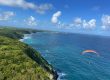
I don’t do this very often, but I’ve borrowed Sylvain’s keyboard because I was lucky enough to visit the Petite-Terre islands with my mom and a few of her friends. As you’ve probably noticed, I’m always up for something, and my last article was about my microlight flight in Guadeloupe, especially over the islands of Petite-Terre and La Désirade!
In August 2024, we’ll have been living here for three years. We had already flown around several of Guadeloupe’s islands (Désirade, Terre-de-Haut, Terre-de-Bas, Marie-Galante). All that was left was to discover the islands of Petite-Terre.
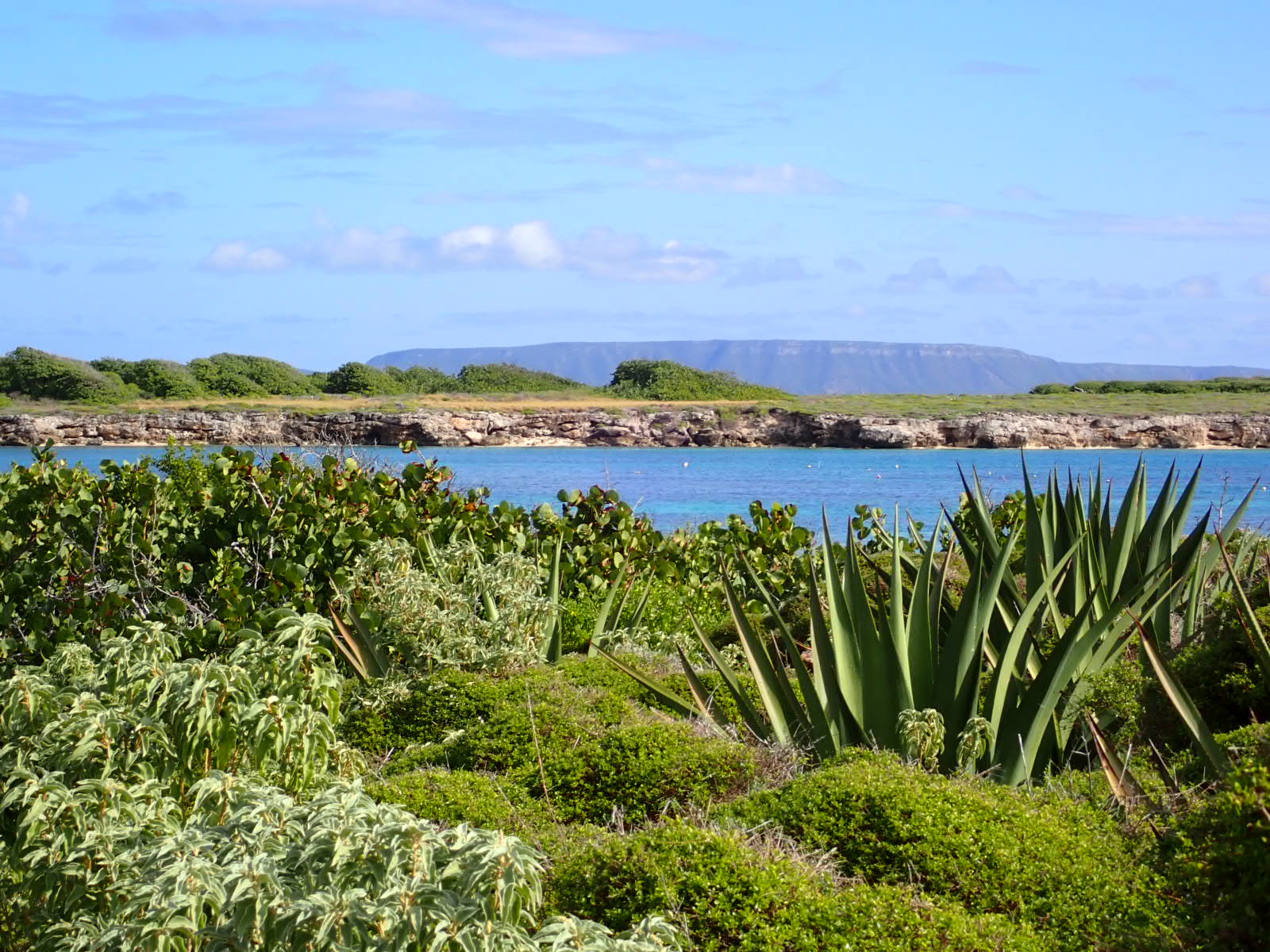
Made up of two islands, Terre-de-Haut and Terre-de-Bas, they have been protected as both a marine and terrestrial nature reserve since 1998. They are surrounded by a coral reef and are uninhabited. Only Terre-de-Bas is open to visitors.
As usual, I’ll start with the story of our trip, then share practical information for visiting Petite-Terre.
The islands of Petite-Terre: a little history
At first glance, you might think Petite-Terre is just a “white sand and coconut palms” kind of destination, but I think it’s worth sharing a little of its history. The Arawaks and Kalinagos were the islands’ first inhabitants, between 600 and 1500 AD, as shown by the pottery remains and stone tools found there. At the time, they lived from fishing, livestock farming, and cotton growing.
Christopher Columbus encountered these tribes when he arrived in 1493. At the end of the 18th century, Europeans from La Désirade introduced agriculture, starting with cotton. The remains of stone walls still show how farming was organized. The first families mainly ate yams, sweet potatoes, turban squash, and peas, while trying to collect and store rainwater, which was essential for survival in this springless environment. In 1972, the island was abandoned because there was no drinking water.
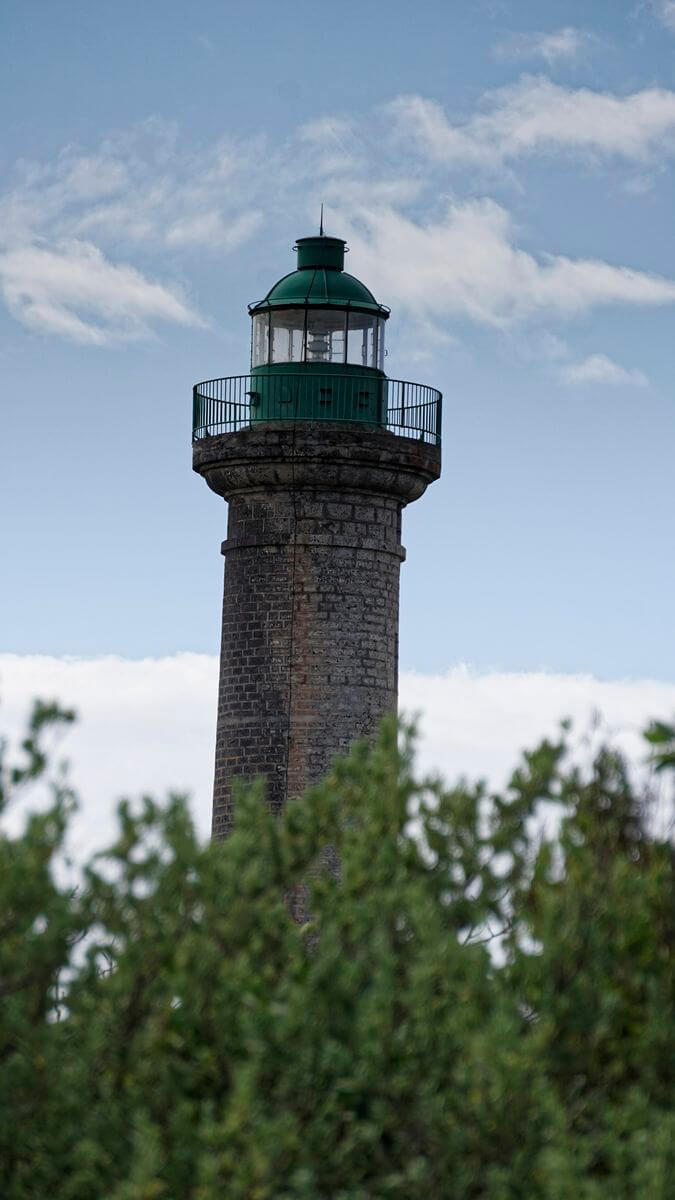
As fishing and maritime trade developed, the construction of Guadeloupe’s first lighthouse became necessary in 1840 to mark the land. Known as the “Phare du bout du Monde,” it stands 23 meters high and rises 35 meters above sea level.
In 1998, Petite-Terre became a marine and terrestrial nature reserve managed by the Office National des Forêts (ONF), in order to protect its fragile ecosystem. To help preserve that ecosystem, access to the Petite-Terre islands is strictly regulated. I’ll tell you more about that in a moment.
Discovering the islands of Petite-Terre
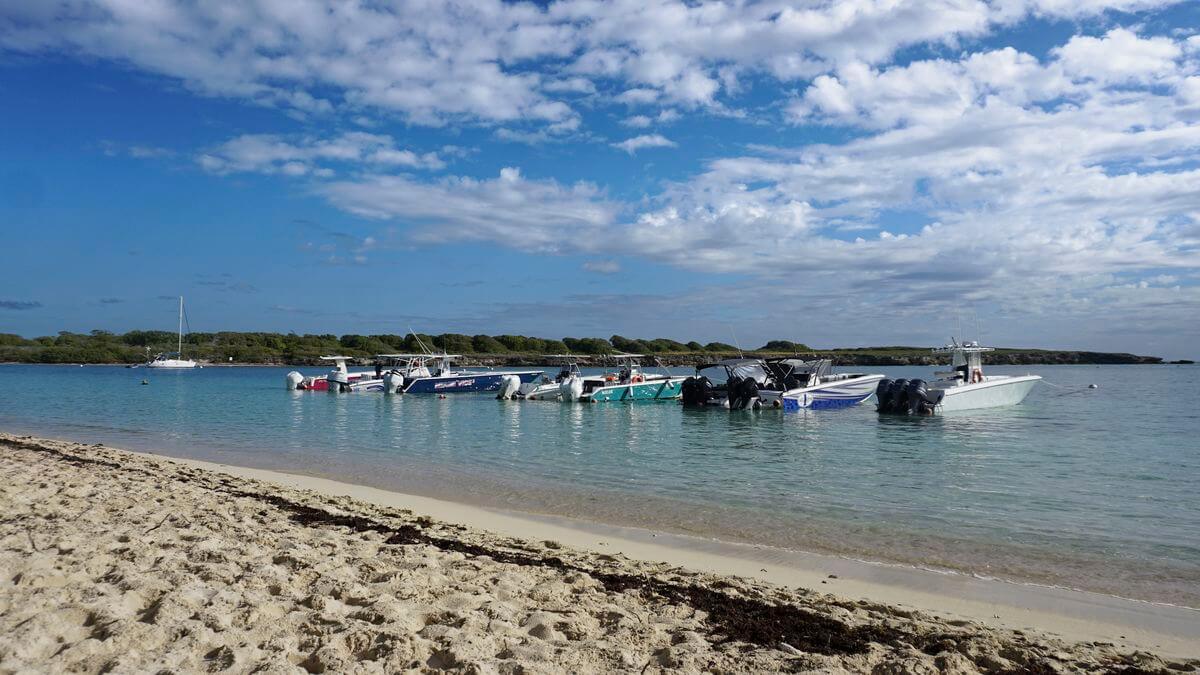
The day started early, as we left Saint-François at 7:30 am (on the opposite side of the island from us), near the ferry terminal and next to the gas station for boats. We chose Pouldo because the outing is for small groups of 12 people. There are two options: a full day on Petite-Terre, or a half day on Petite-Terre with lunch on La Désirade. I was going with my mother and some of her friends, so I went for the second option, especially since La Désirade is one of my favorite islands in Guadeloupe.
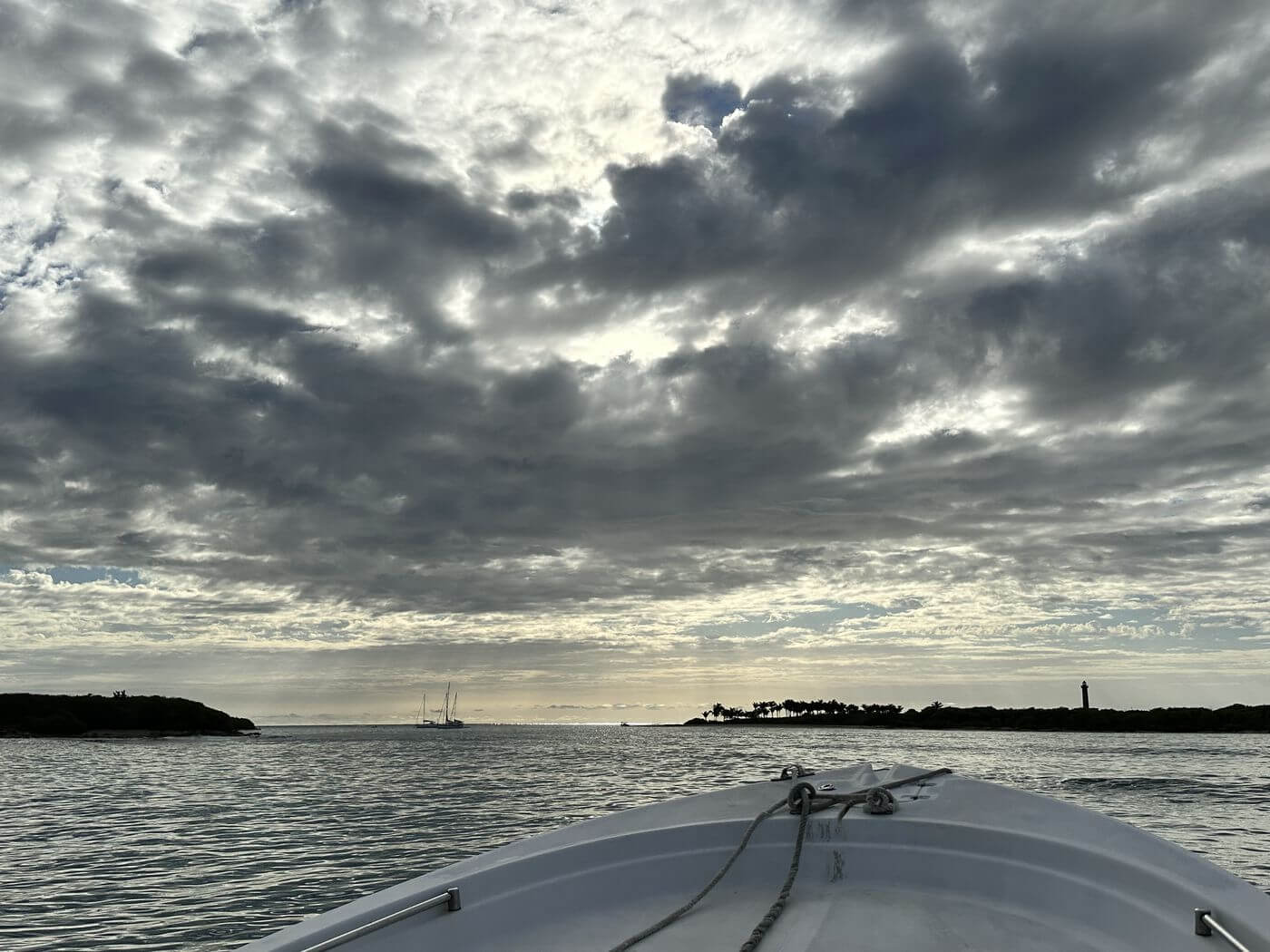
After about 40 minutes at sea in calm conditions (phew, we were lucky, since there had been a yellow alert the day before), the sky began to clear. We could see Marie-Galante to the east, easy to recognize thanks to its flat relief, and La Désirade to the west.
Just before reaching the Petite-Terre islands, our guide Neymar, also known as Pouldo, gave us a briefing on the day’s program and the strict rules to follow. We arrived at Terre-de-Bas, anchored 20 meters from the beach, and jumped straight into the water with our backpacks on our heads! Remember, as I mentioned earlier, Terre-de-Haut is closed to the public. White sand, coconut palms, and crystal-clear water: everything was there! My mother and I were immediately reminded of the heavenly beaches of French Polynesia.
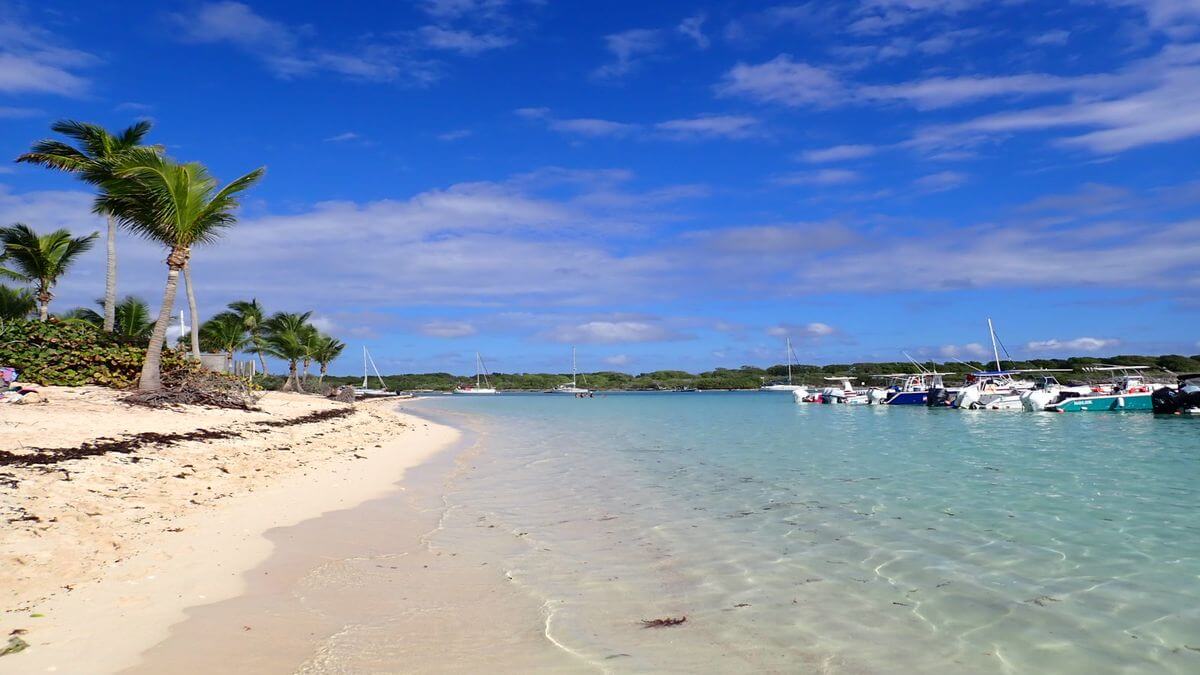
A cloud of yen-yens (those nasty little vampire mosquitoes that love tourist skin) gave us a warm welcome. In French Polynesia, we call them nonos! Pouldo gave us another briefing on the island’s flora and fauna by the educational panels. Before setting off, we were offered a ti-punch, planter, or local juice… and yes, there’s no wrong time for a ti-punch! The drink came with fruit and local bread.
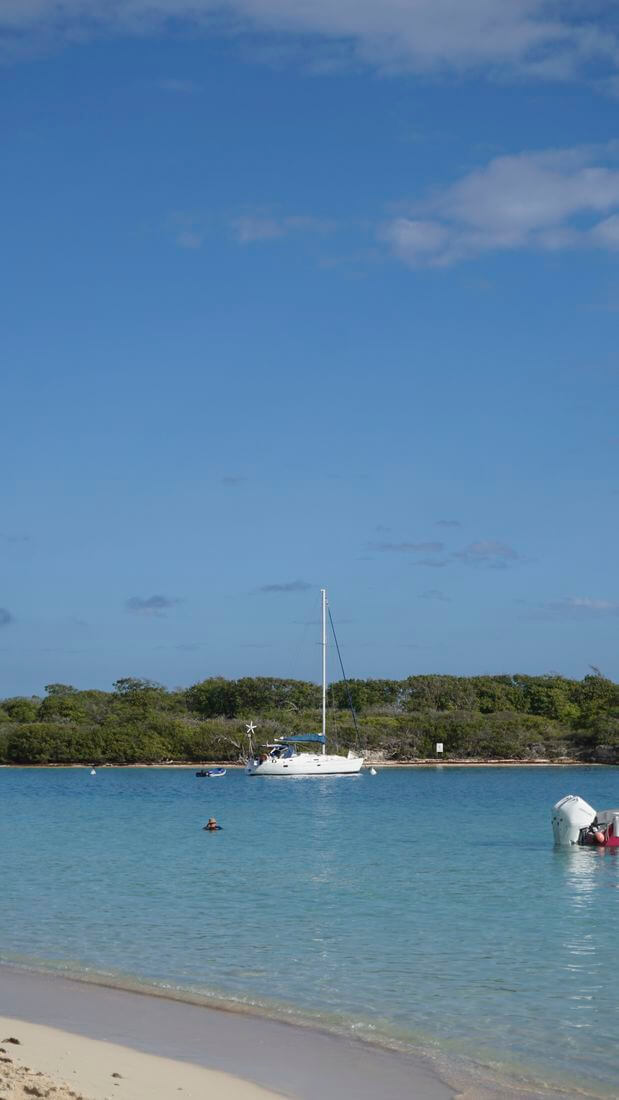
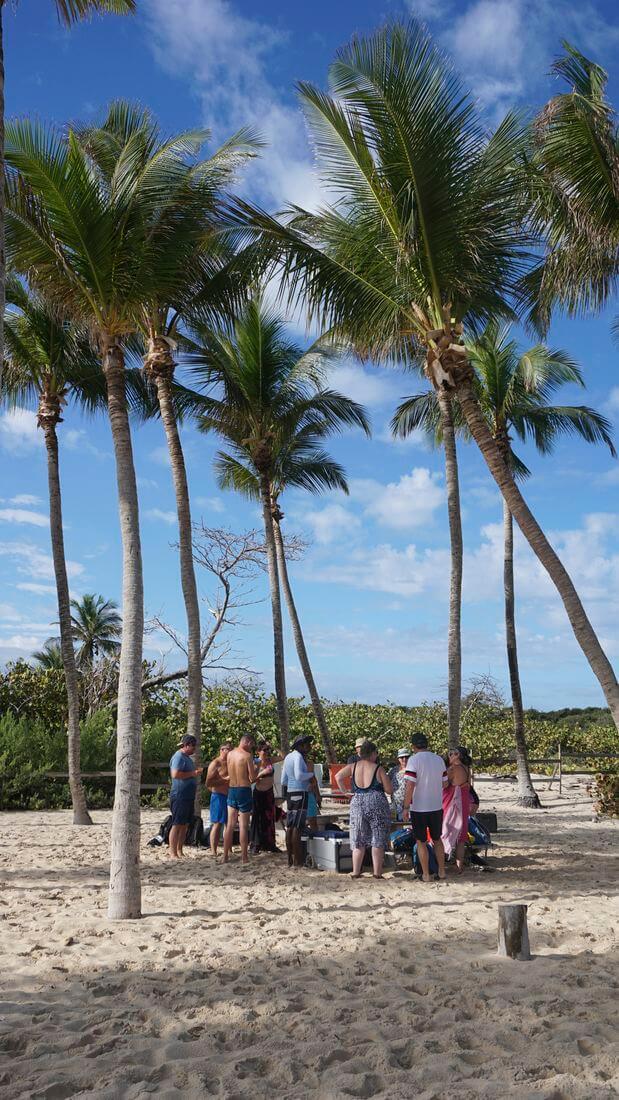
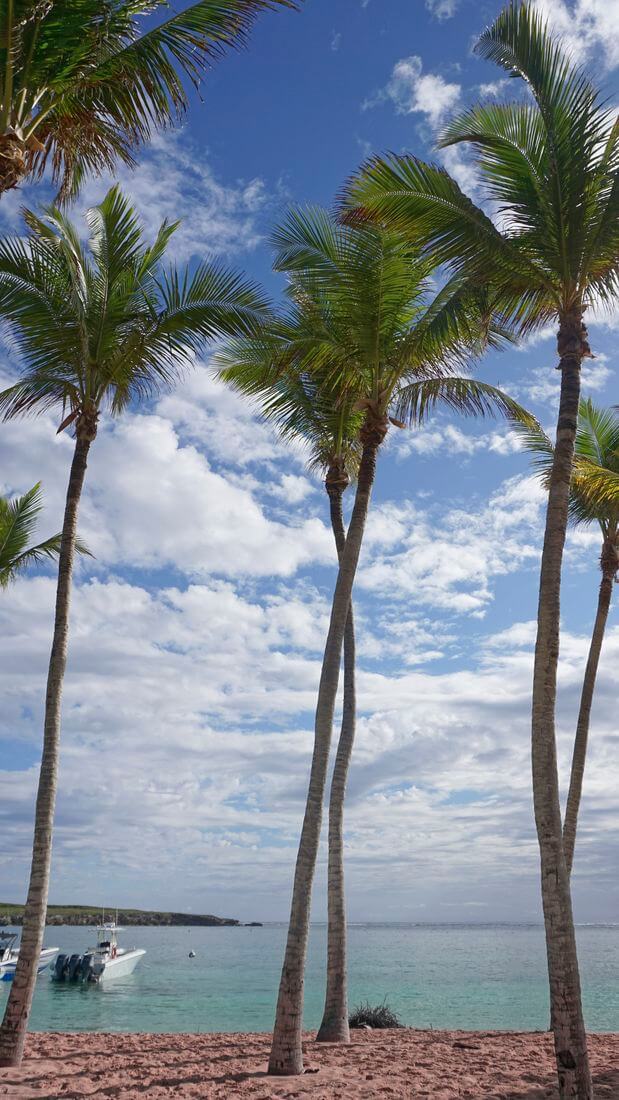
About 20 minutes later, we were on the trail to the lighthouse, ready to meet the Lesser Antillean iguanas. The walk is easy enough in flip-flops, or barefoot if you’re used to it. As we walked along the beach, Pouldo told us about the no-swim zones. They are marked with buoys to protect certain seagrass beds. On the way, still along the lagoon, we met a baby lemon shark. It came to say hello and played around us for a little while!
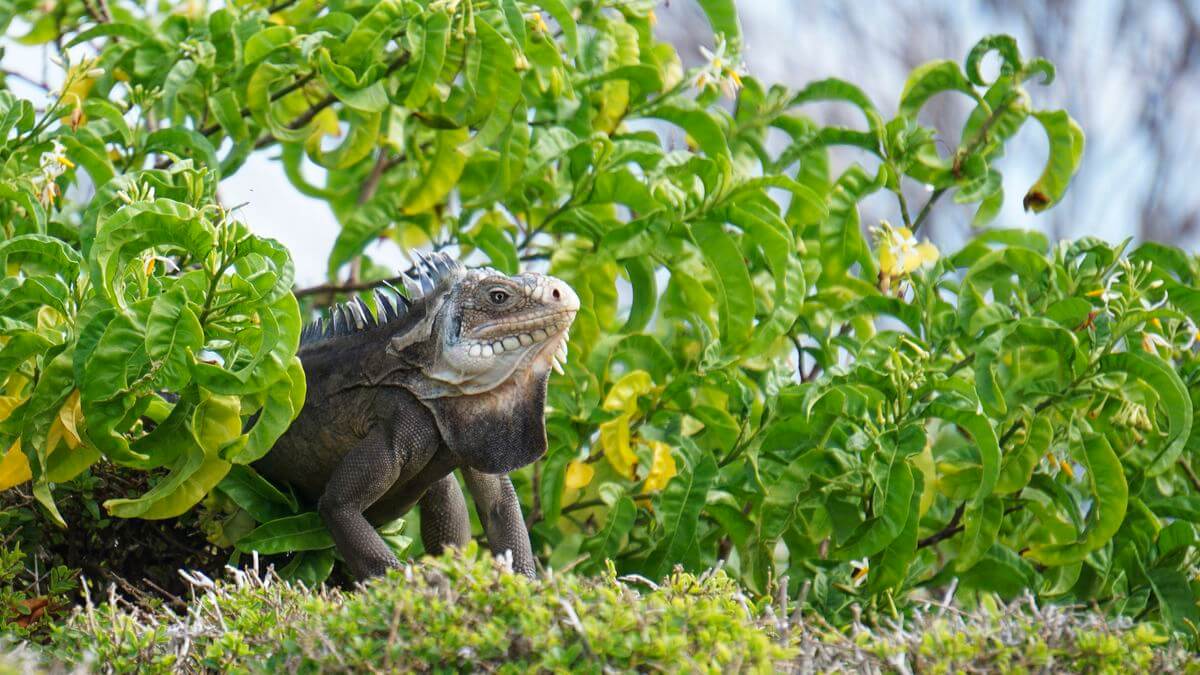
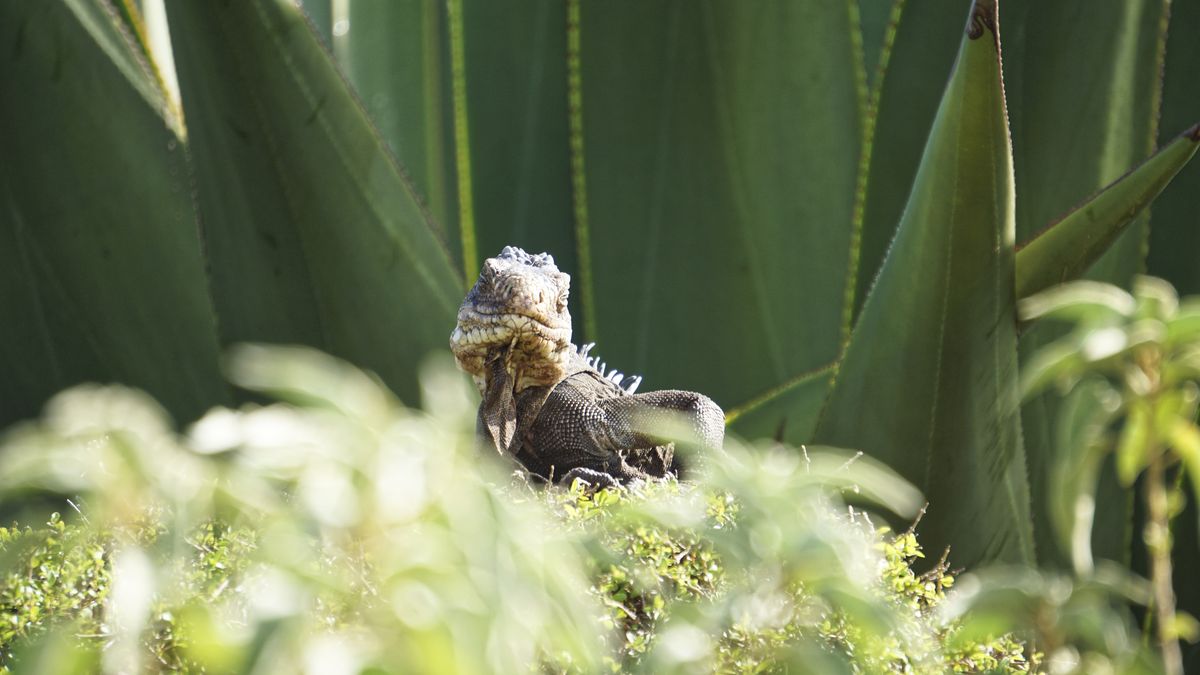
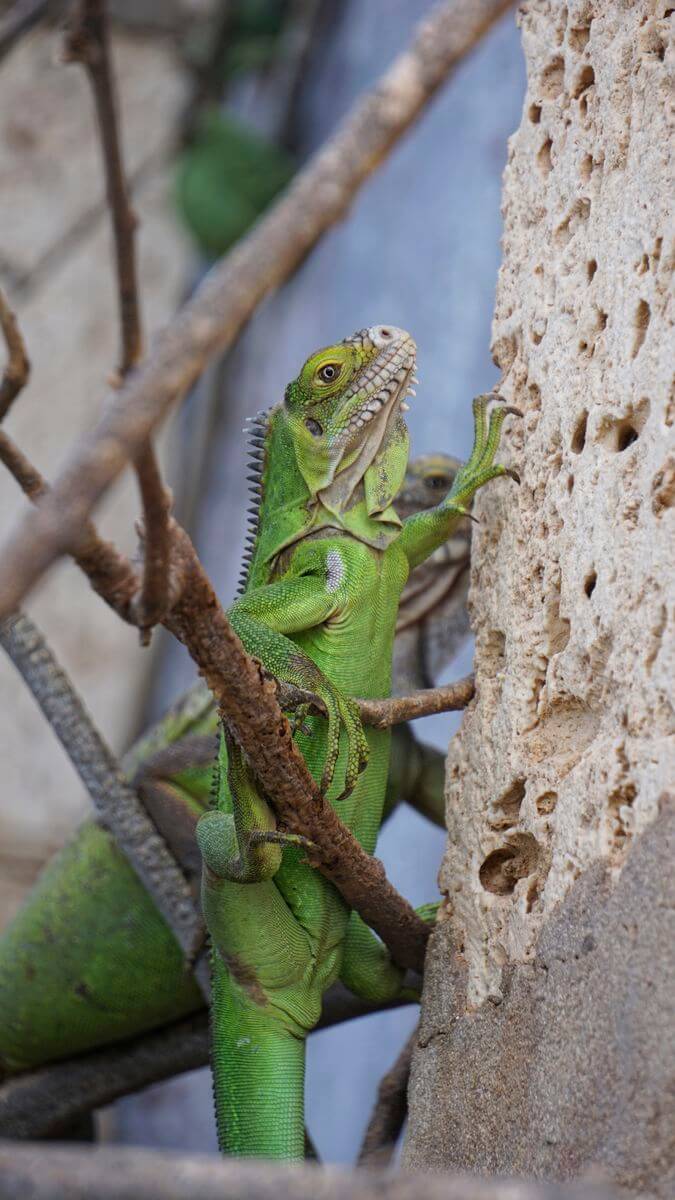
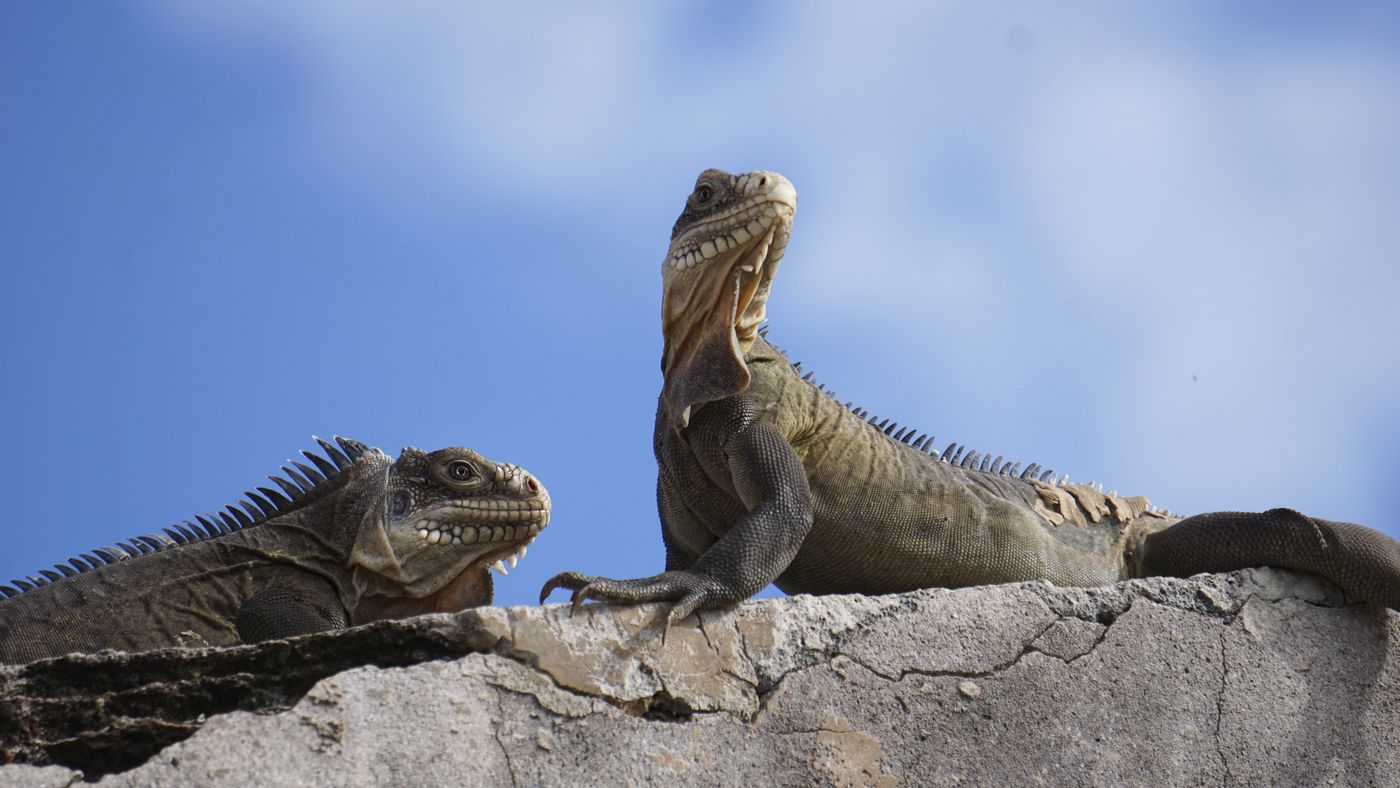
At the start of the walk, the guide gave us an update on the island’s endemic iguanas, but as soon as he finished, Mom shouted, “There’s one!” And yes, she had been trying to spot one for three years! That said, they are impossible to miss on the island. It had rained a lot the day before, so they were all in drying/sunbathing mode. They aren’t the same species as the ones found elsewhere in Guadeloupe (I’ll tell you more about that later). They’re browner and larger, and most importantly, they don’t have striped tails!
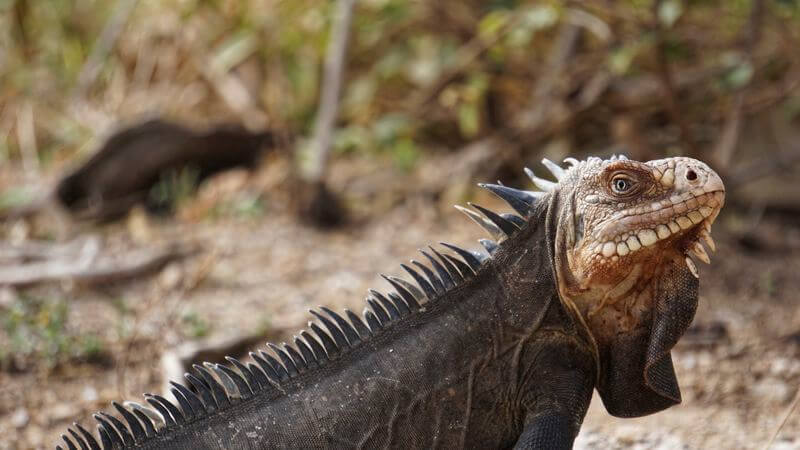
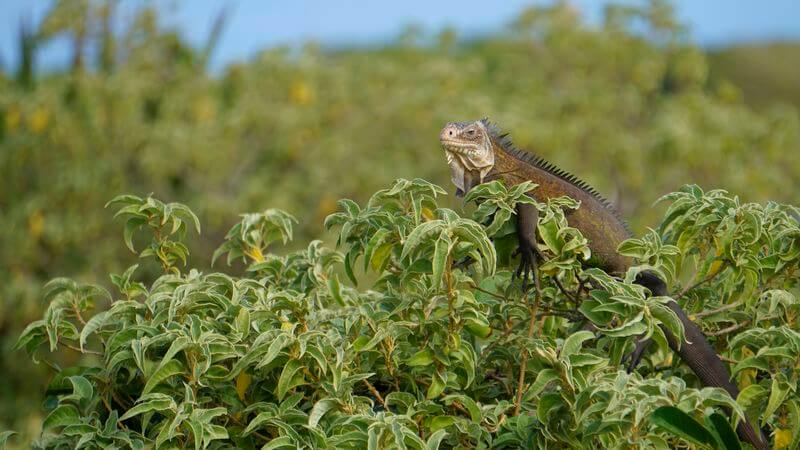
We continued toward the lighthouse, stopping every two seconds to admire these little reptiles! Around the lighthouse, there was a whole colony, with iguanas of every age: green ones for the young and the females, and brown ones for the older males. Pouldo gave us a short history of the place. There was a sign pointing toward the ruins, but time was running, so we headed back to the beach for a proper swim and to increase our chances of seeing turtles.
I went in first to have a look around, just long enough for Mom and her friends to get ready (with age, everything takes time, ha ha ha!). We headed toward the authorized seagrass beds, and within a few minutes, surprise: a small turtle was eating quietly! So I discreetly called over the elders (to avoid attracting 10,000 tourists).
If you’re not very comfortable in the water, you don’t have to go far to see them (they are usually spotted between 15 and 150 meters from shore). Access was easy for us. If I remember correctly, the water level was between 40 cm and 1.2 meters! At the same time, we saw two other turtles passing by. When it comes to turtles, this still isn’t Mayotte: there aren’t many left (36 counted before Covid and 42 after), and they’re small, but they’re still very cute!
As for the coral, oops, big disappointment: everything was dead, at least in the areas where swimming is allowed. Maybe on the other side of the rope, closer to the barrier reef, the seabed is more beautiful, but we’re not allowed to go there… so there weren’t many fish either!
After these wonderful discoveries, we had one last planter before heading back to La Désirade! Twenty minutes of sailing later, we arrived at the harbor. We unloaded our things and went down to Fifi’s beach, where we had lunch in a carbet. We were a little disappointed we didn’t get to go all the way to the reserve at the end of the island, because it’s really beautiful! We stayed on the island for two or three hours, enjoying a nap, a swim, and an introduction to zouk!
Back in Saint-François at around 5 pm, we had a calm, pleasant crossing and were able to see Pointe des Châteaux from the sea, with wonderful memories stored away in our eyes!
Learn more about the Petite-Terre islands
Petite-Terre wildlife
Marine wildlife
Here’s a quick overview of what you can find here.
- Lesser Antillean iguanas / Iguana delicatissima
There are around 10,000 Lesser Antillean iguanas on the island, representing about a third of the world’s population of the species. They are vegetarian and especially fond of foliage. Their life expectancy is around 15 years. They lay about 30 eggs in a burrow, and two months later, a new little iguana appears, staying green for its first few years! They can grow up to 1.60 meters long and weigh up to 3 kg. Their main predator, apart from us humans, is of course the rat! (Hence the importance of not leaving trash behind!)
- The hermit crab, or Bernado-Bel-Modan (Souda in Creole), is the island’s mascot!
They don’t have shells of their own and move into those of burgos (a type of black shell). There are lots of them on the island!
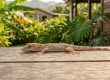
- The two species of lizard: anoles and skinks (mabouyas)
The latter are rarer and brownish in color. They live in trees and feed on insects. Apparently, they don’t like yen-yens. Myth or reality?
- Tropical fish
Various species can be seen here, such as trunkfish and parrotfish, as well as leopard sharks and stingrays, although we weren’t lucky enough to see any (sniff…).
Lemon sharks are harmless unless you have a little too much fun with them or try to cuddle them! You may also spot crabs, black sea urchins, spiny lobsters, and lobsters. If you’re lucky, you might even catch a glimpse of dolphins during the crossing.

Terrestrial wildlife
- Birds
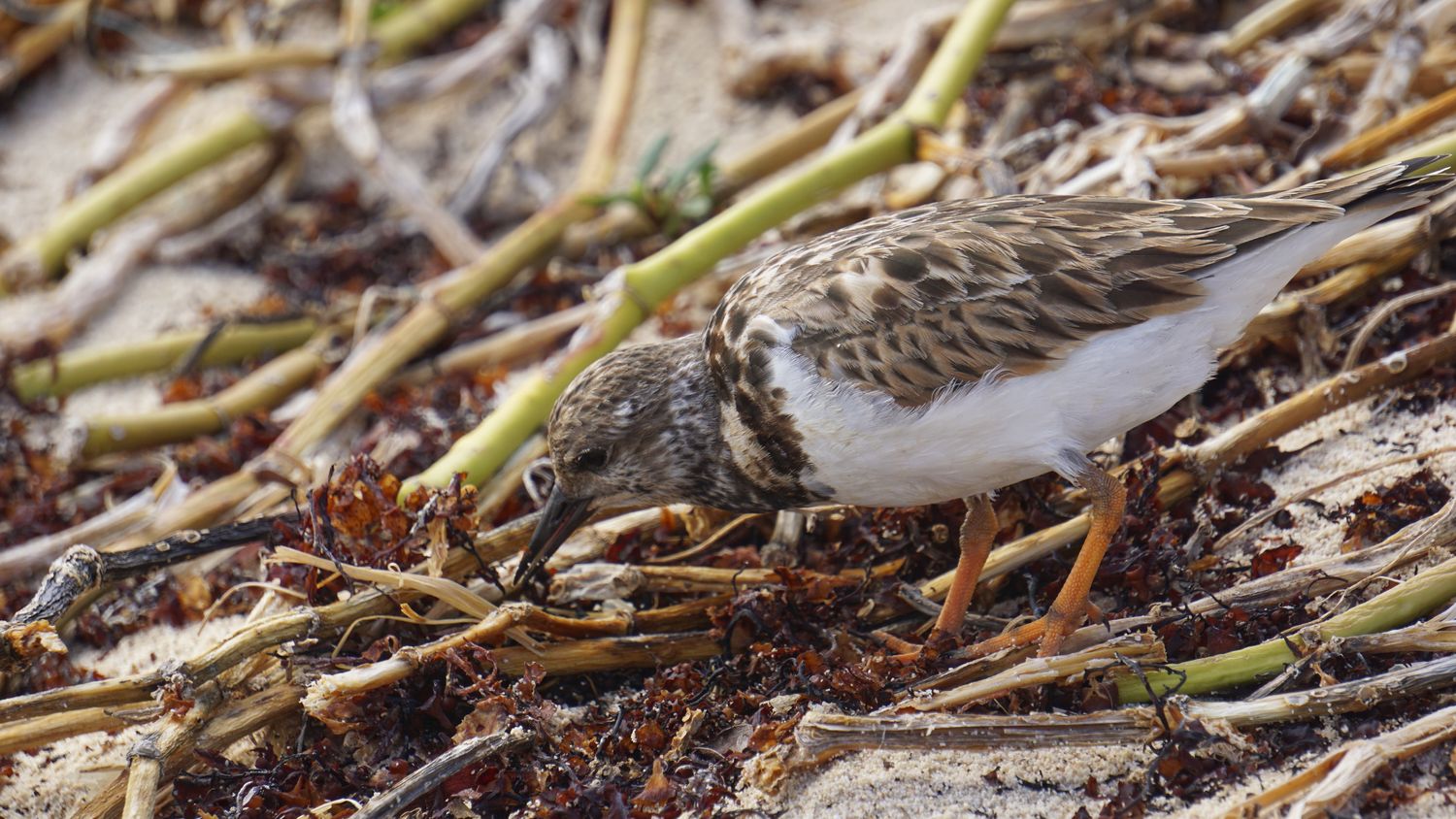
These include bananaquits, yellow warblers, and oystercatchers, which use their large beaks to pick up mollusks and open shellfish! Migratory birds are present from September to November and from April to May. They lay their eggs on the ground, and between bad weather, rats, and humans, only a few make it to hatching. They nest from April to August. There is also the yellow-billed hornbill.
Petite-Terre island flora
Marine flora
Seaweed and seagrass beds are an important food source, especially for sea turtles!
Terrestrial flora
Alongside coconut palms (important for stabilizing the coastline) and the many Coccoloba uvifera trees, there are also gaiac trees, which are threatened with extinction because they are sought after for their hard wood, traditionally used to make billiard balls and pulleys. They are also known for their medicinal and fragrant properties.
The island is also home to many agaves, which flower only once in their lifetime and can reach a height of 11 meters. You can also find sea purslane and black grapes!
The islands of Petite-Terre: practical information
When to go
The Petite-Terre islands can be visited year-round. They are very popular, though, so it’s best to book ahead if you’re coming during peak season! We talk more about this in our article on the best time of year to visit Guadeloupe!
The sea is generally rougher from December to June, although there is often less rain! In bad weather, make sure you ask about cancellation or postponement policies.
How to get there
Of course, you’ll first need to get to the archipelago, and we’ve written a complete article explaining everything you need to know about getting to Guadeloupe. Once you’re there, we recommend renting a car and comparing prices with Discover cars.
All departures are from the Saint-François ferry terminal! There are several ways to get there:
- Speedboat: this option has the advantage of having fewer people on board, but the boat is less spacious and often does not allow children under 6 or pregnant women. Don’t hesitate to check out these operators, which have an excellent reputation!
- Catamarans and sailboats are more spacious, shaded, and can accommodate around 40 people. They are better suited to families or people who are sensitive to seasickness.
- Boat rental without a skipper: in this case, it is important to check the regulations, especially the requirement to have a boating license. You’ll also need to reserve a mooring through the Titè Association, as anchoring is prohibited and commercial boat rentals with a skipper are not allowed within the reserve.
Good to know
There are currently 22 boats authorized to carry passengers for commercial purposes. The number of tourists must not exceed 200 per day, and each company must inform its clients about the regulations, site conservation, and the behavior to follow on the island, in particular not collecting shells and not touching the turtles.
All service providers must provide a pre-cooked meal to avoid organizing a barbecue and potentially damaging the natural habitat on site.
Essentials for the day:
- Water
- Hat/cap
- UV-protective shirt (Lycra) rather than sunscreen
- A pair of sunglasses
- A change of clothes
- Rain jacket
Friendly tip: if you’re staying for the day, bring long clothes for lunch to protect yourself from the yen-yens!
Where to stay nearby
Since you’ll be leaving early, it’s best to spend the night before and the night after your excursion on Grande-Terre, close to your departure point, because after a day like this, the two-hour drive back to Vieux-Fort can feel endless.
In Saint-François, you’ll find something for every budget. Here are a few recommendations depending on what you want to spend:
Low budget (< 50€)
- Studio West Indies Manganao: a pleasant, bright apartment close to the beach with a very good reputation. Good value for a small budget.
- Bungalow La Papaye Bleue: a nice, inexpensive place with wooden bungalows and a fully equipped kitchen for self-catering!
Medium budget (50-100€)
- Duplex à la marina: a lovely 60 m² apartment in a prime location on the town’s marina, perfect for a change of scenery!
- Quenetier: in a quiet corner, you’ll enjoy a beautiful bungalow overlooking the garden and a lovely private pool!
Larger budget (>100€)
- Hôtel & Villa Le Cocotel: beautifully decorated rooms, a good breakfast, and a lush setting. Excellent value for money.
- Villa Zagadi: a beautiful villa on Pointe des Châteaux with lovely sea views, a nice pool, and a terrace. A perfect place for the whole family!
- Hôtel Guadeloupe Palm Suites: a very pleasant, well-rated place offering studios in a quiet setting with a lovely outdoor pool, all with a good breakfast.
In the meantime, if you’re in the Saint-François area, I really recommend discovering Pointe des Châteaux, a beautiful place for a hike and some beach time!
And if you’re looking for another magical spot, why not explore Les Saintes?
See you soon.

Written by Sylvain PONS
Since 2021, I've been living in the Guadeloupe archipelago with Mélanie and our two children. We are exploring these beautiful islands and discovering the treasures that we are happy to share with you!
Despite our care, a mistake may have slipped into this article. If you find any, please don't hesitate to let us know so we can correct it as soon as possible and keep our information up-to-date!