The best towns and villages in Tenerife
Last update: 06/21/2026
Our blog continues to grow thanks to you, our readers. This post may contain affiliate links, which means we can earn a small commission if you make a purchase through them, at no extra cost to you. This helps us to continue to bring you more and support our work!
Hi everyone, I’m back with another article about Tenerife! This time, I’ve put together a complete guide to the best towns and villages to visit in Tenerife. In my opinion, exploring the island’s main towns is one of the best things to do in Tenerife. Fair warning: I fell for quite a few of them. Each has its own character and its own surprises, and the atmosphere changes noticeably between the north and south, largely because of the different climates and landscapes.
The towns in the north generally feel more traditional and atmospheric. The wetter climate gives much of the northwest a lush, almost tropical setting. In the south, where conditions are warmer, drier, and sometimes almost arid, you’ll find fishing villages and seaside resorts instead.
The contrast can be striking, even between places only a short drive apart. I strongly recommend making time for at least a few of them, as there are some real gems. There are plenty to choose from, so the length of your stay will probably determine how many you can fit in—especially if you also want to explore Tenerife’s beaches or hike around the island.
Depending on your priorities, I think the best approach is to include a little of everything in your Tenerife itinerary. The island may not seem enormous at first, but it is larger than you might expect and packed with things to do. I’m getting a little carried away because I loved Tenerife so much and want to share as much as possible about it. So, let’s return to the towns and villages, which I’ve grouped by type to help you plan your trip more easily.
Tenerife’s historic and colonial towns
Let’s begin with the historic, picturesque towns that reveal part of Tenerife’s story and that of the wider Canary Islands. Their cobbled streets, colorful houses, and traditional wooden balconies give them a distinctive charm. They’re wonderful places to wander, then pause for a snack or coffee on a terrace. To me, these are the towns where Tenerife’s traditional character comes through most clearly, despite the island being the most developed and heavily visited in the archipelago. These four impressed me more than any others.
San Cristóbal de la Laguna
La Laguna was one of my biggest favorites. It’s easy to understand why its historic center is listed as a UNESCO World Heritage Site. The compact old town is filled with pastel-colored historic houses—red, green, and blue—framed by palm trees. The atmosphere immediately feels relaxed and welcoming. Although La Laguna attracts plenty of visitors, I think it has retained a genuine local character. You’ll see residents and students everywhere, along with independent cafés, tapas bars, and restaurants. Large chains are rare, apart from Starbucks.
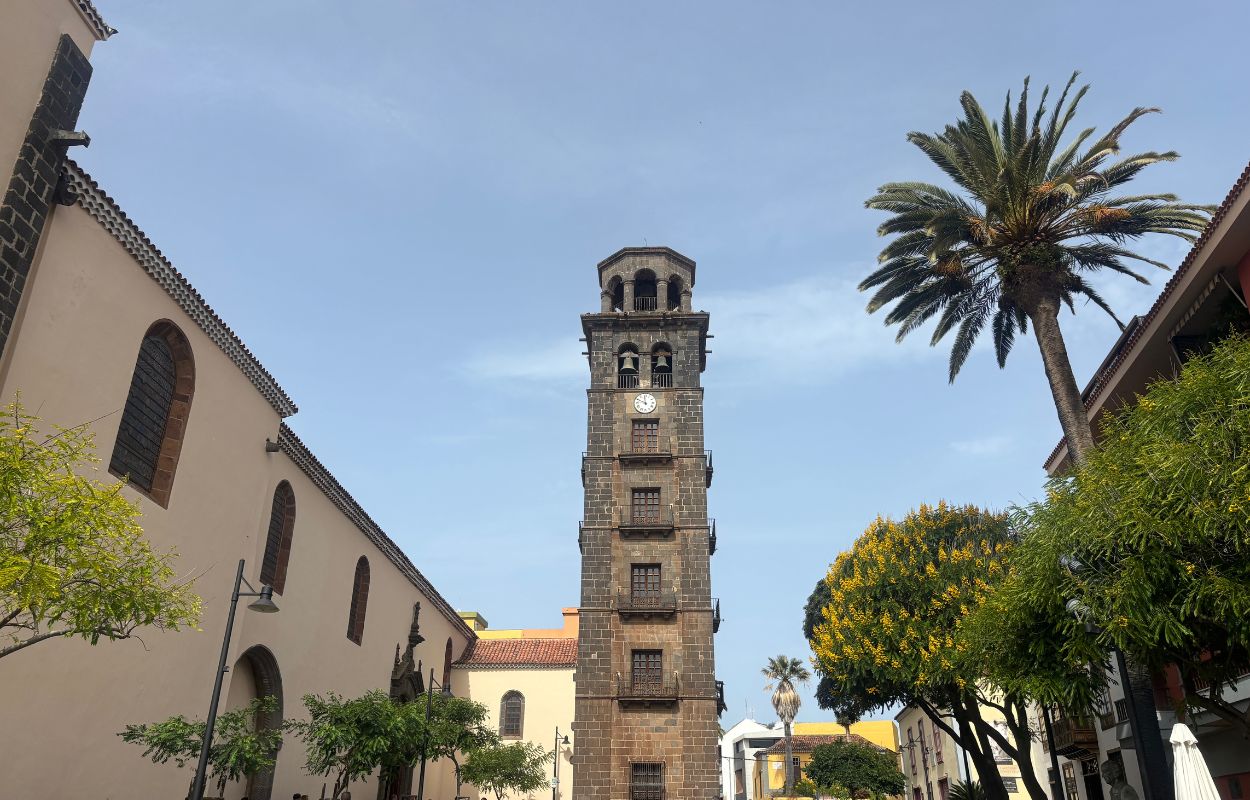
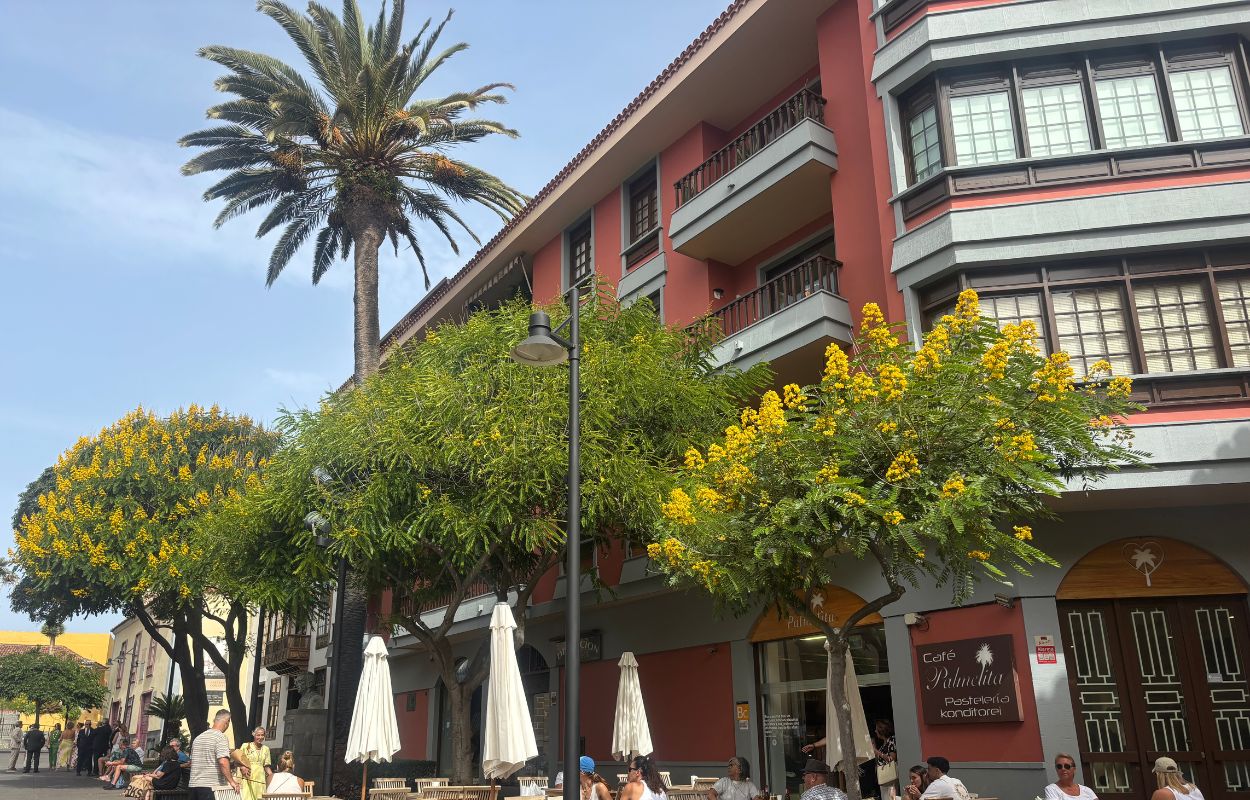
I recommend exploring at your own pace, stopping on a terrace, and visiting both the cathedral and the Church of La Concepción, two of the city’s landmarks. The church’s dark stone and surrounding palm trees contrast beautifully with the colorful houses and feel very characteristic of northern Tenerife. A wedding was taking place when I visited, filling the street with even more life and leaving me with a lovely memory. In short, La Laguna is not to be missed. You’ll also find some beautiful places to stay in San Cristóbal de La Laguna.

Where to sleep here? La Laguna Gran Hotel: A refined establishment in the heart of La Laguna’s historic center, combining old-world charm with modern comfort, featuring a rooftop pool.
La Orotava
La Orotava was another favorite, and one I hadn’t expected at all. It was one of those places that made me wonder, “Why didn’t I come sooner?” On my first trip to Tenerife, I stayed in the south, and the road between Teide and La Orotava was closed, so I never made it there. Honestly, I had missed out.
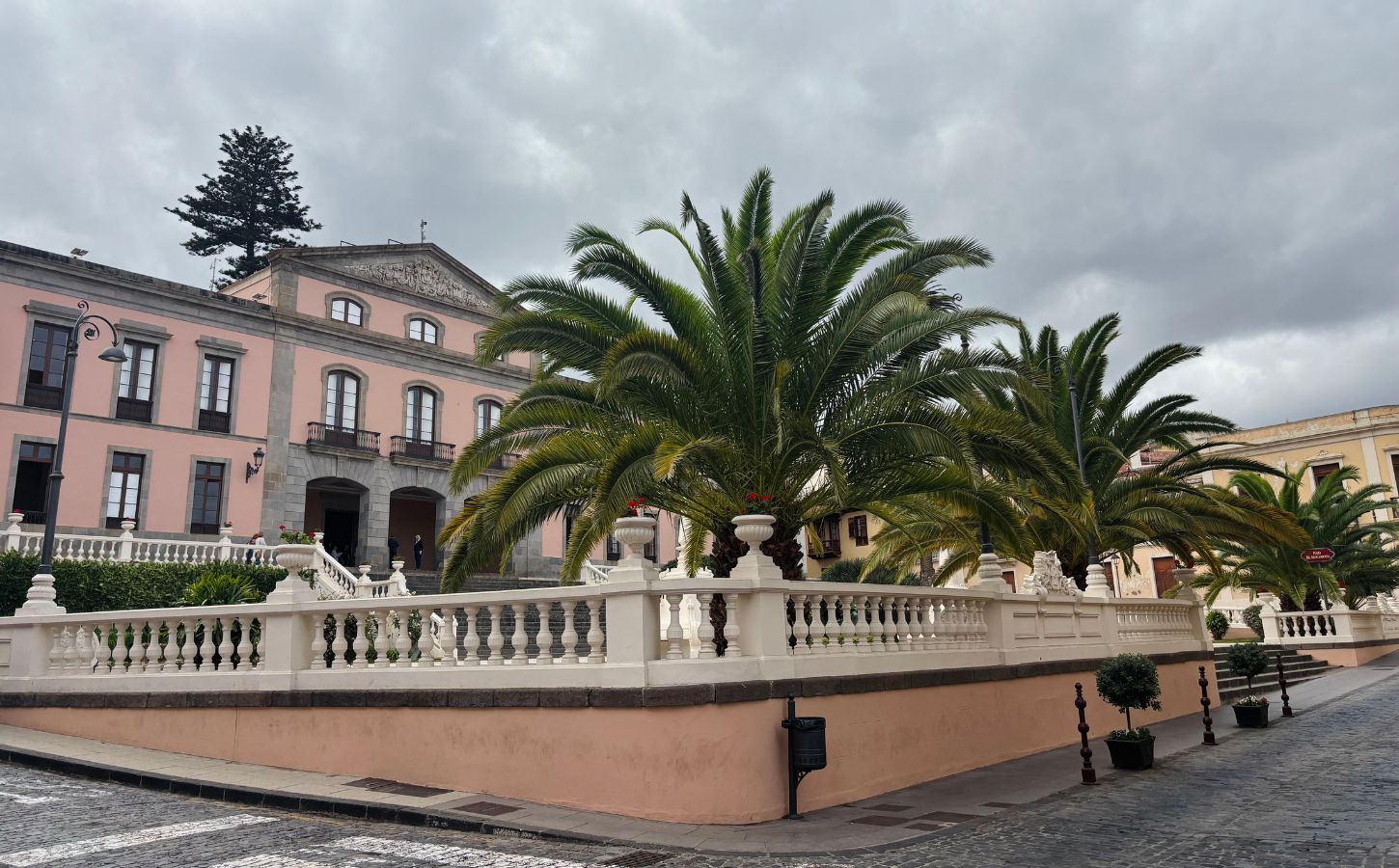
La Orotava’s historic center is beautiful, with traditional houses and wooden balconies, cobbled streets lined with flowers, and elevated views across the valley toward the ocean. While you’re there, I recommend visiting the lush Jardines Victoria. La Orotava captures the charm of northern Tenerife while feeling much less touristy than La Laguna. We felt completely at ease and had a wonderful time.
Where to sleep nearby? Hotel Rural Victoria - La Orotava: A charming hotel in a 16th-century mansion in the heart of La Orotava, featuring a Canarian patio, great breakfast, and attentive service — a truly lovely option!
Garachico
Most travelers come to Garachico for the natural pools at El Caletón. Formed by lava and later adapted for swimming, they are connected by walkways that make it easy to move from one pool to another. The first pools tend to draw the largest crowds, but continue a little farther and you may find a much quieter spot. Many locals prefer less developed natural pools with fewer visitors, which is understandable.
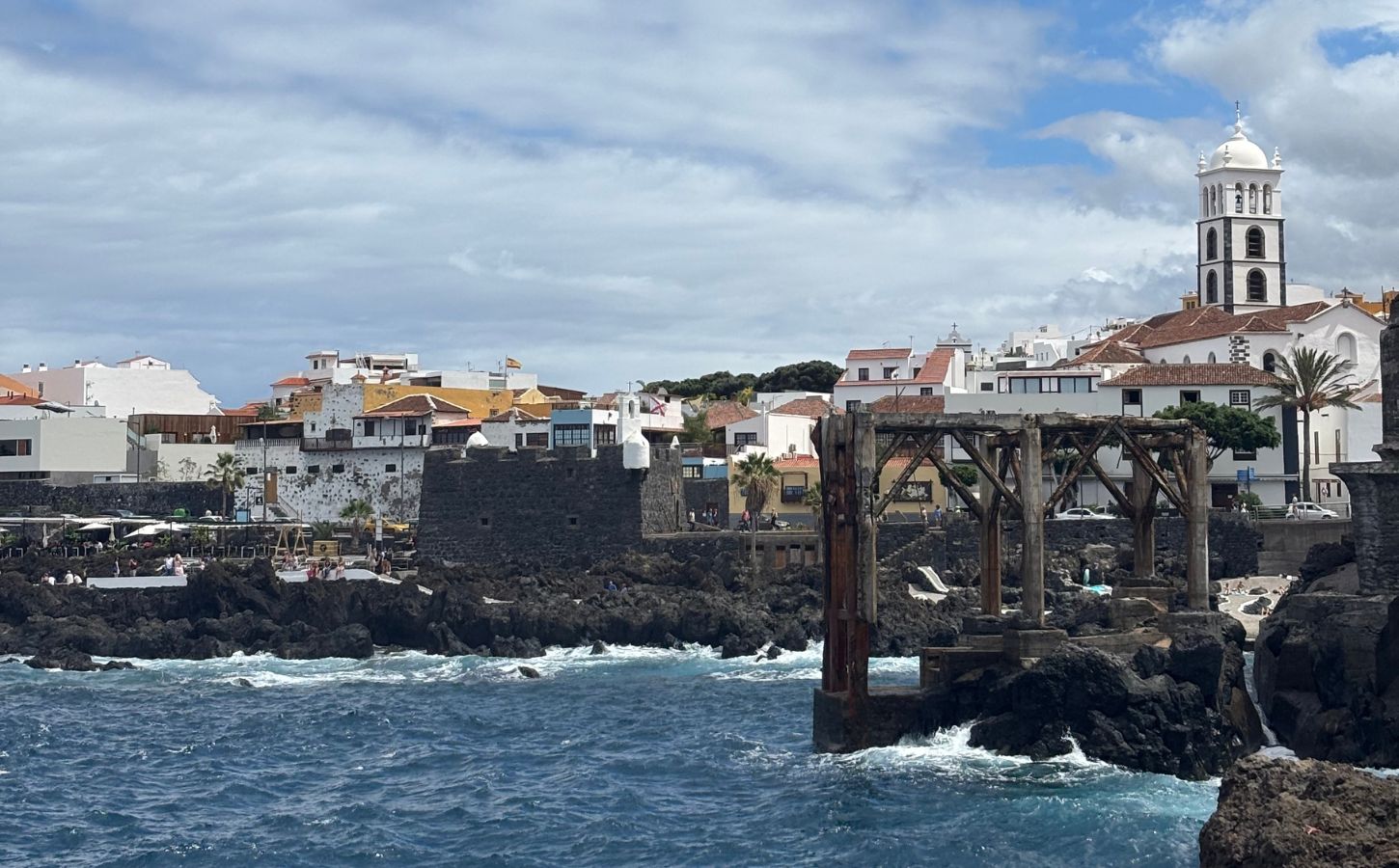
Even if the natural pools are your main reason for visiting, I also recommend taking a short walk through the historic center. Its white houses with green shutters and narrow cobbled streets are lovely to explore, and the atmosphere is far calmer than around the pools. Ice cream lovers should stop at La Abuela—the ice cream was excellent. As you can see, Garachico offers plenty beyond swimming.
Where to sleep nearby? Isla Baja Suites: Charming suites in an 18th-century Canarian house facing the ocean, featuring a kitchenette and breakfast served in the patio.
Icod de los Vinos
Just beyond Garachico lies Icod de los Vinos, a traditional town in northern Tenerife. As its name suggests, wine is one of the local specialties, and vineyards surround the town. This is a good place to sample Tenerife’s wines. Bananas are another important local product, and you can learn more about them at the Casa del Plátano.
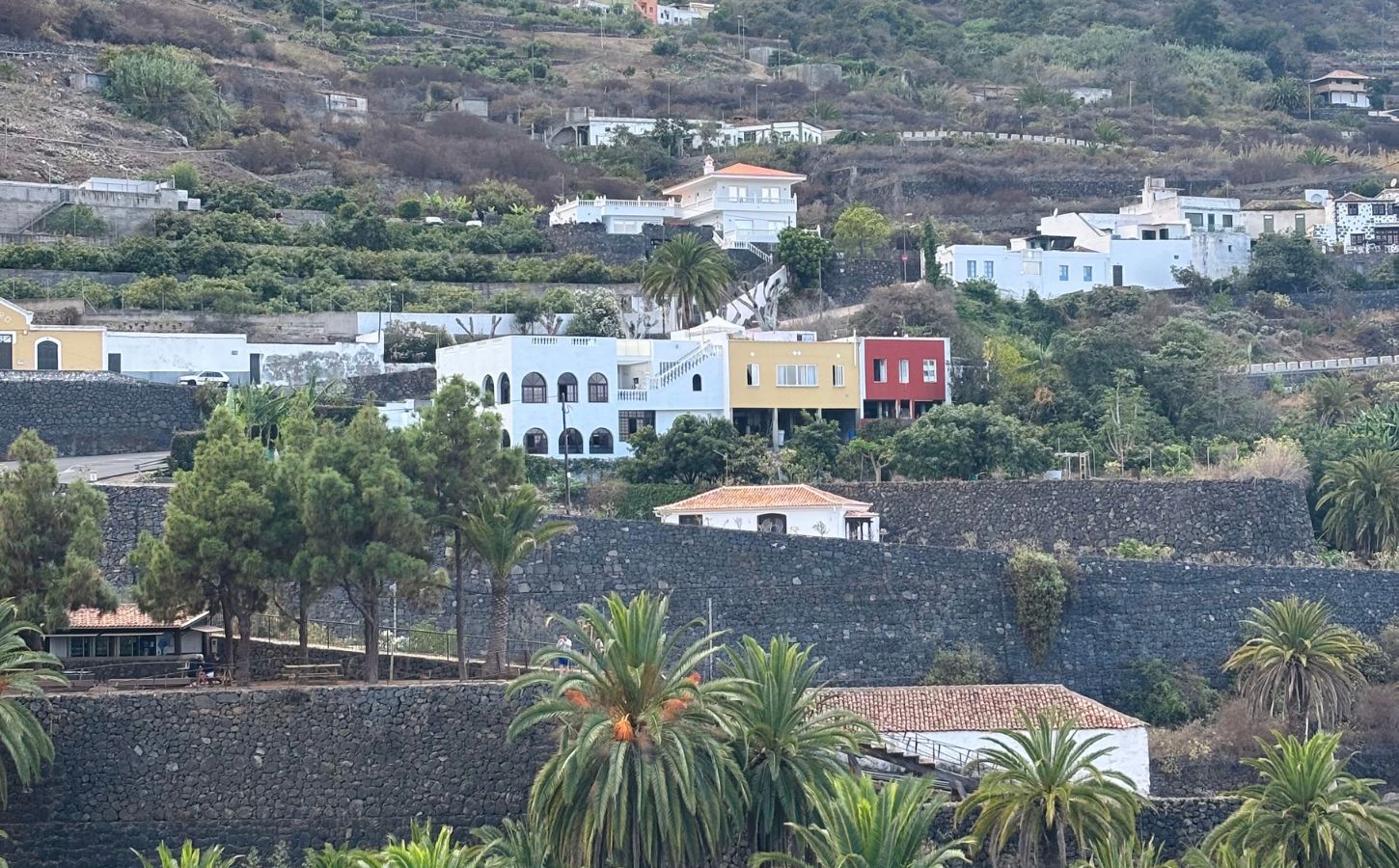
Beyond these specialties, Icod de los Vinos is best known for the Drago Milenario. Despite its name, the exact age of this ancient dragon tree is uncertain, though it is generally believed to be several centuries old. Either way, it remains one of Tenerife’s most recognizable symbols. You can see it up close inside Parque del Drago, which charges an admission fee. For a free view, head to Plaza Andrés de Lorenzo Cáceres, where the tree is clearly visible from nearby. Be sure to wander through the surrounding cobbled streets as well, among colorful houses and small local cafés, to round out your visit.
Where to sleep nearby? Oasis Hill Icod de los Vinos: A small property located in the hills above Icod, featuring a swimming pool and a lush garden, as well as comfortable rooms, many with ocean or Teide views.
Tenerife’s coastal fishing villages
After the historic towns of the north, let’s head to Tenerife’s coastal fishing villages. The scenery changes completely, with whitewashed houses, quiet little harbors, and colorful boats. These simple, down-to-earth villages are ideal for a stroll and a meal of fresh fish. I loved the chance to experience a slower, more local side of island life.
San Andrés
Right beside Las Teresitas, the famous beach created with sand brought from the Sahara, San Andrés is a charming fishing village that has retained much of its character despite being so close to the capital. You won’t find large hotels here, only colorful houses and quiet streets. Arriving after the bustle of Santa Cruz or Las Teresitas, you immediately notice the calmer pace.
I recommend visiting after a few hours at the beach, then having lunch or dinner at a small restaurant overlooking the Atlantic. Fresh fish with papas arrugadas, the traditional Canarian potatoes, is a natural choice. What stayed with me most about San Andrés was its simplicity and local atmosphere. It’s a lovely place to end the day on a quieter note.
Where to sleep nearby? Home2Book Casablanca Las Teresitas Beach: Modern, bright studios just steps from Las Teresitas Beach, with fully equipped kitchens. It’s the perfect base in San Andrés for both the beach and the Anaga Rural Park above.
Los Abrigos
For a meal beside the harbor, Los Abrigos is an excellent choice. This coastal village in southern Tenerife has preserved a relaxed local atmosphere and feels very different from the busy resorts nearby. Honestly, this is where I ate the best fish of my entire trip. It was exceptionally fresh and noticeably less expensive than in many other parts of the island.


Several small restaurants line the harbor, each with its own terrace. I especially recommend Restaurante La Tasquita del Puerto. It’s easy to spot because it is often busy, but service was quick and the fish was excellent. The seafood linguine deserves a special mention. After your meal, consider visiting Arco de Tajao, a striking natural rock arch nearby.
Where to sleep here? B&B Paraiso Tenerife Super Suite: A simple and budget-friendly guesthouse in Los Abrigos offering rooms with private bathrooms. You’ll be just a short walk from the...
Las Galletas
A few kilometers from Los Abrigos, Las Galletas is another charming fishing village with a laid-back local feel. There is nothing flashy about it—just the sea, fishing boats, and a pleasant waterfront promenade. Stop for coffee on a terrace or enjoy a meal in a neighborhood tavern.
Playa de Las Galletas is also nearby for a swim or a quick dip. It is neither the island’s largest nor its prettiest beach, but its unpretentious atmosphere makes it a pleasant place to pause.
Where to sleep just steps away? Apartamento Sol y Mar: A large apartment with 3 bedrooms. It is both modern and well-equipped in the heart of Las Galletas, with a balcony, elevator, and two bathrooms. It is a great place to stay for families!
Puerto de la Cruz
Puerto de la Cruz feels quite different from the smaller fishing villages mentioned above. This town on the northwest coast is livelier and more tourist-oriented, blending the amenities of a resort with the character of a local town. I enjoyed walking around the harbor and through its shopping streets. It is one of the most popular bases for exploring northern Tenerife and has one of the widest selections of hotels in the area.
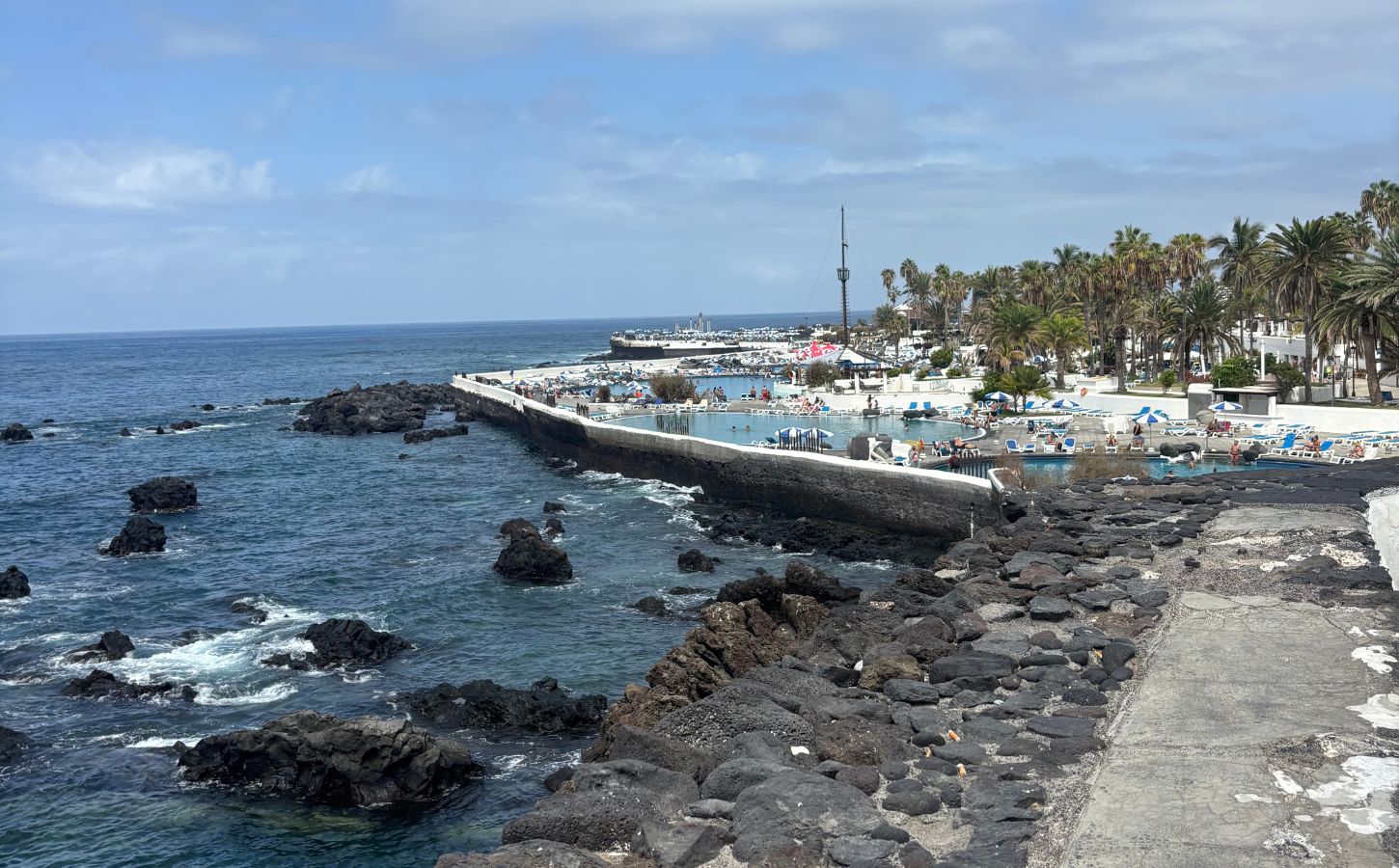
Despite its popularity with visitors, Puerto de la Cruz retains a distinctly Canarian atmosphere, with flower-filled squares and inviting terraces. This is not usually the kind of destination I gravitate toward, yet I genuinely enjoyed it. The town is also home to the well-known animal park Loro Parque.
Where to sleep nearby? Hotel RF San Borondon: A charming colonial-style hotel in the heart of Puerto de la Cruz, featuring a large garden, a saltwater pool, and comfortable rooms.
Mountain towns and villages in Tenerife
After the coast and its fishing villages, let’s climb into Tenerife’s highlands. Once again, the landscape changes, becoming greener and more mountainous. This constant variety is one of the things I loved most about the island. The roads twist through the hills, revealing a new view around almost every bend. You’ll also notice the drop in temperature, which can happen surprisingly quickly because of Tenerife’s microclimates. Here are some of the island’s most beautiful mountain villages, each with rewarding views.
Masca
No guide to Tenerife’s mountain villages would be complete without Masca. Your first stop should be the Mirador de Masca, where the view is immediately impressive. The entire valley stretches below, with the village tucked between peaks and cliffs in the distance. The drop is dramatic, so this may not be the best place for anyone who is uncomfortable with heights. It also becomes very busy, so I recommend arriving around 8 a.m.
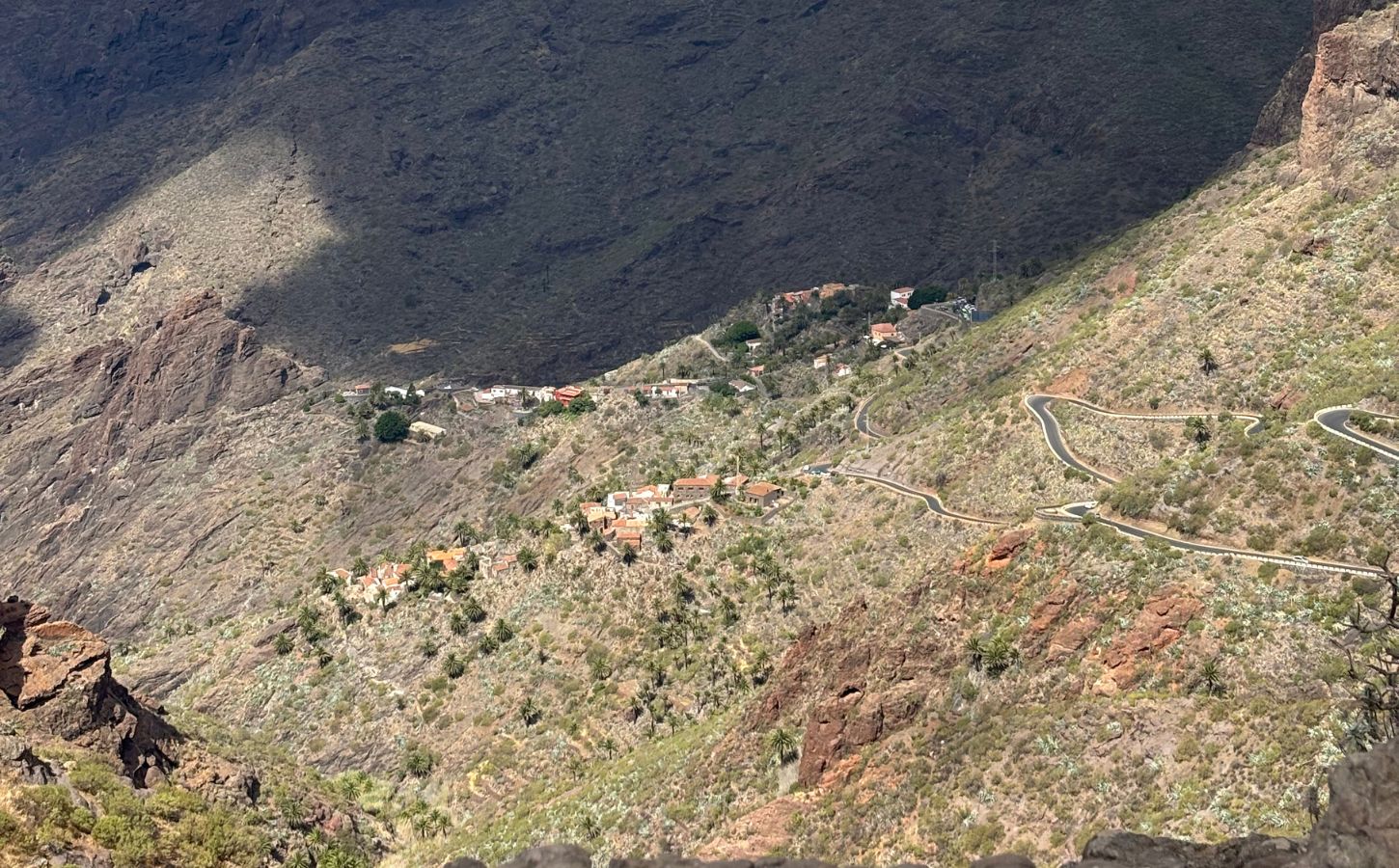
Between the tight bends and cars struggling uphill, the smell of exhaust can occasionally be strong. Once you arrive, though, the drive quickly fades from memory. The panorama is remarkable, and the colorful houses framed by cliffs make the village well worth seeing. Masca feels peaceful and almost cut off from the rest of the island.
Where to sleep nearby? Caserio Los Partidos: An authentic haven of peace in the Teno mountains, featuring rooms with wood stoves, beautiful views, and a swimming pool. It’s a great place to stay for exploring the nearby hiking trails.
Vilaflor de Chasna
Perched at around 1,500 meters (4,921 ft) above sea level, Vilaflor de Chasna is recognized as the highest town in Spain. The atmosphere is wonderfully peaceful, with crisp mountain air and a distinctive setting surrounded by pine forests, hiking trails, and volcanic scenery.
The town is small but charming, with stone houses, flower-lined streets, and quiet squares far from Tenerife’s main tourist areas. It was yet another lovely surprise—just as I promised! Vilaflor lies along the southern section of the TF-21 road to Teide, making it an ideal stop before or after your visit to Teide National Park.
Where to sleep here? Hotel El Sombrerito: A simple and affordable place in Vilaflor, perfect for hiking toward Mount Teide. Expect clean rooms (some with balconies and mountain views), a good on-site restaurant/bar, and a peaceful atmosphere.
Santiago del Teide
Santiago del Teide is a small, quiet town nestled among the mountains, not far from Teide National Park. It makes a convenient stop when traveling toward the park from the south or heading down from Masca. It may not be as photogenic as some of the villages above, but the atmosphere is genuinely pleasant.
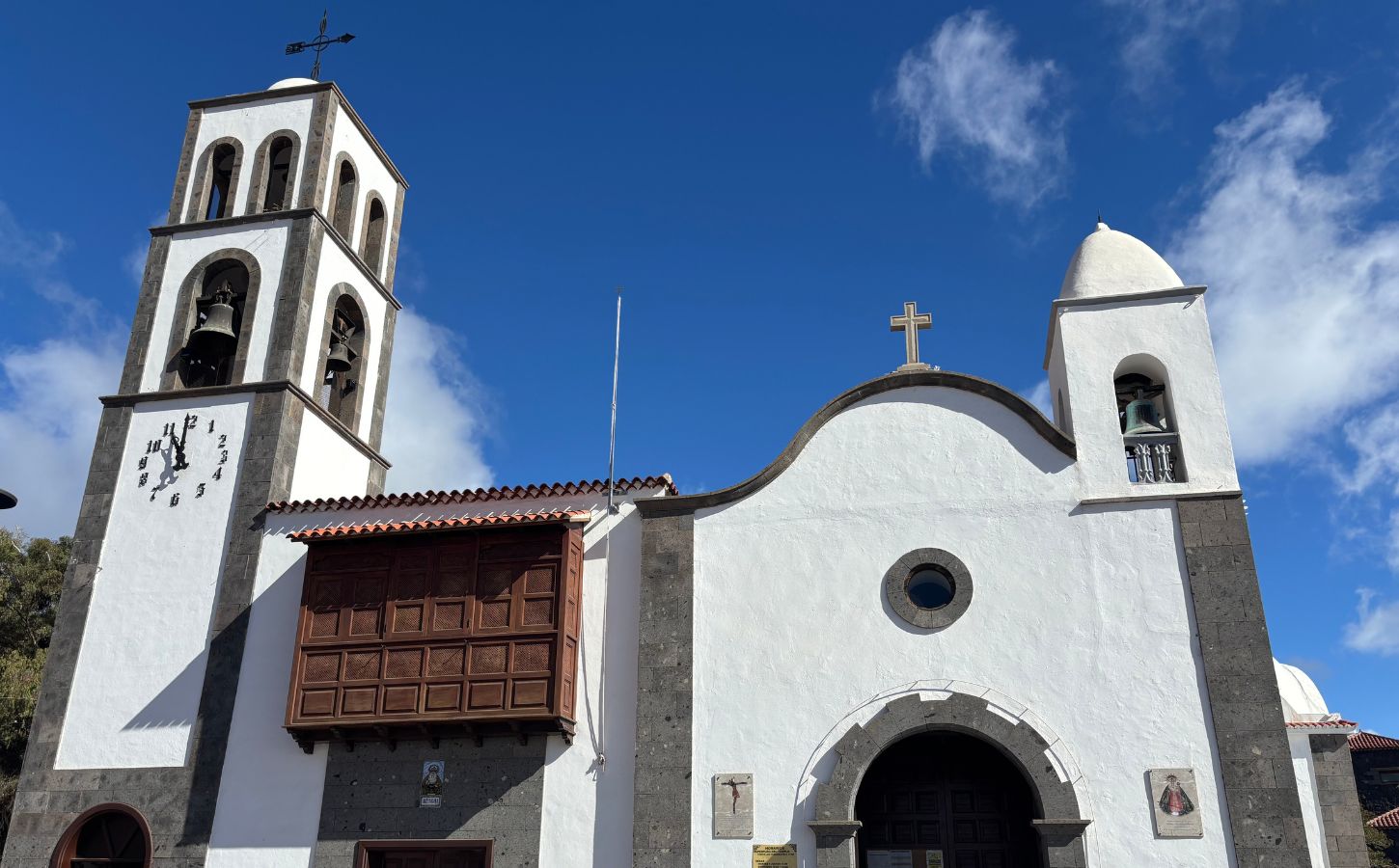
I stopped here for a generous bocadillo and a coffee, which was exactly what I needed after the heights of Masca. You can already feel the cooler highland air, and the simple, local atmosphere is refreshing. Santiago del Teide is more of a convenient stopover than a destination in its own right, but because it lies on the way to several major sights, it is well worth pausing.
Where to sleep nearby? La Casona del Patio: A charming hacienda-style hotel, very peaceful and ideal for exploring Teno, Masca, and Los Gigantes. As a bonus, it offers spacious and comfortable rooms, an excellent buffet breakfast, an on-site restaurant/bar, a gym, and a large free parking area.
The best towns in Tenerife for families
To finish, here are several Tenerife towns that work especially well for families. They generally offer easy access to beaches, a wide range of accommodations, and activities such as water parks, waterfront promenades, and excursions. These destinations should help you strike a comfortable balance between relaxation, convenience, and entertainment during a family trip.
Santa Cruz de Tenerife
I couldn’t leave out the capital, Santa Cruz de Tenerife. I arrived with a few preconceptions, as an island’s capital is not always its most appealing destination. I was happy to be proved wrong. Santa Cruz has plenty to do and a lively, welcoming atmosphere. You can visit cultural attractions, wander through the city center, and still spend time by the sea. Las Teresitas is only about a fifteen-minute drive away.
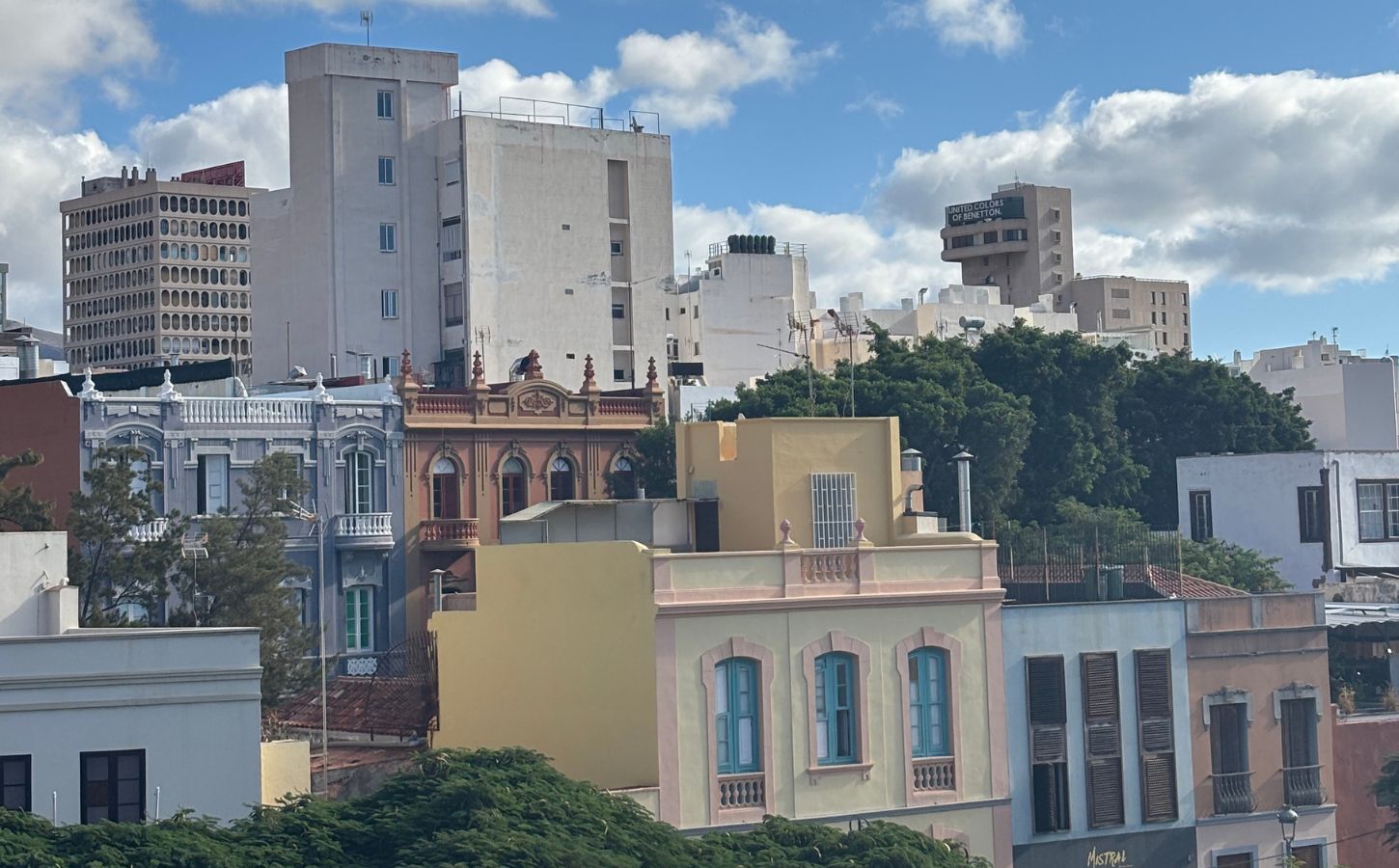
I found Santa Cruz to be a good balance between an energetic city and a coastal destination. The capital is also well connected to the rest of Tenerife by road and public transportation. For more details, take a look at our complete guide to Santa Cruz.
Where to sleep nearby? Hotel Principe Paz: A hotel in the capital, right in the pedestrian center of Santa Cruz. It’s ideal for visiting the city, with all amenities close at hand.
Candelaria
South of Santa Cruz on Tenerife’s east coast, Candelaria is a small, peaceful town with plenty of charm. It’s a pleasant base for families or a convenient stop between the north and south of the island. Many visitors come to see the basilica against its seaside backdrop, yet the town still has a gentle, relaxed atmosphere. I recommend arriving early, as parking can be difficult later in the day.
Candelaria also has a small beach that is pleasant for a swim. Along the waterfront, cafés and local restaurants serve fresh fish with views of the sea. The town has an immediately family-friendly, peaceful coastal feel that I found especially soothing.
Where to sleep on-site? El Rinconcito de Lola: A spacious family apartment with two terraces, a swimming pool, and private parking — perfect for visiting Candelaria, just 300 m from Las Caletillas Beach.
Adeje
In the far south, Costa Adeje is one of Tenerife’s most polished and sought-after resort areas. This is where you’ll find many of the island’s four- and five-star hotels, and accommodation generally requires a larger budget than elsewhere. For more details, we’ve written a guide to the best places to stay in Costa Adeje.
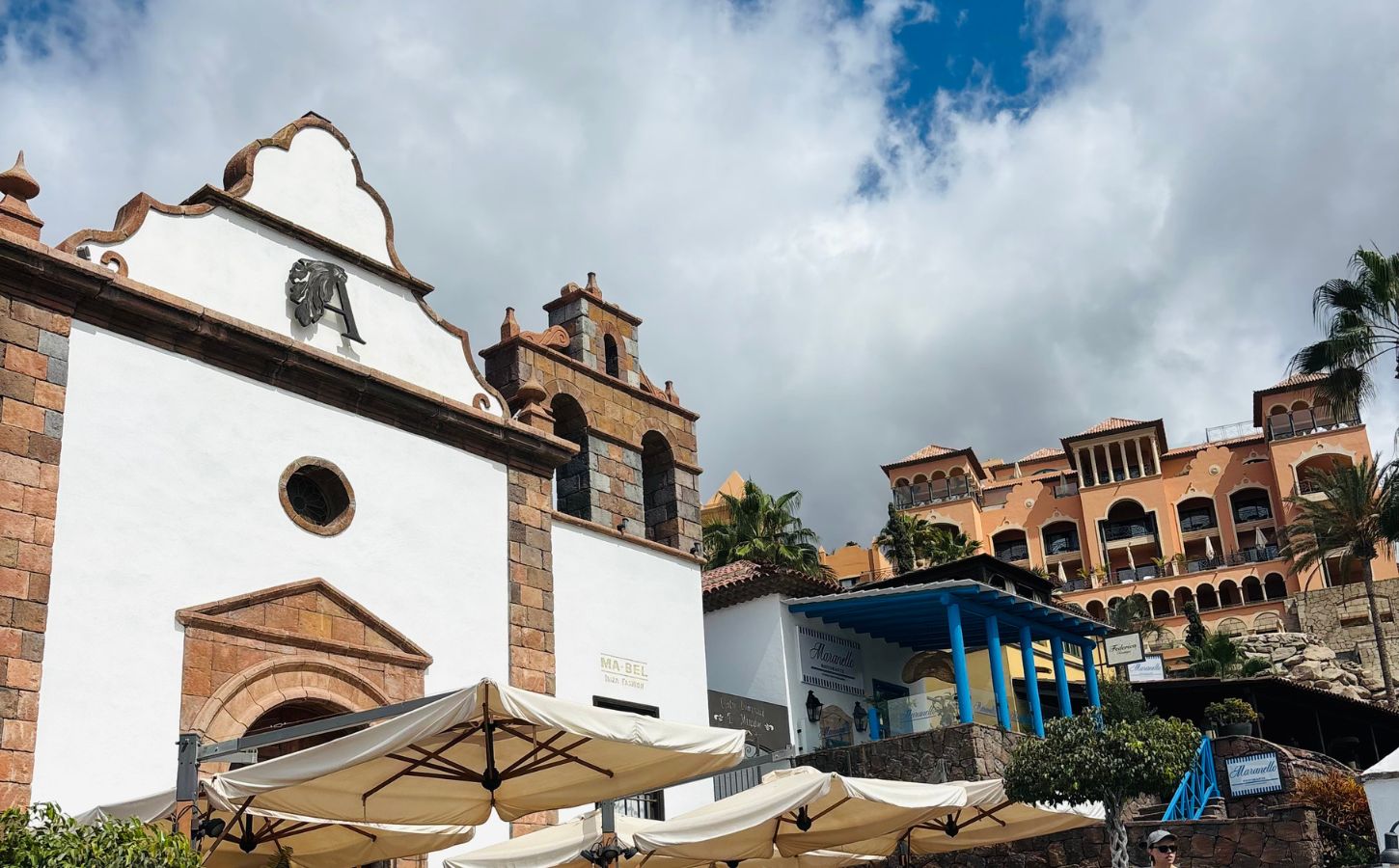
What I liked most was how well maintained the area felt. It’s pleasant to walk around and make your way toward Playa del Duque, one of Tenerife’s most attractive beaches, with light-colored sand, palm trees, and an excellent waterfront promenade. As an upscale resort, Costa Adeje also has numerous vacation homes, shopping centers, stylish restaurants, and luxury car rentals. It feels a little like Tenerife’s answer to Saint-Tropez. Despite that polished image, the atmosphere remains relatively calm and peaceful, especially compared with nearby Playa de las Américas. Families should feel very comfortable here.
Where to sleep nearby? Aparthotel Neptuno Costadeje: A family-friendly aparthotel with three swimming pools and, above all, sea views. The hotel offers excellent value for money in Costa Adeje.
You now have a good overview of the best towns and villages in Tenerife. Together, they reflect the island’s remarkable diversity, and each has something distinctive to offer. I hope this guide helps you decide which ones to include in your trip.
You may also enjoy our guide to the best towns and villages in Lanzarote. The variety may be less pronounced there, but the island’s towns and villages are still well worth exploring.
Did you like the post? Follow us!

Written by Laura CALLES
Thanks to Mélanie and Sylvain, I had the chance to discover the Canary Islands, specifically Tenerife and Lanzarote, so that I could share these island paradises with you. Two real favorites of mine!
Despite our vigilance, an error may have crept into this article. If you spot one, please don't hesitate to let us know so that we can correct it immediately and keep our information up to date!