Which Tenerife Itinerary Should You Choose?
Last update: 06/21/2026
Our blog continues to grow thanks to you, our readers. This post may contain affiliate links, which means we can earn a small commission if you make a purchase through them, at no extra cost to you. This helps us to continue to bring you more and support our work!
I’m continuing this series of trip-planning articles with a guide to Tenerife itineraries. After exploring the island twice, spending a week there each time, I’m starting to know it pretty well. Here, I’m sharing itinerary ideas for every trip length: 3, 5, 7, or 10 days. A word of warning: Tenerife is much bigger than it looks. That was one of the things that surprised me most on my first visit. By the second trip, I was better prepared and knew what to expect, haha.
The island is also full of surprises, and no two areas feel quite the same. The north and south, for example, differ in many ways—so much so that you might wonder whether they belong to the same island. Their climates and landscapes are almost opposites. The south is dry, arid, and sunny, with plenty of tourist-oriented seaside resorts. The north is cooler and more humid, with lush scenery and villages that feel more local. That’s the broad picture, even though the reality is sometimes a little more nuanced.
In any case, there are plenty of things to do and see in Tenerife, so I recommend staying for at least a week if you can. Once you’re there, the days fly by. Between Teide National Park, the beaches, forests, mountains, colorful villages, and everything else, you’ll have no trouble filling your stay. That’s exactly what I loved about Tenerife: you never quite know what you’ll find next, even on an island where driving from the far north to the far south takes only a couple of hours under good conditions. And if you’re still deciding when to travel, take a look at our guide to the best times to go to Tenerife.
Back to the main topic: throughout this article, I’ll suggest itineraries tailored to the length of your trip, so you can experience the island in different ways and at your own pace. Ready to start planning?
How Many Days Do You Need in Tenerife?
Many travelers visit Tenerife for just a few days, often over a long weekend, even though the flight is longer than a trip to a Mediterranean island, for example. It’s easy to forget that the Canary Islands sit at roughly the same latitude as the Sahara. Once you arrive, getting around is fairly straightforward. Still, as I’ve already mentioned, Tenerife is larger and more varied than it first appears. Give yourself a little more time than you initially planned if you can—you won’t regret it.
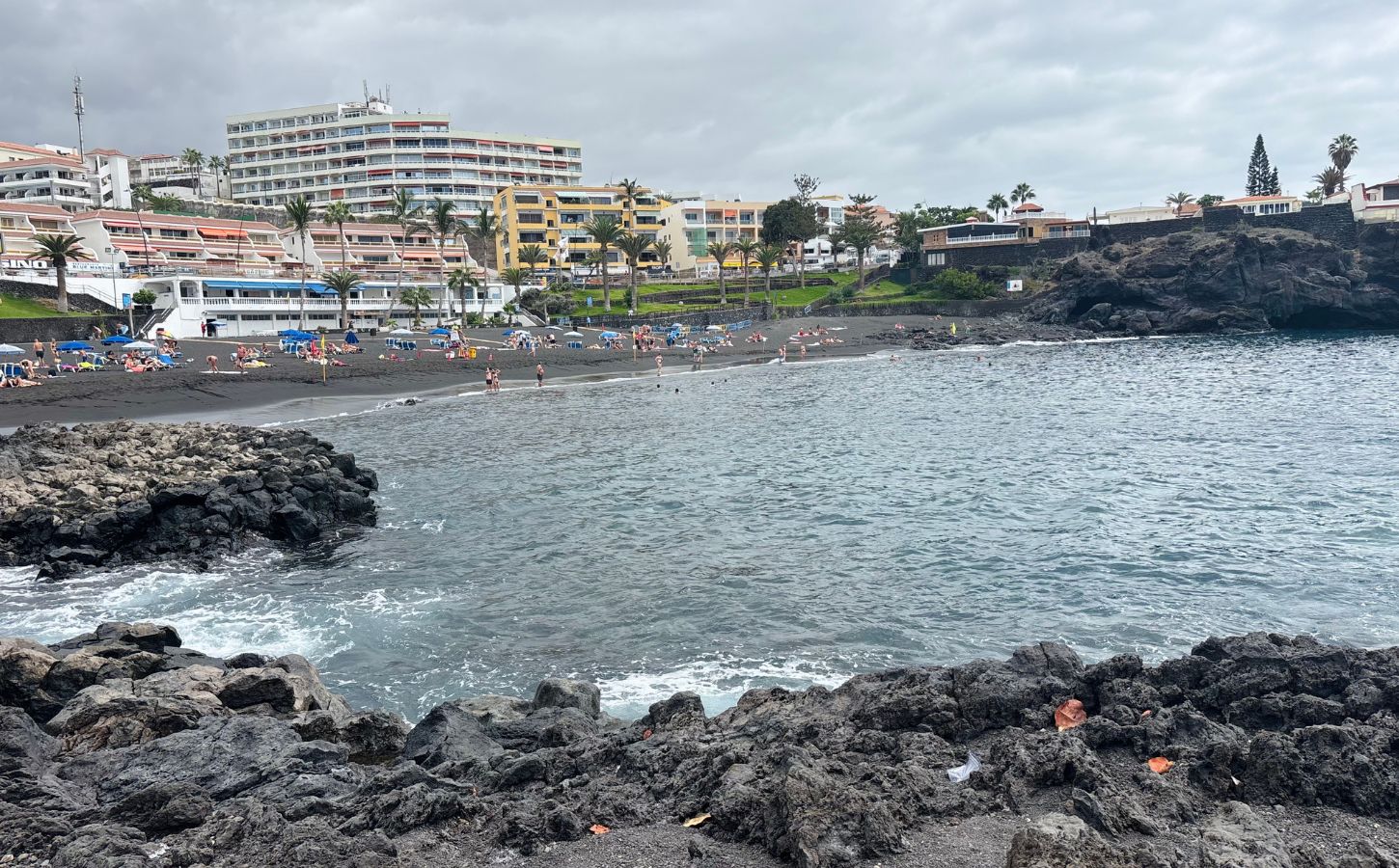
Tenerife in 3 Days: A Long-Weekend Itinerary
If you’re looking for a complete change of scenery without leaving Europe, Tenerife is a great choice for a three-day getaway. In just a few days, you can visit several highlights and get a first taste of the island—which may well make you want to return. Here’s the itinerary I’d recommend for seeing some of Tenerife’s essential sights at a comfortable pace:
Day 1: Santa Cruz + Las Teresitas + La Laguna
Start with the island’s capital. Santa Cruz was a wonderful surprise, with a lively atmosphere, a strong sense of local life, and the sea close by. If you’ve rented a car, head to Las Teresitas for a swim; it’s about a 10-minute drive away. The beach is popular, but it’s large enough that it rarely feels cramped. The water is beautiful, and the golden sand was brought over from the Sahara. From there, continue to La Laguna, a lovely city known for its preserved colonial-style architecture. I really enjoyed wandering through its streets and soaking up the relaxed, local atmosphere.
Day 2: Teide + volcanic landscapes
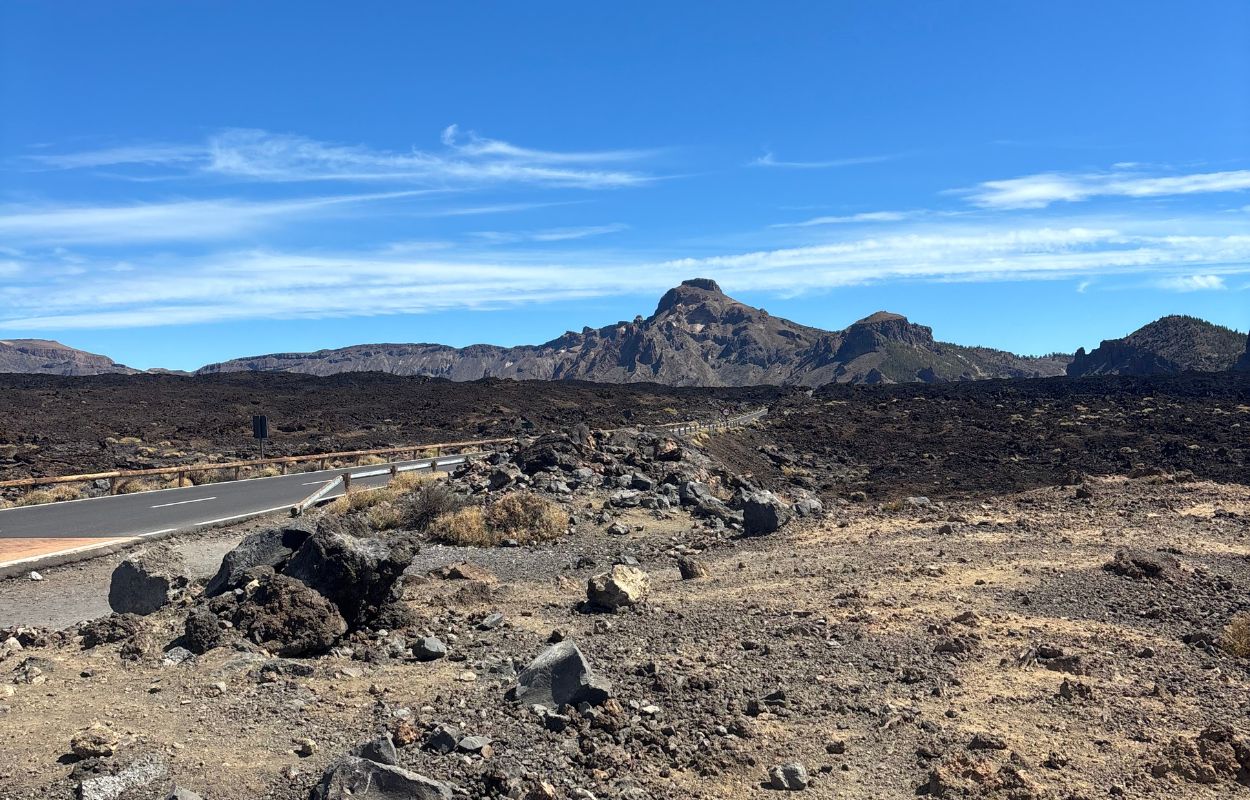
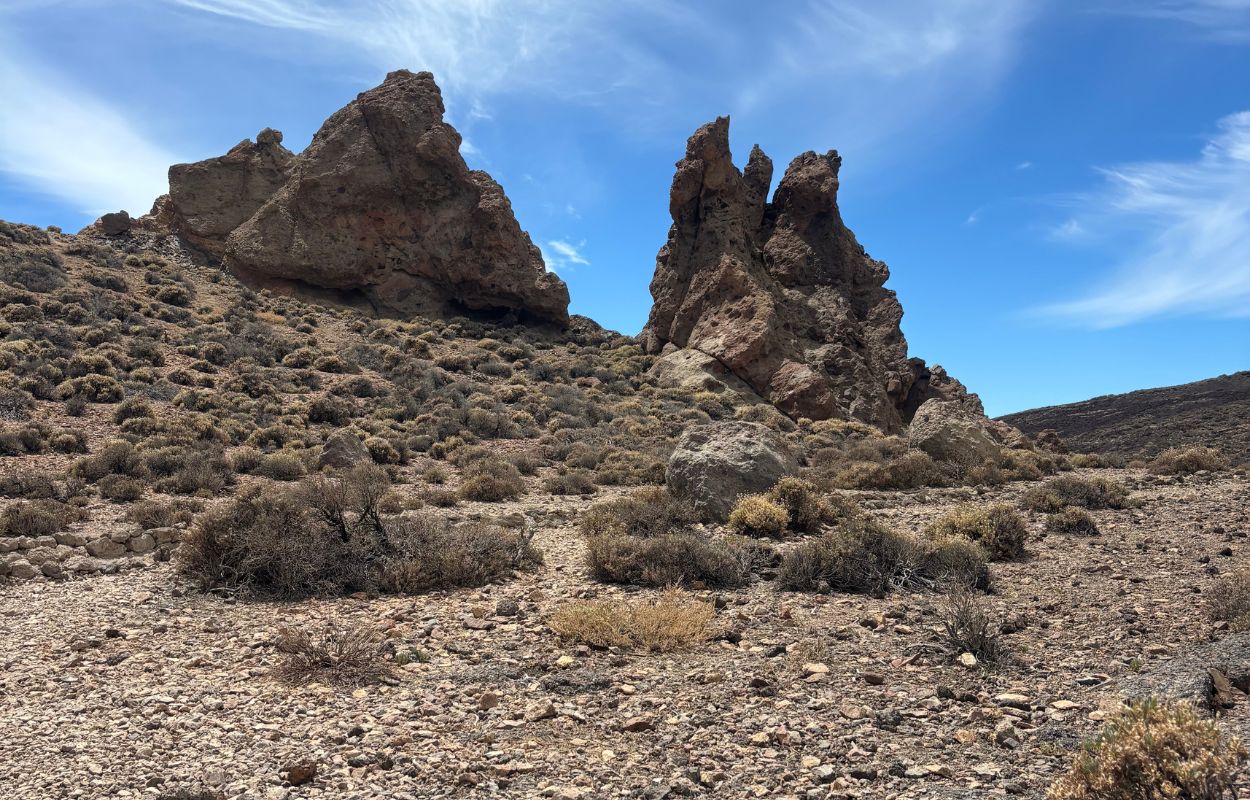
No trip to Tenerife would feel complete without a visit to Teide National Park. This vast park lies between two very different sides of the island, and its landscapes are remarkably varied. You’ll pass lava fields where the old flows are still clearly visible, striking rock formations, and scenery that genuinely feels lunar. Even on my second visit, I felt like a kid in an amusement park. I was fascinated from start to finish, and you really do need a full day to make the most of it.
Day 3: South coast + Los Gigantes or beaches
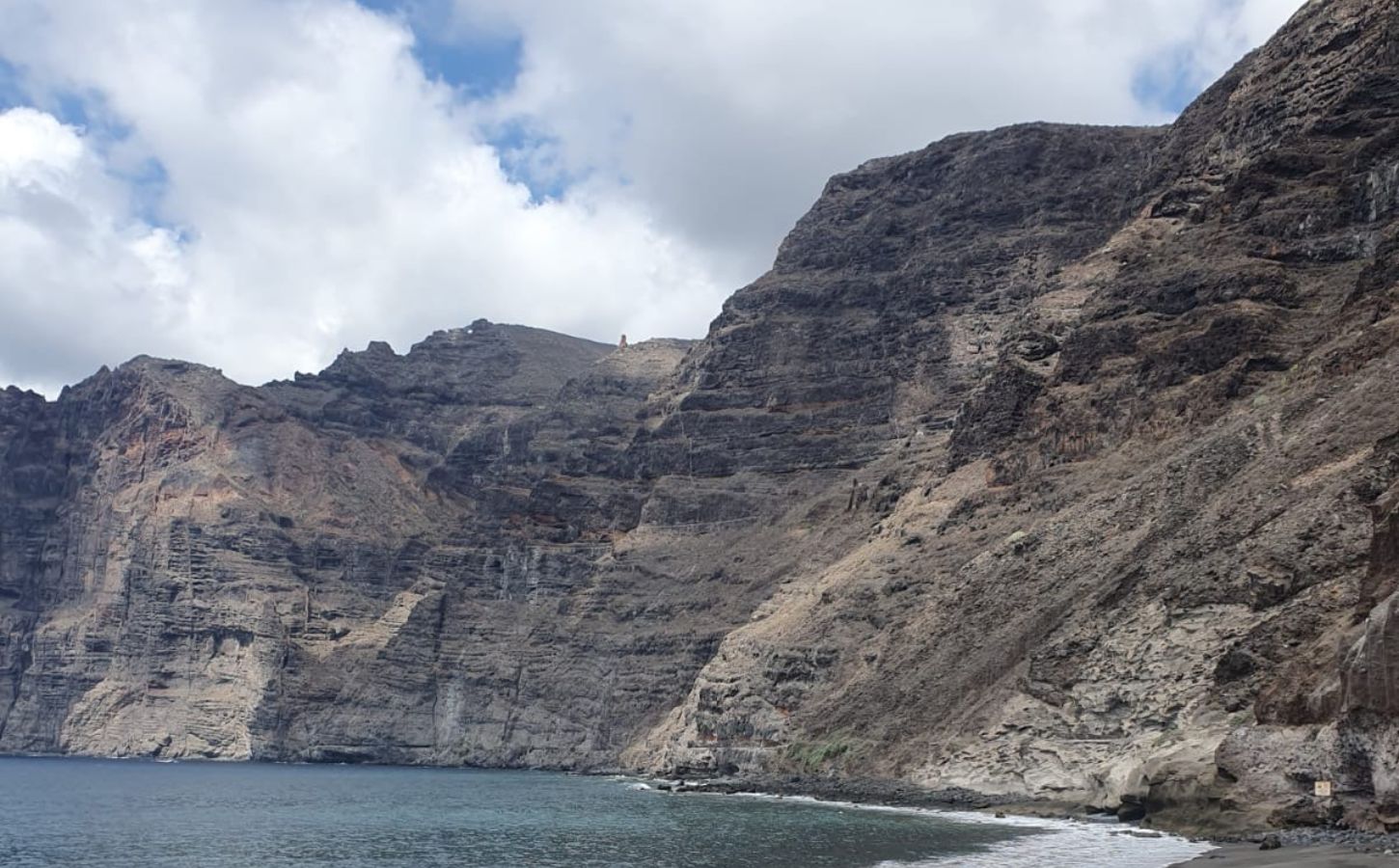
Finish your trip by exploring the south coast, stopping for swims at beaches ranging from developed to wonderfully wild. You’ll have plenty to choose from, but I especially recommend continuing as far as the cliffs of Los Gigantes. I found them truly impressive. With a little extra time, you can also take a whale- and dolphin-watching trip from Los Gigantes harbor. I did, and it was unforgettable: spotted dolphins came within inches of us, while pilot whales surfaced just a few yards from the sailboat.
It’s a busy schedule, but it’s entirely manageable. You’ll get a mix of cities, nature, volcanic scenery, and ocean views. Of course, you can always adjust the plan if you’d prefer more time to relax.
5 Days in Tenerife: A Mix of North and South
With five days in Tenerife, you’ll have time to explore more of the island’s variety and see more of what it has to offer. For the first two days, I’d keep the following plan:
Day 1: La Laguna + Santa Cruz + Las Teresitas
Day 2: Teide National Park
For the rest, here’s what I recommend:
Day 3: Anaga + wild beaches in the northeast
Anaga Rural Park is a fantastic place to hike through lush forest and dramatic mountain scenery. It feels almost like another world compared with the rest of Tenerife. Afterward, continue toward the wild beaches in the northeast, which perfectly match the region’s rugged character. Benijo Beach is the one that particularly comes to mind. Unfortunately, I couldn’t visit because access may be restricted when there is a risk of falling rocks.
Day 4: Los Gigantes + boat trip
I recommend spending the day in Los Gigantes. Start with a boat trip to look for whales and dolphins—it was one of my favorite experiences in Tenerife. A morning departure is often a good choice, though sea conditions can vary throughout the day. Once you’re back, have lunch at a local restaurant and relax on the black-sand Playa de los Guíos, facing the enormous cliffs.
Day 5: South coast + beaches and relaxation
Before leaving, slow down and explore southern beaches such as Playa del Duque, El Médano, and Playa de las Américas. The south is generally the sunniest part of Tenerife, so make the most of the chance to swim and relax by the water. Always check the beach flag before going in. You can also walk along the seafront promenades or try activities such as paddleboarding and surfing.
This itinerary gives you a broad overview of the island while still leaving time to recharge—a very welcome balance.
One Week in Tenerife: A Tour of the Must-See Sights
A full week is an ideal amount of time for discovering Tenerife. In seven days, you can explore both the north and south and see many of the island’s highlights without feeling too rushed. For the first five days, I’d follow this plan:
Day 1: Santa Cruz + La Laguna
Day 2: Anaga Rural Park
Day 3: Teide and its volcanic landscapes
Day 4: Los Gigantes + boat trip
Day 5: South coast + beaches
To round out the week, here are two experiences I particularly loved:
Day 6: Puerto de la Cruz + natural pools in the north
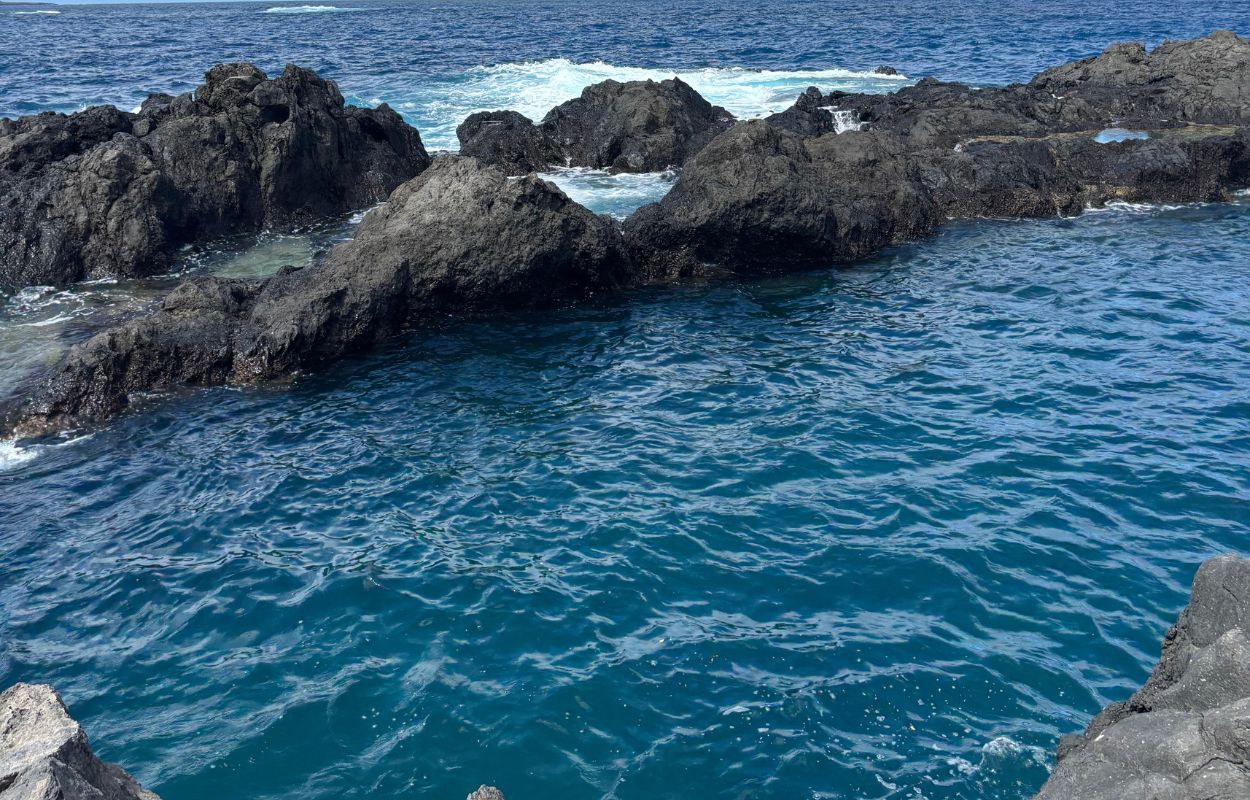
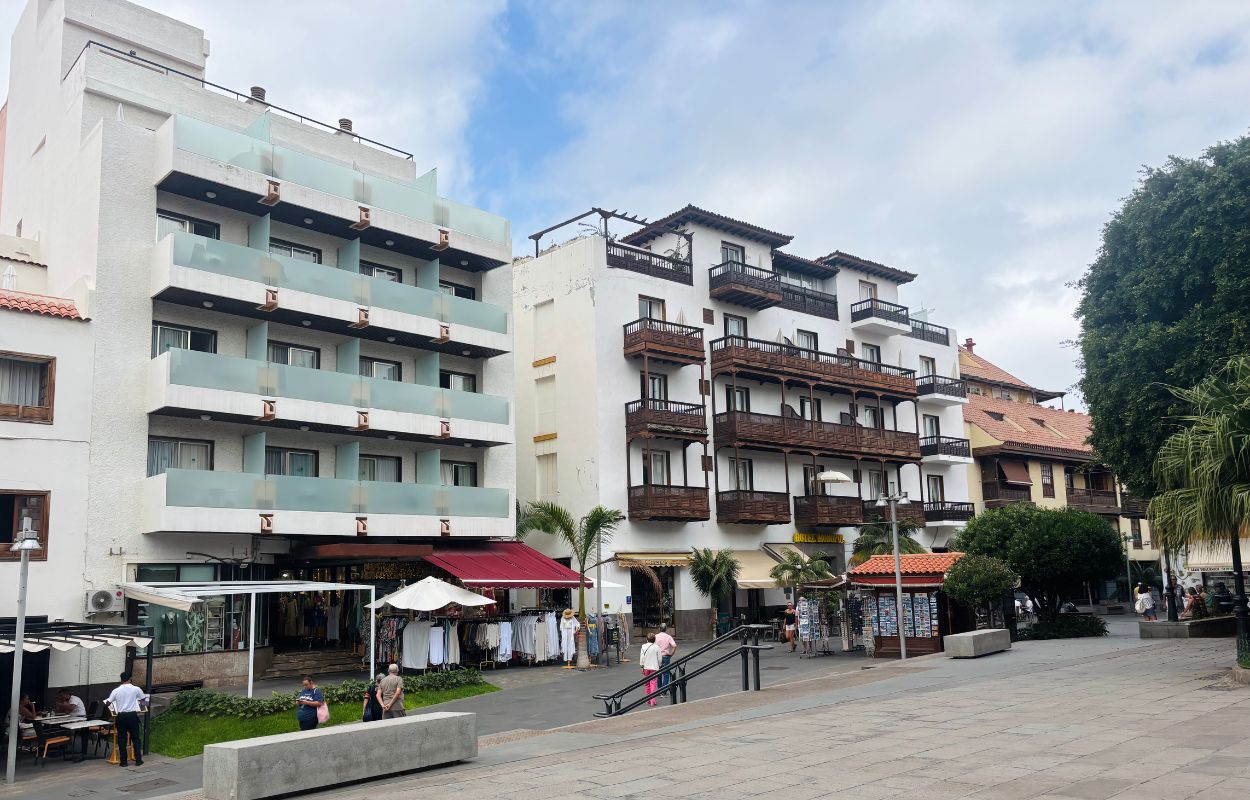
As I mentioned earlier, the north is greener and generally less developed than the island’s main southern resort areas. Puerto de la Cruz is one of the most tourist-oriented towns in this part of Tenerife, yet it still has a relaxed, local feel. Nearby, the small town of Garachico is known for its natural pools. They are thoughtfully laid out and pleasant to explore. With a little luck, the pool farthest from the entrance may be much quieter, making it easier to enjoy the setting.
Day 7: Masca or a hike
For your final day, choose according to your mood and energy level.
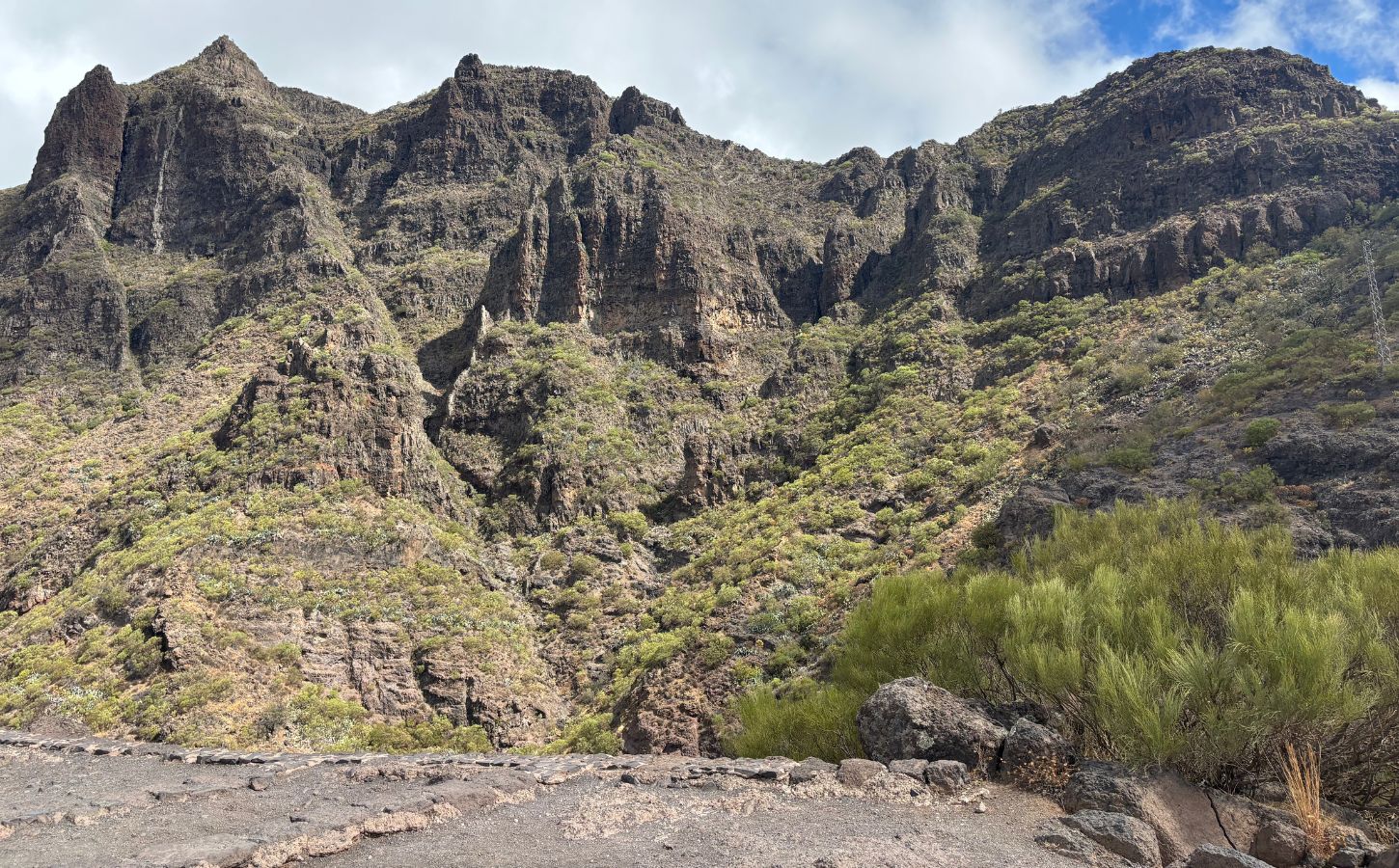
- First option: visit Masca, one of the island’s most beautiful villages, tucked deep into the mountains. Be aware that the roads are narrow and winding and can be busy, so you need to feel comfortable driving in those conditions. Masca is also served by public buses, which can be a useful alternative. You can also stop at a viewpoint overlooking the village, with clear views of the ocean and the surrounding mountain ridges.
- Second option: go for a hike around Masca or in Teide National Park.
- Third option: spend the day at Siam Park, the island’s best-known water park and one of the most popular in the Canary Islands.
- Fourth option: simply go with the flow and enjoy a slower, more spontaneous day—vacations are for that too.
In short, this is still a fairly full itinerary because the sights are spread across the island, but it is manageable and includes a few slower moments. I’m pretty sure you’ll love it.
Tenerife in 10 Days: Sightseeing and Relaxation
If you’re spending 10 days in Tenerife, even better. I recommend following the seven-day itinerary above, then using one of your remaining days for Loro Parque. This well-known animal park has received strong visitor ratings and has repeatedly ranked highly in travel awards. I’m not usually especially drawn to zoos, but this one was a pleasant surprise.
Next, choose a fun activity that suits your interests. Snorkeling and scuba diving are both great options, thanks to the rich marine life around Tenerife. If you’d rather stay out of the water, a quad excursion offers a more adrenaline-filled alternative. Use the final day however you like; after such a full itinerary, you may be happiest leaving it free for pure relaxation.
What Is the Ideal Length of Stay in Tenerife?
We’re often asked how many days you need for a trip to Tenerife. The answer depends on your pace and what you want from the trip. In my view, seven days or more is ideal for getting to know the island properly. That gives you enough time to experience very different places within relatively short distances, moving from a colorful village to a wild beach, for example—and that’s only one of many possible contrasts.
I’ll admit I’m not entirely objective when I recommend seven days or more, because I genuinely fell in love with Tenerife. Still, I think the extra time is worthwhile. A three- to five-day trip is perfectly possible, as the itineraries above show, so don’t rule out Tenerife if that’s all the time you have. Think of it as a first taste, with the option of returning later to see more. Ultimately, the longer you stay, the more you can discover without rushing. The choice is yours.
Tenerife Itineraries: Practical Tips
As always, it’s time for the practical side of planning a Tenerife itinerary. Below, you’ll find answers to the questions we’re asked most often.
Can You Visit Tenerife Without a Car?
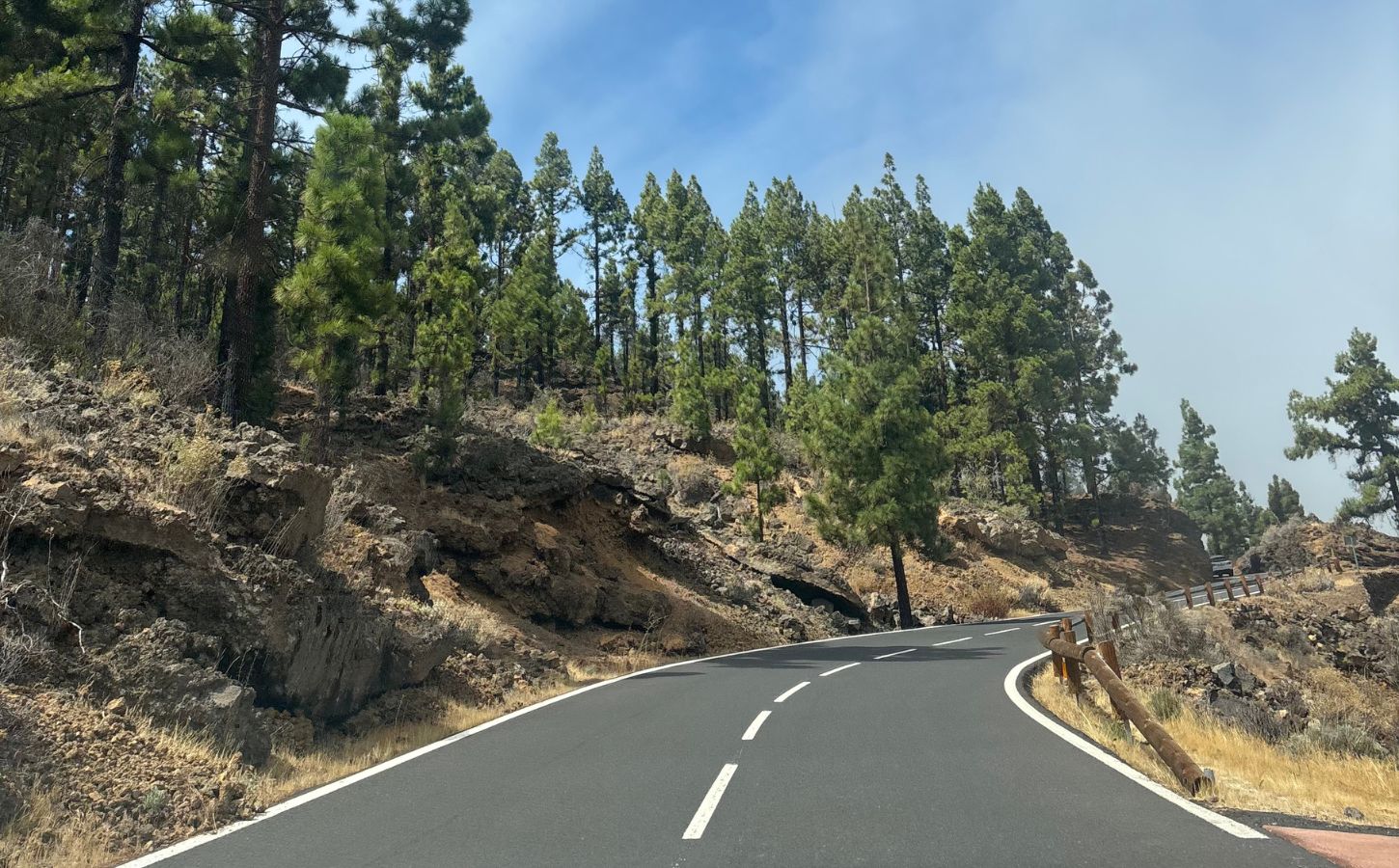
You don’t have to rent a car to visit Tenerife. However, some places are much harder to reach by public transportation, especially certain parts of Teide National Park. Masca is served by public bus, although schedules are limited and require planning. Despite the island’s well-developed transport network, accessibility varies considerably from one area to another.
If you stay in the north around Santa Cruz, La Laguna, or Puerto de la Cruz, or in a southern resort area such as Costa Adeje, you can rely on buses, the tram between Santa Cruz and La Laguna, and taxis or other available private transport services. In practical terms, staying in a well-connected town and adding a few organized excursions can work very well.
I rented a car through Discover Cars. It made it much easier to see everything on my list while keeping the freedom to take detours and stop whenever I wanted. It certainly simplified my trip, but as I mentioned, renting a car isn’t essential.
Traveling around Tenerife without a rental car simply requires more advance planning. Whether it works for you depends on the kind of trip you want and where you choose to stay, but it is certainly possible. For more details, read our guide to getting around Tenerife.
How Do You Get to Tenerife?
Tenerife is one of the easiest Canary Islands to reach. There are direct flights from a number of cities in France, Switzerland, Belgium, and elsewhere in Europe, operated by both low-cost and full-service airlines. Depending on your departure point, the flight generally takes around 3.5 to 4.5 hours. Fares vary by season and route, and booking earlier often gives you more choice.
The island has two airports. Most international leisure flights use Tenerife South, while Tenerife North mainly handles inter-island and mainland Spanish services, along with a smaller number of international routes. Travelers arriving from another Canary Island can also come by ferry.
Tenerife is well connected with the other main islands in the archipelago, including La Gomera, Gran Canaria, Fuerteventura, Lanzarote, El Hierro, and La Palma. In short, there are several convenient ways to reach the island, though prices naturally depend on your route and travel dates.
When Is the Best Time to Visit Tenerife?
Tenerife is a year-round destination. Its mild subtropical climate brings plenty of sunshine, with warmer conditions in summer and noticeable differences between the island’s regions and elevations. Depending on your travel style, however, some seasons may suit you better than others.
Here’s a quick summary:
- Winter (December to February): ideal for a sunny break when the weather is cold back home. Prices often rise around Christmas and other peak travel periods.
- Spring (March to May): a good compromise, with mild air temperatures and generally pleasant conditions for sightseeing and hiking.
- Summer (June to August): hotter, although coastal breezes can make the heat feel more manageable. This is also a busy period, so it may not be ideal if you’re looking for peace and quiet.
- Fall (September to November): my favorite period, with warm ocean temperatures and pleasant weather. Prices may be more moderate outside school vacations and other peak dates. Personally, I find it hard to beat.
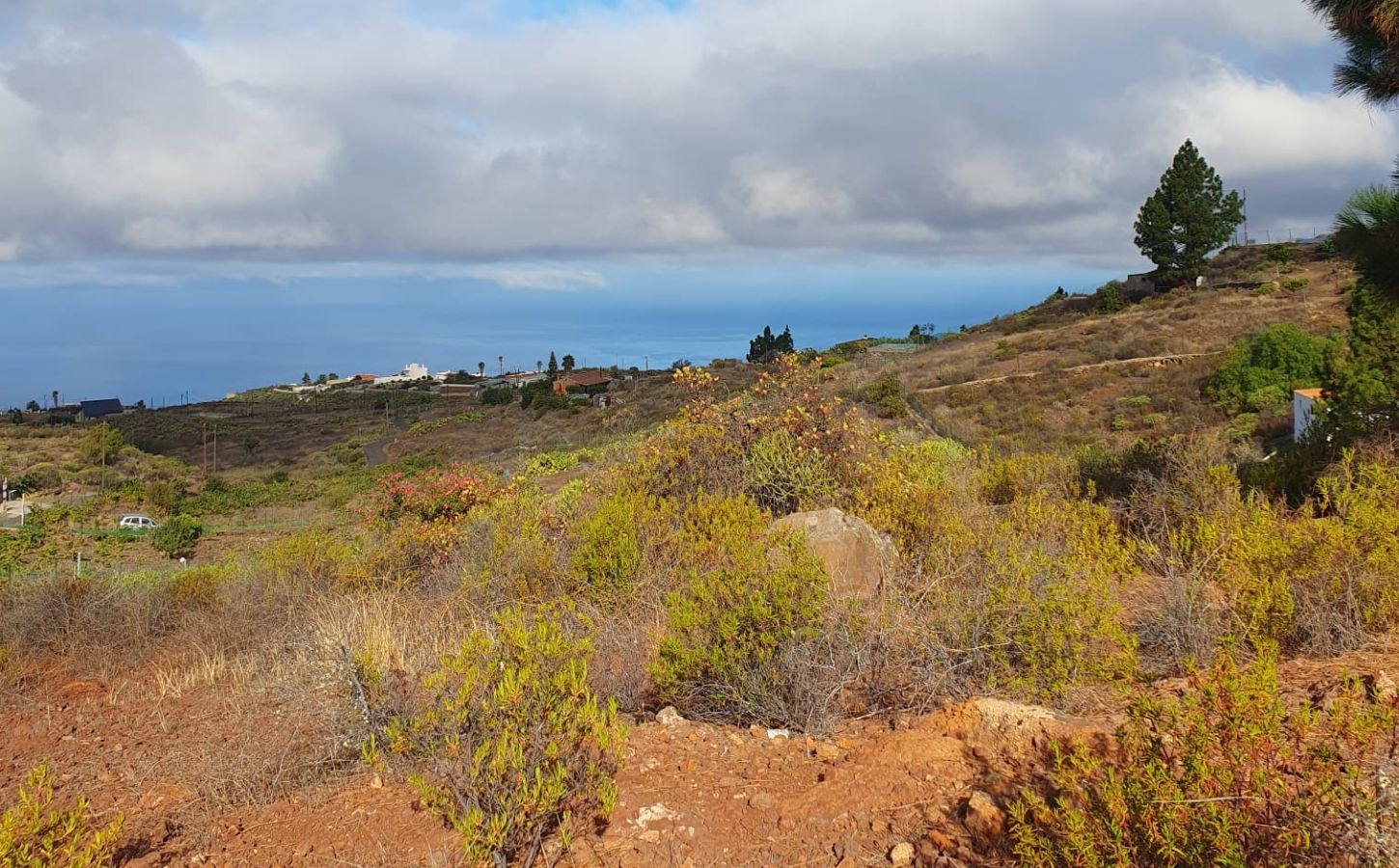
There really is no single bad time to visit Tenerife. The best period for you will depend on your preferences, planned activities, and budget.
Where Should You Eat in Tenerife?
If good food is part of your travel plans, Tenerife has plenty to offer. Look for local restaurants in coastal towns and fishing villages such as Los Abrigos and El Médano, where you’ll find some excellent fresh-fish options. You can also try Canarian specialties such as papas arrugadas served with red and green mojo sauces. Spanish classics, including tapas and paella, are widely available too.
The south has a larger concentration of upscale restaurants, particularly in resort areas, so prices can be higher than in many parts of the north. In La Laguna, La Orotava, Garachico, and Santa Cruz, you’ll also find excellent, more affordable places, sometimes in lovely settings.
In short, whether you prefer local cooking, fresh fish, tapas, contemporary restaurants, or small seaside cafés, Tenerife offers plenty of variety. Venturing just beyond the most tourist-heavy areas often leads to some great discoveries. There is something for almost every taste and budget, although prices vary widely by location and type of restaurant.
Where Should You Stay in Tenerife?
Tenerife offers a wide range of places to stay. Here are a few options we particularly recommend, organized by budget:
Higher budget
Hard Rock Hotel Tenerife: a large seaside resort in Costa Adeje with spacious facilities, swimming pools, several dining options, and a wide range of services.
Mid-range budget
Ona Palm Beach: a relaxed, welcoming aparthotel just steps from the beach, with attractive views, two pools, and the practical comforts needed for a stay in Playa de las Américas.
Budget-friendly
Hotel Adonis Capital: a small, straightforward, and comfortable hotel in the heart of Santa Cruz, ideal for a city stay. The rooms are clean, and the central location makes it easy to explore on foot.
For more accommodation ideas, read our guide to where to stay in Tenerife.
That’s everything from us on Tenerife itineraries! I hope this guide has given you useful ideas and made planning your trip a little easier. Perhaps it has even convinced you to stay on the island a little longer.
To help with the rest of your planning, we’ve also put together a guide to budgeting for a trip to Tenerife.
See you soon for more Tenerife travel tips,

Written by Laura CALLES
Thanks to Mélanie and Sylvain, I had the chance to discover the Canary Islands, specifically Tenerife and Lanzarote, so that I could share these island paradises with you. Two real favorites of mine!
Despite our vigilance, an error may have crept into this article. If you spot one, please don't hesitate to let us know so that we can correct it immediately and keep our information up to date!