The archipelago has two official languages: Maltese and English. Maltese has Semitic roots and has also been influenced by Italian and English. It is widely used in everyday life, while English is also common in government, shops, and restaurants, making communication easy. Thanks to Malta’s location and media ties, many locals also understand Italian, and some speak French as well.
Traveling to Malta is straightforward. EU citizens can enter with a valid national ID card or passport. No visa is required for short stays. Travelers from Quebec should check the official government travel advice for the latest entry requirements.
Direct flights from France usually take around 2.5 to 3 hours, depending on the departure city. Malta has a single airport near Valletta (Luqa) with direct connections from cities including Paris, Marseille, Lyon, Toulouse, Brussels, and Geneva, depending on the season.
- From France, several airlines offer direct flights, including Ryanair, Transavia, and KM Malta Airlines, depending on the route and season.
- From Belgium and Switzerland, you can find direct flights as well as options with a short layover.
- From Quebec, at least one layover is usually required, often through a major European hub, and total travel time varies considerably.
Travel tip: once your dates are set, book your tickets, as prices vary considerably by season. Check flight‑comparison sites like Skyscanner for deals.
As mentioned, the archipelago includes other islands such as Gozo and Comino. They are close to Malta and generally easy to reach. To get to Gozo from Malta you have two options:
- The ferry: it is the simplest and most common option. Depending on where you’re staying, you can board at Ċirkewwa (north Malta) or Valletta and arrive at Mġarr on Gozo. Gozo lies north of Malta, so the crossing is shorter from Ċirkewwa (25 minutes) than from Valletta (45 minutes), though both are reasonable.
Another difference: the Ċirkewwa ferry carries foot passengers and vehicles, while the Valletta one is foot‑passenger only. If you take the Ċirkewwa ferry you don’t pay on the outward trip but on the return from Gozo to Malta. Fun fact: once, arriving at 3:15 p.m.—exact departure time—we planned to catch the next ferry, but staff waved us straight aboard with the car. In the rush we drove on without tickets, only to learn it’s normal: you pay on the way back. Instant peace of mind, haha.
- Water taxis: if you’d rather save time and dodge the crowds, private boat and water-taxi services can connect parts of Malta, including Sliema or Valletta, with Gozo. This can be convenient if you want more flexibility than a scheduled ferry.
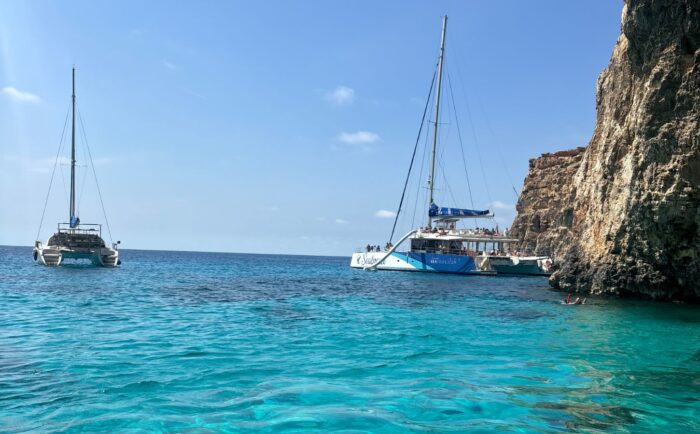
- Excursion: to combine transport and exploration, operators such as Manawa offer cruises and excursions lasting half a day or a full‑day, combining Gozo and Comino.
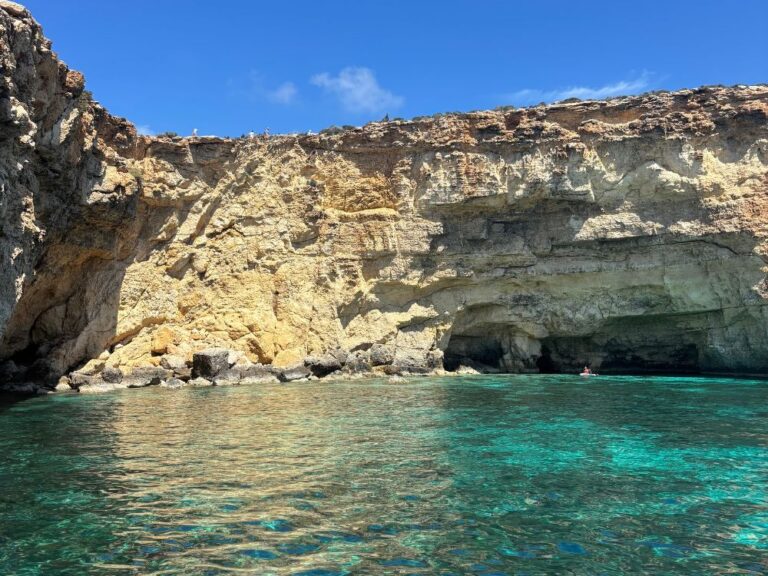
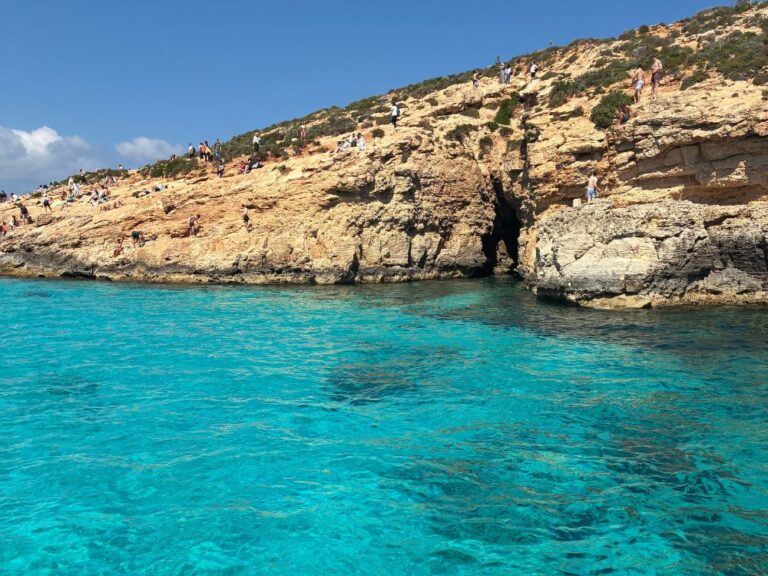
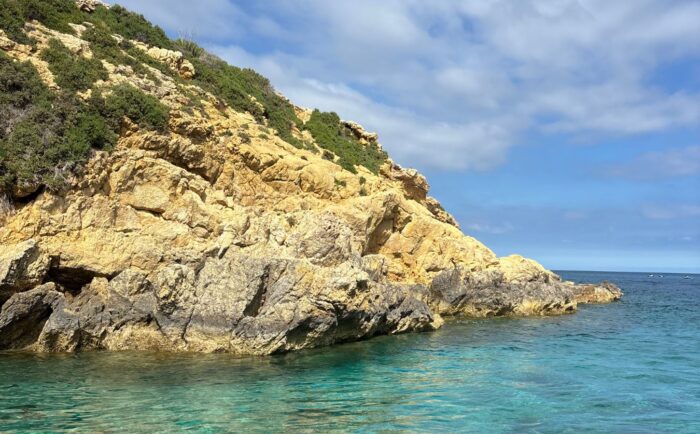
Expect swimming stops in coves such as the Blue Lagoon, along with snorkeling and time to relax.
Besides organized excursions, you can reach Comino by:
- Ferry from Malta: you can catch ferries at the very north of Malta, from Ċirkewwa or Marfa Bay. The crossing takes about 25 minutes and, in high season, boats leave every 45 minutes.
- Ferry from Gozo: if you’ve decided to spend a few days on Gozo, you can sail from Mġarr and reach Comino in just 15 minutes!
You might think Malta is an hour ahead of France, but that isn’t the case. There’s no time difference between Malta and France, Switzerland or Belgium. Malta and these countries switch between standard time and daylight saving time on the same dates. For travelers from Quebec, the time difference is usually six hours, although it can briefly be five hours during the weeks when European and North American clock changes do not line up.
Thanks to its Mediterranean climate, Malta can be visited year-round, with more than 300 sunny days in a typical year. Choose the season that best suits your plans:
- Spring (March–June): mild temperatures of around 20–25°C and fewer visitors than in summer. Perfect for sightseeing, hiking and beach time. It’s when I went—quiet, pleasant weather, zero regrets!
- Summer (July–September): hot and sunny—sometimes too hot. Temperatures can easily exceed 35°C and midday visits can be scorching. Malta also gets busy with festivals and holiday crowds; popular places such as the Blue Lagoon become crowded quickly. If you don’t mind people and you’re here to party, go for it!
- Fall (October–November): the biggest crowds have gone, temperatures remain mild, and the sea is often still warm. Like spring, ideal if you want peace and to dodge peak heat.
- Winter (November–February): daytime temperatures are often around 12–17°C—much milder than a typical winter in France, haha. There are fewer visitors, and flights can be cheaper. Great for bargains, with just a few showery days.
No specific vaccinations are generally required for travel to Malta. Make sure your routine vaccinations are up to date (diphtheria, tetanus, whooping cough, polio, etc.). Depending on your circumstances and medical advice, additional vaccinations such as hepatitis A may be recommended. Check current health guidance before traveling.
Malta can be relatively affordable compared with some other Mediterranean destinations. Of course, it depends on your travel style; here are some rough estimates:
Accommodation (per night)
- Hostel / budget hotel: 25 – 60 €
- Comfortable 3-star hotel or B&B: 40 – 120 €
- 4- or 5-star hotel: from 150 – 200 €
- Vacation rental: varies, usually around 30 – 100 €
Food
- Snack / quick meal: 7 – 10 €
- Main course in a restaurant: 12 – 18 €
- Three-course meal: 20 – 35 €
Transport
- Single bus ticket: €2 in winter or €2.50 in summer
- Car rental: 20 – 40 €/day in low season
- Malta–Gozo ferry: €4.65 round trip for a standard adult foot passenger (vehicles cost extra)
- Boat shuttle to Comino: 10 – 15 € return
Activities
- Museums / attractions: 5 – 10 €
- Full-day boat trip: 25 – 70 €
- Diving, kayaking, snorkeling: 30 – 60 €
- Catamaran day trip or private cruise: 60 – 100 € +
Note: Malta’s tap water is treated, but many visitors prefer bottled, filtered, or reverse-osmosis water because of the taste. Many hotels provide filtered-water dispensers, which I found very convenient.
Here’s a ballpark budget by trip length, with broad ranges covering budget to higher-end travel:
- 5 days in Malta : 500 € – 1 100 €
- 1 week in Malta : 700 € – 1 500 €
- 10 days in Malta : 1 000 € – 2 000 €
- 2 weeks in Malta : 1 400 € – 2 800 €
Because Malta is in the EU, you can use your European mobile plan under EU roaming rules, subject to your provider’s fair-use policy—check your plan before traveling. Coverage is generally good across Malta and Gozo, although it may be less consistent in remote parts of Comino.
You can also pick up local prepaid SIM cards for about 10 – 20 €.
One quirk: although Malta is in the EU, its plugs are British. Grab an adapter (or two) before you go, or buy one locally for less—I paid just 3 € at my hotel versus 12 € in France. I travel with a universal power strip, so I just dug that out, haha.
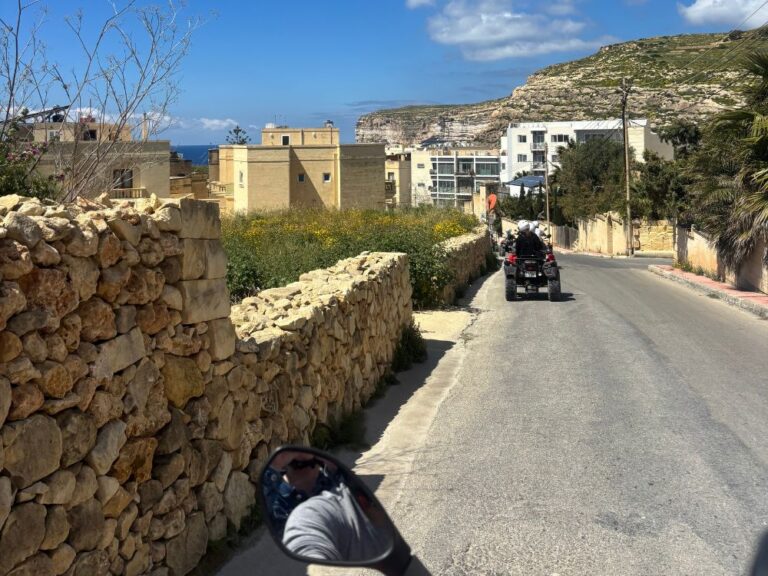
Like the plugs, driving follows the British system: cars drive on the left, most steering wheels are on the right, and roundabouts run clockwise. It feels upside‑down at first! Surprisingly, multi‑lane traffic is trickier than the roundabouts; we kept wanting to drive on the wrong side but soon adapted.
Maltese drivers have their own habits: indicators rarely used (or left blinking), STOP signs treated like give‑way… You’ve been warned, haha. The highest general speed limit is 80 km/h—sounds slow, but on narrow island roads it feels quicker, especially in traffic.
Tip: traveling between the north and Valletta, stick to the coastal eastern road—it’s the easiest, almost motorway‑style. Western and central roads are much narrower and winding; GPS may claim they’re faster but you’ll often end up stopping to let oncoming cars pass.
Parking rules depend on the markings and signs. White bays are generally available to the public, while yellow, green, and blue markings may indicate restrictions or reserved use, so always check the signs.
I rented through Discover Cars and found some good deals.
Malta is generally considered a safe destination. Just keep an eye on your belongings in tourist areas and on the beach, where petty theft and pickpocketing can occur, and use the same precautions you would elsewhere.
Step outside the towns and Malta still holds surprises. Birdwatchers can spot many migratory species, especially in spring and autumn. Keep your eyes peeled and you might glimpse chameleons—masters of disguise! In wilder spots you’ll likely see wild rabbits; we mostly encountered lizards with bright green backs.
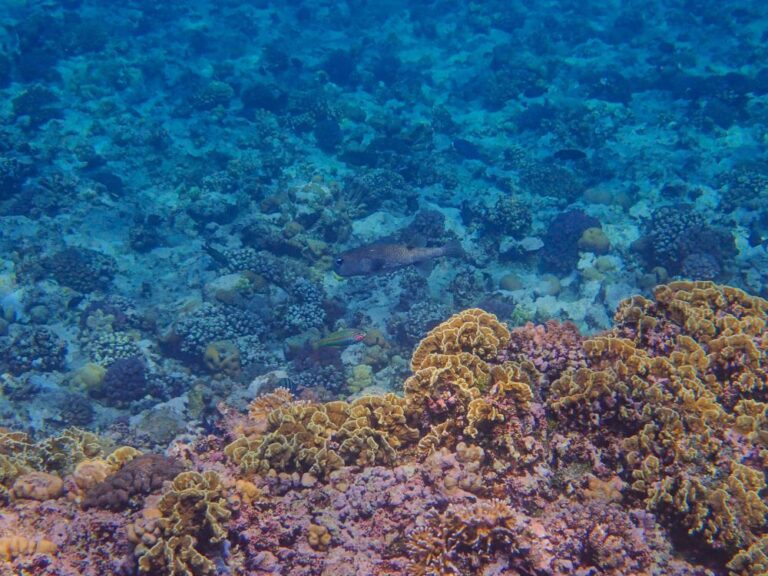
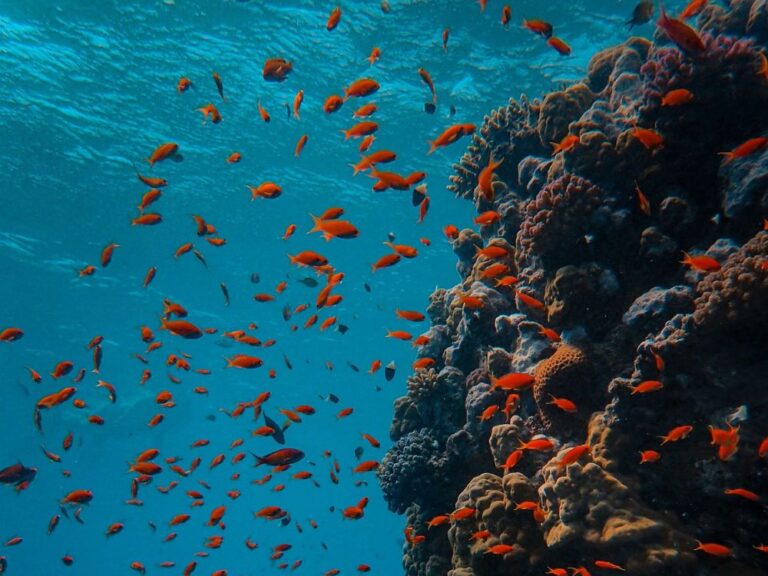
Underwater is another world entirely: with clear seas, snorkelers and divers often see colorful fish, moray eels, the odd ray and, with luck, dolphins.
As for plants, Malta’s dry climate (especially in summer) means arid landscapes with sparse vegetation. Spring brings wildflowers and herbs such as thyme, plus Mediterranean‑hardy trees like olives and prickly pears. Gozo is greener, with tomato fields and vineyards—a contrast to Malta.
Food lovers, take note: while Malta isn’t famous for haute cuisine, there are plenty of hearty dishes with Italian, British and other influences. Here are a few specialties to try:
- Fenek: Malta’s signature dish—rabbit stew slowly braised in red wine, garlic and herbs. Delicious!
- Bragioli: beef rolls stuffed and served in a spiced tomato sauce.
- Kapunata: Malta’s take on ratatouille with aubergine, tomatoes, peppers and capers.
- Pastizzi: flaky pastries filled with ricotta or mushy peas—perfect on the go.
- Ftira: local bread often packed with tuna, tomatoes, olives and capers. Think of it as a large, generously filled focaccia-style sandwich—great for picnics and very filling.
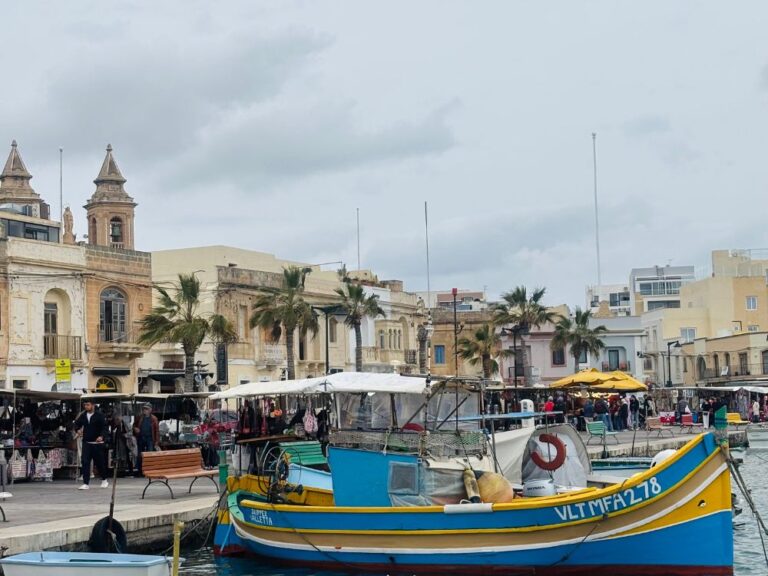
Seafood lovers will enjoy fresh fish in coastal eateries (especially Marsaxlokk). Prices depend on market rate—some places quote 7 € per 100 g, so costs add up fast.
Have a sweet tooth? Try these:
- Imqaret: small fried pastries stuffed with dates, usually served warm—so good!
- Maltese kannoli: akin to Sicilian cannoli, with a crisp shell and ricotta filling. Larger than their Sicilian cousins; flavors like pistachio, chocolate or coffee abound, but plain is fantastic too.
- Figolli: animal‑ or heart‑shaped biscuits traditionally baked for Easter.
There is plenty to suit different tastes. Note: Italian restaurants outnumber Maltese ones, and breakfasts often lean toward a full English. On Gozo, dishes are seasoned with coarse sea salt harvested locally at Marsalforn—it adds plenty of flavor, though it can be quite salty, haha.
You’ll quickly notice the importance of Catholicism here: Catholicism remains deeply rooted in Maltese culture, and the islands are home to hundreds of churches—huge for such a small archipelago. Religious symbols adorn terraces, facades and windows. Opening hours vary, and many churches are closed outside services or visiting hours, while Gozo can feel even more visibly devout. One Friday evening in Nadur, we found roads closed and locals smartly dressed en masse for the 6 p.m. service—quite the contrast to its usual calm. Summer brings festas, local religious festivals, with each village celebrating its own.
Despite strong Catholic roots, Malta remains open to other faiths, with Muslim, Orthodox, Protestant and Jewish communities.