One week in Guadeloupe: our recommended itinerary
Last update: 06/24/2026
Our blog continues to grow thanks to you, our readers. This post may contain affiliate links, which means we can earn a small commission if you make a purchase through them, at no extra cost to you. This helps us to continue to bring you more and support our work!
As I write these lines, it has been more than three and a half years since we left French Polynesia to settle in the Guadeloupe archipelago—and I have to say, we have absolutely no regrets. After eight years of blogging, we’re still sharing our best tips, favorite places, good deals, and discoveries with you. That said, living somewhere year-round is very different from vacationing there. It can therefore be difficult to write as much as we’d like about the islands of Guadeloupe, but we’re launching a series of articles dedicated to the archipelago. Today, I’m sharing the itinerary we recommend for one week in Guadeloupe. If you’re planning a vacation here, take a look at our article on how much a trip to Guadeloupe costs.
I’ll admit that I find these so-called “template itineraries” a little tricky to write. Travel is deeply personal, and everyone’s plans will vary according to their interests, budget, and priorities. So no, there is no single perfect itinerary for a one-week vacation in Guadeloupe. I’m writing from my own perspective, and other people would undoubtedly suggest very different ideas based on their own way of traveling. Still, if you’re reading this, you’re probably looking for an authentic account—the opinion of someone who has lived here for almost four years—and that is always more useful than simply copying a ready-made itinerary.
So here it is: my vision—or rather, the itinerary Mélanie and I would recommend—if you want to discover Guadeloupe but have only one week of vacation. Let’s be honest: even though Guadeloupe is only an eight-hour flight from France, one week here is far, far too short to explore the entire archipelago. You’ll only scratch the surface, but that gives you an excellent reason to return for a longer stay. We’ll follow this article with more traditional two-week and probably three-week itineraries for Guadeloupe. In the meantime, be sure to read our complete guide to things to do in Guadeloupe during your stay.
Our ideal one-week itinerary in Guadeloupe
Let’s get straight to it with a day-by-day plan: the itinerary we believe offers a great introduction to the beautiful islands of Guadeloupe.
Day 1: a road trip around Grande-Terre
Depending on when your flight lands, I’d recommend staying outside Pointe-à-Pitre, perhaps near Les Abymes or Morne-à-l’Eau, so you can get a head start on the Grande-Terre loop the following day. Guadeloupe may not look very large on a map, but don’t be fooled. There’s a reason some visitors spend three weeks or even a month here…
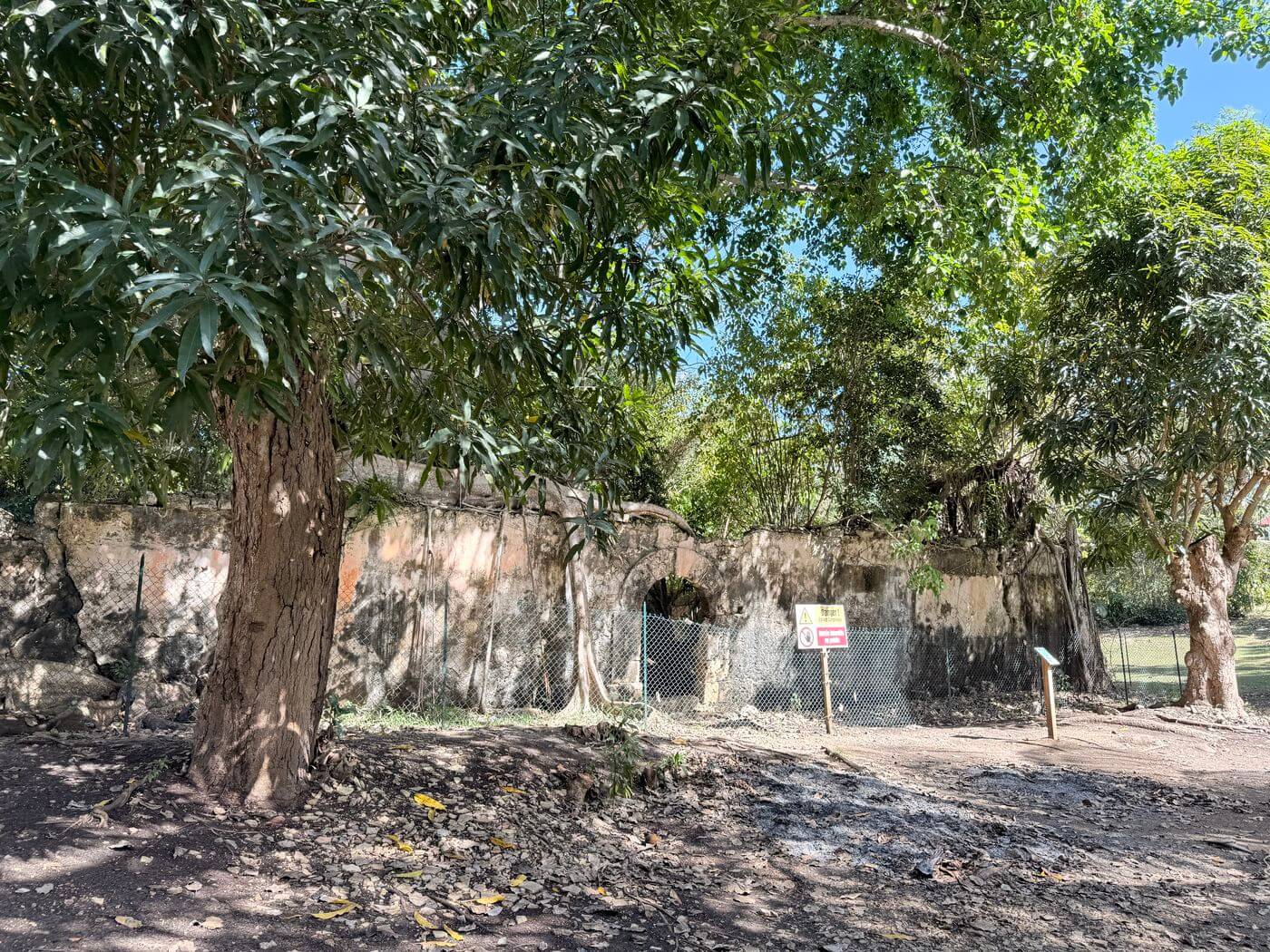
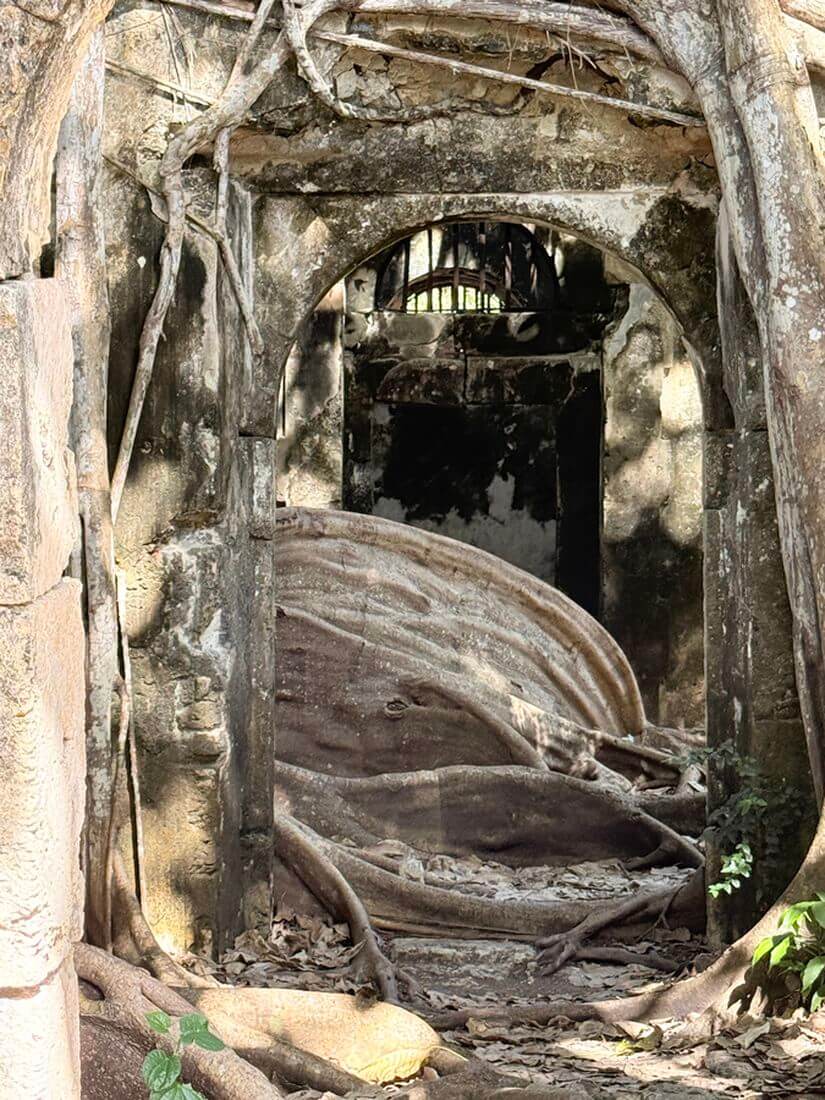
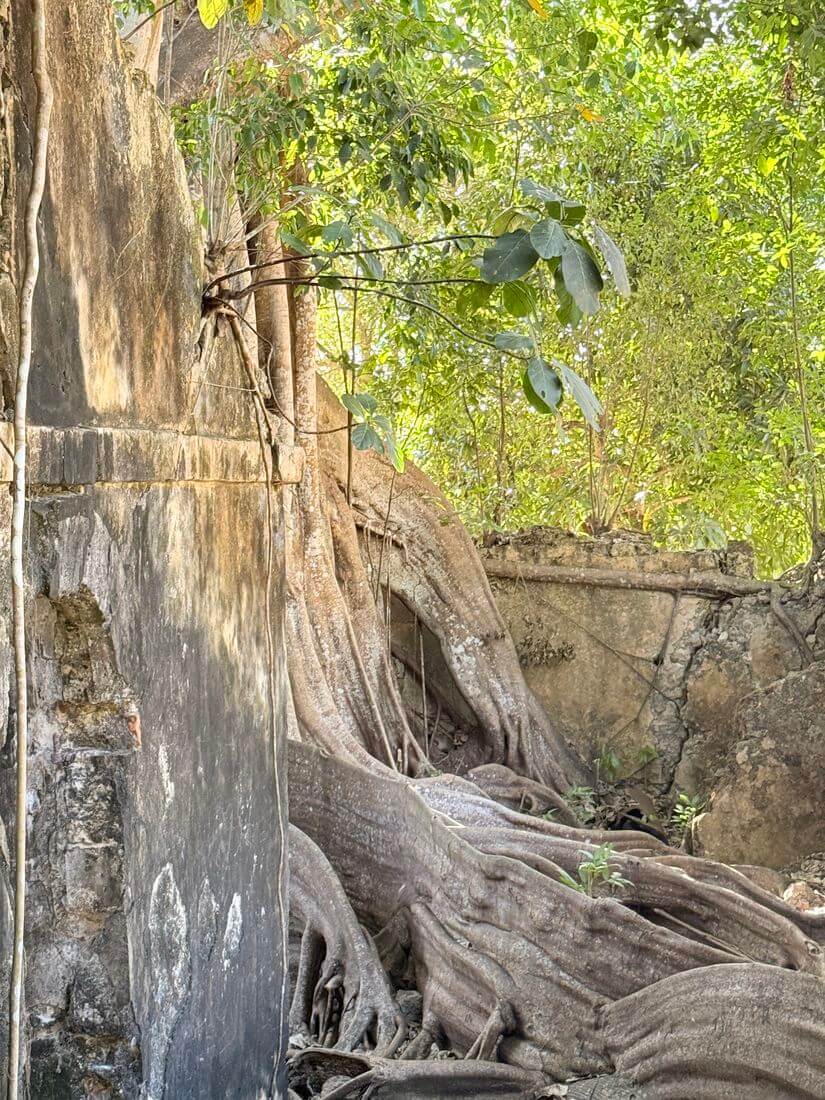
In the morning, head toward the town of Petit-Canal and make your first stop at the former slave prison. Unfortunately, the site has recently been fenced off, so you can no longer enter the old prison as you once could to see the magnificent trees that have quite literally taken over the ruins. For anyone familiar with the site, it resembles a miniature Angkor Wat in Cambodia.
Continue driving for another 15 to 20 minutes toward Port-Louis. The main reason to stop here is for a swim at Souffleur Beach. Try to avoid weekends and public holidays if possible, as the beach can become extremely crowded, which takes away from the experience. A useful tip: follow the beach road farther north to reach a much quieter area with carbets providing shade. The water is beautiful, the setting is lovely, and that first swim will remind you that you really are in the Caribbean. With clear weather, you may also enjoy a wonderful view toward northern Basse-Terre and the communes of Le Lamentin and Sainte-Rose.
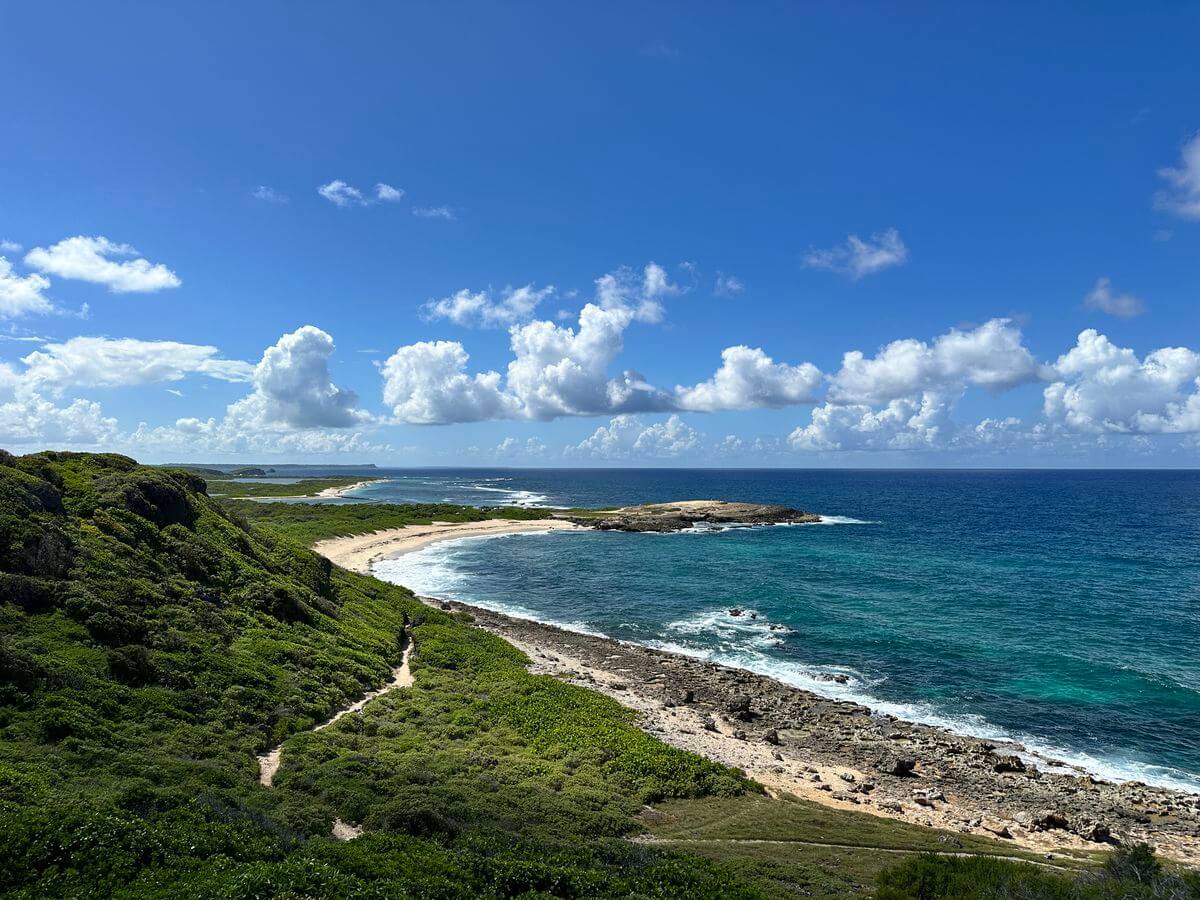
After this stop, drive for roughly 20 minutes to the northern tip of Grande-Terre, in the commune of Anse-Bertrand, to a place known as Pointe de la Grande Vigie. Parking is easy, and a short walking loop reveals sweeping views of the towering limestone cliffs pounded by Atlantic waves. It’s a genuinely enjoyable place to spend some time: the small trail around the point winds through vegetation that is fairly unusual on this side of the island and offers a beautiful perspective over northern Grande-Terre.
From the northernmost point of the island, simply continue south toward Le Moule. Along the way, you can stop several times for photos of the limestone cliffs and visit the famous Porte d’Enfer Beach, an impressive sight. Unfortunately, the cove has often been affected by sargassum in recent years—the seaweed that washes up seasonally along Guadeloupe’s eastern coast. Even so, the setting remains beautiful, with a small cove tucked between limestone cliffs. This is also the starting point for several enjoyable hikes along the rocky coastline, including the Customs Trail and the Trou du Souffleur. If you’re devoting only one day to northern Grande-Terre, however, you won’t have enough time for these fairly long and tiring hikes, especially since there is no shade in this area. Read my dedicated article if you have more time and would like to tackle the trail.
Depending on how long you spend at each stop—and whether you want a sit-down lunch—it will probably be lunchtime by now. There aren’t many options nearby, so the easiest choice is likely to stop in Le Moule. You could eat at one of the waterfront restaurants, perhaps near L’Autre Bord Beach, or pick up an excellent chicken from Au Bon Poulet and find a pleasant spot for a picnic.
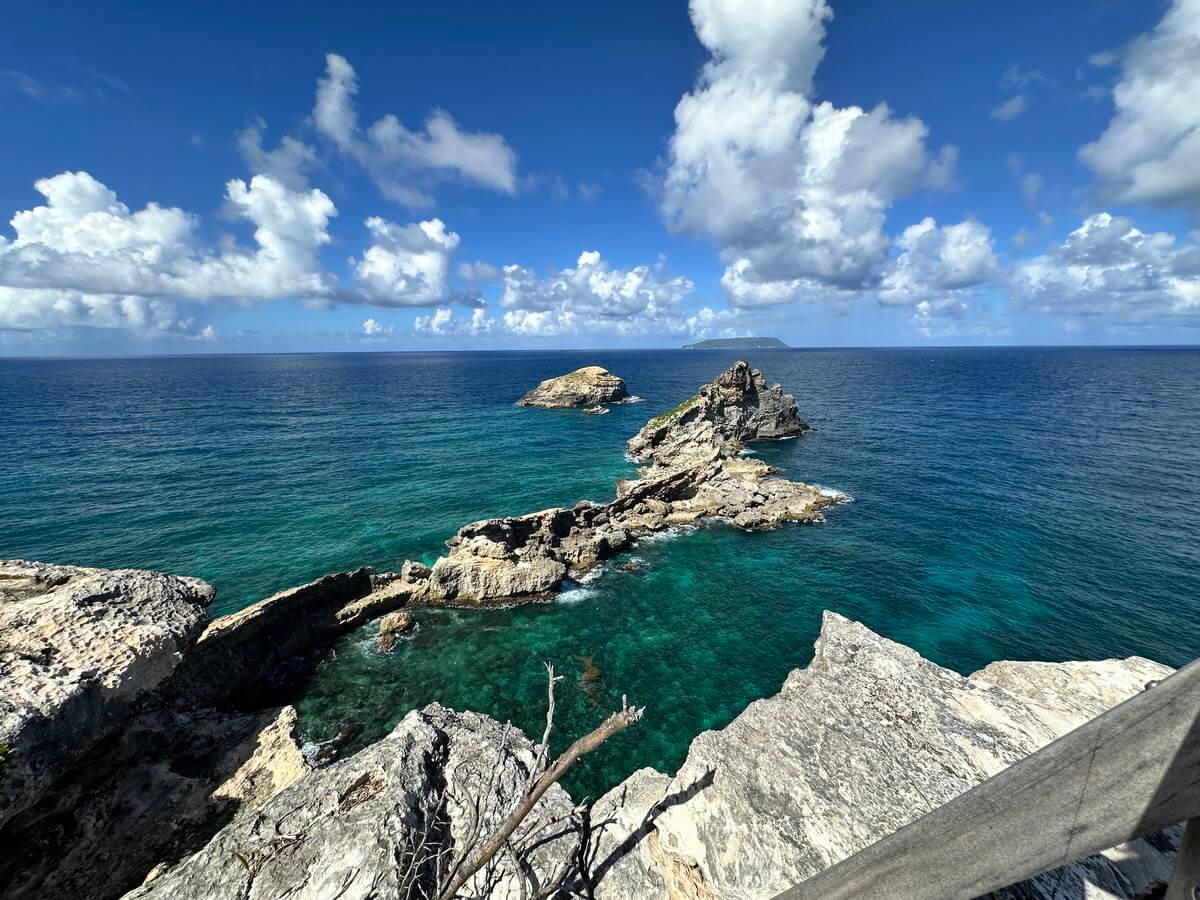
For the afternoon, stay in the same general area and head to Pointe des Châteaux, the eastern tip of Grande-Terre, in the commune of Saint-François. With only one week in Guadeloupe, you clearly won’t have much time to linger, but the article linked above provides an overview of the hikes available in the area. You can still allow a good hour to park in the free lot at Pointe des Châteaux and walk up to the famous cross visible ahead. In clear weather, the views toward both La Désirade and Marie-Galante are beautiful.
That will already make for a very full day, and you probably won’t manage much more. Depending on your preferences, I’d suggest staying near Saint-François or Le Gosier so you can spend the following day—or at least the morning—on Îlet du Gosier, in the commune of the same name.
Day 2: Îlet du Gosier
If you stayed on Grande-Terre, you can easily reach Îlet du Gosier by shuttle from the pier beside La Datcha Beach. I recommend arriving early so you can enjoy the beach before it becomes busy. The water is clear, and the sea is generally calm. The boat crossing to the islet takes around 5 to 10 minutes. This is an outing we regularly recommend to visitors and to relatives who come to see us in Guadeloupe. It’s an enjoyable and relatively inexpensive way to discover a little island escape.
The plan is simple: white-sand beaches, a little snorkeling with fins, mask, and snorkel, walks through the islet’s low vegetation, and plenty of time to enjoy the surroundings. My usual recommendation is to prepare a small picnic and cooler the day before and bring everything with you. The restaurant on the islet is nothing exceptional, can become crowded, and is not particularly cheap.
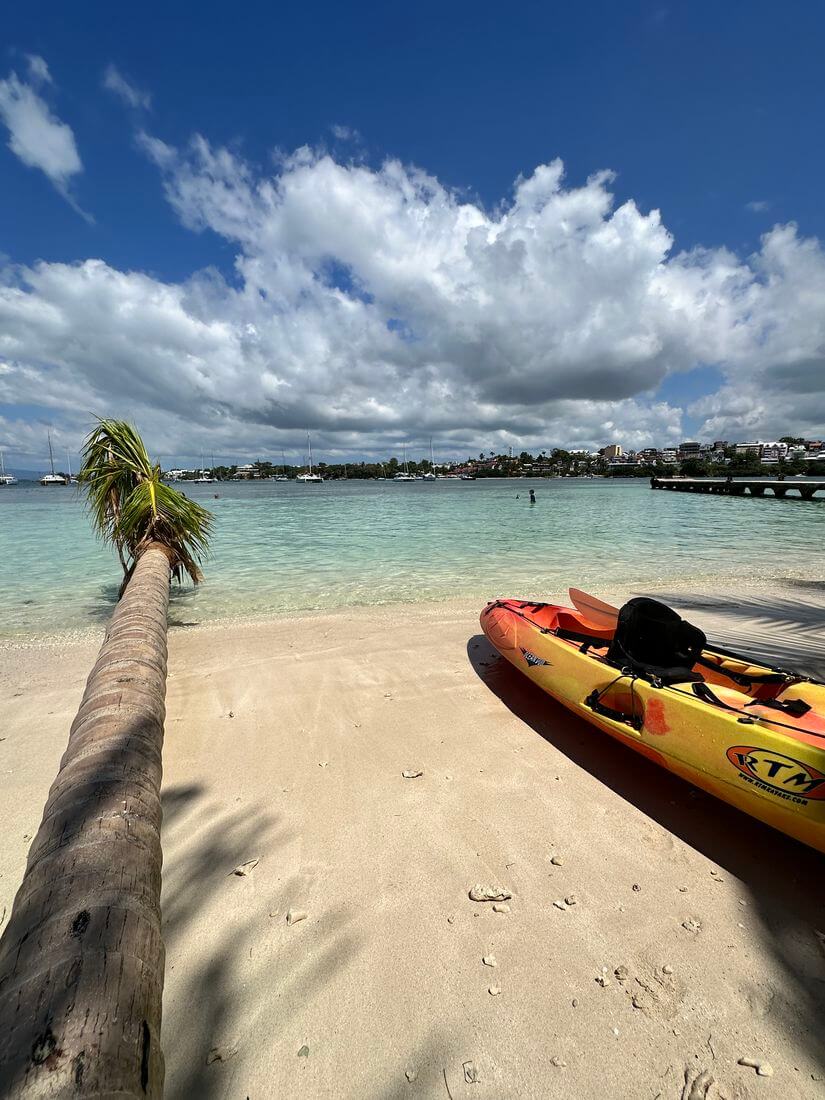
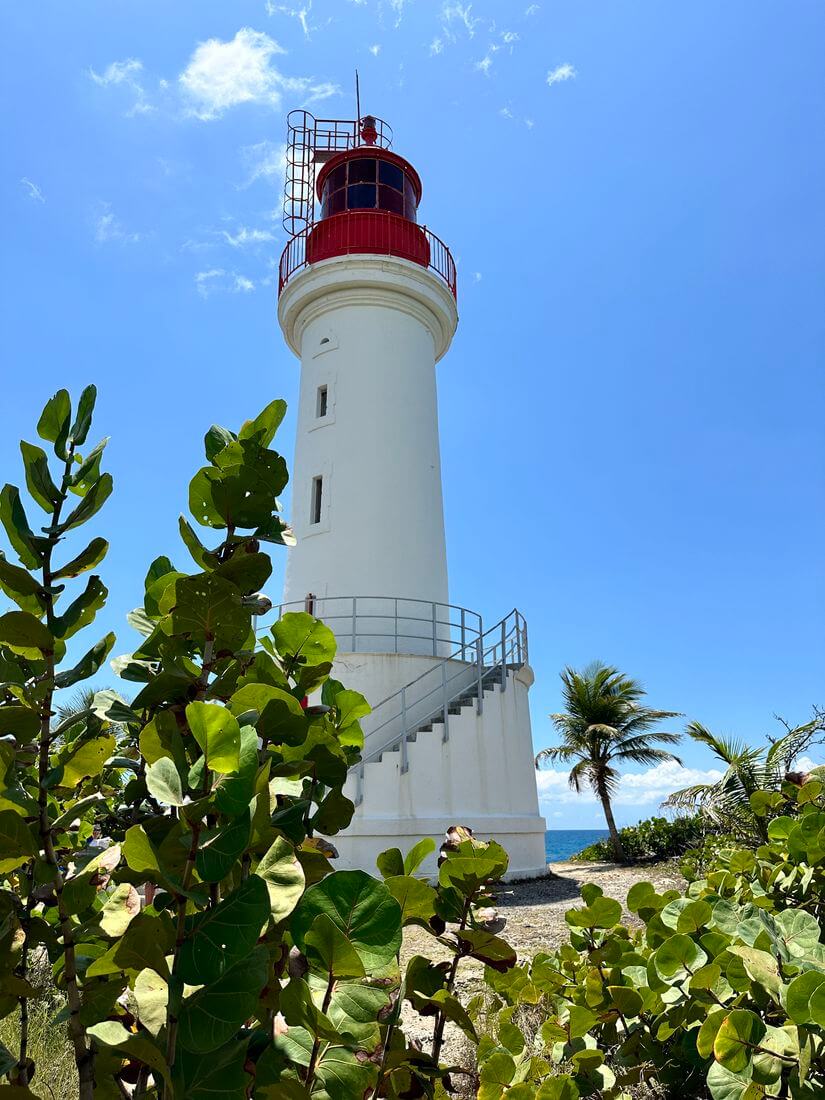
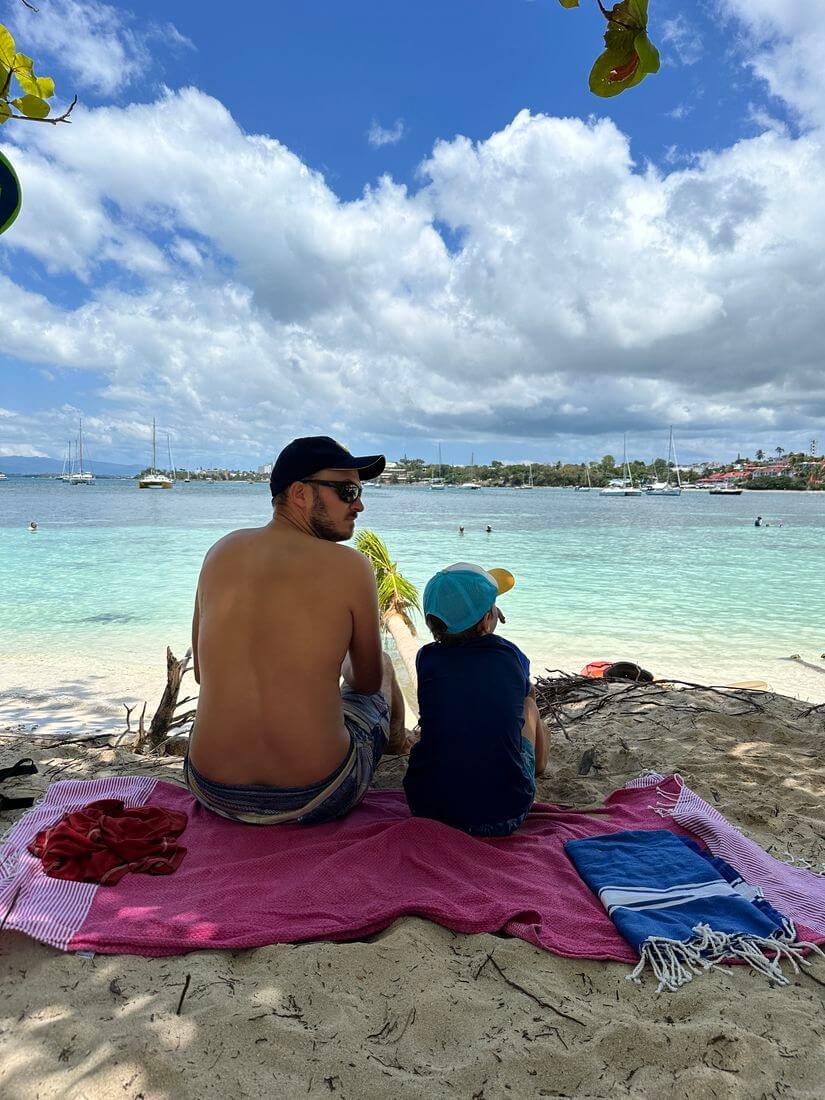
For a more active option, you can paddle or kayak from the beach to the islet. Our detailed article linked above explains all the possibilities. Either way, it has all the makings of a very good day.
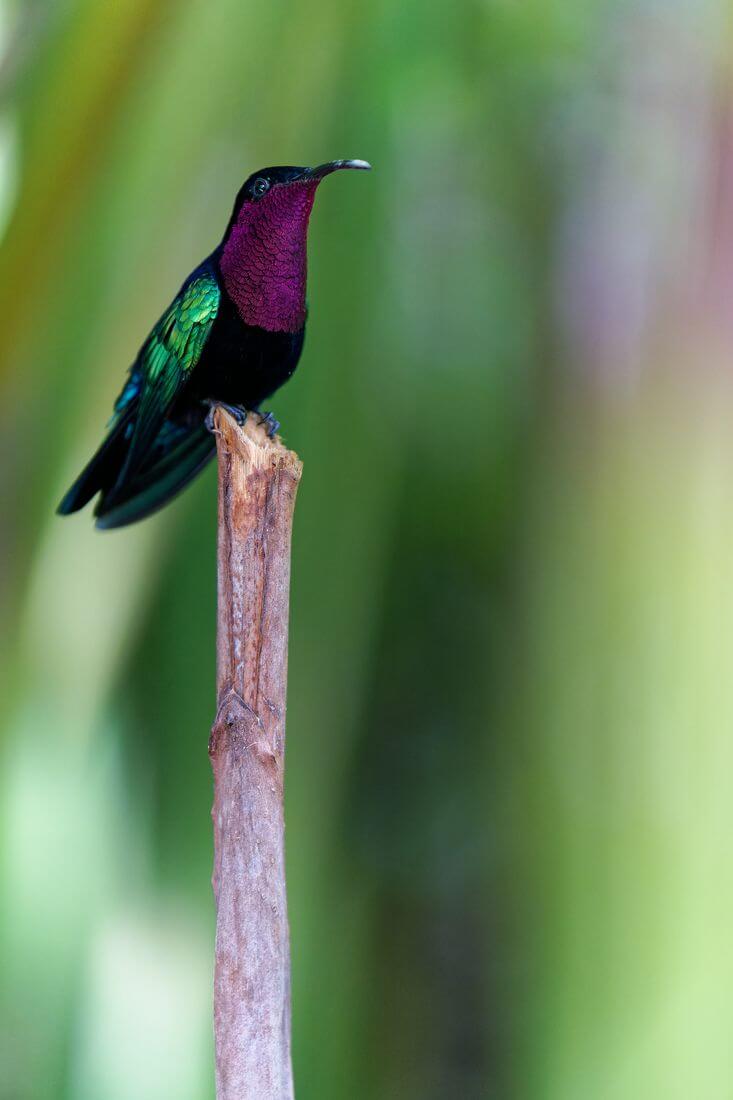
You don’t have to stay all day. Take the first morning shuttle to beat the crowds, spend the morning on the islet, and return around noon. You can then explore nearby beaches during the afternoon. Keep an eye out for iguanas as well, and take a look at our dedicated guide to Guadeloupe’s wildlife.
Day 3: the Route de la Traversée
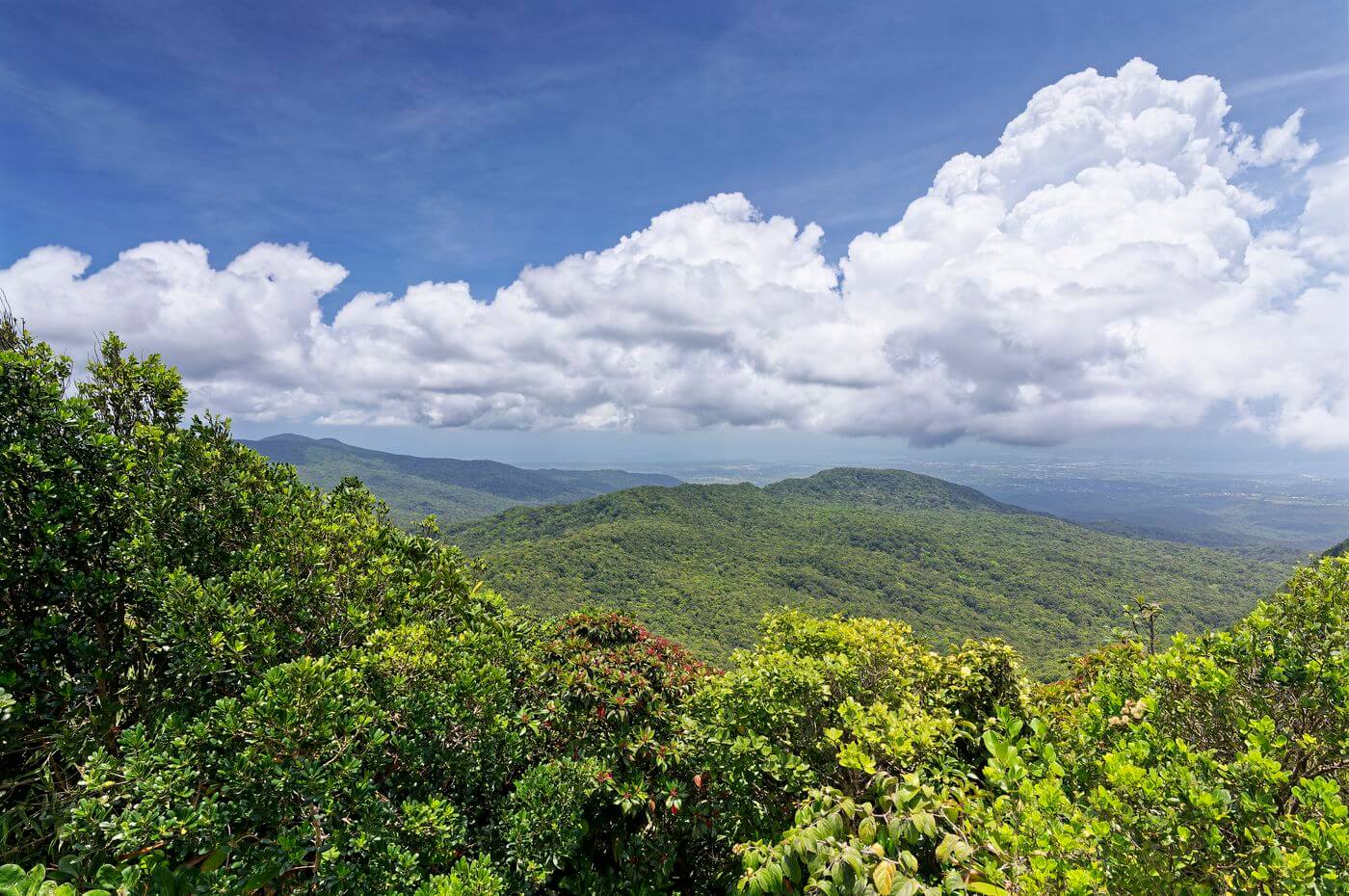
With so little time, I wouldn’t necessarily recommend spending another day on Grande-Terre. For a more logical route—and to avoid retracing your steps over and over—head toward the commune of Petit-Bourg and spend the day exploring the Route de la Traversée. This road crosses Basse-Terre from east to west, or west to east depending on where you begin, and offers a wonderful introduction to Guadeloupe’s lush tropical interior.
Once again, you’ll need to make choices. You cannot see and do everything, and in my opinion, that shouldn’t be the goal. The Route de la Traversée is best enjoyed for its rich green scenery.
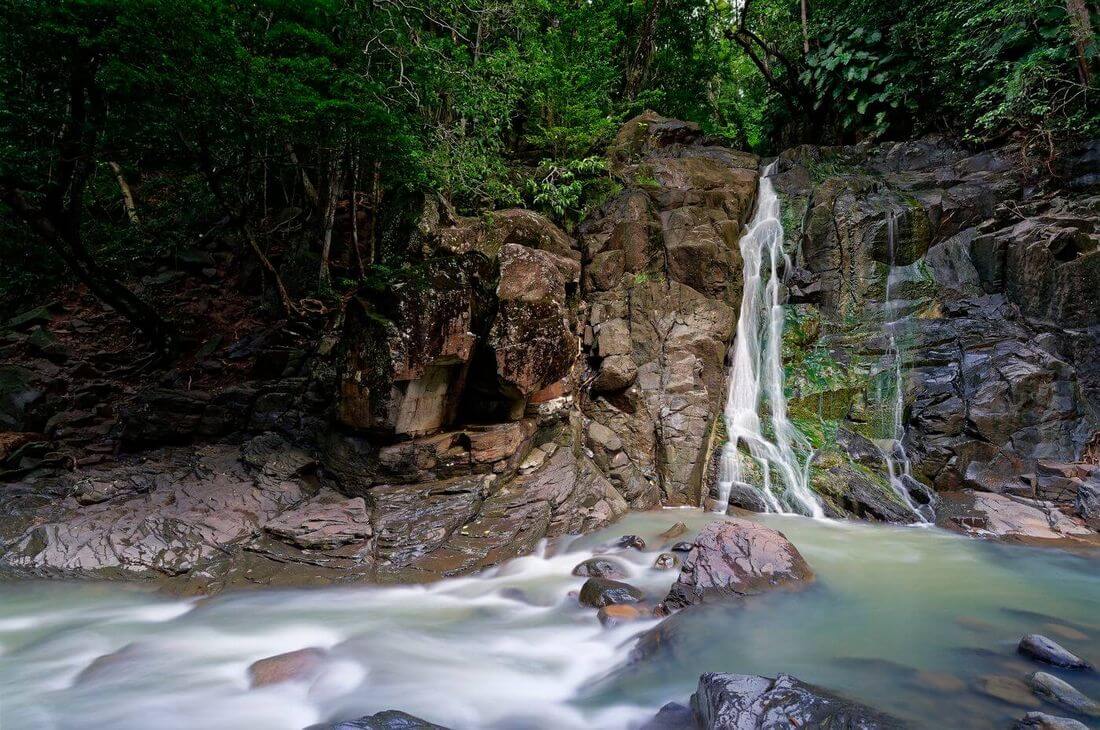
Like most first-time visitors, you may want to make a quick stop at the Cascade des Écrevisses. It is a pretty roadside waterfall reached by a short walk along a fully maintained path, but the crowds can easily detract from the setting. Unless you arrive very early, don’t expect to have it to yourself.
Next, stop at the Maison de la Forêt, roughly halfway along the route. Several short forest walks begin here, giving you an easy way to immerse yourself in nature. We hiked Mamelle Pigeon, an enjoyable and fairly easy trail that can even be done with children. Farther along, a sign points toward Bras-David, a small riverside area with carbets where we like to stop. Depending on your departure time, it may still be a little early for lunch, but otherwise it makes an ideal picnic spot.
After your walk, you’ll soon reach the leeward coast between Bouillante and Pointe-Noire. If you skipped the Cascade des Écrevisses, another option is the short walk to Saut d’Acomat. As our article explains, a somewhat slippery descent leads to a beautiful waterfall where you can swim at its base or slightly farther downstream. It’s also a good picnic spot, but take care on the slippery path.
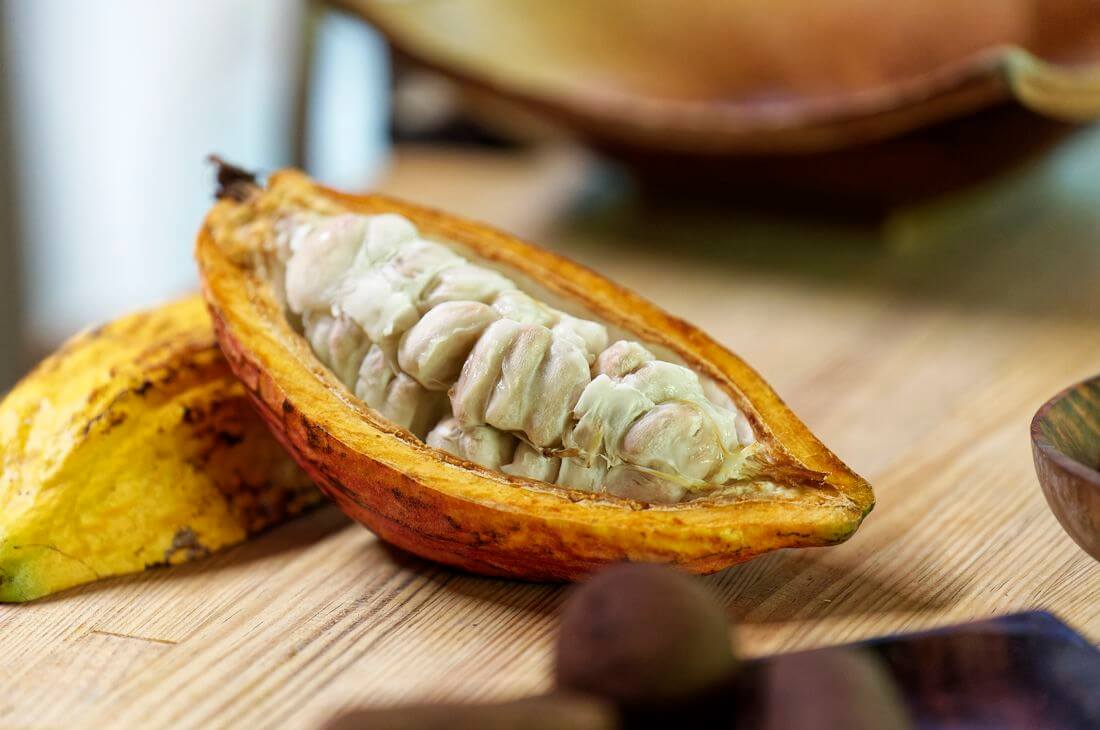
You could then visit the Maison du Cacao, an engaging place to learn about cacao cultivation and chocolate production. There is also a small, pleasant garden to explore, and I honestly consider it one of the area’s highlights. Advance booking is now strongly recommended, so reserve online before your visit to avoid being turned away. If you stopped at Saut d’Acomat, the Maison du Cacao is only about five minutes away.
End the day by watching the sunset from downtown Bouillante. You can also take a quick dip in the exceptionally warm water near the geothermal plant outlet, though, between us, it can become very crowded and the experience does not always feel particularly authentic…
Day 4: exploring northern Basse-Terre and Deshaies
For your fourth day, spend some time in the northern part of Basse-Terre. Begin in the village of Deshaies. It’s a charming little place that has admittedly become increasingly touristy, but it is still worth taking a short walk through the village.
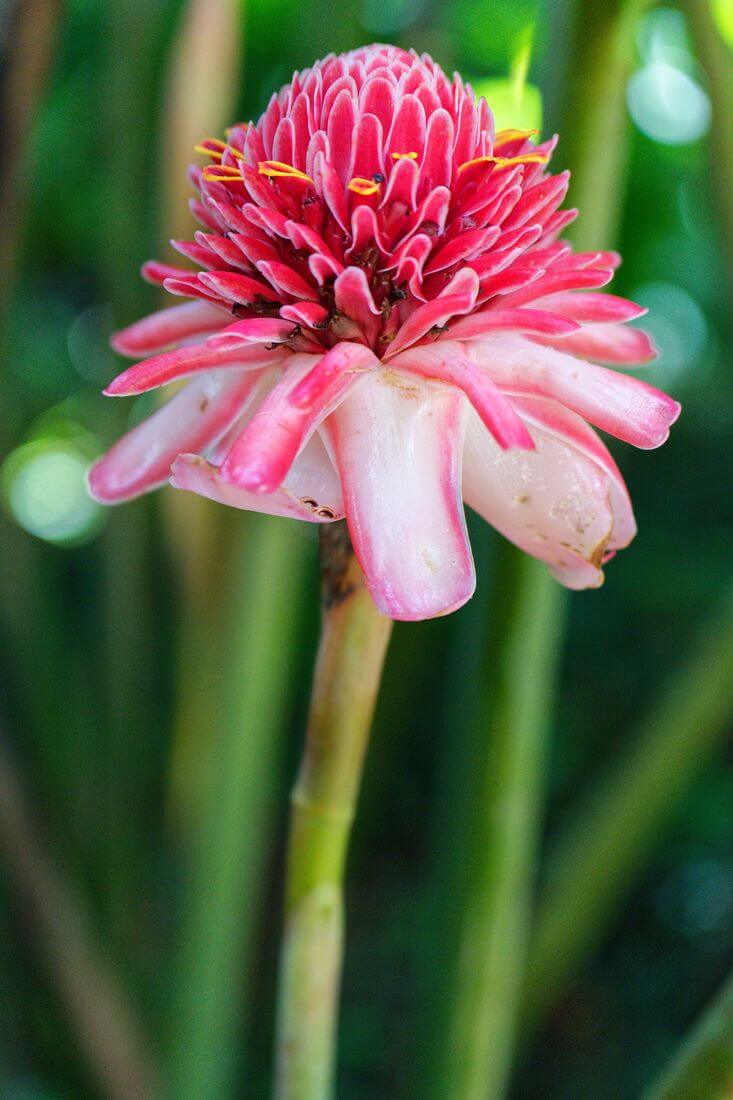
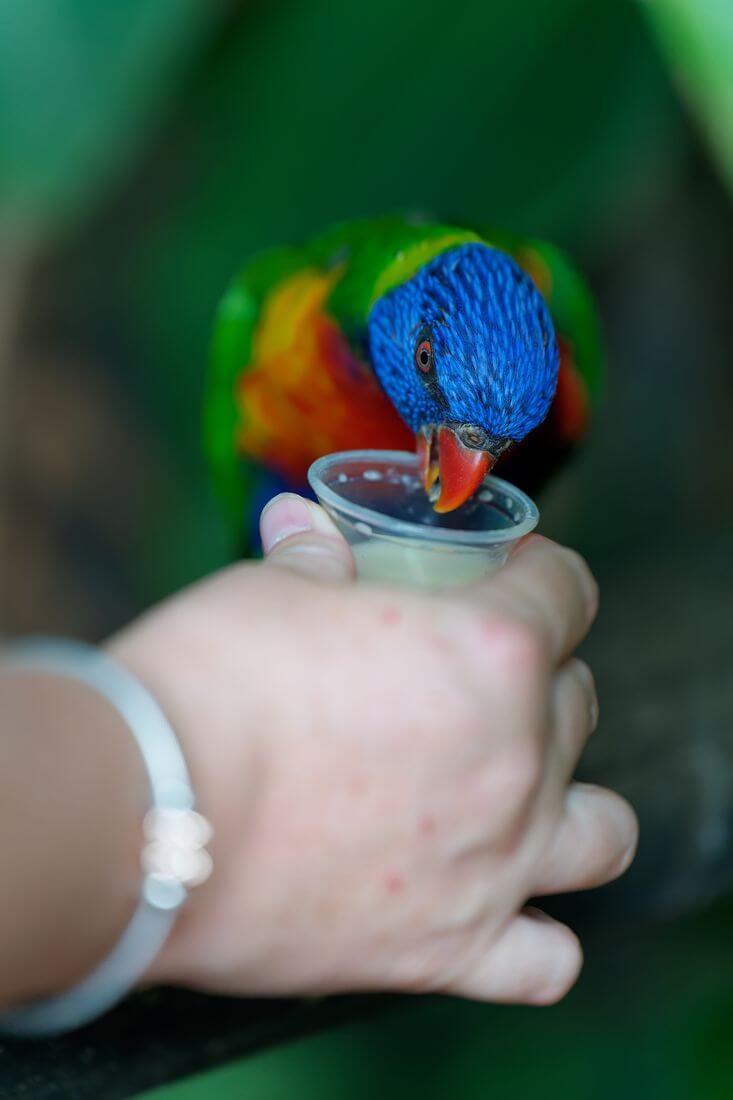
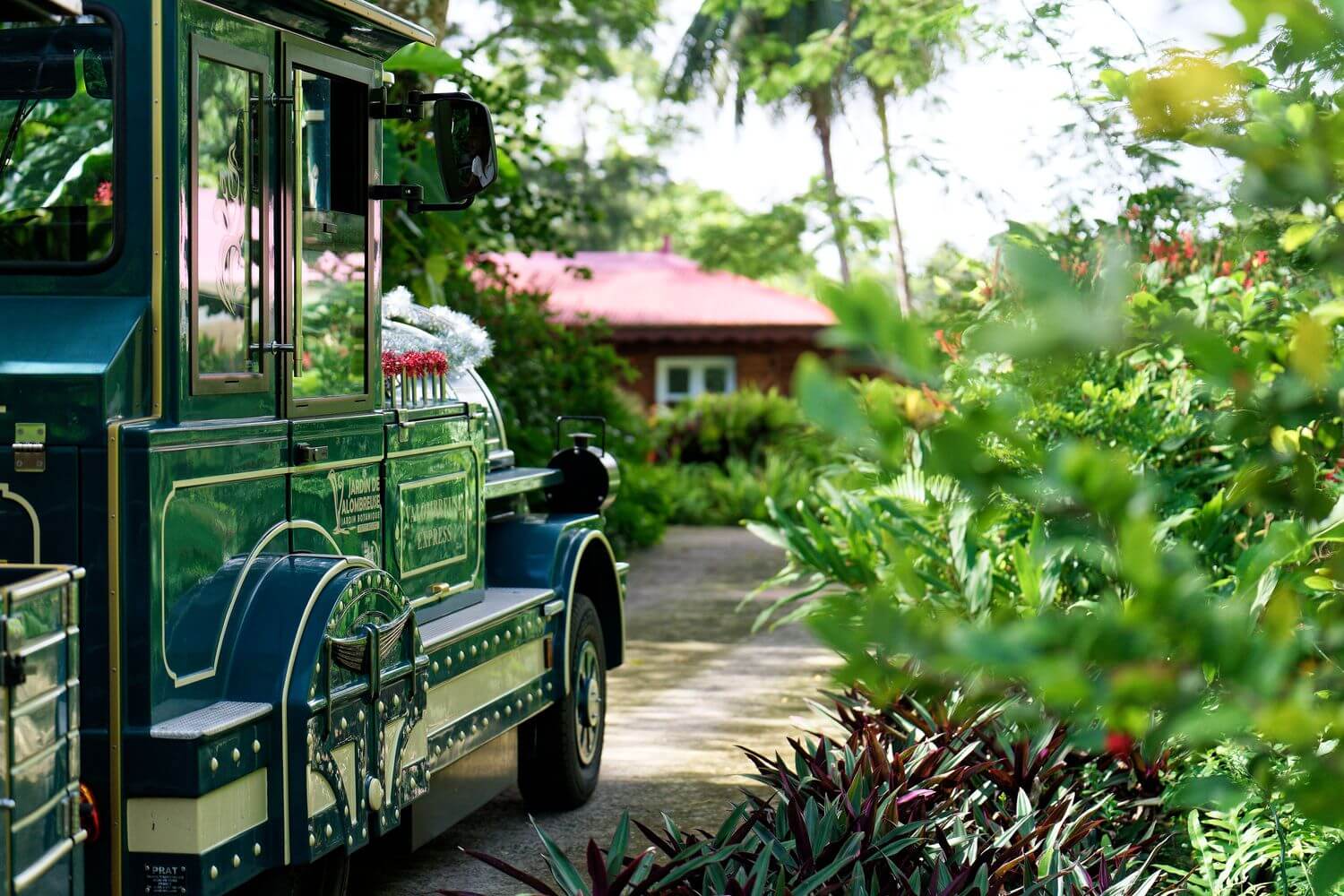
A vacation in Guadeloupe is a good opportunity to visit a tropical garden, and the Deshaies Botanical Garden is among the finest on the island. Our detailed article will give you an idea of what to expect. You’ll discover a wide variety of plant species along a well-designed loop through changing landscapes and vegetation. The Valombreuse Garden, in Petit-Bourg, is another worthwhile option, although there is less to do nearby. Allow two to three hours to explore the garden. You can also eat on site, and the ice cream makes a particularly welcome treat at the end.
While you’re in the area, make time for some of northern Basse-Terre’s beautiful beaches, especially Plage de la Perle and Grande Anse Beach in Deshaies. Both are lovely and, in clear weather, offer views toward the island of Montserrat. This stretch of coast is also an excellent place to watch the sunset. Just be careful, as the currents can be very strong at certain times of year.
There are also plenty of worthwhile places around Sainte-Rose, which I’ll mention below as alternatives. With only one week, you simply cannot do everything. During a longer stay, a day trip to explore the Grand Cul-de-Sac Marin is a must. For this shorter itinerary, you could instead swim at Plage des Amandiers, a pleasant and well-equipped beach.
Day 5: snorkeling in the Cousteau Reserve (Pigeon Islets)
For day five, head back down the leeward coast to Bouillante and the famous Cousteau Reserve. Even on a very short vacation in Guadeloupe, I believe this is a day you should try not to miss. I’ve already written a comprehensive guide covering everything you need to know about the reserve and the different ways to explore it, so consult that article for the full details.
In brief, the reserve lies offshore from Malendure Beach and is centered around the Pigeon Islets. There are several ways to explore it, but my favorite—and usually the most economical—is to take a kayak from Malendure Beach. It’s a calm, enjoyable, and budget-friendly way to reach the Pigeon Islets while taking in the surrounding scenery. A glass-bottom boat is another good option for anyone who would rather not kayak or is uncomfortable in the water. You can also go diving in the Cousteau Reserve, as we did with the Heures Saines dive center. Our dedicated article about that experience will give you a better sense of the dive site.
For the kayaking option, rentals are available directly on the beach, and the paddle to the islets takes around 30 minutes. Once there, you’ll find a white-sand beach, turquoise water, and plenty of fish. How impressed you are will naturally depend on your previous tropical snorkeling experience, but the setting is genuinely beautiful. I recommend leaving Malendure Beach as early as possible, since it can become very busy during high season. Once on the islets, you can explore on foot and bring a picnic if you plan to spend the day.
Feel free to check out my full article on Malendure Beach.
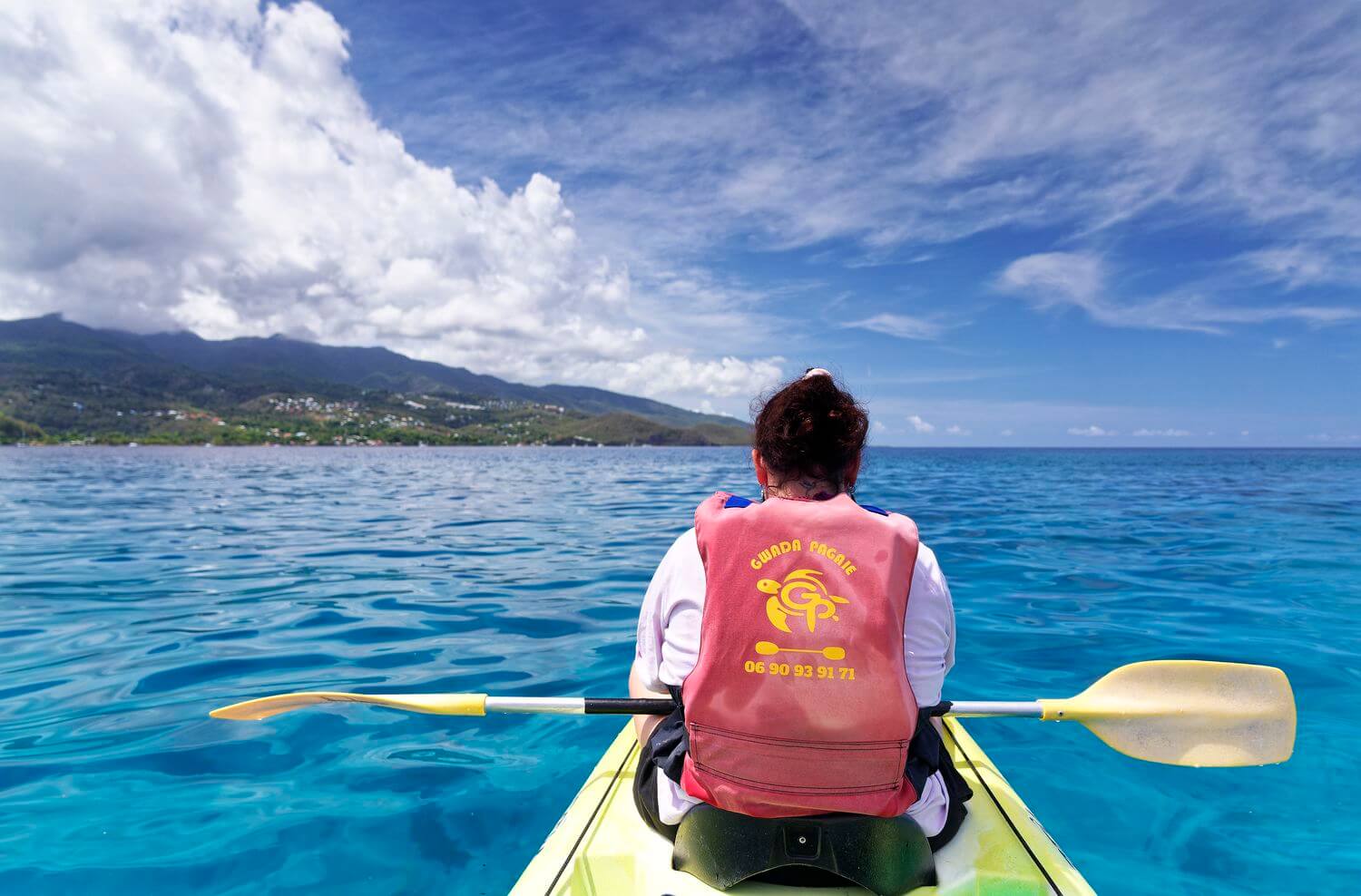
Malendure Beach can be extremely crowded in high season, but it is also a good place to look for turtles from shore. Put on your fins, mask, and snorkel and swim above the seagrass beds, where turtles often feed. It can be a memorable experience, and the beach has everything you need for a full day out.
Day 6: exploring southern Basse-Terre
For the rest of your stay, you’ll have to make some clear choices. I’ve called this section “Exploring Southern Basse-Terre,” although I’m almost tempted to rename it “Hiking in Basse-Terre.” If there is one essential way to experience this part of Guadeloupe, it is by discovering the natural landscapes and lush forest of southern Basse-Terre.
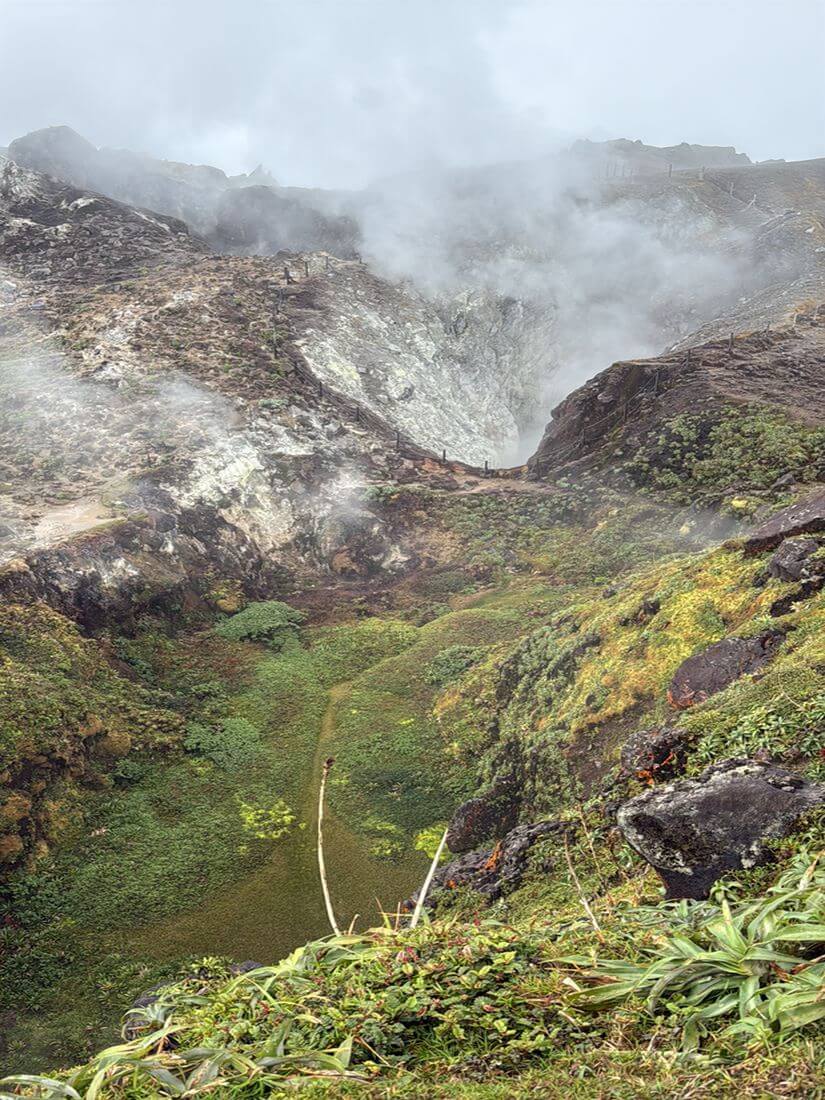
You certainly won’t be able to do everything. Your choice will depend on your priorities, but my personal recommendation would be to attempt the hike up La Soufrière volcano, an iconic trail with the potential for superb views. As always, you’ll find a complete article on the blog with all the practical information you need for hiking La Soufrière.
In brief, I consider this a hike that is accessible to many people, including some children. The trail itself is not especially technical; the main challenge is the weather. La Soufrière is often hidden in cloud, so you’ll need a little luck to enjoy a clear view from the summit. Start as early as possible—ideally around dawn—to avoid both the crowds and the heat, which can be intense in high season, even though temperatures are often cooler at altitude. Current safety regulations restrict access to several hazardous areas near the summit, so follow all signs and official instructions. On the way back, enjoy a soak in the famous Bains Jaunes, the naturally warm pool at the start of the Soufrière trail. It’s a pleasant place to rest your legs after the hike.
If climbing La Soufrière doesn’t appeal to you, there are many other hikes nearby. One option is Galion Waterfall, reached from the same trailhead as La Soufrière. The route leads to an impressive waterfall that is often less crowded. Paradis Waterfall in Vieux-Habitants is another beautiful spot, as are the Carbet Falls, although reaching them requires driving back through Petit-Bourg.
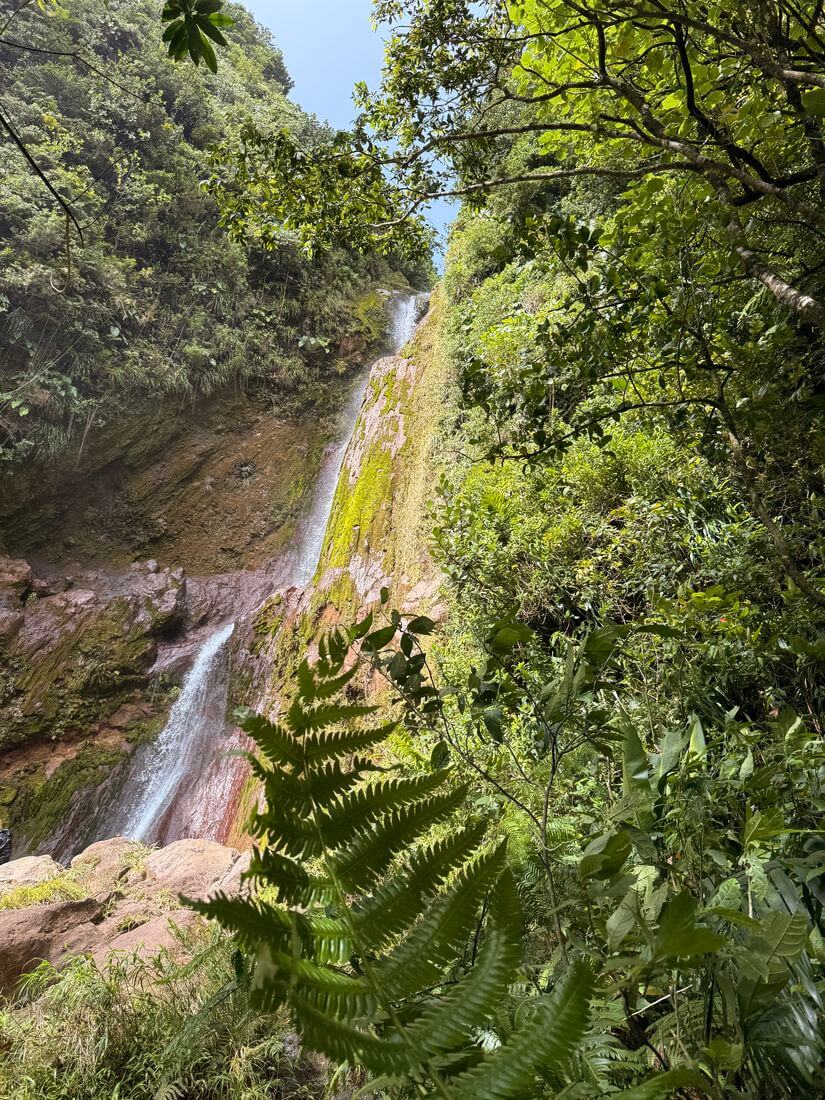
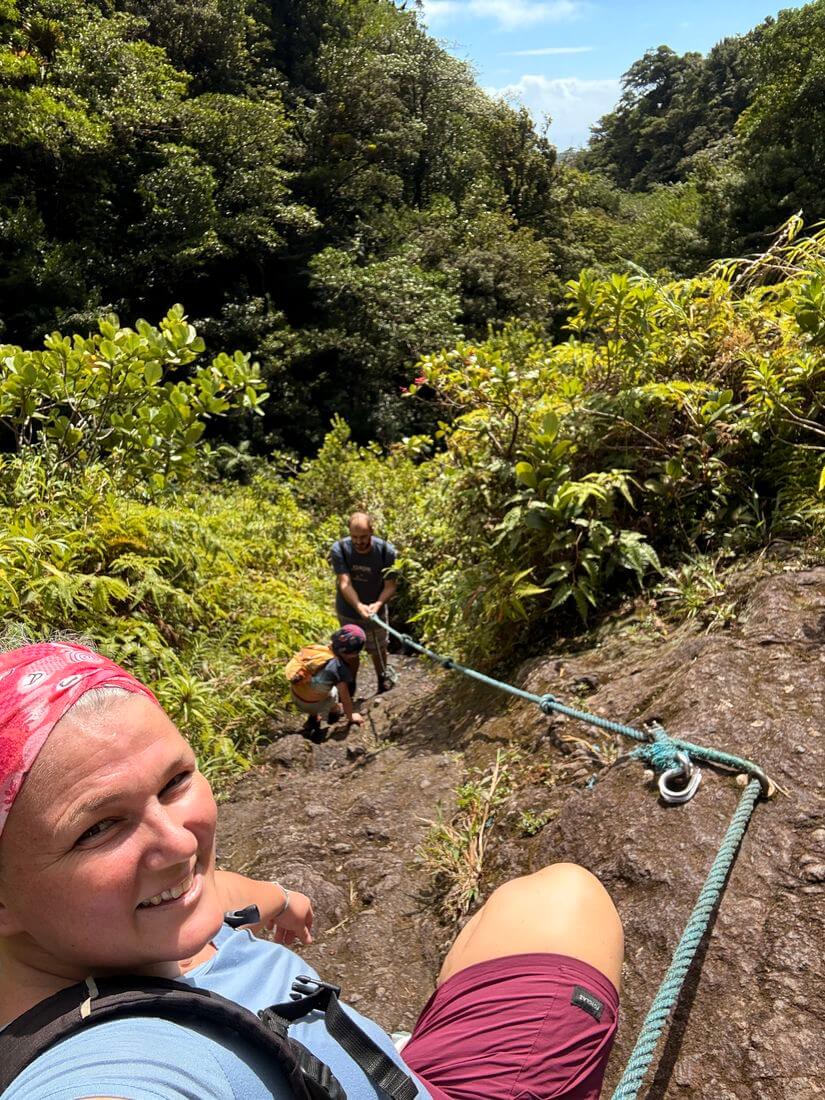
Whichever option you choose, set aside a day for southern Basse-Terre and consider including a good hike. If you’re not a keen hiker but still want a quick taste of Guadeloupe’s rainforest, you can visit Bassin Bleu from the commune of Gourbeyre. A short, roughly 30-minute walk along a flat, well-maintained trail leads to a pretty waterfall and several pools where you can swim. It’s one of the places we often take friends and relatives when they visit us in Guadeloupe.
Depending on the hike you choose, you may also have time to visit the Bologne Distillery in Basse-Terre. With only seven days in Guadeloupe, however, you probably won’t manage more than one hike or see much more of southern Basse-Terre, an area filled with beautiful places. There’s a reason we chose to live here.
Day 7: a day trip to Les Saintes
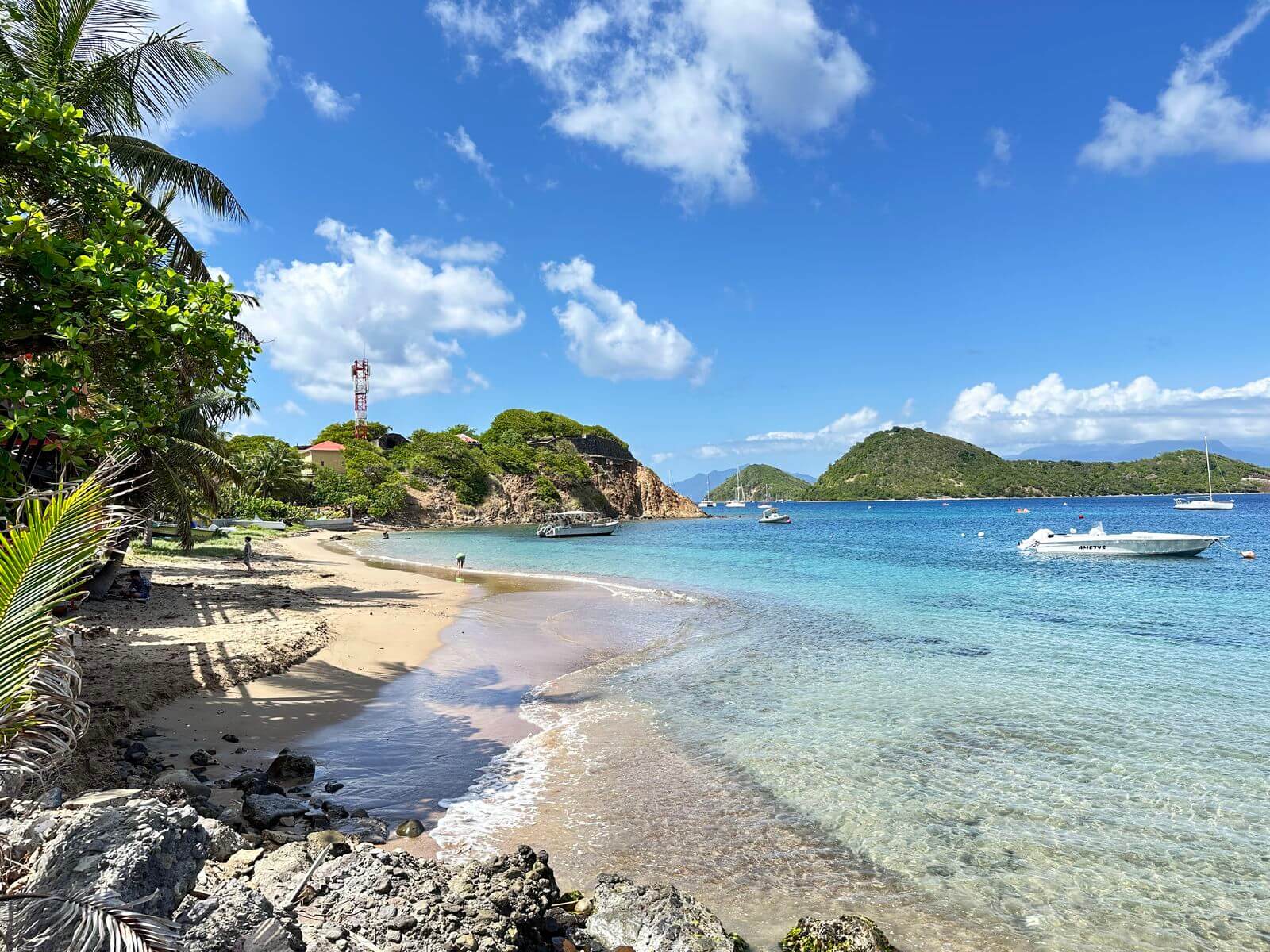
Unfortunately, this final day brings your trip to an end. I suggest spending it in the Les Saintes archipelago, which I consider a must even on a short visit to Guadeloupe. From the southeastern coast of Basse-Terre, take the ferry from Trois-Rivières and spend the day exploring Terre-de-Haut. As I explain in the dedicated article, the island really deserves more than a day, but with only seven days available, a same-day round trip is the most realistic option.
The ferry crossing from Trois-Rivières takes approximately 25 minutes. On arrival, you’ll discover a small, peaceful island that has certainly become more touristy but remains enjoyable. Your options will depend on your interests and budget. You could take a half-day boat trip, as we did with Mawaly Excursion, or choose Les Saintes Activities, which offers paddleboarding, kayaking, Seabob outings, and more. You can also organize the day independently: visit Fort Napoléon, enjoy a good lunch, and relax on the beach in the afternoon. Terre-de-Haut has a relaxed atmosphere and feels distinctly different from the main islands of Guadeloupe. Terre-de-Bas is also worth visiting, but it is less of a priority when you have only one day.
That brings us to the end of this seven-day itinerary for Guadeloupe. A week is already a valuable opportunity to experience the archipelago, and following this route will give you a varied introduction. Admittedly, it can only be a relatively brief overview, because Guadeloupe deserves far more than a single week. We do not always have enough time off to stay longer, though, so this itinerary should still be useful for travelers working with a very limited schedule.
Naturally, the right plan will depend on your own interests, and there are many other possibilities even during a short stay. I’ll also be preparing a complete itinerary for around ten days in Guadeloupe for anyone with a little more time.
One week in Guadeloupe: practical tips
As always, here are the essentials for spending one week in Guadeloupe—general information, but useful nonetheless.
How do you get to Guadeloupe?
The first practical question is, of course, how to get to Guadeloupe. We’ve written a complete guide covering everything you need to know. Most readers of this article will probably be French speakers, primarily from France, but also from Belgium and Switzerland. We also meet more and more visitors from Quebec, including while hiking. Guadeloupe’s most popular travel season coincides neatly with the harsh Quebec winter, so it’s easy to understand the appeal of spending some time in the tropical warmth.
I won’t repeat everything covered in the dedicated article, but the days when it was common to find €300 or €400 round-trip tickets from Paris to Guadeloupe are largely behind us. Affordable fares can now be difficult to find, especially when your dates are fixed. During the summer holidays, for example, tickets may cost €800 or €900 or more. Prices fluctuate constantly, so compare several dates whenever possible and remain flexible. A flight comparison tool such as Skyscanner can help you identify the most favorable dates and fares.
The same advice applies to our friends from Quebec. Direct flights continue to operate between Montreal and Pointe-à-Pitre, with a flight time of roughly five hours. We know the route well because we’ve traveled to Canada in July or August for several years. Fares vary significantly by date and season, so check current prices rather than relying on a fixed estimate.
How do you get around Guadeloupe?
As is often the case on islands, renting a car is by far the most practical way to explore Guadeloupe. The archipelago is spread out, and while public transportation does exist, it is unlikely to make a tightly scheduled itinerary any easier. Travelers on a very limited budget can combine buses and hitchhiking, but for greater freedom and peace of mind between stops, I recommend renting a car when you arrive at the airport.
Unfortunately, we haven’t yet arranged a partnership with a car rental agency in Guadeloupe, though we hope to do so. In the meantime, I recommend checking the comparison website Discover Cars. We found good deals there for a recent trip to Montreal and also used it to rent a car for a month in Costa Rica. We’ve never had a problem with the platform, and the prices can be very competitive. As with flights, compare different dates. It can even make sense to look at rental-car prices first and adjust your travel dates accordingly when you have enough flexibility.

Where should you stay for a week in Guadeloupe?
To be honest, I almost removed this section because accommodation is difficult to recommend without knowing the itinerary you choose. As usual, the right place to stay depends heavily on personal preferences and, above all, budget. I’ll soon publish a separate guide organizing our accommodation recommendations by area, which should provide a useful starting point.
For now, take a look at the map below. You can search for available accommodations and filter the results according to your preferred criteria.
Book your accommodation in Guadeloupe
Use the interactive map below to find your future accommodation!
That said, for a one-week stay in Guadeloupe, I recommend dividing your time roughly equally between Grande-Terre and Basse-Terre. Here are two places in each area that I would consider:
On Grande-Terre
- Les Z’Alizés : a lodge with tastefully decorated, fully equipped bungalows, each with a kitchen and terrace, set in a peaceful garden with a large pool. A lovely place to slow down and enjoy your stay.
- Île Tropical Lodges : independent, air-conditioned cottages surrounded by a lush garden, with a pleasant pool, barbecue facilities, and optional breakfast.
On Basse-Terre
- Jardin des îlets : a true garden setting with several charming houses, each featuring a terrace and kitchen, plus a wonderful panorama over the sea. We were lucky enough to stay here and share everything about our experience at Jardin des îlets in a full article.
- TropicAngel : a lodge offering several bungalows and rooms surrounded by nature, with sea views, a pool, a tropical garden, and a spa. We stayed there recently, and it became a genuine favorite of ours. To learn more, read our review of TropicAngel in Pointe-Noire.
That’s all for this one-week Guadeloupe itinerary.
If you’re still planning your trip, our article on the best time to visit Guadeloupe should also be useful.
See you soon,

Written by Sylvain PONS
Since 2021, I've been living in the Guadeloupe archipelago with Mélanie and our two children. We are exploring these beautiful islands and discovering the treasures that we are happy to share with you!
Despite our care, a mistake may have slipped into this article. If you find any, please don't hesitate to let us know so we can correct it as soon as possible and keep our information up-to-date!